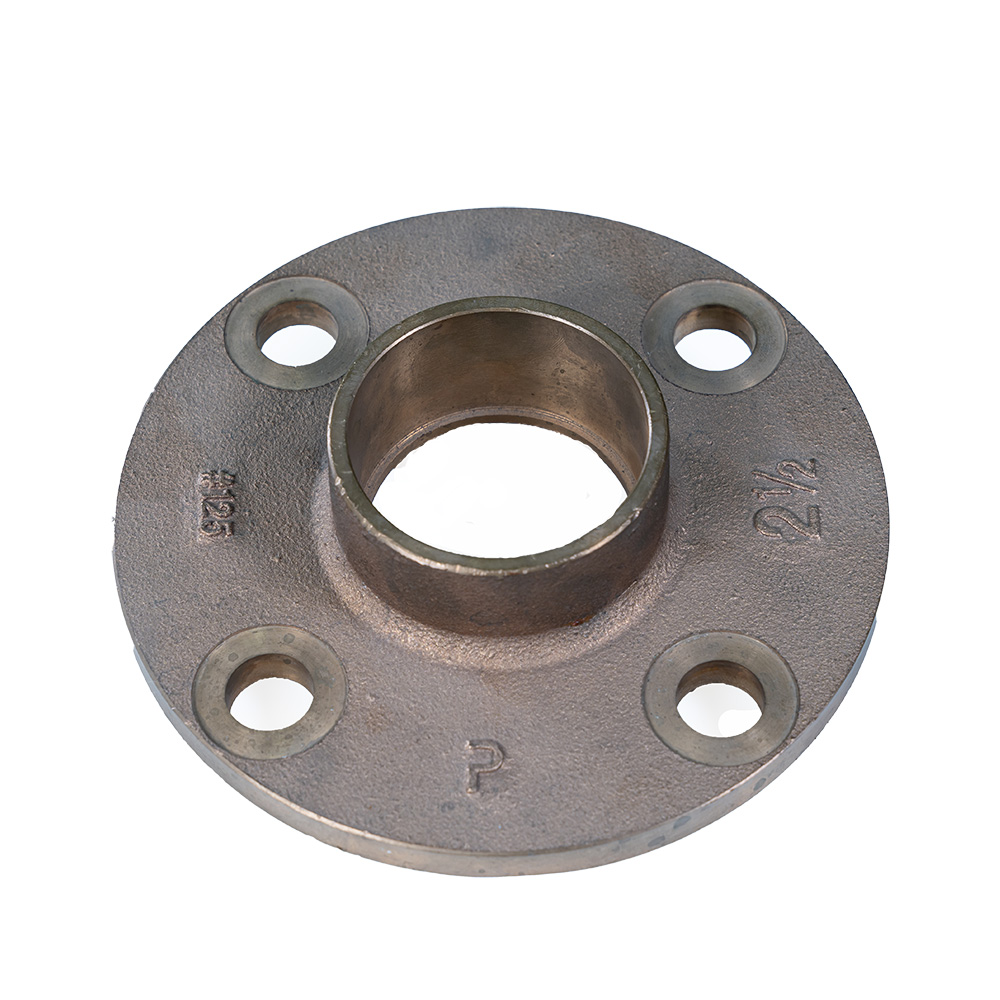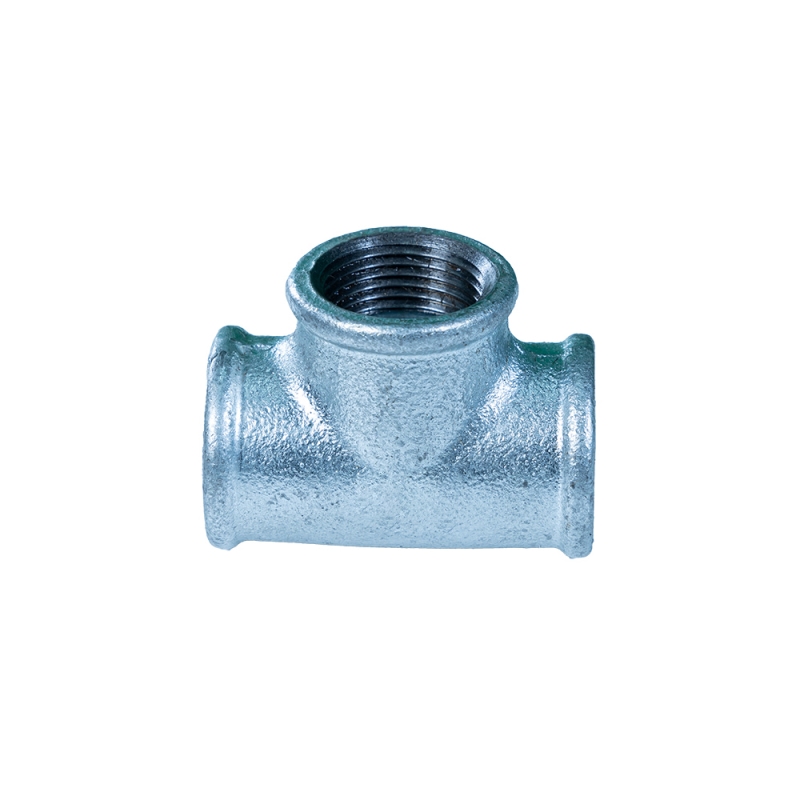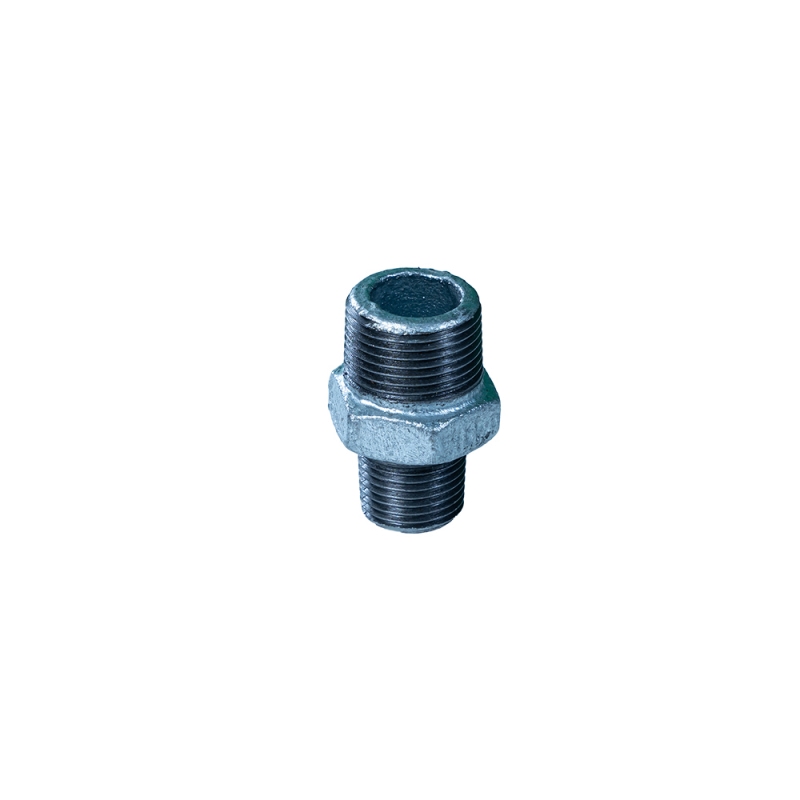

Understanding Pipe Fittings Reducer: Essential Connections in Industry
Pipe fittings reducer might sound like a niche term, but it’s surprisingly pivotal across countless industries worldwide. At its core, these fittings adapt pipes from one diameter to another, enabling fluid, gas, or material flow within infrastructure systems. Globally, their use touches everything from water supply networks in urban centers to complex oil and gas pipelines, manufacturing processes, and even humanitarian projects. How we connect pipes, and the efficiency of these connections, directly impact safety, economy, and sustainability on large scales.
So, why does this matter beyond engineering circles? Well, consider the World Bank’s emphasis on water infrastructure — effective pipe management can reduce leaks, conserve resources, and enhance delivery of essential services. That’s why mastering the nuances of pipe fittings reducer design and application isn’t just plumbing jargon; it’s foundational to modern infrastructure development worldwide.
Introduction: Global Relevance of Pipe Fittings Reducer
The global market for pipe fittings, including reducers, is estimated to be worth billions annually, driven by growth in construction, energy, and water treatment sectors. According to a recent report by ISO standards, quality and compatibility in fittings affect system longevity and environmental safety. Yet, as pipelines grow more complex and industries demand sustainable solutions, the challenge is clear: how to balance cost, durability, and environmental impact.
In short, pipe fittings reducer acts as a small but mighty cog enabling the scaling and adaptation of piping networks without wholesale replacement—critical when dealing with costly or remote infrastructure. With emerging markets expanding and aging pipelines requiring upgrades, these components play an often overlooked but essential role.
What Is a Pipe Fittings Reducer?
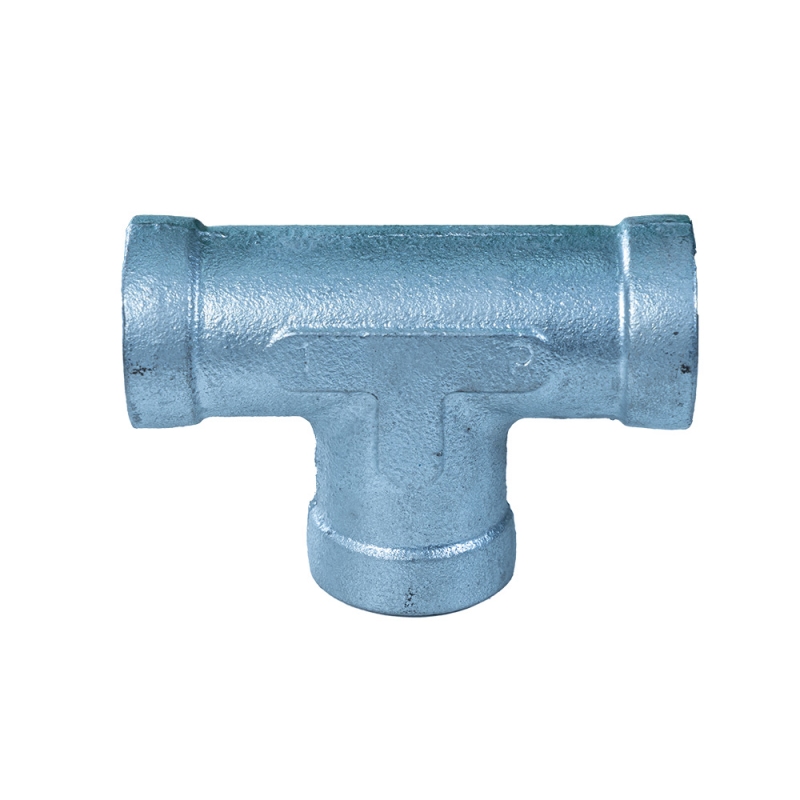
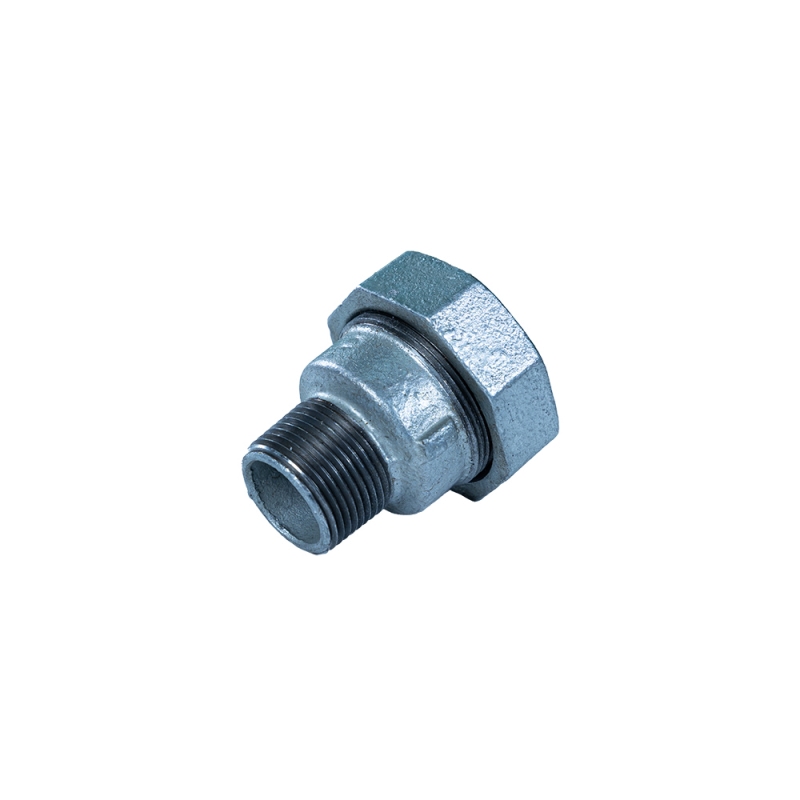
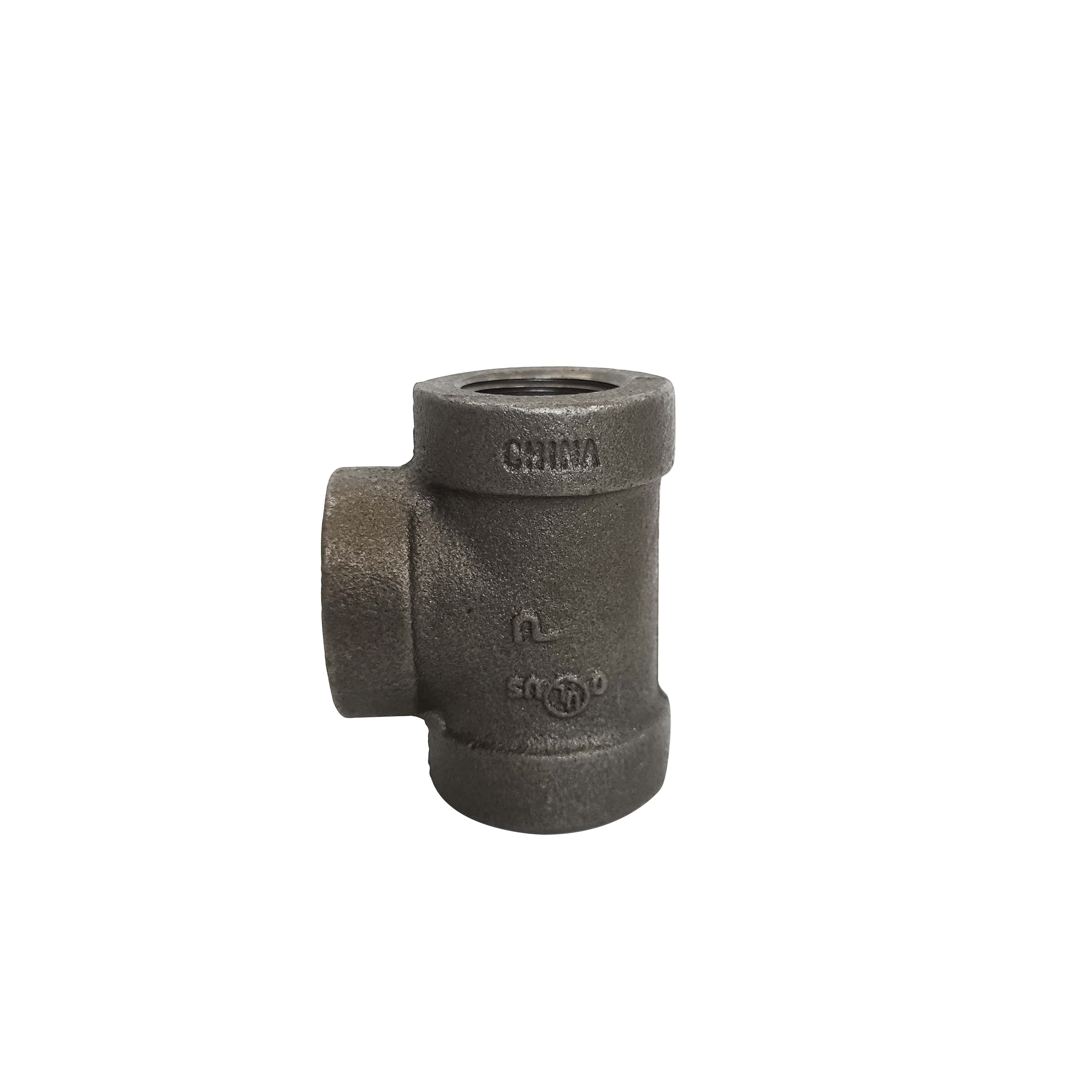
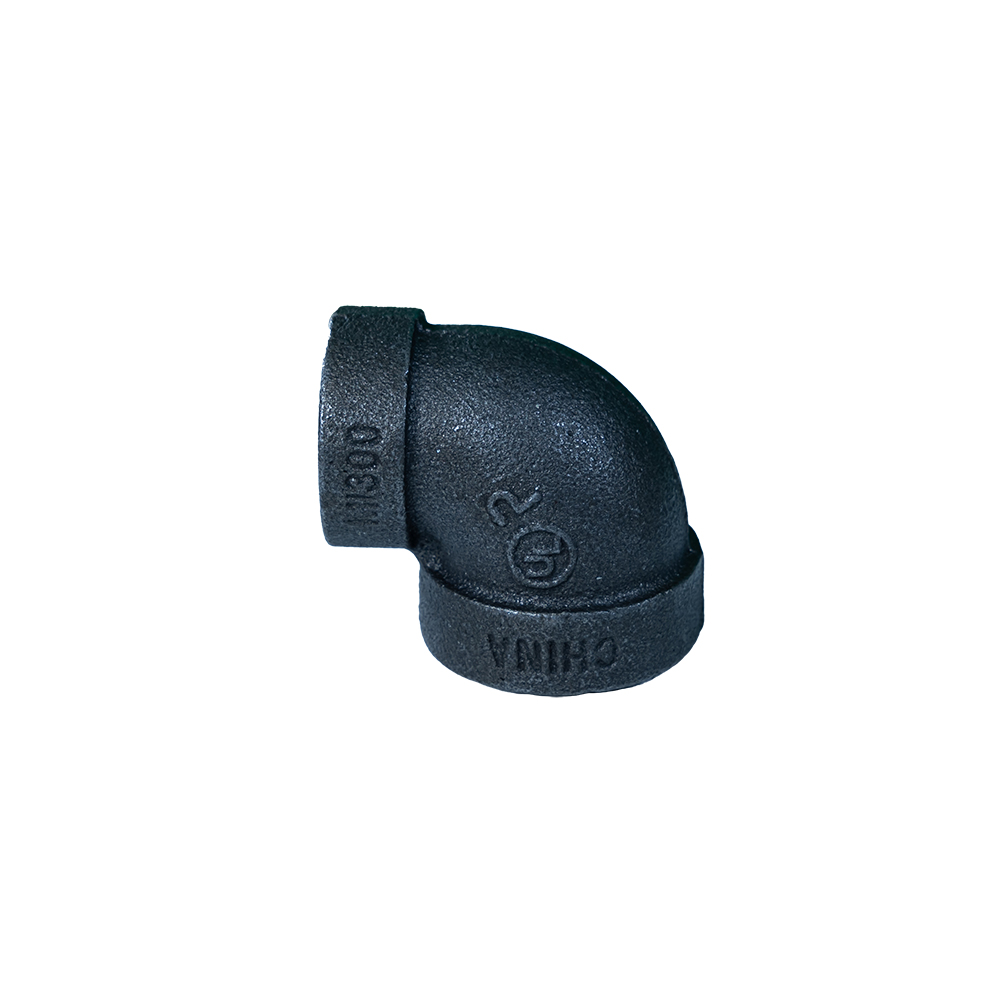
Simply put, a pipe fittings reducer is a connector that joins two pipes of different diameters, adapting one to fit seamlessly with the other. Think of it as a translator between mismatched pipes, preventing leaks and maintaining smooth flow. Depending on the design, reducers can be concentric (aligned along the centerline) or eccentric (offset), each suited to different industrial needs.
In humanitarian contexts, for example, pipe fittings reducers enable quick assembly of water distribution lines in disaster zones, where modularity and speed are vital. Likewise, in petrochemical plants, precise reducers maintain system pressure and avoid dangerous turbulence.
Key Factors and Core Components of Pipe Fittings Reducer
1. Durability and Material Choices
Durability is paramount. Reducers come in materials like stainless steel, carbon steel, PVC, and brass. Selecting the right material depends on operating pressures, corrosive environments, and temperature ranges. Stainless steel, for instance, is favored for longevity and corrosion resistance, especially in harsh chemical industries.
2. Design and Configuration
Concentric reducers provide smooth flow transitions, minimizing pressure loss, ideal for vertical pipelines and suction lines. Eccentric reducers prevent air pockets in horizontal lines, crucial in pumping systems. The design nuances dictate efficiency and safety in operation.
3. Cost Efficiency
Optimizing reducer specifications contributes to cost savings over time by reducing maintenance, energy loss, and downtime. While initial expenses vary by material and size, thoughtful selection aligns budget goals with performance.
4. Compliance and Standards
Standards like ASTM, ANSI, and ISO regulate dimensions and testing, ensuring fit and function worldwide. Compliance reduces risks and facilitates international project cooperation.
5. Scalability and Customization
Custom reducers cater to unique pipeline systems, especially in retrofits or expansion projects. Scalability enables systems to adapt without extensive pipe replacement, saving time and resources.
Global Applications & Use Cases
Pipe fittings reducer's versatility means they’re found everywhere:
- Urban Water Supply: Municipal water systems rely heavily on reducers to connect pipes of varying sizes as demand shifts.
- Oil & Gas Industry: In refineries and offshore platforms, precise reducers help manage pressure and flow.
- Manufacturing Plants: Cooling systems, chemical processing lines, and HVAC all use reducers to optimize fluid dynamics.
- Disaster Relief Efforts: Rapid deployment of water and sanitation infrastructure requires adaptable fittings, including reducers, to quickly modify makeshift piping networks.
- Renewable Energy Projects: Biomass and hydroelectric plants leverage reducers in piping systems for efficiency and sustainability.
For instance, after natural disasters, NGOs often use pre-fabricated pipelines with various reducers to restore clean water access within days—something only sturdy, adaptable fittings can enable.
Pipe Fittings Reducer Specifications
| Specification | Detail |
|---|---|
| Material | Stainless Steel, Carbon Steel, PVC, Brass |
| Type | Concentric and Eccentric |
| Pressure Ratings | Up to 3000 psi (varies with material) |
| Size Range | From 1/2 inch to 48 inches diameter |
| Standards | ASTM A234, ASME B16.9, ISO 9001 Compliant |
Vendor Comparison: Top Pipe Fittings Reducer Suppliers
| Vendor | Material Range | Custom Options | Global Reach | Typical Lead Time |
|---|---|---|---|---|
| PanNext Fittings | Stainless Steel, Carbon Steel, PVC | High Customization Available | Worldwide | 2-3 Weeks |
| GlobalTech Pipes | Carbon Steel, Brass | Standard Products Mostly | North America, Europe | 3-4 Weeks |
| EcoFittings Ltd. | PVC, HDPE | Focus on Eco-Friendly Designs | Asia, Africa | 1-2 Weeks |
Advantages & Long-Term Value of Pipe Fittings Reducer
It’s not just about joining pipes but ensuring reliable, leak-free connections that last decades, often under extreme conditions. In real terms, this means significant reductions in maintenance costs and environmental hazards. Emotionally, it’s reassuring for engineers and communities alike to trust their infrastructure won’t fail unexpectedly.
Effective reducers also support sustainability goals by optimizing material use and enabling system upgrades without full replacement. They help maintain water and energy efficiency, which, given global resource challenges, translates to improved social welfare and innovation trustworthiness.
Future Trends & Innovations
Looking ahead, the future of pipe fittings reducer lies in smart materials and digital integration. Imagine reducers embedded with sensors that monitor pressure or detect corrosion early—enabling predictive maintenance before failures occur. Additionally, biodegradable and recycled materials are gaining traction, aligning with global sustainability policies like the UN’s Sustainable Development Goals.
Automation in manufacturing processes, including 3D printing of bespoke reducers, promises faster, more customized delivery—especially vital for challenging geographic areas. So, it feels like the humble pipe fitting reducer is poised to become a smart, green component in industrial evolution.
Challenges & Solutions
No system is without challenges. Issues like material incompatibility, corrosion, and installation errors can lead to leaks or pressure loss. Expert advice often suggests rigorous adherence to standards and investing in quality suppliers to mitigate risks. Training installation teams on nuances of eccentric versus concentric reducers—small details with big impacts—is crucial.
Innovations such as improved coatings and modular plug-and-play fittings address traditional pain points by enhancing durability and ease of maintenance. In short, the industry is actively solving problems that used to limit pipeline reliability.
FAQ: Frequently Asked Questions About Pipe Fittings Reducer
- What types of pipe fittings reducers are best for high-pressure systems?
- Concentric reducers made from stainless steel are generally preferred for high-pressure scenarios, as they maintain consistent flow and withstand harsh environments. However, selecting the right type depends on system specifics like direction and pipe layout.
- Can pipe fittings reducers be used in potable water systems?
- Yes, especially those made from certified non-toxic materials like certain plastics or stainless steel. It's critical they comply with local health standards to avoid contamination.
- How do eccentric reducers prevent air pockets in pipelines?
- Eccentric reducers have an offset centerline design, which allows air or gas pockets to flow out of the pipeline system, preventing issues like cavitation in pumps or flow blockages.
- What custom options are available for pipe fittings reducers?
- Custom sizes, materials, pressure ratings, and fabrication techniques can be tailored to meet unique industrial or infrastructural needs, especially for retrofit or specialized systems.
- Where can I source high-quality pipe fittings reducers worldwide?
- Companies like PanNext Fittings offer global distribution and customizable options ensuring compliance with international standards and support.
Conclusion: The Pipe Fittings Reducer - Small Component, Big Impact
Ultimately, pipe fittings reducers do more than just connect pipes—they connect systems to reliability, sustainability, and efficiency in a globalized world. Their small size belies a critical role in infrastructure that moves the world’s water, energy, and industrial fluids safely and economically. For engineers, project managers, or even curious minds, understanding these components equips you with insight into a linchpin of modern industry.
If you want to explore further or source quality pipe fittings reducer solutions, I recommend visiting PanNext Fittings. It’s a solid starting point for products designed with precision and global standards in mind.
It’s funny how such a simple device feels like the unsung hero in complex networks. But in infrastructure, small parts often make the biggest difference.
References
Post time: Dec-02-2025