
Understanding 1 1/4 Black Iron Pipe Fittings and Their Global Importance
At first glance, a 1 1/4 black iron pipe fitting might sound like a pretty niche component reserved for pipefitters and plumbing pros. But here’s the catch — this humble part supports entire industries worldwide, from municipal water systems to industrial plants and even humanitarian projects. Understanding these fittings isn’t just about assembly; it’s about ensuring safe and reliable fluid and gas transport, which plays a quiet yet crucial role in global infrastructure.
Why should anyone outside of supply chain or construction care? Because black iron pipe fittings underpin everything from clean water delivery in urban areas to critical oil and gas pipelines that fuel economies. In congested cities or remote industrial zones, these fittings are the unsung heroes ensuring systems don’t fail — without ever rattling a single headline.
Why 1 1/4 Black Iron Pipe Fittings Matter Globally
In terms of scale, black iron pipes and their fittings represent a multi-billion-dollar segment in construction and industrial manufacturing. According to industry data reported by the International Organization for Standardization (ISO), piping systems account for an expanding share of global infrastructure investment, especially in emerging economies where urbanization accelerates the demand for reliable pipe networks.[1]
One issue these fittings address is the challenge of durability in harsh environments. Cities in Asia, Africa, and Latin America are rapidly expanding water and heating networks, but they often face corrosion and pressure issues due to climate and usage conditions. The durability and adaptability of 1 1/4 black iron pipe fittings make them a preferred choice to meet such challenges.
What Exactly Are 1 1/4 Black Iron Pipe Fittings?
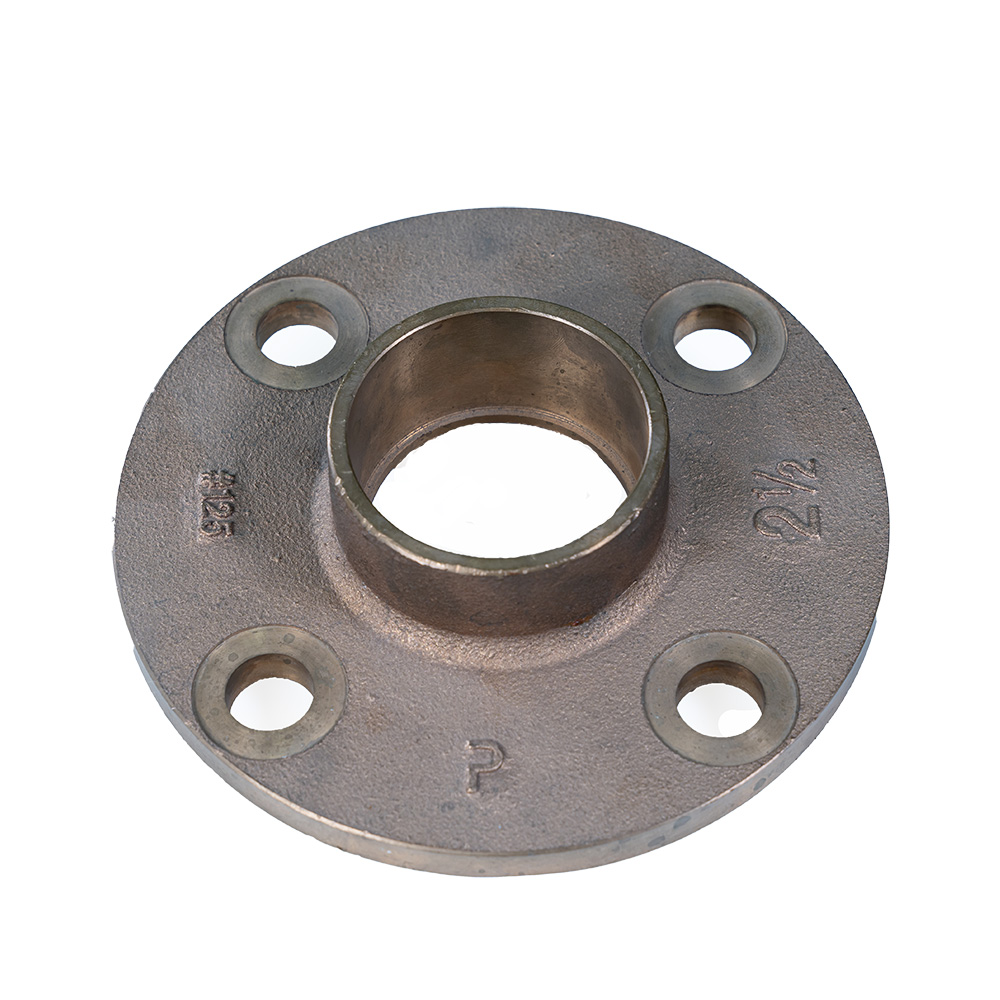
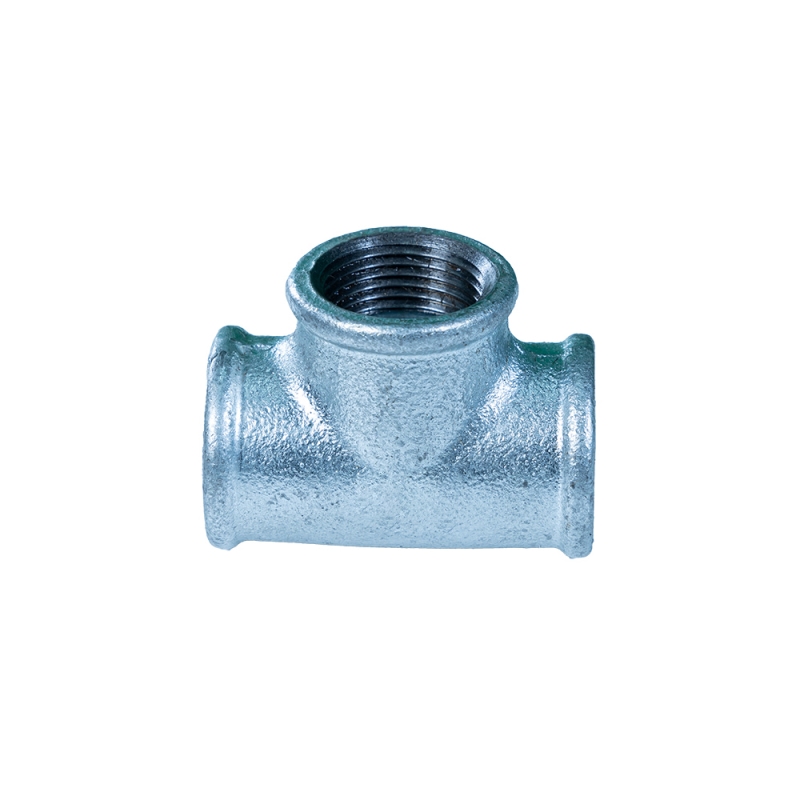
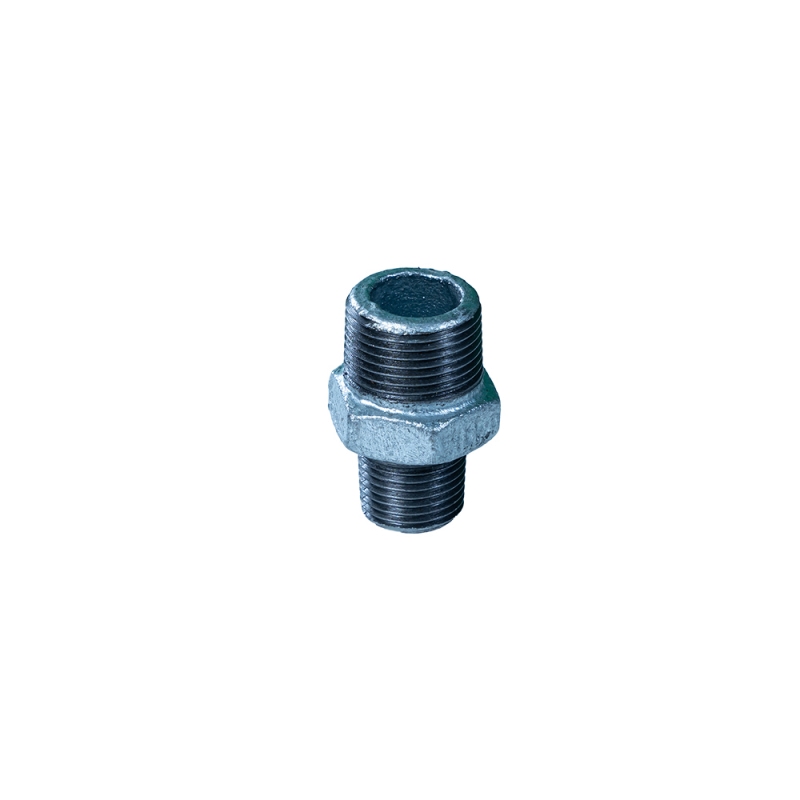
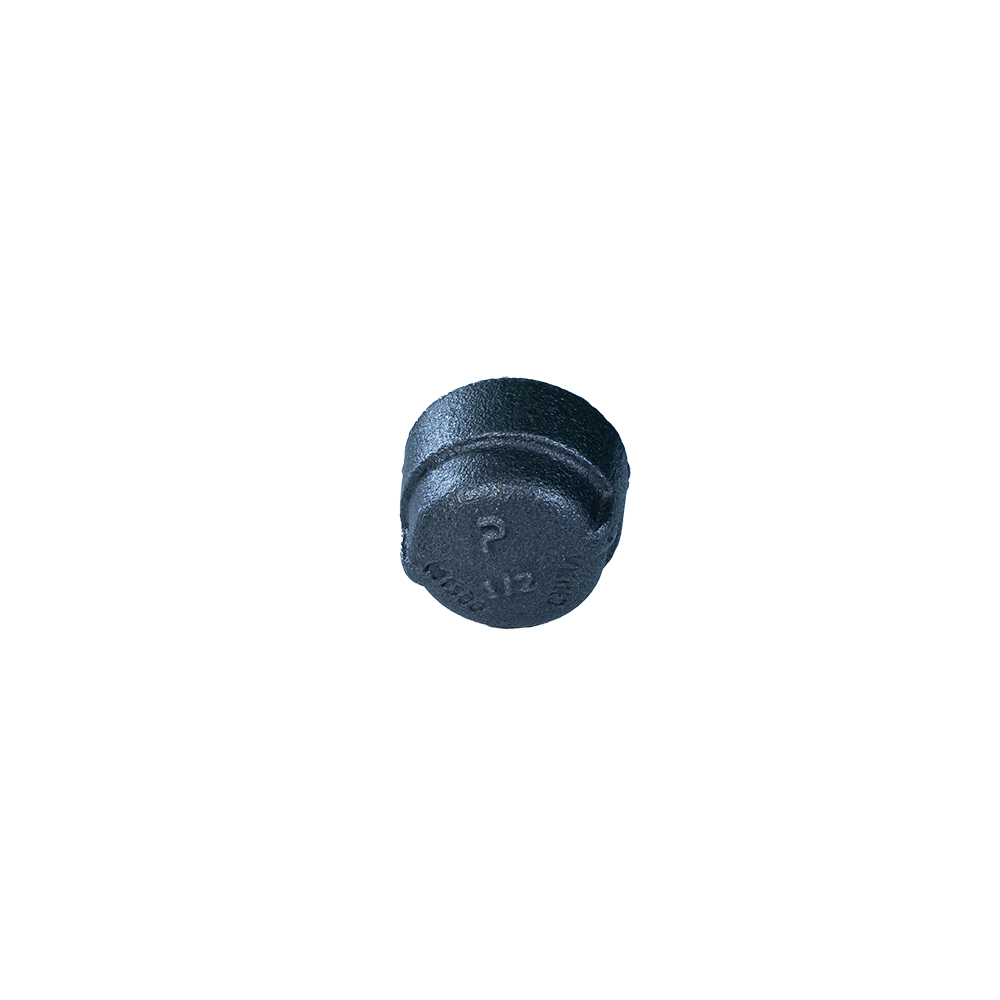
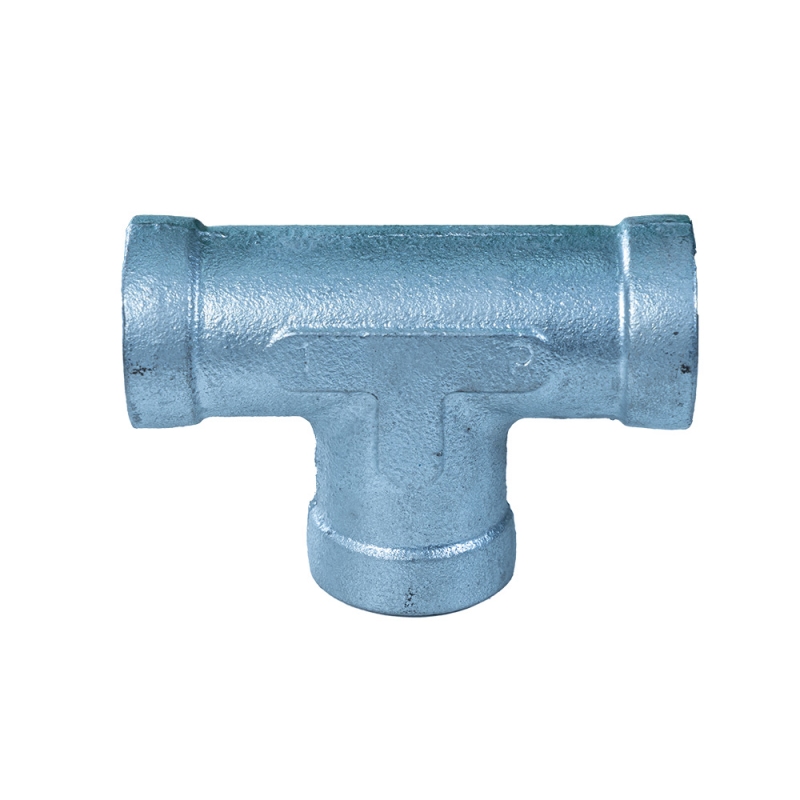
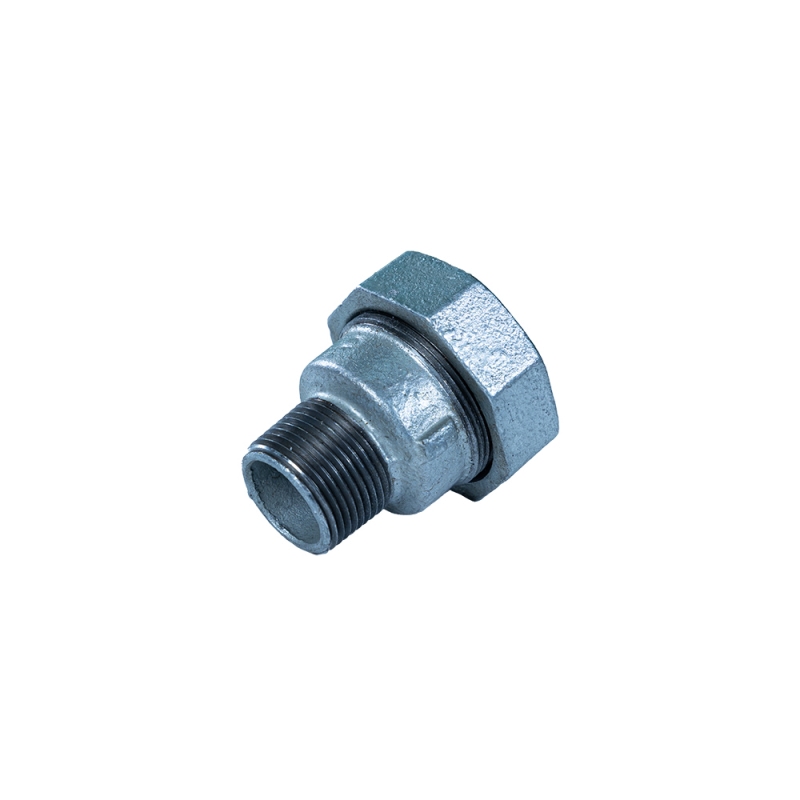
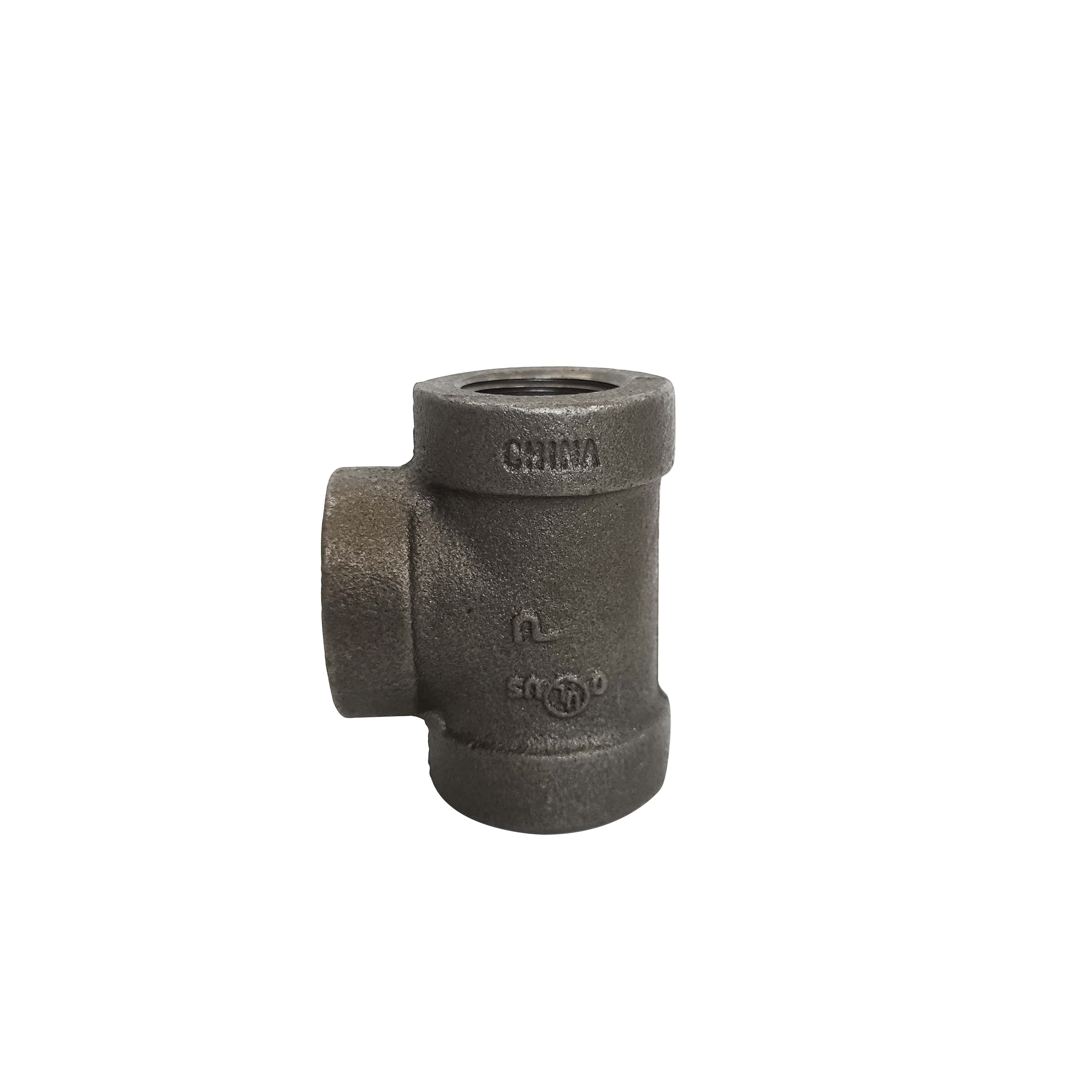
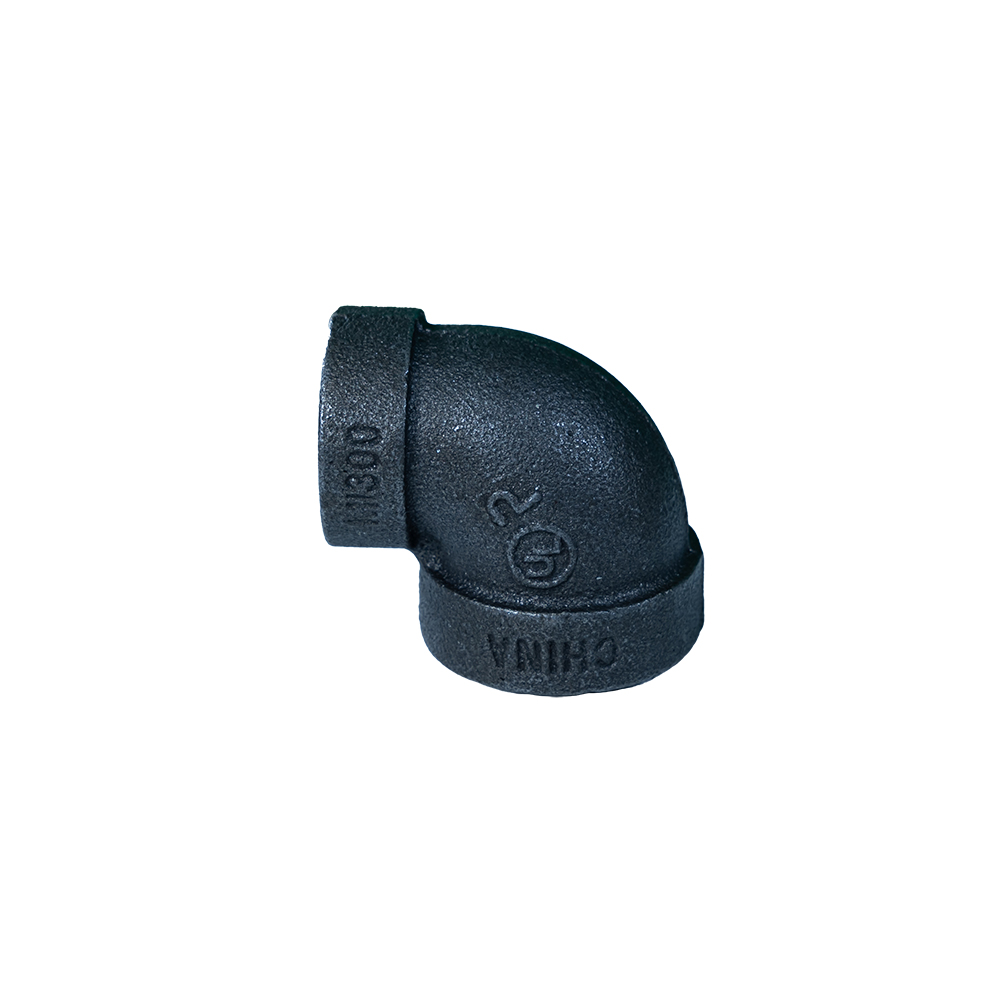
Simply put, a 1 1/4 black iron pipe fitting is a connector used to join sections of pipe that are 1 1/4 inches in diameter made of black iron — essentially iron coated with a dark oxide layer that helps resist rust and corrosion. These fittings come in various shapes like elbows, tees, couplings, and unions, designed to change the direction or path of piping or connect multiple lines.
They’re iconic in industrial and residential plumbing systems because black iron offers strength and resistance while being cost-efficient. The "black" aspect shouldn’t be confused with black steel, but they’re often used interchangeably in trade discussions.
How They Fit Into Industry and Humanitarian Efforts
Beyond industry, these pipe fittings help build temporary water supply networks in emergency relief zones or support heating systems in colder regions with limited resources. I remember reading about a relief organization deploying rapid water distribution systems after floods in Southeast Asia — without reliable fittings like these, the effort simply wouldn’t hold up.
Four Key Factors That Make These Fittings Essential
1. Durability and Corrosion Resistance
Black iron’s protective coating helps resist corrosion, especially crucial in underground or outdoor applications. In salty or humid climates, this layer extends service life considerably.
2. Cost Efficiency
Compared to stainless steel or brass, black iron fittings keep budgets in check, allowing infrastructure projects to scale without skyrocketing costs — a big win in developing regions.
3. Versatility and Scalability
The standard sizing like 1 1/4 inch lets engineers design modular systems easily, adapting to different layouts whether it’s a factory floor or urban water mains.
4. Ease of Installation
Many engineers swear by black iron because it balances strength with enough malleability to work with threading and welding, easing onsite work.
Mini Takeaway:
So basically, these fittings punch well above their weight: strong, affordable, with standards that make life easier all around. It’s these qualities that make them popular worldwide.
Where Do These 1 1/4 Black Iron Pipe Fittings Get Used?
Geographically, you’ll find them in thriving urban centers of India and China supporting massive industrial plants, as well as in remote regions of Africa where water delivery relies on rugged infrastructure. Industries like oil and natural gas transport, manufacturing plants, and residential plumbing services count on them daily.
For example, in post-disaster relief efforts after earthquakes or floods, quick deployment of durable pipe fittings can jumpstart water sanitation networks — an immediate public health priority. Similarly, mining operations in South America use these fittings to build large-scale fluid transport systems that can stand up to tough environmental demands.
Advantages & The Long-Term Value of Investing in Quality Fittings
The benefits are multifold. Financially, investing in these fittings reduces replacements and repair costs, particularly where corrosive conditions accelerate wear. More than that, it builds trust in infrastructure reliability — people expect their water or gas to flow uninterrupted, safety intact.
From a sustainability standpoint, black iron fittings can be recycled easily compared to plastics, which end up in landfills. There’s also a social dimension — reliable plumbing fosters dignity in homes and workplaces, reinforcing a sense of normalcy even in tough environments.
The Future: Innovations Shaping Pipe Fittings
You’d think a simple part like a pipe fitting wouldn’t change much — yet materials science is creeping in. Research into coatings that resist extreme corrosion better or integrate sensor technology to monitor pressure remotely is underway. Imagine a pipeline that tells engineers if a fitting is starting to fail before a leak forms.
Sustainability pushes manufacturers toward greener production methods and the use of recycled raw materials. Also, automation in fabricating these fittings helps improve precision, reducing installation problems downstream.
Tackling Challenges in Current Practice
Still, it’s not all shiny. Black iron fittings can be heavy compared to other materials, and if not installed correctly, the black coating can wear off, inviting corrosion. Experts suggest better training and quality control on site can cut down failures significantly. New sealing technologies and anti-corrosion treatments also address these issues head on.
Frequently Asked Questions About 1 1/4 Black Iron Pipe Fittings
What sizes do 1 1/4 black iron pipe fittings typically come in?
Standard fittings sized for 1 1/4 inch pipes usually relate to nominal pipe size (NPS), though actual outside diameters may differ slightly. They come as elbows, tees, couplings, reducers, and more, to fit corresponding pipe diameters precisely.
Are these fittings suitable for outdoor or underground use?
Yes. When properly coated and installed, black iron fittings resist corrosion well, making them common choices for underground and outdoor piping applications – especially in water and gas delivery systems.
Can I use black iron fittings for high-temperature applications?
Generally, yes. Black iron handles moderate heat well, but it depends on pressure and temperature ratings for each specific fitting. For very high temperatures, specialized alloys might be better suited.
How do 1 1/4 black iron fittings compare to galvanized fittings?
Black iron fittings have a natural oxide coating but are more prone to surface rust if exposed. Galvanized fittings have an added zinc layer for corrosion resistance, making them ideal for water supply systems where rust is a concern. However, black iron works well where welding or threading is required.
Where can I source reliable 1 1/4 black iron pipe fittings?
Trusted suppliers with certification and quality assurance are crucial. Visiting specialist industrial supply websites like 1 1/4 black iron pipe fittings can connect you with verified vendors.
Product Specification Table
| Specification | Detail |
|---|---|
| Nominal Pipe Size | 1 1/4 inch |
| Material | Black iron (mild steel with oxide coating) |
| Pressure Rating | Up to 300 psi (varies by design) |
| Operating Temperature Range | -20°C to 120°C (-4°F to 248°F) |
| Common Connector Types | Threaded, welded |
| Coating | Black oxide (rust resistant) |
Vendor Comparison Table
| Vendor | Product Range | Certification | Customer Support | Delivery Time |
|---|---|---|---|---|
| PanNext Fittings | Wide (all standard sizes) | ISO 9001, ASTM | 24/7 Support, Technical Advice | 5–7 business days |
| Global Pipe Supply | Moderate (common sizes) | API 5L, ISO 14001 | Business Hours Only | 7–10 business days |
| Ace Industrial Fittings | Limited selection | None Certified | Email Only | 10+ business days |
Wrapping It Up: Why These Pipe Fittings Should Be On Your Radar
So, what’s the takeaway after all this? The value of 1 1/4 black iron pipe fittings isn’t just in their metal but in the reliability, affordability, and adaptability they bring to a range of critical infrastructures worldwide. They may not be the flashiest element on a project site, but they’re often the ones that keep everything flowing smoothly — literally.
If you’re in construction, procurement, or industrial maintenance, it’s worth checking out trusted suppliers who can back quality with certification and support. At the end of the day, the little fittings often make the biggest difference.
For more insights and the best deals, visit 1 1/4 black iron pipe fittings and see what’s new in this essential part of industrial life.
References
Post time: Nov-30-2025