
Understanding Steel Pipe Joints and Fittings: The Backbone of Modern Infrastructure
Steel pipe joints and fittings might sound like the unsung heroes of industry, but their role stretches far beyond mere connectors. They’re crucial cogs in systems that move everything from water and gas to oil and chemicals, powering cities and saving lives globally. Understanding these components isn’t just an engineer’s hobby; it informs how we build sustainable, efficient, and safe infrastructure worldwide.
In fact, global steel pipe fittings markets are projected to grow steadily—as nations modernize utilities and industries demand higher reliability. So, it’s worth diving into what exactly steel pipe joints and fittings are, why they matter, and future trends that could reshape entire sectors.
A Global Look at Steel Pipe Joints and Fittings in Industry and Infrastructure
Globally, the demand for steel piping fittings correlates strongly with urbanization, energy consumption, and industrial expansion. The World Steel Association notes that steel production hit 1.9 billion tonnes in 2022, with a big slice dedicated to pipes and related accessories. Why? Because well-designed joints and fittings ensure systems stay leak-proof, corrosion-resistant, and easy to maintain.
ISO standards emphasize the importance of consistent quality in these fittings, especially for critical sectors like oil & gas, water supply, and construction. Yet, challenges abound — from environmental factors to installation complexities — where a faulty joint can lead to catastrophic failure or costly downtime.
Addressing these challenges by choosing the right steel pipe joints and fittings is vital. For example, in regions prone to seismic activity, flexible fittings can prevent pipeline breaks—it's not just about connecting pipes, but about resilience.
So, What Exactly Are Steel Pipe Joints and Fittings?
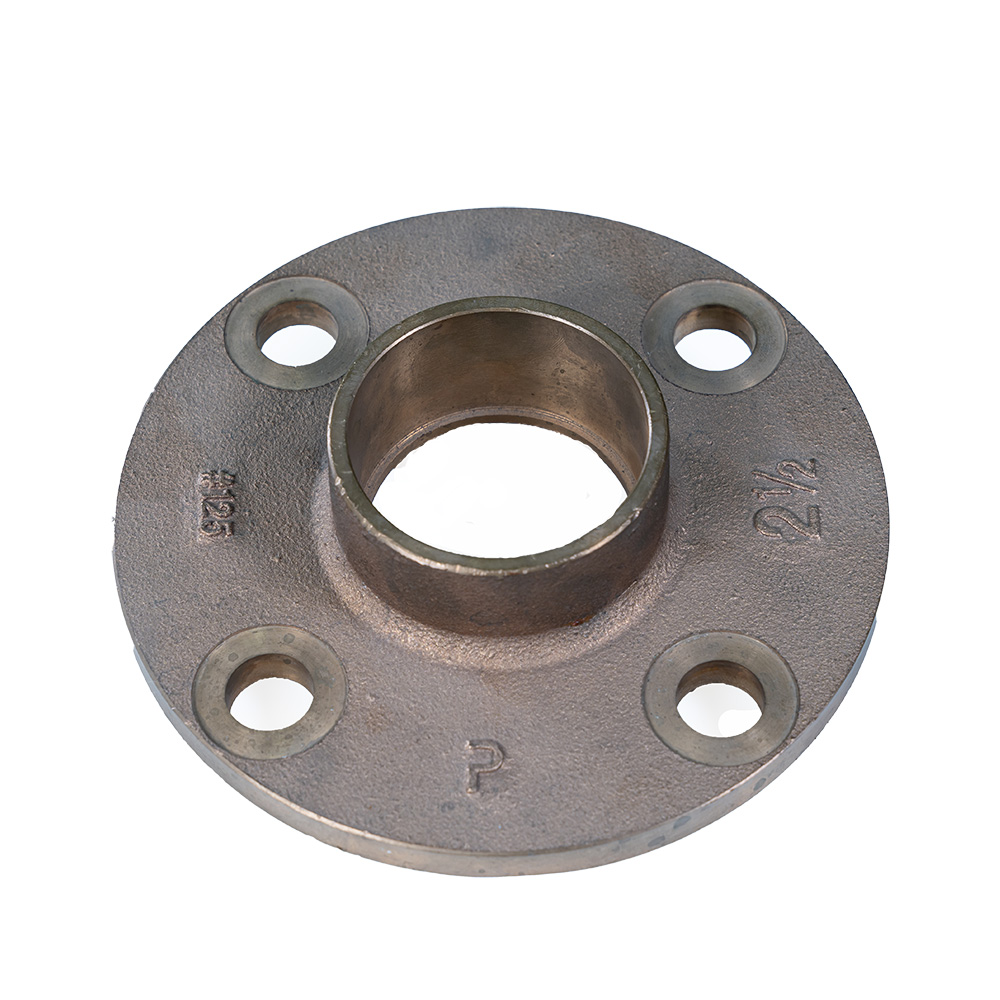
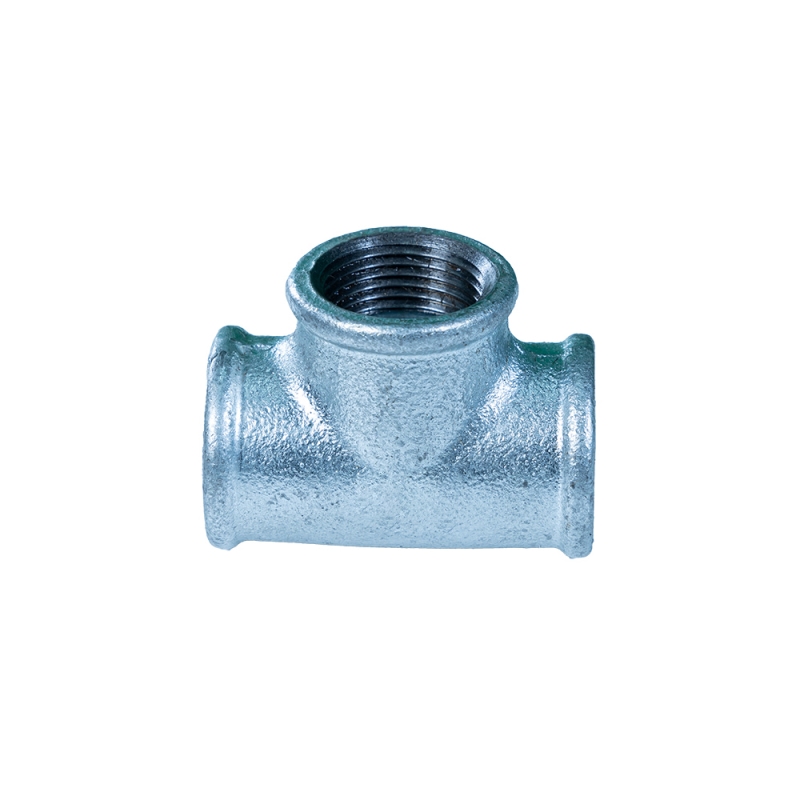
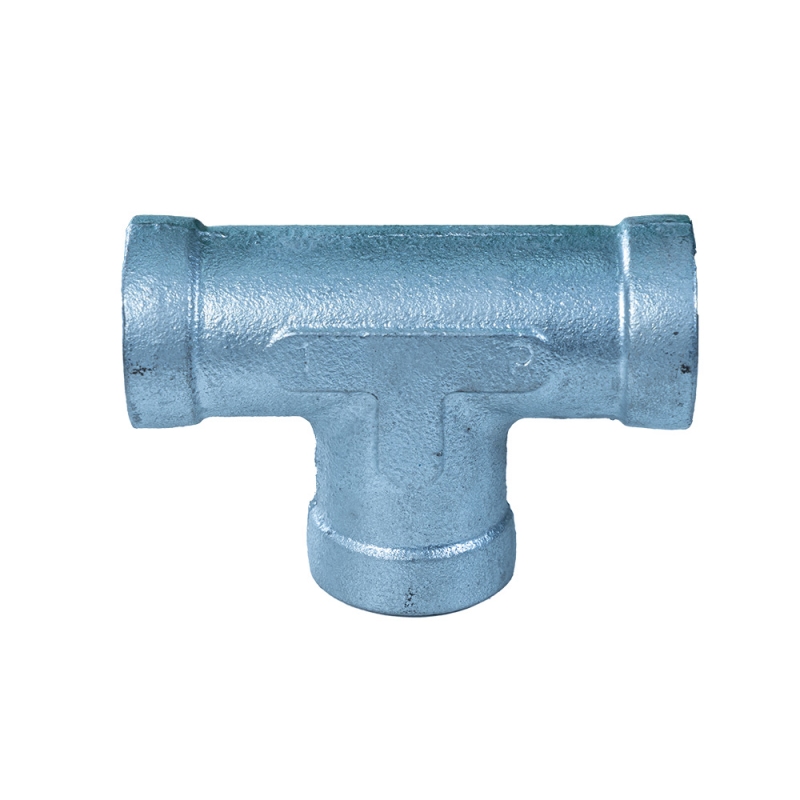
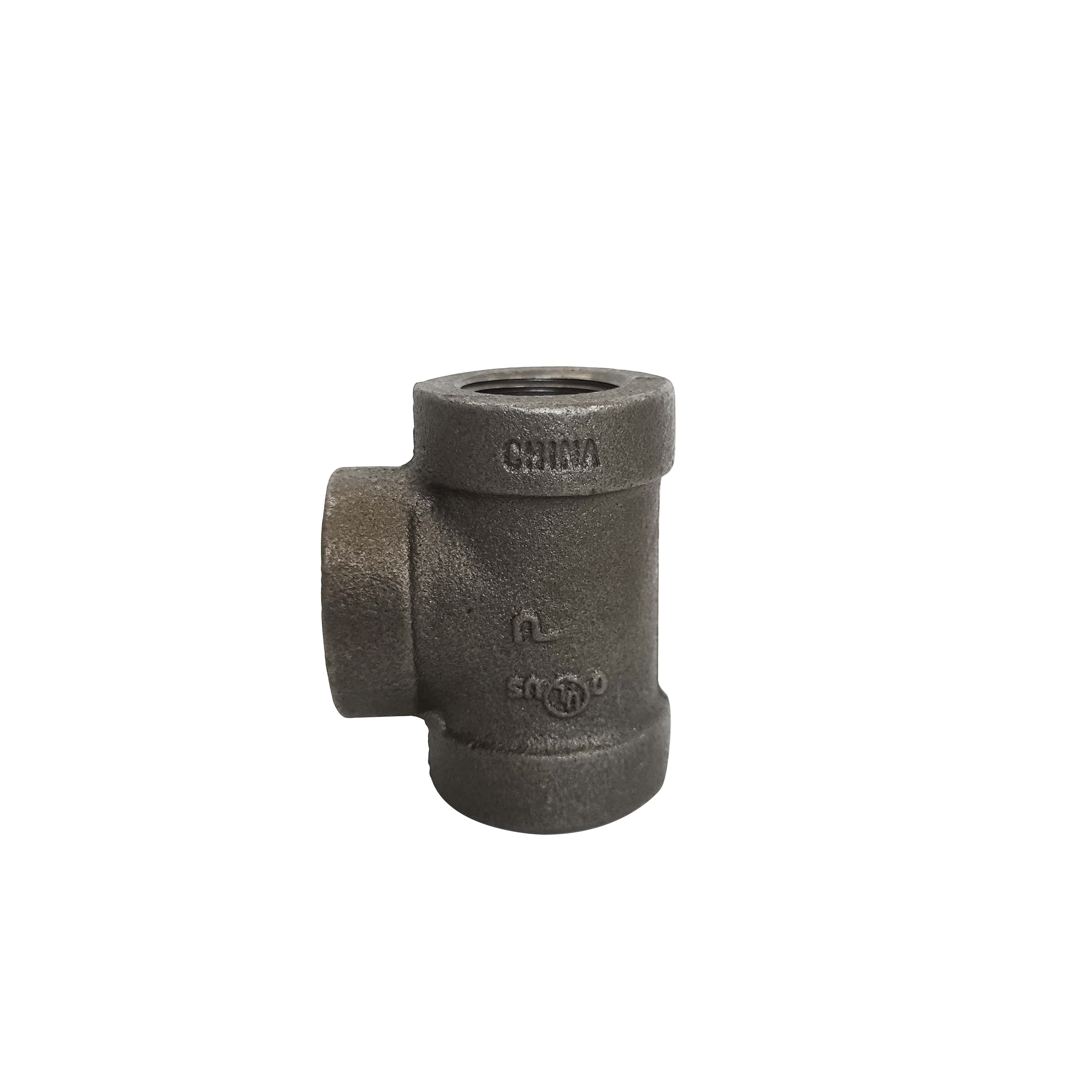
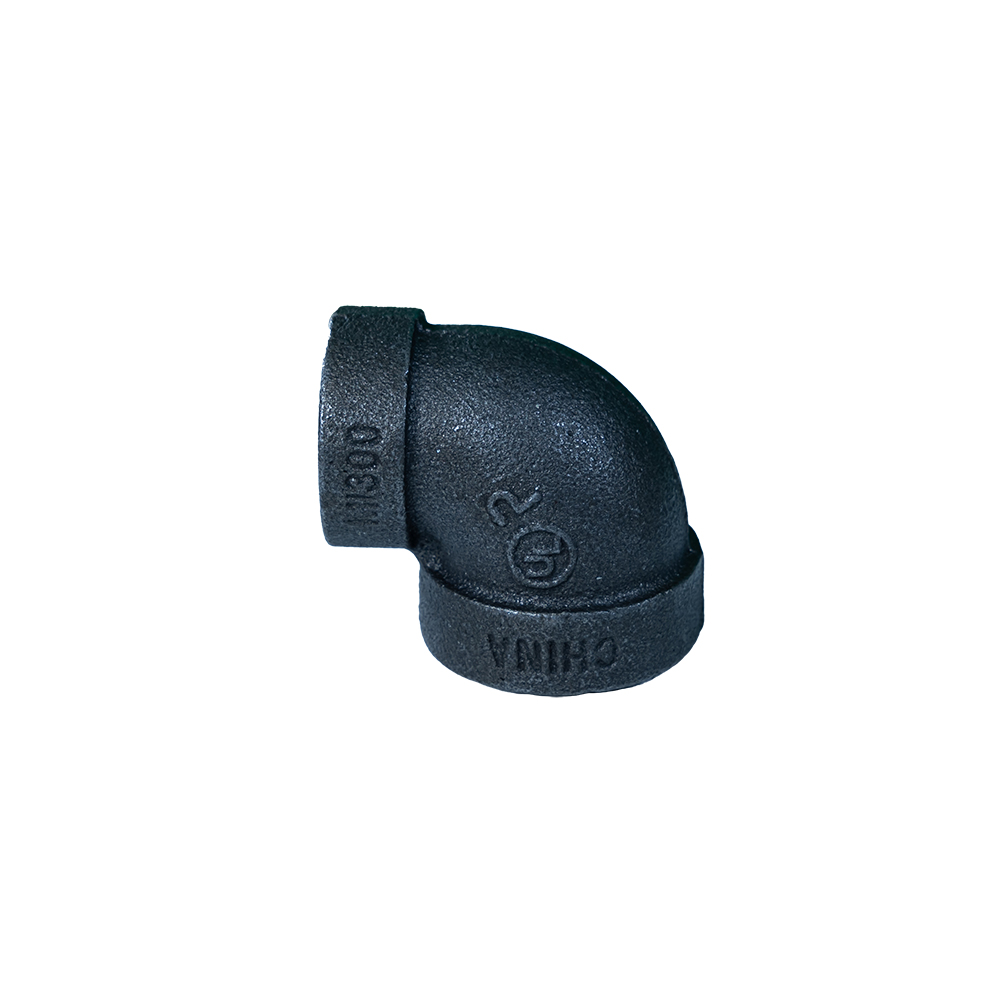
At their core, steel pipe joints and fittings are engineered components used to connect segments of steel pipe. Think elbows redirecting flow, couplings joining lengths, and flanges sealing systems tightly. But it’s more than just shape: these fittings must withstand pressure, temperature, and environmental stresses. They're the silent guardians of liquid and gas transportation networks, from city water mains to offshore oil rigs.
These components also play a humanitarian role—supplying safe water in disaster zones or quickly restoring pipelines after natural calamities. So, the meaning stretches beyond metal shapes; it’s about maintaining continuity in critical lifelines.
Key Factors That Define Effective Steel Pipe Joints and Fittings
Durability and Corrosion Resistance
Steel, especially stainless or galvanized types, offers excellent corrosion resistance—essential when pipes carry water or chemicals that might eat away at weaker materials. Durable fittings reduce maintenance costs and extend system life.
Ease of Installation
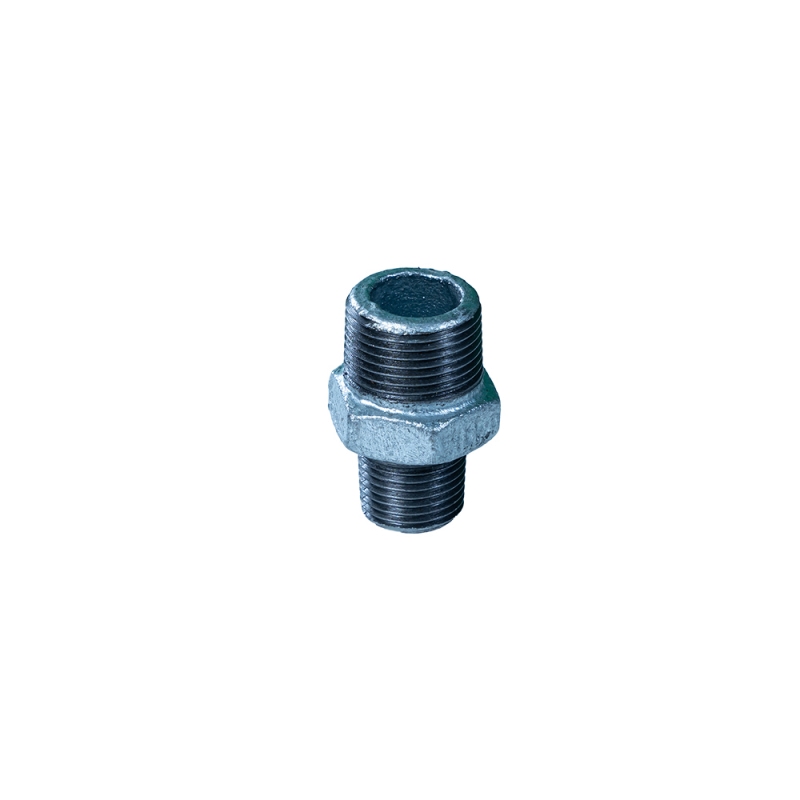
Many engineers swear by fittings designed for quick assembly—threaded joints or grooved couplings, for example—that save precious time onsite. In fast-paced projects or emergency repairs, this practicality can be a game changer.
Pressure and Temperature Ratings
Depending on the application—think oil pipelines versus irrigation—the joints must handle vastly different pressures and temperatures. Each fitting is rated accordingly, so selecting correctly is part science, part experience.
Compatibility and Modularity
Modern industrial ecosystems demand modular components that fit various pipe schedules and diameters. Compatibility ensures smooth integration with existing systems or future expansions.
Cost Efficiency
Steel pipe fittings offer an interesting balancing act: upfront material and installation costs versus long-term maintenance. Investing in quality parts prevents unexpected leaks or failures that can be incredibly costly.
Mini takeaway: Durability, installation speed, and compatibility shape the real-world performance of steel pipe joints and fittings, making them more than just “simple connectors.”
Global Applications and Real-World Use Cases
Steel pipe joints and fittings are literally everywhere. From the sprawling oil fields of the Middle East, where they endure harsh desert conditions, to the cold climates of Scandinavia, their adaptability is remarkable.
- Water distribution networks: Cities rely on corroded-resistant fittings to deliver clean water safely, reducing contamination risk.
- Post-disaster relief: After floods or earthquakes, rapid deployment of steel pipe fittings helps restore essential utilities quickly.
- Industrial processing plants: Chemical, pharmaceutical, and food industries require hygienic, robust fittings that meet strict regulations.
- Remote mining operations: Tough joints withstand vibration and shifting grounds, where repairs are costly and difficult.
Oddly enough, the flexibility of some fittings makes them favorites for humanitarian organizations rebuilding infrastructure in developing regions, improving lives in ways we don’t always see.
Product Specification Table: Typical Steel Pipe Joints and Fittings
| Fitting Type | Material Grade | Pressure Rating (psi) | Temperature Range (°C) | Typical Application |
|---|---|---|---|---|
| Elbow (90°) | AISI 304 Stainless | 1000 | -50 to 400 | Water & Chemicals |
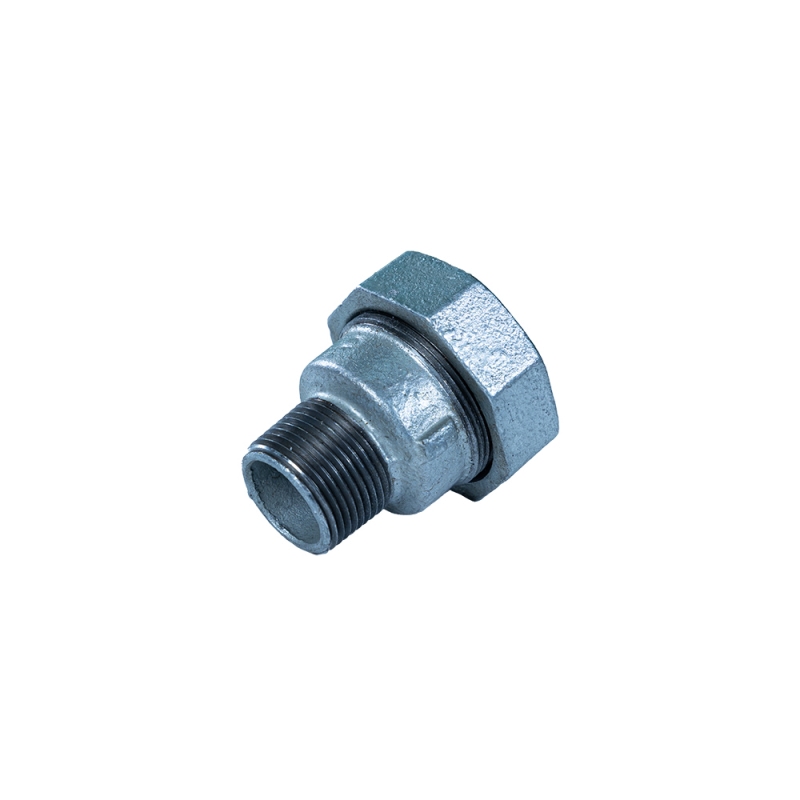
| Coupling (Threaded) | Galvanized Steel | 800 | -20 to 250 | Gas Distribution |
| Flange (Slip-On) | Carbon Steel | 1500 | -10 to 300 | Oil & Gas Pipelines |
How Vendors Stack Up: A Quick Comparison
| Vendor | Product Range | Customization Options | Lead Times | Global Reach |
|---|---|---|---|---|
| PanNext Fittings | Extensive (50+ types) | Full engineering support | 2-4 weeks | Worldwide |
| SteelCo | Moderate | Standard sizes only | 4-6 weeks | Europe & Asia |
| GlobalPipes | Wide | Custom projects available | 3-5 weeks | Americas & Africa |
Advantages and Lasting Value of Steel Pipe Joints and Fittings
Choosing the right steel pipe joints and fittings shifts from a simple cost decision to a trust investment in system longevity. Cost efficiency comes from fewer leaks, reduced downtime, and less frequent replacements. Environmentally, durable steel means less waste and more recycling potential, aligning with sustainable practices.
On a human level, industries and communities enjoy safer, more reliable fluid transport—which is critical in healthcare settings, clean water supply, and energy distribution. There’s a real sense of dignity and security when you know your infrastructure won’t fail when needed most.
Emerging Trends and Innovations Shaping the Future
Looking ahead, steel pipe fittings aren’t standing still. Innovators are combining traditional steel with coatings that resist biofilm and chemicals better.
Digital transformation plays a surprising role: smart fittings embedded with sensors can detect leaks or pressure drops in real-time. This kind of IoT integration feels like sci-fi but is already happening in some smart cities.
Also, green energy projects—like hydrogen pipelines—demand specialty fittings designed to prevent embrittlement and leakage, pushing material science boundaries. Automation and robotics are improving fitting manufacture and on-site installation, reducing human error and costs.
Challenges and Innovative Solutions
Of course, no technology is flawless. Challenges with steel fittings include corrosion in harsh environments, installation complexity in tight spaces, and the upfront costs of high-spec materials. But advances in galvanization, epoxy coatings, and modular piping reduce these risks considerably.
Many companies now offer tailored engineering consulting to optimize piping design and select best-fit joints—reducing trial and error in the field. Plus, training initiatives help workers install fittings properly, preventing one of the most common failure causes: human error.
Frequently Asked Questions About Steel Pipe Joints and Fittings
- What are the main types of steel pipe fittings?
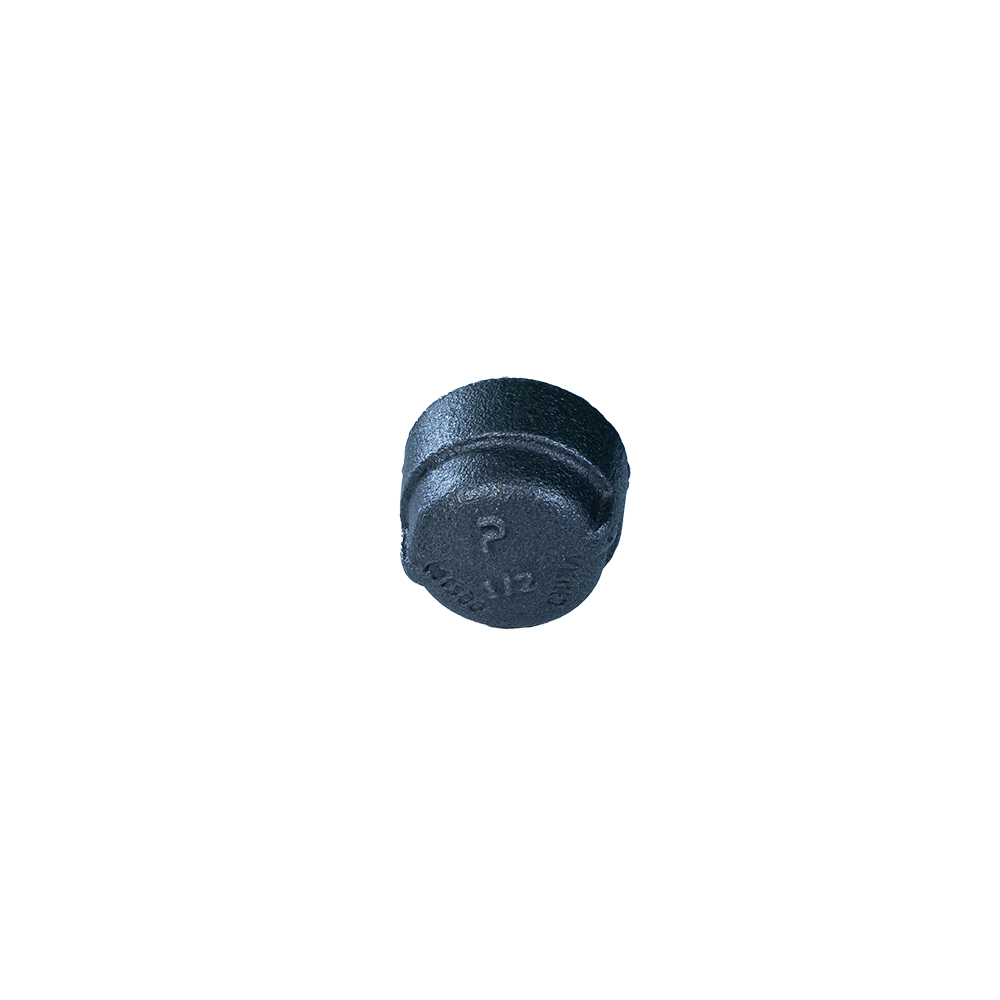
- Common types include elbows, tees, couplings, flanges, reducers, and caps. Each serves a unique function like changing direction, connecting pipe sections, or sealing ends.
- How do I choose the right fitting for high-pressure applications?
- Check the fitting’s pressure rating and material grade. Stainless steel or carbon steel with a high PSI tolerance is ideal for high-pressure systems. Always consider temperature range and chemical compatibility too.
- Can steel pipe joints and fittings be used in potable water systems?
- Absolutely. Stainless steel fittings are common in potable water due to their corrosion resistance and non-toxic qualities. Ensure compliance with local health standards when specifying.
- How does maintenance affect the lifespan of steel fittings?
- Regular inspection for corrosion, leaks, and mechanical stress drastically extends lifespan. Preventative maintenance minimizes risk of sudden failures, especially in critical infrastructure.
- Are steel pipe fittings recyclable?
- Yes, steel is one of the most recycled materials globally. At end-of-life, fittings can be melted down and reused, making them an environmentally responsible choice.
Conclusion: The Enduring Importance of Steel Pipe Joints and Fittings
Frankly, steel pipe joints and fittings might not grab headlines, but they hold together whole industries and communities, often under immense pressure. Choosing quality components means safer, longer-lasting infrastructure that supports everything from the water you drink to the energy lighting your home.
If you’re considering projects that demand reliable connections, visit our website and discover how the right fittings combine engineering excellence with real-world practicality.
References
Post time: Nov-30-2025