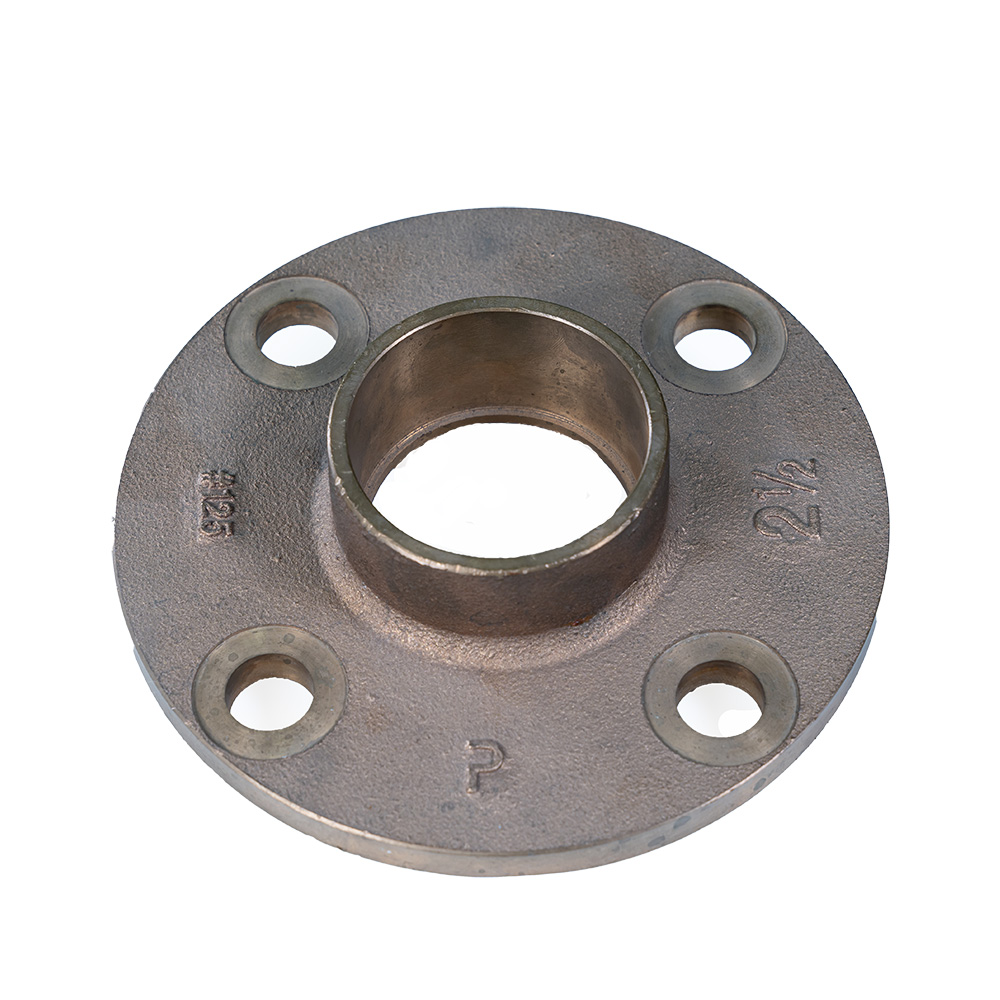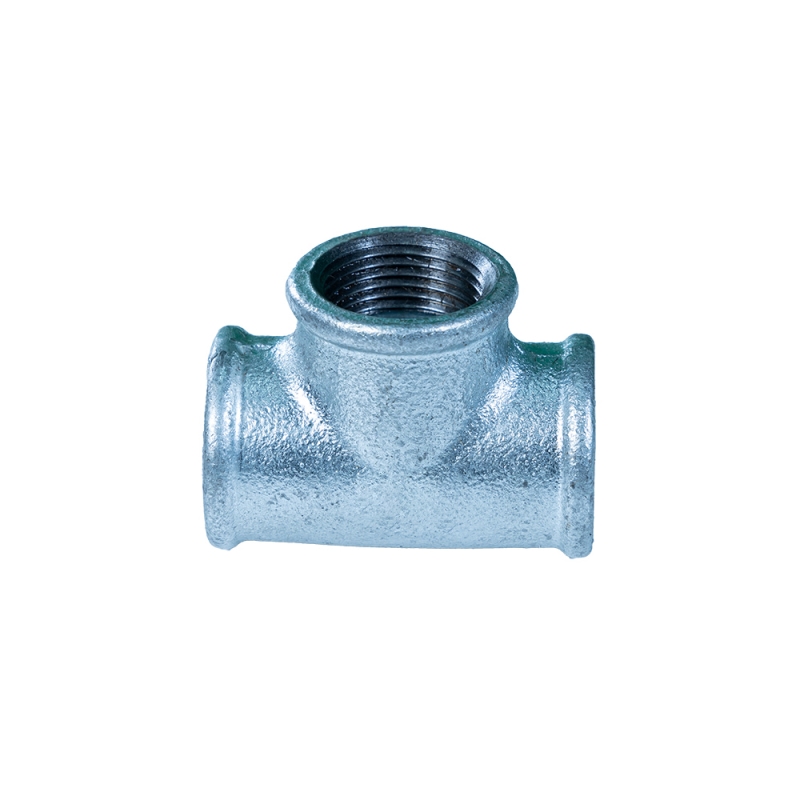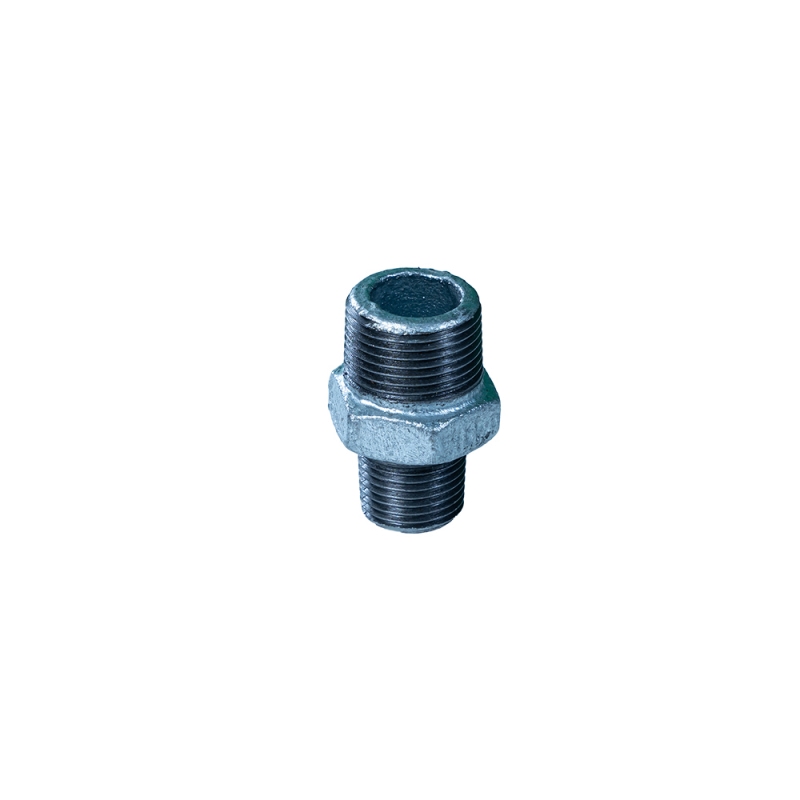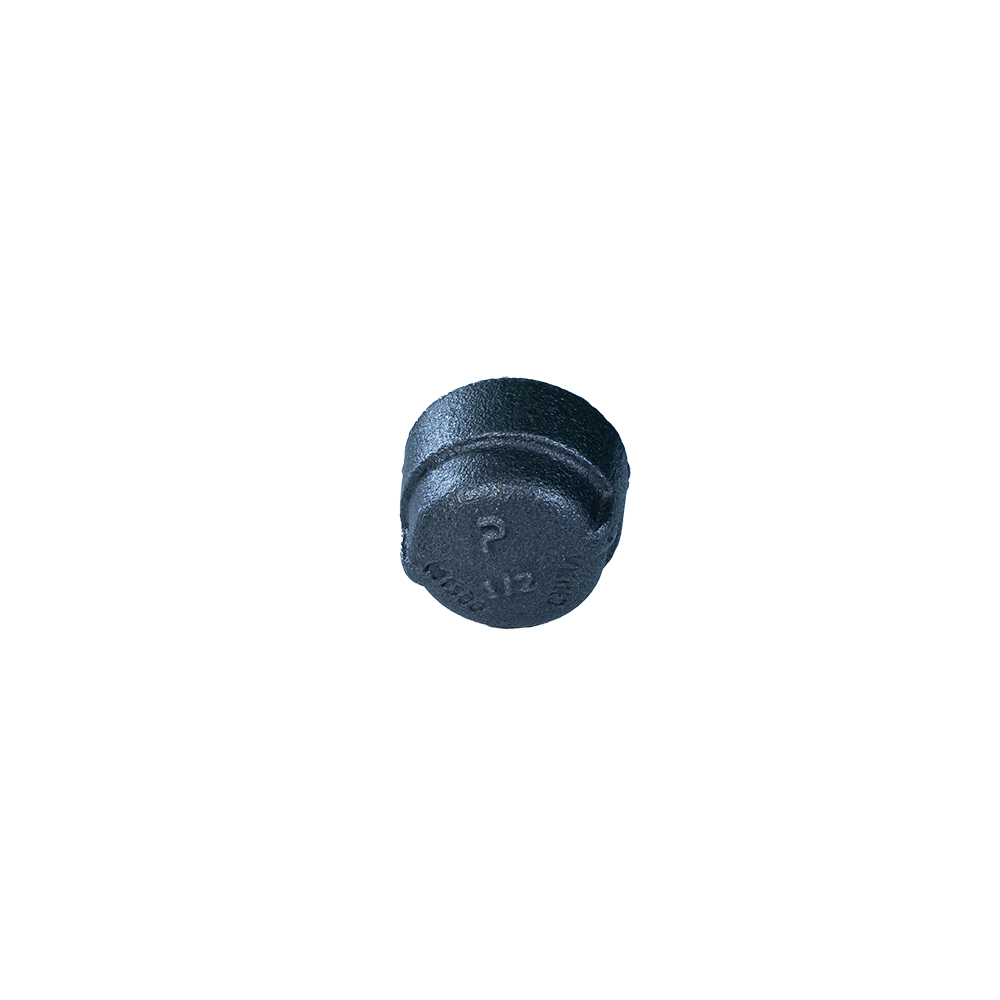

Understanding Coupling Reducer GI: Essential Components for Modern Pipeline Systems
When you think about pipelines—whether in energy, water, or industrial sectors—you rarely pause to consider every tiny part that keeps them flowing smoothly. But actually, components like the coupling reducer GI are crucial. These fittings, seemingly simple, hold massive importance globally. They ensure secure connections between pipes of different diameters, enhancing both efficiency and safety. Grasping the role and benefits of coupling reducers, especially galvanised iron (GI) types, opens doors to smarter infrastructure projects, cost savings, and long-term sustainability.
Global Context: Why Coupling Reducer GI Matters
Coupling reducers — particularly those made from galvanised iron — are everywhere in today’s world. The UN estimates that over 60% of global infrastructure development includes pipeline work, from water sanitation to oil and gas distribution (UN Infrastructure Report). Here’s the catch: pipelines must adapt to myriad pipe sizes across different regions and system requirements. That’s where coupling reducer GIs come into play. They solve the age-old engineering problem of connecting mismatched pipe diameters, which can otherwise cause leaks, pressure drops, or even failure.
For example, in emerging markets, where expanding water access involves integrating older pipes with modern standards, these fittings represent a simple, yet critical solution. It’s a global challenge — ensuring connectivity and durability without exploding costs or risking safety.
What Is a Coupling Reducer GI?
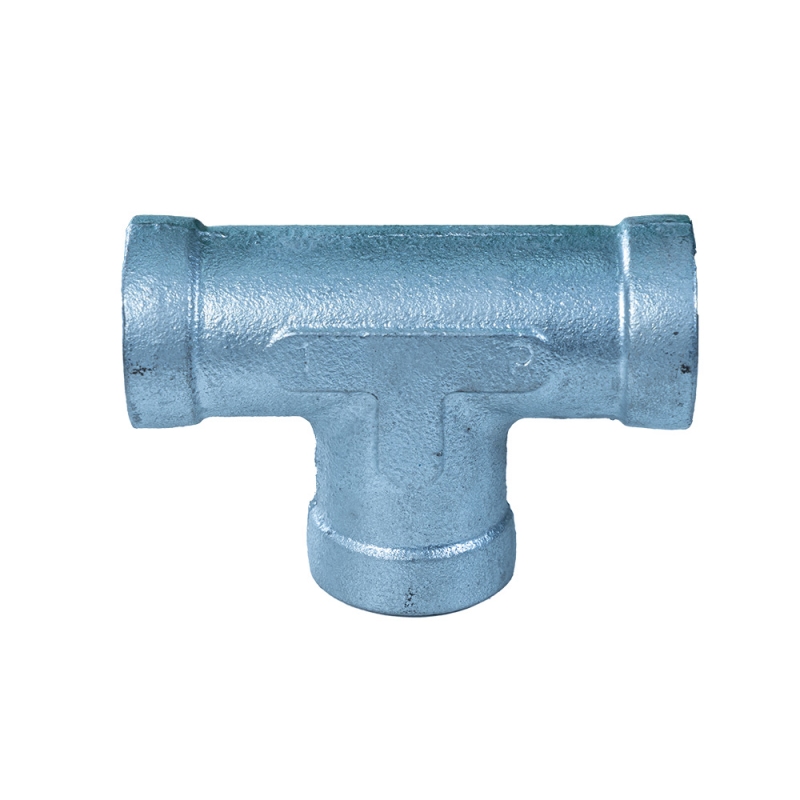
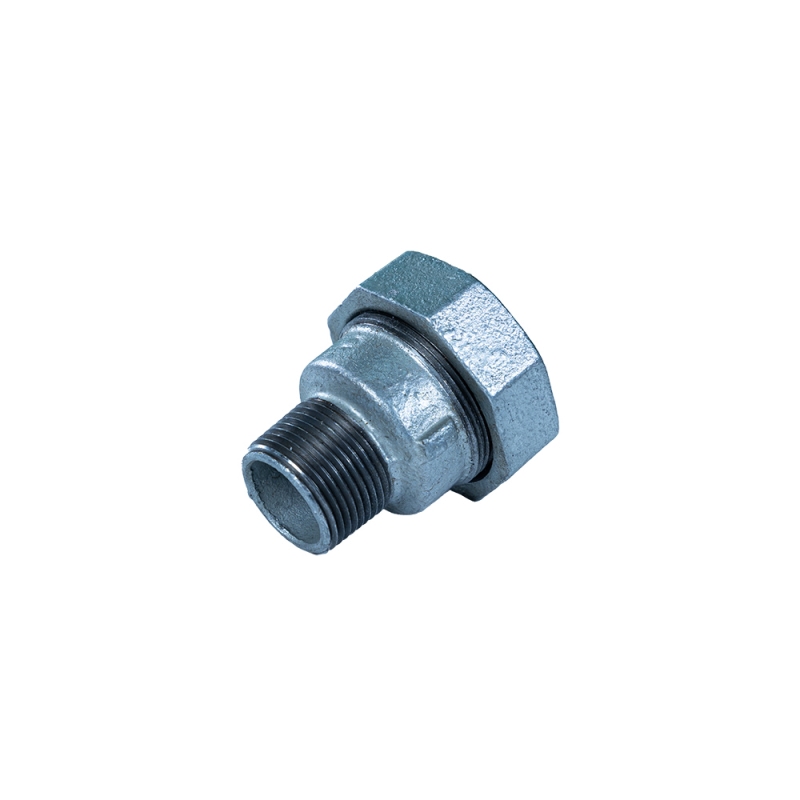
In straightforward terms, a coupling reducer GI is a pipe fitting designed to join two pipes of differing diameters. "GI" refers to galvanised iron, meaning the fitting is coated with zinc to resist rust and corrosion — a big deal for longevity.
Think of it as an adapter or bridge between two channels that otherwise won’t match. This simple device plays a surprisingly vital role in maintaining pipeline integrity across sectors, including construction, agriculture, and oil exploration. Without these, reliable connections in complex piping networks would be near-impossible.
Core Components & Key Factors
1. Durability through Galvanisation
The zinc coating on GI couplings hugely improves lifespan — protecting against rust from moisture or chemicals. This means less frequent replacements and lower maintenance hassle.
2. Versatility in Sizes and Compatibility
Coupling reducers come in various sizes to link different pipes, making them adaptable to evolving infrastructure layouts.
3. Ease of Installation
Thanks to threaded ends or compression fittings, they reduce labor time on site — saving both money and headaches during installation phases.
4. Cost Efficiency
Galvanised iron fittings strike a reasonable balance: durable yet affordable compared to stainless steel alternatives, which can be too expensive for many projects.
5. Safety and Leak Prevention
Properly installed coupling reducers ensure tight seals. This minimizes risks of leaks, which is crucial when handling hazardous or pressurized fluids.
Product Specification Table: Typical Coupling Reducer GI
| Specification | Details |
|---|---|
| Material | Galvanised Iron (GI) |
| Standard Sizes | 1/2" to 6" (varies per model) |
| End Type | Threaded (BSP/NPT) |
| Pressure Rating | Up to 250 psi |
| Temperature Range | -20°C to 150°C |
| Corrosion Resistance | High (zinc galvanisation) |
Mini takeaway: The GI coupling reducer balances durability, compatibility, and cost, making it a staple in piping solutions worldwide.
Global Applications & Use Cases
Coupling reducer GIs find homes in a variety of sectors:
- Water supply and treatment: Adapting pipe sizes in expanding municipal water pipelines.
- Oil and gas: Joining diverse diameter pipes in refineries, where leakage prevention is critical.
- Construction: Integrating temporary and permanent plumbing solutions.
- Agriculture: Irrigation systems that evolve over time or require custom fitting layouts.
In South Asia, for example, water access projects often blend old metal pipes with new ones, and coupling reducers play a starring role in making these transitions effective. Likewise, NGOs working in disaster-relief scenarios rely on robust, quick-to-install fittings to ensure water and fuel delivery systems are operational ASAP.
Vendor Comparison: Coupling Reducer GI Providers
| Vendor | Material Quality | Price Range | Lead Time | Customization Options |
|---|---|---|---|---|
| PanNext Fittings | High-grade GI | Mid-range | 2-4 weeks | Size & Thread Customization |
| Global Pipes Co. | Standard | Low-end | 4-6 weeks | Limited |
| SteelConnect | Premium GI | High-end | 1-3 weeks | Full Custom Engineering |
Advantages & Long-Term Value
The benefits of choosing the right coupling reducer GI go well beyond the installation day. Here are some aspects that stand out:
- Cost-saving: Reduced need for pipe replacement and maintenance due to corrosion resistance
- Longevity: Galvanisation extends usable life, cutting replacement cycles
- Safety and reliability: Tight seals minimize leaks, especially in high-pressure environments
- Environmental impact: Less waste generated by fewer replacements supports more sustainable practices
- Versatility: Ability to adapt infrastructure easily over time helps future-proof developments
Frankly, it feels like a small piece that keeps the big picture intact — without these couplings, systems would be prone to costly interruptions, and trust in infrastructure might wane.
Future Trends & Innovations
Interestingly, the coupling reducer GI landscape is quietly evolving. Some trends to watch:
- Coating technologies: Advanced galvanisation methods improving corrosion resistance further
- Smart monitoring: Integration of sensors for leak detection within fittings
- Green manufacturing: Using eco-friendly processes aligned with ISO 14001 standards
- Automation: 3D printing customized reducers for rapid deployment in remote sites
Such innovations not only make these fittings more reliable but also align with global focus on sustainability and digital transformation.
Challenges & Expert Solutions
Despite their many advantages, coupling reducer GIs face challenges:
- Potential for galvanic corrosion: When connected with incompatible metals, corrosion may accelerate.
- Size mismatches beyond standard ranges: Custom solutions can mean higher costs and delays.
- Installation errors: Improper threading or tightening leads to leaks.
Experts recommend proper material compatibility assessments, use of professional installers, and sourcing from vendors offering customization and clear technical support. You know, a combination of quality products with informed application makes all the difference.
FAQ: Frequently Asked Questions About Coupling Reducer GI
- What makes coupling reducer GI better than plastic alternatives?
- GI coupling reducers offer superior durability and resistance to higher pressures. Unlike plastics, they handle higher temperatures and are less susceptible to UV damage, making them ideal for industrial and outdoor settings.
- Can coupling reducers be reused after removal?
- Generally, they can be reused if threads and galvanisation remain intact. However, repeated installations might wear down threads, so inspection is advised before reuse.
- How do I know which size coupling reducer GI I need?
- Measure the outer diameter of both pipes and select a coupling reducer designed to join those specific sizes. Consulting vendor specifications or an engineer ensures proper fit.
- Are coupling reducer GIs suitable for potable water systems?
- Yes, galvanised iron fittings have been widely used for potable water but must comply with local health standards. Newer alternatives like stainless steel or PEX are sometimes preferred depending on regulations.
- Where can I source reliable coupling reducer GI fittings?
- Established vendors such as PanNext Fittings provide quality-certified products with customization options and good support for international orders.
Conclusion & Call to Action
To wrap up, understanding and choosing the right coupling reducer GI can elevate infrastructure reliability, improve safety, and extend system lifespan. They bridge the gaps—literally and figuratively—in today’s complex piping networks, wherever they may be. Want to explore top-quality, customizable GI fittings tailored for your projects? Visit our website for detailed specs and expert advice.
Reflective takeaway: In a world rushing towards bigger, faster solutions, sometimes it’s these deceptively simple components that quietly uphold progress.
References
Post time: Dec-03-2025