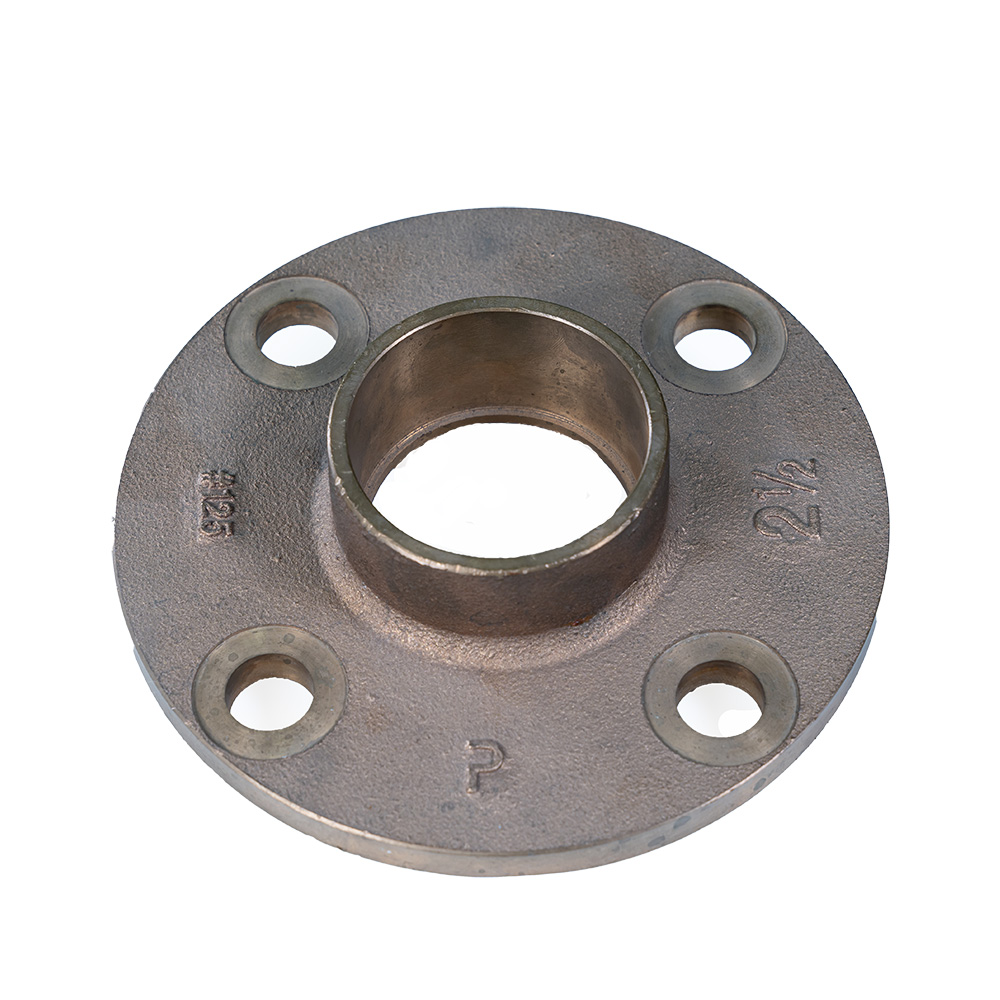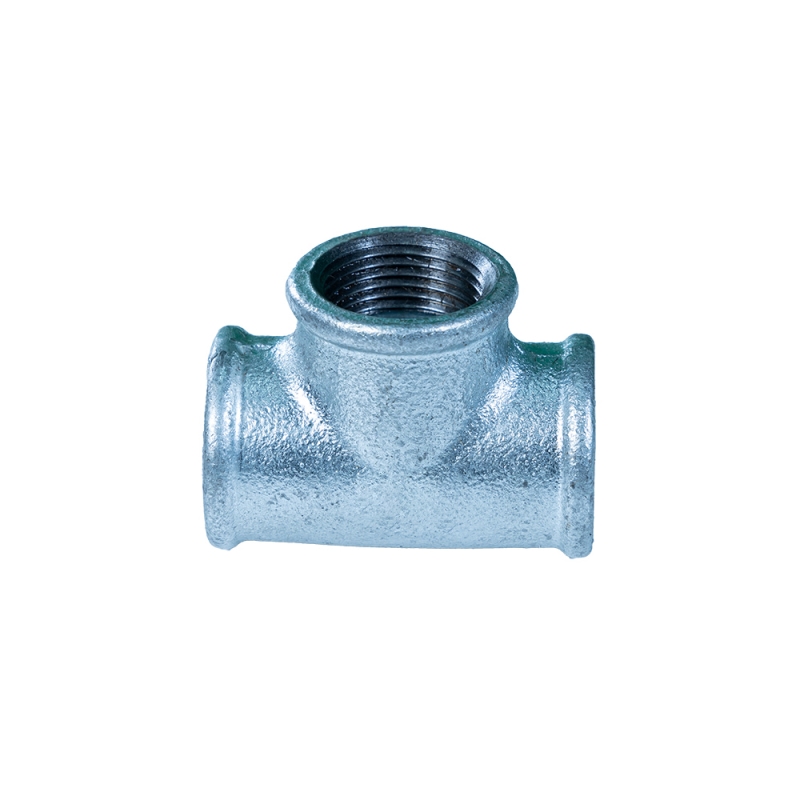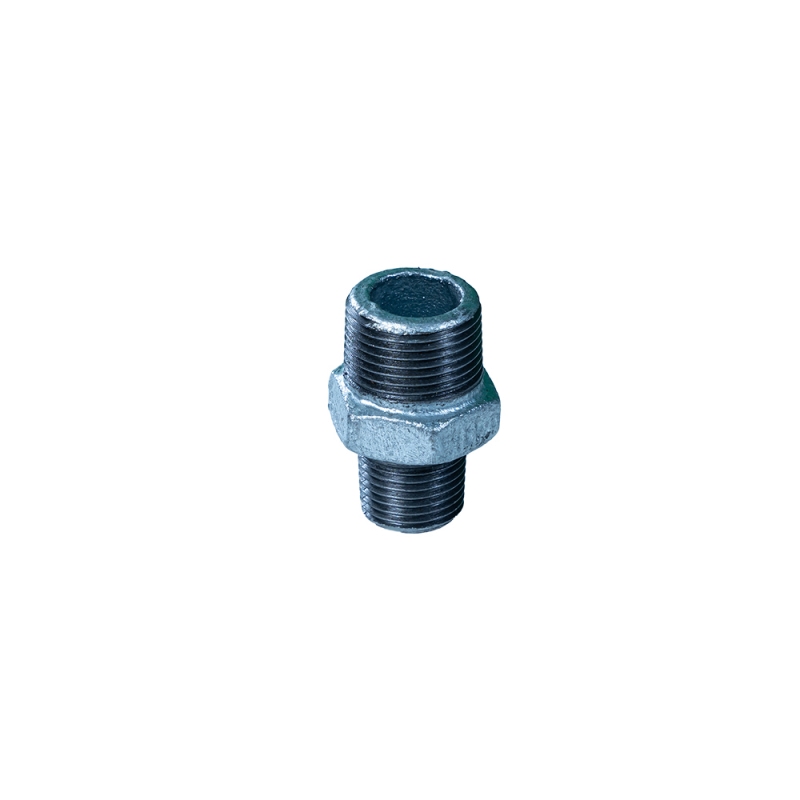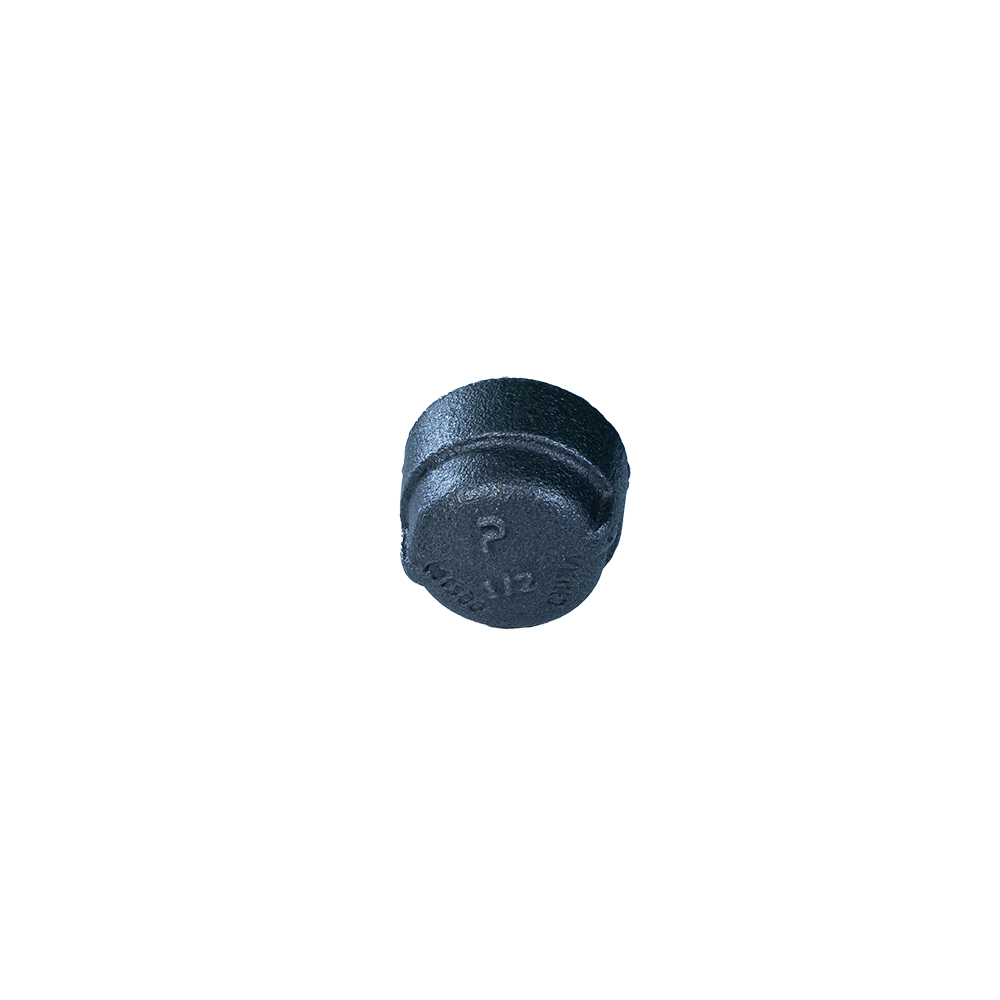

Understanding the Coupling Reducer Threaded: What I’ve Learned in the Industrial Trenches
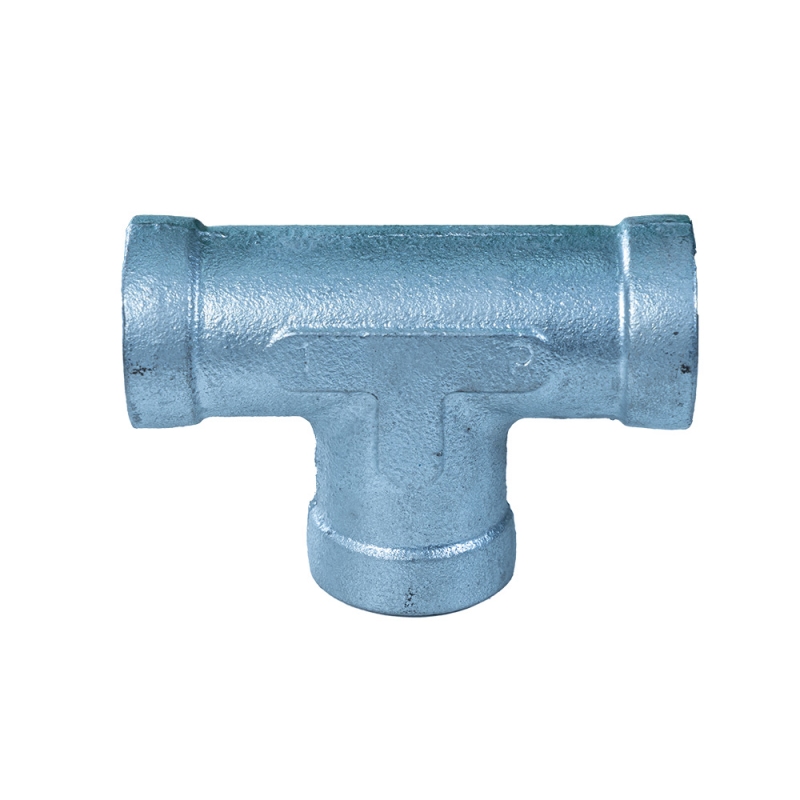
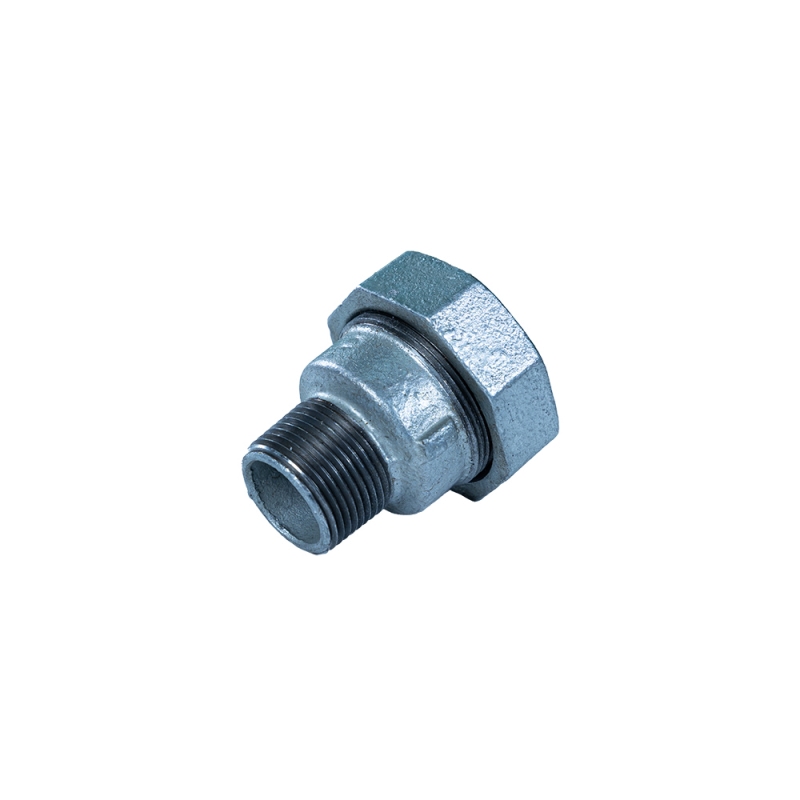
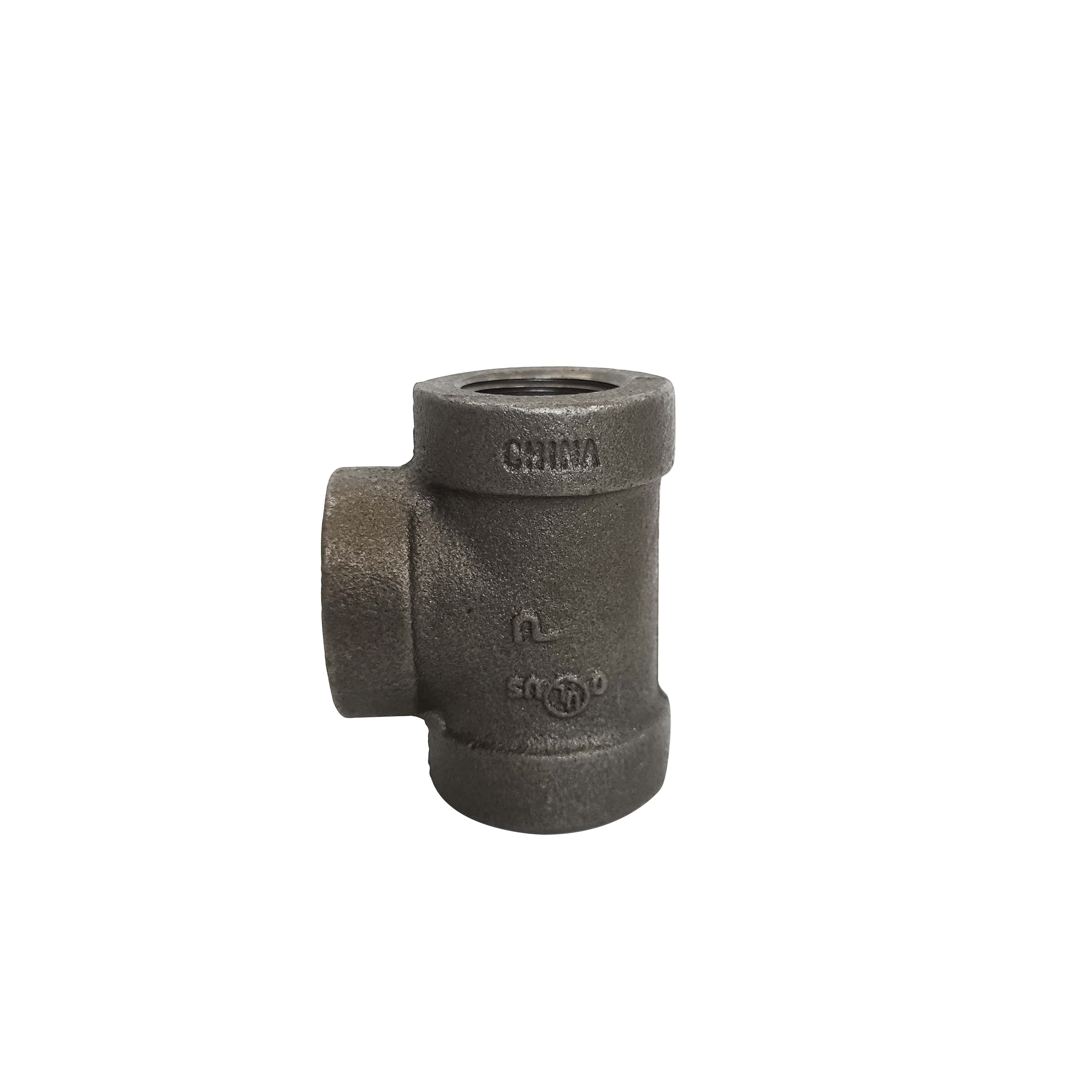
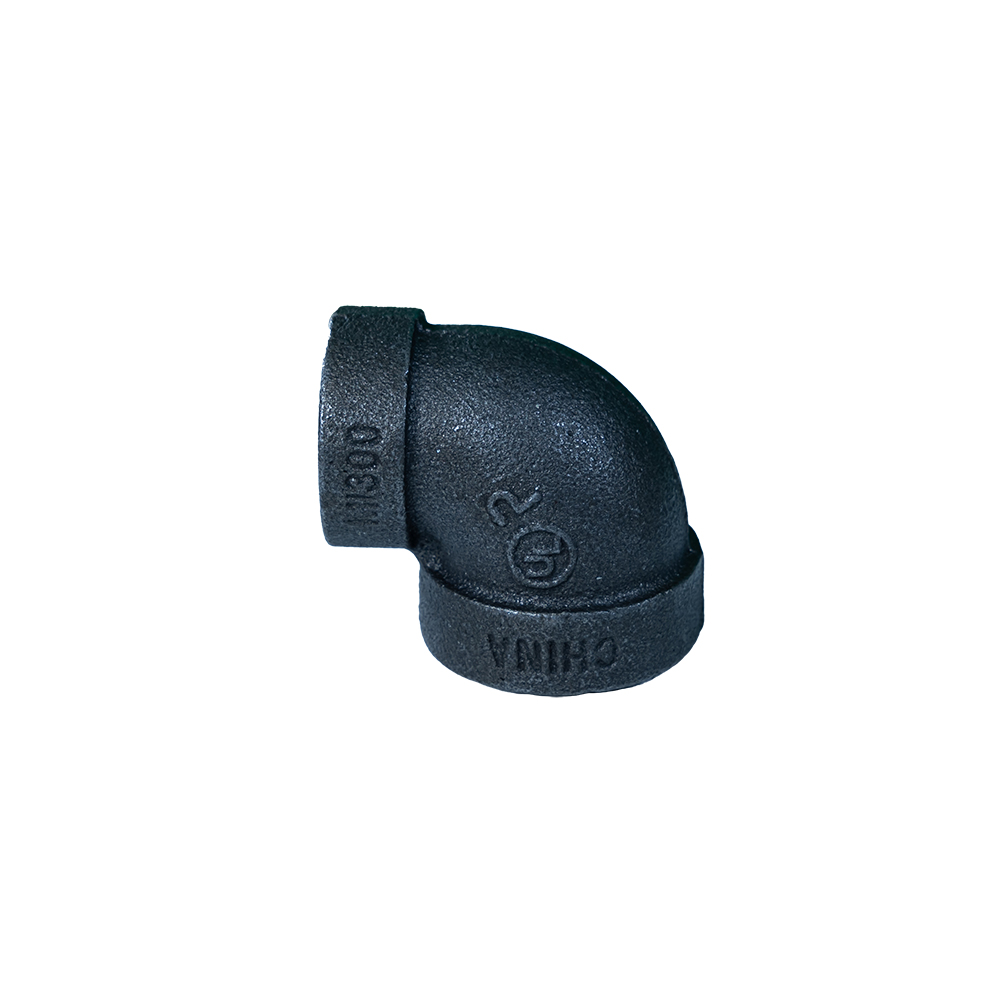
If you’ve ever worked in mechanical, piping, or industrial equipment installations — and frankly, even if you haven’t — you know that small components like the coupling reducer threaded often don’t get the spotlight, but they sure earn their keep. I’ve been around pumps and gearboxes for years, and I still find the design and selection of these fittings fascinating in their practicality and versatility.
The basic idea is simple: the coupling reducer threaded connects two pipes or shafts of different diameters, ensuring a secure, leak-free joint using threaded ends. But the devil’s in the details. Material choice, threading precision, pressure ratings — these aspects can make or break performance on-site.
Oddly enough, many engineers I spoke to say they’ve seen installations fail not because the pumps or motors were subpar, but due to poorly chosen or improperly installed coupling reducers. This tiny part plays a big role in maintaining system integrity.
Materials and Manufacturing: Why It Matters
In my experience, coupling reducer threaded pieces are commonly made from carbon steel, stainless steel, brass, or sometimes even specialized alloys. Carbon steel is cost-effective and strong but needs proper coating to prevent rust — stainless steel brings corrosion resistance to the table, especially in chemical plants or outdoor setups. You know, the usual trade-offs.
Manufacturing quality also varies. You want perfectly machined threads — no burrs, no cross-threading — because even slight imperfections can complicate installation or reduce pressure tolerance later. It's not unusual for well-made parts to undergo 100% inspection with gauges and sometimes non-destructive testing methods.
| Parameter | Value / Range |
|---|---|
| Material | Carbon Steel, Stainless Steel, Brass |
| Thread Types | NPT, BSP, Metric |
| Pressure Rating | 150 - 3000 PSI (varies by size & material) |
| Temperature Range | -40°C to 250°C (material dependent) |
| Sizes (Diameter) | 1/4" to 4" (custom available) |
Choosing the Right Vendor: What I’ve Noticed
From where I stand, the choice of supplier matters just as much as the product specs. I wanted to put together a quick comparison of three reputable vendors we’ve dealt with over the years. You’ll spot differences around lead times, stock availability, and of course, pricing — but sometimes it’s about who understands your needs and backs it up with customer service.
| Vendor | Material Range | Lead Time | Price Tier | Remarks |
|---|---|---|---|---|
| PanNext Fittings | Carbon Steel, Stainless Steel | 2-3 Weeks | Mid | Great customization, reliable stock |
| Industrial Supplies Co. | Carbon Steel, Brass | 1-2 Weeks | Low | Quick delivery but limited materials |
| Premium Metalworks | Stainless Steel, Alloys | 4-6 Weeks | High | Top quality, suited for harsh environments |
Once, I recall a client needing a threaded reducer urgently for a refinery project. PanNext’s team not only delivered on time but helped tweak the design for better pressure handling — that kind of partnership isn’t always guaranteed. It’s kind of a reminder that what looks like a small fitting can actually influence the whole project’s success.
In real terms, whether you’re upgrading an existing line or building from scratch, keeping the coupling reducer threaded quality front and center will save you headaches down the road. Like many professionals say, small parts do mighty work.
That said, be sure to always check thread types against your system standards. NPT and BSP threading, for example, aren’t interchangeable — an easy pitfall that happens more often than I’d like.
In closing: The coupling reducer threaded is more than a connector; it’s a quiet linchpin that holds your whole system together.
References & Further Reading
- "Threaded Pipe Fittings: Material Selection and Standards," Industrial Press Publications, 2021.
- Field Notes from Various Plant Installations, 2017–2023.
- PanNext Fittings Product Datasheets & Technical Support Documents.
Post time: Dec-03-2025