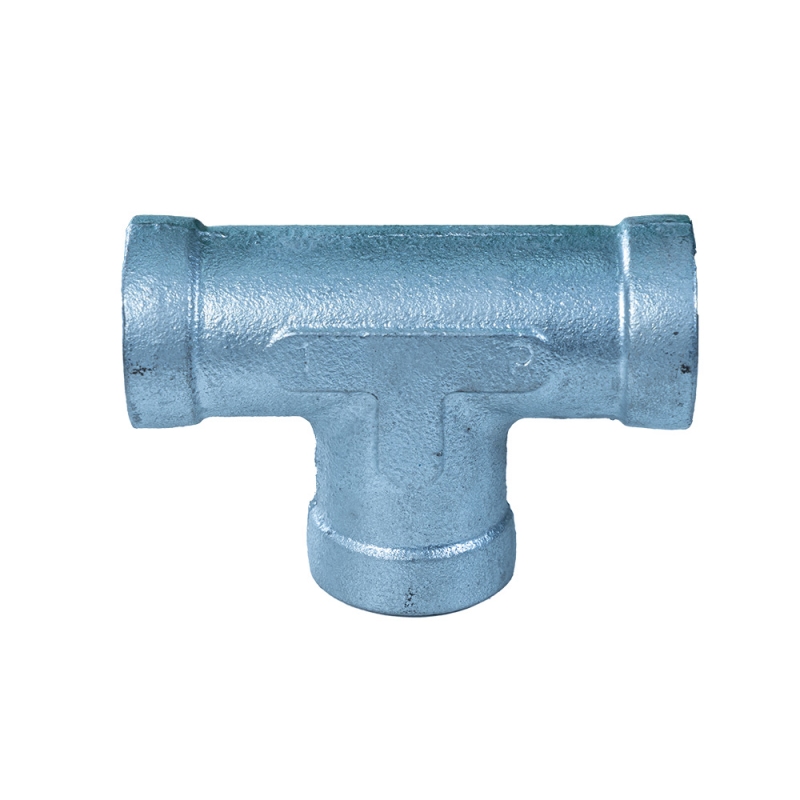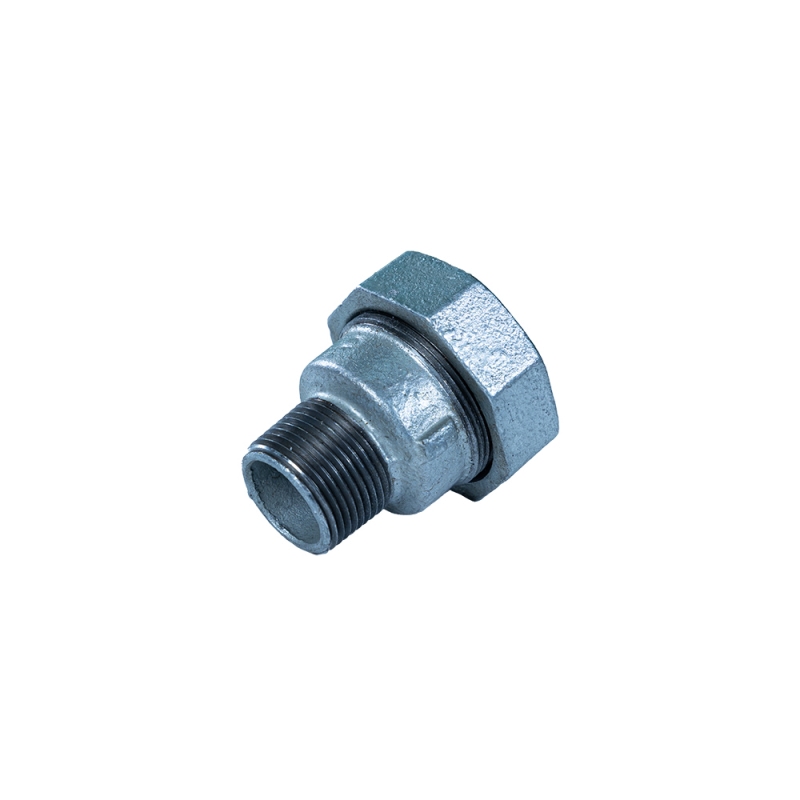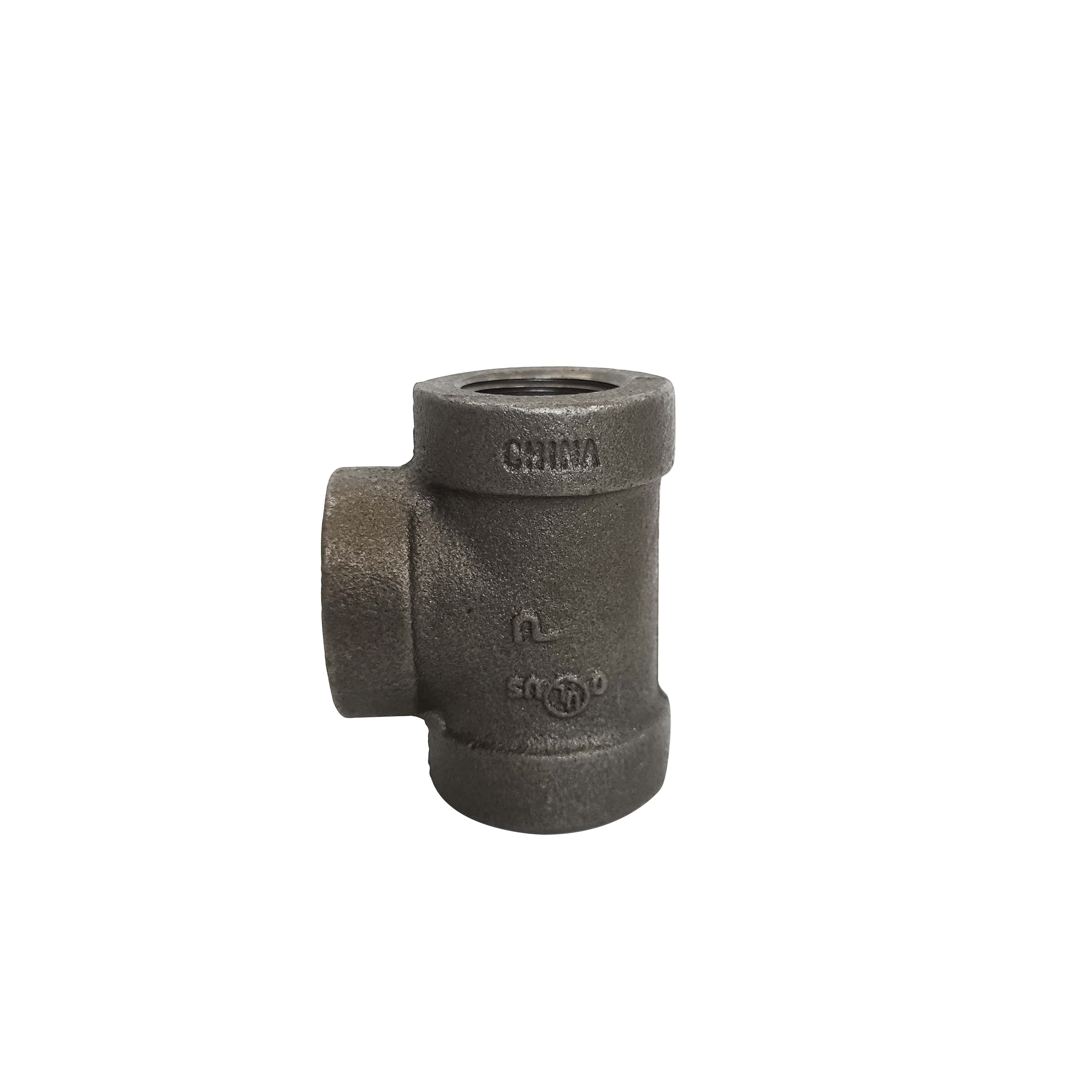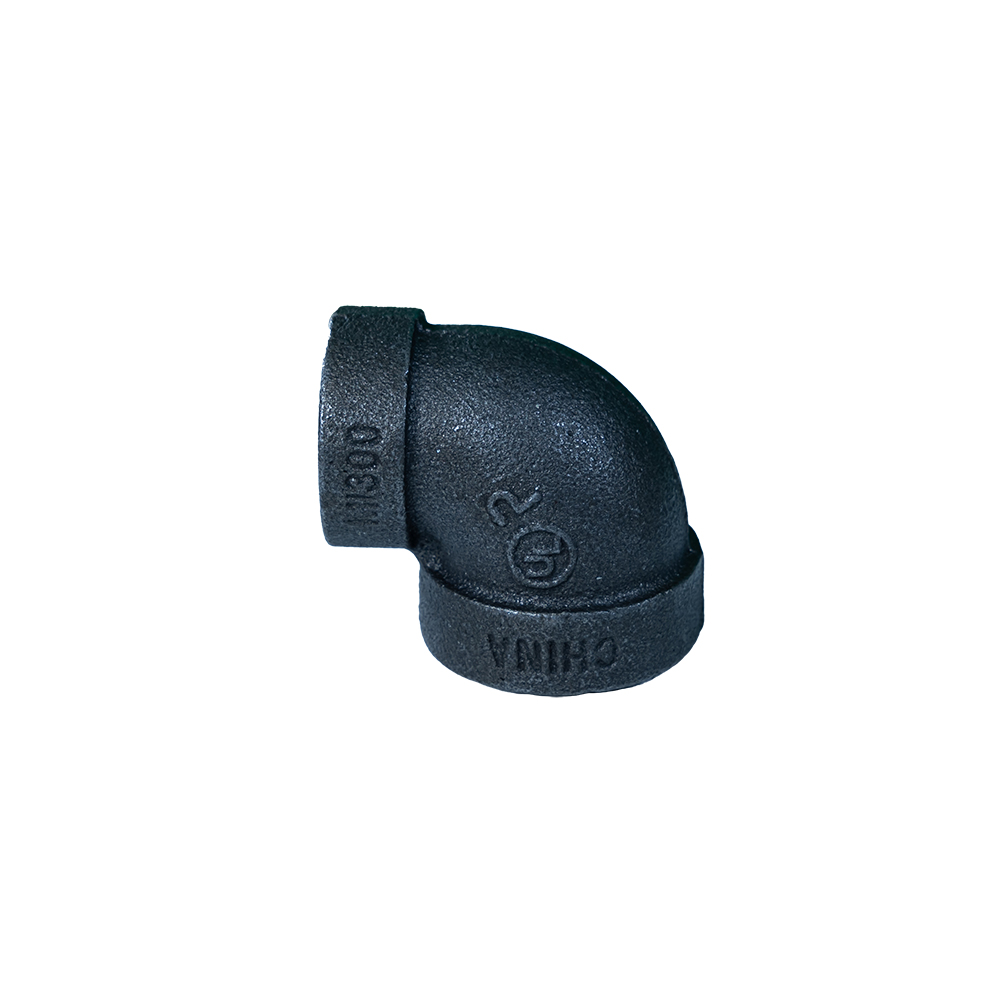

Coupling Reducing: What It Is and Why It Matters Globally
At first glance, the term coupling reducing might feel a bit technical, a phrase whispered mostly in engineering rooms or industrial sites. But the truth is, understanding it carries important weight globally — impacting everything from infrastructure reliability, to humanitarian logistics, and the sustainability goals many industries chase today.
Simply put, coupling reducing refers to components—usually pipe fittings—that connect two differing pipe diameters, ensuring smooth flow and structural stability. Why is this important? Because in everything from water distribution to oil pipelines, the right coupling reducing solutions prevent costly leaks, system failures, or dangerous pressure drops. That leads to safer operations, less wasted resources, and often, a lower environmental footprint.
In the big picture, the ability to seamlessly connect pipes or sections of differing sizes underpins massive global supply networks and enables quick, adaptable solutions in crisis zones. So, it’s more than just fitting parts—it’s about ensuring connections you can trust, worldwide.
Understanding coupling reducing in today’s industrial and humanitarian landscape
Frankly, the world depends more on complex piping infrastructure than most realize. The United Nations estimates that over two billion people lack access to safely managed drinking water services worldwide [1]. Plumbing systems, heavily reliant on such fittings, play a direct role in changing that.
Industries from oil & gas to chemical processing face the constant challenge of maintaining efficient and safe flow throughout their extensive pipeline networks. And here arises the problem coupling reducing seeks to solve: how do you quickly and reliably join pipes of varying diameters without risking leaks or pressure loss? If solved well, it keeps vital systems running smoothly — whether in a bustling city or a remote industrial outpost.
What is Coupling Reducing? A Simple Explanation
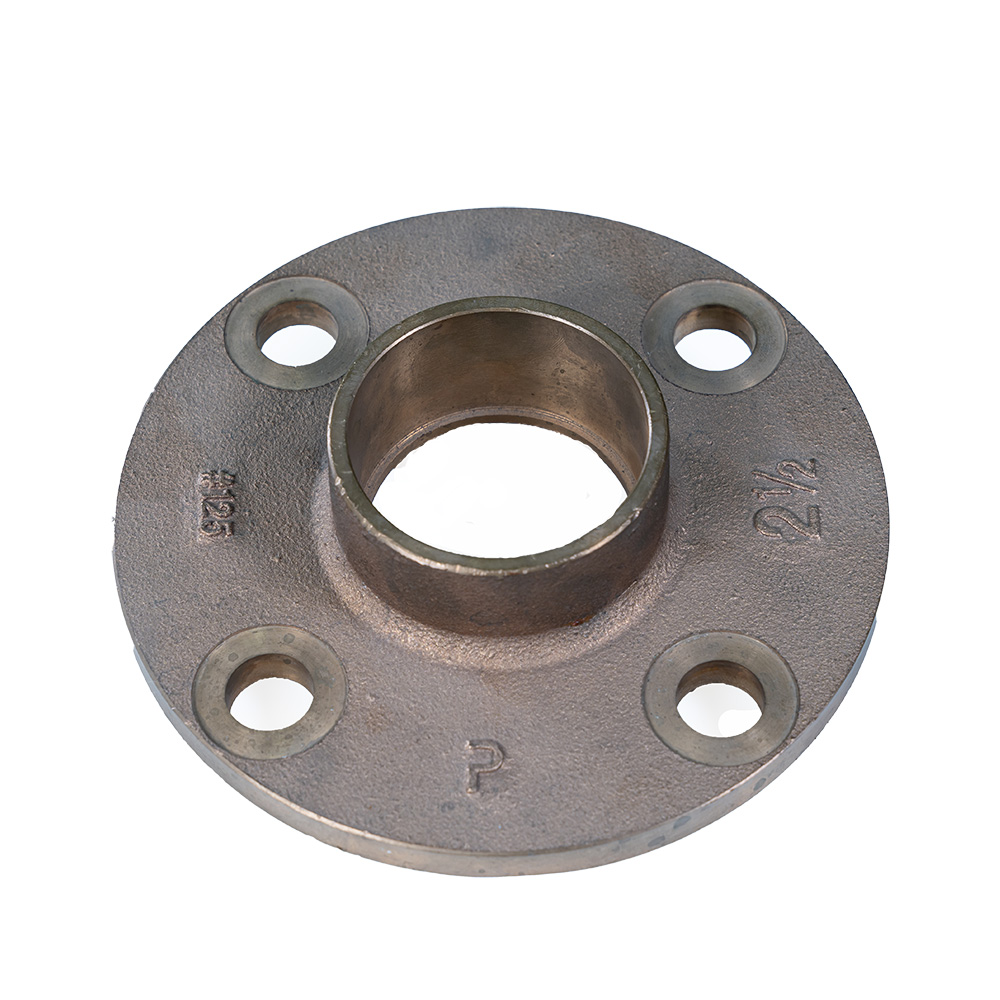
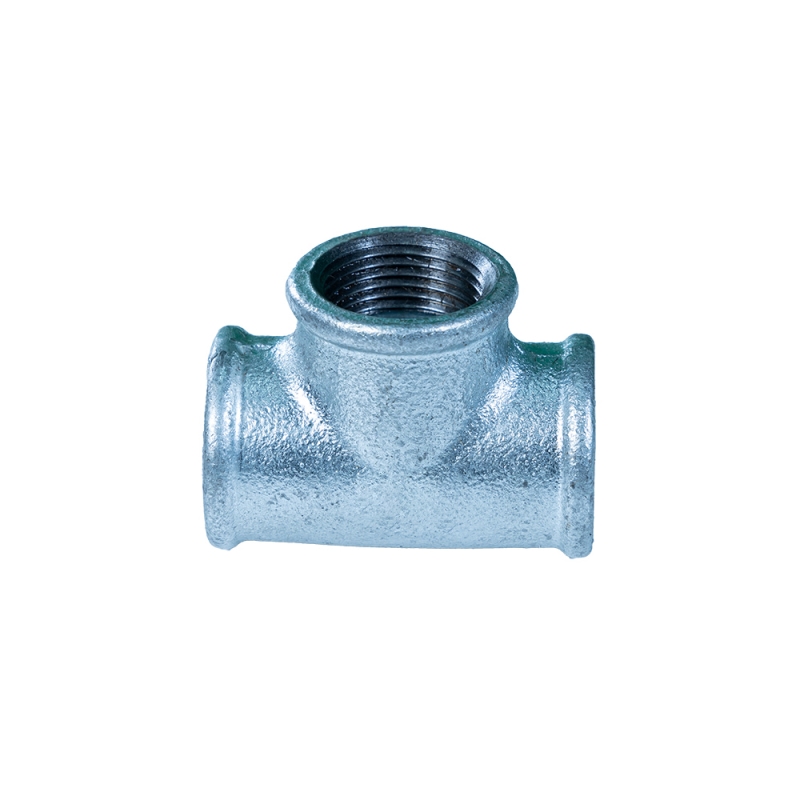
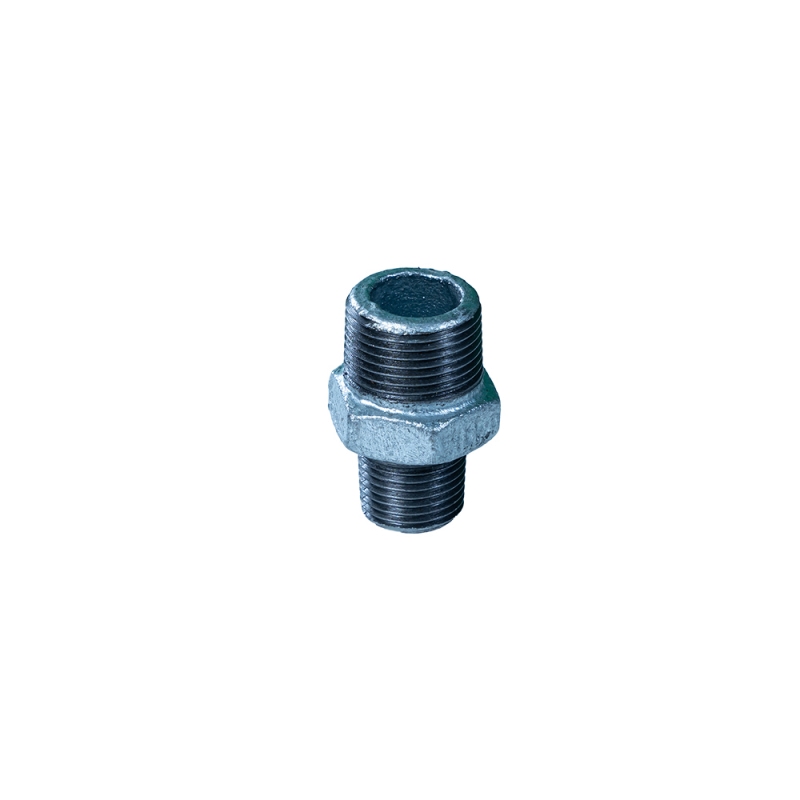
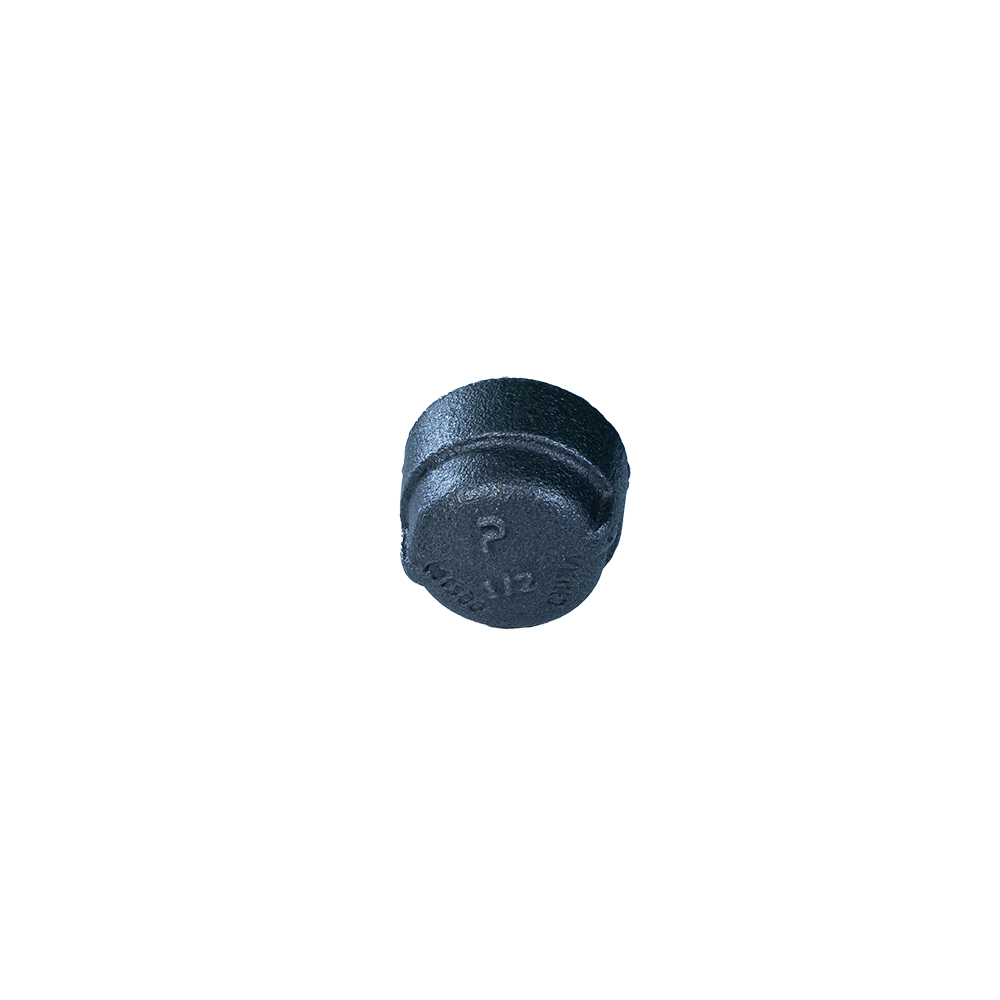
Coupling reducing fittings are specially designed pipe connectors that transition between larger and smaller pipe sizes. Instead of forcing two disparate pipes to connect haphazardly, coupling reducers form a strong, often watertight joint that maintains flow integrity. A bit like an adaptor or a “translator” in plumbing language.
These fittings are versatile and show up in many industries — from municipal water systems to emergency response setups where quick assembly of modular piping is vital to restoring services.
Core Components and Their Importance
Durability
These parts often endure harsh conditions — pressure fluctuations, temperature extremes, and chemical exposure. Coupling reducing fittings are commonly made from stainless steel, ductile iron, or specially coated alloys to provide robust, long-lasting service.
Compatibility and Scalability
Couplings connect pipes of different diameters but also conform to diverse material types. This adaptability is crucial for scalable infrastructure, allowing expansions or modifications without full system replacements.
Leak Resistance
The effectiveness of a coupling reducing lies largely in its sealing technology—be it gaskets, rubber seals, or mechanical compression. Good designs minimize leak potential, critical for both environmental protection and operational safety.
Ease of Installation
In time-sensitive scenarios, such as disaster relief, fittings must be easy to install with minimal tools. Many modern designs emphasize quick-lock features and modularity.
Product Specification Table
| Specification | Typical Coupling Reducing |
|---|---|
| Material | Stainless Steel / Ductile Iron |
| Size Range | DN 50 to DN 300 (2" to 12") |
| Pressure Rating | Up to PN16 (16 bar) |
| Connection Type | Flanged / Grooved / Threaded |
| Sealing | EPDM Rubber Gasket |
Global Applications & Use Cases for Coupling Reducing
The usefulness of coupling reducing fittings can be traced across many geographies and sectors. In remote industrial areas like Australia’s mining sites, the ability to reduce pipe sizes quickly and firmly supports fluid handling in harsh environments. In urban water management systems, they connect diverse pipe networks as cities grow.
Oddly enough, humanitarian organizations rely on these fittings quite a bit in disaster response. For example, in post-earthquake Chile or flood-hit Bangladesh, temporary water supply lines need swift assembly with varied pipe sizes. Having reliable coupling reducing parts is often literally lifesaving.
Vendor Comparison Table
| Vendor | Material Options | Pressure Range | Delivery Time | Customization |
|---|---|---|---|---|
| PanNext Fittings | Stainless Steel, Ductile Iron | Up to 16 bar | 2-3 weeks | Yes, diameters and coatings |
| GlobalPipe Co. | Carbon Steel, PVC | Up to 10 bar | 4-6 weeks | Limited |
| AquaFlex Solutions | Ductile Iron, Stainless | Up to 20 bar | 1-2 weeks | Yes, project-based |
Advantages & Long-Term Value
- Cost Savings: Fitting the right coupling reducer prevents expensive system failures and costly downtime.
- Sustainability: Leak prevention means less wasted water or chemicals, which is critical to environmental stewardship.
- Reliability & Trust: For operators and engineers, knowing connections won’t fail builds operational confidence.
- Social Impact: In humanitarian projects, reliable connections restore essential services fast, preserving dignity and safety.
So, the benefits aren’t just technical — they have real social, economic, and environmental impacts. That’s why many engineers insist on investing quality coupling reducing fittings upfront.
Future Trends & Innovations
Looking ahead, coupling reducing technology is evolving with new materials like composite polymers and smart sensors embedded in connectors. Imagine fittings that monitor pressure or detect early leaks, transmitting info wirelessly to maintenance teams.
Another major trend involves green energy pipelines and water recycling systems where modular, sustainable fittings will take center stage. Digital manufacturing and 3D printing might soon enable on-site custom fitting production — a game-changer for remote projects.
Challenges & Solutions
Despite advances, challenges remain. Sourcing consistent quality in remote locations, managing material corrosion, and adapting to ever-changing pipeline standards requires constant innovation.
Experts suggest embracing international standards (like ISO 2531:2009 for ductile iron pipes) alongside flexible design philosophies to strike balance between uniformity and local customization.
FAQ: Frequently Asked Questions about Coupling Reducing
- What types of materials are best for coupling reducing fittings in corrosive environments?
- Stainless steel and coated ductile iron are typically preferred for corrosive conditions due to their resistance to rust and chemical reactions. Selection depends on the specific chemicals involved and environmental factors.
- How do coupling reducers contribute to faster infrastructure deployment?
- By enabling easy, reliable connections between pipes of different sizes without specialized welding or on-site machining, coupling reducers dramatically speed up installation, essential in emergency or evolving projects.
- Can coupling reducing fittings be customized for unusual pipe diameters?
- Many vendors offer customization options to accommodate non-standard sizes and specific project requirements, though lead times and costs vary. Always confirm specs in advance.
- Are coupling reducing pipes reusable or recyclable?
- Most coupling reducers, especially metal ones, can be recycled after their service life. Reusability depends on wear and system contamination; inspecting seals and materials is crucial before reuse.
Conclusion & Call to Action
In a nutshell, coupling reducing solutions form the vital, often invisible backbone of many global infrastructures. Their role in connecting, sealing, and enabling a seamless flow between pipes of different sizes saves money, protects resources, and can even save lives. Whether in large-scale industrial setups or disaster relief sites, reliable fitting choices empower project success and sustainability.
If you want to explore reliable, customizable coupling reducing fittings designed for real-world challenges, visit our website and discover how our expertise can help your next project succeed.
It feels like a small part, but coupling reducing really keeps so much connected and flowing smoothly in our complex world.
References:
1. WHO - Drinking Water Fact Sheet, who.int
2. ISO 2531:2009 Ductile Iron Pipes Standard, iso.org
3. UN-Water Global Analysis and Assessment of Sanitation and Drinking-Water, unwater.org
Post time: Dec-03-2025