
Female Reducer Coupling: A Simple Solution with Big Industrial Impact
Having spent more than a decade working around industrial equipment, I’ve come across a lot of fittings and connectors – some work well, others... frankly, not so much. But when it comes to female reducer coupling, I’d say it’s one of those quietly essential components that can make or break a piping job.
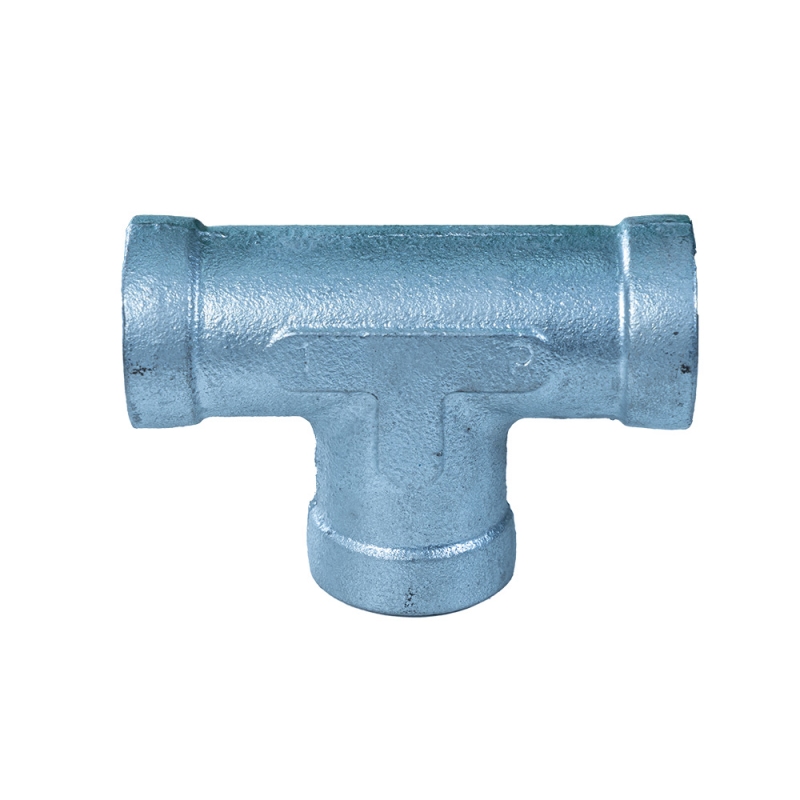
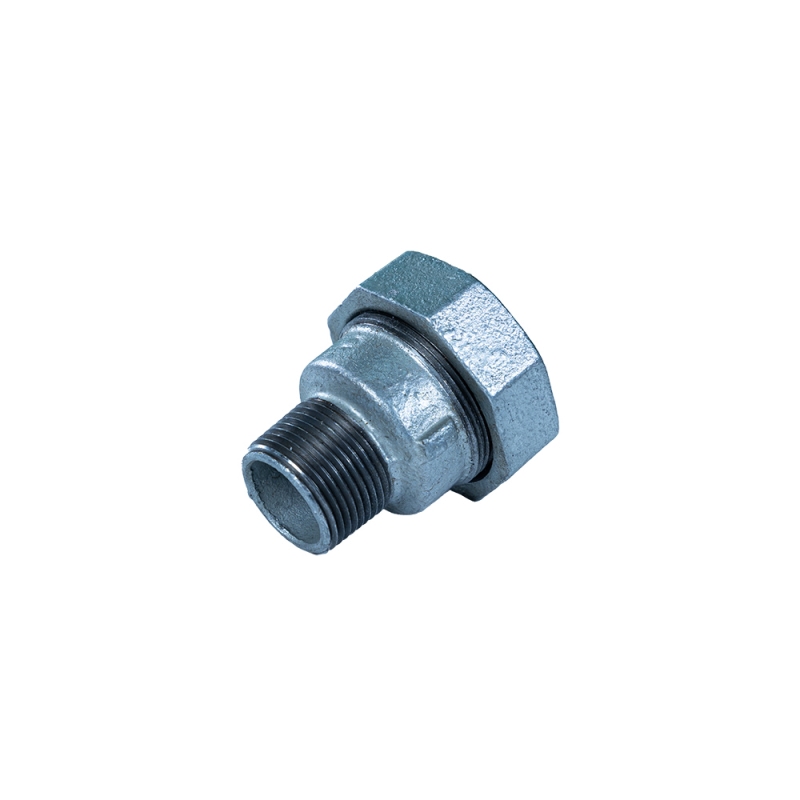
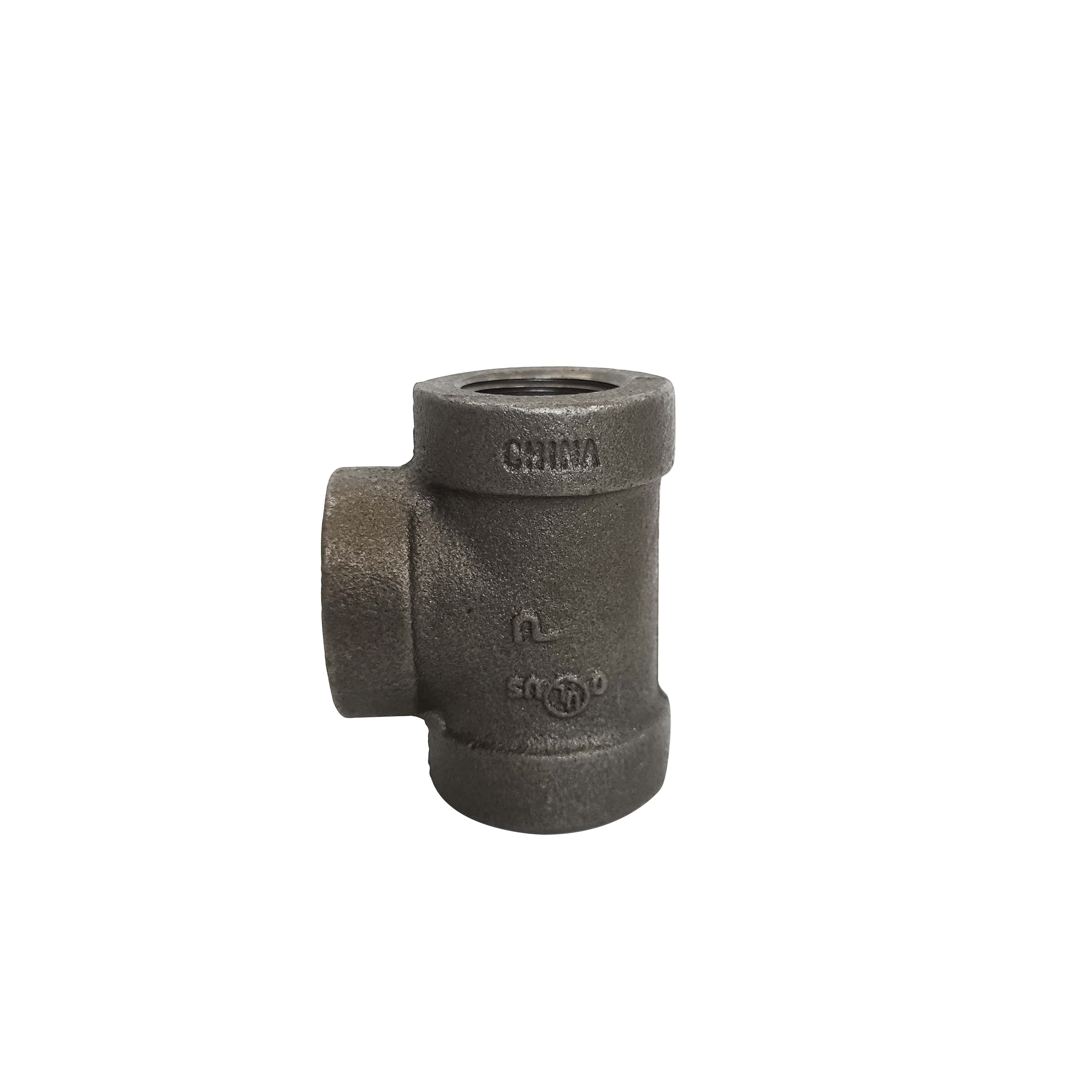
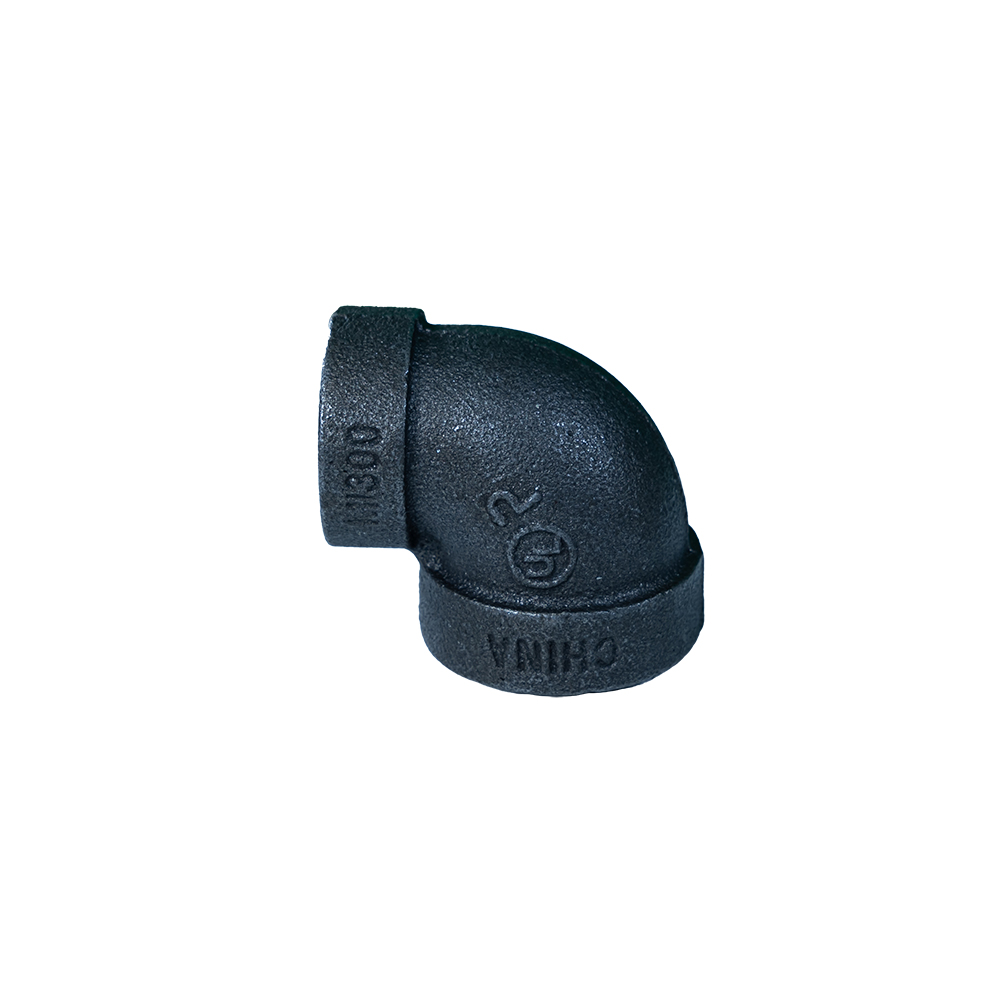
So what exactly is a female reducer coupling? In simple terms, it’s a pipe fitting designed to connect two pipes of different diameters – one end being female threaded to receive a male threaded pipe. The 'reducer' bit means it tapers from the larger pipe size to the smaller one. Oddly enough, despite its straightforward purpose, the design nuances and material choices can significantly affect its performance and longevity on the field.
One of the first things I noticed early in my career was the sheer variety of materials used in these couplings. Stainless steel, brass, carbon steel, even some advanced alloys. Each has its pros and cons. Stainless steel, for example, offers excellent corrosion resistance, which you’ll want in marine or chemical applications. Carbon steel fittings may be more economical but require protective coatings to prevent rust.
In real terms, many engineers I’ve chatted with emphasize testing standards. You want a coupling that can withstand pressure variations and thermal expansion without leaking or malfunctioning. This often means adherence to ISO or ASTM standards, which isn’t just paperwork – it’s peace of mind.
Customization options can also be surprisingly helpful. Some manufacturers offer specialized threads or coatings for harsh environments, which can end up saving time and money in maintenance. I once worked with a team that switched to a customized female reducer coupling for a petrochemical plant retrofit. The downtime and replacements dropped significantly over six months – a small change with a big impact.
Typical Female Reducer Coupling Specifications
| Specification | Typical Range/Detail |
|---|---|
| Material | Stainless Steel (304, 316), Brass, Carbon Steel |
| Thread Type | NPT, BSP, Metric Thread (custom options available) |
| Pressure Rating | Up to 6000 psi (varies by material & design) |
| Size Range | 1/8" to 4" (custom sizes often available) |
| Standards Compliance | ASTM A182, ISO 49, ASME B1.20.1 |
| Finish | Polished, Black Oxide, Galvanized |
Comparing Top Female Reducer Coupling Vendors
| Vendor | Material Quality | Customization | Price Range | Lead Time |
|---|---|---|---|---|
| PanNext Fittings | High-grade Stainless Steel & Brass | Extensive (threads, coatings) | Mid-range competitive | 2-3 weeks standard |
| Vendor B | Carbon Steel Focused | Limited | Lower | 1-2 weeks |
| Vendor C | Mixed Alloys | Moderate | Premium | 3-4 weeks |
You know, it’s the little details that often create the biggest headaches on site. I once saw an installation delayed for days because the “universal” reducer coupling didn’t fit correctly due to thread mismatch—a reminder that quality and specification matching are truly not minor concerns.
Overall, if you’re sourcing female reducer couplings, don’t just grab whatever’s cheapest. Look for trusted vendors, verify standards compliance, and when possible, ask for samples or field testimonials. It feels like a small investment upfront but trust me, it pays off over time. And frankly, it makes the engineers and technicians who handle the installation a lot happier.
For anyone interested in reliable fittings, the female reducer coupling range available on PanNextFittings.com is worth a close look — I’ve seen their quality firsthand and appreciated the customization options they offer for challenging projects.
In the end, it’s the blend of sound design, solid materials, and thoughtful customer service that turns these humble connectors into industrial heroes.
– A seasoned field engineer who’s seen her share of misfits and perfect matches over the years.
References
- ASTM International – Pipe Fittings Standards
- ISO Standards for Threaded Couplings
- Industry Experience and Client Feedback from 2010–2023
Post time: Dec-03-2025