
Understanding Male Female Fittings: Essential Components in Industrial Connections
When you think of the intricate systems that power our modern world—from plumbing to HVAC to industrial manufacturing—male female fittings are the often overlooked heroes holding it all together. They’re simple in concept but absolutely fundamental in function, connecting pipes, tubes, cables, or hoses with precision and security. Globally, their role is huge: ensuring safe fluid transfer, reliable machinery, and adaptable infrastructure. Understanding these fittings is more than just a niche topic; it’s a doorway into how industries build durable, efficient systems that meet evolving challenges.
Global Context: Why Male Female Fittings Matter in Industry Today
Across continents, industries demand connection standards that balance reliability and cost-efficiency. According to ISO, over 60% of industrial piping failures can be traced to connection issues—notably, improper fittings. That’s staggering when you consider the trillions in global manufacturing output dependent on these little parts. Whether in Asia’s booming construction sector or Africa’s push for better water systems, male female fittings offer flexible, scalable solutions that reduce downtime and environmental risks. Yet, challenges remain, such as corrosion resistance and ease of installation in remote areas. These challenges spotlight why innovation and quality standardization are so critical right now.
Defining Male Female Fittings
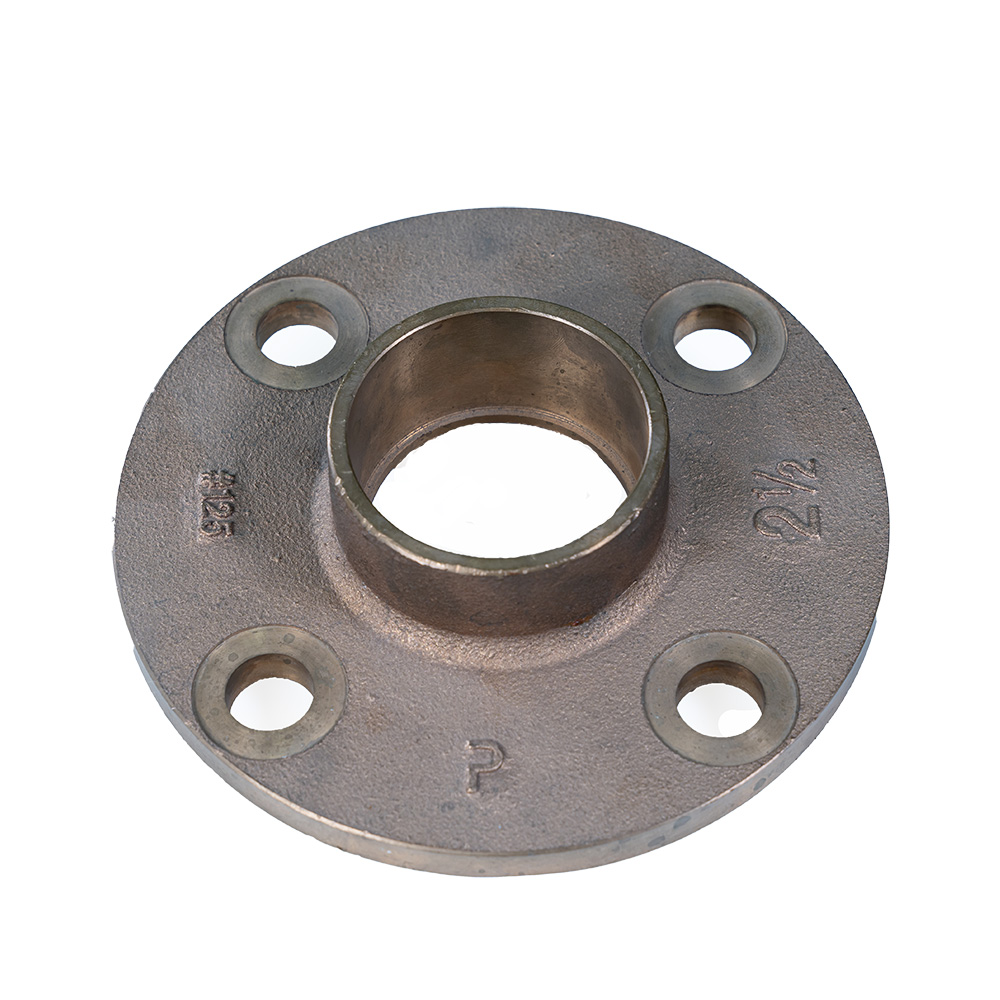
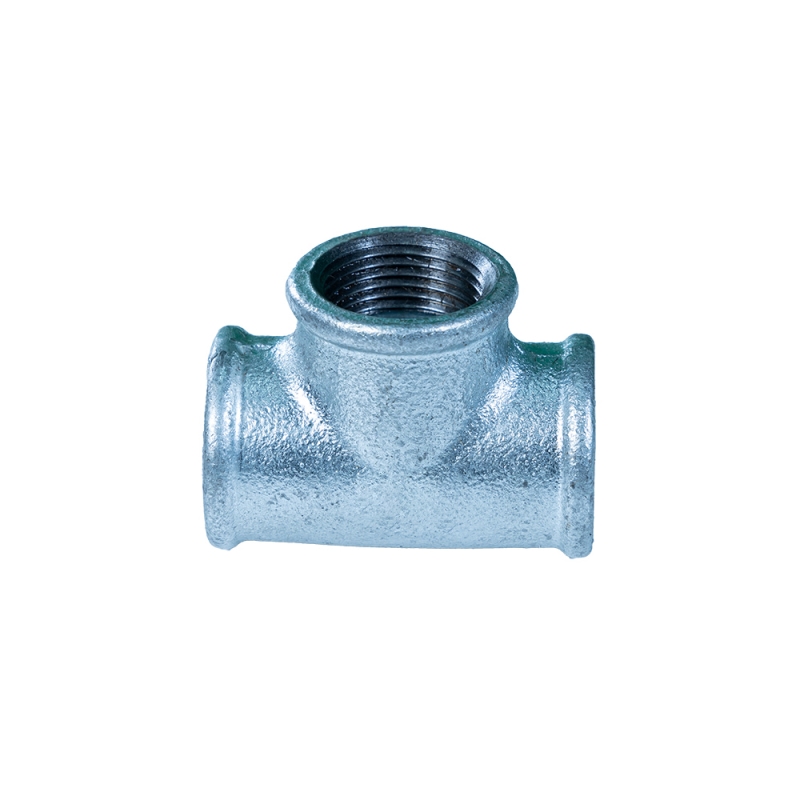
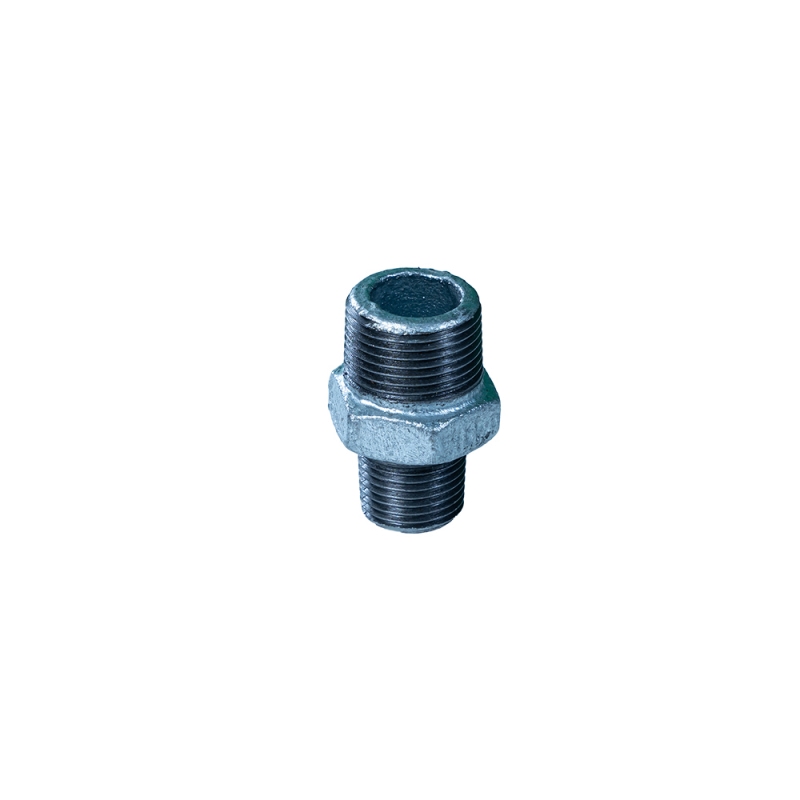
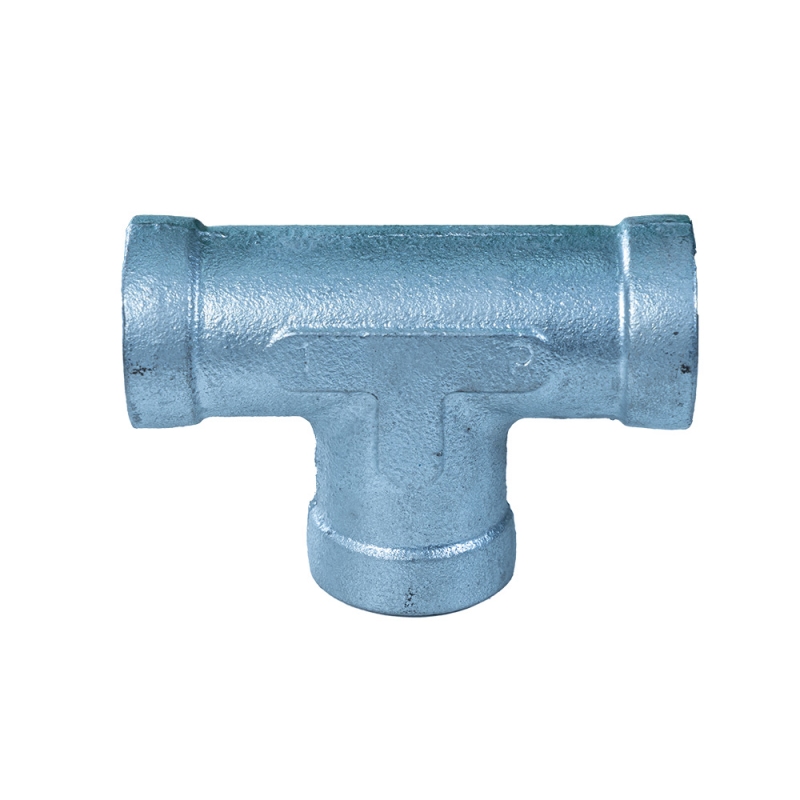
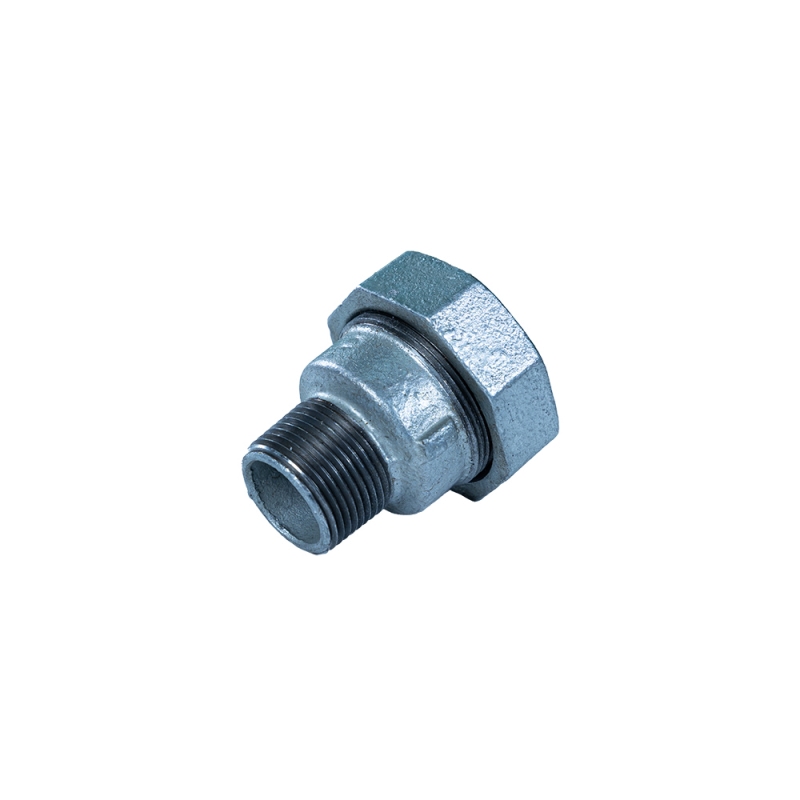
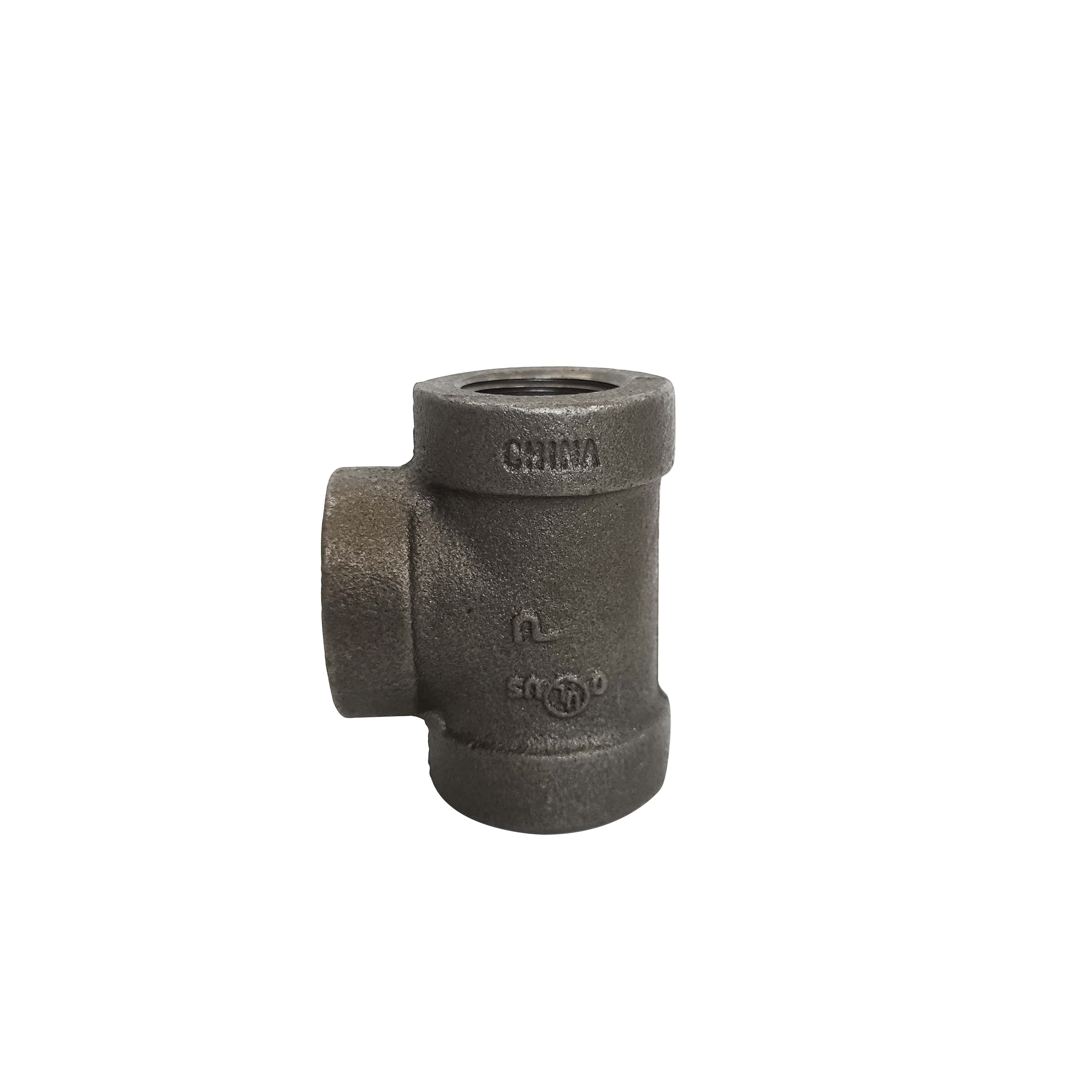
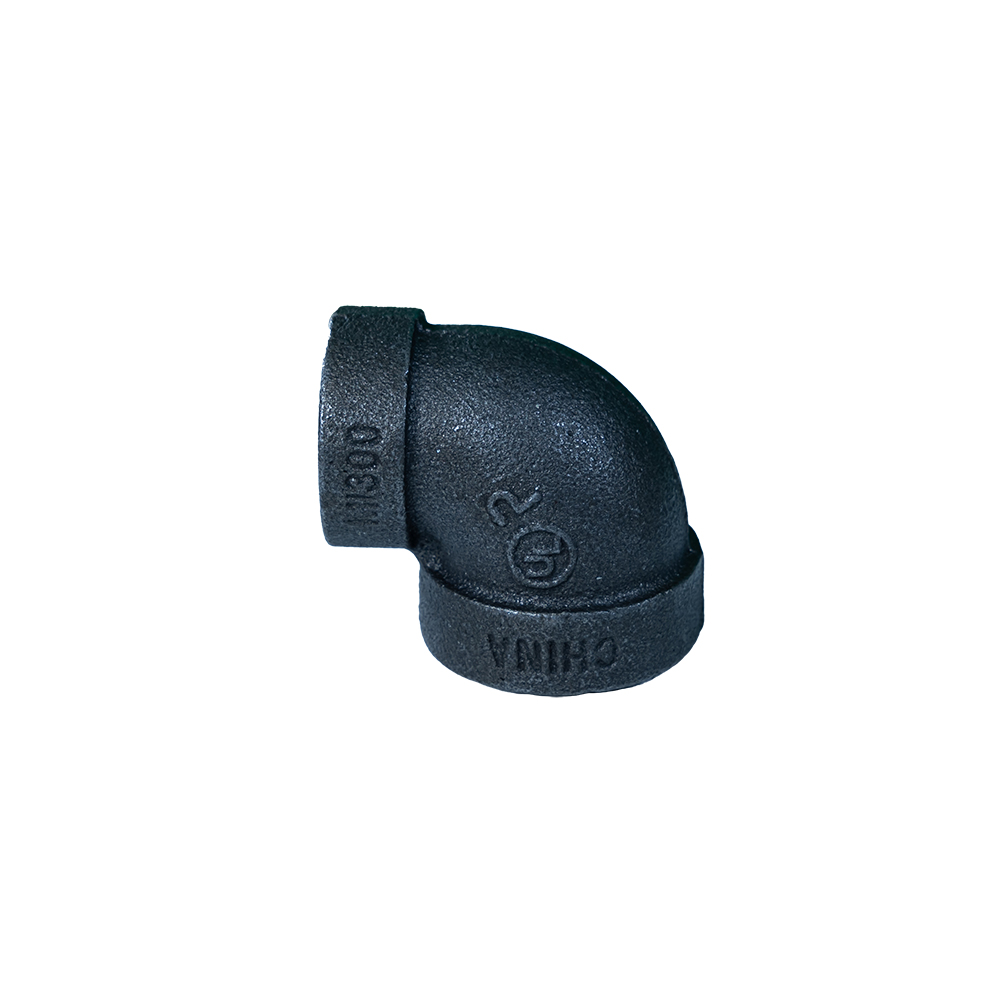
In plain terms, a male female fitting is a connector created from two complementary parts: the “male” end—usually protruding or threaded externally—and the “female” end, designed to receive and secure the male part. This system ensures a tight, leak-proof seal between pipes or hoses. They’re vital in industries ranging from residential plumbing to aerospace engineering. You might not notice them, but in humanitarian projects like clean water delivery, these fittings keep essential resources flowing safely and reliably.
Core Components and Key Factors to Consider
1. Durability and Material Quality
Materials range from brass and stainless steel to advanced polymers. Choosing the right material impacts corrosion resistance and lifespan. For example, in seawater desalination plants, stainless steel male female fittings are preferred for their saltwater resilience.
2. Compatibility and Interchangeability
Standards like ISO 228 and BSP define threading to ensure fittings from different manufacturers work seamlessly together—a vital factor in global supply chains.
3. Scalability and Adaptability
These fittings come in an array of sizes and types, suitable for everything from tiny instrumentation lines to massive oil pipelines, offering engineers flexible design options.
4. Cost Efficiency
While a high-quality fitting might cost more initially, it usually saves money long-term by preventing leaks and system failures that could be costly to fix.
5. Installation and Maintenance Ease
Fast, reliable installation reduces labor costs and downtime—a benefit especially appreciated in critical industries like emergency services or rapid infrastructure deployment.
Product Spec Table: Typical Male Female Fitting Options
| Specification | Standard Brass | Stainless Steel | Nylon Polymer |
|---|---|---|---|
| Pressure Rating (PSI) | 3000 | 6000 | 1500 |
| Temperature Range (°C) | -20 to 150 | -40 to 400 | -10 to 90 |
| Corrosion Resistance | Moderate (can tarnish) | Excellent | Good for non-metallic fluids |
| Weight | Medium | Heavy | Lightweight |
Global Applications & Use Cases of Male Female Fittings
It’s almost everywhere you look. In remote mining camps in Canada, rugged male female fittings withstand harsh weather to maintain hydraulic systems. In Southeast Asia, where water infrastructure is rapidly expanding, these connectors ensure reliable delivery under stringent health standards. Even in emergency humanitarian contexts, like disaster relief camps organized by NGOs, fast-install male-female fittings help set up water and sanitation systems critical for disease prevention.
Regions like Europe rely heavily on these fittings in automotive manufacturing, while the Middle East’s petrochemical industry demands high-spec stainless steel versions to handle extreme pressures. Oddly enough, this one part type connects vastly different industries, each with their own exacting standards.
Vendor Comparison Table
| Vendor | Material Options | Certifications | Typical Lead Time | Price Range (per unit) |
|---|---|---|---|---|
| Alpha Fittings Co. | Brass, Stainless Steel | ISO 9001, CE | 2-4 weeks | $2–$8 |
| Beta Connectors Ltd. | Nylon, Brass | ISO 13485 | 1-3 weeks | $1.5–$7 |
| Gamma Industrial | Stainless Steel only | API, ISO 9001 | 3-5 weeks | $4–$12 |
Advantages and Long-Term Value
In real terms, these fittings save money and headaches. Their dependable seal reduces downtime due to leaks or spills. This reliability directly translates to safer workplaces and environments, with less waste and pollution. There’s an emotional component too—installers and engineers trust male female fittings to “just work,” which builds confidence in larger systems and innovations. Some companies even report increased customer loyalty because their products simply don’t fail at these critical connection points.
Future Trends & Innovations
Looking ahead, new materials promise even better corrosion resistance and lighter weights, like fiber-reinforced polymers. Digitally enabled fittings embedded with sensors for leak detection and maintenance forecasting are starting to emerge, fitting nicely into broader Industry 4.0 frameworks. Plus, as green energy grows, specialized fittings for renewable systems (like hydrogen pipelines or solar thermal loops) are under active development.
Challenges & Solutions
Challenges persist, of course. Cross-threading during installation, mismatched standards, and material failures due to unexpected chemical exposure can trip up projects. The solution? Rigorous quality testing and better education for field technicians. Many vendors now include video tutorials and on-site support, and international standardization efforts continue to smooth out cross-border supply glitches.
FAQs About Male Female Fittings
- Q: How do I choose the right male female fitting for high-pressure applications?
A: Focus on fittings made from stainless steel with appropriate pressure ratings indicated by the manufacturer. Certifications like ISO and API can confirm reliability under stress. - Q: Can male female fittings be reused after disassembly?
A: It depends on the fitting type and condition. Threaded metal fittings can often be reused if not damaged, but polymer fittings may degrade after repeated use. Always inspect for wear. - Q: Are nylon male female fittings suitable for outdoor use?
A: Nylon fittings offer good resistance to many chemicals, but UV exposure can weaken them over time. Consider UV-resistant grades or protective shielding outdoors. - Q: How do NGOs import male female fittings internationally?
A: NGOs usually partner with certified suppliers and follow import regulations specific to hardware and plumbing components. Documentation for compliance with standards expedites customs clearance.
Conclusion & Call to Action
All told, male female fittings might seem small but their impact resonates broadly across industries and regions. Their continued evolution fuels better, safer, and more sustainable infrastructure worldwide. Whether you’re outfitting a manufacturing plant or supporting vital humanitarian aid, these connectors bridge worlds—literally and figuratively. Curious to learn more or explore customized solutions? Visit our website at https://www.pannextfittings.com.
Mini takeaway: Male female fittings are foundational yet innovative components—crucial for reliability in modern infrastructure.
References
- Wikipedia: Pipe fitting
- ISO 228-1: Pipe threads where pressure-tight joints are not made on the threads — Dimensions, tolerances and designation
- United Nations: Working with NGOs
It kind of feels like these small fittings quietly keep the world connected—one thread at a time.
Post time: Dec-02-2025