
Understanding Male Female Pipe Fittings: Essentials & Global Impact
Male female pipe fittings, though sounding a bit technical and niche, are everywhere — quite literally the unsung heroes of plumbing, industrial piping, and countless engineering projects worldwide. These essential components connect pipes or hoses with threaded ends, enabling reliable, leak-proof joints critical to transporting water, gases, chemicals, and more. Their significance stretches globally, given their role in sectors ranging from municipal infrastructure to humanitarian water projects.
Leveling up your knowledge about male female pipe fittings means appreciating how design and manufacturing expertise translate into real-world benefits: durability under stress, corrosion resistance in harsh environments, and easy maintenance that can save costly downtime. Quite frankly, understanding these little connectors unlocks a better grasp of how our complex systems stay functional.
Global Context: Why Male Female Pipe Fittings Matter
On a macro scale, the international piping industry reflects a billion-dollar ecosystem. According to ISO standards (such as ISO 49 for malefemale threaded fittings), these components must meet rigorous criteria to ensure interoperability and safety. The World Bank estimates billions invested into water and sanitation infrastructure annually, much of which depends on reliable fittings.
But challenges exist: aging infrastructure often fails at pipe joints, leading to leaks or contamination, a persistent problem especially in developing regions. Male female pipe fittings offer a practical solution to reduce failures through standardized threading, better materials, and innovative coatings. In fact, many urban projects now prioritize these fittings to upgrade networks cost-effectively without huge overhauls.
Defining Male Female Pipe Fittings
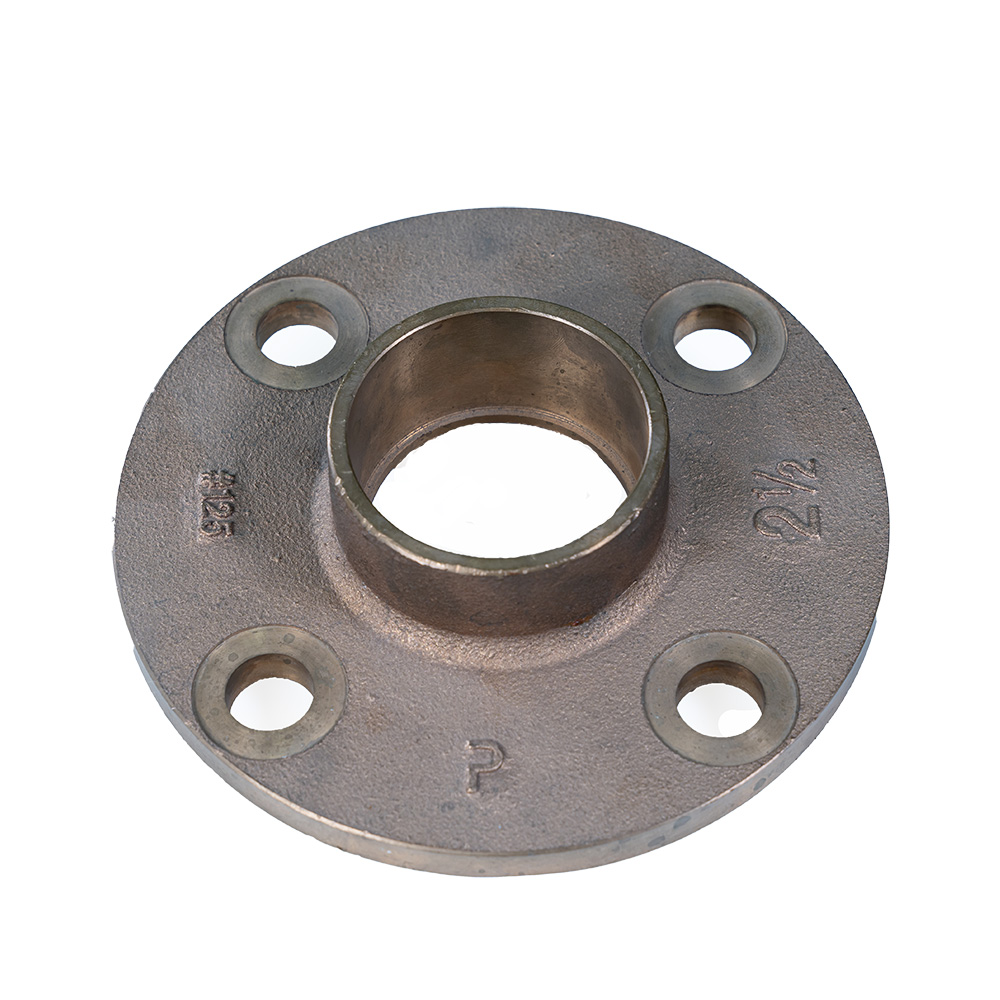
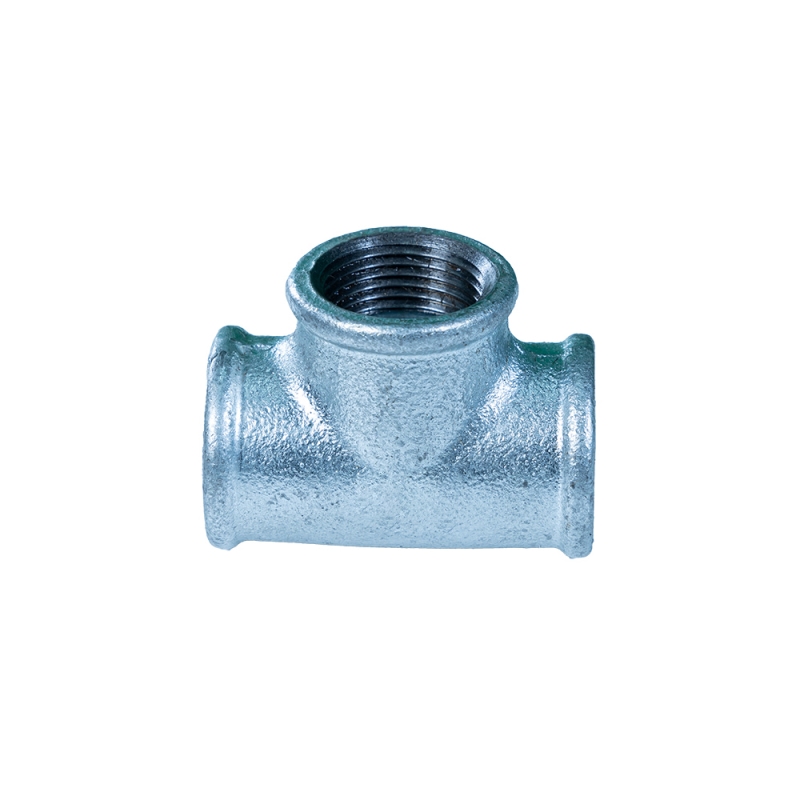
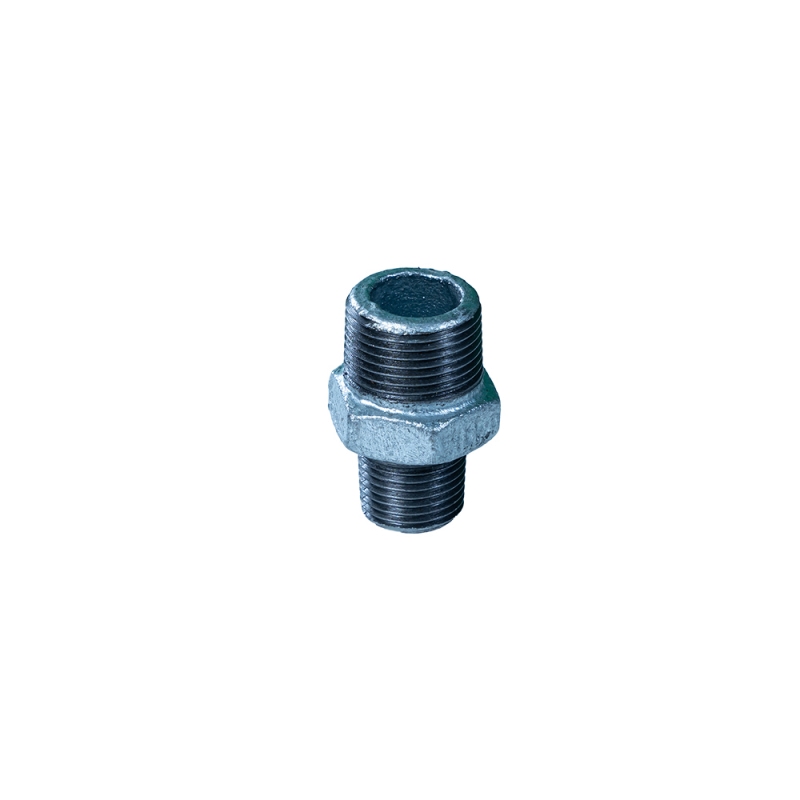
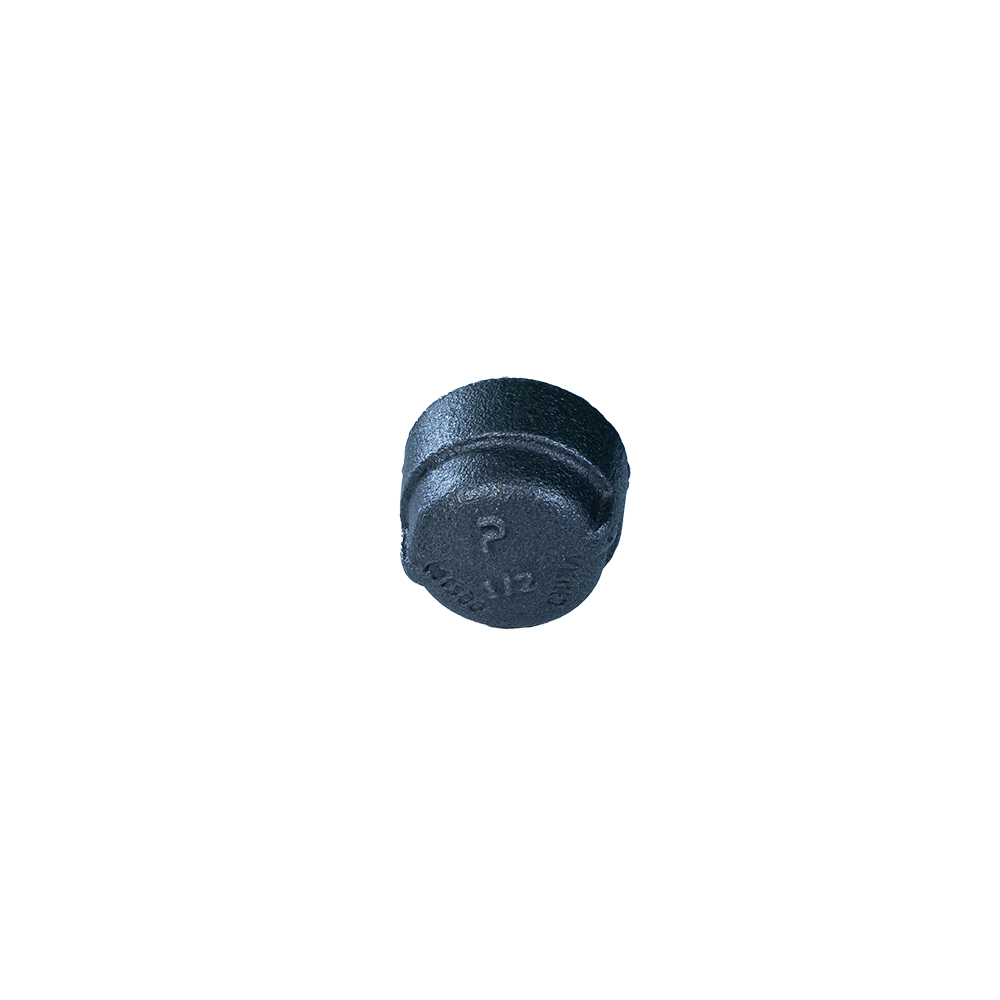
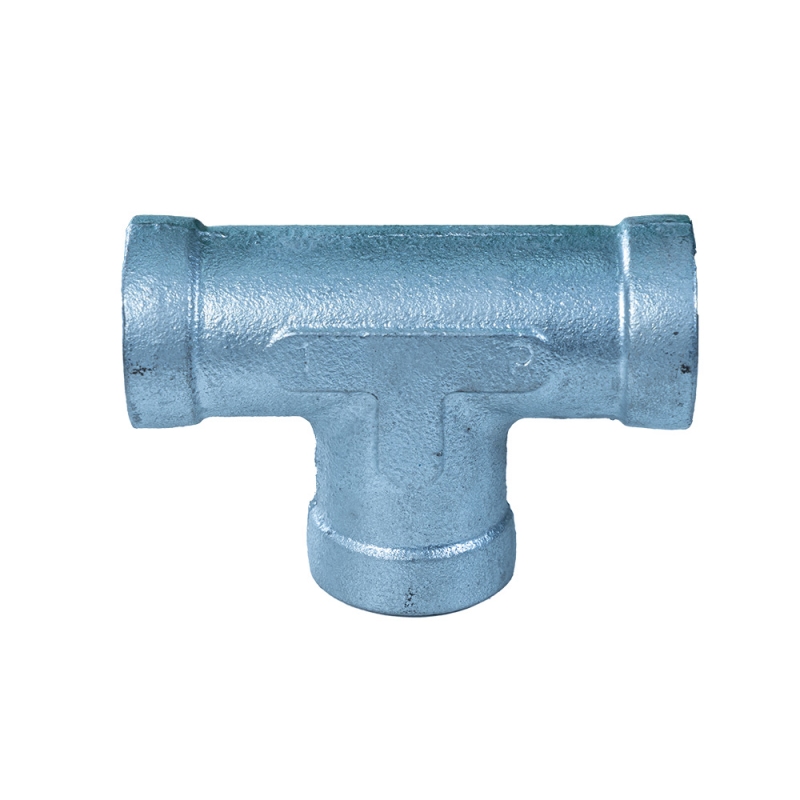
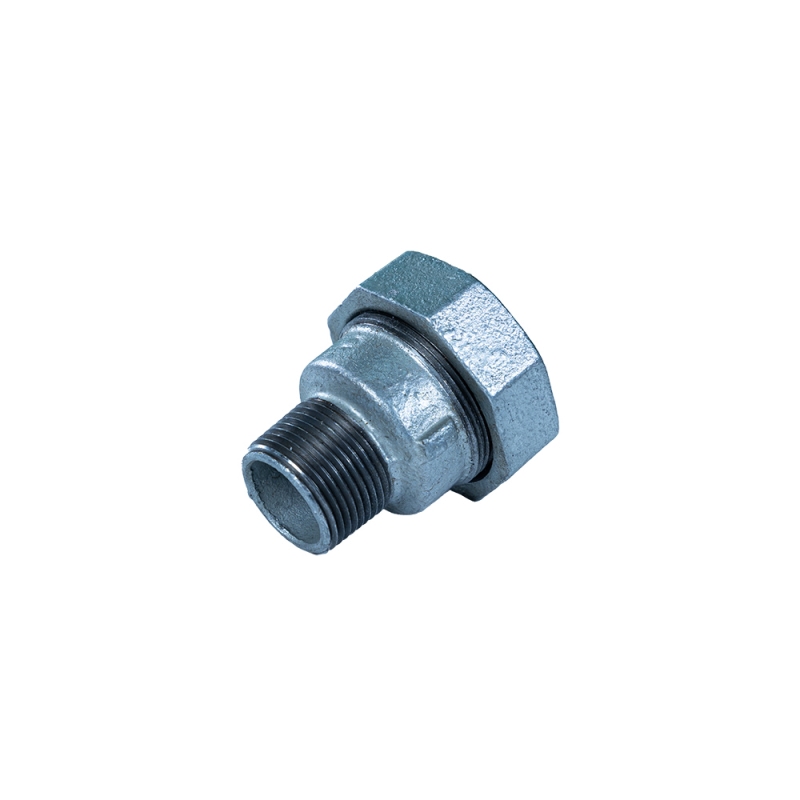
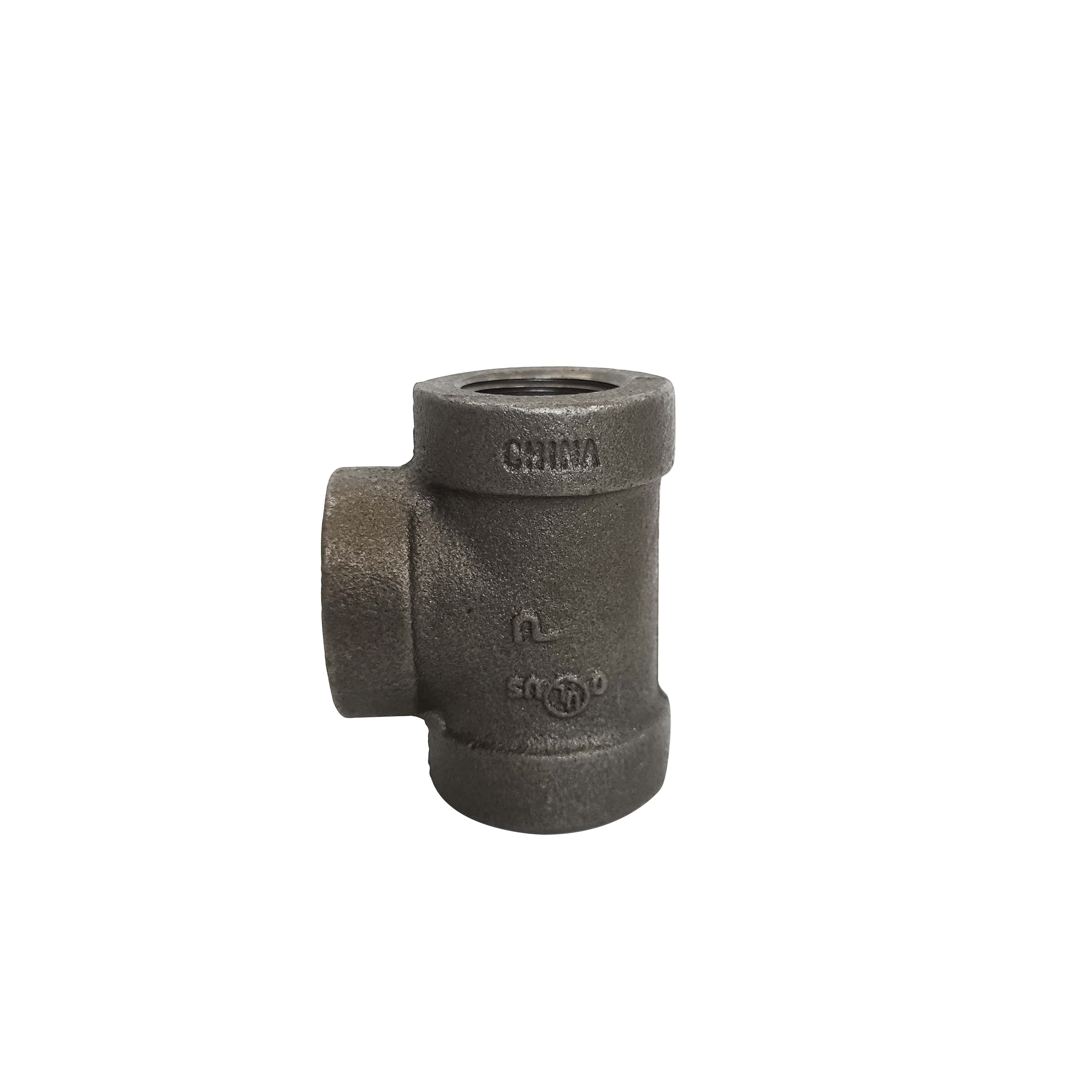
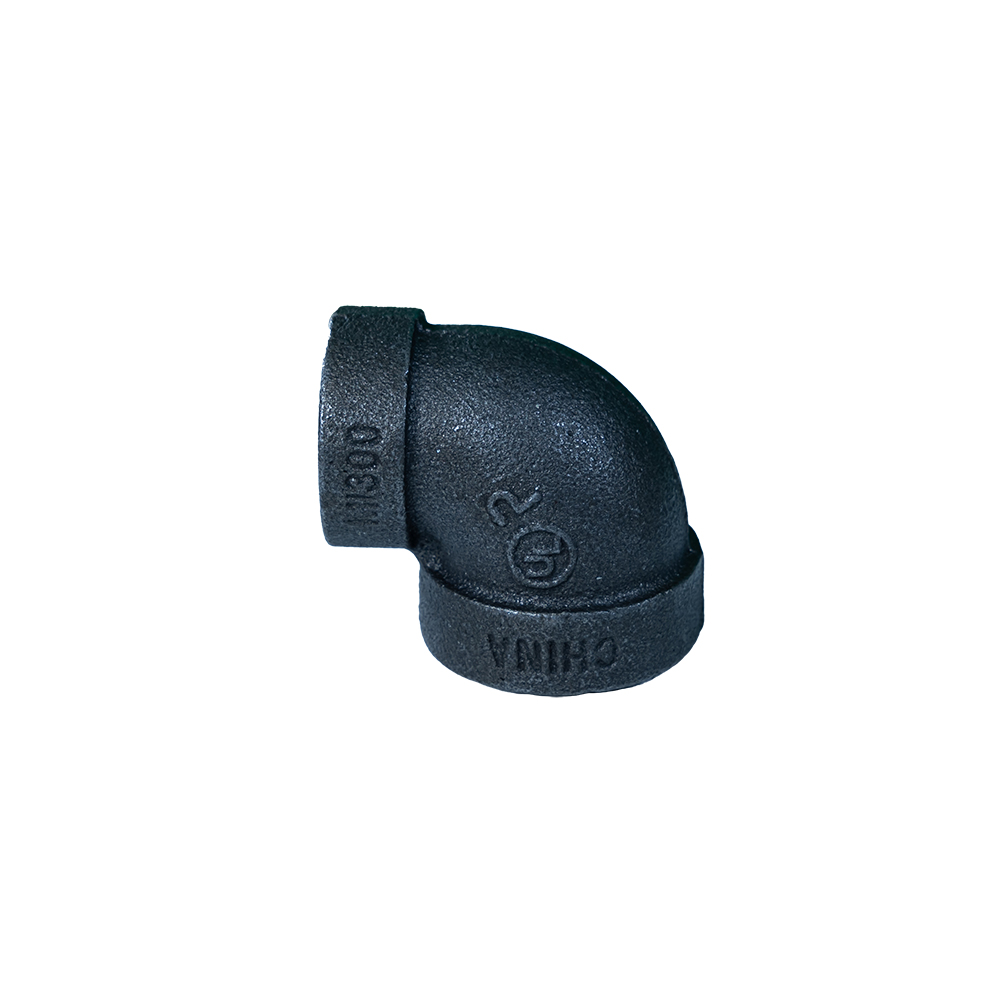
So, what exactly are these fittings? Simply put, a male female pipe fitting is a coupling piece where one end has external threads (male) and the other has internal threads (female). This design allows two pipes or components to join securely by screwing together, creating a strong mechanical and sometimes fluid-tight seal.
Though straightforward in concept, these fittings are vital in modern industry — in oil and gas pipelines, HVAC systems, firefighting equipment, and even clean water delivery in disaster relief operations. Their adaptability underscores their importance in both everyday applications and critical interventions supporting global health and industry.
Core Components & Key Factors
1. Durability
The materials used in male female pipe fittings can range from brass, stainless steel, carbon steel, to plastic polymers. Each offers unique durability traits: stainless steel resists corrosion in marine environments, while brass performs well under moderate pressure and temperature ranges.
2. Scalability & Compatibility
One of their strongest points is standardized threading (like BSP, NPT) allowing scalable, modular system-building. This interoperability is crucial for industrial projects spanning multiple suppliers and geographical regions.
3. Cost Efficiency
Mass production and standardization reduce cost without sacrificing quality. Maintenance and replacement costs drop when male female fittings prevent leaks or simplify disassembly.
4. Ease of Installation
The simple screw mechanism speeds up installation — a huge advantage in emergency setups or remote areas where expert labor might be scarce.
5. Safety and Leak Prevention
A well-designed male female pipe fitting uses precise tolerances and thread sealing materials (like PTFE tape) to minimize leak risks, which can otherwise lead to accidents or environmental hazards.
Product Specification Table
| Specification | Details |
|---|---|
| Material | Brass, Stainless Steel, Carbon Steel, Plastic |
| Thread Standards | BSP, NPT, ISO 7-1 |
| Pressure Rating | Up to 3000 PSI (depending on material) |
| Temperature Range | -40°C to 200°C (varies by material) |
| Applications | Water supply, gas lines, chemical pipelines, HVAC |
Global Applications & Use Cases
These fittings show up in surprising places. For instance, in post-disaster relief operations like after earthquakes or floods, male female pipe fittings facilitate rapid deployment of clean water pipelines, helping prevent disease outbreaks. Organizations including the UN and Red Cross rely on these quick-connect components to restore essential services.
Industrial zones in remote regions of Africa and Southeast Asia utilize them for oil extraction or mineral transportation, where durability against corrosive fluids and extreme climates matters. Even in clean tech, they’re integral in solar thermal plants to connect piping for fluid circulation.
Regions with expanding urban infrastructure—think Southeast Asian megacities—depend on such fittings to upgrade aged water networks without full replacements, balancing cost and longevity.
Mini Takeaway: Male female pipe fittings aren’t just hardware; they’re pivotal connectors between engineering goals and sustainable, functional systems worldwide.
Advantages & Long-Term Value
- Cost Savings: Fewer leaks and easier maintenance mean reduced operational costs.
- Sustainability: Selecting corrosion-resistant materials extends pipeline life, minimizing resource waste.
- Social Impact: Reliable water infrastructure improves public health and quality of life.
- Ease of Replacement: Modular design allows efficient part swaps, limiting downtime.
- Trust & Safety: Certified fittings conforming to international standards promote worker and environmental safety.
Honestly, when you think about the long-term, those small fittings contribute massively to system resilience and user confidence.
Future Trends & Innovations
Looking ahead, innovation percolates through new materials like advanced composites that resist biofouling or ultra-high-pressure variants for off-shore drilling. Digital transformation also affects compatibility checks using IoT-enabled fittings that can report stress or leaks proactively — a kind of “smart” pipe fitting.
On the sustainability front, green certification schemes encourage suppliers to reduce carbon footprints in manufacturing and select recyclable/eco-friendly materials. Automation in production lines ensures higher precision and repeatability too, reducing human errors that cause fitting failures.
Vendor Comparison Table
| Vendor | Materials Offered | Compliance | Lead Time | Certifications |
|---|---|---|---|---|
| PanNext Fittings | Brass, Stainless Steel | ISO 49, ANSI B1.20.1 | 2-3 weeks | ISO9001, RoHS |
| Global Pipes Co. | Carbon Steel, Plastic | API 5B, NPT Certified | 3-5 weeks | API Q1, ISO14001 |
| Industrial Connect | Stainless Steel, Alloy | BS EN 10241 | 4 weeks | CE, ISO45001 |
Challenges & Solutions
Like all tech, male female pipe fittings face certain challenges—thread wear over multiple uses, compatibility issues between standards, and corrosion in aggressive environments being chief among them. Sometimes, improper installation causes leaks.
Experts recommend thorough training, using lubricant sealants for threading, and selecting fittings with coatings (like nickel plating). New tooling ensures consistent thread quality, while suppliers like PanNext Fittings provide customizable options tailored to complex needs.
FAQ: Frequently Asked Questions About Male Female Pipe Fittings
- How do I know if a male female pipe fitting will fit my existing pipes?
- Check the thread standard (e.g., BSP, NPT), diameter, and pitch carefully. Measuring the pipe thread profile with a gauge ensures compatibility. Also, consulting product datasheets or vendor technical support often helps avoid mismatches.
- What materials are best for outdoor use?
- Stainless steel fittings are preferred for outdoor or corrosive environments due to their rust resistance. Brass is good for moderate conditions. Plastic can be used for non-pressurized or chemical applications but may degrade with UV exposure.
- Can male female pipe fittings be reused after disassembly?
- Usually yes, but thread wear and seal integrity must be checked. Reapplying thread sealants or tapes before reinstalling is standard practice to maintain leak-proof connections.
- Are there any environmental certifications to look for?
- Look for ISO 14001 (environmental management) and RoHS (restriction of hazardous substances) certifications. They indicate manufacturers' commitment to eco-friendly processes and safe materials.
- How quickly can I get custom fittings for special projects?
- Lead times vary by vendor but typically range from 2 to 5 weeks. Some suppliers, like PanNext Fittings, offer expedited options depending on volume and design complexity.
Conclusion
Male female pipe fittings might seem like small parts in massive infrastructure, but their impact is huge—from securing water access in remote villages to sustaining global industrial operations. Their mix of durability, ease of use, and adaptability underpins many of the conveniences and necessities we take for granted.
If you want to explore quality options that deliver reliability and compliance with international standards, be sure to visit our website. Empower your projects with fittings trusted worldwide.
Looking at it all, these tiny connectors are really the quiet backbone ensuring everything flows smoothly.
References
Post time: Dec-02-2025