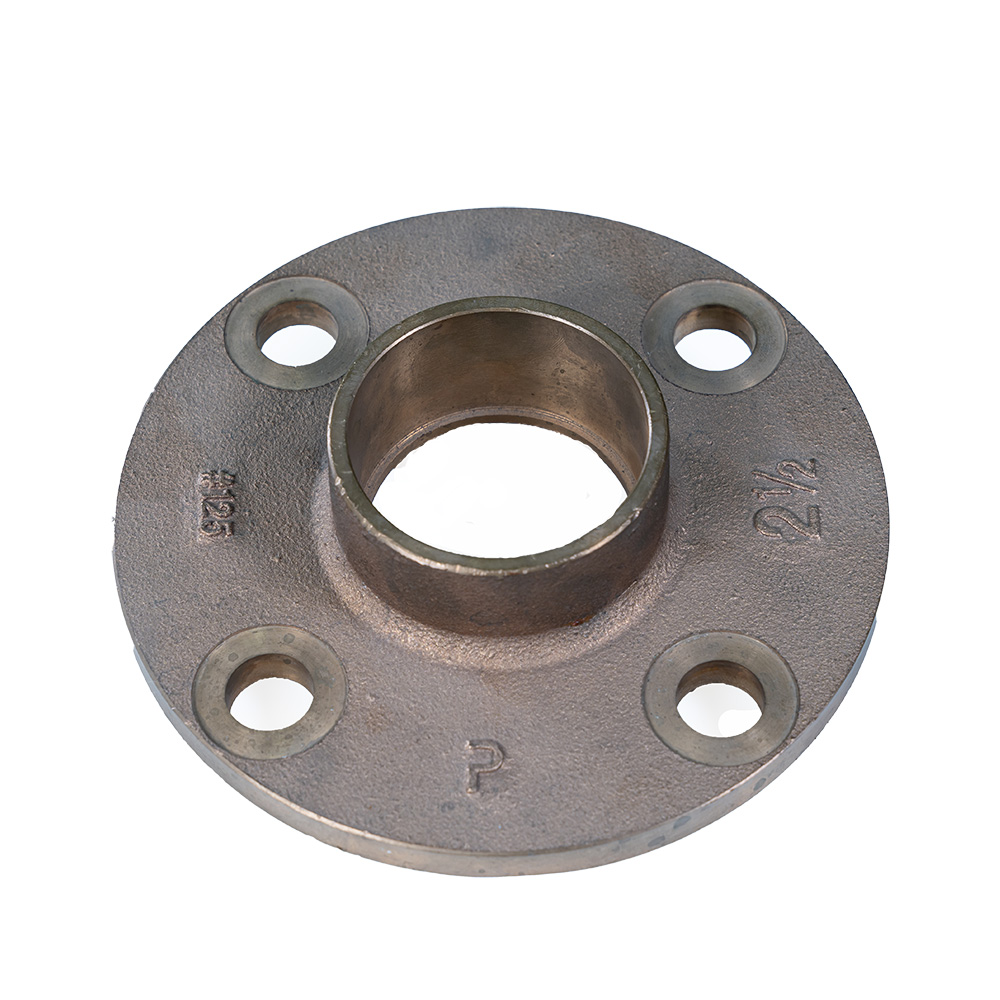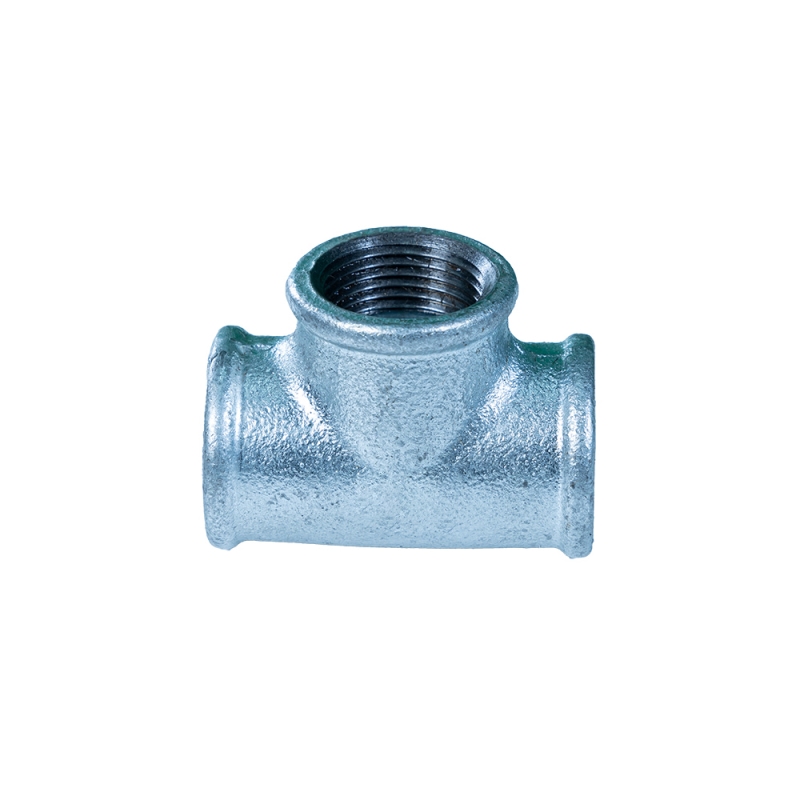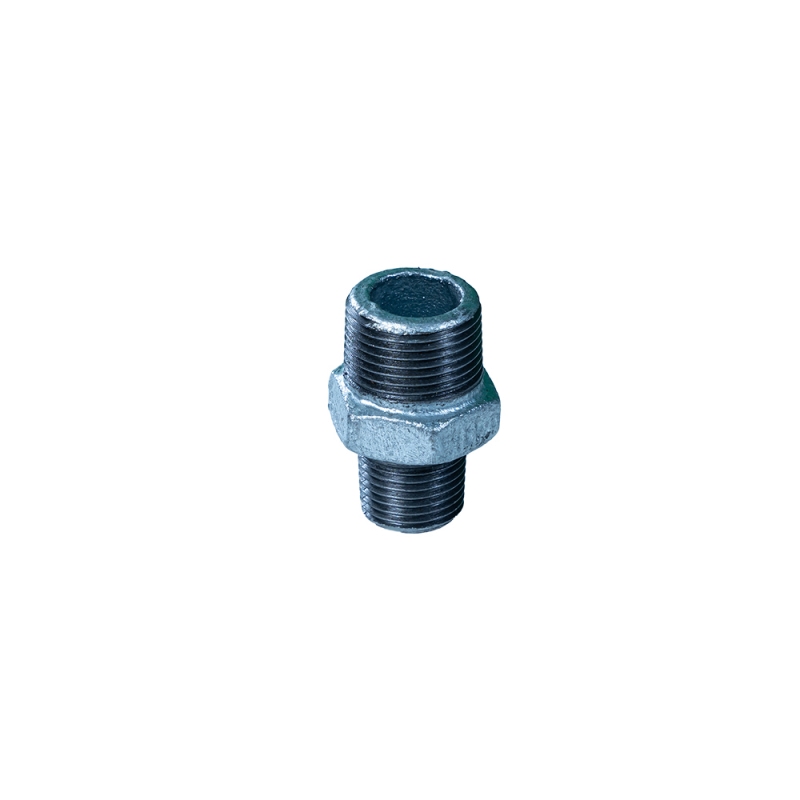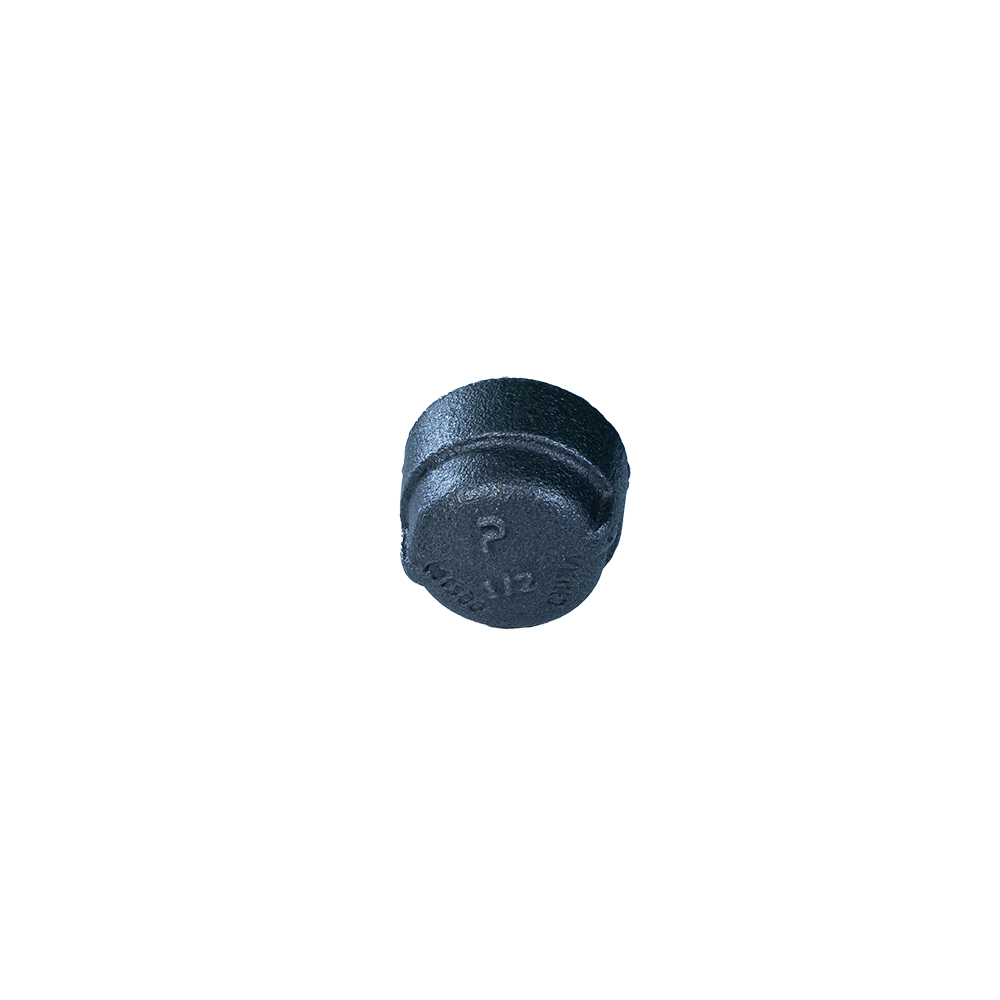

Understanding NPT Reducer Couplings: A Comprehensive Guide
When working with threaded pipe connections in various industries, especially in fluid transfer systems, NPT reducer couplings play a crucial role. These fittings allow you to seamlessly connect pipes of different sizes, ensuring a leak-proof and efficient system. This article provides an in-depth look at NPT reducer couplings, their applications, materials, and factors to consider when selecting the right one for your needs. You'll find valuable insights into how these components contribute to the overall reliability and safety of your piping infrastructure. Discover why choosing the correct reducer coupling is vital, and where to find high-quality options from a trusted supplier like Pannext Fittings.
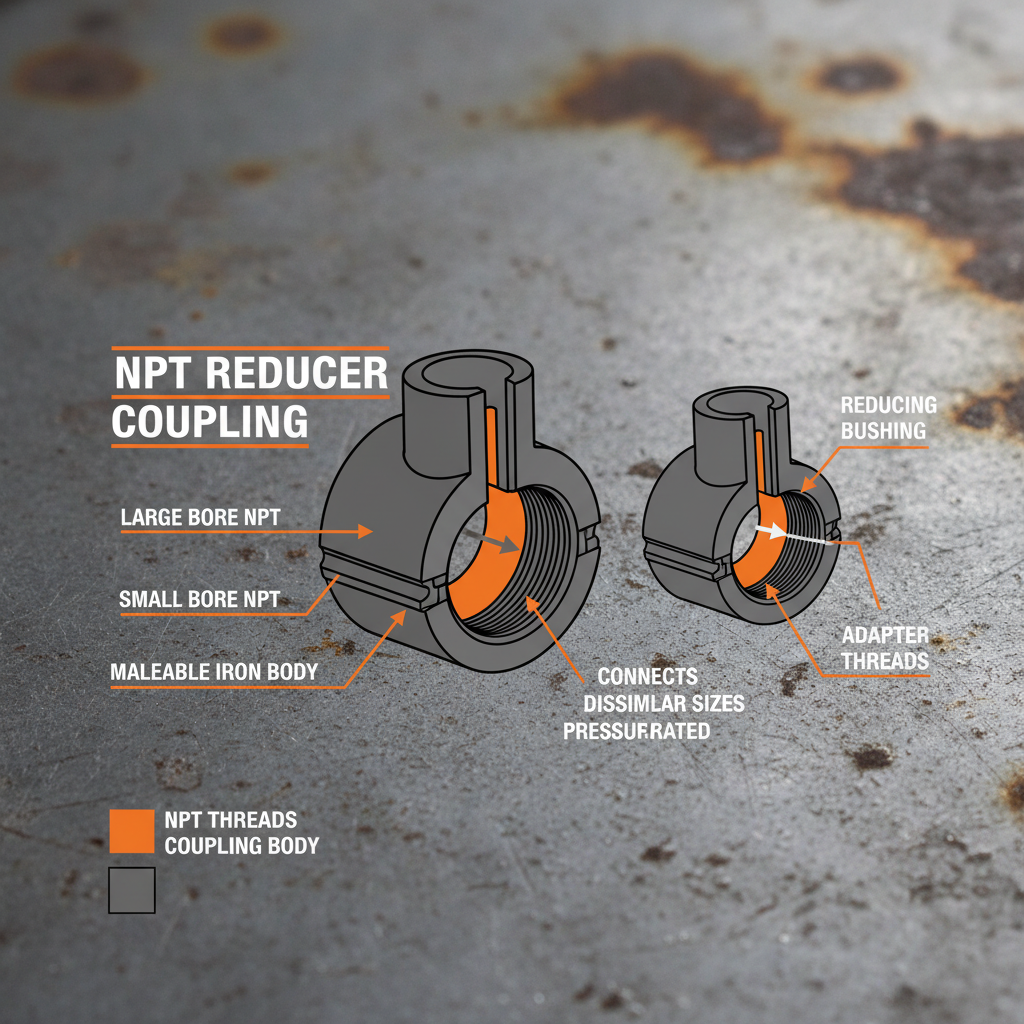
What are NPT Reducer Couplings?
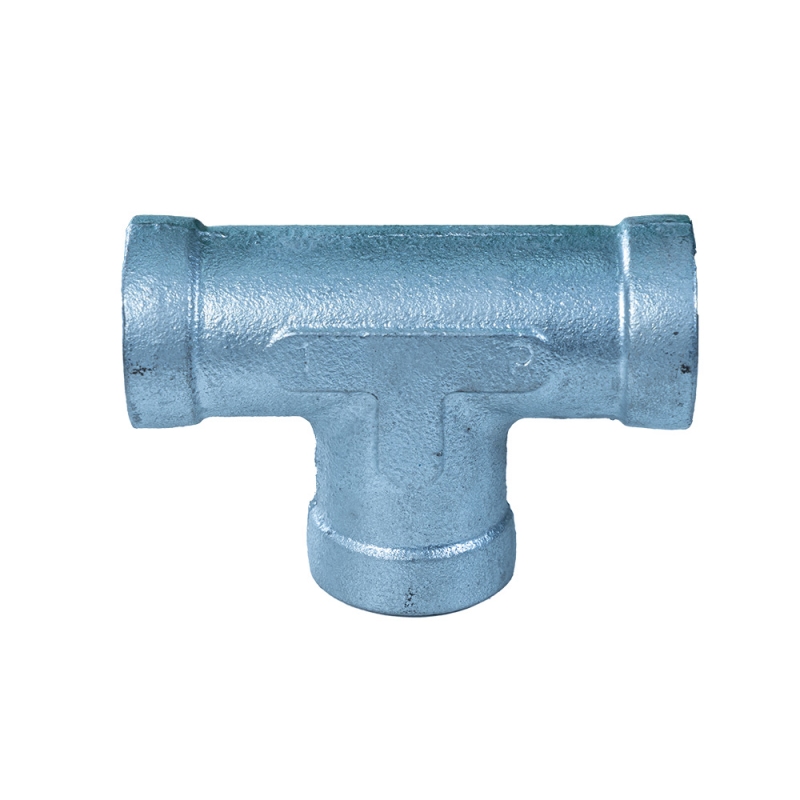
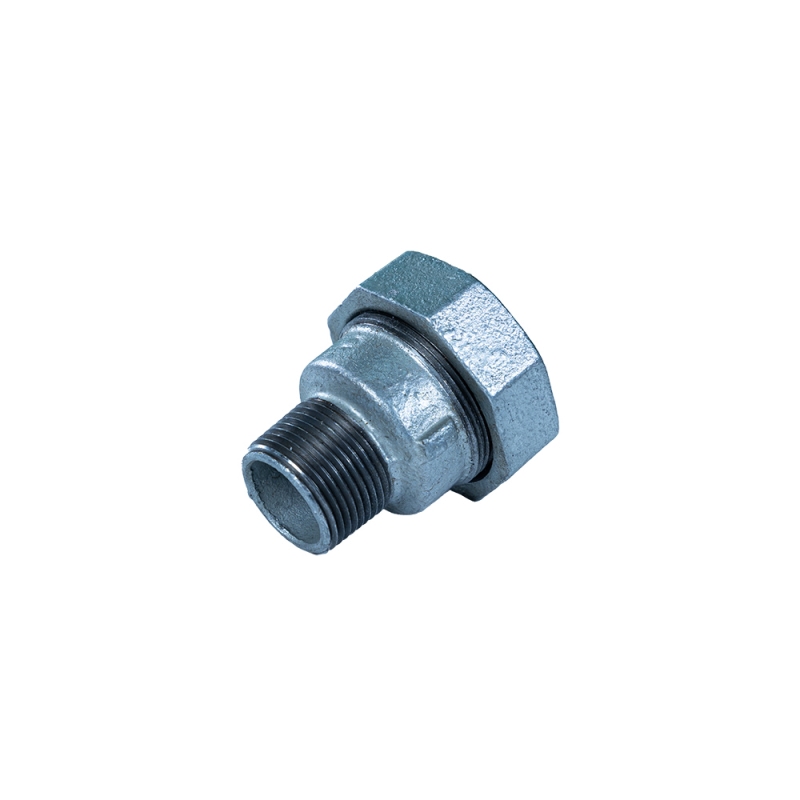
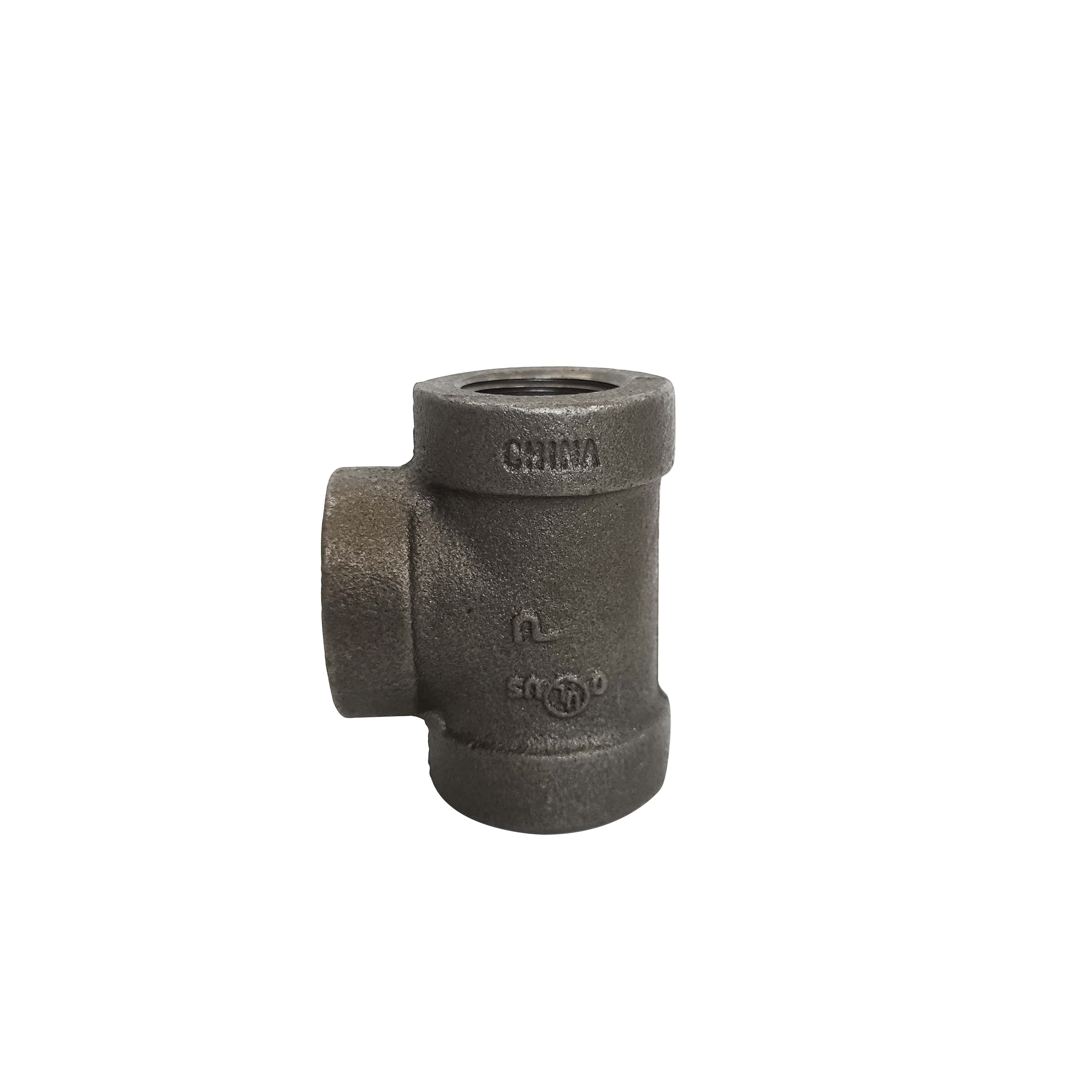
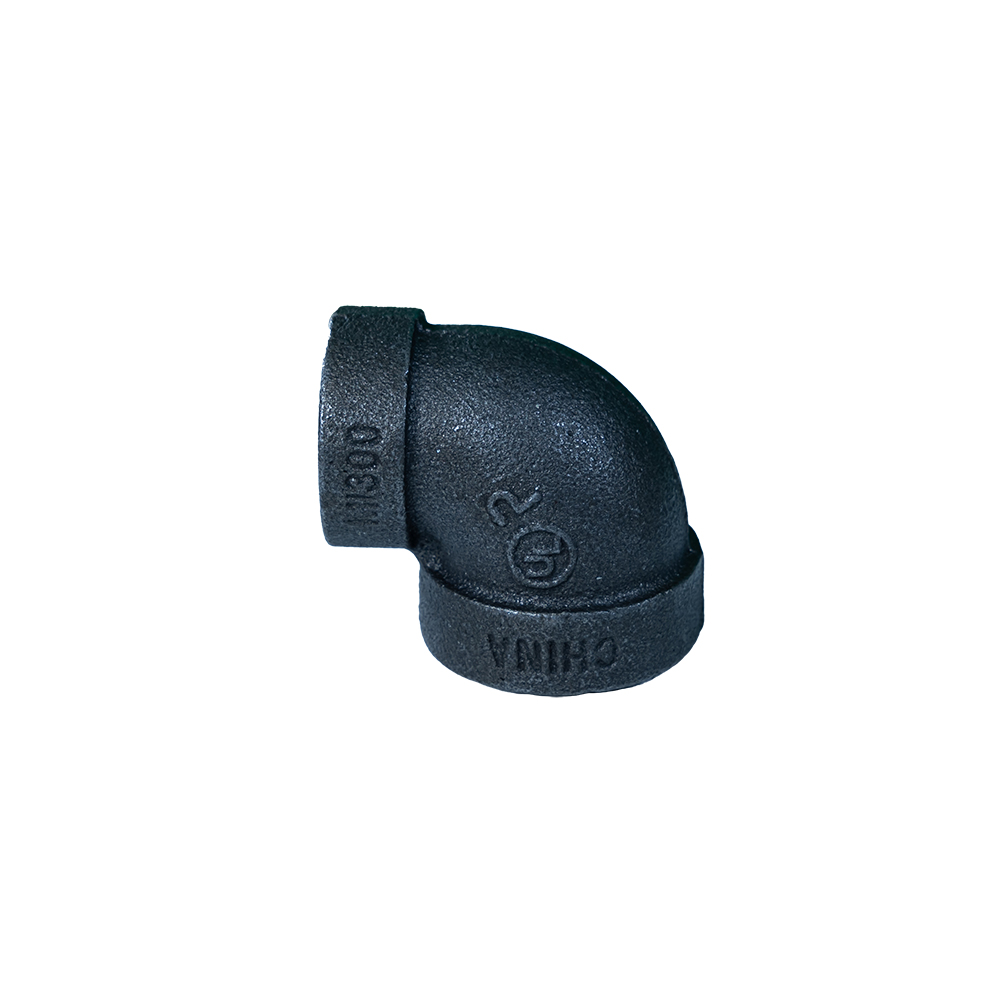
An NPT reducer coupling is a pipe fitting used to join two pipes of differing diameters that have National Pipe Thread (NPT) threads. It essentially 'reduces' the pipe size, allowing for a smooth transition between larger and smaller diameter pipes. These couplings are commonly used in plumbing, irrigation, hydraulic systems, and pneumatic applications. The tapered threads of NPT fittings create a tight, leak-resistant seal when combined with appropriate thread sealant. A key benefit of using reducer couplings is their ability to avoid the need for bushings and adapters, streamlining the piping system and minimizing potential leak points.
Key Benefit: NPT reducer couplings offer a streamlined solution for connecting pipes of different sizes, reducing the need for multiple adapters and bushings, and ultimately minimizing potential leak points.
Common Applications of NPT Reducer Couplings
The versatility of NPT reducer couplings makes them essential across a diverse range of industries. In the oil and gas sector, they are used in pipelines and wellhead connections. Manufacturing plants employ them in fluid transfer systems for chemicals and coolants. Agricultural irrigation systems utilize them to connect main supply lines to smaller distribution pipes. Furthermore, they find applications in automotive systems (fluid lines), HVAC systems, and even home plumbing projects. The ability to adapt pipe sizes efficiently makes these couplings indispensable for maintaining fluid flow and system integrity.
Typical Applications:
• Oil and Gas Pipelines
• Manufacturing Fluid Transfer
• Agricultural Irrigation Systems
• HVAC and Plumbing
Materials Used in NPT Reducer Couplings
NPT reducer couplings are available in a variety of materials to suit different operating conditions and fluid types. Common materials include: Brass - suitable for low-pressure applications and general-purpose plumbing; Steel (Carbon Steel and Stainless Steel) – offers high strength and corrosion resistance, ideal for demanding industrial applications; PVC (Polyvinyl Chloride) – lightweight and cost-effective for non-corrosive fluids; and Polypropylene – resistant to many chemicals and ideal for applications involving corrosive substances. The choice of material depends on factors like temperature, pressure, fluid compatibility, and cost considerations. Pannext Fittings provides a wide range of materials to cater to these diverse needs.
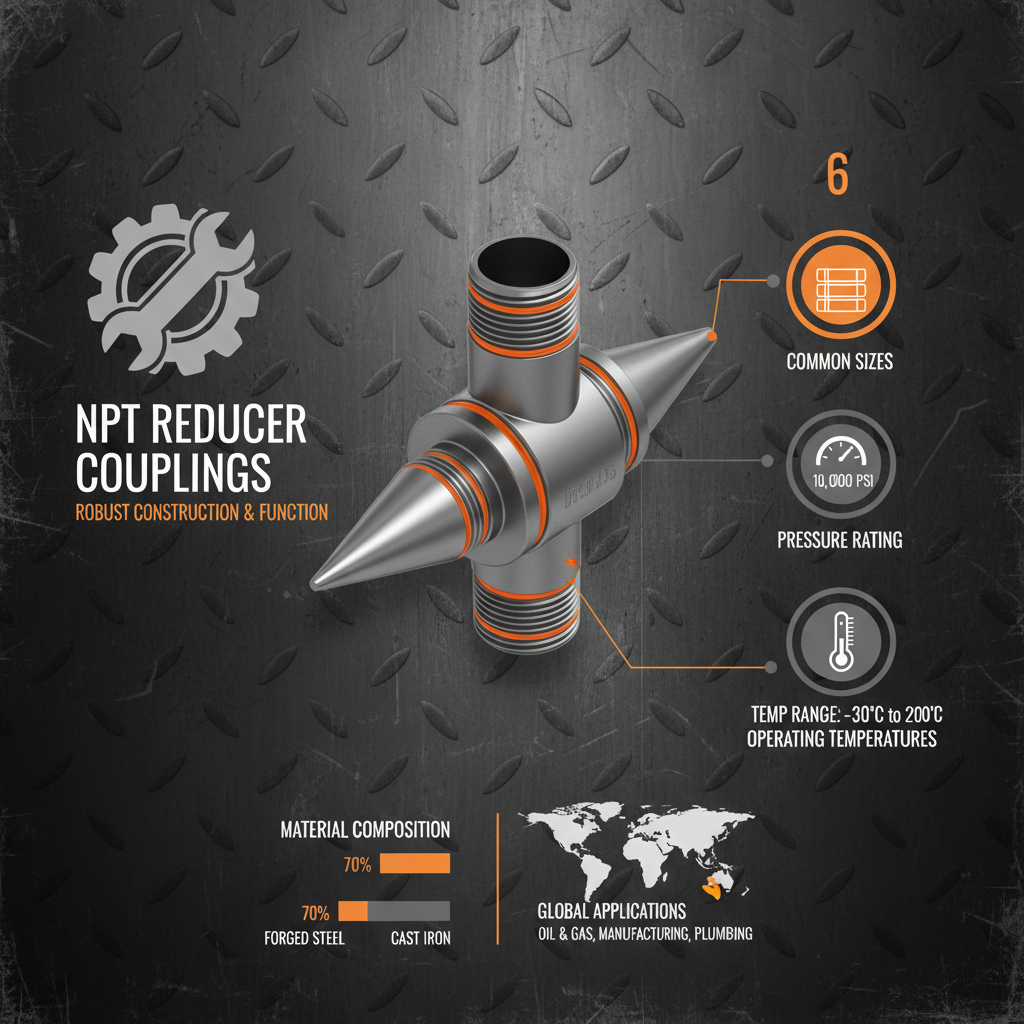
Comparing NPT vs. BSPT Reducer Couplings
While both NPT (National Pipe Thread) and BSPT (British Standard Pipe Thread) are tapered threads used for sealing pipes, they are not interchangeable. NPT threads have a 60-degree angle, while BSPT threads have a 55-degree angle. Attempting to connect NPT and BSPT fittings will result in leaks. BSPT threads are typically used in Europe and other regions following British standards. When selecting a reducer coupling, it’s crucial to confirm the thread type of your existing pipes to ensure compatibility.
Selecting the Right NPT Reducer Coupling: Key Considerations
Choosing the correct NPT reducer coupling involves several critical considerations. First, accurately determine the pipe sizes you need to connect. Second, identify the material compatibility required based on the fluid being conveyed. Third, consider the operating pressure and temperature of the system. Finally, verify the thread type (NPT or BSPT) to ensure compatibility. Working with a reputable supplier like Pannext Fittings can provide expert guidance and ensure you select the optimal fitting for your application.
Conclusion: Ensuring Reliable Fluid Connections with NPT Reducer Couplings
Selecting the right NPT reducer coupling is crucial for ensuring a safe, efficient, and leak-proof piping system. By carefully considering material compatibility, thread type, and operating conditions, you can optimize system performance and prevent costly downtime. Pannext Fittings offers a comprehensive selection of high-quality NPT reducer couplings to meet your specific needs. Invest in reliable connections for lasting peace of mind.
Frequently Asked Questions (FAQs)
What thread sealant should I use with NPT reducer couplings?
NPT threads require a thread sealant to create a leak-proof connection. Commonly used sealants include Teflon tape (PTFE tape) and pipe dope. Teflon tape is often preferred for its ease of application and versatility. When using Teflon tape, wrap it clockwise around the male threads 2-3 times, overlapping each layer. Pipe dope provides a more robust seal and is recommended for high-pressure or critical applications. Always follow the sealant manufacturer's instructions for proper application.
Can NPT reducer couplings be used with different types of pipe materials?
Yes, NPT reducer couplings can generally be used with various pipe materials, including steel, PVC, and copper, as long as the thread sizes are compatible. However, it's crucial to consider galvanic corrosion when joining dissimilar metals. Using a dielectric union or sleeve can help prevent corrosion in such cases. Always verify the material compatibility of the coupling with the fluid being conveyed to avoid chemical reactions or degradation.
How do I determine the correct size NPT reducer coupling?
To determine the correct size, you need to know the outside diameter (OD) of each pipe you are connecting. NPT sizes are based on the nominal pipe size, which doesn't directly correspond to the actual OD. Consult a pipe size chart or refer to the pipe manufacturer's specifications to find the correct NPT size for each pipe. The reducer coupling will be specified with two sizes, such as "1/2" NPT x 3/4" NPT," indicating the sizes of the two threaded ends.
Are there any safety precautions to take when installing NPT reducer couplings?
Yes, always ensure the pipes are clean and free of debris before applying thread sealant and tightening the coupling. Use appropriate wrenches to avoid damaging the fittings. Do not overtighten the coupling, as this can strip the threads or cause the fitting to crack. Follow proper safety procedures for working with the fluid being conveyed. Always depressurize the system before attempting to disassemble any fittings.
Post time: Mar-28-2026