
Understanding the Importance of T Fitting for Water Lines
When it comes to building robust and efficient water infrastructure, t fitting for water line might not be the flashiest component, but it’s definitely one of the quiet heroes behind the scenes. Globally, water distribution relies heavily on these small connectors to split, join, or divert the flow of water through pipes efficiently and safely.
Whether it’s a sprawling municipal system or a rural irrigation setup, the t fitting’s role is critical. Not only does it influence flow dynamics but also maintenance possibilities and future scalability. Understanding the ins and outs of these fittings helps industries and humanitarian organizations build systems that stand up to real-world conditions, especially in places with challenging water access issues (which, spoiler alert, is a lot of places).
Global Context: Why T Fittings in Water Lines Are Game-Changers
Water is a fundamental human right, yet, according to the United Nations, nearly 2.2 billion people worldwide lack access to safely managed drinking water services. The infrastructure behind delivering this precious resource is complex and requires clever engineering solutions — like the humble t fitting — to optimize pipe networks.
In industrialized countries, water line systems are designed for growth and redundancy. But in developing regions, meeting demand without wasting resources is a delicate balance. The t fitting for water line becomes invaluable in such cases because it allows for branching to new sections without disrupting the main line — a practical, cost-effective benefit.
However, problems arise too. Leakages, corrosion, wrong choices of materials, or poor installation can lead to massive water losses worldwide — sometimes as high as 30% in some cities (World Bank data). Smart engineering choices with fittings like these help minimize such issues.
What Exactly Is a T Fitting for Water Line?
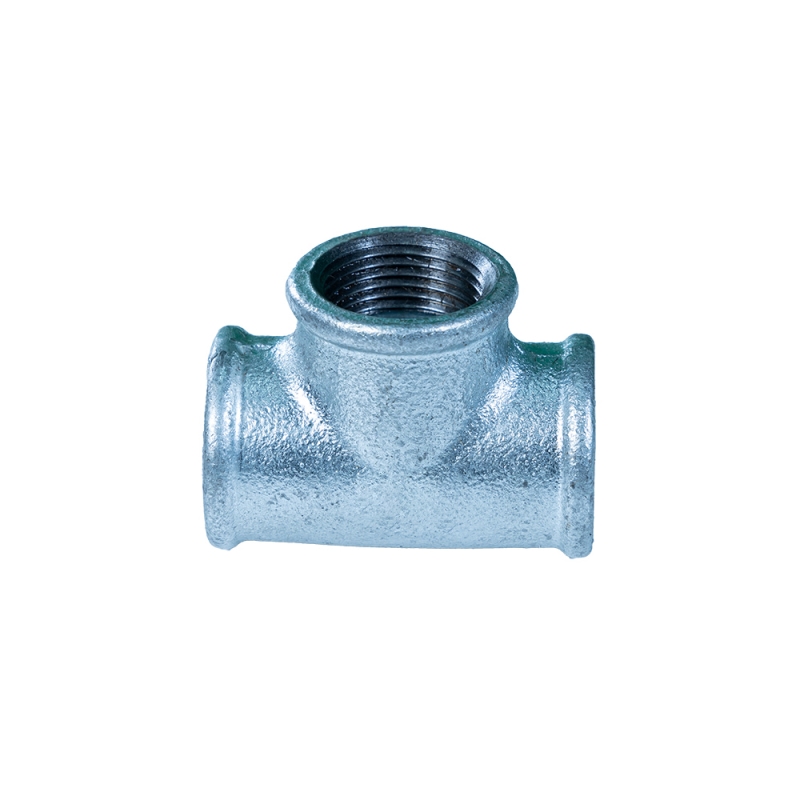
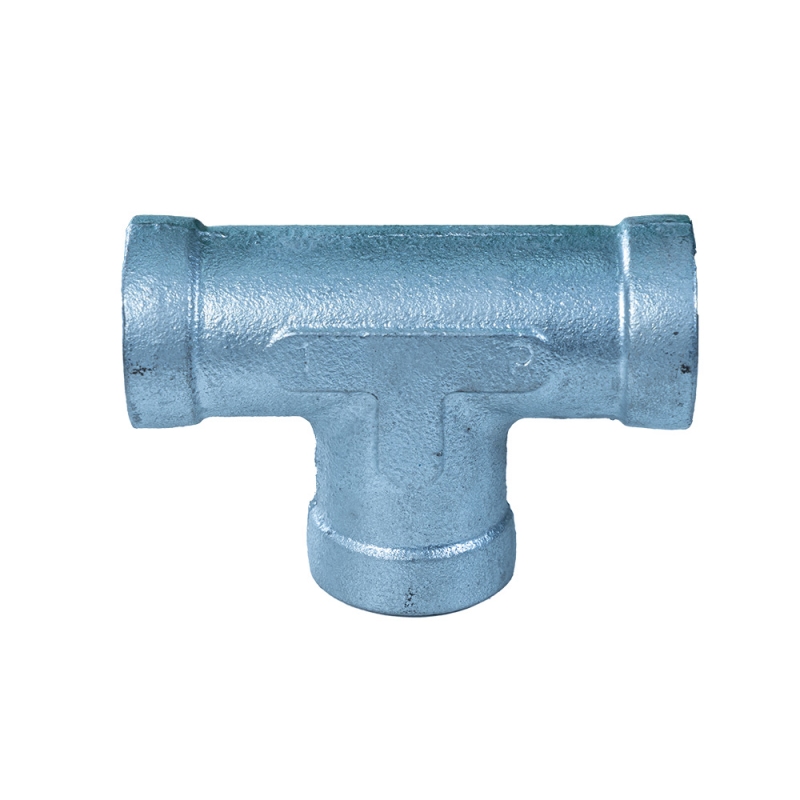
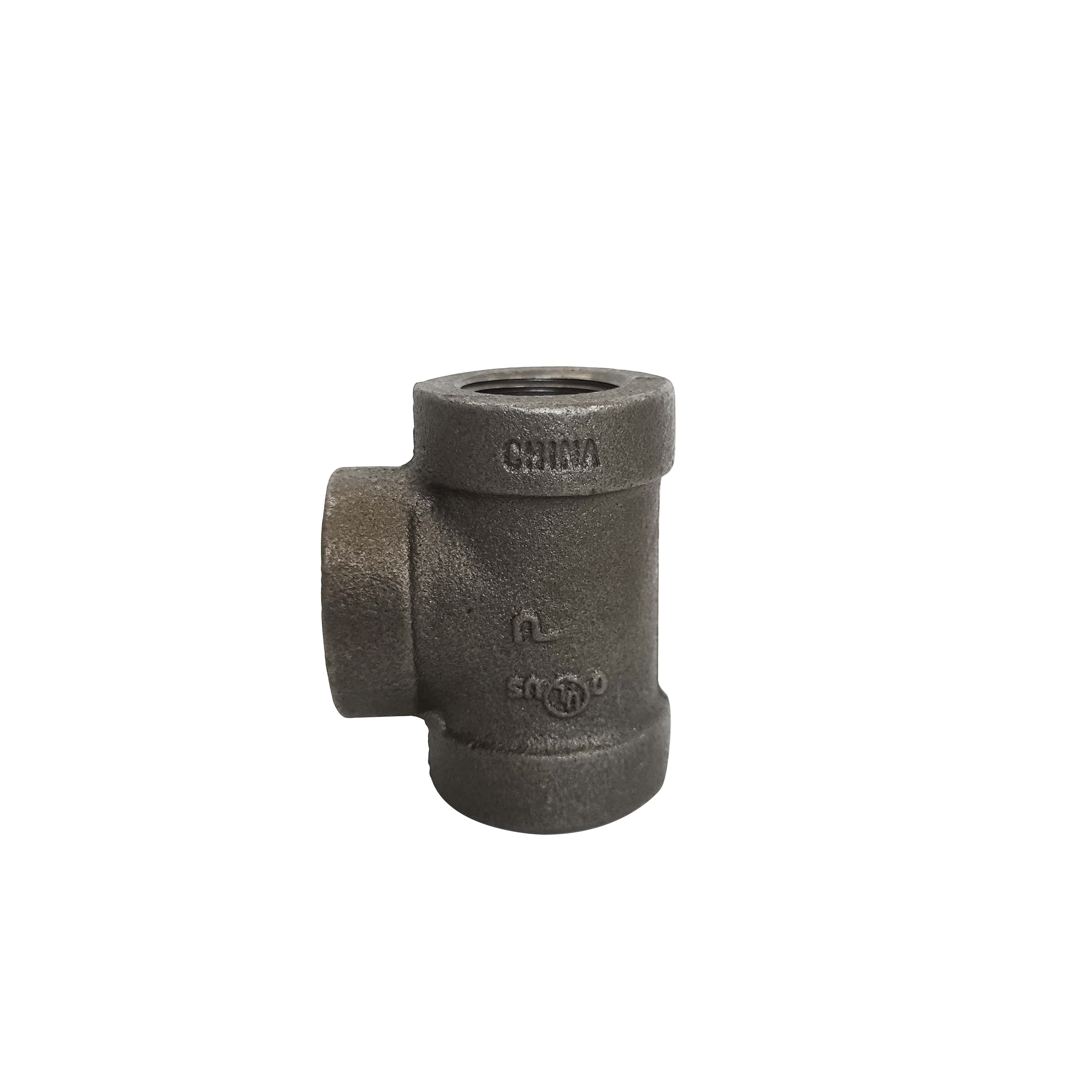
Simply put, a t fitting is a pipe connector shaped like the letter “T” that joins three pipe sections — one inlet and two outlets or vice versa. It’s mostly used to split or combine the flow of water, providing a junction point without interrupting the flow’s continuity.
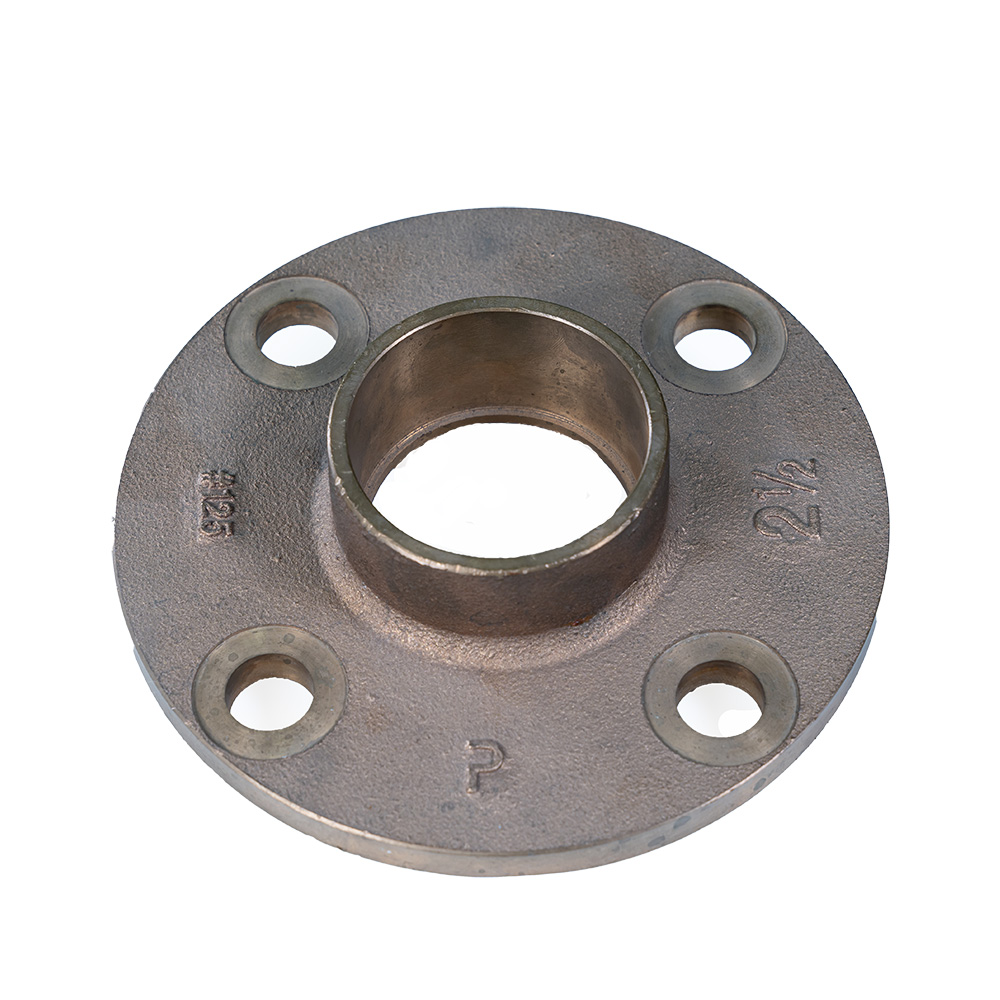
In plumbing and water management, these fittings come in various materials such as PVC, brass, and stainless steel, each suited to specific pressures, environments, and fluid types. They're the unsung connectors in everything from household supply lines to massive irrigation systems or even disaster-relief water setups.
In humanitarian contexts, where quick deployment of potable water solutions is crucial, using reliable t fittings ensures that makeshift pipelines stay sealed and dependable — preventing leaks and contamination.
Key Factors that Make T Fittings Work So Well
1. Durability and Material Composition
Choosing the right material — whether it's a corrosion-resistant brass or UV-stabilized PVC — affects the fitting’s lifespan and performance. In harsh environments or industrial settings, a fitting that resists chemical reactions or physical stresses is a no-brainer.
2. Scalability and Network Flexibility
T fittings enable designers to expand water line networks with relative ease. This modular approach means a community or factory can grow its system incrementally, instead of overhauling everything.
3. Cost Efficiency
It might sound mundane, but a well-suited t fitting can reduce installation time and labor costs. Plus, by preventing leaks and ensuring flow accuracy, it helps save water and energy over time.
4. Pressure and Flow Management
An ideal t fitting maintains optimal water pressure and minimizes turbulence inside piping. This prevents damage elsewhere in the system and promotes long-term reliability.
5. Easy Maintenance and Replacement
If things go sideways — and they sometimes do — the ability to quickly remove or replace a t fitting reduces downtime significantly, especially in critical water supply lines.
Mini Takeaway:
T fittings might be small and simple, but their materials, design, and installation impact the entire water system’s efficiency and durability. Picking the right one is a foundational step.
How Are T Fittings Used Around the World?
Across continents and climates, t fittings for water line are everywhere: in residential plumbing, agricultural irrigation, and even large industrial cooling systems. Let’s take a quick tour:
- Rural India: Village water projects rely on sturdy PVC t fittings to branch clean water lines to multiple homes — essential for everyday living and farming.
- Post-Disaster Relief: Emergency water supply lines in earthquake or hurricane zones use quick-connect t fittings for rapid setup.
- Urban Infrastructure: Cities in the U.S. and Europe use bronze or stainless steel t fittings in water mains for longevity and corrosion resistance.
- Remote Industrial Zones: Oil rigs and mining operations deploy high-pressure t fittings to manage water injections and cooling lines reliably.
Product Specifications: A Typical PVC T Fitting for Water Lines
| Feature | Value |
|---|---|
| Material | PVC (Polyvinyl Chloride) |
| Size Options | 1/2" to 4" diameter |
| Pressure Rating | Up to 150 PSI |
| Connection Type | Slip or Threaded |
| Temperature Range | -10°C to 60°C (14°F to 140°F) |
| Certifications | ISO 9001, NSF Certified |
Comparing Top Vendors of T Fittings for Water Lines
| Vendor | Material Range | Price Range (per unit) | Standard Certifications | Global Shipping |
|---|---|---|---|---|
| PanNext Fittings | PVC, Brass, Stainless Steel | $0.50 - $7.00 | ISO 9001, NSF | Yes |
| HydroFlow Solutions | PVC, Polyethylene | $0.40 - $5.50 | ISO 14001 | Mostly North America |
| GlobalPipe Connect | Steel, Brass, PVC | $1.00 - $10.00 | ISO 9001, ISO 14001 | Worldwide |
Why Use T Fittings? Advantages that Last
The benefits are more than just connecting pipes. Choosing quality t fittings means:
- Cost savings: Less water loss through leaks means lower utility bills and less environmental impact.
- Sustainability: Durable materials and designs that withstand corrosion reduce frequent replacements, preserving resources.
- Safety and Trust: Reliable fittings prevent contamination and system failures, all vital in healthcare and food industries.
- Flexibility: When needs change or systems grow, these connectors make upgrades easy — no giant reconstruction required.
Frankly, it’s like choosing a strong joint in the body. If it’s weak, the whole system suffers.
The Road Ahead: Trends Shaping T Fittings for Water Lines
The plumbing and water industries are moving rapidly — weirdly enough, sometimes driven by climate change and digital transformation simultaneously.
Material tech is evolving with more eco-friendly composites and bio-based plastics that offer strength but lower carbon footprints. Meanwhile, smart fittings embedded with flow sensors and IoT capabilities are turning traditional piping into “smart networks” — allowing real-time monitoring of leaks or pressure drops.
Moreover, automation in manufacturing ensures consistent quality, and global policies increasingly emphasize sustainability certifications that vendors like PanNext Fittings eagerly adopt.
Challenges and Ways to Fix Them
Despite the advances, challenges remain:
- Corrosion & Wear: Metal fittings can fail if not properly coated or selected for environment.
- Compatibility: Mixing different pipe materials with t fittings can cause leaks or failures.
- Installation Errors: Unskilled labor leads to bad connections, which are costly down the line.
Experts recommend thorough site assessments, quality training for installers, and choosing vendor-certified fittings to minimize these issues. There’s also a push towards modular, snap-fit t fittings that reduce open-flame or solvent welding on-site, which is safer and less prone to error.
FAQ: Common Questions About T Fittings for Water Lines
- Q1: What materials are best for t fittings in drinking water systems?
- A: Typically, certified PVC, brass, and stainless steel are the safest due to corrosion resistance and non-toxicity. Look for NSF certification to ensure potable water compatibility.
- Q2: Can a t fitting be used in high-pressure industrial water piping?
- A: Yes, but only those rated for high-pressure use. Materials like stainless steel or reinforced PVC designed for pressure above 150 PSI are recommended.
- Q3: How do I know if a t fitting is leaking after installation?
- A: Visual inspections for drips, moisture accumulation, or pressure tests can help detect leaks. Using fittings with proper seals or gaskets greatly reduces this risk.
- Q4: Are there eco-friendly options for t fittings?
- A: Yes. New bio-based plastic fittings and recycled-material products are gradually entering the market. They aim to combine performance with reduced environmental impact.
- Q5: How can NGOs source quick-install t fittings for emergency relief?
- A: Vendors like PanNext Fittings specialize in supplying durable, easy-to-install fittings. Many offer global shipping and quick delivery options, plus support for relief organizations.
Wrapping Up: Why the T Fitting Is More Than Just a Connector
It’s easy to overlook, but the t fitting for water line shapes how effectively we deliver water — a resource we sometimes take for granted. Durable, cost-effective, and flexible, these fittings support everything from a family’s tap to industrial cooling towers or emergency relief stations.
If you’re planning a water system project, investing a bit more time to understand the right t fitting can pay dividends in reliability and sustainability. From my experience, it’s always better to trust suppliers who understand the nuances of material science and local conditions — like the experts at PanNext Fittings.
Feel free to browse their product range or contact them for tailored advice. Your pipes will thank you.
References & Further Reading
Post time: Dec-01-2025