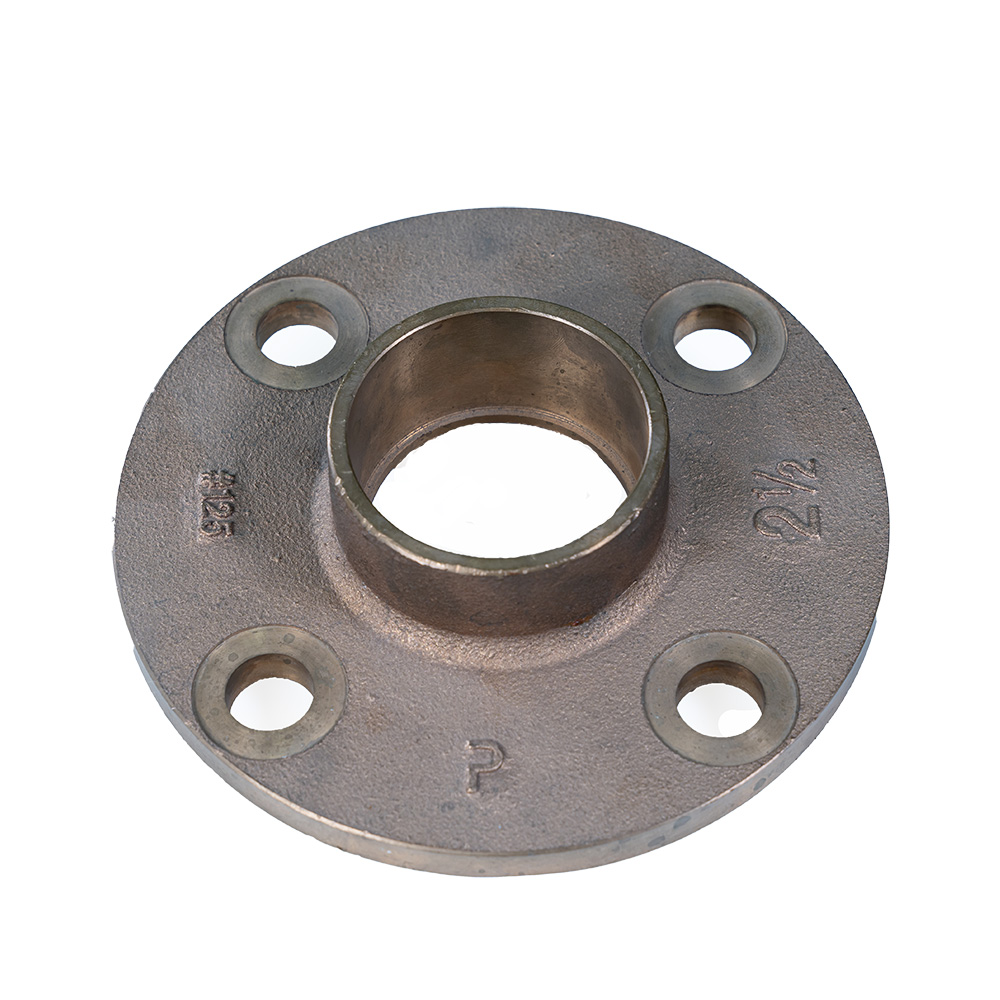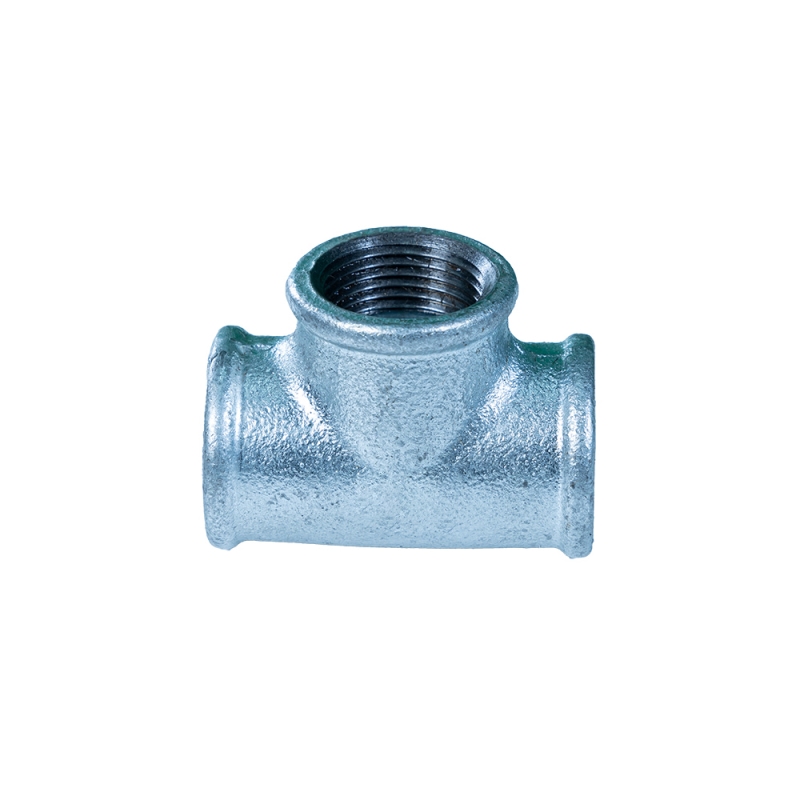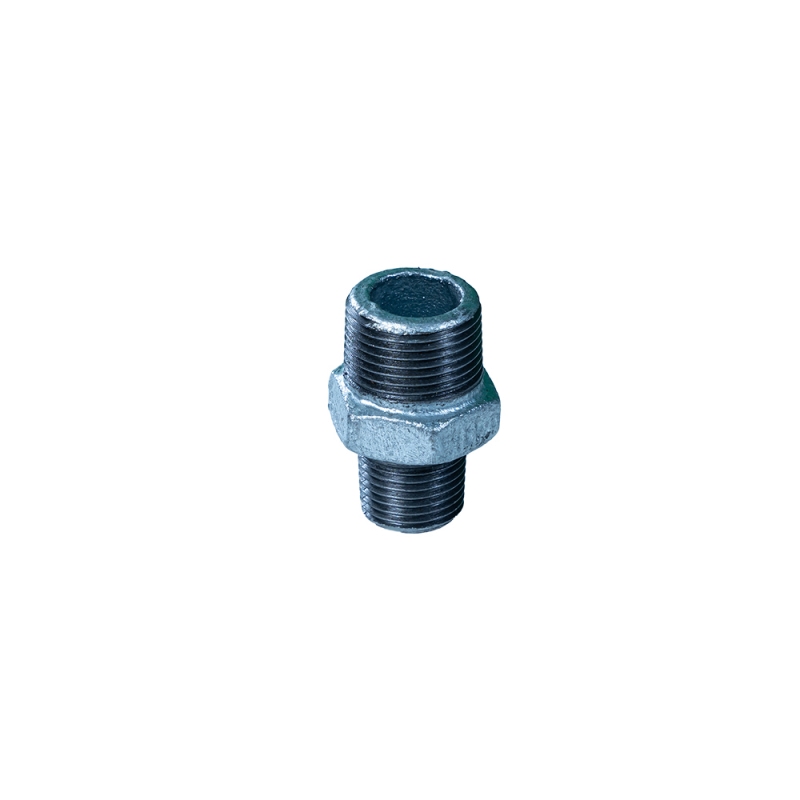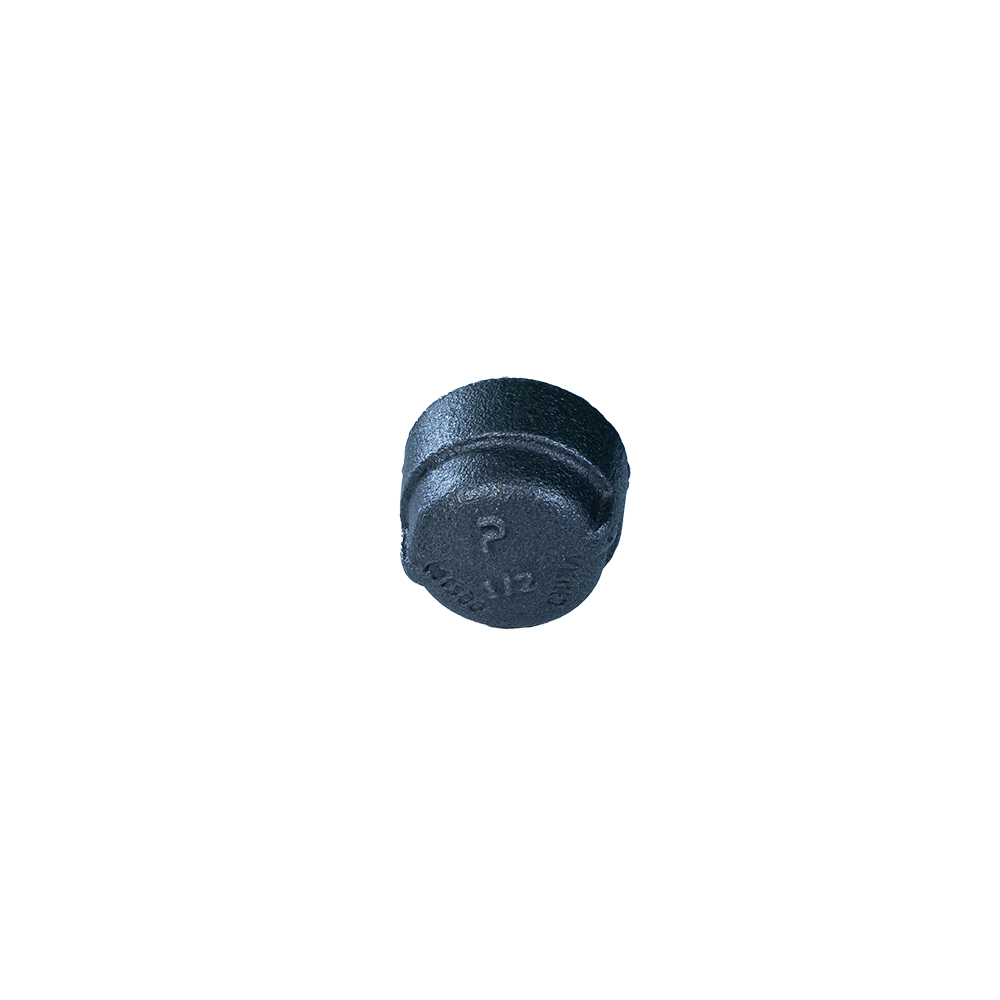

Understanding BSPT Fittings: Why They Matter Worldwide
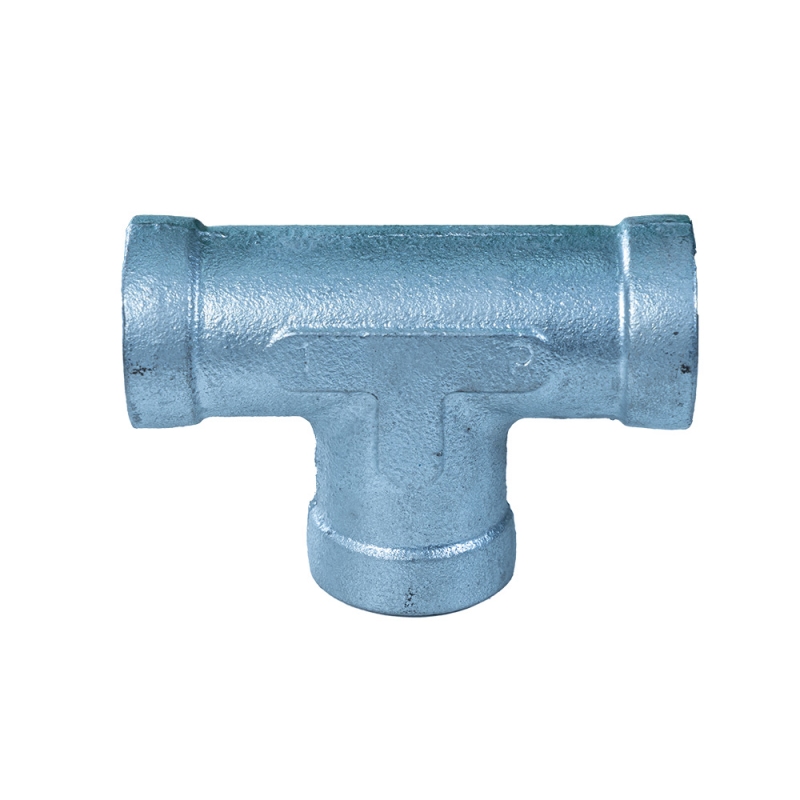
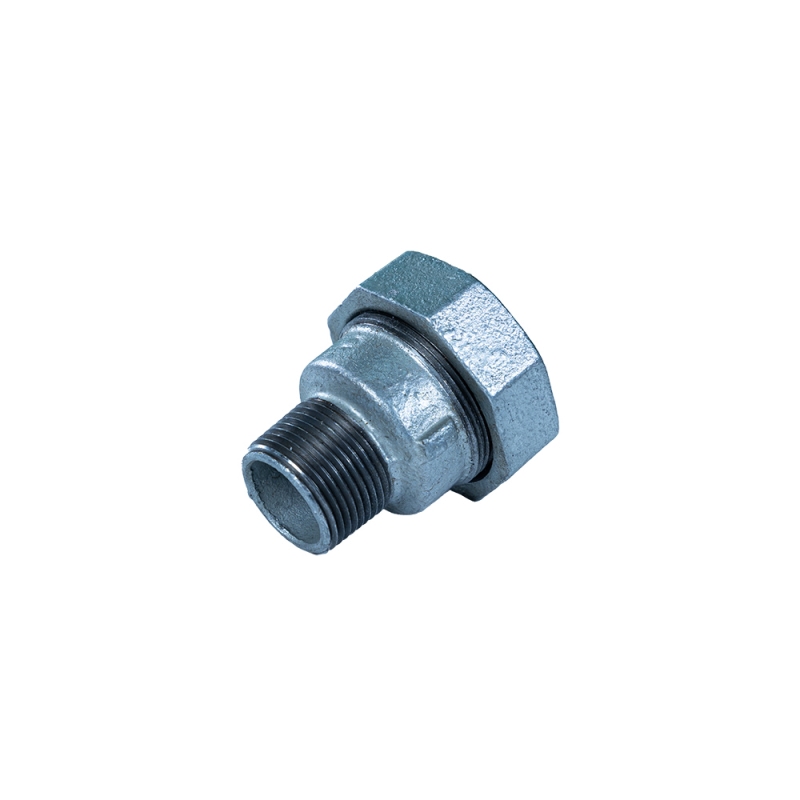
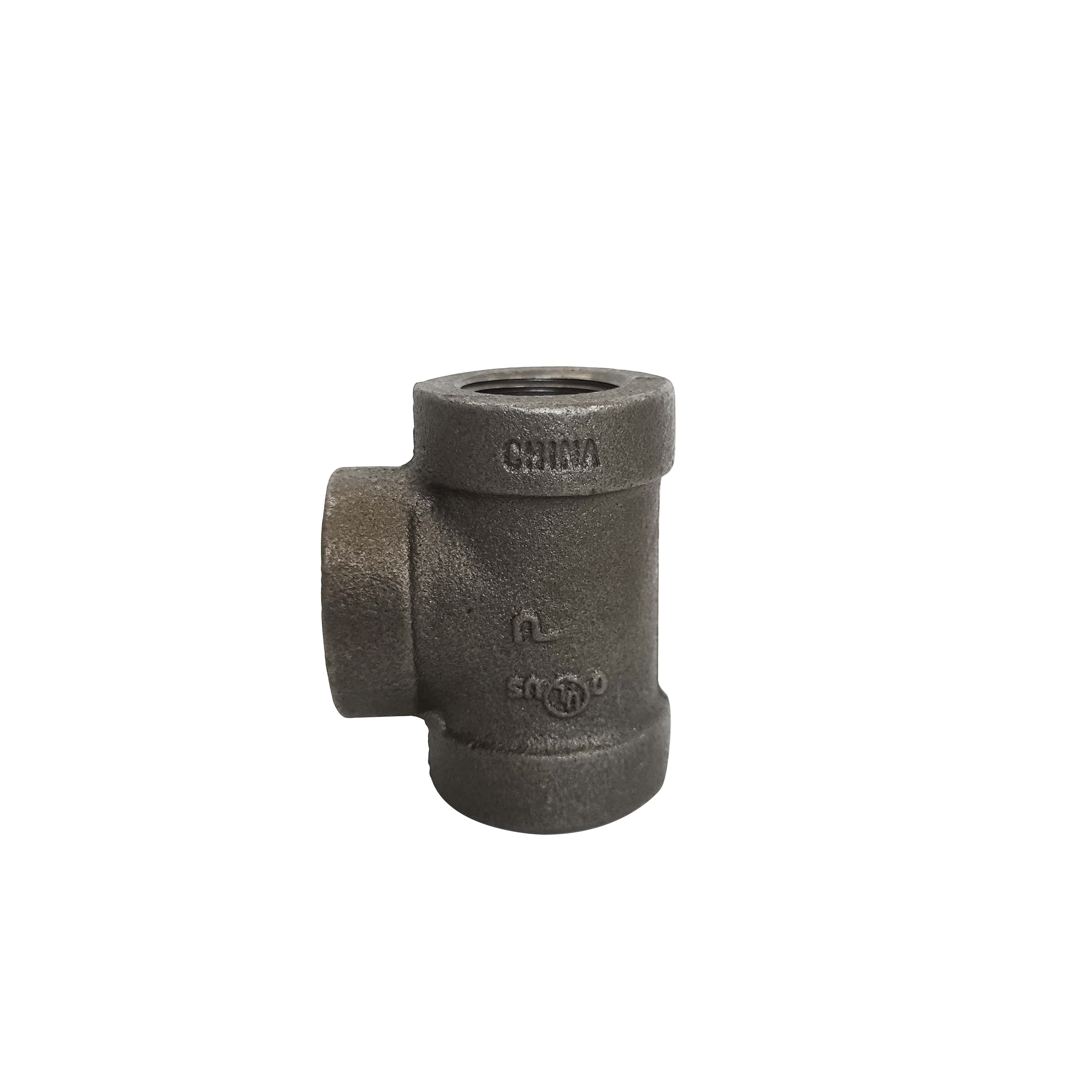
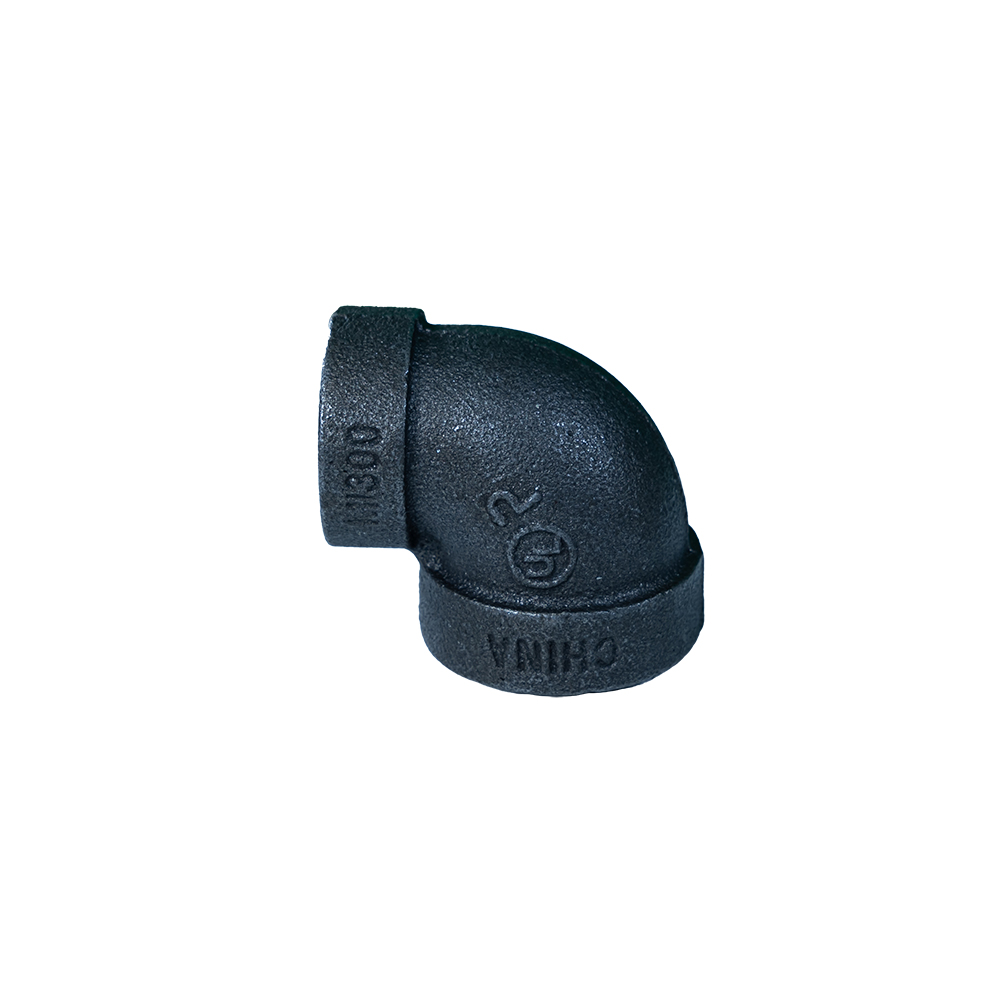
At first glance, a bspt fitting might seem like just another piece of industrial hardware — a tiny connector among a sea of pipes and valves. But dig a little deeper and you’ll see its crucial role in global infrastructure, oil and gas, water management, and countless other industries. From bustling urban centers to remote villages relying on safe water delivery, these threaded pipe fittings keep things flowing — literally. Understanding what a BSPT fitting is and why it’s important can save time, money, and headaches for engineers and businesses everywhere.
On a global scale, reliable pipe connections are foundational to energy transmission, sanitation networks, and even humanitarian aid projects. According to the World Bank, access to safe water and sanitation significantly impacts public health and economic development[1]. BSPT fittings are part of that bigger picture — facilitating durable, leak-resistant connections that meet international standards.
The Global Context: BSPT Fittings and Industry Challenges
The demand for standardized fittings like bsp taper threaded (BSPT) components has never been greater. Industries worldwide face challenges including aging infrastructure, increasing safety regulations, and the constant pressure to reduce downtime. Take the oil and gas sector, for example, responsible for approximately 31% of global energy consumption[2]. Here, faulty or incompatible pipe fittings can not only cost millions in equipment damage but also create environmental hazards.
Meanwhile, humanitarian and aid organizations implementing water and sanitation projects in underserved regions depend on fittings that can be quickly installed, maintain airtight seals, and withstand variable pressure and temperature conditions. The use of standardized fittings like BSPT helps ensure compatibility across various suppliers and regions — a worthy solution to a tricky problem.
What Exactly Is a BSPT Fitting?
Simply put, a BSPT fitting is a British Standard Pipe Taper threaded fitting. It’s a type of pipe thread that’s tapered — meaning it narrows along its length — creating a tighter seal when screwed into a counterpart fitting. Unlike straight threading, the tapered thread creates pressure that essentially locks the parts together, reducing leakage risks.
BSPT is widely used internationally and differs from the similarly named BSPP (British Standard Pipe Parallel) fitting, which uses parallel threads and requires a separate sealing method like an O-ring. The BSPT fitting’s self-sealing nature makes it invaluable in fluid and gas applications that demand both pressure tightness and durability.
What’s fascinating here is how a centuries-old standard still works perfectly in modern industry — from automated oil rigs to water supply systems in rural areas.
Core Components of BSPT Fittings
1. Thread Design and Seal Integrity
The tapered thread profile is the heart of BSPT’s performance. It’s engineered to form an interference fit with the mating component. As the fittings are tightened, the threads compress and effectively seal the joint. Many engineers say this design reduces the need for additional sealants, though PTFE tape or pipe dope is often used as a precaution.
2. Material Durability
BSPT fittings are often made from brass, stainless steel, carbon steel, or plastic composites, chosen based on the application. For instance, stainless steel BSPT fittings are favored in corrosive environments or where hygiene matters, such as in food processing.
3. Pressure and Temperature Ratings
Different BSPT fittings accommodate varying pressure and temperature levels, making them versatile for oil pipelines, HVAC systems, and even drug manufacturing plants. It’s essential to match fitting specifications with system requirements to prevent leaks or failures.
4. Standard Compliance
BSPT threads conform to ISO 7-1 and BS EN 10226-1 international standards. This compliance assures cross-compatibility among manufacturers worldwide — a major plus when sourcing parts globally or managing multinational projects.
5. Installation Ease
While proper tightening torque and thread lubricant use are critical, the general installation process remains straightforward. It’s often possible to complete fittings onsite with minimal specialized tools, saving both cost and time.
Mini takeaway: The unique tapered design, combined with careful material choice and robust standards, makes bspt fitting a staple in tight, reliable connections.
Global Applications & Industry Highlights
Across continents, BSPT fittings have found their way into many vital applications:
- Oil & Gas: In offshore rigs from the North Sea to the Gulf of Mexico, BSPT threads join pipes carrying pressurized hydrocarbons — often under extreme conditions.
- Water Supply: Municipal water systems in Asia and Africa rely on these fittings for long-lasting, leak-proof distribution networks.
- Manufacturing: Chemical plants frequently use BSPT thread fittings to safely connect piping conveying reactive or hazardous fluids.
- Humanitarian Aid: Emergency water treatment and sanitation units set up after natural disasters often incorporate these fittings for speed and compatibility.
Oddly enough, although they seem like small parts, in situations like post-earthquake rebuilding or rapid infrastructure expansion, access to standardized BSPT fittings can make or break entire projects.
Advantages and Long-Term Value of BSPT Fittings
- Cost Efficiency: Because of their universal standards and broad availability, BSPT fittings are generally affordable and easy to source worldwide.
- Sustainability: Durable materials and reusability align with green practices, reducing waste in long-term projects.
- Safety and Reliability: The tapered thread ensures pressure-tight seals that lower the risk of leaks, spills, and contamination.
- Innovation Support: Their compatibility with new materials and automation-friendly designs supports digital transformation in fluid systems.
In real terms, this means fewer emergency repairs, less downtime, and a stronger trust in system safety — especially important in sectors like healthcare or energy.
Product Specification Table: Typical BSPT Fitting Characteristics
| Feature | Specification |
|---|---|
| Thread Type | BSPT (British Standard Pipe Taper) |
| Thread Angle | 55° |
| Material Options | Brass, Stainless Steel, Carbon Steel, PVC |
| Typical Pressure Rating | Up to 16 MPa (2300 psi), depends on material |
| Temperature Range | -20°C to 150°C, depending on material |
| Standard Compliance | ISO 7-1 / BS EN 10226-1 |
Comparing Major BSPT Fitting Vendors
| Feature | Pannext Fittings | Competitor A | Competitor B |
|---|---|---|---|
| Material Range | Brass, Stainless Steel, Carbon Steel | Brass, PVC | Stainless Steel only |
| Custom Sizes | Available upon request | Limited standard sizes | No customization |
| Lead Time | 2-3 weeks | 4-6 weeks | 3-4 weeks |
| Certifications | ISO 9001, RoHS | ISO 9001 | No certifications |
| Price Range | $$ | $ | $$$ |
Looking Ahead: Trends in BSPT Fittings
The future of bspt fittings is tied into wider technology and environmental goals. With sustainability a buzzword everywhere, manufacturers are investing in corrosion-resistant, recyclable materials or bioplastics. Automation in manufacturing also means faster production and more precise threads, enhancing quality consistency.
Digital transformation adds another layer: "smart fittings" with embedded sensors to monitor pressure or detect leaks early are actively being prototyped. Imagine a piping system that not only connects but also talks back.
Challenges & What’s Being Done
That said, BSPT fittings aren’t without their limits. Installation errors or incompatible thread standards across regions can cause leaks. Also, over-tightening may damage threads or deform fittings. Many field engineers stress the importance of training and updated technical documentation to avoid these problems.
Solutions include improved torque tools, standardized training modules, and better online resources. Vendors like Pannext Fittings offer detailed installation guides and custom solutions to help mitigate these typical issues.
FAQ: Your BSPT Fitting Questions Answered
Q: How do BSPT fittings differ from other threaded pipe fittings?
A: BSPT fittings have tapered threads that create a pressure-tight seal without additional gaskets, unlike parallel threads that require sealing materials. This taper ensures a leak-resistant joint suitable for pressurized systems.
Q: Can BSPT fittings be used in high-temperature applications?
A: Yes, depending on the material. Stainless steel BSPT fittings, for example, withstand temperatures up to about 150°C, making them suitable for many industrial applications.
Q: Are BSPT fittings compatible worldwide?
A: Generally yes, as they adhere to international standards like ISO 7-1. However, always verify thread pitch and diameter to ensure compatibility, especially when importing from different regions.
Q: What sealing methods are recommended with BSPT fittings?
A: Although BSPT fittings thread together tightly, many installers use PTFE tape or pipe dope for added security and to ease future disassembly.
Q: Where can I find reliable BSPT fittings for industrial use?
A: Companies like Pannext Fittings specialize in high-quality BSPT fittings with custom options, certifications, and global shipping.
Conclusion: Why BSPT Fittings Continue to Connect the World
BSPT fittings may not be the flashiest component in a piping system, but their value is undeniable — blending proven mechanical design, global standards, and versatility that spans industries and geographic borders. Whether delivering essential water, enabling energy transfer, or supporting humanitarian projects, their role is quietly indispensable.
Interested in upgrading your fluid systems or seeking tailored BSPT fitting solutions? Visit our website and discover how we can help you connect more efficiently — because sometimes, the best connections are the ones you don’t notice.
- World Bank Data on Water and Sanitation: https://data.worldbank.org/indicator/SH.H2O.SAFE.ZS
- International Energy Agency — Oil & Gas Industry Report: https://www.iea.org/reports/oil-2023
- ISO Standards Overview: https://www.iso.org/standard/31811.html
Post time: Dec-01-2025