
The Unsung Hero: Understanding Galvanised Pipe Couplings and Their Global Impact
At its core, a galvanised pipe coupling is a simple but vital component in countless piping systems around the world. But beyond just being a connector, it represents the backbone of many industries—from municipal water to oil and gas, agriculture to humanitarian aid. Grasping what this small piece of engineering does, why it’s so pervasive, and the benefits it brings can unlock solutions to global infrastructure challenges. Whether you're an engineer, procurement officer, or just a curious reader, knowing why galvanised pipe couplings matter is surprisingly rewarding.
Why Galvanised Pipe Couplings Matter Globally
Global infrastructure development is booming, with the World Bank estimating over $94 trillion needed in infrastructure investment by 2040 to keep pace with growth. But that comes with a raft of challenges—durability, cost, supply chain reliability, and environmental concerns. This is where galvanised pipe couplings step in quietly yet effectively. They help create reliable piping connections that resist corrosion, ensuring water delivery systems, industrial pipelines, and sanitation networks last decades even under harsh conditions. Indeed, the International Organization for Standardization (ISO) emphasizes corrosion protection as vital for safe water systems worldwide. Galvanised pipe couplings address the problem of joint failure in steel pipes, which is a known issue accounting for costly leaks globally.
Frankly, you don’t often hear them talked about at length—but if these small fittings fail, entire systems can be compromised, and that’s no small matter.
Defining Galvanised Pipe Couplings: What Are They Exactly?
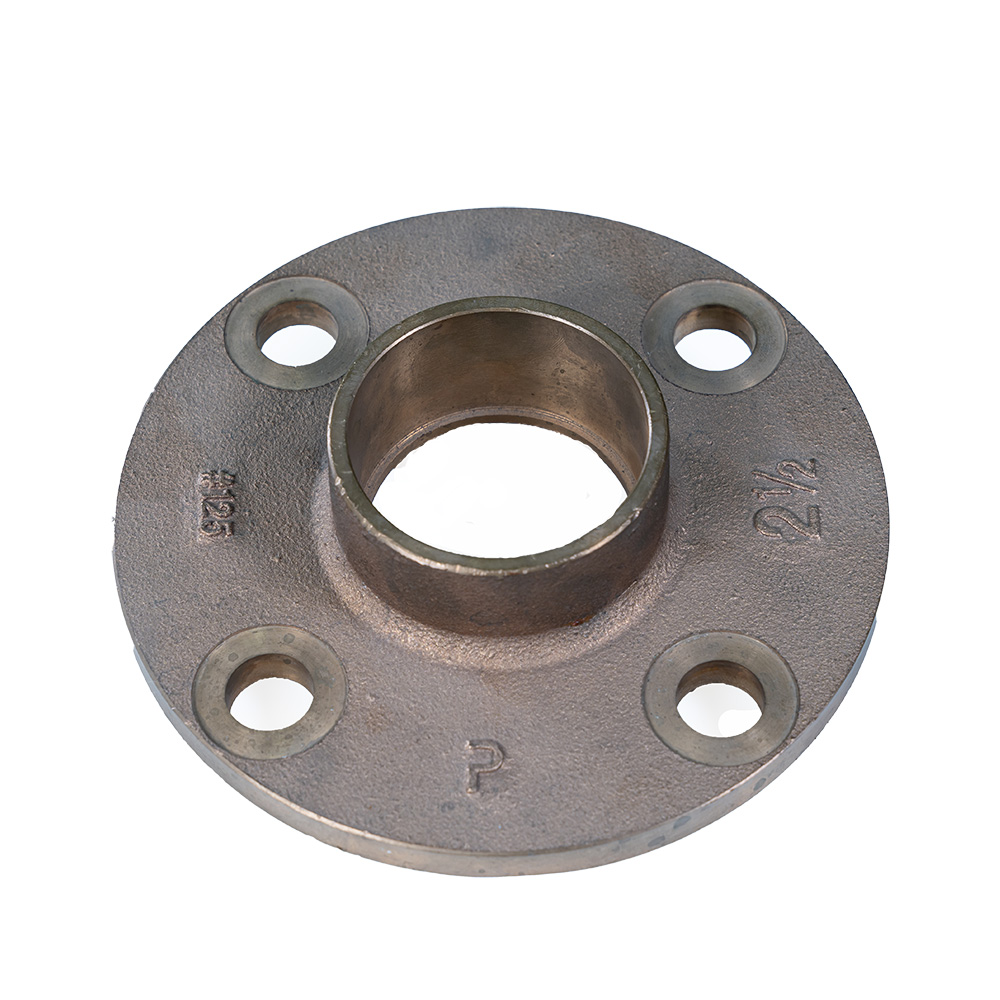
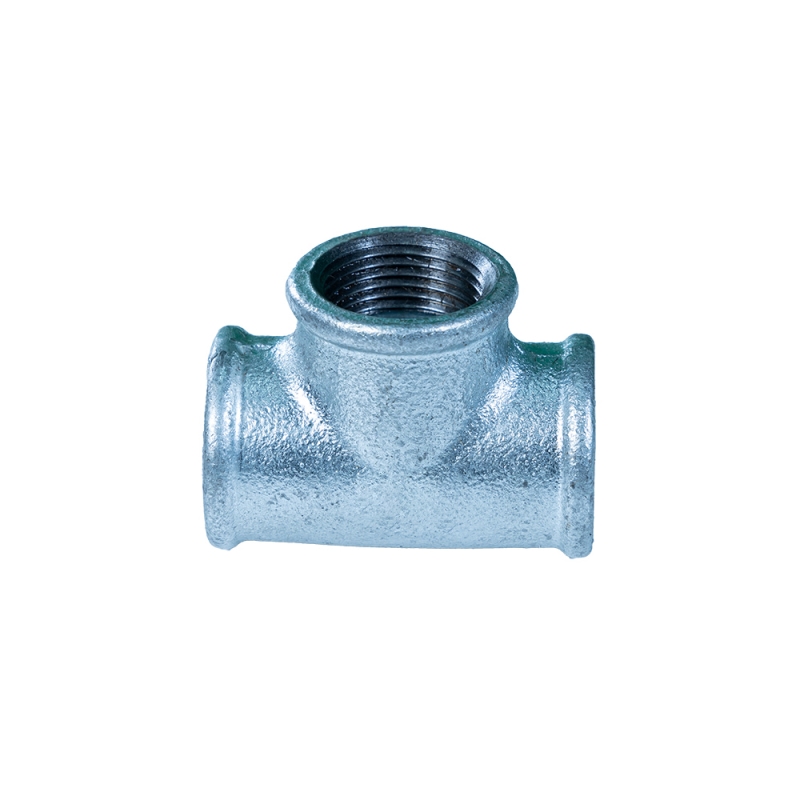
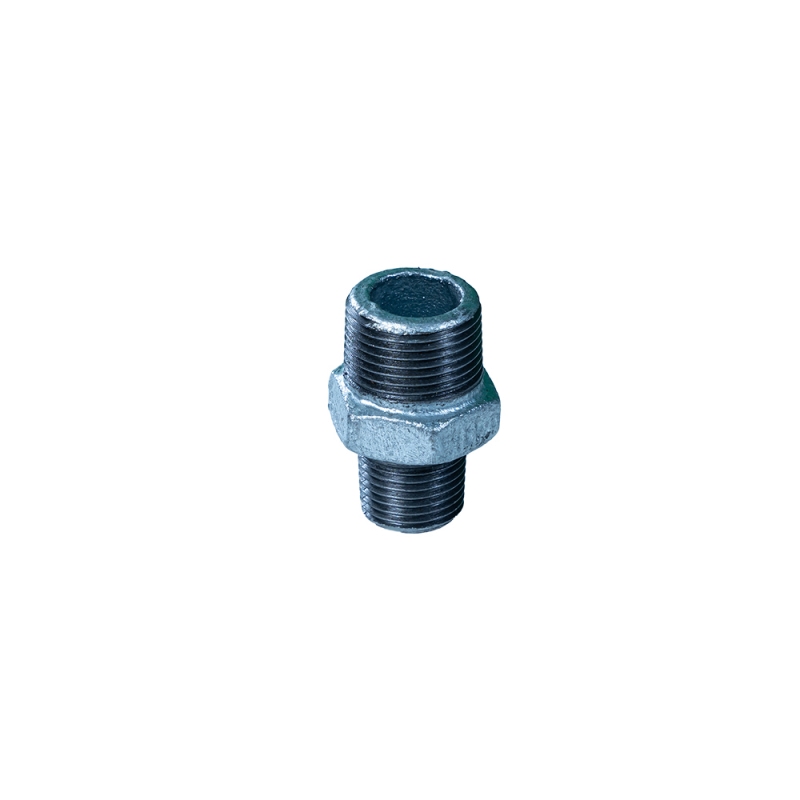
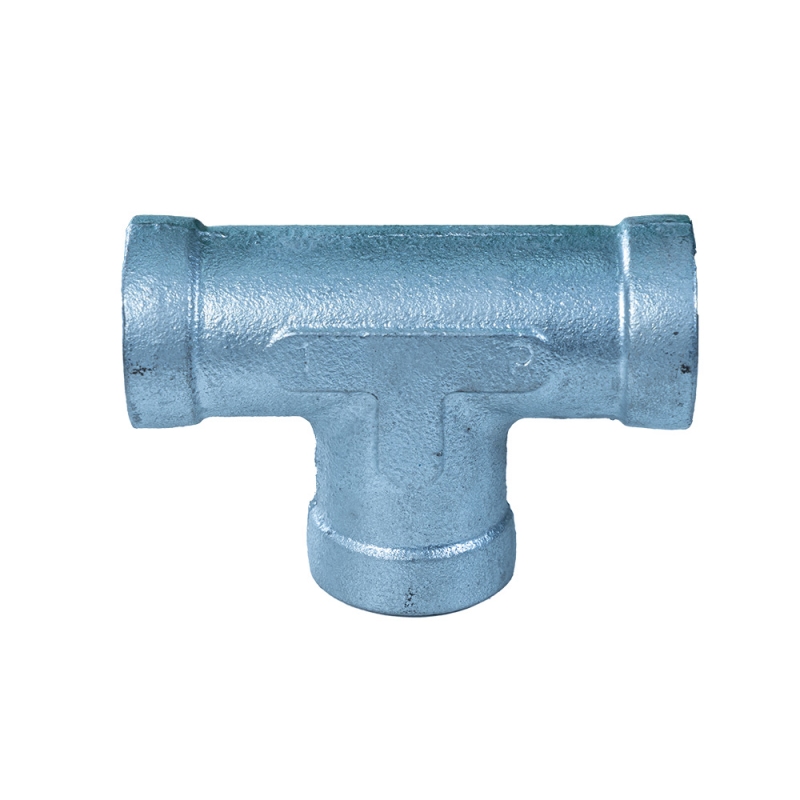
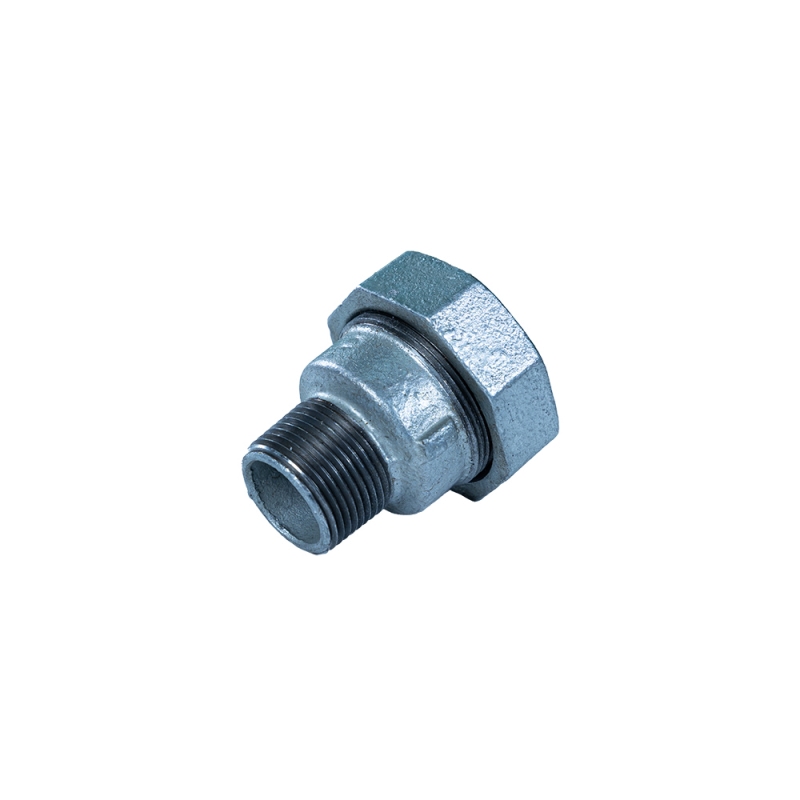
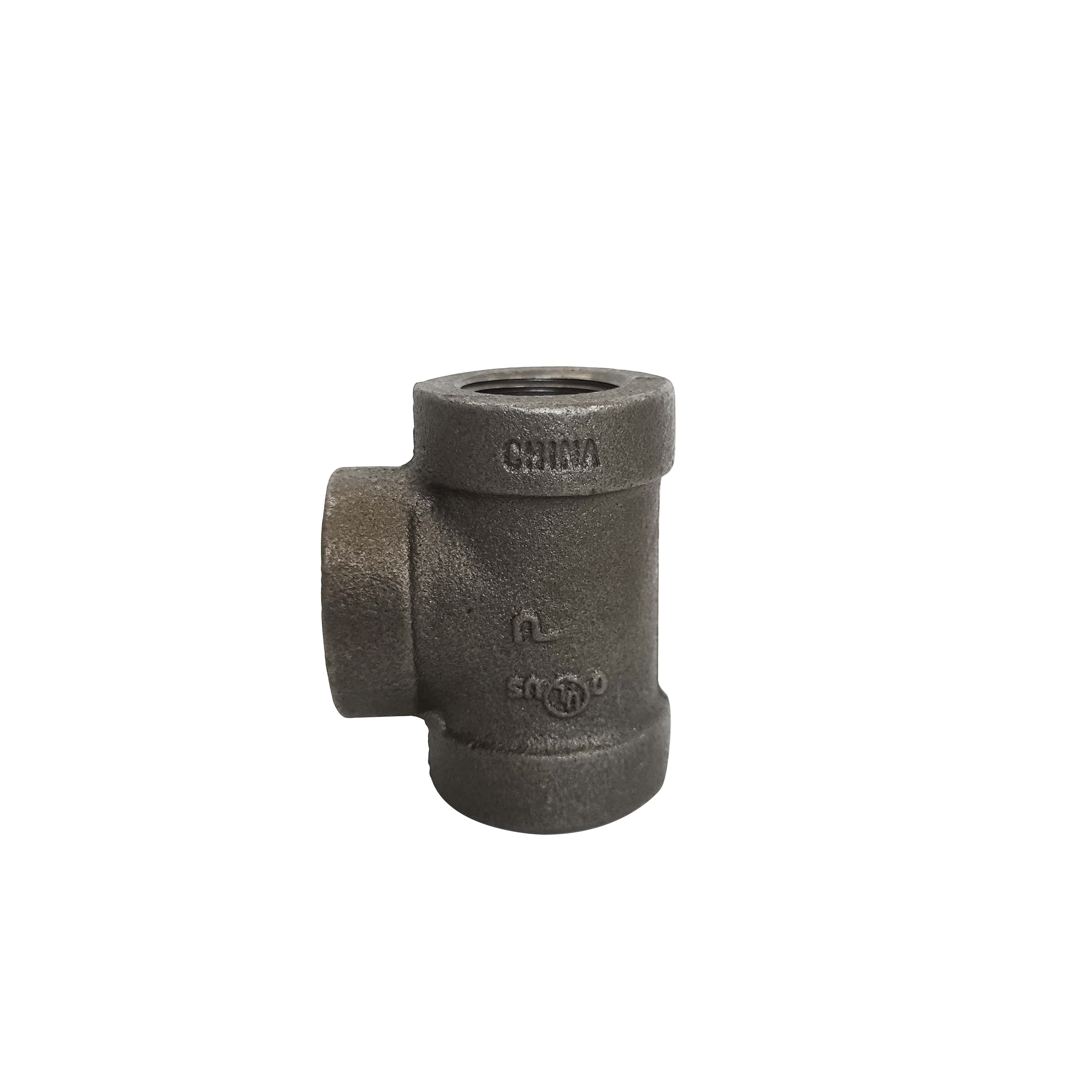
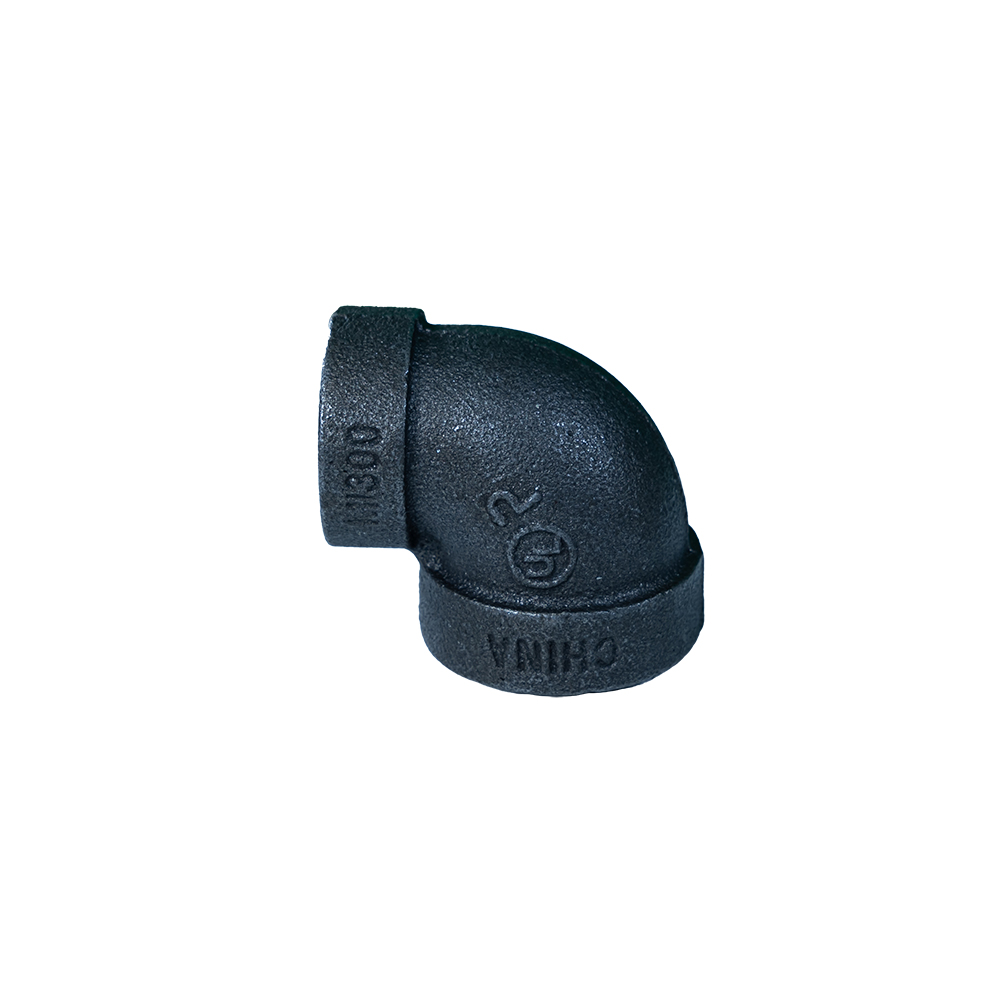
In simple terms, a galvanised pipe coupling is a mechanical fitting that joins two pipes together end-to-end. The “galvanised” bit means the coupling and often the pipes are coated with a protective layer of zinc, applied through hot-dip galvanization, to prevent rust and corrosion. This process is critical in extending service life, particularly when pipes are exposed to moisture, chemicals, or outdoor environments.
Think about it: without this zinc barrier, steel pipes would deteriorate rapidly, leading to leaks—infrastructure failure that nobody wants. These couplings, therefore, link not just pipes but the reliability and safety of entire water or industrial networks.
Core Components That Make Galvanised Pipe Couplings Work
1. Durability and Corrosion Resistance
This zinc coating is like a suit of armor. Without it, steel rusts within a few years, especially in wet or coastal environments. The galvanizing process enables couplings to last 20-50 years or more, even in adverse conditions.
2. Compatibility and Versatility
Galvanised couplings come in standard sizes compatible with a wide range of steel pipe diameters, making them ideal for scaling up or maintaining existing systems.
3. Ease of Installation
Unlike welding pipes, couplings can be quickly fitted on-site using simple tools, making repairs and expansions feasible even in remote locations or during emergencies.
4. Cost Efficiency
While galvanizing adds upfront cost, the savings from reduced maintenance, fewer failures, and prolonged asset life easily pay off in the long run.
5. Environmental Sustainability
Galvanised steel is 100% recyclable. With proper maintenance, the material remains in use much longer, meaning fewer replacements and less environmental waste.
Mini Takeaway: This combination of durability, adaptability, and cost-effectiveness makes galvanised pipe couplings essential players in global piping infrastructure.
Global Applications of Galvanised Pipe Couplings
These couplings are everywhere, though you might not notice if you’re not looking closely. Here’s where they shine:
- Municipal Water Networks: Cities in Asia and Africa depend heavily on galvanized steel pipes and couplings to deliver potable water, thanks to their corrosion resistance.
- Industrial Zones: Oil refineries and chemical plants use them in piping systems that require strong, leak-proof connections.
- Disaster Relief & NGOs: In post-disaster reconstruction—say, after earthquakes or floods—these couplings enable fast setup of temporary water infrastructure where durability matters but installation speed matters more.
- Agricultural Irrigation: Farmers leverage galvanized couplings in piping for irrigation, ensuring water flows efficiently even in soil-rich environments.
Interestingly, many international agencies tracking sustainable development goals highlight reliable water infrastructure as fundamental—meaning these humble couplings indirectly support billions of lives.
Advantages and Long-Term Value
We’ve covered some, but let me highlight why many industry insiders swear by galvanised pipe couplings:
- Reliability: They drastically cut the chance of leaks and pipe failures.
- Sustainability: By extending pipe lifespan, they reduce the carbon footprint inherent in replacements.
- Safety & Trust: A well-maintained pipeline means safe drinking water and fewer health risks—a matter of dignity and life itself.
- Cost Savings: Maintenance budgets shrink, and downtime is minimized.
From personal experience, engineers who’ve switched to galvanized fittings report less “emergency calls” and more confidence in the infrastructure’s longevity. It’s a win-win.
Product Specification Table: Typical Galvanised Pipe Coupling Models
| Model | Pipe Diameter (inches) | Material Thickness (mm) | Operating Pressure (PSI) | Temperature Range (°C) | Weight (kg) |
|---|---|---|---|---|---|
| GPX-100 | 1/2 - 1 | 2.5 | 1500 | -20 to 150 | 0.45 |
| GPX-200 | 1 1/4 - 2 | 3.0 | 1400 | -20 to 150 | 0.60 |
| GPX-300 | 2 1/2 - 3 | 3.5 | 1300 | -20 to 150 | 0.85 |
Comparing Leading Vendors of Galvanised Pipe Couplings
| Vendor | Price Range (USD) | Global Availability | Custom Sizes | Lead Time | Warranty |
|---|---|---|---|---|---|
| PanNext Fittings | $12–25 per unit | Worldwide | Yes | 2–3 weeks | 5 years |
| SteelLink Corp | $10–22 per unit | North America, Europe | Limited | 3–5 weeks | 3 years |
| GlobalPipe | $15–28 per unit | Europe, Asia | Yes | 1–2 weeks | 4 years |
Future Trends & Innovations
The industry isn't standing still. Innovations link up nicely with greater environmental scrutiny and the demand for smarter infrastructure. Here’s what’s brewing:
- Eco-friendly Coatings: Research into zinc alternatives or dual-layer coatings to reduce heavy metal runoff is ongoing.
- Smart Couplings: Embedded sensors to detect leaks or joint stresses remotely, integrating IoT (Internet of Things) for predictive maintenance.
- Improved Galvanising Methods: More consistent coatings using advanced spraying or electroplating techniques are emerging.
- Standardization Movement: ISO is pushing for internationally harmonized standards to help global supply chains and interoperability.
Challenges & How Experts Overcome Them
Despite their strengths, some concerns linger:
- Galvanic Corrosion: When galvanised steel couples to dissimilar metals, corrosion can accelerate. Solution? Specialists recommend insulation pads or selective material combinations.
- Environmental Regulations: Disposal and zinc runoff can be tricky, especially near sensitive water bodies.
- Supply Chain Disruptions: Global logistics hiccups delay delivery times; stockpiling and diversified vendor sourcing are common fixes.
Many engineers I talked with emphasize rigorous testing and choosing reputable vendors to mitigate these issues effectively.
FAQ: Quick Answers About Galvanised Pipe Couplings
- What makes galvanised pipe couplings better than plastic alternatives?
- Galvanised steel couplings offer higher strength, heat resistance, and longer operational life in demanding industrial or outdoor settings. Plastic ones may be cheaper but are less durable under heavy mechanical or temperature stress.
- How long do galvanised pipe couplings typically last?
- Under normal conditions, these couplings last 20 to 50 years, thanks to corrosion protection. Factors like environment, maintenance, and quality of galvanization impact exact lifespan.
- Are galvanised pipe couplings suitable for drinking water?
- Yes, when properly galvanized and maintained, they are safe for potable water systems. Compliance with local regulations and standards like NSF/ANSI 61 is essential.
- Can I customize sizes or designs of galvanised pipe couplings?
- Many manufacturers, including PanNext Fittings, offer custom sizes and specialized designs for unique project needs.
- How can NGOs source galvanised pipe couplings quickly for emergency deployments?
- Working with global vendors who have robust supply chains and stock ready-made couplings is key. Some suppliers also offer fast shipping and local distribution hubs for quicker access.
In Conclusion: Why Galvanised Pipe Couplings Deserve Your Attention
Though often overlooked, galvanised pipe couplings quietly underpin critical infrastructure around the world, balancing durability, cost, and ease of use with sustainability and safety. Their role in connecting people to water, energy, and services means they carry more weight than their small size suggests. If you’re planning infrastructure projects or repairs, exploring reliable suppliers of galvanised pipe couplings could save headaches down the line.
Visit our website at PanNext Fittings to discover our full range and expert advice.
Mini takeaway: Next time you turn on the tap or see construction crews working on pipelines, think about those humble, zinc-coated connectors that quietly keep everything flowing.
References
Post time: Dec-01-2025