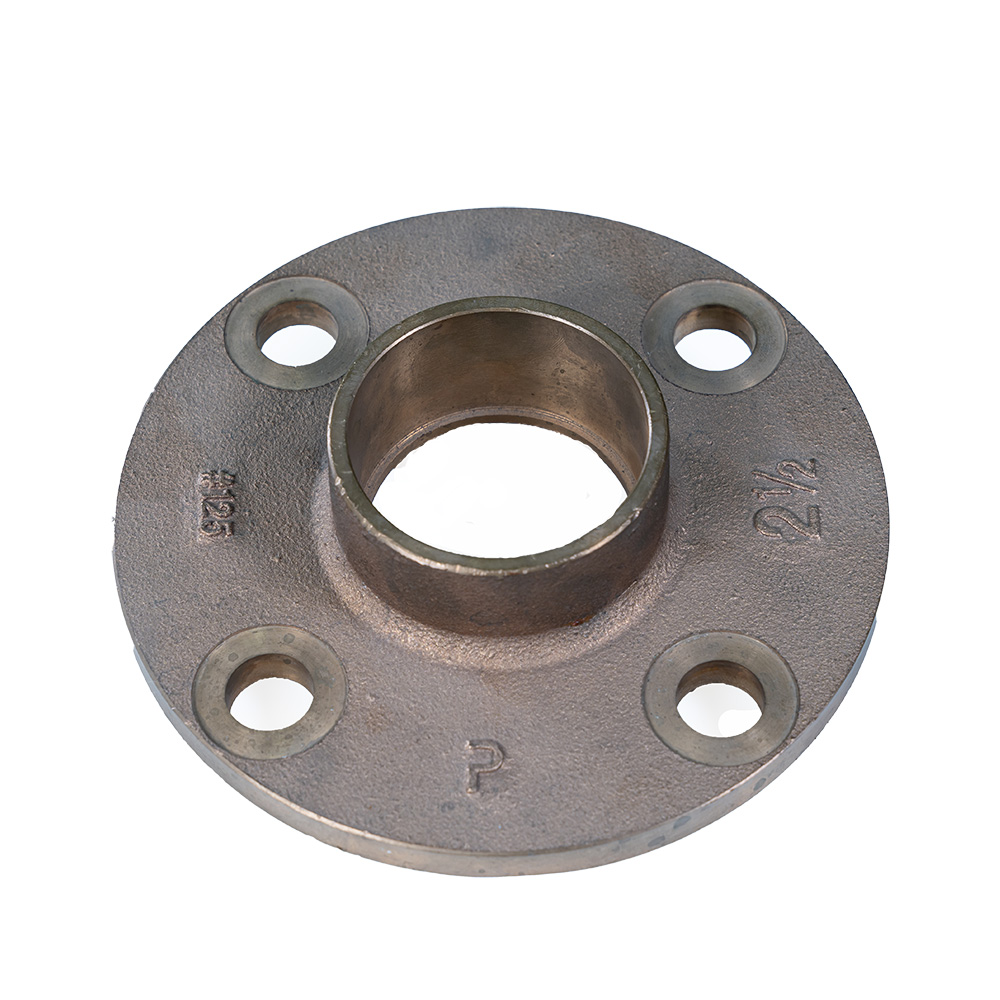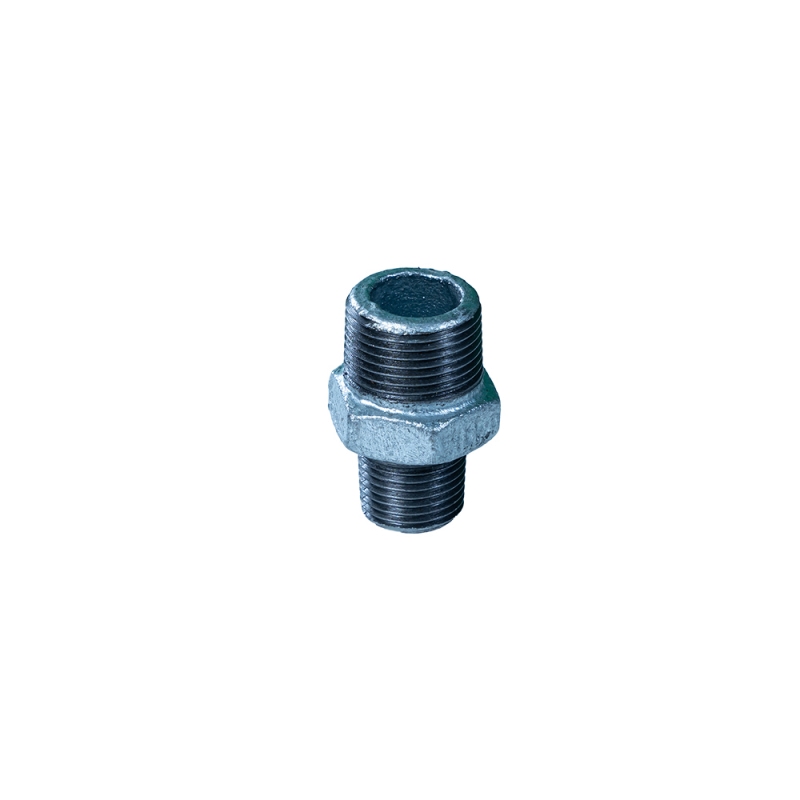

Understanding T Pipe Fittings: The Quiet Backbone of Global Infrastructure
In the vast world of plumbing and piping systems, the humble t pipe fitting often goes unnoticed — but make no mistake: these components play a critical role in countless industries worldwide. From clean water distribution in remote villages to complex oil and gas pipelines spanning continents, knowing your way around t pipe fittings can unlock improvements in efficiency, safety, and sustainability. So why does a simple “T”-shaped fitting matter globally? Because it connects, diverts, and stabilizes fluid flow in ways that keep infrastructure up and running — day after day.
The Global Importance of T Pipe Fittings in Industry and Infrastructure
On a planetary scale, piping networks are absolutely indispensable. The United Nations reports that as of 2021, about 71% of the global population has access to safely managed drinking water services (1). Behind those numbers are thousands of kilometers of piping, joints, and fittings, all working in concert. The t pipe fitting, used to branch or combine flows at 90-degree angles, is everywhere: power plants, water treatment facilities, oil rigs, agricultural irrigation—you name it.
Yet, the challenge of maintaining these networks is huge. Leakage, contamination, and inefficient flow commonly root back to faulty or suboptimal fittings, causing resource loss and environmental damage. That’s why understanding which t pipe fitting to use where — along with their unique specifications — is vital.
What Is a T Pipe Fitting?
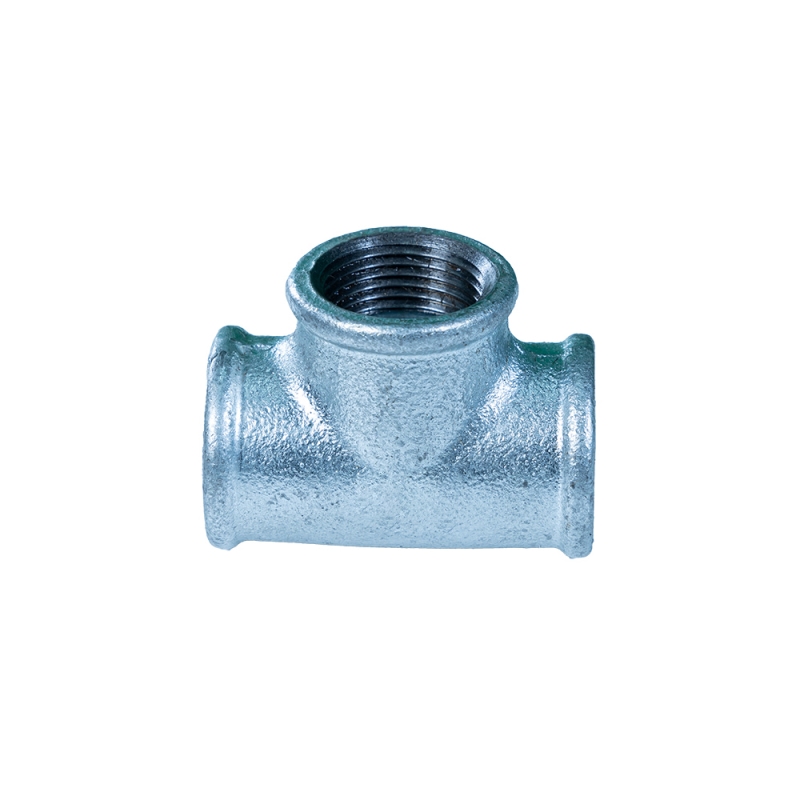
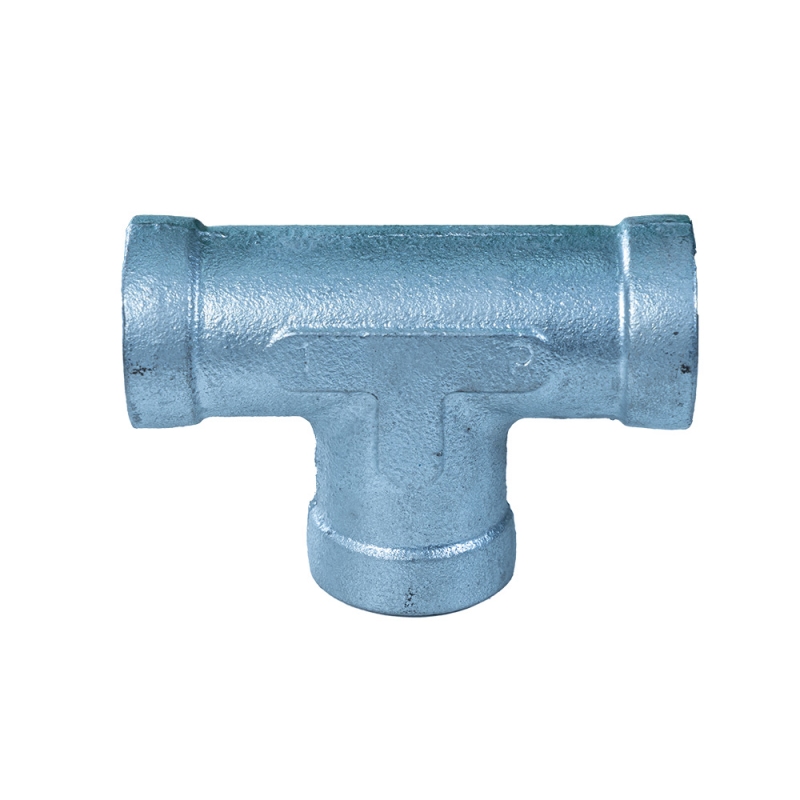
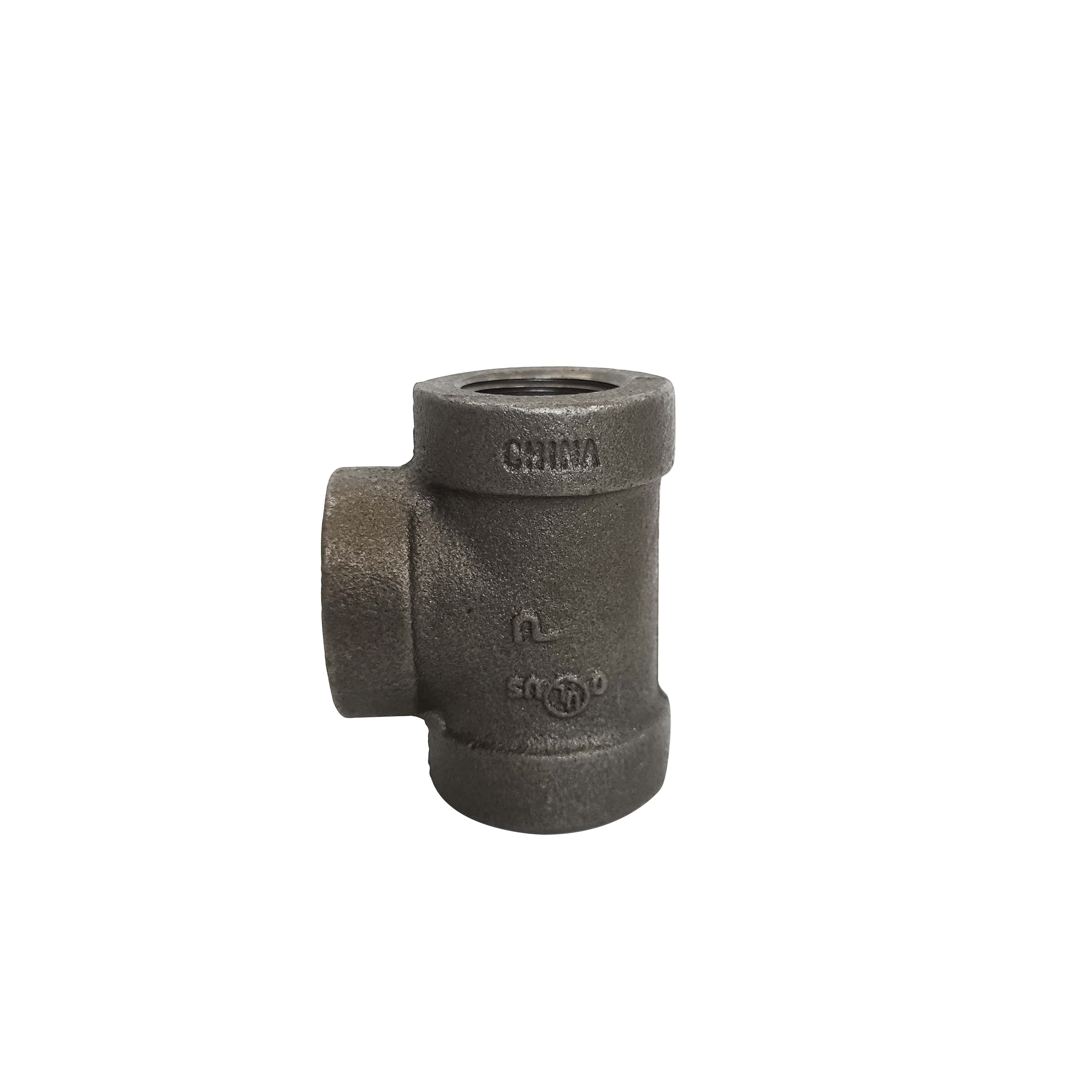
In its simplest form, a t pipe fitting is a T-shaped pipe connection used to either split or combine fluid flow in piping systems. Imagine water rushing through a pipe – a t fitting lets that flow branch off, sort of like a fork in a river, or meet another flow coming from a perpendicular direction.
The design isn’t complicated, but the materials, sizes, and pressure ratings can vary enormously depending on the industry. From stainless steel fittings in food processing to durable polyethylene in irrigation, each t pipe fitting has nuances that match its environment and usage demands. In humanitarian situations, for example, quick-to-install fittings help bring potable water to displaced communities quicker than ever before.
Core Components and Key Factors in Choosing T Pipe Fittings
1. Durability and Material
For engineers, the paramount concern is longevity. Will the fitting withstand pressure, temperature swings, and corrosive substances? Steel alloys, PVC, and brass are common, each selected based on application needs. For instance, the oil industry often demands high-grade carbon steel fittings capable of handling extreme pressures upwards of 10,000 psi.
2. Scalability and Size
T pipe fittings come in a variety of diameters — from tiny half-inch connectors for household plumbing to massive multi-foot assemblies for municipal water mains. Choosing the right size affects flow rates and system balance; undersized fittings can create bottlenecks, while oversized components add unnecessary cost and bulk.
3. Installation and Maintenance
Some designs favor quick assembly with push-fit or threaded systems, while others require welding or solvent cement. Installation ease can mean fewer labor hours and less downtime, especially in urgent repairs during disaster relief or industrial shutdowns.
4. Cost Efficiency
This one is pretty straightforward: initial cost vs. expected lifespan. Cheap fittings installed incorrectly can lead to leaks and replacements, adding hidden costs. Expert insight: investing in the right t pipe fitting upfront usually pays dividends—both financial and environmental.
5. Pressure and Temperature Ratings
Different industries and climates require suitable pressure classes. High-temperature systems in power generation, for example, need fittings that won't deform or fail under elevated heat.
Typical Specification Table for a Standard T Pipe Fitting
| Specification | Details |
|---|---|
| Material | Stainless Steel 304 |
| Size Range | ½ inch to 12 inches (DN15-DN300) |
| Pressure Rating | Class 150 - 3000 PSI |
| Connection Type | Threaded / Welded / Socket Weld |
| Application | Water, Gas, Oil, Chemicals |
| Temperature Range | -40°C to +425°C (-40°F to +797°F) |
Where You’ll Find T Pipe Fittings in Action
The versatility of t pipe fittings means they pop up everywhere, but some real-world examples stand out:
- Disaster Relief and Humanitarian Efforts: In emergency water distribution after earthquakes or floods, rapid deployment requires modular piping with reliable t pipe fitting systems that non-specialists can install swiftly.
- Industrial Facilities: Factories rely on high-pressure fittings to handle steam, chemicals, coolants, and process water — safety and reliability go hand in hand.
- Municipal Infrastructure: Urban water supply and sewage systems need robust t pipe fittings resistant to corrosion and fatigue.
- Agricultural Irrigation: Lightweight plastic t pipe fittings enable more flexible layouts in sprawling fields, balancing cost and durability.
- Oil & Gas Pipelines: Steel t fittings rated to extreme specs ensure leak-proof flow control and directional changes underground or offshore.
Oddly enough, even residential homes have their own little networks of t pipe fittings hidden behind walls and under floors, quietly doing their job.
Mini Takeaway:
The reach of t pipe fittings spans all scales and sectors. Their ability to connect and divide fluid flow efficiently keeps the world’s systems humming smoothly.
Why Investing in Quality T Pipe Fittings Pays Off
Beyond simply joining pipes, the right t pipe fitting ensures long-lasting, leak-free service. This leads to:
- Cost Savings: Less downtime and fewer replacements mean tangible budget benefits over the life cycle.
- Environmental Stability: Proper fittings prevent leaks of hazardous liquids, protecting ecosystems.
- Social Benefits: Safe, consistent water delivery promotes health and dignity worldwide.
- Reliability & Trust: Well-engineered fittings form the backbone of infrastructure users depend on, from hospitals to farms.
Vendor Comparison: Leading T Pipe Fittings Manufacturers
| Feature | Pannext Fittings | SteelWorks Inc. | PipeMaster Co. |
|---|---|---|---|
| Material Options | Stainless Steel, Brass, PVC | Carbon Steel, Stainless | PVC, HDPE |
| Pressure Rating (Max) | 3000 PSI | 5000 PSI | 1500 PSI |
| Lead Time | 2 weeks | 4-6 weeks | 1 week |
| Customization | High (sizes, markings) | Medium | Low |
| Price Range | $$ | $$$ | $ |
Emerging Trends in T Pipe Fittings
The piping industry isn’t static — far from it. Green materials like recycled plastics and corrosion-resistant composites are growing in popularity to meet sustainability goals. Digital monitoring embedded in fittings, allowing operators to detect leaks or pressure changes remotely, is becoming a reality with IoT tech integration.
Automation in installation, using robotic welding and fit-checking sensors, is poised to reduce human error drastically. For the environmentally conscious, fittings with lower embodied carbon footprints align well with ISO standards aimed at mitigating climate change.
Challenges and Solutions in T Pipe Fitting Use
Despite advances, there are practical hurdles. For one, compatibility across different piping standards and systems can cause major headaches, especially in multi-vendor projects or international aid efforts. Navigating these requires expert consultation and often standardized fittings.
Another ongoing issue is balancing cost with quality. Subpar fittings might be cheaper initially, but the risk of failure can be catastrophic — financially and environmentally. Trained specialists often recommend lifecycle cost analysis rather than focusing on upfront price.
Common Questions About T Pipe Fittings
Q1: How do I choose the right t pipe fitting for high-pressure systems?
Look for fittings rated above your maximum operating pressure — it is common practice to include a safety margin of 20-50%. Material selection matters; steel alloys typically perform better than plastics under extreme conditions.
Q2: Can t pipe fittings be used for both liquids and gases?
Absolutely. The fitting’s compatibility depends mainly on material and sealing type. Many industrial t pipe fittings are designed for multi-medium use, but always check manufacturer specifications.
Q3: What installation method is best for emergency water supply lines?
Quick-connect or push-fit t pipe fittings are ideal. They minimize labor, require limited tools, and enable rapid deployment — vital in crisis zones or temporary camps.
Q4: Are customized t pipe fittings expensive?
Custom orders generally have higher costs due to tooling and design bits, but if they reduce leak risks or downtime, the trade-off often pays off long term.
Wrapping It Up: Why T Pipe Fittings Deserve Your Attention
T pipe fittings might seem unassuming, but they're quietly integral in maintaining the fluid highways of modern life — wherever pipes flow. Investing time and knowledge into selecting the right fittings translates into safer, more reliable systems, better resource management, and improved public health outcomes. If you’re looking for dependable solutions, consider exploring premium options that fit your unique needs.
Interested? Visit our website to explore our comprehensive range of t pipe fittings designed for durability, precision, and performance.
Quick Reflection
Oddly enough, in plumbing (and life?), it often boils down to the simplest junctions making the biggest difference.
References
Post time: Dec-01-2025