
Why the Pipe Fitting 4 Way Matters Globally
In the sprawling networks of pipelines that traverse continents and cities, the pipe fitting 4 way is a quiet hero. It’s a simple yet clever component that connects four pipes, allowing fluids and gases to flow efficiently in multiple directions. Understanding this fitting is more important than you might think: from water distribution in cities to complex industrial systems, the 4-way pipe fitting enables flow management that’s essential for modern infrastructure.
Globally, efficient pipeline systems are foundational to industries such as oil & gas, water treatment, and manufacturing. According to the UN’s 2021 water report, nearly 2 billion people lack access to safely managed water—making effective pipeline solutions part of a broader humanitarian concern. Intricacies in pipeline design, like the 4-way fitting, can make systems more reliable, cost-effective, and scalable, ultimately impacting millions.
Mini takeaway: The pipe fitting 4 way isn’t just plumbing jargon—it’s a cornerstone piece that connects more than pipes; it connects people to vital resources worldwide.
Setting the Scene: The Global Importance of the Pipe Fitting 4 Way
Think about the complex networks that move oil from deserts to refineries, or carry drinking water through urban jungles. The International Organization for Standardization (ISO) highlights that high-quality fittings are critical to reducing leaks and system downtime (ISO). This is where the pipe fitting 4 way shines.
In many developing regions, erratic supply and outdated infrastructure challenge continuity. A well-chosen 4-way fitting can ease maintenance bottlenecks and allow for more adaptable system designs. For example, in the Gulf Cooperation Council (GCC) countries, the oil sector demands fittings that handle extreme heat and high pressures simultaneously, and the 4-way fitting is engineered to meet those exact needs.
Mini takeaway: The challenge of interconnecting pipes without leaks or failures puts the spotlight on how well the 4-way fitting meets diverse global demands.
What Exactly Is a Pipe Fitting 4 Way?
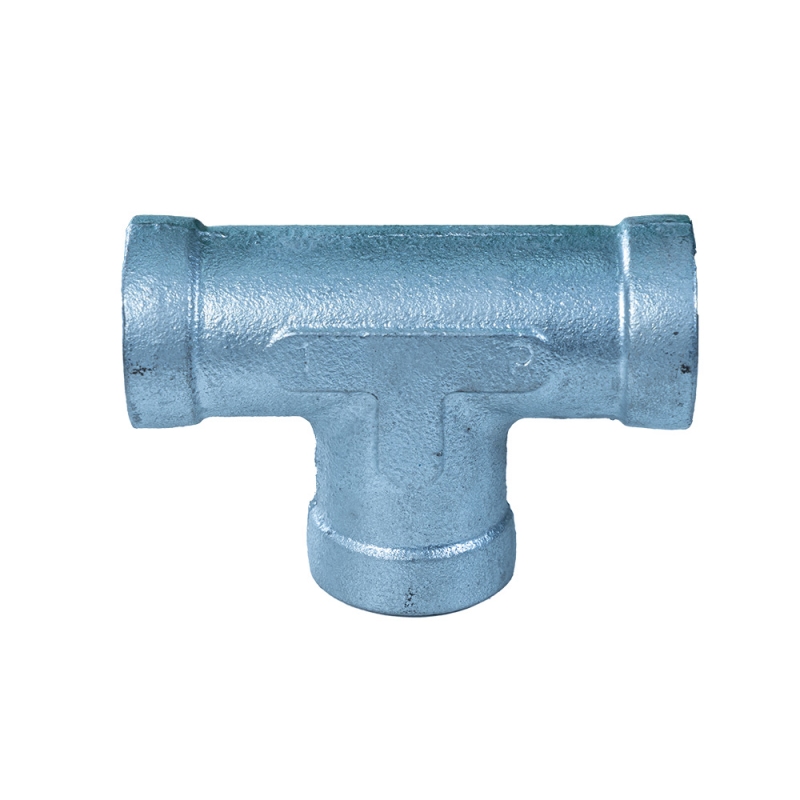
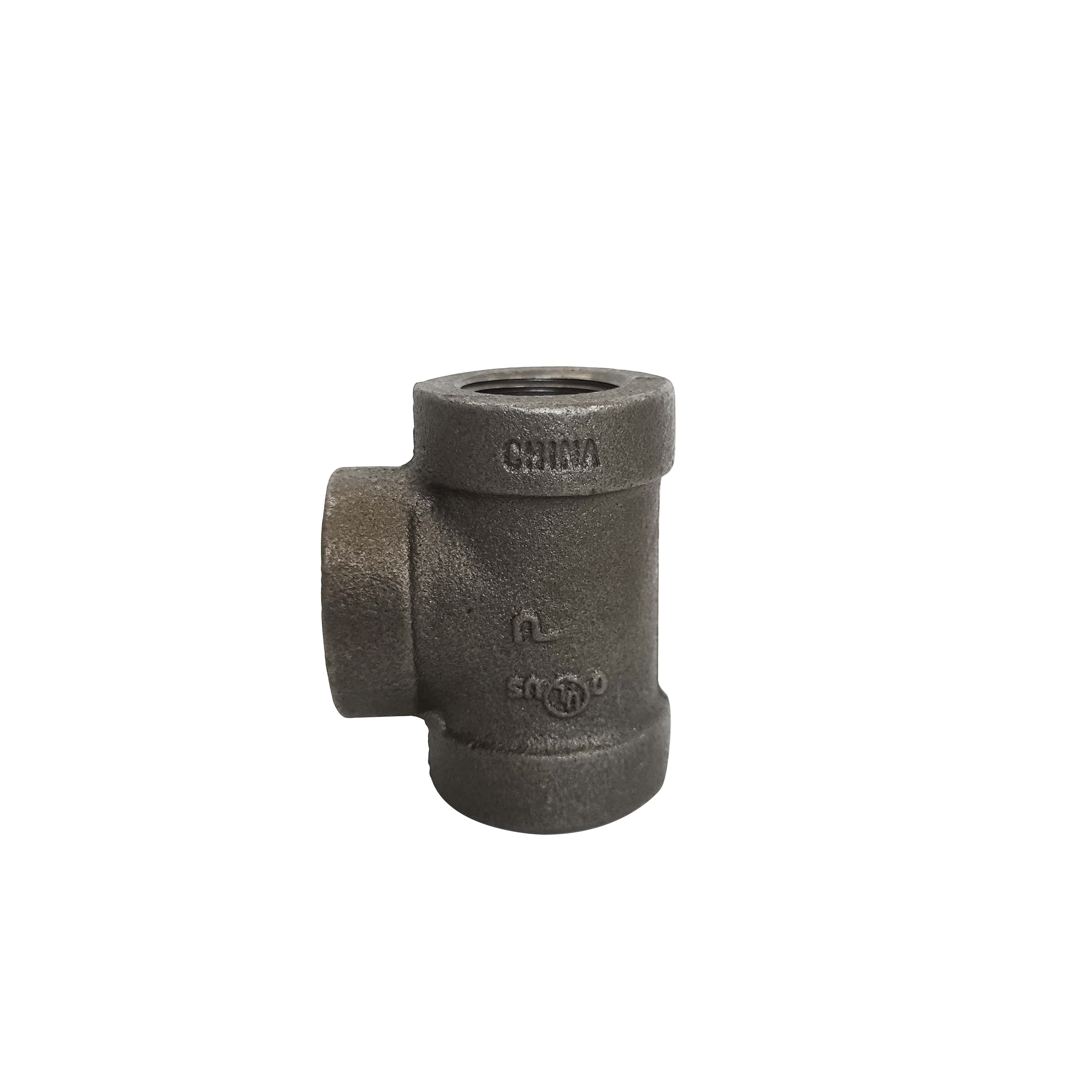
At heart, a pipe fitting 4 way is just that—a plumbing part that connects four pipes at right angles. But more than that, it’s a junction that controls flow distribution and enables versatile pipeline layouts. Unlike simpler Tee (3-way) fittings, the 4-way fitting can distribute or converge flows from multiple lines, or isolate sections for maintenance.
Industries ranging from food processing to firefighting systems rely on these components to maintain pressure balance and optimize fluid dynamics. Oddly enough, even humanitarian aid efforts benefit: modular water supply systems deployed after natural disasters often feature 4-way connections to quickly restore community access.
Mini takeaway: The 4-way pipe fitting is a deceptively simple part with a surprisingly broad role across industries and emergency operations.
Key Aspects That Define Pipe Fitting 4 Way Performance
Durability
These fittings must withstand pressure, corrosion, temperature extremes, and sometimes chemical exposure. Engineers often choose materials like stainless steel or PVC depending on the environment. Durability factors directly influence pipeline lifespan and safety.
Flow Efficiency
The design minimizes turbulence and pressure loss at junction points. A well-designed 4-way fitting keeps flow stable, crucial for process control in factories or irrigation schemes.
Scalability & Flexibility
Systems built with 4-way fittings offer modular expansion options. Adding machinery or extending pipelines for growing cities becomes less painful—and less expensive.
Cost Efficiency
Using one fitting that combines multiple connection points reduces materials and labor costs. Plus, it speeds up installation and maintenance tasks.
Compatibility & Standards Compliance
Fittings must match industry norms (ASME, ISO, ANSI) to be interoperable. This ensures quality and safety while simplifying procurement and replacement.
Ease of Maintenance
Some 4-way fittings come with removable or valve-integrated designs, making inspection or repair on live systems less disruptive.
Mini takeaway: Balancing these core aspects determines whether a 4-way fitting will serve reliably under challenging real-world conditions.
Real-World Applications of the Pipe Fitting 4 Way
Here’s where theory turns practical. In urban water supply, 4-way fittings help form the backbone of looped networks that reduce outages during pipe bursts. In oil-refining plants, they connect catalyst regeneration units or heat exchangers, ensuring process continuity.
During the 2022 monsoon floods in South Asia, NGOs used modular water pipelines featuring 4-way fittings for rapid deployments. Similarly, in Canada’s remote mining operations, these fittings enable scalable cooling water circuits where reliability is non-negotiable.
Industries like pharmaceuticals and chemical manufacturing also rely on these fittings to maintain sterile, contamination-free environments due to their precise construction standards.
Mini takeaway: From disaster zones to high-tech factories, 4-way fittings quietly keep vital systems humming.
Advantages and Long-Term Value of the Pipe Fitting 4 Way
What stands out about this humble fitting? Quite a lot:
- Cost reduction: Fewer connections mean less risk of leakage and reduced installation time.
- Sustainability: Durable materials reduce waste and help meet environmental regulations.
- Safety: Robust design ensures pressure containment, minimizing catastrophic failures.
- Social impact: Supports safe clean water delivery, a cornerstone of public health.
- Innovation-friendly: Compatible with new piping tech and smart flow management systems.
Plus, there’s an emotional comfort knowing your infrastructure won’t let you down when it matters most. Many engineers say the certainty of reliable fittings translates into trust—for owners, operators, and users alike.
Pipe Fitting 4 Way: Looking Ahead
The future of 4-way fittings is exciting. Innovations include:
- Smart fittings: Embedded sensors that monitor flow, pressure, and wear in real time.
- Green materials: Bio-based plastics and recyclable metals reducing environmental footprints.
- 3D printing: Customizable fittings tailored on-demand for unique system specs.
- Automation-ready designs: Integrations that suit robotic assembly or remote maintenance.
These trends align with broader digital transformation in infrastructure—where efficiency meets sustainability.
Overcoming Challenges in Pipe Fitting 4 Way Applications
Of course, it’s not all smooth sailing. Common hurdles include:
- Misalignment: Poor installation can cause leaks or stress points.
- Material incompatibility: Choosing wrong materials for conditions leads to premature failures.
- Supply chain delays: Specialized fittings sometimes take weeks to procure.
Experts recommend rigorous quality checks, adopting modular designs for easier repairs, and leveraging standardized parts to speed procurement. In some cases, digital twins simulate pipeline behavior around fittings before installation—reducing guesswork.
Pipe Fitting 4 Way: Specification Table
| Specification | Typical Values |
|---|---|
| Material | Stainless steel (304/316), PVC, Carbon steel |
| Connection Types | Butt weld, Threaded, Socket weld |
| Pressure Rating | Up to 1500 psi (ANSI class 1500) |
| Operating Temperature | -40°C to 260°C (depending on material) |
| Standard Compliance | ASME B16.9, ISO 9001 |
| Size Range | 1/2" to 24" diameter |
Vendor Comparison: Leading Pipe Fitting 4 Way Suppliers
| Vendor | Material Options | Customization | Delivery Lead Time | Price Range (USD) |
|---|---|---|---|---|
| PanNext Fittings | Stainless Steel, PVC, Carbon Steel | Full custom sizing & pressure ratings | 2-3 weeks | $$-$$$ |
| GlobePipe Components | Carbon Steel, Alloy Steel | Standard sizes, limited custom options | 4-6 weeks | $-$$ |
| FlowMaster Industries | Stainless Steel, PVC | Custom sizes, fast prototyping | 1-2 weeks | $$-$$$ |
Frequently Asked Questions About Pipe Fitting 4 Way
Q1: What are the common materials used for 4-way pipe fittings?
A1: The most common materials include stainless steel (grades 304 and 316), carbon steel, and PVC. Stainless steel is chosen for corrosion resistance, carbon steel for strength and cost-effectiveness, and PVC for lightweight and chemical resistance in less demanding applications.
Q2: How does a 4-way pipe fitting improve pipeline maintenance?
A2: By enabling four connection points at a single junction, 4-way fittings allow operators to isolate and reroute flows during maintenance without shutting down entire sections. This reduces downtime and operational risk.
Q3: Can pipe fitting 4 way be used in high-pressure systems?
A3: Yes, many 4-way fittings are rated for pressures up to ANSI class 1500 (around 1500 psi), especially those made from carbon or stainless steel, making them suitable for demanding oil & gas or chemical processing pipelines.
Q4: Are there options for custom-sized 4-way fittings?
A4: Absolutely. Vendors like PanNext Fittings specialize in custom sizing and pressure ratings to fit specific system needs.
Q5: How critical is standard compliance for 4-way pipe fittings?
A5: Very critical. Adhering to standards like ASME B16.9 ensures fittings are safe, fit correctly, and perform according to expectations, reducing failure rates and liability.
In Closing: The Quiet Backbone of Flow Systems
There’s something reassuring about a well-made pipe fitting 4 way quietly doing its job underground or behind factory walls. It’s not glamorous, but it’s essential, much like the gears in a clockwork. When you next consider plumbing or piping system design, remember: this one piece enables flexibility, reliability, and long-term value. Want to explore further or customize your own fittings? Visit our website: https://www.pannextfittings.com.
References
Post time: Dec-01-2025