
Understanding Cross Pipe Fitting: The Unsung Hero of Fluid Connectivity
If you’ve ever delved into plumbing, industrial piping, or water management, you’ll probably have bumped into the term cross pipe fitting. Often overlooked, this small but mighty component plays a pivotal role in channeling fluids effectively, safely, and efficiently. Globally, with increasing urbanization and the expanding need for water, gas, and chemical transport networks, understanding cross pipe fittings isn’t just helpful — it’s essential. They form the backbone of countless industrial systems, from municipal water distribution to expansive oil refineries.
Knowing their benefits, challenges, and innovations can clear up a lot of confusion when planning piping projects and even enhance sustainability through better design and materials. So, let’s unravel what makes cross pipe fittings more than just a connector piece.
The Global Stage: Why Cross Pipe Fittings Matter More Than Ever
According to reports from the World Bank, nearly 2 billion people worldwide lack reliable access to safe water (1). In pipelines—be it for drinking water or industrial liquids—the integrity and design of connections are crucial. Cross pipe fittings serve as vital junctions that allow fluids to branch out in multiple directions, reducing the need for multiple separate joints, which could raise failure risks or leaks.
Globally, infrastructure projects in emerging economies or updated systems in older urban networks rely heavily on durable and adaptable fittings. Yet, challenges like corrosion, pressure inconsistencies, and installation speed still plague many projects. Cross pipe fittings address these directly by offering streamlined pathways, reducing labor time, and optimizing piping layouts.
What Exactly Is a Cross Pipe Fitting?
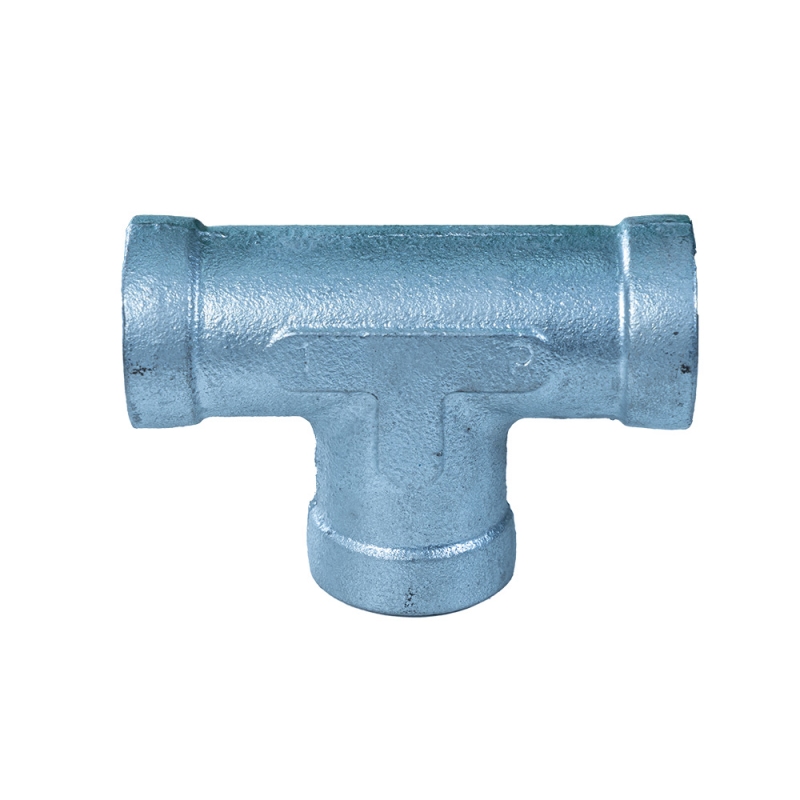
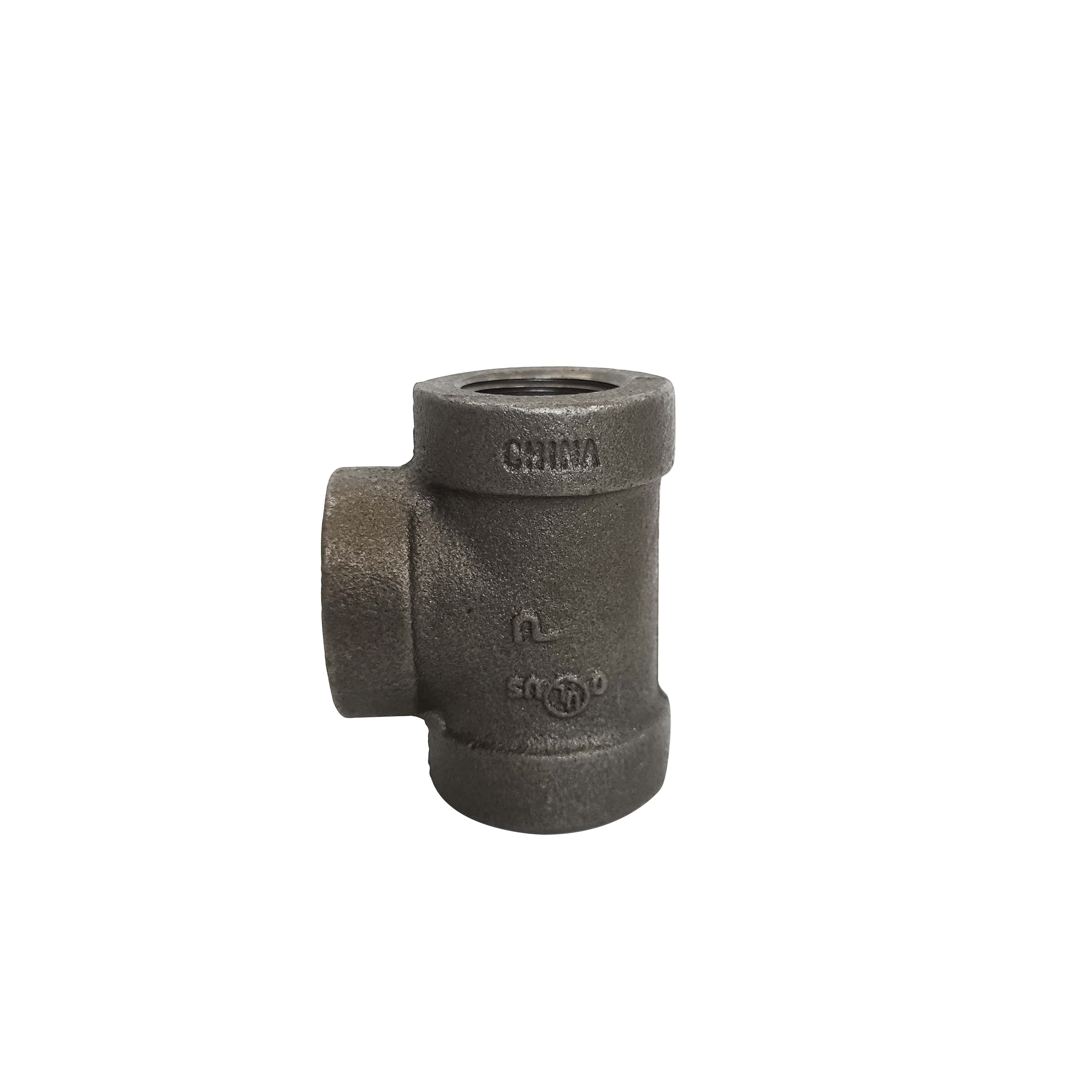
Simply put, a cross pipe fitting is a four-way connector shaped like a cross (hence the name) used in piping systems. It connects four pipes at right angles, allowing fluid or gas to flow in multiple directions. Imagine a busy city road intersection — that’s what a cross fitting achieves in a pipeline.
This piece is not only useful in standard plumbing but also in complex industrial and humanitarian projects where efficient fluid distribution can mean the difference between success and costly downtime. Engineers, for instance, rely on these in chemical plants where precise fluid routing affects safety and productivity.
Mini takeaway:
- Cross pipe fittings provide a centralized junction point facilitating multiple fluid flow directions.
- They’re foundational to many critical infrastructure sectors — from municipal to industrial.
Core Features That Define Effective Cross Pipe Fittings
1. Durability and Material Strength
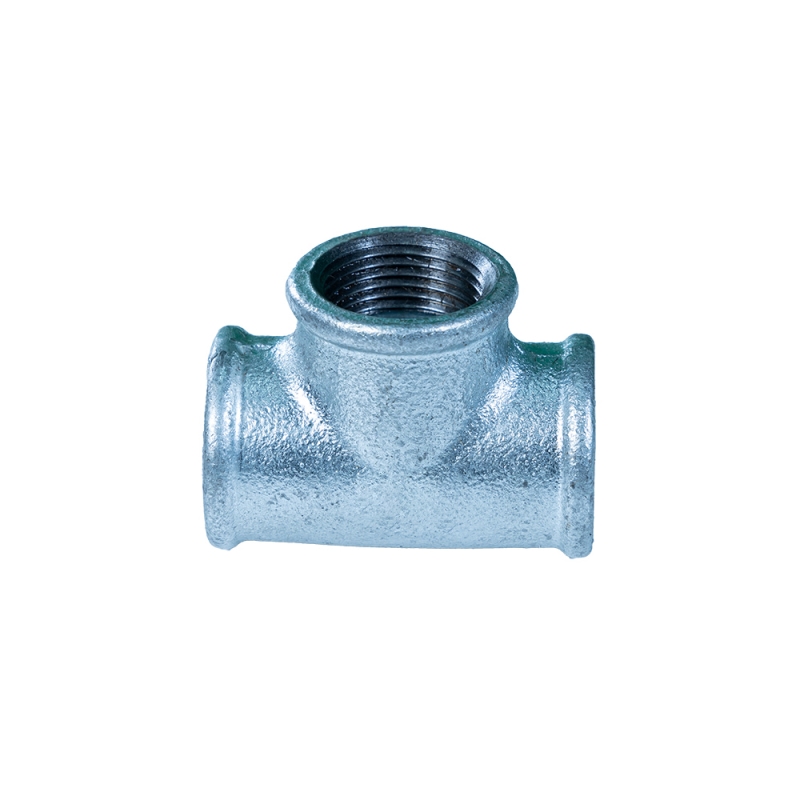
The choice of material—whether stainless steel, cast iron, PVC, or brass—dictates a fitting’s lifespan and resistance to corrosion or pressure. For example, stainless steel is often selected for chemical plants because it withstands harsh substances and extreme temperatures.
2. Pressure Rating
Every cross fitting has a defined pressure rating, indicating the maximum fluid pressure it can safely handle. This is vital for preventing leaks or bursts in volatile systems.
3. Ease of Installation
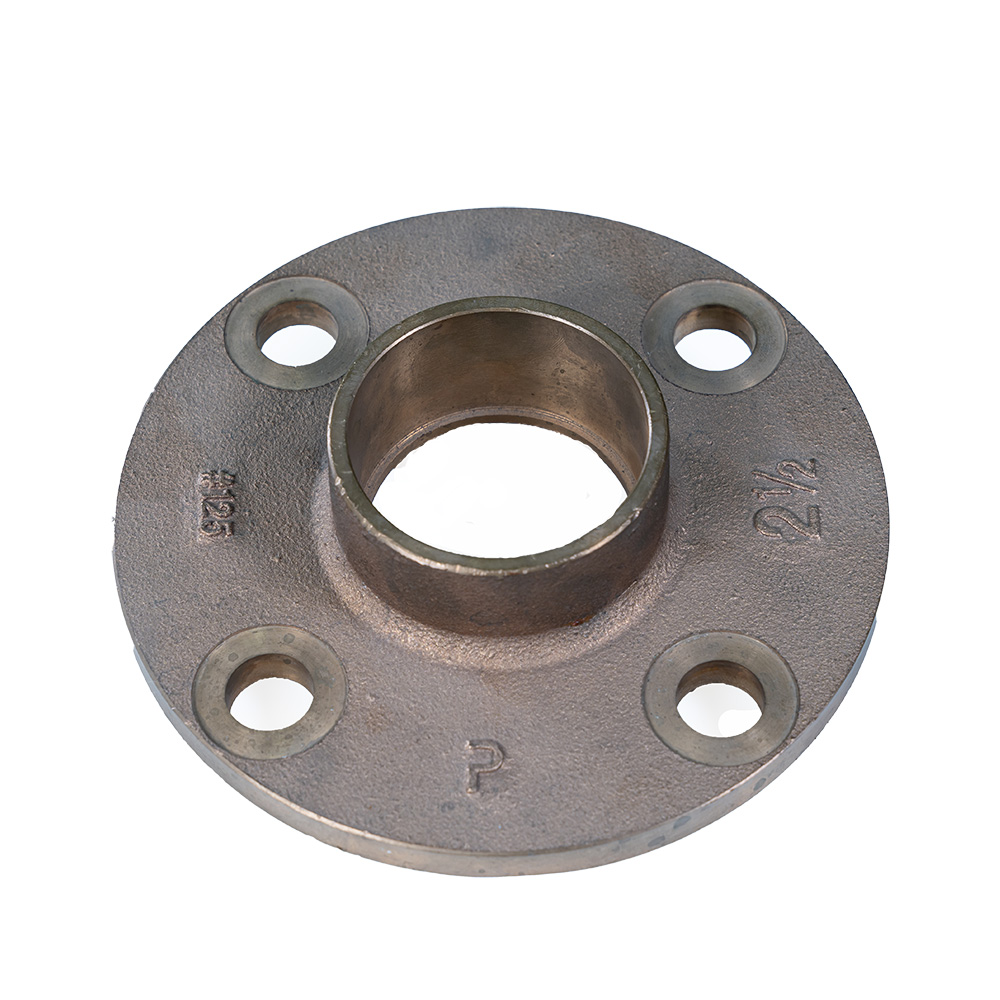
Some fittings come with flanged ends or threaded connections, expediting installation and maintenance. This can be a game-changer during time-sensitive deployments like emergency water distribution setups.
4. Versatility and Compatibility
Cross pipe fittings need to fit seamlessly with different pipe standards and sizes, often requiring customization. This adaptability links directly to their widespread use in varied global markets.
5. Cost Efficiency
Besides upfront cost, long-term maintenance savings through corrosion resistance and fewer leak repairs are equally important. Often, investing a bit more upfront saves big headaches later.
Mini takeaway:
- Material choice and pressure tolerance are critical for performance.
- Installation features and compatibility influence usability across projects.
Worldwide Uses: From Industrial Powerhouses to Disaster Relief
Cross pipe fittings anchor systems in many sectors:
- Water Treatment Plants: Ensuring multiple directional flow to various filters and reservoirs.
- Oil & Gas Pipelines: Segmenting fuel flows safely across extensive networks.
- Fire Protection Systems: Allowing rapid diversion of sprinkler water across buildings.
- Humanitarian Efforts: Rapid deployment of potable water lines after natural disasters, especially in remote regions.
For example, after the 2015 Nepal earthquake, NGOs deployed modular water distribution systems utilizing robust cross pipe fittings to restore clean water quickly in severely damaged urban and rural areas (2).
Practical Advantages of Using Cross Pipe Fittings
These fittings are economical, reducing the number of joints and potential leak points. Also, they support sustainability by minimizing the need for excess piping materials. Emotionally, knowing your fluid network has secure, well-constructed junctions builds trust among engineers, operators, and end-users.
In many municipal upgrades, engineers say that switching to high-grade cross fittings has decreased maintenance calls by roughly 30%, something that frankly translates to big savings and less resource wastage.
Looking Ahead: Innovations Shaping the Future of Cross Pipe Fittings
Materials science is pushing towards composite and polymer-based fittings that offer lighter weight yet stronger corrosion resistance. Digital transformation initiatives also bring smart sensors integrated directly on fittings, tracking pressure, temperature, and flow in real time — odd as it sounds, it’s like giving fittings a voice.
Additionally, green energy projects call for fittings compatible with biofuels or hydrogen transport, leading manufacturers to rethink traditional metallurgy.
Overcoming Common Cross Pipe Fitting Challenges
Despite their importance, challenges like improper installation, material incompatibility, or wear under extreme conditions remain. But clever engineering approaches, such as modular designs and improved coatings, are steadily improving reliability. Some companies now use 3D printing to produce customized cross fittings tailored precisely to complex layouts — kind of a bespoke approach that avoids off-the-shelf compromises.
FAQ: Your Common Questions About Cross Pipe Fittings
- What materials are best for cross pipe fittings in chemical plants?
- Stainless steel or specialty alloys like Hastelloy are preferred due to their high corrosion resistance and durability under aggressive chemical exposure.
- Can cross pipe fittings handle high-pressure systems?
- Yes, but they must be rated for the system’s maximum pressure. Always check manufacturer specifications to avoid leaks or failures in high-pressure applications.
- Are cross pipe fittings customizable for odd pipe sizes?
- Many vendors offer custom fabrication or reducers to accommodate non-standard sizes, ensuring perfect integration in complex systems.
- How do I maintain or inspect cross pipe fittings effectively?
- Regular visual inspections for corrosion or cracks, pressure testing, and monitoring flow rates help anticipate failures before they occur.
- Where can I buy reliable cross pipe fittings?
- You can explore trusted suppliers like cross pipe fitting specialists who offer a range of standards-compliant options and customization services.
Product Specification Overview
| Specification | Typical Range | Notes |
|---|---|---|
| Material | Stainless Steel, PVC, Cast Iron, Brass | Select based on fluid type & environment |
| Pressure Rating | 150 PSI – 1500 PSI | Depends on pipe class and material |
| Connection Type | Threaded, Flanged, Socket Weld | Affects installation speed and maintenance |
| Size Range | 1/2" – 24" | Standard sizes, custom possible |
| Temperature Range | -40°C to 400°C (varies) | Material-dependent |
Vendor Comparison: Choosing the Right Cross Pipe Fitting Supplier
| Vendor | Material Options | Customization | Global Reach | Lead Time |
|---|---|---|---|---|
| PanNext Fittings | All major metals, polymers | Full custom orders available | Worldwide shipping | 2–4 weeks |
| Global Pipe Supply | Stainless steel, brass, PVC | Limited sizes, few custom options | North America & Europe | 3–6 weeks |
| Industrial Connections Inc. | Primarily metals | No customization | Limited regional focus | 1–2 weeks |
Wrapping It Up: Why Cross Pipe Fittings Are Worth Your Attention
Cross pipe fittings might not be flashy, but they are unquestionably essential. They connect complex fluid networks with minimal fuss and maximum reliability. As infrastructure projects continue to grow in scale and complexity, their value only deepens. With ongoing innovations—from materials to digital integration—it’s a smart move to choose quality fittings and trusted suppliers like cross pipe fitting professionals. In the end, it’s all about ensuring safe, efficient, and trustworthy fluid transport for decades to come.
Curious to explore your options? Visit PanNext Fittings for quality selections and expert advice today.
References
Post time: Dec-01-2025