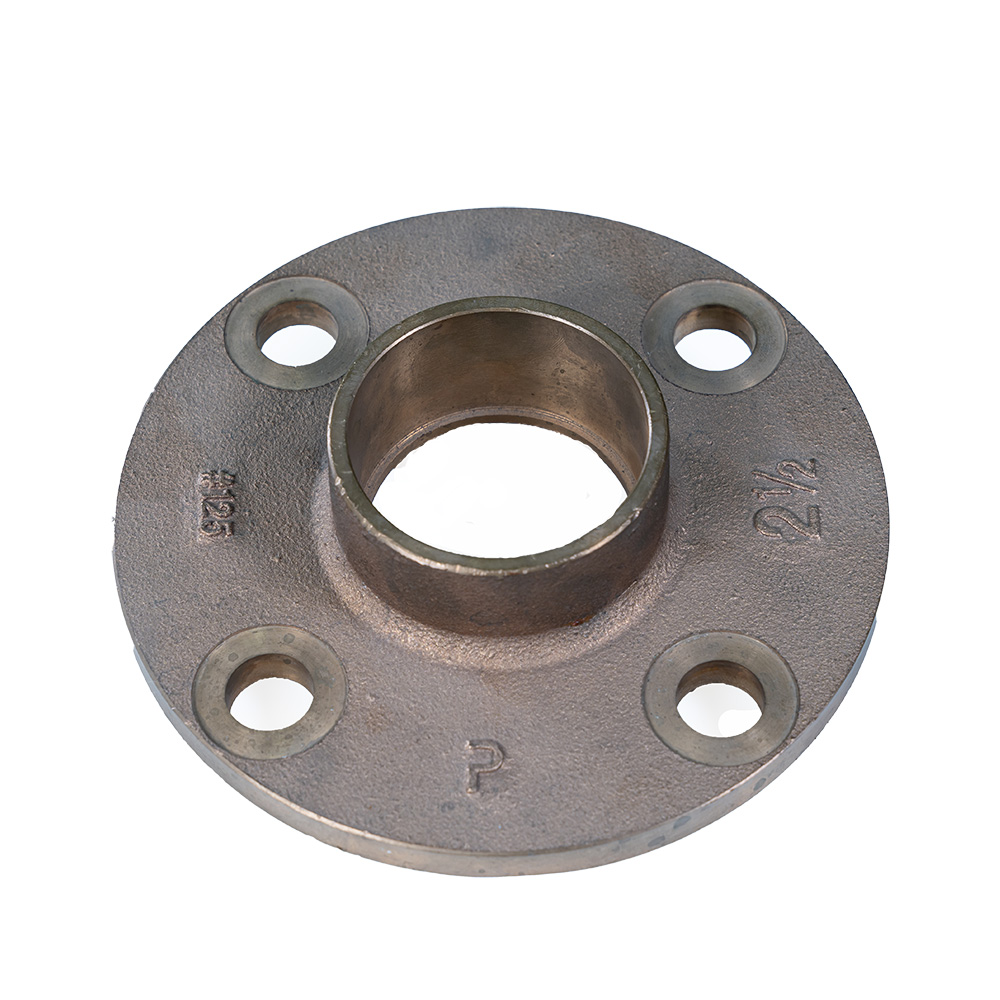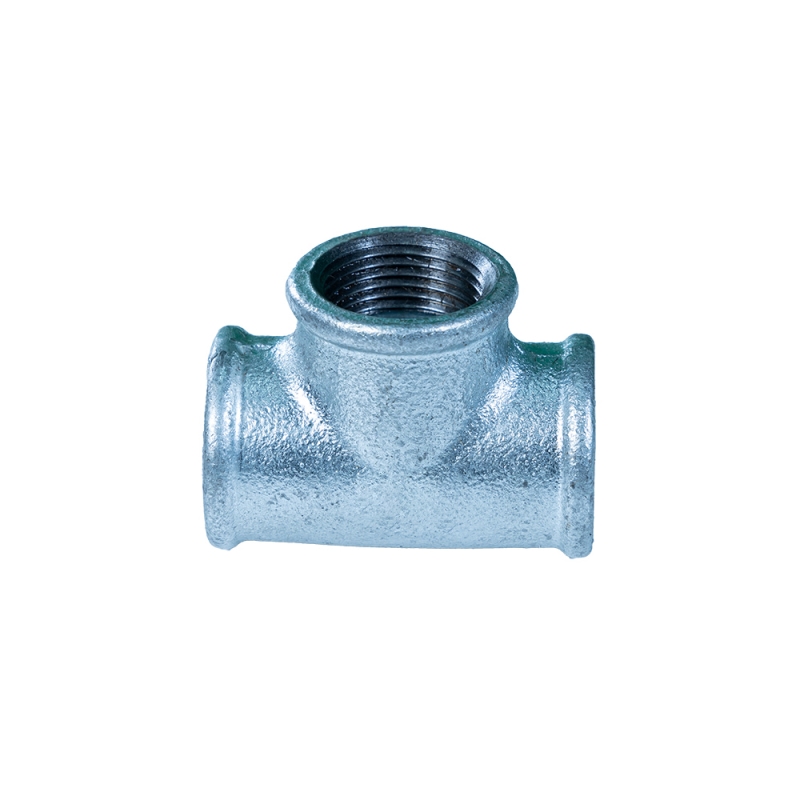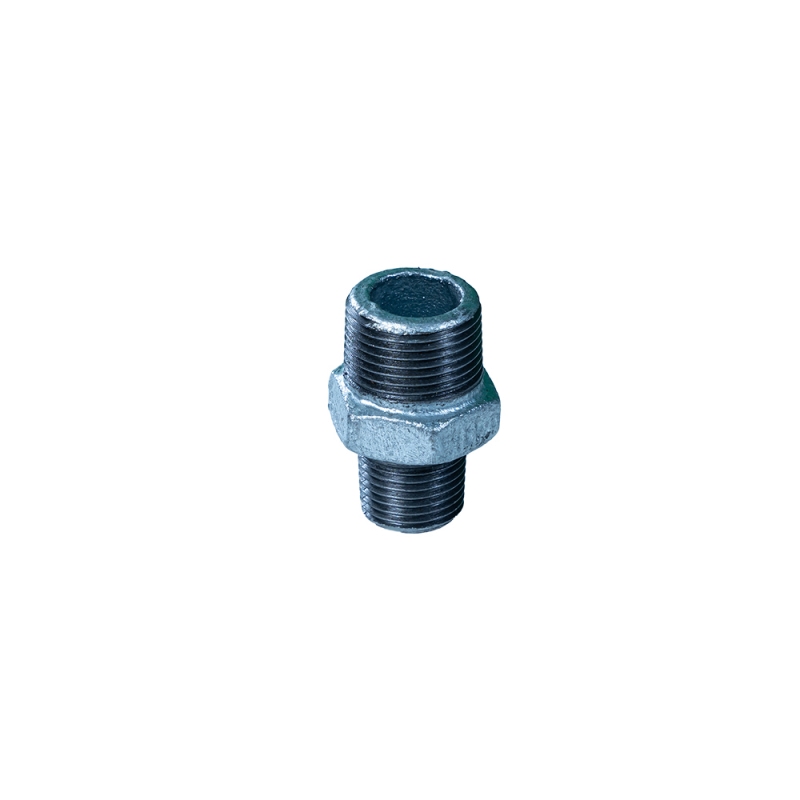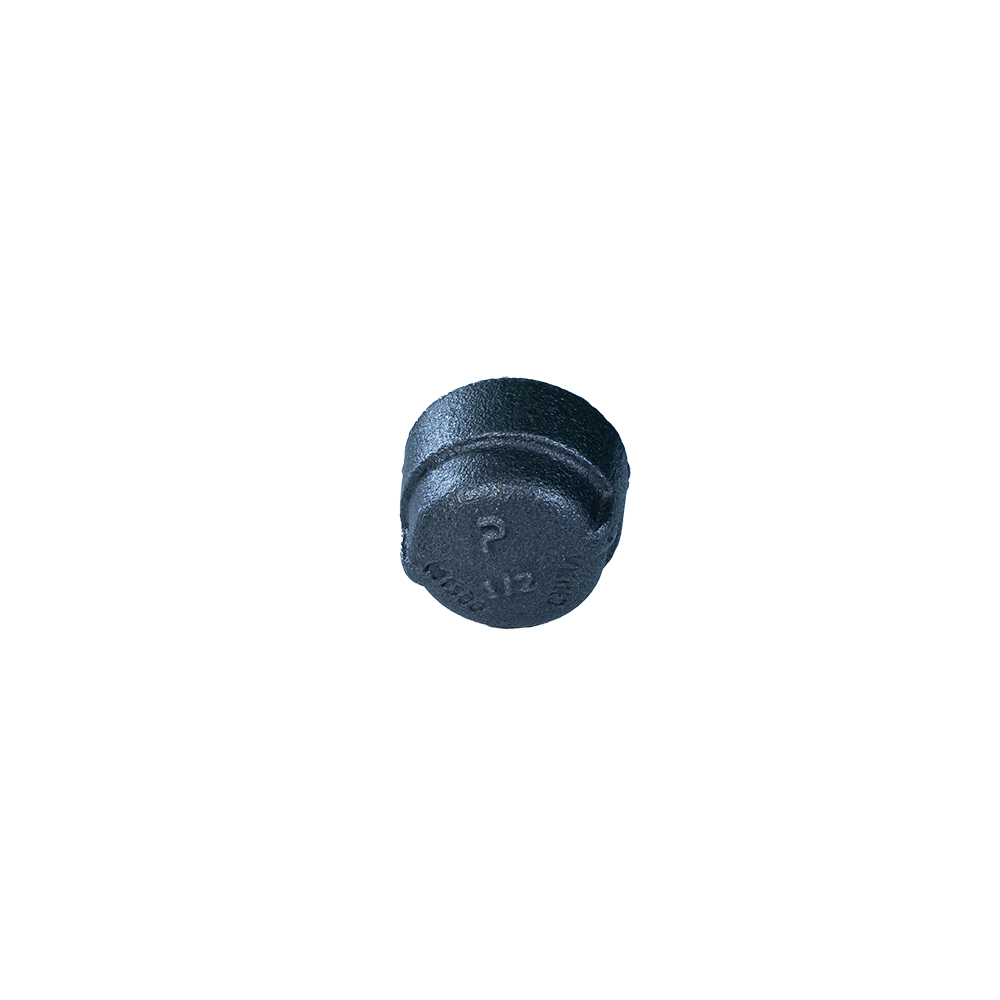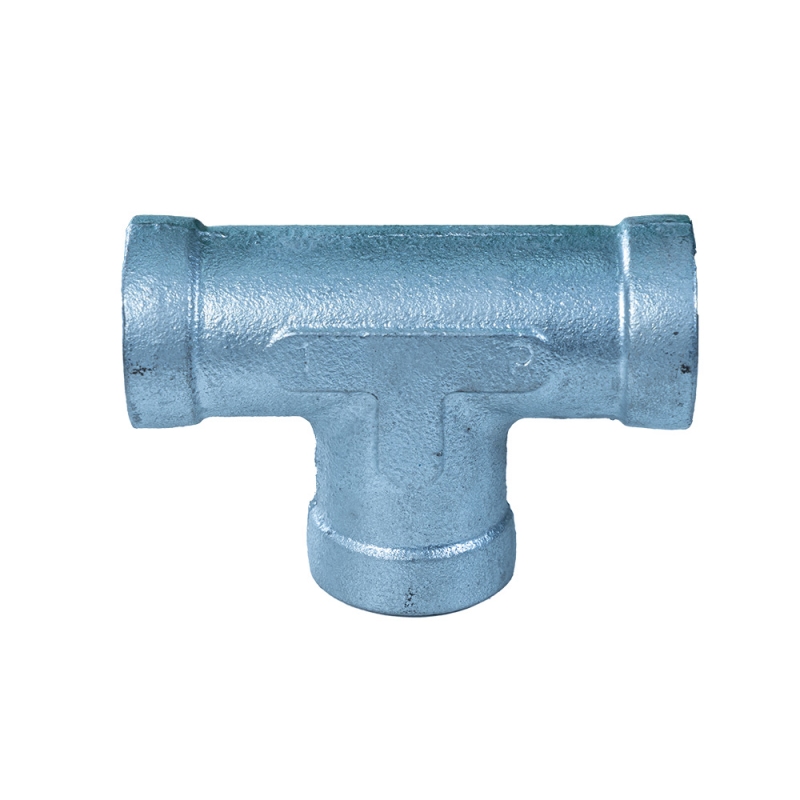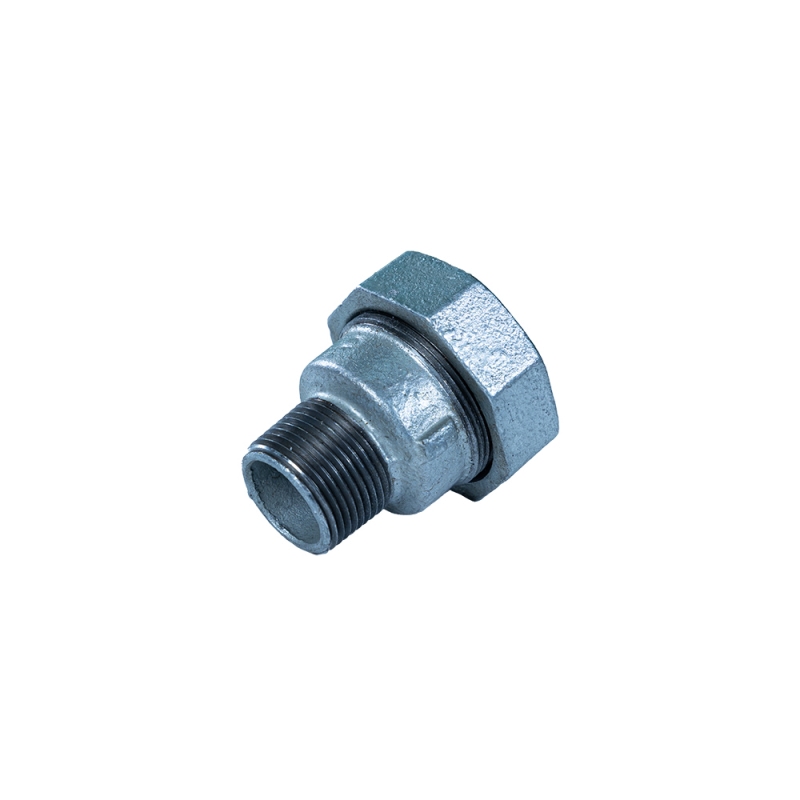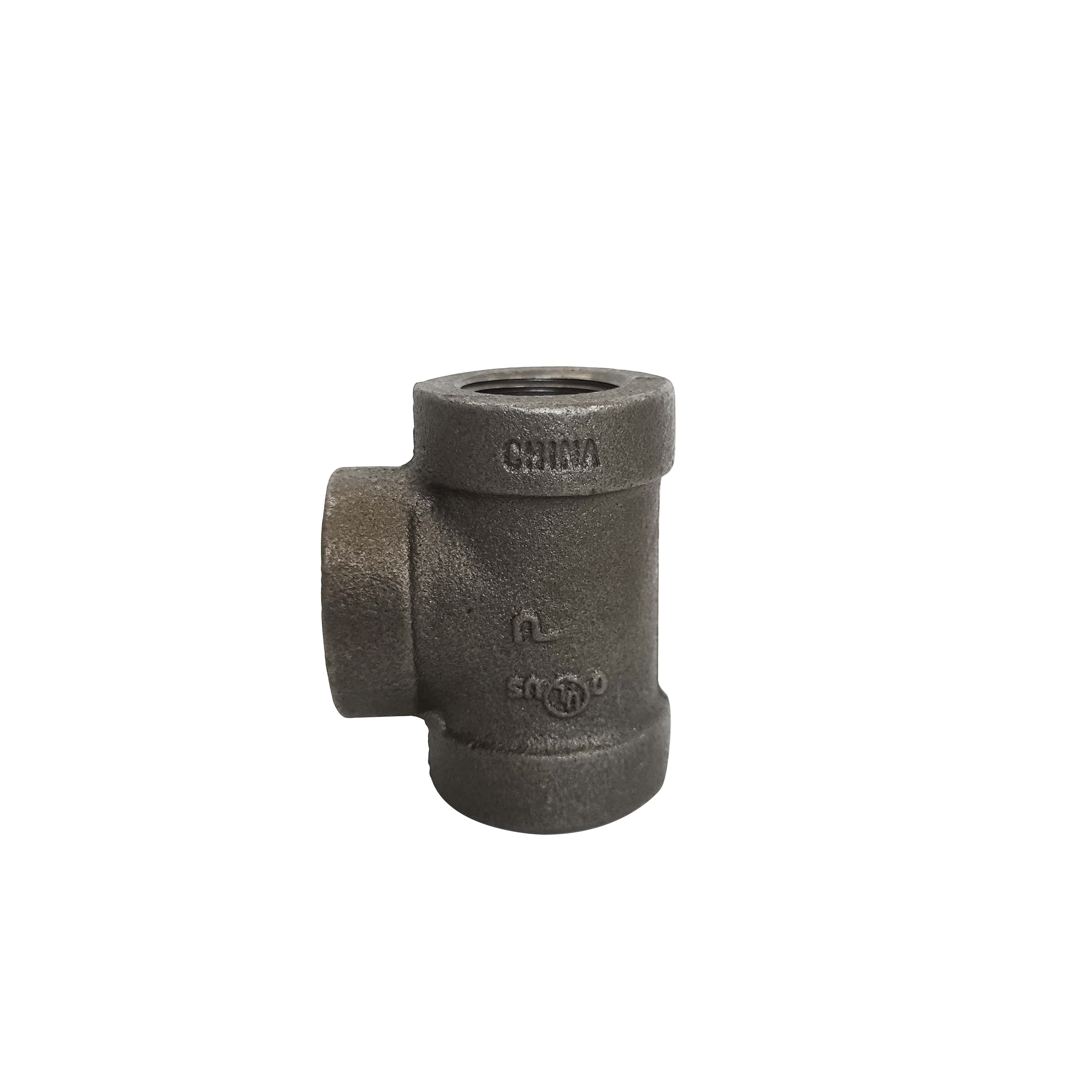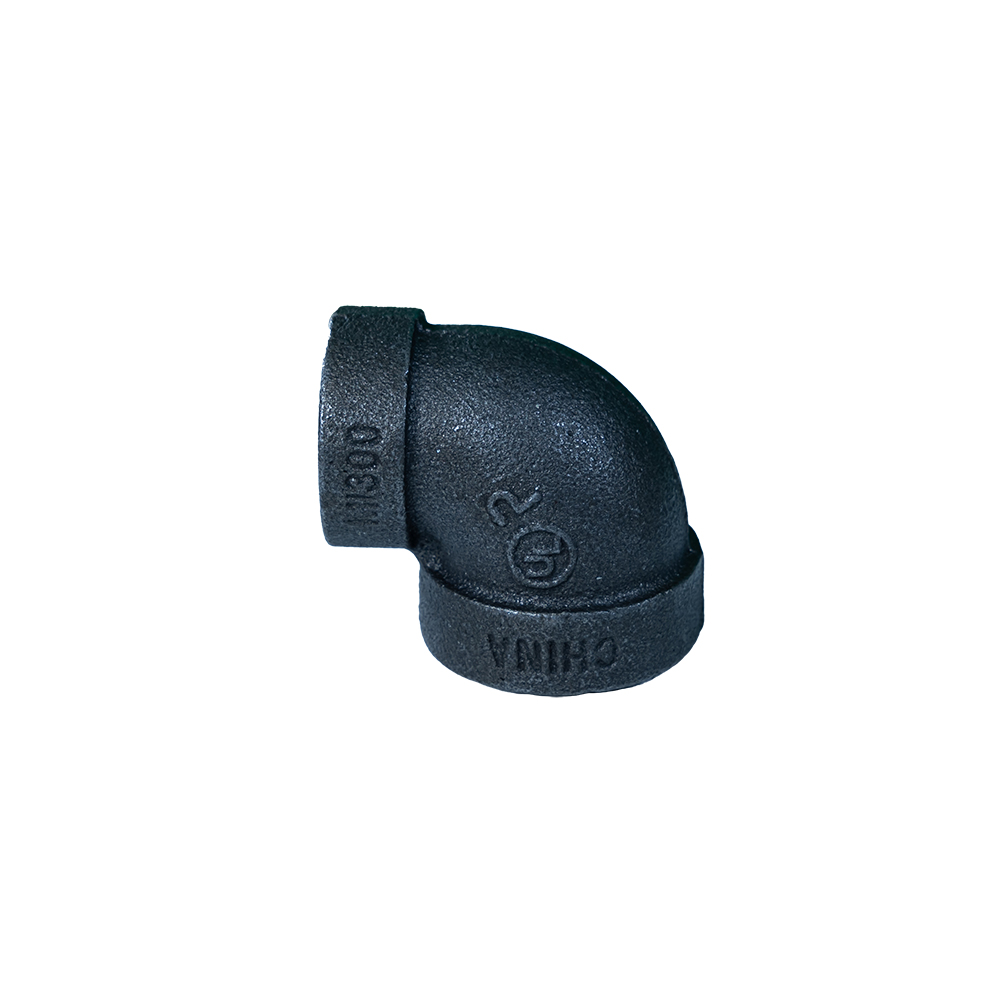

1 2 To 3 4 Coupling is a key solution in the industry, specifically within industrial piping and fluid transport systems. This article explores how https://www.pannextfittings.com supports professionals with durable, high-performance products, and explains why this product is an ideal choice for businesses in these sectors.
Table of Contents
- 1 2 To 3 4 Coupling Overview
- Benefits & Use Cases of 1 2 To 3 4 Coupling
- Cost, Maintenance & User Experience
- Sustainability & Market Trends
1 2 To 3 4 Coupling Overview
If you’ve ever worked with piping systems, then you understand just how critical couplings are. The 1 2 To 3 4 Coupling specifically allows the connection of pipes or tubes of two different sizes—half-inch to three-quarter-inch, in this case. It’s a simple concept but, frankly, its reliability in maintaining a secure, leak-proof junction is huge in practice.
Technically speaking, this coupling is typically crafted from durable materials like brass, stainless steel, or sometimes engineered plastics—each chosen depending on the fluid type, system pressure, and environment. For example, in corrosive environments, stainless steel couplings outperform with better longevity. One case study from a manufacturing firm reported reduced downtime by 20% after switching to premium stainless 1 2 To 3 4 Couplings.
| Specification | Details |
|---|---|
| Material Options | Brass, Stainless Steel, PVC |
| Connection Type | Threaded (NPT, BSP) |
| Maximum Operating Pressure | 150 PSI (varies by material) |
| Temperature Range | -20°C to 150°C |
Benefits & Use Cases of 1 2 To 3 4 Coupling
In real terms, the 1 2 To 3 4 Coupling shines in industries such as HVAC, water treatment, chemical processing, and industrial manufacturing. Its versatility is partly because it allows seamless adaptation when pipe sizes don’t quite match, saving the hassle (and expense) of replacing entire systems.
One standout feature is the ease of installation—twist it on, tighten with the right tools, and you’re good to go. No need for welding or complex machinery, which frankly speeds up project timelines. Plus, at PanNext Fittings, their couplings undergo rigorous quality controls, ensuring durability and a tight fit even under stress.
Companies often report better leak prevention and lower maintenance cycles, which can make a tangible difference on-site. Oddly enough, even though it’s a tiny component, the 1 2 To 3 4 Coupling can be the linchpin of a stress-free piping system.
Cost, Maintenance & User Experience
Let’s talk dollars and durability. The upfront cost of quality 1 2 To 3 4 Couplings might be slightly higher than budget options, but the return on investment is worth considering. Fewer leaks mean less downtime, less wasted product, and lower repair costs over time. Many operators find that their total cost of ownership goes down, rather than up.
I heard from a plant engineer who said switching suppliers to PanNext’s 1 2 To 3 4 Couplings reduced their maintenance calls by almost half within the first year. That’s not an anecdote you ignore. The design tolerances and corrosion resistance also contribute heavily to a positive user experience—less fiddling, fewer surprises.
| Vendor | Material Quality | Price Range | Lead Time | Warranty |
|---|---|---|---|---|
| PanNext Fittings | Premium Stainless Steel | $$$ | 1-2 weeks | 2 years |
| Generic Supplier A | Brass Alloy | $ | 3-4 weeks | 1 year |
| Supplier B | PVC Plastic | $-$$ | 2 weeks | 6 months |
Sustainability & Market Trends
Sustainability isn’t just a buzzword in this space—it’s increasingly a business imperative. The 1 2 To 3 4 Coupling products, especially those from conscientious manufacturers like PanNext, reflect this trend. They emphasize using recyclable materials and minimizing waste during production.
Regulatory standards push toward safer, less toxic components, which suits stainless steel and certain plastics well. Meanwhile, market demands show a growing interest in couplings that not only perform well but also support circular economy principles. It’s a balancing act—maintaining robustness while investing in greener tech.
Frequently Asked Questions about 1 2 To 3 4 Coupling
- What is 1 2 To 3 4 Coupling and how does it work?
- Simply put, a 1 2 To 3 4 Coupling is a fitting that connects a 1/2-inch pipe to a 3/4-inch pipe, ensuring a stable, leak-free union. It often uses threaded ends to join pipes of differing diameters.
- What are the main benefits of using 1 2 To 3 4 Coupling in industrial applications?
- Key benefits include versatility, improved system adaptability, durability under pressure, and reduced installation time compared to welding or custom fittings.
- How does 1 2 To 3 4 Coupling compare to traditional alternatives?
- Unlike some older or welding-based alternatives, these couplings offer easier installation, less maintenance, and are typically more resistant to corrosion and leaks.
- What industries can benefit most from 1 2 To 3 4 Coupling implementation?
- HVAC, chemical plants, water supply, and general manufacturing sectors are among those that frequently employ these couplings for their piping needs.
Conclusion on 1 2 To 3 4 Coupling from china
Wrapping up, the 1 2 To 3 4 Coupling is more than just a connector—it’s a smart investment that optimizes your piping system’s performance and longevity. Sourcing these from reputable manufacturers like PanNext ensures you get quality, durability, and trustworthy service. It really pays off in the long run.
- Recap the value of 1 2 To 3 4 Coupling.
- - Visit our website: https://www.pannextfittings.com
In the end, it’s often the smallest parts that keep big operations running smoothly. Choosing the right coupling makes all the difference.
References:
1. Industry Piping Journal, 2023
2. PanNext Fittings Product Catalog, 2024
3. Manufacturing Maintenance Review, 2023
Post time: Dec-06-2025