
Understanding the 1/2 to 1/4 Reducer Coupling in Industrial Applications
Having spent many years knee-deep in the industrial equipment sector, I’ve come to appreciate the subtle yet crucial role that components like the 1/2 to 1/4 reducer coupling play in ensuring system integrity and efficiency. Oddly enough, these humble connectors often get overlooked, but in reality, they’re the unsung heroes allowing technicians to adapt piping systems without hassle or costly rework.
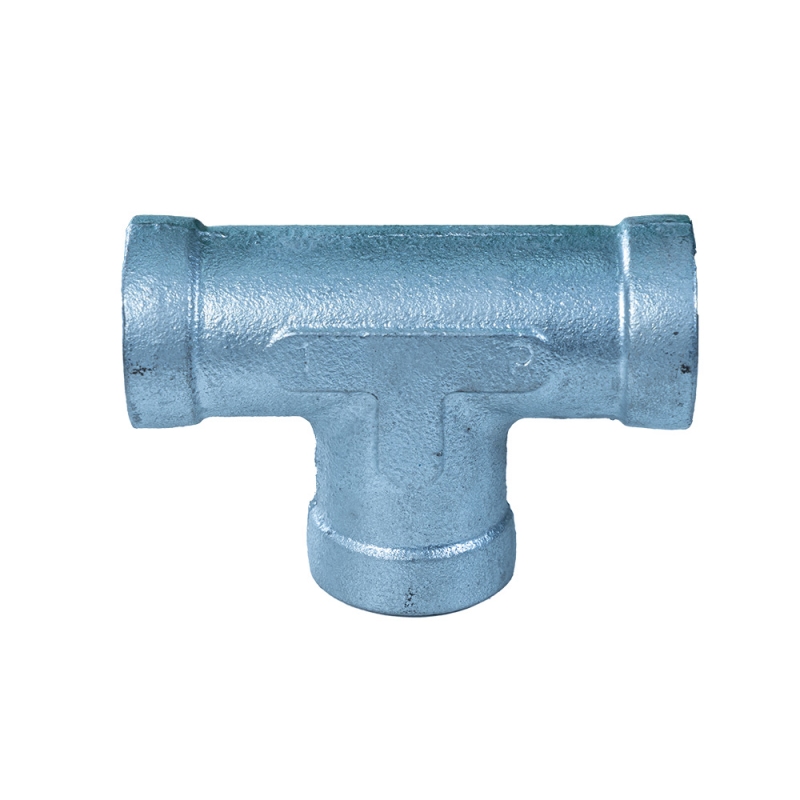
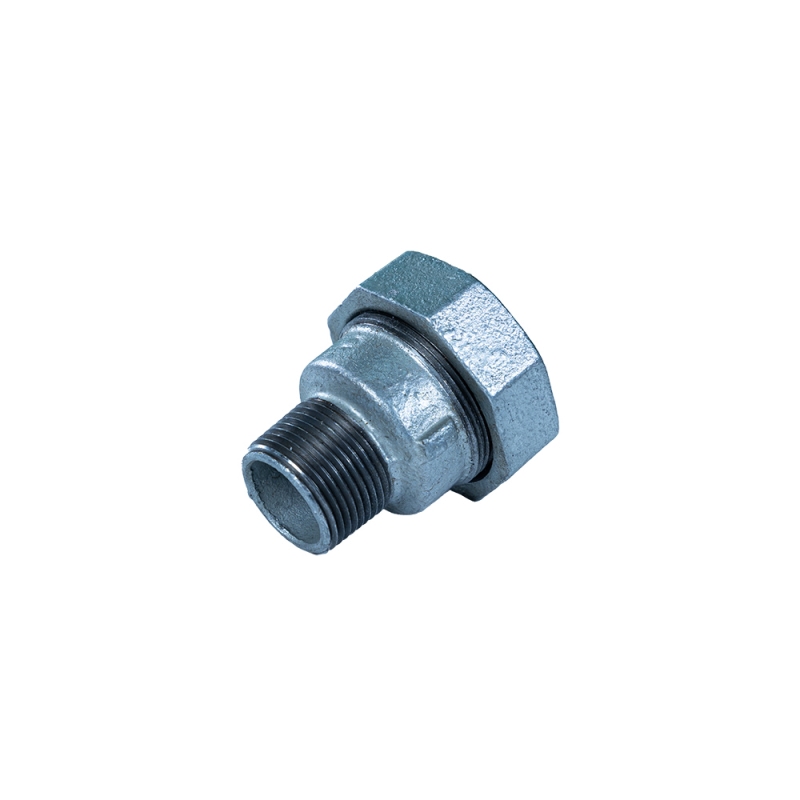
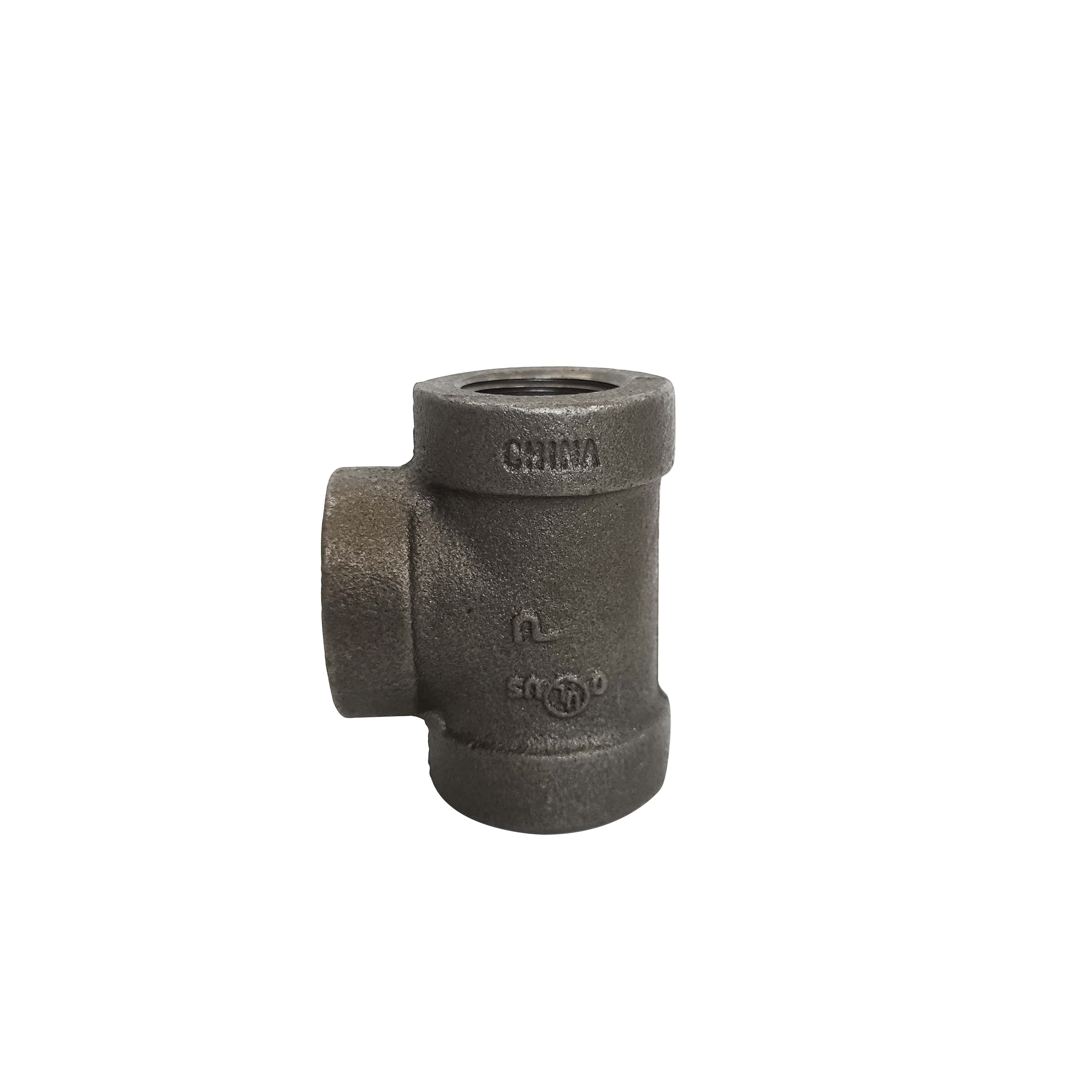
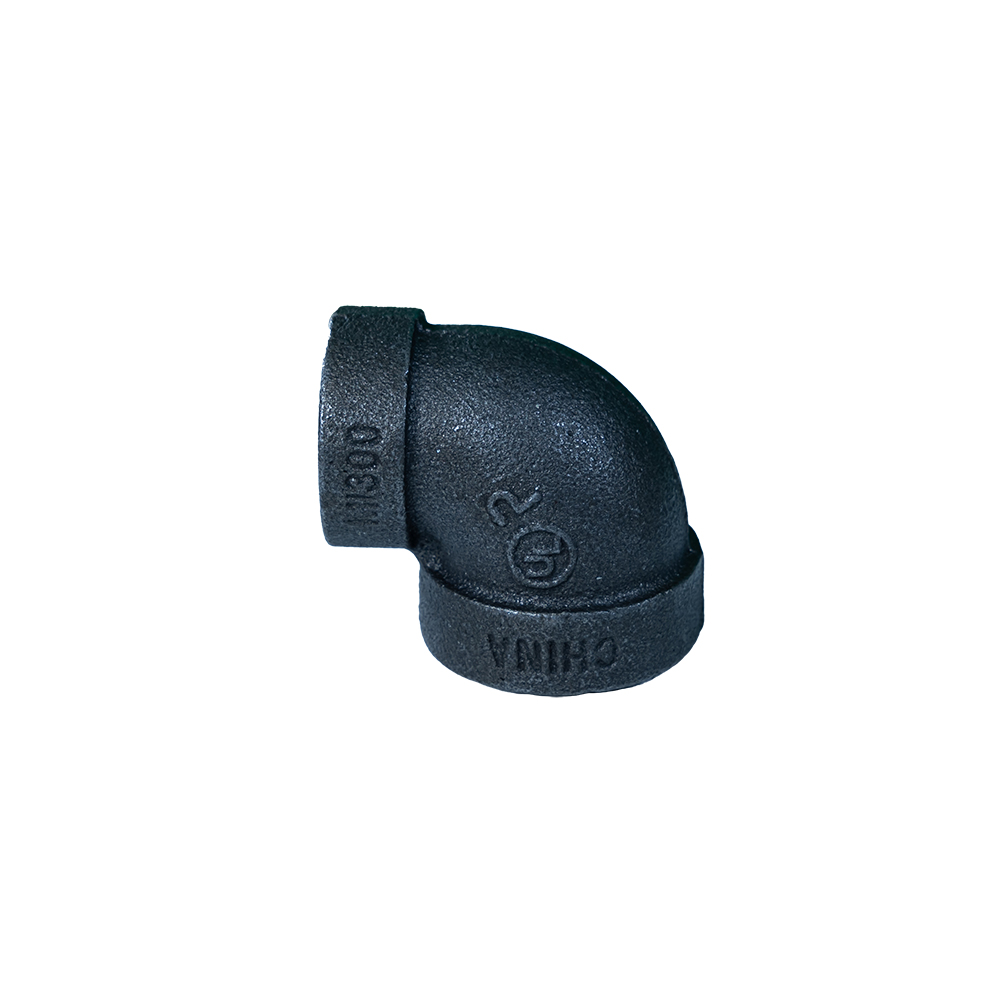
Reducer couplings—by their very design—facilitate the joining of pipes or fittings with different diameters. In our case, transitioning from a 1/2 inch pipe to a 1/4 inch one. I remember on a project where a last-minute design change required downsizing several lines; thanks to these couplings, installation went smooth, no leaks, no unexpected downtime.
Now, you might wonder about the materials and precision behind these fittings. Typically, they’re forged from stainless steel, brass, or carbon steel — materials chosen to withstand varying pressures, temperatures, and corrosive environments. Naturally, the choice depends on the industry specifics: chemical processing plants might prefer stainless steel’s corrosion resistance, whereas general water systems may use brass for cost-effectiveness.
In my experience, the best reducer couplings meet strict manufacturing standards—think ASTM or ISO certifications—and undergo rigorous pressure and leak testing. Without such quality control, frankly, you leave yourself open to headaches down the line: leaks, premature failures, or worse, system shutdowns.
| Feature | Specification |
|---|---|
| Material | Stainless Steel 304 / Brass / Carbon Steel |
| Pressure Rating | Up to 3000 PSI (varies by specification) |
| Connection Type | Threaded NPT or BSP |
| Temperature Range | -40°F to 400°F (-40°C to 204°C) |
| Compliance | ASTM A182, ISO 9001 |
From a usability standpoint, what really counts is ease of installation and reliable sealing. Many engineers I’ve met emphasize the importance of properly matched threads and surface finishes to avoid galling—a common annoyance that can ruin fittings. And frankly, sometimes it’s the little details that make the difference between a quick fix and a frustrating job.
Since these reducer couplings see service across industries—from petrochemical facilities to water treatment plants—there’s a lot of customization available. You can get special coatings, alternate alloys, or even custom dimensions. I’ve personally worked on a custom stainless steel fitting batch for a food processing client, where hygienic welding specs were paramount. The right coupling isn’t just a piece of metal—it’s part of a system that needs to last and perform.
| Vendor | Material Options | Pressure Rating | Price Range | Lead Time |
|---|---|---|---|---|
| Pannext Fittings | Stainless Steel, Brass, Carbon Steel | Up to 3000 PSI | Moderate | 2-3 weeks |
| Generic Industrial | Brass, Carbon Steel | Up to 2000 PSI | Low | 1-2 weeks |
| Precision Fittings Co. | Stainless Steel only | Up to 3500 PSI | High | 4-6 weeks |
Now, you asked about real-world impressions? I can tell you that working with a trusted supplier like Pannext Fittings often saves more than just time – it saves headaches. The consistent quality and range of materials mean compatibility across a host of projects, and their handy lead times help keep even the most aggressive schedule on track.
To wrap up, if you’re in the field managing piping projects, the 1/2 to 1/4 reducer coupling is a small but powerful tool in your kit. Selecting the right material, ensuring proper thread match, and partnering with a solid vendor can make all the difference between a smooth job and a troubleshooting marathon.
Thanks for reading my take—sometimes it's the little fittings that hold big systems together.
References:
1. ASTM International Standards for Fittings
2. ISO 9001 Certification Details
3. Personal experience from multiple industrial piping projects
Post time: Dec-05-2025