
Understanding Fitting Joints: The Backbone of Modern Assembly
Fitting joints might sound like a niche technical term, but they’re really central to how countless industries operate. From building homes to assembling industrial machinery, these connections hold everything together—literally. On a global scale, fitting joints are a fundamental part of infrastructure development, disaster relief responses, and even the future of sustainable construction.
Why does understanding fitting joints matter? Well, their right design and implementation reduce failures, improve safety, streamline maintenance, and often cut costs. In an era where speed, reliability, and sustainability are paramount, the science behind these connectors quietly shapes our physical world.
The Global Relevance of Fitting Joints in Industry and Infrastructure
Worldwide, the construction and manufacturing sectors are booming—and so is the demand for durable, efficient fitting joints. According to the International Organization for Standardization (ISO), standardized connections reduce incompatibility and speed up deployment in modular constructions, something that’s increasingly vital for quick housing projects (ISO 9001 guidelines, 2022).
UN data suggests that rapid urbanization, especially in Asia and Africa, requires building solutions that are robust yet flexible. Fitting joints enable exactly that by allowing structures to assemble swiftly and withstand environmental stresses without permanent welding or adhesives. But it’s not without challenges: uneven quality, varying material standards, and installation complexity still plague many decentralized projects.
Mini takeaway: fitting joints matter globally because they unlock rapid, safe assembly, essential for fast-growing cities and emergency housing.
What Exactly Are Fitting Joints?
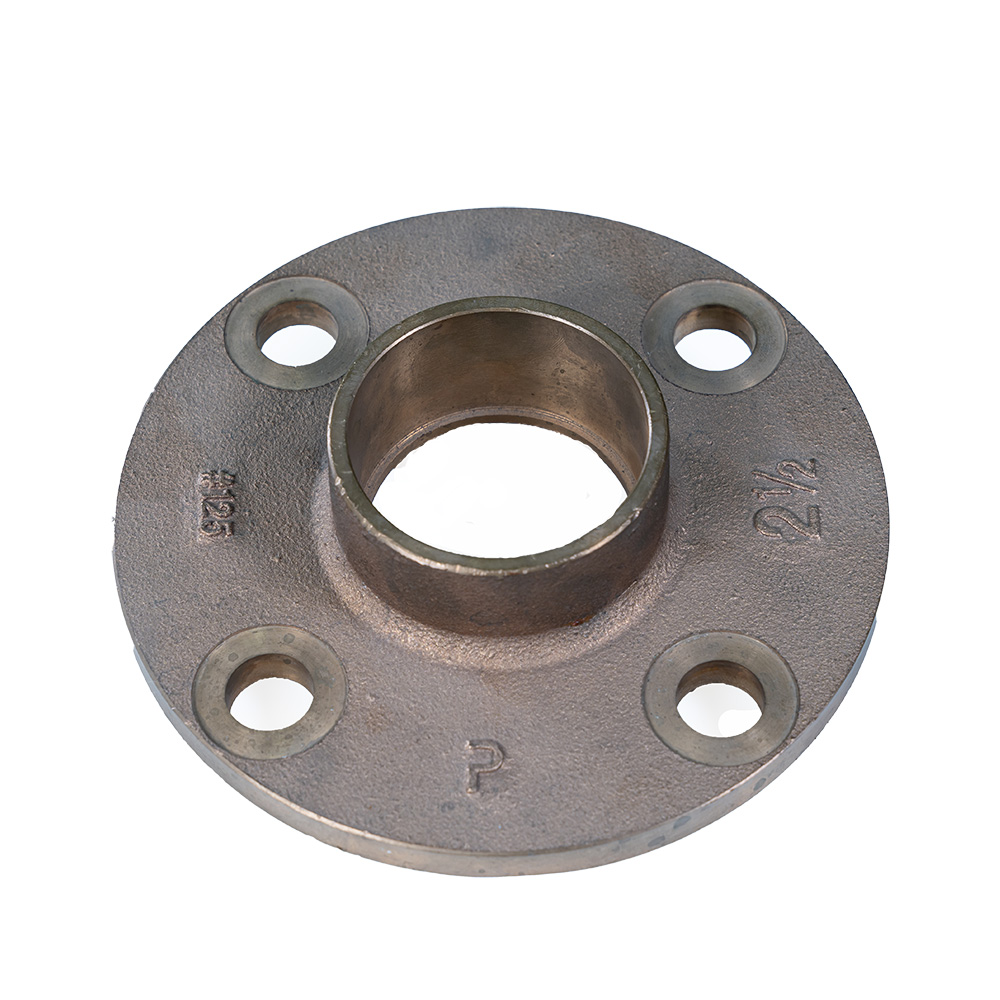
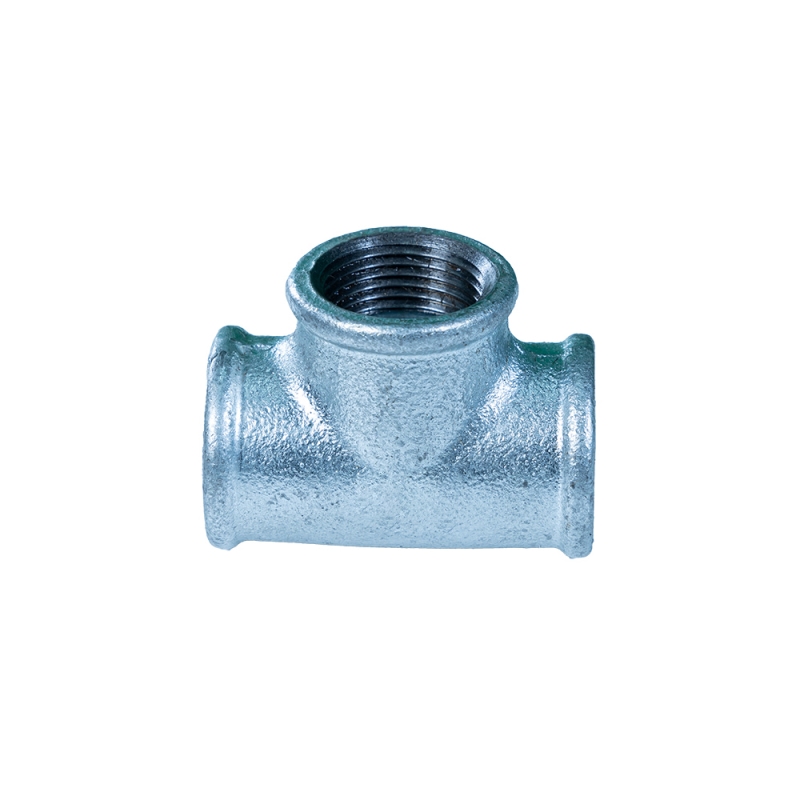
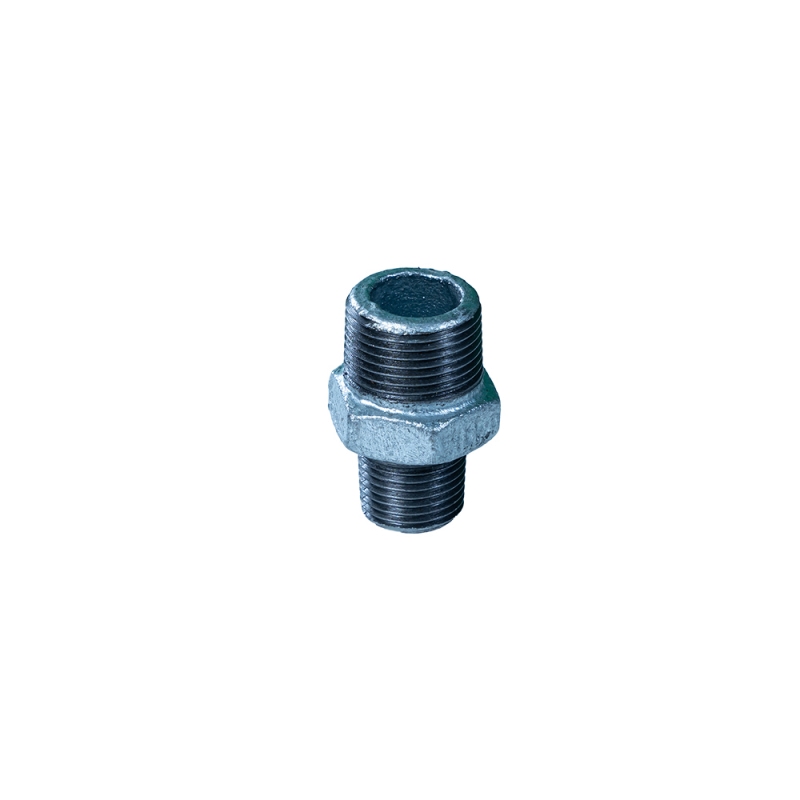
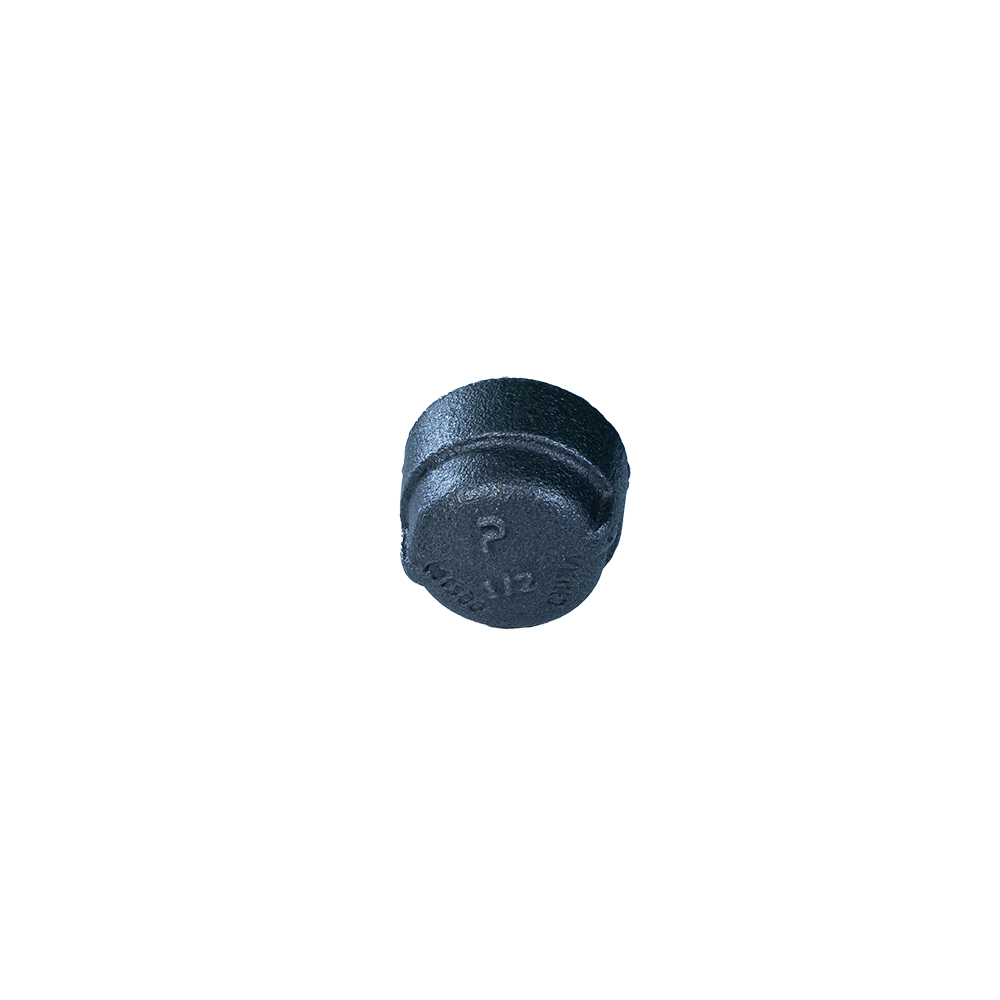
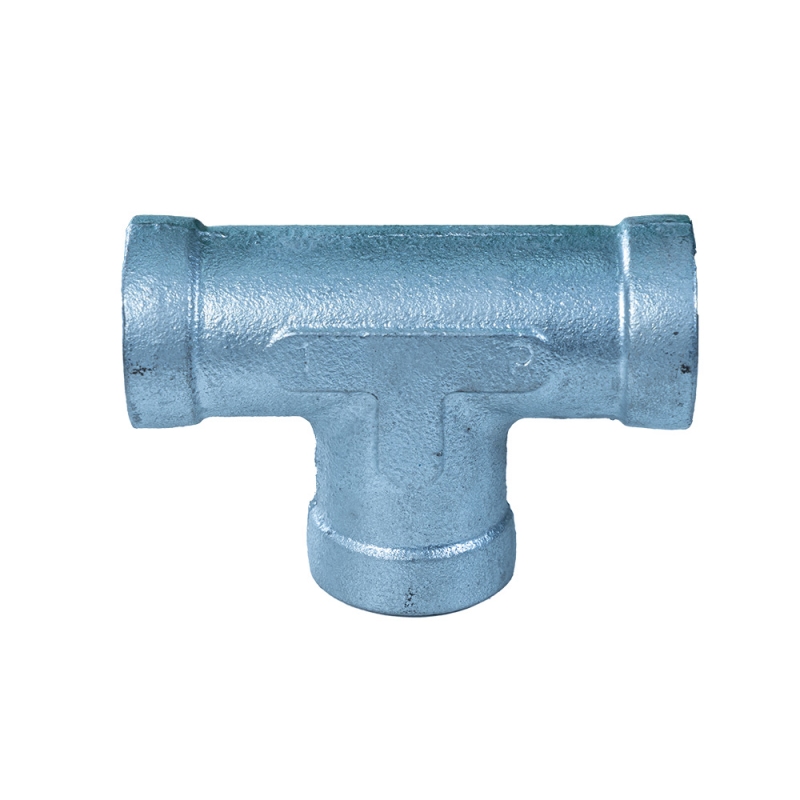
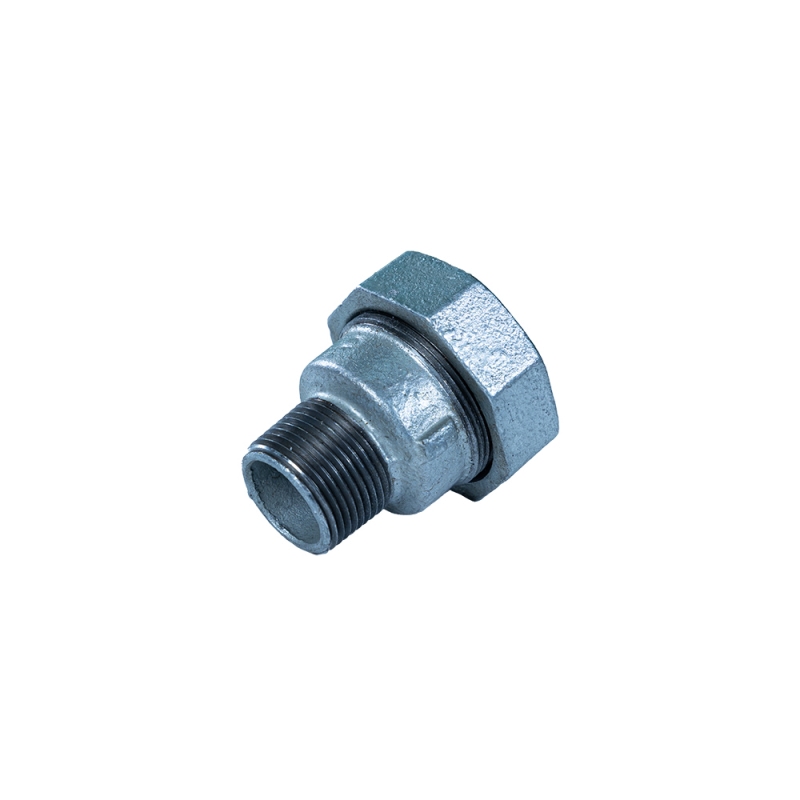
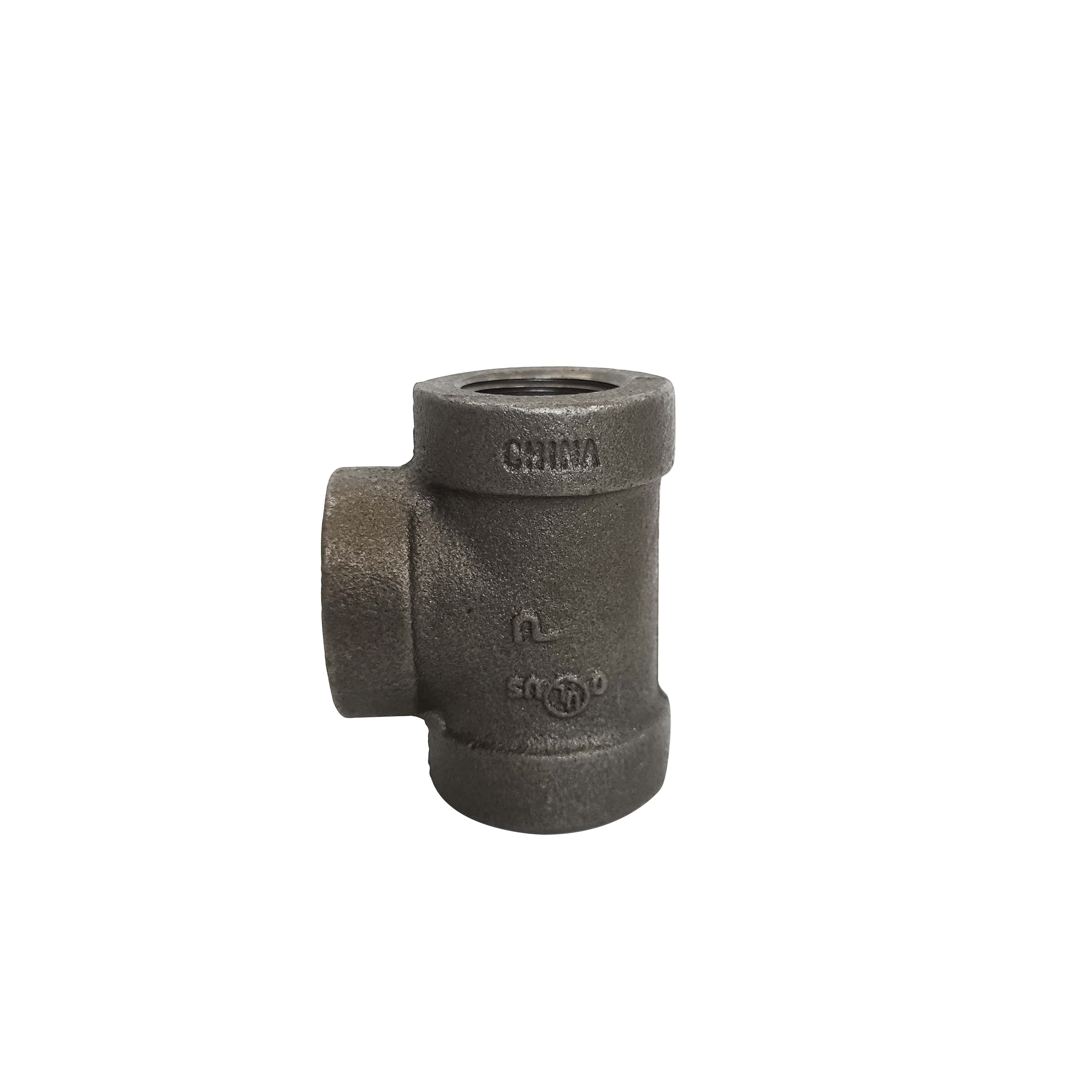
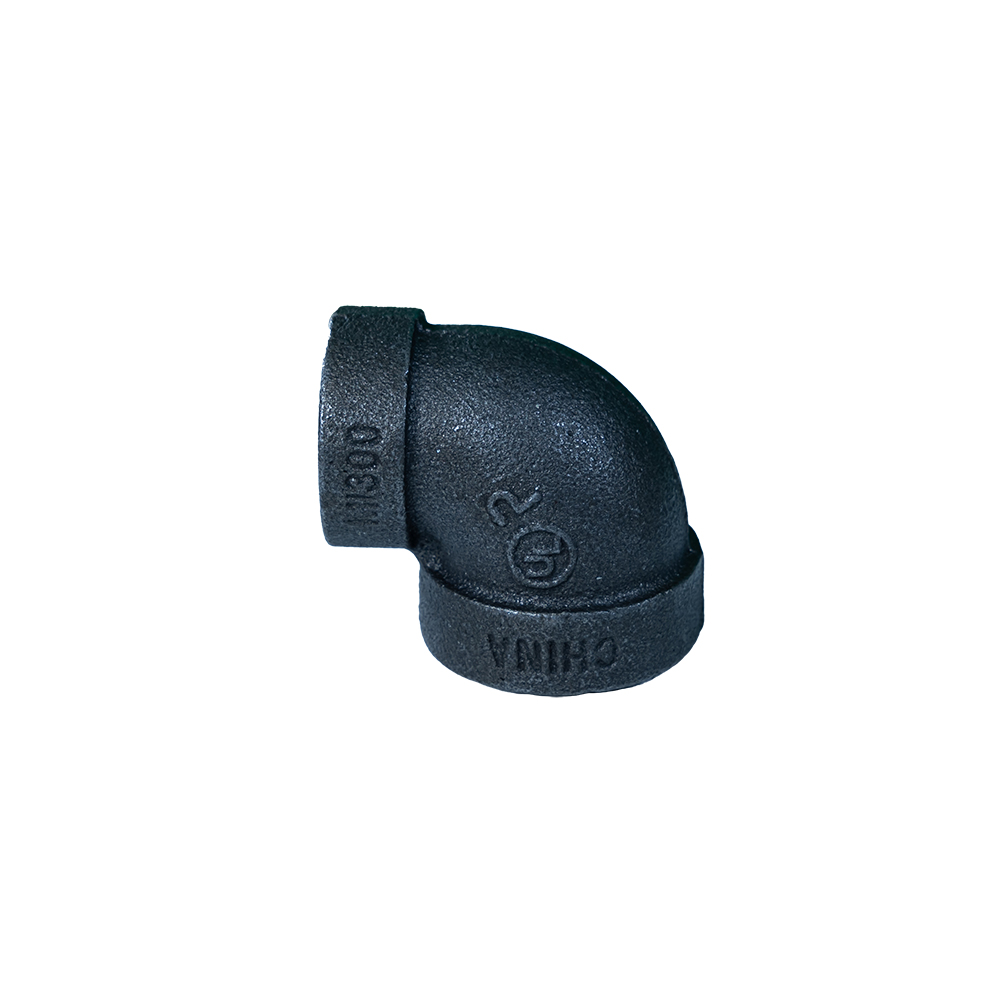
Simply put, fitting joints are mechanical connectors that join two or more components securely—think of them as the “knees and elbows” of construction or machine assembly. They create stable linkages without necessarily altering the parts permanently, making disassembly, repair, or replacement possible.
These joints range from simple screws and bolts to complex, precision-engineered fittings designed for specialized conditions. Their role expands far beyond manufacturing lines—especially now when humanitarian needs demand quick shelter, easily transported and assembled with minimal tools. Fitting joints make modular solutions viable and adaptable worldwide.
Core Aspects of Quality Fitting Joints
Durability and Strength
The core requirement, naturally, is that joints withstand operational stresses, vibrations, and environmental factors—whether seismic activity or corrosion. Material choice (stainless steel, reinforced polymers) and protective coatings often define a joint’s lifespan.
Ease of Assembly and Disassembly
A key trend is "tool-less" or minimal-tool designs that speed up on-site installation—vital when working in remote or time-sensitive situations like disaster zones.
Cost Efficiency
Choosing fitting joints isn’t just about upfront expense. You want solutions with an eye on long-term maintenance, part replacements, and energy savings. Economical fits balance performance and price.
Scalability
Joints designed for modular systems allow components to be added or reconfigured with minimal fuss—important in industries that require adaptability, such as construction, shipping containers, or temporary structures.
Compatibility and Standardization
Standardization per ISO or ANSI benchmarks means parts from different manufacturers can fit together—no surprises, no custom tweaks needed. This drastically improves supply chain flexibility.
Corrosion and Environmental Resistance
Especially in outdoor or marine applications, resistance to rust and degradation ensures safety and durability—often enhanced through specific treatments and design geometry.
Mini takeaway: the best fitting joints balance strength, ease, cost, and flexibility to suit diverse needs.
How Fitting Joints Are Used Worldwide: Real-World Applications
Fitting joints see action across many sectors:
- Construction: Modular homes use specialized steel or aluminum joints allowing for quick assembly on-site without heavy machinery.
- Disaster Relief: NGOs deploy pre-fabricated shelters that lock together via standardized fittings, allowing rapid response in crisis zones.
- Industrial Manufacturing: Conveyor belts, pipelines, and automation machines rely on precision fittings to ensure operational continuity.
- Transportation: Railcars, shipping containers, and aerospace assemblies utilize highly engineered joints for safety and durability.
Oddly enough, the remote mining sector has also embraced fitting joints for their equipment shelters and portable office units; remote zones demand reliability and ease of repair without skilled labor presence.
Mini takeaway: from urban construction to off-grid industries, fitting joints enable modular, resilient, and quickly deployable infrastructure worldwide.
Advantages and Long-Term Value of Quality Fitting Joints
Beyond mere physical connection, fitting joints impact:
- Cost Savings: Less downtime and easier maintenance lower overall expenses.
- Sustainability: Modular joints permit part-by-part replacement, reducing waste.
- Safety: Secure connections prevent structural failures—safeguarding workers and occupants.
- Social Impact: They enable rapid-response shelters, preserving dignity and community cohesion after disasters.
Interestingly, clients report higher trust in solutions that can be inspected and repaired easily without destructive tools, supporting innovation adoption.
Product Specification Table: Typical Fitting Joint Features
| Feature | Specification | Value / Typical |
|---|---|---|
| Material | Stainless Steel / Reinforced Polymer | SS304, PP composite |
| Load Capacity | Static / Dynamic | Up to 5,000 kg / 3,000 kg |
| Assembly Time | Per joint | ~3-5 minutes (tool-less options) |
| Corrosion Resistance | Salt Spray Test per ASTM B117 | >1000 hours |
| Certification | ISO 9001, CE Marking | Yes |
Comparing Fitting Joint Vendors: What to Look For
| Vendor | Product Range | Quality Standards | Customization Options | Lead Time |
|---|---|---|---|---|
| PanNext Fittings | Modular connectors, tool-less joints | ISO 9001, CE | High customization available | 2-3 weeks |
| Global Connectors Inc. | Industrial & construction joints | ISO 14001, CE | Medium customization | 4 weeks |
| EcoJoint Solutions | Green tech & sustainable joints | ISO 9001, LEED Compliance | Limited customization | 3 weeks |
Looking Ahead: Innovations and Future Trends for Fitting Joints
It’s fascinating to see how evolving technologies are shaping fitting joints. Advanced 3D printing techniques now allow on-demand manufacturing of custom designs—with optimized geometries that traditional machining can’t easily match.
Sustainability is another big trend. New composite materials reduce weight and carbon footprint without compromising strength. Meanwhile, digital twin technology and IoT-enabled connectors will soon monitor joint integrity in real time, pre-empting failures.
Smart connectors with embedded sensors offer intriguing possibilities for maintenance automation. In the next decade, fitting joints won’t just hold things together—they’ll help tell us when they need attention.
Common Challenges and Expert Solutions
Despite the clear benefits, fitting joints often face hurdles: inconsistent manufacturing can lead to fit issues; exposure to extreme environments causes premature wear; and workforce skill gaps slow installation or repair.
Industry leaders recommend:
- Investing in quality control and certified materials.
- Training programs for installers especially in remote zones.
- Designing joints for ease of access and maintenance.
- Collaborating with vendors who offer customization and tech support.
The challenges aren’t trivial, but they’re being tackled with a mix of innovation, education, and international standards development.
Frequently Asked Questions About Fitting Joints
Q1: How do fitting joints improve the speed of modular construction?
A1: Fitting joints are engineered for quick, tool-less, or minimal-tool assembly which cuts down time significantly. These joints let workers snap or lock components together without welding or complex adjustments—ideal when time is of the essence, such as emergency housing or factory line setups.
Q2: Are fitting joints durable enough for high-stress industrial environments?
A2: Absolutely. Many fitting joints are manufactured with high-grade materials like stainless steel or reinforced polymers, designed to withstand heavy loads, vibrations, and corrosive environments. Certifications like ISO 9001 ensure they meet strict quality and performance benchmarks.
Q3: Can fitting joints be customized for unique project requirements?
A3: Yes, many vendors—including fitting joints specialists—offer custom sizes, materials, and locking mechanisms tailored to project-specific needs. Customization helps optimize fit, strength, and functionality.
Q4: Is it possible to reuse fitting joints in dismantled structures?
A4: One of the biggest advantages is reusability. Since fitting joints don't usually alter component integrity, they can be removed and reused, reducing costs and environmental waste over the long term.
Q5: How do NGOs import fitting joint solutions for international disaster relief?
A5: Working with vendors who understand international shipping regulations and providing pre-certified, easy-assemble joint systems streamlines import and deployment. Many companies offer turnkey packages including documentation for customs and quality assurance.
Final Thoughts and Next Steps
Fitting joints might not steal headlines, but their role in creating fast, safe, and adaptable assemblies is indispensable worldwide. As urbanization accelerates and climate challenges grow, these connectors will quietly enable human ingenuity and resilience on an unprecedented scale.
If you’re curious about cutting-edge fitting joints that balance durability, ease, and innovation, explore specialized fitting joints solutions for your next project. Trust me, once you get the right joint, everything else just falls into place.
References:
Post time: Nov-26-2025