
Understanding the Different Types of Pipe Flanges and Their Global Significance
When you think about how massive infrastructure projects come together or how oil, gas, and water flow seamlessly across countries, a quiet hero keeps everything connected: pipe flanges. But did you ever pause to wonder about the types of pipe flanges and why it matters so much across industries worldwide? Understanding these can make or break a project's safety, efficiency, and long-term sustainability.
Pipe flanges are fundamentally connectors linking piping systems, and their diverse types cater to differing requirements—from pressure ratings to installation ease. Mastering their varieties equips engineers and procurement teams to build better networks that last longer and cost less to maintain.
types of pipe flangesThe Global Context: Infrastructure Growth and Its Challenges
Globally, infrastructure investment is booming. According to the World Bank, over $94 trillion will be needed by 2040 to meet urbanization and industrial growth demands. Industries such as petrochemicals, water treatment, power generation, and HVAC rely heavily on reliable piping systems filled with appropriate flanges. ISO standards also emphasize precise flange specifications to ensure safety and interoperability.
However, international projects often face challenges—from incompatible flange types to varying material standards. Imagine a remote energy plant installation delayed because flange sizes aren't matching on-site. These kinds of hiccups not only halt progress but can inflate costs and risk safety.
So, What Are Types of Pipe Flanges?
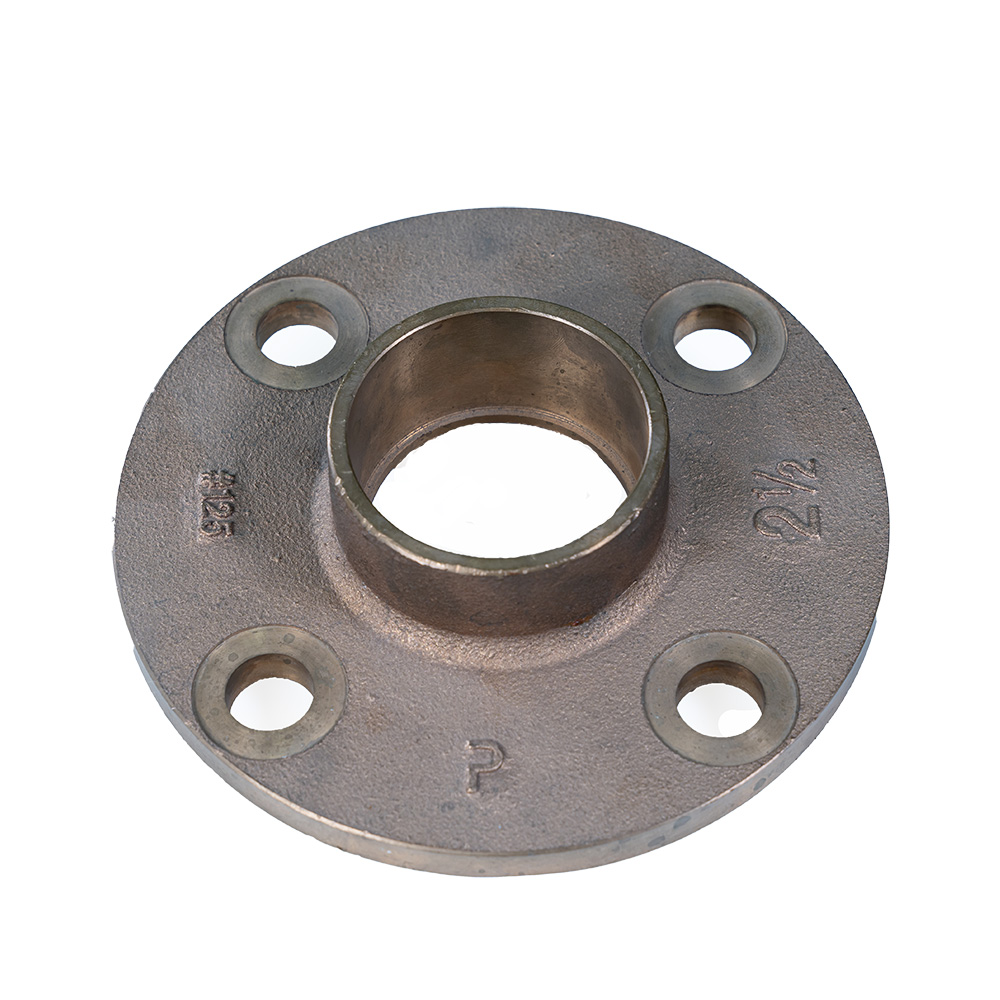
In simple terms, pipe flanges are flat rims or collars attached to pipes, valves, or equipment in order to join, redirect, or close off sections. But because connection needs vary—pressures, pipe diameters, environmental conditions—engineers select among several types:
- Weld Neck Flanges: Known for strength, they’re butt-welded to pipes—ideal for high-pressure usage.
- Slip-on Flanges: Easier to install, slid over the pipe, and then welded; preferred when speed counts.
- Blind Flanges: Seal off the end of a pipeline entirely—not for flow but for testing or closures.
- Socket Weld Flanges: Fit into the pipe end, then welded; good for small-diameter pipes under moderate pressure.
- Threaded Flanges: Screw on without welding—handy for systems where welding is unsafe or impossible.
These basic types expand into many grade and face designs—raised face, flat face, ring-type joint—that adjust sealing capabilities and installation compatibility. Their flexibility helps respond to modern industry demands and even some humanitarian projects, like ensuring clean water access through long-term durable piping.
Mini takeaway:
Understanding the main pipe flange types gives you a foundation for selecting the right connection in diverse scenarios, boosting safety and operational success.
Key Factors to Consider When Choosing Pipe Flanges
Durability
A flange isn't just a fitting; it must resist corrosion, pressure, temperature extremes, and mechanical stresses. Take for example stainless steel flanges versus carbon steel — the choice depends on environment and longevity needs. Many engineers say durability significantly reduces maintenance headaches down the line.
Pressure Ratings
Flanges come rated by pressure class—typically Class 150, 300, 600, up to 2500 in ANSI standards. Picking a flange that matches or exceeds system pressure prevents leaks or catastrophic failures. This is critical in oil refineries or chemical plants where safety isn’t just best practice, it’s legally mandated.
Material Compatibility
Aside from durability, compatibility with the fluid or gas in the pipeline is crucial. For example, corrosive chemicals call for specialized alloys or non-metallic flanges, while potable water systems prefer materials that won’t leach toxins.
Installation Practice
Some flanges require welding, others bolts or threaded connections, and the right choice depends on the project’s scale, skilled labor availability, and timeframe. Oddly enough, in emergency repairs, threaded or slip-on flanges often save the day because of speed and minimal tooling needs.
Cost Efficiency
Not just raw price, but total cost over the lifespan matters: installation cost, maintenance frequency, failure risk, downtime impact. A more expensive weld neck flange might outlast cheaper types by decades, offering real value.
Adaptability
Some flanges adapt to new piping sizes or changing industry regulations. This flexibility is invaluable in expanding systems or retrofitting aging infrastructure.
Mini takeaway:
Choosing a pipe flange evaluation is a balancing act of pressure, environment, cost, and installation—not all one-size-fits-all.
Global Applications & Use Cases of Pipe Flange Types
Different regions have specific challenges calling on flange diversity. In the Gulf, corrosive saltwater environments demand corrosion-resistant flanges, while in cold climates like Scandinavia, materials must withstand freezing without brittleness. The oil and gas sector, led by players like Shell and BP, has detailed specifications for every flange type in their pipelines.
In humanitarian projects, say water distribution in post-disaster zones, quick-install threaded or slip-on flanges speed up bringing clean water to affected populations. Remote industrial zones, like mining operations in Australia, rely on durable weld neck flanges to prevent downtime.
Across also sectors such as food processing, power plants, and HVAC systems, correctly selected flanges ensure operational reliability, safety, and regulatory compliance.
Advantages & Long-Term Value of Understanding Pipe Flange Types
- Cost savings: Appropriate flange choice avoids leaks, damage, rework, and downtime.
- Safety: Prevents accidents in hazardous environments.
- Sustainability: Durable flanges lower frequency of replacements and raw material usage.
- Innovation: Modern flange designs support automation and better sealing technologies.
- Trust and Compliance: Meets ISO and international standards, which builds confidence among stakeholders.
From emotional standpoints, infrastructure that holds steady is infrastructure that empowers communities—it embodies safety, dignity, and progress.
Looking Ahead: Future Trends & Innovations in Pipe Flange Technology
The push toward green energy means pipe systems will need materials compatible with biofuels, hydrogen, and other alternatives. Composite flanges, combining metal and polymers, offer lighter weight and improved corrosion resistance.
Digital transformation introduces 'smart flanges' embedded with sensors to detect leaks, pressure anomalies, and even structural integrity in real time.
Automation and 3D printing are starting to slot into manufacture and customization, cutting lead times dramatically, especially for bespoke or rare sizes.
Common Challenges & Solutions in Using Different Flange Types
Challenges often include mismatched flange standards between countries, supply delays, or installation mistakes. For instance, confusion between metric and imperial sizes can cause costly errors.
Experts recommend rigorous supplier vetting, using comprehensive standards documentation, and embracing modular solutions that simplify on-site assembly. Training and digital aids also reduce human error by guiding workers through complex assembly steps.
Frequently Asked Questions About Types of Pipe Flanges
- Q: What factors determine the best pipe flange for high-pressure pipelines?
- A: Usually, weld neck flanges are preferred because their tapered hub evenly distributes stress. Also, the material grade and pressure rating must match or exceed operational conditions for maximum safety.
- Q: How does flange face type affect sealing performance?
- A: Raised face flanges concentrate gasket pressure better, improving seals—especially useful in high-pressure systems—while flat face flanges are suited for low-pressure or non-critical applications.
- Q: Can pipe flanges be reused after disassembly?
- A: It depends. Flanges often suffer flange face gasket damage or bolt hole deformation. While some types can be reused if inspected, generally, replacing flanges ensures a better long-term seal.
- Q: Are all flange materials suitable for potable water systems?
- A: No, materials must be potable water safe, often non-toxic metals or approved polymers to avoid contamination and comply with health standards.
- Q: How can I ensure compatibility between flanges from different suppliers?
- A: Always check material certifications, pressure class, dimensions, and relevant standards (ANSI, DIN, JIS), and ideally procure from trusted suppliers that follow international standards.
Product Specification Table: Typical Pipe Flanges
| Flange Type | Material | Pressure Class | Typical Application | Installation |
|---|---|---|---|---|
| Weld Neck | Carbon Steel, Stainless Steel | 150 – 2500 | High Pressure Pipelines | Butt Welded |
| Slip-on | Carbon Steel, Alloy | 150 – 300 | Low to Medium Pressure | Slip-on + Welded |
| Blind | Carbon Steel, Stainless, Alloy | All Classes | End of Pipeline Closure | Bolted |
| Threaded | Carbon Steel, Stainless | 150 – 300 | Low Pressure, Non-Weld Systems | Screwed On |
Vendor Comparison Table: Pipe Flange Suppliers (Sample)
| Supplier | Material Range | Compliance (Standards) | Lead Time (Weeks) | Customization Options |
|---|---|---|---|---|
| PanNext Fittings | Carbon Steel, SS, Duplex | ANSI, ASME, ISO | 3-5 | Custom sizes, coatings |
| Global Flange Co. | Carbon, Alloy Steel | ANSI, DIN | 4-6 | Standard only |
| EuroFlange Ltd. | Stainless, Carbon Steel | EN, ISO | 5-7 | Limited customization |
Final Thoughts and Next Steps
All told, truly grasping the types of pipe flanges is more than academic—it's a practical, vital part of building better infrastructure that stands the test of time and geographic challenges. Whether you’re managing a refinery, a municipal water system, or emergency relief installation, knowing your flange options unlocks better safety, cost control, and sustainability.
If you’d like to explore a range of high-quality pipe flanges and professional guidance tailored to your projects, I’d recommend visiting PanNext Fittings—where expertise meets comprehensive options.
Thanks for sticking with me through this flange journey. It’s an odd, underappreciated corner of engineering, but crucial, and oddly fascinating.
References
Post time: Nov-26-2025