
Dated on Nov-25-2025
What Are 4 Way Pipe Fittings and Why Do They Matter Globally?
If you’re new to the world of pipework, 4 way pipe fittings might sound a bit mysterious — but these connectors are at the very heart of how complex piping systems come together smoothly. On a global scale, they play a critical role in industries ranging from oil and gas to municipal water networks. Understanding these fittings means appreciating how infrastructure stays flexible, scalable, and reliable, which frankly affects everything from clean water delivery to energy distribution. The key benefit? These fittings allow engineers and contractors to join four pipes at right angles, creating multidirectional fluid and gas pathways without cutting corners—or pipes, for that matter. Grasping their design, applications, and innovations gives you a kind of backstage pass to modern infrastructure development. Summary takeaway: 4 way pipe fittings are unsung heroes in piping systems that keep essential resources flowing worldwide.The Global Context: Why 4 Way Pipe Fittings are More Important Than Ever
Infrastructure spending worldwide is projected to exceed $4 trillion annually by the mid-2020s, according to the World Bank. And while this figure includes a massive range of projects, piping systems consistently form the veins and arteries of such undertakings. The International Organization for Standardization (ISO) notes that efficient, standardized fittings help reduce leaks and environmental risks — both concerns of growing urgency. Still, many developing regions face challenges with outdated or improvised pipework leading to inefficiencies, contamination, and costly repairs. Modern 4 way pipe fittings offer a standard solution to expand, modify, or repair networks rapidly. For example, in post-disaster zones or remote industrial setups, engineers rely on these fittings to assemble complex configurations quickly — often with limited tools and manpower. In real terms, if you’ve got pipes running in multiple directions and you want a clean, sturdy, and cost-effective joint, this is your go-to piece of hardware. Mini takeaway: The growing demand for adaptable and sustainable infrastructure worldwide makes 4 way pipe fittings essential players in delivering lasting solutions.Defining 4 Way Pipe Fittings: What Are They Exactly?
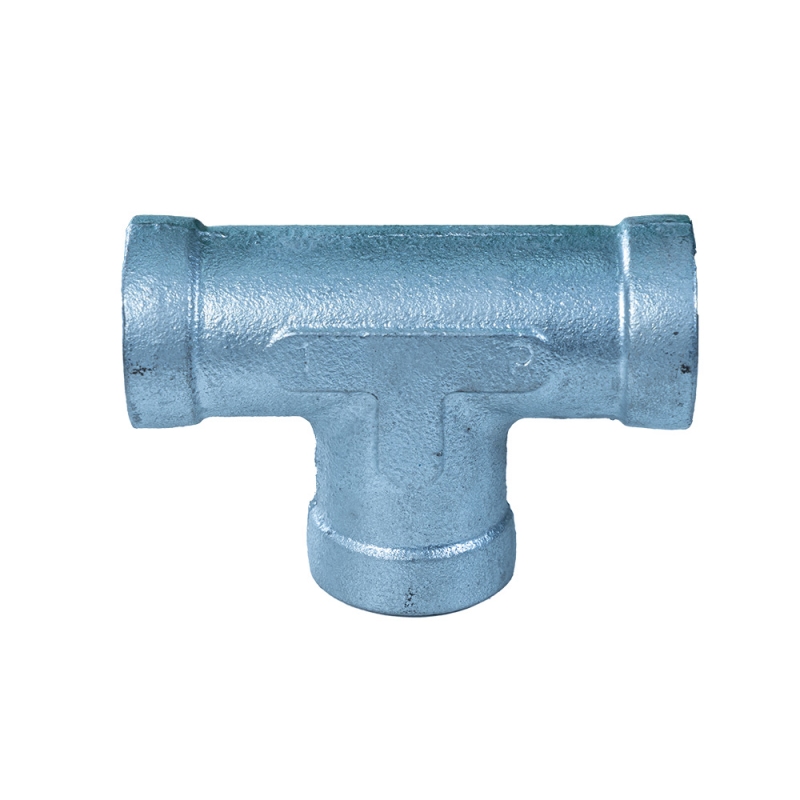
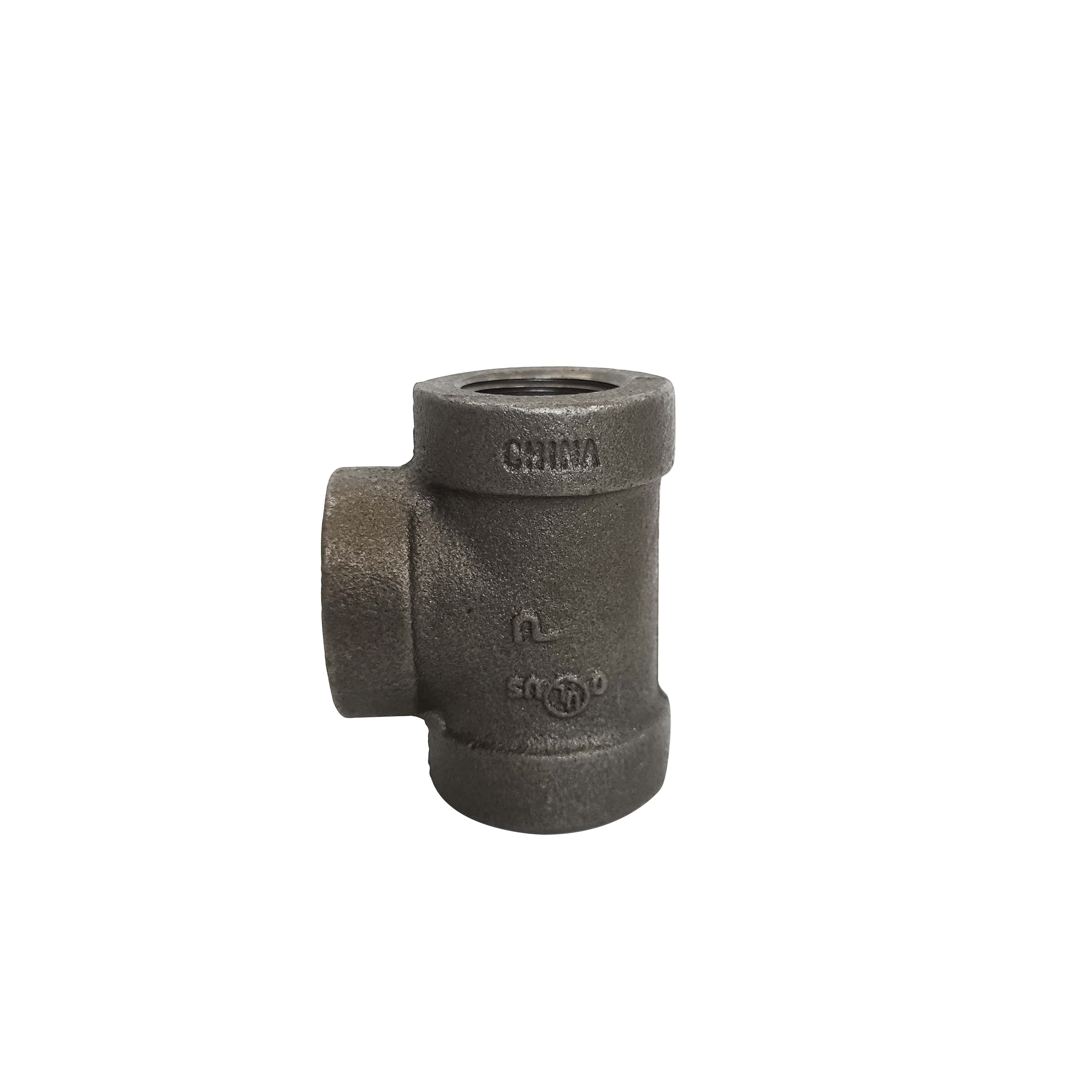
Simply put, a 4 way pipe fitting is a type of connector designed to join four pipes in a cross or “+” shape. This allows fluids or gases to travel in multiple directions from a central junction point without complex cuts or add-ons. These fittings are usually constructed from metals like stainless steel, brass, or cast iron, and also sometimes high-grade plastics depending on the application. The design ensures tight seals using threaded connections, welds, or compression fittings. At an industrial level, they directly support processes that require fluid distribution across multiple branches, such as chemical plants, HVAC systems, irrigation projects, and even humanitarian water supply lines. Side note: If you’ve ever wondered how large buildings distribute hot water or chill air evenly, the humble 4 way pipe fitting is often the unsung hero behind the scenes. Summary: They’re standardized connectors that create cross-junctions in pipe networks—making complex fluid flow manageable and reliable.Core Components and Key Factors Behind 4 Way Pipe Fittings
Durability and Material Selection
Choosing the right material is crucial. Stainless steel offers excellent corrosion resistance for harsh chemical or marine environments, while brass provides good machinability and conductivity. Plastic options like PVC reduce weight and cost but have temperature and pressure limits. Many engineers say that material choice often dictates lifespan and maintenance cycles.Scalability in Network Design
These fittings make it easy to branch systems in various directions, facilitating system growth or reconfiguration without major overhauls. Imagine adding a new wing to a building or expanding irrigation lines — 4 way pipe fittings offer that modular flexibility.Cost Efficiency
Although some specialized fittings come at a price premium, they save money in the long run by minimizing leak risks and simplifying installation. Also, avoiding cutting and welding multiple pipes reduces labor hours.Leak Resistance and Safety
Given that piping sometimes carries hazardous fluids or gases, tight, durable seals are non-negotiable. Quality fittings reduce environmental impact and protect workers — two critical concerns in compliance and sustainability.Standardization & Compatibility
Globally standardized dimensions (see ISO 49 or ASTM standards) ensure fittings from different vendors fit seamlessly, preventing delays caused by mismatching parts. Mini takeaway: The reason 4 way pipe fittings are trusted in critical infrastructure boils down to durable materials, safety, cost savings, and modular design.Global Use Cases: Real-World Applications of 4 Way Pipe Fittings
- Disaster Relief & Humanitarian Projects: In temporary water supply installations after floods or earthquakes, NGOs use modular pipe systems with 4 way fittings to create rapid, fail-safe distribution networks. - Oil & Gas Industries: Offshore rigs and refineries depend heavily on cross joints that let engineers route fluids precisely—even in harsh offshore conditions. - Municipal Water and Sewage: Cities expanding their networks favor these fittings for easy layout modifications, minimizing service interruptions. - Agricultural Irrigation: Large farms use 4 way pipe fittings to pivot water sources into multiple irrigation branches efficiently, saving both time and energy. - HVAC Systems: Commercial buildings rely on these connectors to distribute cooling or heating fluids cleanly throughout complex ductwork. Interestingly, many remote industrial installations also prefer pre-fabricated modular pipe systems that use these fittings extensively, because they reduce labor needs in tricky environments. Mini takeaway: Across sectors from humanitarian relief to industrial processing, these fittings help build dependable pipelines that save time and lives.Advantages & The Long-Term Value of 4 Way Pipe Fittings
- Cost Savings: By reducing labor intensity and minimizing system downtime, these fittings help companies save thousands over a project lifecycle. - Sustainability: Long-lasting fittings reduce the need for frequent replacements, cutting down waste and raw material consumption. - Reliability and Safety: Providing tight joints conserves resources and protects against dangerous leaks that threaten communities and employees. - Innovation & Trust: Industry-leading manufacturers continually improve designs for easier installation and stronger sealing, building trust with engineers worldwide. - User Confidence: Engineers and operators appreciate how these fittings simplify system maintenance and upgrades, cutting the dreaded “surprise” work. From a social perspective, ensuring infrastructure runs smoothly feels like a blend of practical engineering and community service — providing dignity and safety at scale.Specification Table: A Typical 4 Way Pipe Fitting (Cross Joint)
| Parameter | Typical Value | Notes |
|---|---|---|
| Material | Stainless Steel 316 / Brass / PVC | Varies by application environment |
| Connection Type | Threaded / Welded / Compression | Depends on system design and pressure |
| Pressure Rating | Up to 3000 psi (varies) | Critical for industrial use |
| Temperature Range | -20°C to 350°C | Depends on material choice |
| Size Range | 1/2” to 12” diameter | Accommodates a wide spectrum of pipe sizes |
Top Vendors Compared: Picking the Right 4 Way Pipe Fitting Supplier
| Supplier | Material Options | Price Range | Lead Time | Customization |
|---|---|---|---|---|
| PanNext Fittings | SS, Brass, PVC | Mid-range | 2-4 weeks | High (custom sizes, threads) |
| Global Pipe Solutions | SS, Carbon Steel | Premium | 4-6 weeks | Moderate |
| EcoFit Components | PVC, HDPE | Budget | 1-3 weeks | Low |
Future Trends: Innovations Shaping 4 Way Pipe Fittings
The world isn’t standing still, and neither is piping tech. One exciting leap is the development of composite materials that blend lightweight plastics with reinforcing fibres for greater strength without the weight penalty. These are appealing in renewables like solar thermal plants. Digitization is another frontier. Smart sensors embedded in fittings to monitor pressure and detect leaks in real-time promise to revolutionize maintenance protocols. Imagine your pipes sending alerts before an issue becomes a costly emergency. Then there's sustainability: more manufacturers are focusing on recyclable, bio-based materials, aligned with global ISO sustainability targets. Plus, 3D printing pipe fittings custom-tailored on site might soon become standard practice in remote operations. Mini takeaway: From smart technology to greener materials, the future of 4 way pipe fittings looks both innovative and eco-conscious.Common Challenges and Practical Solutions
Despite advances, challenges remain: - Installation Complexity: Sometimes fitting four pipes in tight spaces is tricky. Here, modular pre-assembled units and better training help. - Material Mismatch: Using incompatible metals can cause corrosion. Expert project planning and specifying correct materials prevent this. - Leak Risks Over Time: Regular inspection and use of advanced sealants extend fitment longevity. In brief, proactive design, quality components, and skilled installation are your best solutions.FAQ: Your Questions About 4 Way Pipe Fittings Answered
Q1: Are 4 way pipe fittings suitable for high-pressure industrial systems? A1: Absolutely. High-quality stainless steel or carbon steel fittings with proper sealing techniques can handle pressures up to 3000 psi or more, commonly used in oil and gas sectors. Q2: Can 4 way pipe fittings be customized for unusual pipe sizes? A2: Yes, many manufacturers, including PanNext Fittings, offer custom sizing and threading options to fit specific project requirements. Q3: How do 4 way pipe fittings contribute to leak prevention? A3: By providing a tight, standardized connection point and allowing proper sealing methods, these fittings minimize potential leak points compared to makeshift joints. Q4: Are plastic 4 way fittings reliable for outdoor or industrial use? A4: While plastics like PVC or HDPE are cost-effective and corrosion-resistant, they are best suited for lower-pressure, less harsh environments due to temperature and chemical exposure limits. Q5: What’s the typical lifespan of a 4 way pipe fitting in municipal water systems? A5: With proper material choice, installation, and maintenance, fittings can last 20-50 years; stainless steel and brass generally outperform plastics in longevity.Conclusion: Why 4 Way Pipe Fittings Deserve a Closer Look
Ultimately, 4 way pipe fittings might not get the spotlight, but they’re the silent enablers of complex, reliable pipework everywhere. Their ability to simplify installation, support growth, and enhance system safety is invaluable — especially in critical infrastructure and challenging environments. So, next time you walk past a waterworks plant or marvel at a soaring skyscraper, remember the fitting that literally makes it all flow: the 4 way pipe fitting. For anyone involved in designing or maintaining piping systems, it’s worth keeping these connectors top of mind. Want to explore a trusted source for premium 4 way pipe fittings? Check out PanNext Fittings — where quality meets customization. ---References
Post time: Nov-25-2025
Related PRODUCTS