
The 4 Way Connector: Why It’s More Important Than You Think
So, what exactly is a 4 way connector, and why does it deserve more attention on the global stage? At first glance, it might sound like just another hardware component — a simple piece that links four parts together. But in reality, it’s a quiet workhorse in industries ranging from construction to humanitarian aid. Understanding its role offers tangible benefits, not just for engineers or supply chain managers, but for anyone interested in sustainable development and efficient design worldwide.
Why does it matter globally? Well, in today’s interconnected world, solutions that facilitate fast assembly, modular flexibility, and durability can address challenges like off-grid construction, disaster relief, and even clean energy projects. Grasping the ins and outs of the 4 way connector lays the groundwork to build smarter, greener, and more adaptable infrastructure — no small feat in a rapidly changing world.
Global Context: The Unsung Hero in Modular Design and Connectivity
The world is shifting. According to the International Organization for Standardization (ISO), modular and prefabricated building methods are growing at a rate north of 15% annually, driven by urbanization and the demand for faster, affordable construction. At the core of this movement? Connectors that allow sections to quickly join — or be taken apart — without fuss. A 4 way connector exemplifies this principle: It’s the lynchpin for modular frames, pipes, and conduit systems that need strength and flexibility simultaneously.
In post-disaster environments, the United Nations Office for Coordination of Humanitarian Affairs (OCHA) reports that rapid shelter assembly can save hundreds of lives. Here, reliable connectors help NGOs speed up deployment. But the challenge remains: Many existing connectors can’t meet durability, ease-of-use, and standardization requirements all at once. Enter the 4 way connector, a simple yet powerful answer to these industrial headaches.
What Exactly Is a 4 Way Connector?
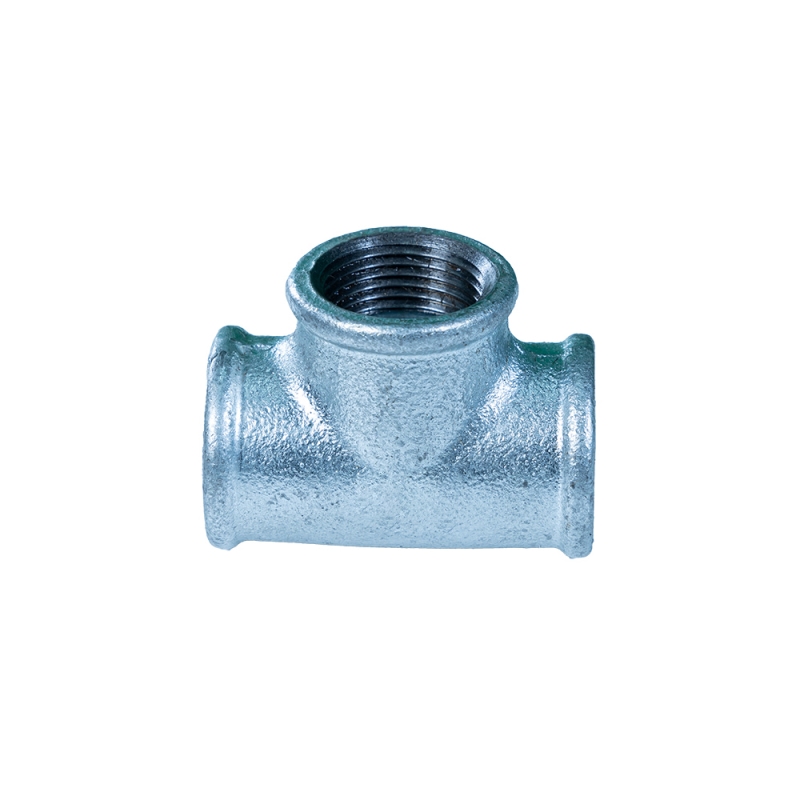
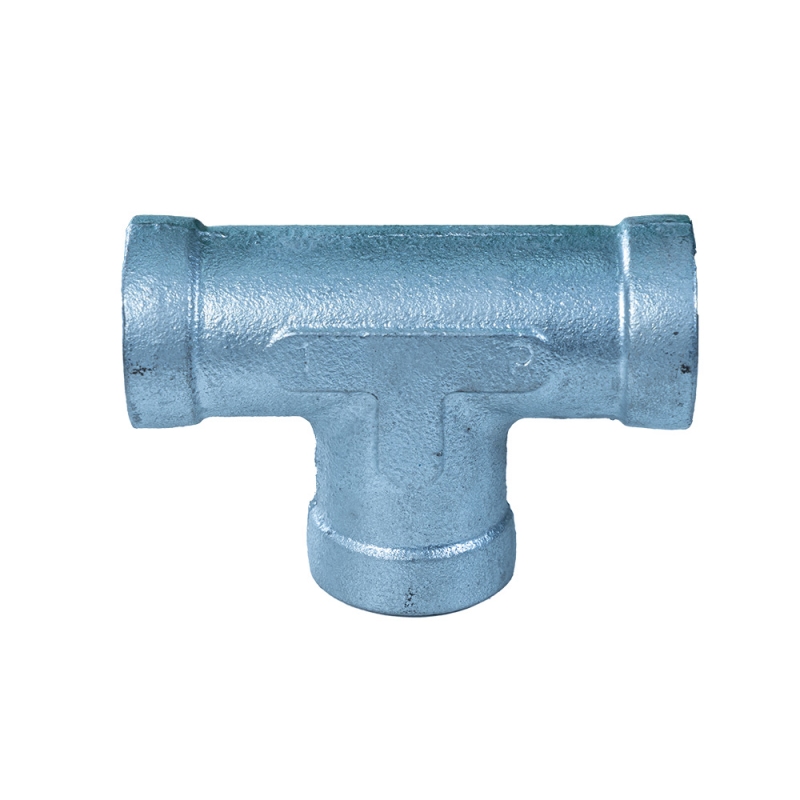
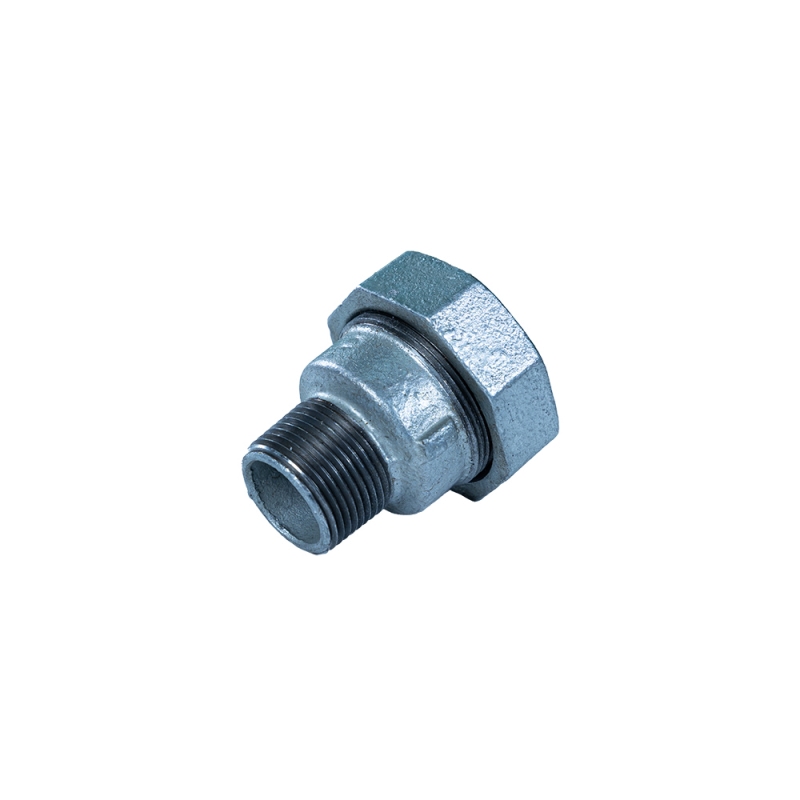
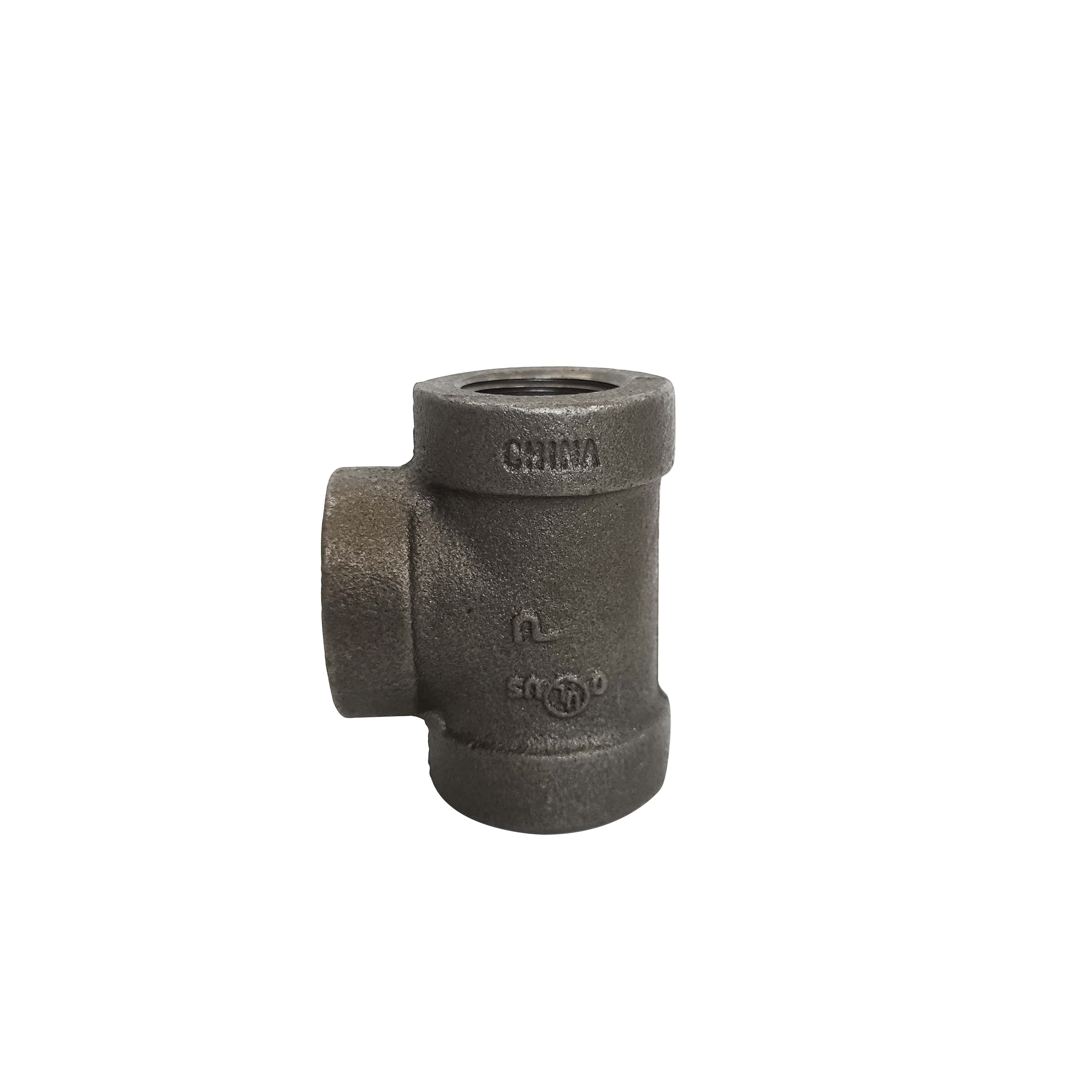
Put simply: a 4 way connector is a fitting that links four tubes, pipes, or structural elements at designated angles — usually at right angles — forming stable junction points. Imagine the corners of a cube or the crosses you’d see forming a frame. In manufacturing, the 4 way connector is used in everything from scaffolding to greenhouses, modular furniture, and even some types of cabinetry.
These connectors cater to the modern need for modularity — systems built with components that snap or bolt together quickly, are adaptable, and reusable. This flexibility answers humanitarian demands as well: shelter that can be assembled on-site without expert tools; repairable connections that extend lifespan; and systems that don’t sacrifice safety.
Key Factors Behind the 4 Way Connector’s Success
Durability That Withstands Environmental Stress
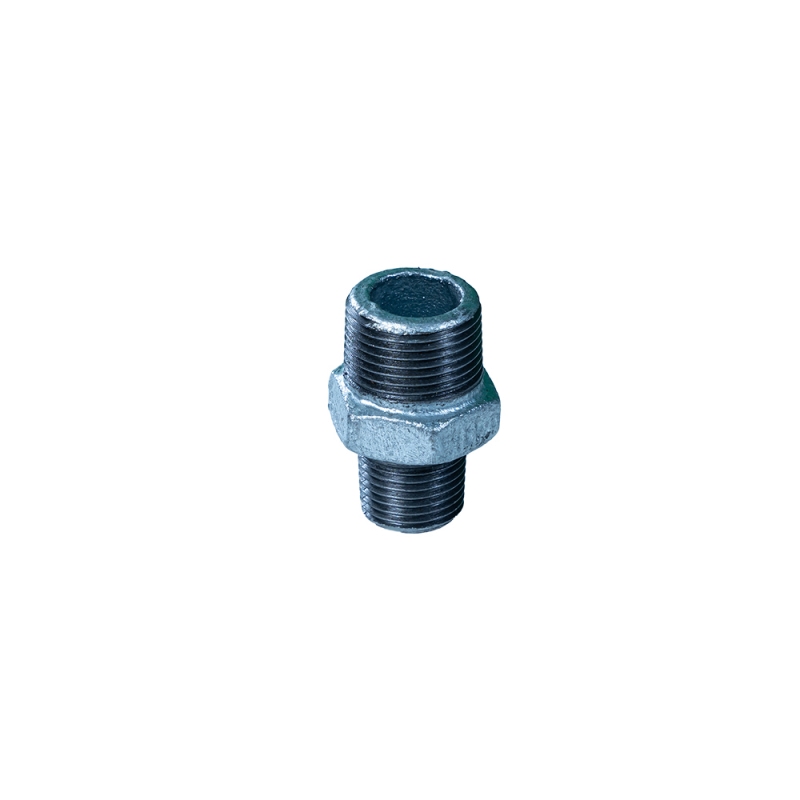
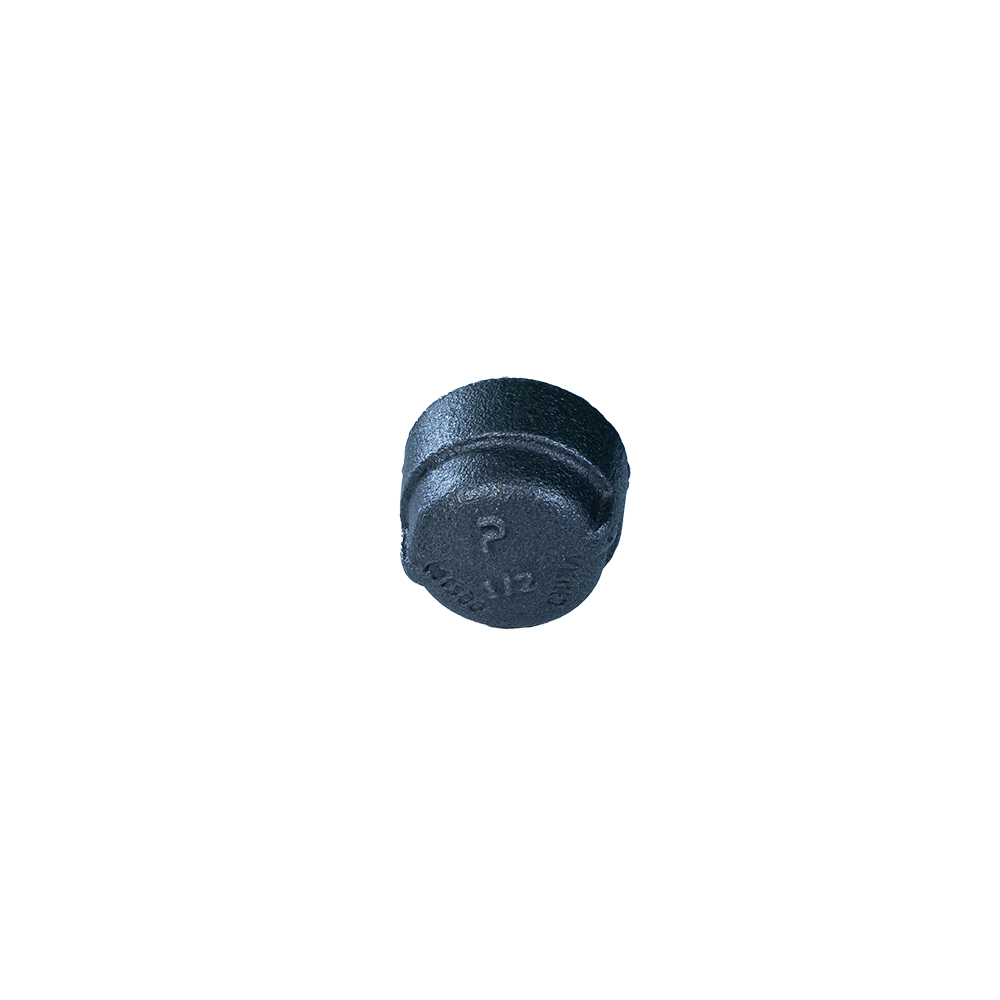
Many engineers swear by connectors made from galvanized steel or reinforced polymers. These materials resist corrosion, UV degradation, and even chemical exposure — essential when connectors are outdoors or in harsh industrial environments.
Ease of Assembly and Disassembly
A connector that’s fiddly or requires specialized tools defeats the purpose of rapid construction. The best 4 way connectors snap or lock with minimal effort yet hold tightly under load. This speed is critical in scenarios like emergency housing or temporary industrial installations.
Standardization and Compatibility
To really thrive, a connector can’t be proprietary or limited to one brand’s pipes. Universal sizing and threading allow mix-and-match opportunities, giving users freedom and lowering costs.
Cost Efficiency Without Sacrificing Quality
Bottom line: it needs to be affordable enough for mass use, especially in developing regions or NGOs, but not so cheap that it fails early. Many manufacturers balance this tightrope with clever material blends or manufacturing processes.
Lightweight Yet Strong
Portability matters. Lightweight connectors ease transport and manual handling, especially in difficult-to-access places, but these connectors still must support structural loads safely.
Sustainability and Reusability
Modular systems that can be reused mean less waste and lower total cost of ownership — a growing priority in all sectors, from construction to clean energy projects.
Global Applications: Where Does the 4 Way Connector Really Shine?
- Disaster Relief and Shelter: In the aftermath of earthquakes or floods, rapid assembly of temporary housing is critical. 4 way connectors help NGOs set up rigid yet adaptable frameworks faster, as highlighted in multiple UN relief case studies.
- Industrial Installations: Manufacturing plants and oil rigs often require modular piping or scaffolding that can be reconfigured quickly in remote zones.
- Renewable Energy Projects: Solar panel mounts and wind turbine supports increasingly use modular designs that need reliable connectors able to survive harsh weather.
- Agriculture and Greenhouses: Modular frames built with 4 way connectors allow quick expansion or seasonal breakdown.
- Consumer Products: Furniture systems, playground equipment, and display stands benefit from standardized 4 way connectors for ease of customization.
Regions like Southeast Asia, Sub-Saharan Africa, and parts of Latin America particularly value these connectors for low-cost, scalable solutions — addressing housing backlogs and infrastructure challenges with ingenuity.
Advantages and Long-Term Value of 4 Way Connectors
Here’s where it gets interesting. Beyond just holding pipes together, 4 way connectors create a foundation for long-term sustainability and social impact.
- Cost Savings: Quicker assembly means lower labor costs, less downtime, and faster project completion.
- Safety: Reliable joints reduce collapse risk, protecting lives and assets.
- Environmental Benefits: Modular and reusable parts cut down waste and resource consumption.
- Empowerment: Easy-to-use connectors allow local communities to participate directly in infrastructure projects, fostering dignity and self-reliance.
- Trust and Innovation: Engineers and project managers prize these connectors for consistency and adaptability — a rare combination.
So yes, it’s not just practical, it’s humane and forward-thinking.
Product Specifications: A Typical 4 Way Connector Model
| Feature | Specification |
|---|---|
| Material | Galvanized Steel / UV-Resistant Polymer |
| Dimension (Socket Diameter) | 25mm / 1 inch (standard), customizable |
| Weight | Approx. 200g |
| Load Capacity | Up to 150kg / joint |
| Finishing | Electroplated / Powder Coated |
| Assembly Method | Snap-fit or Bolt Fixing |
Comparing Leading 4 Way Connector Vendors
| Vendor | Material Options | Price Range (USD) | Customization | Global Availability |
|---|---|---|---|---|
| PanNext Fittings | Steel, Polymer | $2 - $5 per unit | Yes | Worldwide |
| ModuLink Corp. | Aluminum Alloy | $3 - $6 per unit | Limited | North America, Europe |
| EcoFrame Solutions | Recycled Polymers | $1.50 - $4 per unit | Yes | Asia Pacific |
Looking Ahead: Future Trends for the 4 Way Connector
Something I keep noticing is how green technologies and automation touch even the humblest components these days. The 4 way connector, for instance, is seeing developments toward smart connectors embedded with sensors that can monitor loads and wear in real time — a boon for maintenance teams far from urban centers.
Materials are also evolving: bio-based plastics and recycled metal alloys are becoming more common, reducing environmental footprints. Additionally, with the digital transformation pushing Industry 4.0, connectors that are readily integrated into modular robotics or prefabrication lines will be in high demand.
Challenges and How We’re Tackling Them
Of course, like all technologies, 4 way connectors face hurdles. Sizing inconsistencies between manufacturers sometimes cause compatibility issues, frustrating site teams. Also, balancing cost with durability remains tricky — especially when clients want premium quality but have tight budgets.
Innovative approaches include adopting international standards more rigorously and offering mixed-material connectors optimized for strength and weight. User education also plays a big role — training workers on installation best practices can reduce installation errors that cause premature failures.
FAQ: Common Questions About 4 Way Connectors
- Q: How do I know which 4 way connector material is best for outdoor use?
- A: For outdoor applications, galvanized steel or UV-resistant polymers are preferred due to their corrosion and weather resistance. Consider the environment’s specific stresses—marine environments need marine-grade coatings, while high UV exposure requires polymer options designed for sunlight.
- Q: Can a 4 way connector be used for heavy structural loads?
- A: Yes, many steel-based 4 way connectors support substantial loads, sometimes over 150kg per joint. However, it’s essential to consult manufacturer specifications and potentially engineer custom supports if extreme loads are expected.
- Q: Are these connectors reusable for multiple projects?
- A: Absolutely. One of their key benefits is modularity and reusability, which reduces cost and environmental impact. Just ensure the connectors are inspected for wear or damage before reuse.
- Q: How quickly can I assemble a basic frame with 4 way connectors?
- A: With snap-fit or easily bolted connectors, simple modular frames can often be assembled in under an hour by a small team — much faster than traditional welding or complex joinery.
Wrapping Up: Why the 4 Way Connector Is More Than Just Hardware
In an era when adaptability, speed, and sustainability are key, the humble 4 way connector quietly turns these ambitions into realities. It’s a connector in the truest sense — linking pieces, people, and even ideas to build better futures.
Curious to explore the options or need connectors tailored to your projects? Visit our partner’s website at PanNext Fittings for a great range of products and expert guidance.
1. International Organization for Standardization, Modular Construction Standards, https://www.iso.org/standard/70947.html
2. United Nations Office for Coordination of Humanitarian Affairs, Shelter Coordination, https://www.unocha.org
3. World Bank, Urban Development Report, https://www.worldbank.org/en/topic/urbandevelopment
Post time: Nov-25-2025