
4 Fittings: The Unsung Heroes of Modern Infrastructure
When you glance at any industrial pipeline or piping system, seldom do you notice the humble 4 fittings that keep everything connected and flowing smoothly. Yet, understanding these components isn’t just about nuts and bolts — it’s about infrastructure reliability, safety, and scalability worldwide. In fact, these fittings, often overlooked, have become global linchpins in water supply, oil and gas, chemical processing, and humanitarian aid setups.
Why does it matter? On a global scale, over 70% of industrial pipelines use some variant of these 4-point fittings (International Standards Organization, ISO 8434). The right fittings mean less downtime, reduced leakage risks, and easier maintenance — which directly impacts everything from energy costs to clean water availability in vulnerable regions. Simply put, mastering the use of 4 fittings is crucial for engineers, project managers, and NGOs alike.
Brief takeaway:
- 4 fittings are vital connectors in complex piping systems worldwide.
- They enhance reliability and safety in critical infrastructure.
- Knowing their role unlocks operational efficiency and cost savings.
The Global Context: Why 4 Fittings Are More Relevant Than Ever
Around the world, infrastructure development accelerates at a breathtaking pace. According to the World Bank, global spending on infrastructure is projected to reach over $4 trillion annually by 2025. Within that, piping systems form the backbone of various industries — oil, gas, water treatment, chemical plants, and even humanitarian relief projects.
One major challenge is ensuring these systems remain leak-proof and flexible in the face of climate variability, aging infrastructure, and rapid urban expansion. That’s where 4 fittings step in, providing standardized, modular solutions that simplify assembly and maintenance. For example, UNICEF’s recent water sanitation projects in Southeast Asia rely heavily on durable 4 fittings for fast assembly and long-term reliability.
Quick recap:
- Infrastructure expansion demands reliable pipe connections.
- 4 fittings solve problems of leakages and system scalability.
- Used globally in development and emergency relief efforts.
What Exactly Are 4 Fittings?
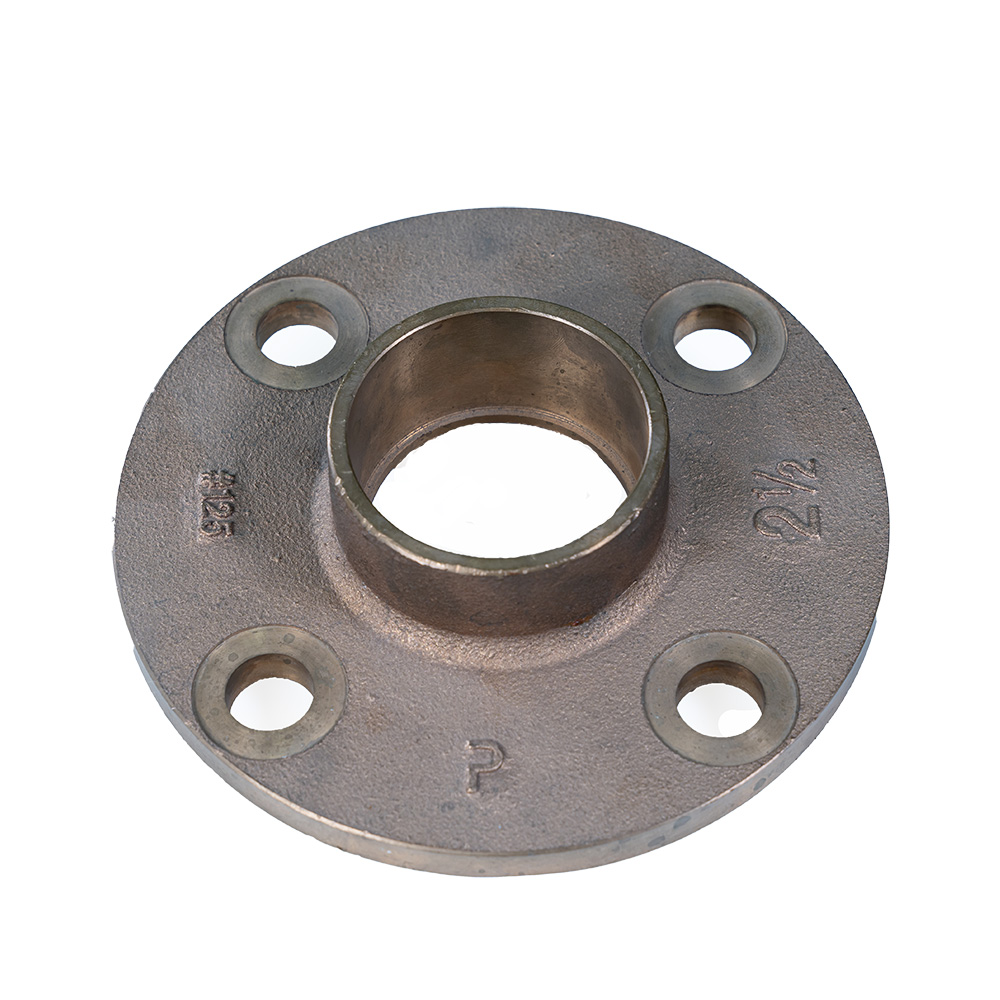
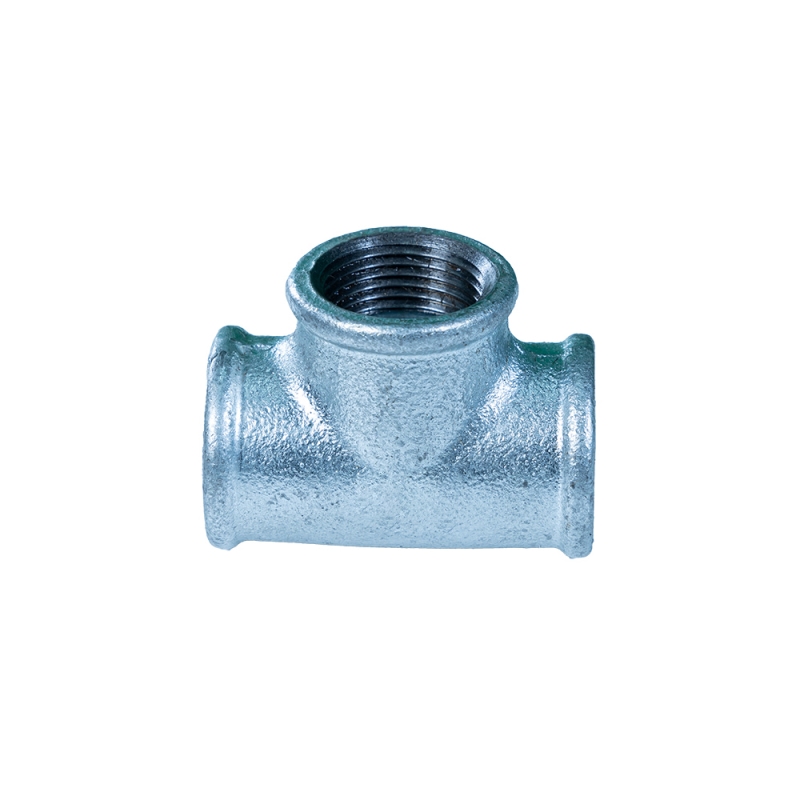
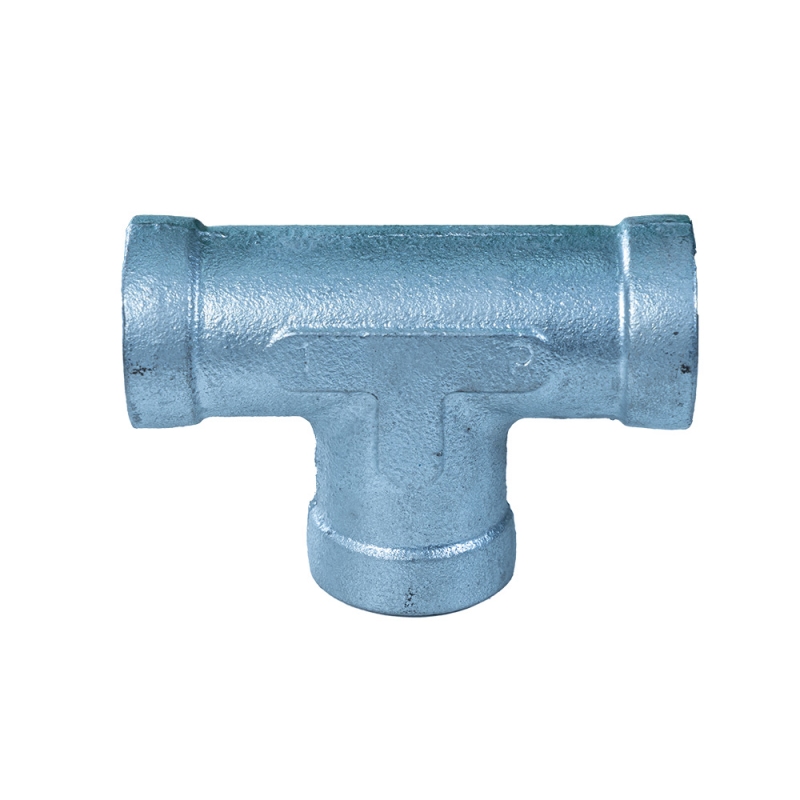
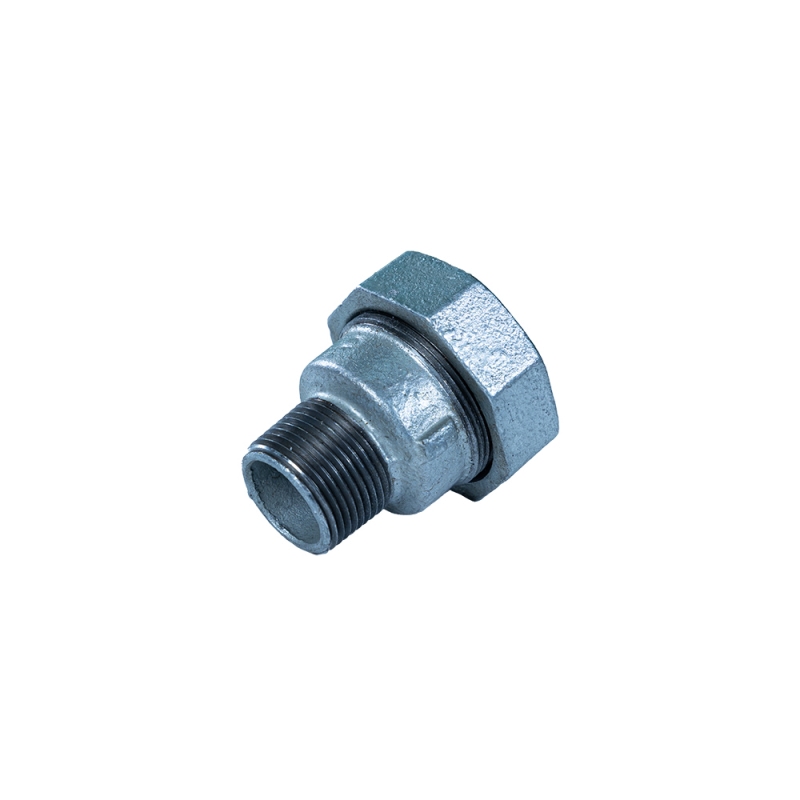
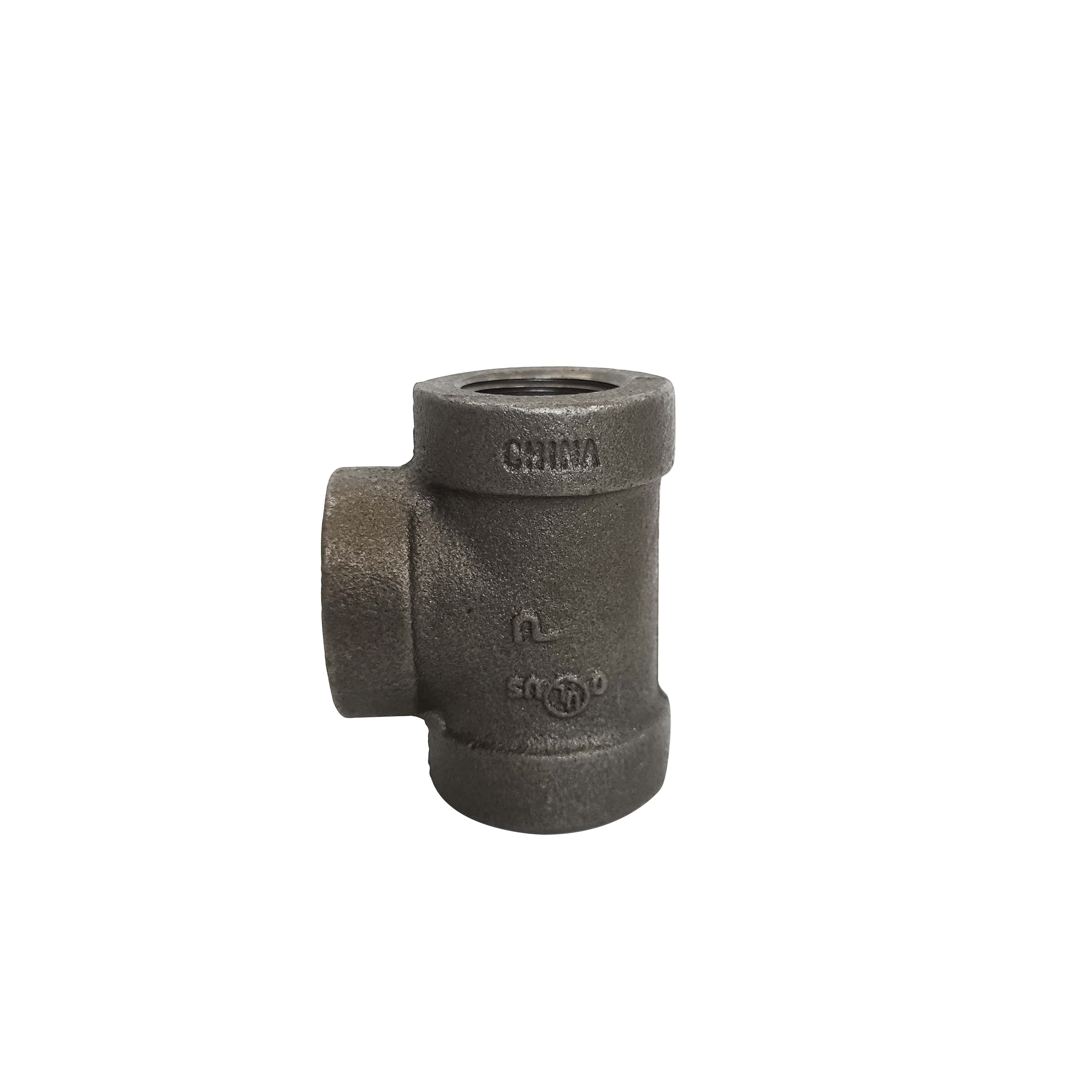
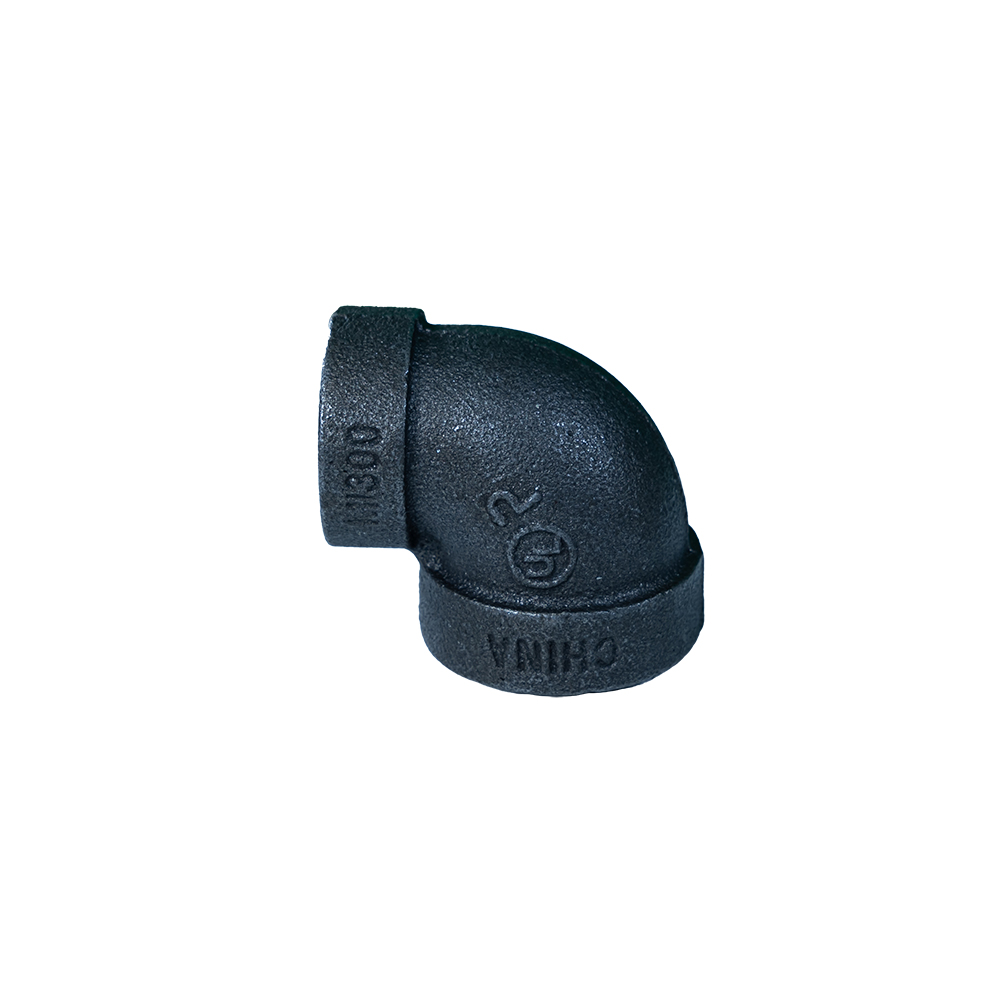
Simply put, 4 fittings are mechanical components designed to join, adapt, or redirect fluid flow within piping systems. They usually consist of four connection points — hence the name — and come in various shapes such as tees, crosses, elbows, and reducers.
Think of them as the traffic controllers of liquid or gas highways, managing flow direction and volume in a safe, controlled manner. These fittings are essential not only in industrial sectors but also in humanitarian logistics, where rapid deployment of water or fuel lines is critical.
They’re manufactured from materials ranging from stainless steel and brass to advanced polymers, tailored to fit pressure ranges, temperatures, or chemical exposures. In short, 4 fittings adapt to both harsh industrial environments and sensitive humanitarian settings.
Mini summary:
- 4 fittings join or redirect flows with four points of connection.
- Available in multiple designs suited for diverse industries.
- Material choices affect durability and compatibility.
Core Components & Key Aspects of 4 Fittings
Durability
Longevity is non-negotiable for fittings in pipelines that constantly endure pressure, temperature fluctuation, and sometimes corrosive chemicals. Grades of stainless steel or brass used in quality 4 fittings often withstand decades in service without weakening — which is a big deal for industries where failures can cause catastrophic losses.
Compatibility
One size rarely fits all. The importance of matching thread standards, sizes, and pressure ratings cannot be understated. ISO standards like 8434 provide a framework to ensure fittings from different manufacturers can coexist, easing procurement and replacement hassles worldwide.
Cost Efficiency
High-quality fittings might have a premium tag, but the long-term savings on maintenance, leak prevention, and downtime easily offset initial investments. It’s a classic case where spending well upfront means fewer headaches later.
Ease of Assembly & Maintenance
In fast-paced industrial environments or emergency setups, fittings that enable quick, secure connections without specialized tools save valuable time and reduce errors. Modular systems with 4 fittings are increasingly popular for this reason.
Seal Integrity
A fitting is only as good as its ability to prevent leaks. Advances in sealing technologies like integrated O-rings and precision-machined threads contribute to reliable joins that keep everything “watertight” (sometimes literally).
Summary insight:
- Materials and standards ensure durability and system compatibility.
- Investment in quality pays off in efficiency and safety.
- Ease of use matters, especially for rapid deployment contexts.
How 4 Fittings Impact the World: Applications & Use Cases
Globally, applications of 4 fittings span across sectors and continents. Here are a few illustrative examples:
- Post-Disaster Relief Campaigns: Following earthquakes or floods, NGOs deploy temporary water and fuel lines fast. 4 fittings enable quick set-up and modular scaling depending on needs.
- Oil & Gas Industry: High-pressure pipelines crisscross continents, and each node—often a 4 fitting—ensures safe directional changes of noisy fluids miles underground.
- Urban Water Supply Networks: Cities expanding infrastructure connect vast water piping grids using 4 fittings to maintain steady flow.
- Remote Industrial Facilities: Mining or manufacturing plants in harsh environments rely on corrosion-resistant 4 fittings to minimize maintenance visits.
| Specification | Model A | Model B | Model C |
|---|---|---|---|
| Material | Stainless Steel 316 | Brass | Nylon Reinforced |
| Max Pressure | 2500 PSI | 1500 PSI | 500 PSI |
| Operating Temp | -50°C to 200°C | -20°C to 120°C | 0°C to 75°C |
| Thread Type | NPT | BSP | Push-to-Connect |
| Weight (per piece) | 0.5 kg | 0.7 kg | 0.3 kg |
Advantages & The Long Game of 4 Fittings
Tangible benefits of 4 fittings stretch beyond mere connections. With them, companies, governments, and humanitarian organizations achieve:
- Cost savings: Lower maintenance frequency and reduced downtime.
- Sustainability: Material durability means fewer replacements and waste.
- Social impact: Reliable water and energy supply translates to improved lives in vulnerable communities.
- Safety: Leak-proof designs reduce environmental and operational hazards.
It’s also fascinating how these fittings symbolize trust — when you see a line of connected pipes in a disaster zone, that seamless chain of fittings represents hope for restored normalcy. True innovation often boils down to such “small” components that quietly keep the gears turning.
Key takeaway:
- 4 fittings enhance safety, efficiency, and sustainability.
- Their reliable performance builds trust in critical infrastructure.
Innovations & The Road Ahead for 4 Fittings
Looking forward, several trends are shaping the future of 4 fittings. Smart sensor integration is emerging, where fittings can monitor pressure, temperature, or detect leaks in real-time, aligning with Industry 4.0 concepts. Advanced materials like composites or eco-friendly alloys promise lighter, more durable components.
Meanwhile, environmental standards push manufacturers to supply fittings that support green energy pipelines (like hydrogen transport). Digital platforms simplifying ordering, customization, and tracking also make supply chains leaner.
Short summary:
- Smart, sensor-embedded fittings on the horizon.
- New materials improve durability and sustainability.
- Supply chain digitization speeds up deployment.
Common Challenges & How Industry Tackles Them
In practice, users and installers often wrestle with:
- Compatibility issues: Mismatched threads or pressure ratings still cause delays.
- Corrosion: Particularly in marine or chemical environments.
- Supply chain hiccups: Sourcing specialty fittings quickly can be tricky.
Experts emphasize thorough planning with detailed specs, sourcing from trusted vendors, and embracing modular designs for easier swapping. 4 fittings companies are increasingly offering customization and rapid prototyping to meet unique needs.
Vendor Comparison: Which 4 Fittings Provider Suits Your Project?
| Vendor | Product Range | Customization Options | Lead Time | Pricing |
|---|---|---|---|---|
| PanNext Fittings | Extensive (steel, brass, polymer) | High - tailored solutions | 2-3 weeks | Mid-range, volume discounts |
| GlobalPipe Supplies | Moderate (focus on steel) | Limited | 4-6 weeks | Budget-friendly |
| EcoConnect Fittings | Specialized eco-friendly materials | Medium | 3-4 weeks | Premium pricing |
Frequently Asked Questions About 4 Fittings
Q1: What are the advantages of using 4 fittings over traditional connectors?
4 fittings frequently offer enhanced modularity, standardized connections, and easier assembly without sacrificing durability. This reduces installation times and maintenance costs compared to some older or custom connectors.
Q2: How do I ensure compatibility when selecting 4 fittings for existing pipelines?
Check thread standards (e.g., NPT vs BSP), pressure ratings, and material compatibility. Many vendors provide detailed specs or can assist in selecting fittings that integrate well into your system.
Q3: Are 4 fittings suitable for high-pressure applications?
Yes. Many 4 fittings, especially those made from stainless steel, are rated for pressures well above 2000 PSI. Always verify manufacturer datasheets for your specific operational requirements.
Q4: Can 4 fittings be used in cold or hot environments?
Depending on the material, 4 fittings can withstand a wide operating temperature range. For extreme temperatures, stainless steel or specialized alloys are usually recommended.
Q5: How can organizations abroad import quality 4 fittings efficiently?
Partnering with reputable international suppliers like PanNext Fittings helps simplify logistics with streamlined ordering, volume discounts, and reliable shipping options close to your operational zones.
Wrapping Up: Why 4 Fittings Deserve Your Attention
When it comes to building or maintaining fluid transport systems, 4 fittings are quietly powerful enablers of resilience and efficiency. They reduce downtime, protect investments, and ensure safety across industrial and humanitarian projects alike — often in some of the toughest environments on earth.
If you’re involved in pipeline projects, I’d say a deep dive into 4 fittings and their specs can save countless headaches down the line. To explore quality options, customization, and expert advice, visit our trusted fittings website. You’ll find a blend of durability, smart design, and service that’s hard to beat.
Takeaway? Sometimes, the smallest links in a system carry the heaviest burden — and understanding those 4 fittings is one way to hold everything together better.
References
Post time: Dec-01-2025