
Understanding the 90 Degree Elbow Fitting: More Than Just a Pipe Connector
If you’ve ever peered into plumbing setups or industrial piping systems, the humble 90 degree elbow fitting likely caught your eye. Though small, this fitting plays a colossal role in directing fluid, gas, or other media flow within countless systems worldwide. Its significance stretches far beyond simple bends; it’s an unsung hero ensuring efficiency, safety, and sustainability in water supply, oil and gas pipelines, and even humanitarian relief projects.
Globally, as infrastructure needs swell alongside urbanization and climate pressures, understanding the core advantages of such components becomes vital. Not only do they save space and reduce pressure losses, but they also contribute to effective system management, lowering costs and environmental impacts over time.
The Big Picture: Why 90 Degree Elbow Fittings Matter Globally
The World Bank reports that over 4 billion people lack safely managed sanitation, and pipelines equipped with reliable fittings like the 90 degree elbow fitting are part of the solution. From mega cities in Asia to rural water schemes in Africa, these fittings facilitate critical infrastructure development.
Oddly enough, the global piping and fittings market is expected to reach over $100 billion by 2027, driven largely by water, oil, and gas industries adapting to stricter regulations (source: ISO standards on flow dynamics). But a notable challenge remains: how do you maintain smooth flow, prevent leaks, and extend service life, especially in rough environments? This is precisely where a well-designed 90 degree elbow truly shines.
Mini takeaway:
A 90 degree elbow fitting isn’t just a bend — it’s a strategic piece of infrastructure that underpins global water and energy delivery systems.
What Exactly Is a 90 Degree Elbow Fitting?
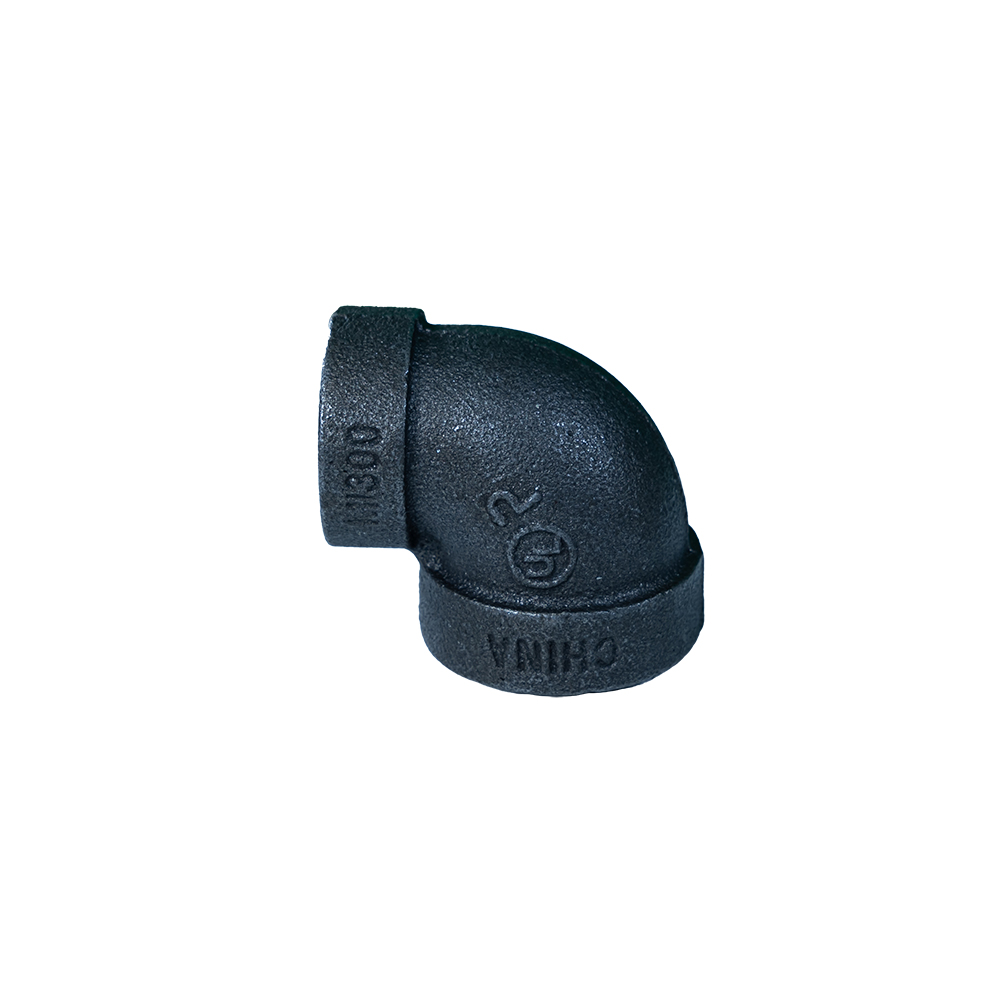
In simple terms, it’s a pipe fitting used to change the direction of flow by 90 degrees. Think of it like a bend in a river, but engineered. These fittings connect two pipes perpendicularly, enabling pipelines to curve around corners without compromising flow efficiency or safety.
Modern versions come in materials like stainless steel, PVC, copper, or carbon steel depending on the application’s demands — whether that’s high pressure, corrosive chemical transport, or potable water systems.
In humanitarian terms, quick-install 90 degree elbows help build modular water delivery setups for disaster-stricken zones, allowing teams to reroute and restore water access faster than ever (see UN water project case studies).
Key Aspects Defining a 90 Degree Elbow Fitting
Durability
These fittings must endure harsh conditions — from underground corrosion to high thermal stress in industrial plants. For instance, stainless steel elbows dominate chemical pipelines where longevity against reactive substances is key.
Flow Efficiency
A poorly designed elbow creates turbulence and pressure drops, leading to energy waste. Modern designs optimize internal radius and surface finish to maintain steady flow, especially important in high-volume systems.
Cost Efficiency
While materials and manufacturing quality vary, choosing the right elbow fitting upfront reduces maintenance costs and downtime. It’s far cheaper to invest a little more initially than to wrestle with leaks or replacements later.
Ease of Installation
Modular industries prize fittings that enable rapid assembly and disassembly. Some 90 degree elbows include welded, threaded, or push-fit options to tackle different installation challenges.
Compatibility & Scalability
Today’s systems require elbows fitting a broad range of pipe diameters and connection types. This adaptability empowers engineers to build systems that scale or integrate upgrades more smoothly.
Environmental Resistance
Materials must resist not just pressure but environmental factors like UV exposure, saltwater corrosion, or freezing temperatures — especially in coastal or arctic infrastructure.
Mini takeaway:
Durability, flow, cost, and adaptability — these are the pillars of an effective 90 degree elbow fitting.
Global Applications & Real-World Use Cases
In Southeast Asia, aging urban pipelines undergo upgrades, with 90 degree elbow fittings replacing worn sections to minimize leakage and optimize water flow. Meanwhile, in sub-Saharan Africa, NGOs employ modular piping with push-fit elbows to swiftly set up clean water networks after floods.
The oil and gas sector in the Middle East heavily relies on custom stainless steel elbows to handle extreme temperatures and pressures, contributing to secure, reliable petroleum transport. Even in cold Siberia, specialized elbows connect insulated pipelines, guarding against structural damage during freeze-thaw cycles.
One standout example: a remote mining operation in Chile retrofitted their ore slurry transport system with custom elbow fittings boasting enhanced corrosion resistance, improving uptime by over 15% compared to previous standard elbows.
Product Specifications at a Glance
| Specification | Typical Value / Options |
|---|---|
| Material | Stainless Steel (304, 316), PVC, Carbon Steel, Copper |
| Size Range | DN15 to DN600 (1/2" to 24" diameter) |
| Connection Types | Welded, Threaded, Push-Fit |
| Pressure Rating | Up to 2500 psi (varies by material) |
| Operating Temperature | -40°C to +400°C (depending on material) |
| Surface Finish | Smooth, Electropolished Options Available |
Comparing Top Vendors of 90 Degree Elbow Fittings
| Vendor | Material Variety | Price Range | Lead Time | Special Features |
|---|---|---|---|---|
| PNF Industries | Steel, PVC, Copper | $$ - Mid range | 2-3 weeks | Custom sizes, fast shipping |
| Global Pipe Solutions | Full stainless & carbon steel range | $$$ - Premium | 3-5 weeks | High-pressure certified, custom finishes |
| EcoFit Supplies | PVC, recycled polymers | $ - Budget friendly | 1-2 weeks | Sustainably sourced, light weight |
What Are the Advantages & Long-Term Value?
Choosing the right 90 degree elbow fitting yields savings on maintenance, reduces downtime, and contributes to sustainability goals. For example, smoother flow means less pump energy — a cost and emissions saver. Additionally, reliable fittings reduce leak risks that could harm the environment or jeopardize worker safety.
On an emotional level, engineers often cite the peace of mind knowing their system can handle unexpected pressures and last decades without major overhaul. It’s a quiet trust in the unseen workhorses of industry, which often go unheralded.
The Road Ahead: Trends Shaping 90 Degree Elbow Fittings
We’re seeing innovations in material science — like composite elbows with carbon fiber reinforcements — promising lighter but stronger solutions. The push for greener manufacturing encourages bio-resins and recycled polymers, cutting carbon footprints.
Moreover, digital twin technology is helping engineers simulate flow through fittings, tweaking designs before they hit production. Automation in fabrication now offers laser-precise cuts and welds, which accelerate quality and consistency.
Current Challenges & How Experts Are Tackling Them
Despite the advances, challenges like galling in threaded elbows, pressure losses, and corrosion remain. Some manufacturers have adopted advanced coatings and specialized alloys to mitigate wear. Others redesign the elbow’s curvature to minimize turbulence and pressure drops.
Collaboration between standard bodies (like ISO and ASTM) and manufacturers helps set benchmarks, ensuring compatibility and safety internationally. It’s kind of a dance between innovation and regulation.
FAQ: Common Questions About 90 Degree Elbow Fittings
- Q1: What materials are best for 90 degree elbow fittings in high-temperature applications?
- A1: Stainless steel grades 304 and 316 are often preferred for temperatures up to 400°C due to their heat resistance and durability. For extremely high temperatures, specialized alloys like Inconel may be used.
- Q2: Can 90 degree elbow fittings be easily customized for unique pipe diameters?
- A2: Yes. Many suppliers, including PNF, offer custom fabrication services to match specific diameter and pressure requirements, ensuring perfect fit and performance.
- Q3: How do 90 degree elbow fittings impact system pressure loss?
- A3: Poorly designed elbows can cause turbulence leading to pressure drops, increasing pump energy use. Smooth-radius and well-finished elbow fittings minimize this effect and maintain efficient flow.
- Q4: Are plastic elbows reliable for long-term water piping?
- A4: High-quality PVC or HDPE elbows are widely used in potable water systems and last decades when installed properly. However, they may not be suitable for high-pressure or high-temperature setups.
Wrapping Up: Why the 90 Degree Elbow Fitting is a Smart Bet for the Future
These fittings, while physically small, hold mighty strategic value across the world’s pipelines. When selected thoughtfully, they optimize flow, save costs, and uphold infrastructure resilience, all while supporting critical water and energy delivery networks worldwide.
To explore options or place an order, visit https://www.pannextfittings.com — your partner in quality pipe fittings designed for today and tomorrow.
Final mini takeaway:
Next time you see an elbow fitting, remember: it’s where engineering meets economy and efficiency in the quietest, most indispensable way.
References
Post time: Dec-01-2025