
Understanding an t fittings: Why They Matter in Today’s Global Infrastructure
Let’s kick off by unwrapping what an t fittings really are and why they’ve quietly become indispensable across industries worldwide. In the big picture, these components are like tiny unsung heroes — the connectors and joints that hold complex piping, wiring, or structural systems together.
On a global scale, the demand for reliable, high-quality fittings has skyrocketed as infrastructure development surges, especially in emerging economies and humanitarian relief efforts. The an t fittings category blends engineering precision with practical necessity, ensuring systems operate smoothly, safely, and efficiently — whether in factory floors or remote emergency setups.
Understanding them isn't just about specs and measurements; it’s about grasping how a small component can ripple out to affect safety, cost-efficiency, and sustainability. So yes, knowing your an t fittings is a smart move, especially if you’re part of industries dealing with fluid transport, electrical wiring, or modular assembly.
The Global Importance of an t fittings in Industry
Now, why should anyone halfway across the world care about these fittings? Well, infrastructure investment is massive — worth trillions globally, according to the World Bank and ISO standards committees analyzing industrial components. Pipelines, electrical grids, and rapid housing modules all depend on robust connectors that often go unnoticed.
Still, here’s a persistent challenge: many developing regions face equipment failures and maintenance nightmares caused by subpar fittings. That’s where an t fittings step in, delivering reliable durability and adaptability to challenging environments. Frankly, they can make the difference between downtime and operational continuity.
And emergencies? Well, in natural disaster relief zones, rapid deployment of water and power lines relies on fittings that can be assembled quickly yet endure harsh conditions. It’s strangely comforting to realize such small parts have a global humanitarian footprint.
Defining an t fittings: The Basics Made Simple
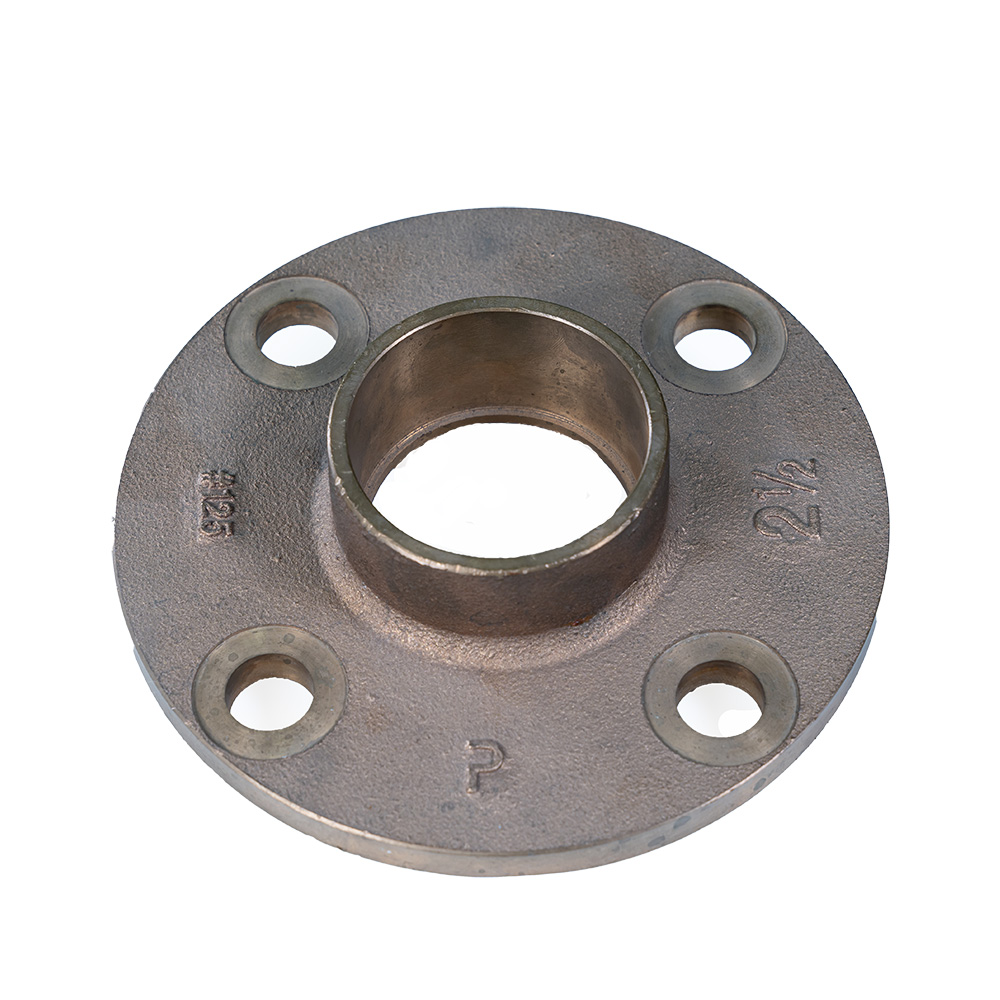
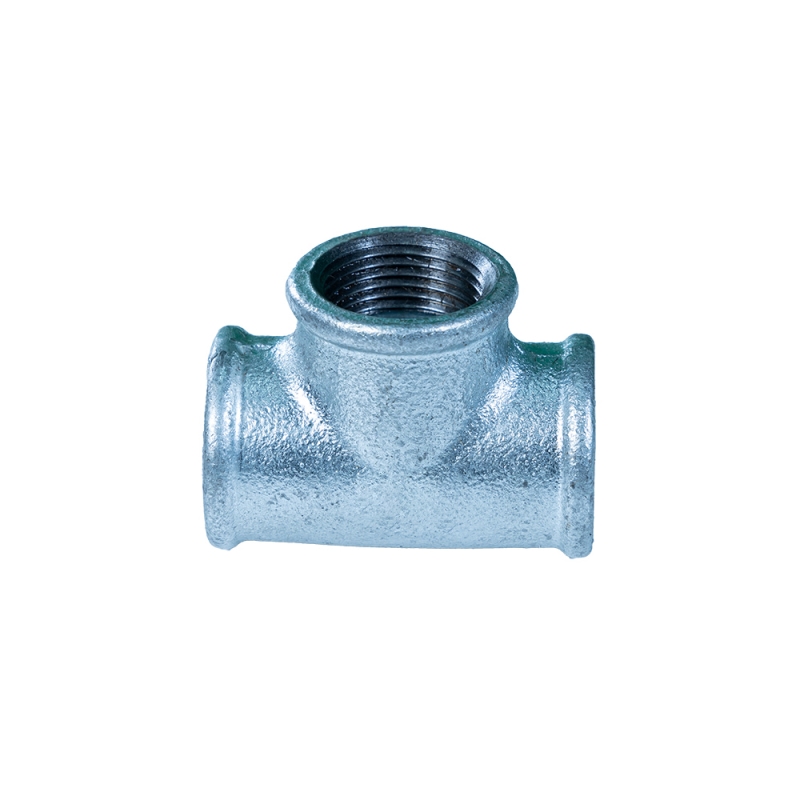
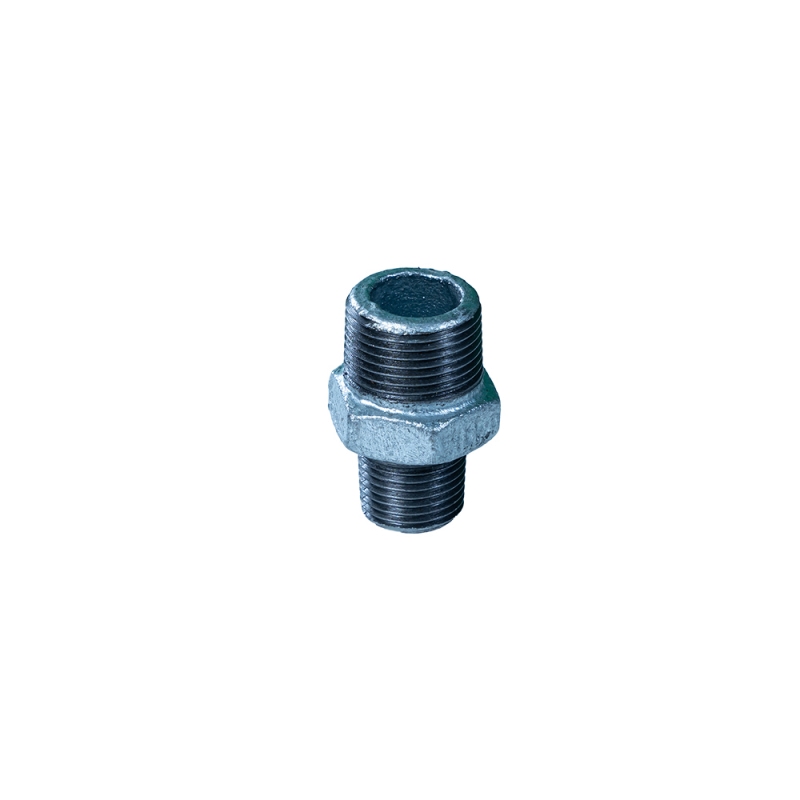
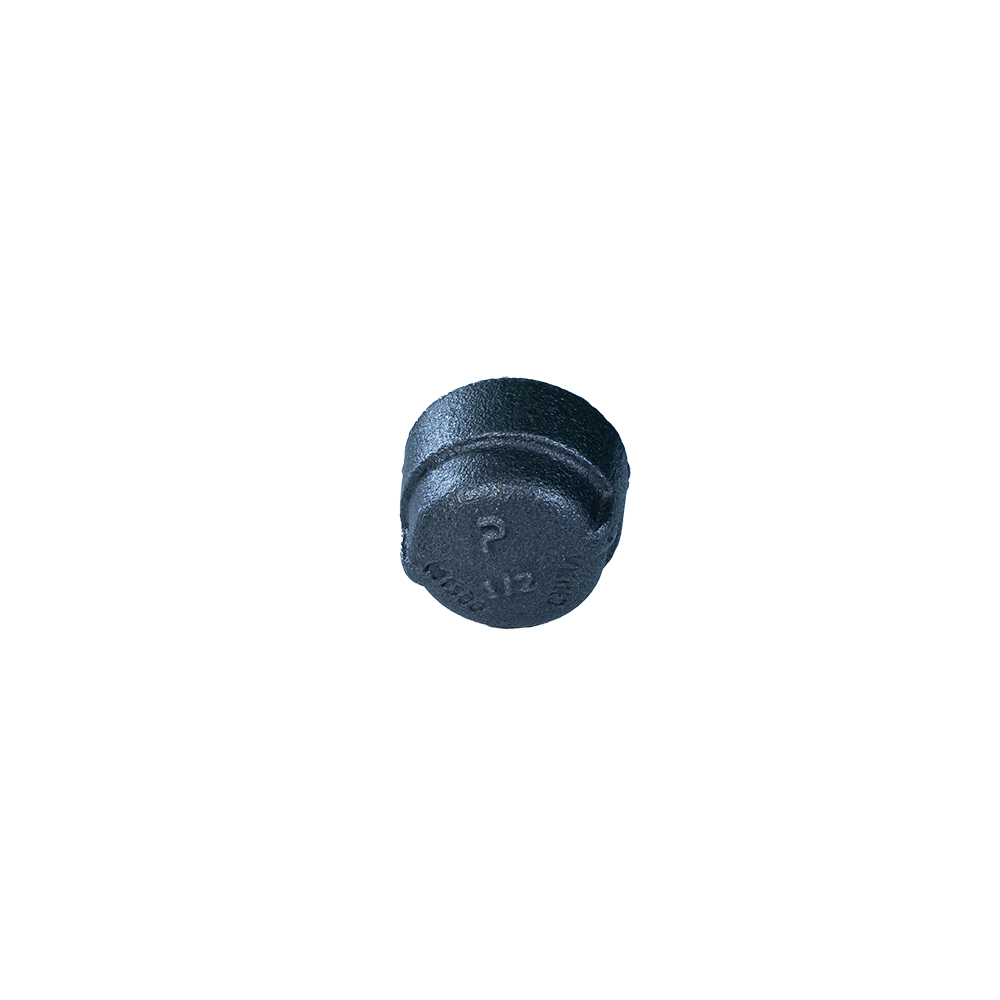
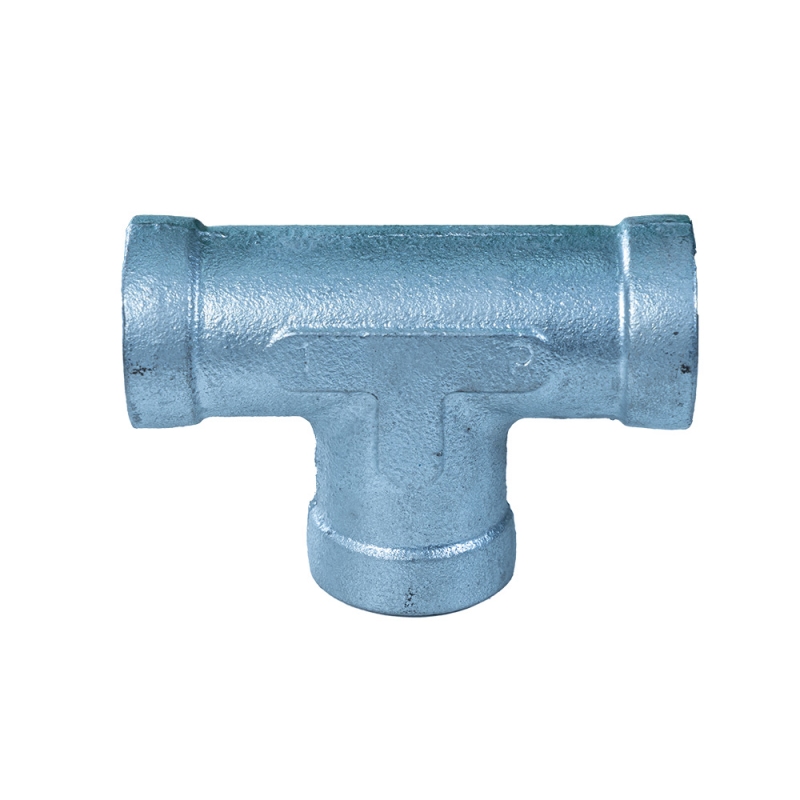
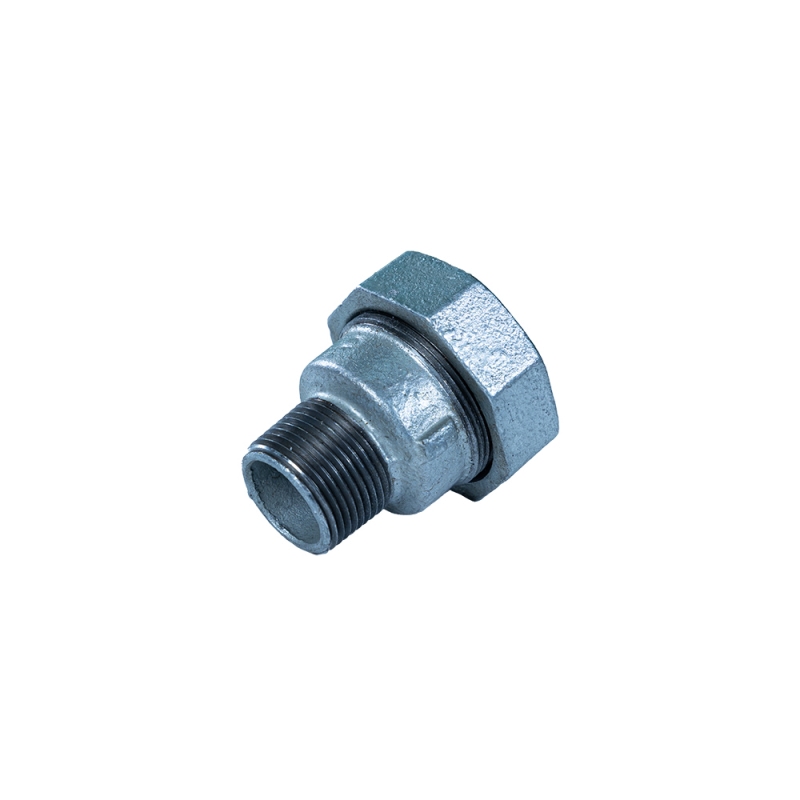
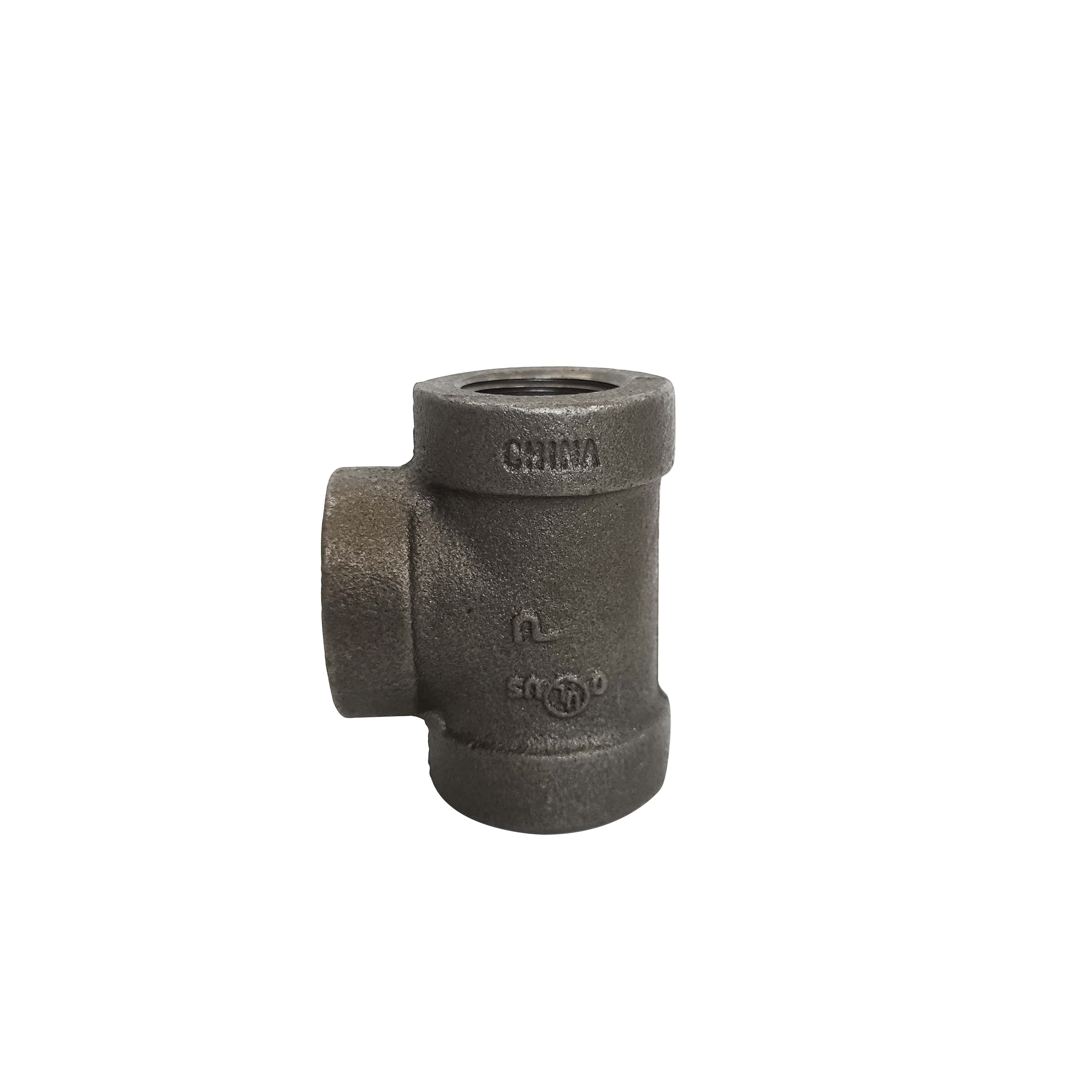
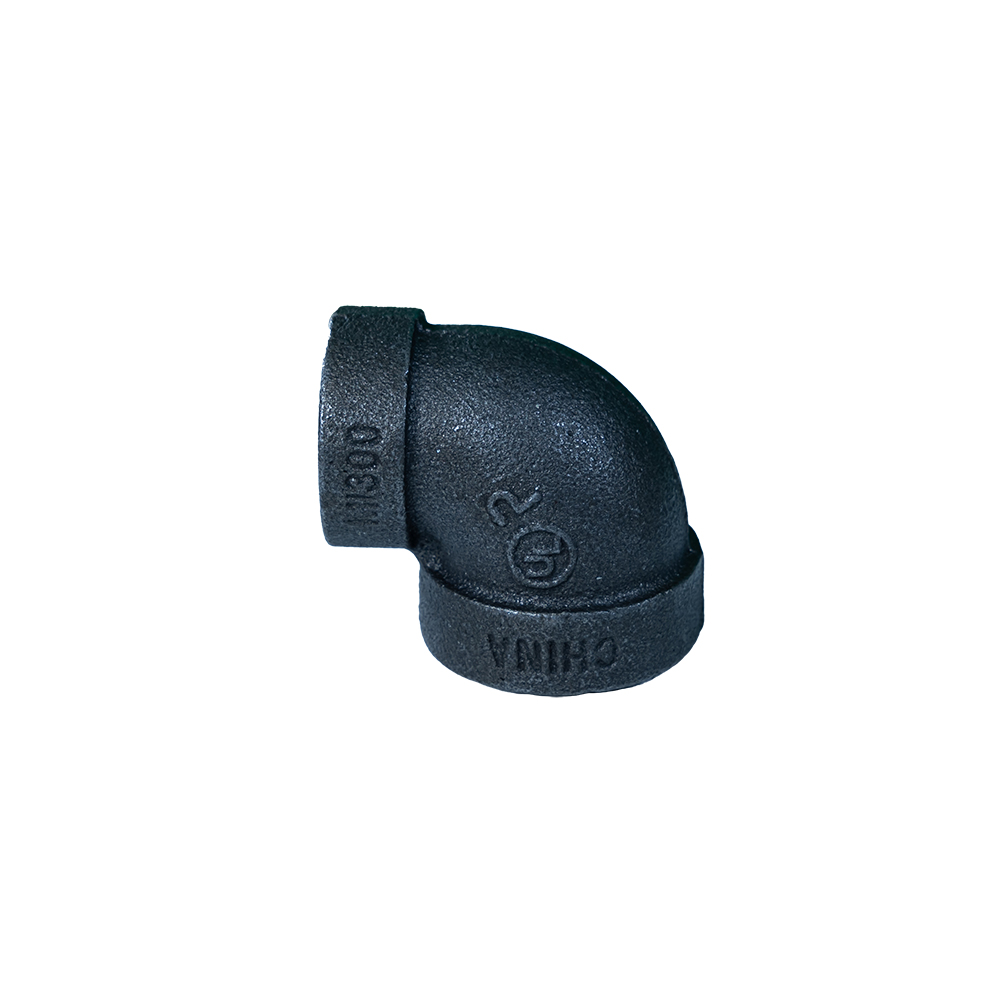
Put simply, an t fittings are specialized connectors used to join pipes, conduits, cables, or structural elements. Think of them as the versatile “T” junctions or elbow joints crucial for redirecting flows, maintaining seals, or adapting to complex layouts.
Modern manufacturing—especially in modular construction and industrial fluid management—depends on these components. They ensure integrity without adding excessive weight or complexity.
Oddly enough, while they seem mundane, fittings sit at the crossroads of design innovation and practical field requirements. They’re where engineering theory meets the messy realities of weather, wear, and human mistake.
Key Aspects of an t fittings That Matter
1. Durability in Harsh Conditions
Many an t fittings are designed with corrosion-resistant alloys or special coatings, making them well-suited for chemically aggressive or outdoor environments. This extends infrastructure life, reducing costly repairs and replacements.
2. Scalability and Flexibility
Whether you’re working on a sprawling industrial plant or a compact urban project, these fittings come in various sizes and designs. Their modularity allows engineers to scale pipelines or cables without starting from scratch.
3. Cost Efficiency
Quality fittings reduce leaks, energy loss, and downtime — all of which translate to tangible savings. While cheaper fittings might tempt some buyers, it’s often a false economy when factoring in maintenance.
4. Ease of Installation
Quick assembly and compatibility with existing systems mean faster deployment — critical in emergency construction or rapid industrial upgrades.
5. Compliance with Standards
Most reputable an t fittings adhere to ISO or ANSI standards, ensuring they meet minimum safety and performance benchmarks globally.
Product Specification Snapshot
| Specification | Details |
|---|---|
| Material | Stainless Steel 304 / Brass / PVC |
| Operating Temperature | -20°C to 150°C (varies by material) |
| Pressure Rating | Up to 250 psi |
| Connection Type | Threaded, soldered, or compression |
| Size Range | 1/4" to 2" (custom sizes available) |
| Certifications | ISO 9001, ANSI B16.9 |
Mini takeaway: When selecting an t fittings, focus on matching material specs and pressure ratings with your project’s conditions. That’s not just best practice — it’s a safeguard against unexpected failures.
Global Use Cases for an t fittings
Globally, from North America’s oil and gas refineries to Southeast Asia’s fast-developing urban centers, these fittings keep operations flowing. Even in humanitarian efforts, agencies rely on them to rapidly set up water delivery networks after disasters.
- Industrial plants: Ensuring fluid and gas systems connect securely.
- Construction: Modular buildings and electrical conduits use an t fittings extensively.
- Infrastructure repair: Roadside emergency water lines and power restoration rely on quick-to-deploy fittings.
- Remote or harsh environments: Arctic research stations, desert oilfields — environments that test durability limits.
A good example comes from a relief NGO in the Philippines, where after typhoon damage, quick assembly using standardized an t fittings enabled water lines to be restored within days instead of weeks. That made a difference not just operationally but on a human level.
Advantages and Longevity of Using an t fittings
There’s a tangible confidence in knowing your connections won’t give way under stress — that reliability has a direct impact on safety and project budgeting.
Besides cost savings, the social impact can’t be overstated. Safer infrastructure means fewer accidents, less downtime, and higher trust in service delivery — all vital for communities depending on clean water, power, or heating.
Moreover, the ecological angle is growing: durable fittings reduce waste and lower resource consumption, supporting sustainability goals acknowledged by global standards like ISO 14001.
Innovations Shaping the Future of an t fittings
New materials like composite polymers and smart coatings are surprisingly changing the game by improving corrosion resistance and self-healing properties. Plus, digital innovations — think RFID tagging for inventory and condition monitoring — offer a glimpse of fully automated maintenance down the road.
Green energy pushes are also influencing fitting design to optimize thermal efficiency and compatibility with renewable-based systems like solar thermal piping.
Common Challenges & How Industry Experts Tackle Them
- Fitment inconsistencies: With so many standards worldwide, ensuring interchangeability can be tough. Solution? Manufacturers increasingly collaborate on global standardization.
- Cost vs quality dilemmas: Budget constraints tempt cutting corners, but experts advise lifecycle cost analysis to justify upfront quality investments.
- Installation errors: Training programs coupled with clear instructions minimize mistakes during assembly.
In other words, the hurdles are real but not insurmountable — and ongoing innovation is steadily shifting the balance.
FAQ: Practical Questions About an t fittings
Q1: What types of environments are an t fittings suitable for?
A: These fittings come in materials like stainless steel, brass, and PVC which provide a range of resistances. From corrosive chemical plants to outdoor construction exposed to sun and rain, there’s an option tailored for nearly every environment.
Q2: How does choosing better quality fittings impact overall project costs?
A: Though they may cost more upfront, higher-grade fittings reduce leakages and maintenance needs, ultimately lowering long-term expenses. Many engineers find the investment pays off twofold in safety and durability.
Q3: Are an t fittings customizable for unique sizes or functions?
A: Absolutely. Many vendors offer custom sizing and special material combinations, especially important for bespoke industrial installations or innovative modular systems.
Q4: How can companies ensure compliance when importing an t fittings internationally?
A: Checking for cloud-based certifications and sourcing from ISO/ANSI-compliant providers helps. Many rely on expert logistics partners familiar with global regulatory frameworks.
Vendor Comparison: Leading an t fittings Suppliers
| Vendor | Product Range | Material Options | Lead Time | Certifications | Price Tier |
|---|---|---|---|---|---|
| Pannext Fittings | Wide – Industrial & Modular | SS304, Brass, PVC | 2-3 Weeks | ISO 9001, ANSI | Mid |
| Global Pipe Connect | Industrial Focused | SS316, Carbon Steel | 4 Weeks | ISO 14001 | High |
| ModuFit Supplies | Modular & Residential | PVC, Brass | 1-2 Weeks | ANSI B16.9 | Low-Mid |
Wrapping Up: Why an t fittings Are More Than Just Connectors
So, here’s the essence — an t fittings might seem like small players, but they’re crucial for safe, efficient, and sustainably designed infrastructure worldwide. Investing time into understanding their specs, applications, and sourcing can pay off hugely in operational success.
If your projects demand reliable, scalable solutions, don’t just take my word for it — browse through an t fittings offerings by trusted suppliers like Pannext Fittings. It’s one of the best ways to give your infrastructure that invisible but steadfast backbone.
Remember, the devil’s in the details, but so is the durability.
References
Post time: Dec-01-2025