
Understanding Galv Pipe Fittings: Why They Matter Globally
At first glance, galv pipe fittings might seem like just another hardware detail, tucked away behind the scenes in water systems, buildings, or industrial plants. But here’s the thing: these little connectors hold a surprising amount of weight in global infrastructure. Their role is pivotal—not only in ensuring that pipes fit securely but also in extending the life of piping networks. Think about the global push toward sustainable infrastructure and resource efficiency; galvanized pipe fittings are quietly helping us reduce corrosion and waste with their zinc-coated durability.
In practical terms, understanding these fittings helps engineers, contractors, and planners worldwide craft systems that last decades in some of the harshest environments. So yes, that tiny steel fitting you hardly notice? It’s actually part of a massive global effort toward safer, stronger, and more reliable water and gas delivery systems.
Galv Pipe Fittings in the Global Context: Challenges and Necessities
According to the World Bank, infrastructure investment worldwide is expected to hit over $94 trillion by 2040 to meet growing populations and urban needs. Pipes form the backbone of this—transporting everything from potable water to industrial chemicals. But corrosion remains a daunting challenge, especially in developing regions battling water quality and maintenance issues. That’s where galvanized pipe fittings (often just called galv fittings) step in.
UN reports highlight that corrosion costs industries about 3-4% of their GDP annually. In regions with harsh climates or saline air—think coastal cities or tropical countries—this damage accelerates dramatically. The solution? Durable materials that fight rust and wear, and galv pipe fittings are a key weapon in that fight.
What Exactly Are Galv Pipe Fittings?
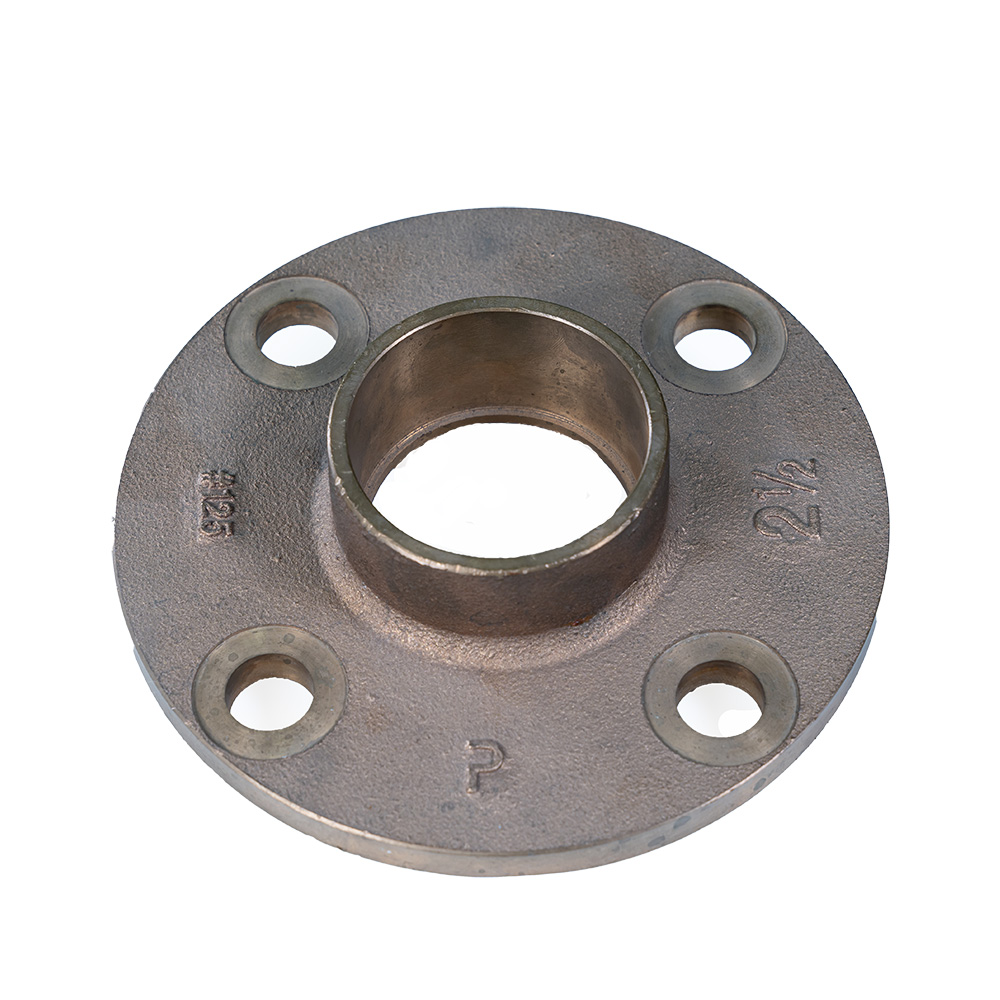
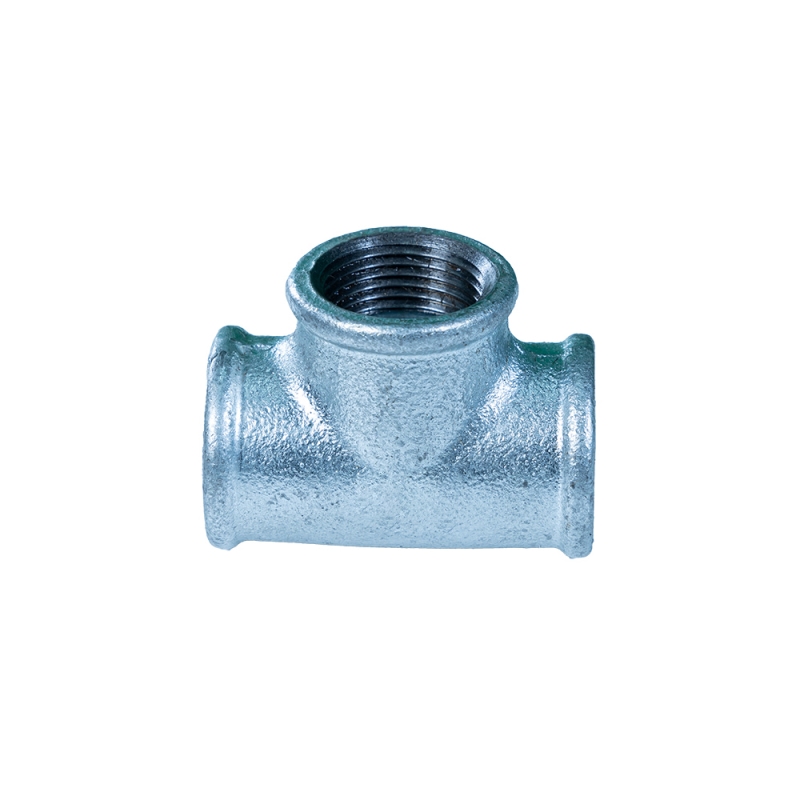
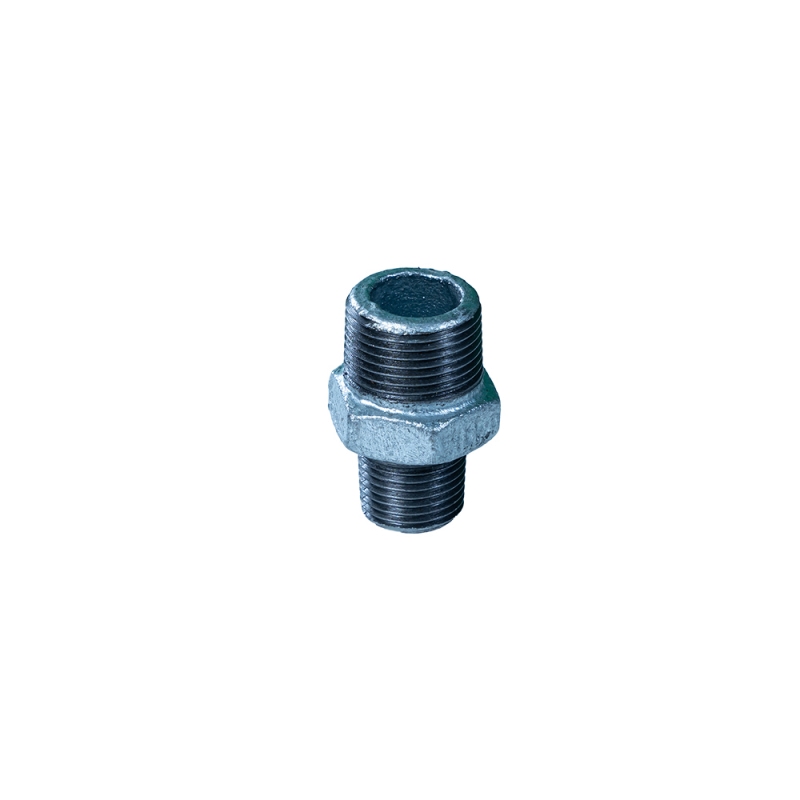
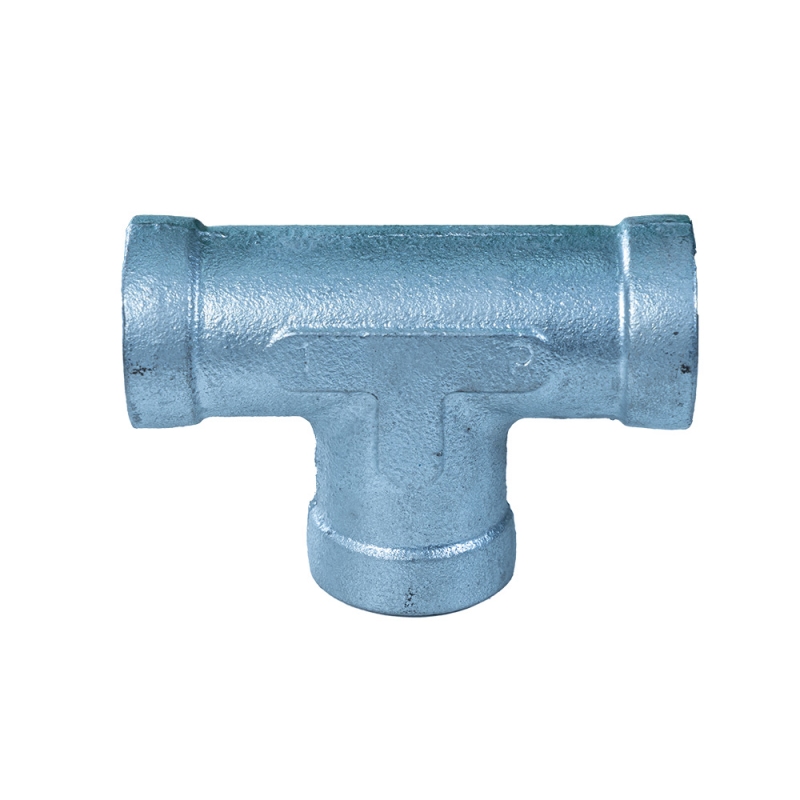
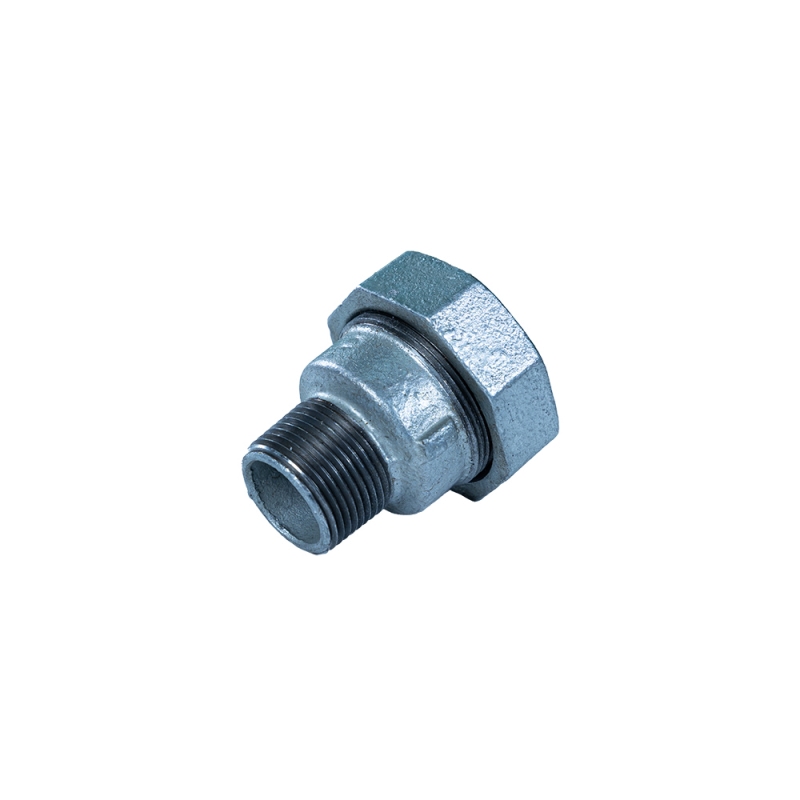
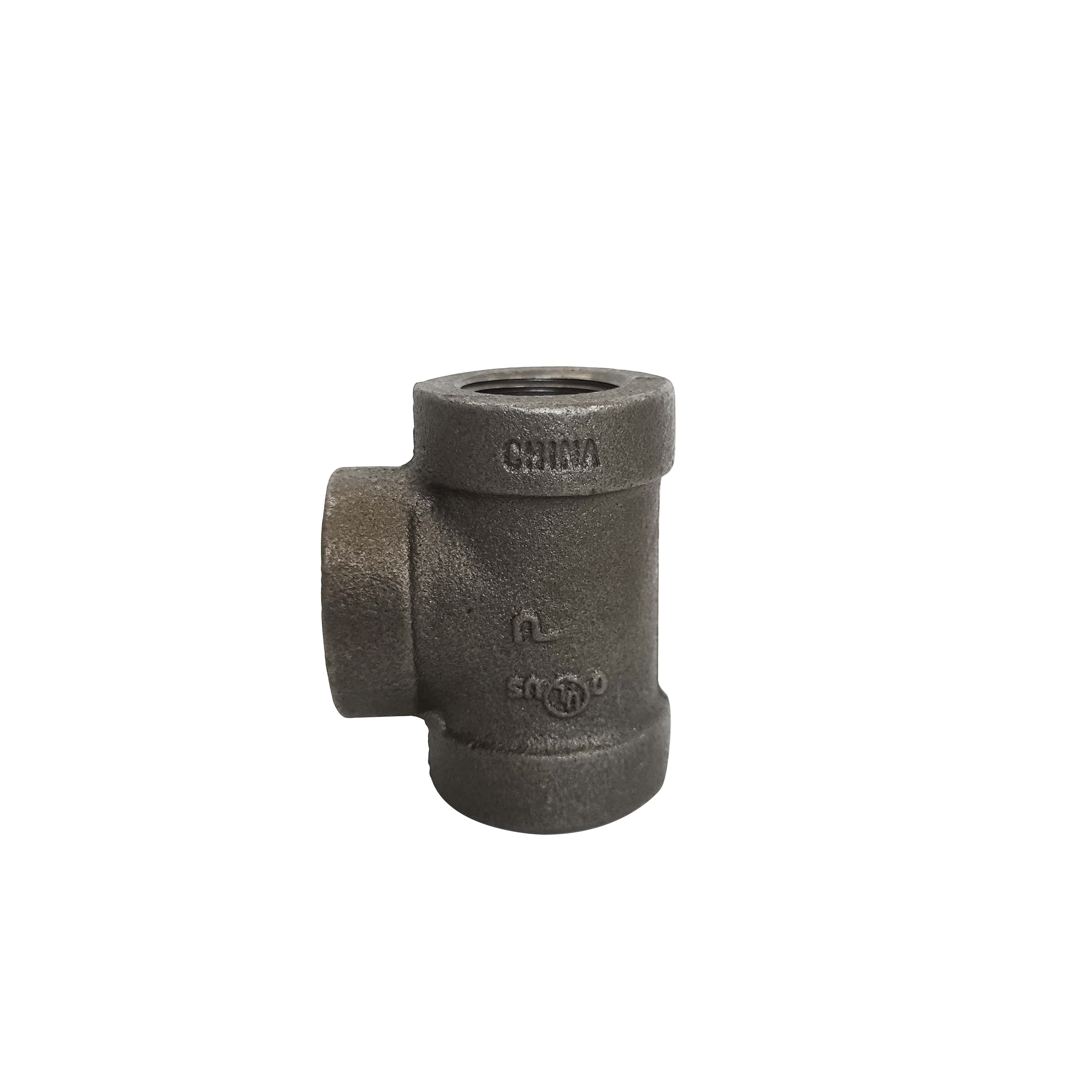
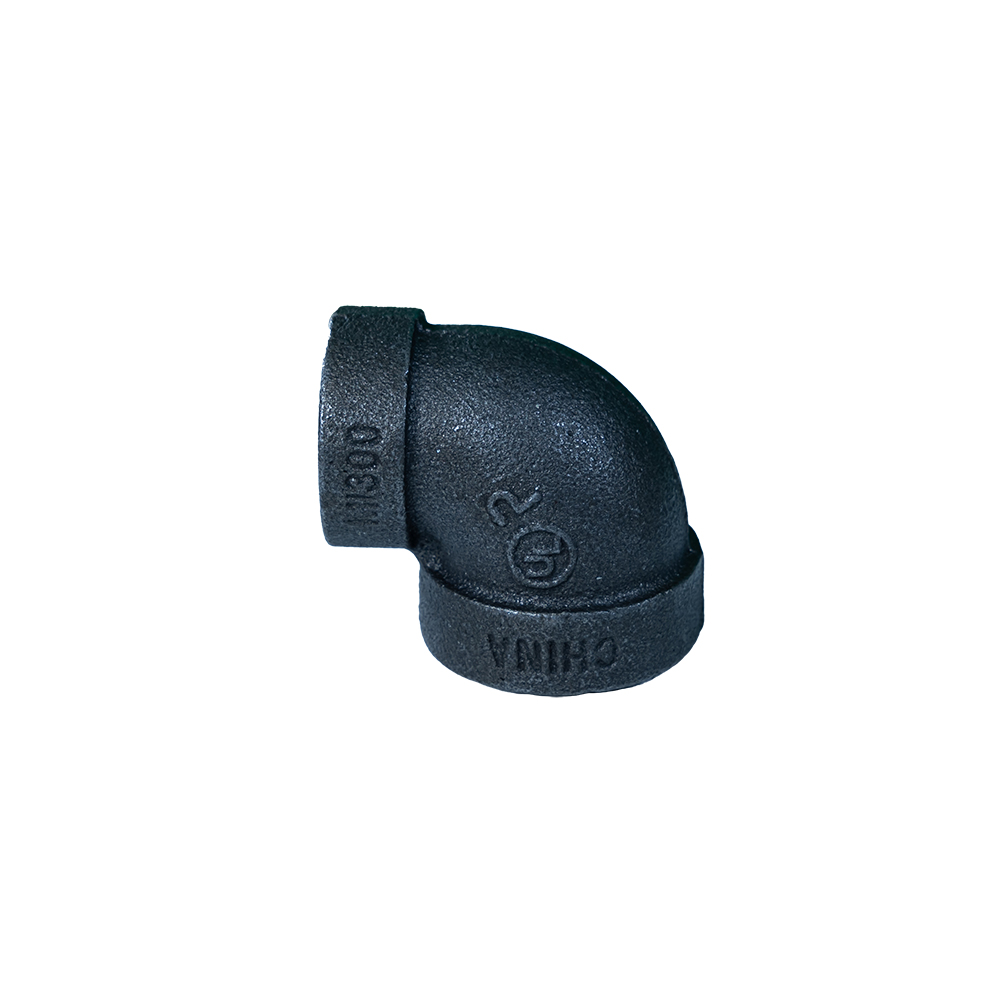
Simply put, galvanized pipe fittings are connectors made from steel or iron but coated with a protective layer of zinc—the “galvanization” process. This zinc layer prevents the metal underneath from rusting, even when exposed to moisture or harsh chemicals. They come in various types like elbows, tees, reducers, and couplings, designed to join pipes at different angles and diameters.
These fittings play a critical role in plumbing systems, irrigation networks, gas distribution, and even in humanitarian efforts where quick, sturdy water supply solutions are needed. Their ability to last longer than plain steel reduces maintenance visits, which in remote or resource-limited areas can be a real game-changer.
Key Factors That Make Galv Pipe Fittings Indispensable
Durability Against Corrosion
The zinc coating acts sacrificially, corroding in place of the base metal. This drastically slows degradation, extending pipeline life by decades in many cases. It’s no exaggeration to say they help infrastructure “weather the storm,” literally.
Cost Efficiency Over Time
Initial costs might be slightly higher than uncoated steel, but when factoring in fewer replacements, less downtime, and reduced labor expenses, galvanized fittings often come out ahead. Many engineers I spoke with emphasize ROI timelines around 10–15 years for galv systems versus traditional pipe networks.
Scalability and Versatility
Galv pipe fittings are manufactured to standard sizes and types, which makes them compatible with myriad pipe systems, large or small. Whether you’re working on a city-wide water supply or a small irrigation setup, there’s likely a galv fitting that fits (pun intended).
Environmental and Safety Considerations
Since galvanized fittings reduce maintenance frequency, they indirectly reduce environmental disruption (less digging, fewer service vehicles). Moreover, their sturdy build supports safe transport of potable water and gases without contamination risks.
Ease of Installation
The standard threading and relatively lightweight form factor means contractors feel confident during installation, even in rapid deployment scenarios—like emergency water systems in flood-affected areas.
Maintenance Advantages
Galv fittings require less frequent inspection and treatment, freeing up budgets and workforce capacity for other critical tasks.
Global Applications & Real-World Use Cases
Galvanized fittings find themselves deployed everywhere, from sprawling megacities in Asia to remote humanitarian projects in Sub-Saharan Africa. For instance:
- Post-disaster relief operations: NGOs install quick water supply lines using galv fittings that resist corrosion even in rainy, muddy conditions.
- Industrial zones in the Middle East: Facilities rely on galvanized piping for safe transport of oil and gas, where high temperatures and harsh chemicals prevail.
- European urban water systems: Maintenance teams prefer galv fittings for their longevity and compliance with ISO certified material standards.
You might be surprised that their popular use transcends sectors, with some construction companies also using them for structural applications like safety railing. The mix-and-match capability, plus reliable availability, really push these fittings to the top of material lists worldwide.
Advantages & Long-Term Value of Galv Pipe Fittings
Thinking logically, galvanized fittings save money, reduce waste, and limit downtime. But there’s also a human side to it — knowing that the water flowing into your home or hospital has traveled through piping designed to stay strong and safe gives a sense of trust and dignity.
Reusability and recyclability add a sustainability layer too. Instead of buried or discarded, many galv fittings can be recovered at the end of service for metal recycling, supporting circular economy principles. Even from an innovation viewpoint, the continued refinement of zinc coatings promises ever-better performance.
Product Specifications at a Glance
| Specification | Typical Range / Detail |
|---|---|
| Material | Steel (Carbon steel) with Zinc coating |
| Coating Thickness | 45–85 microns (varies by standard) |
| Pressure Rating | Up to 300 psi (dependent on fitting type and size) |
| Operating Temperature | -20°C to 120°C (typical) |
| Standard Sizes | 1/2" to 6” diameter |
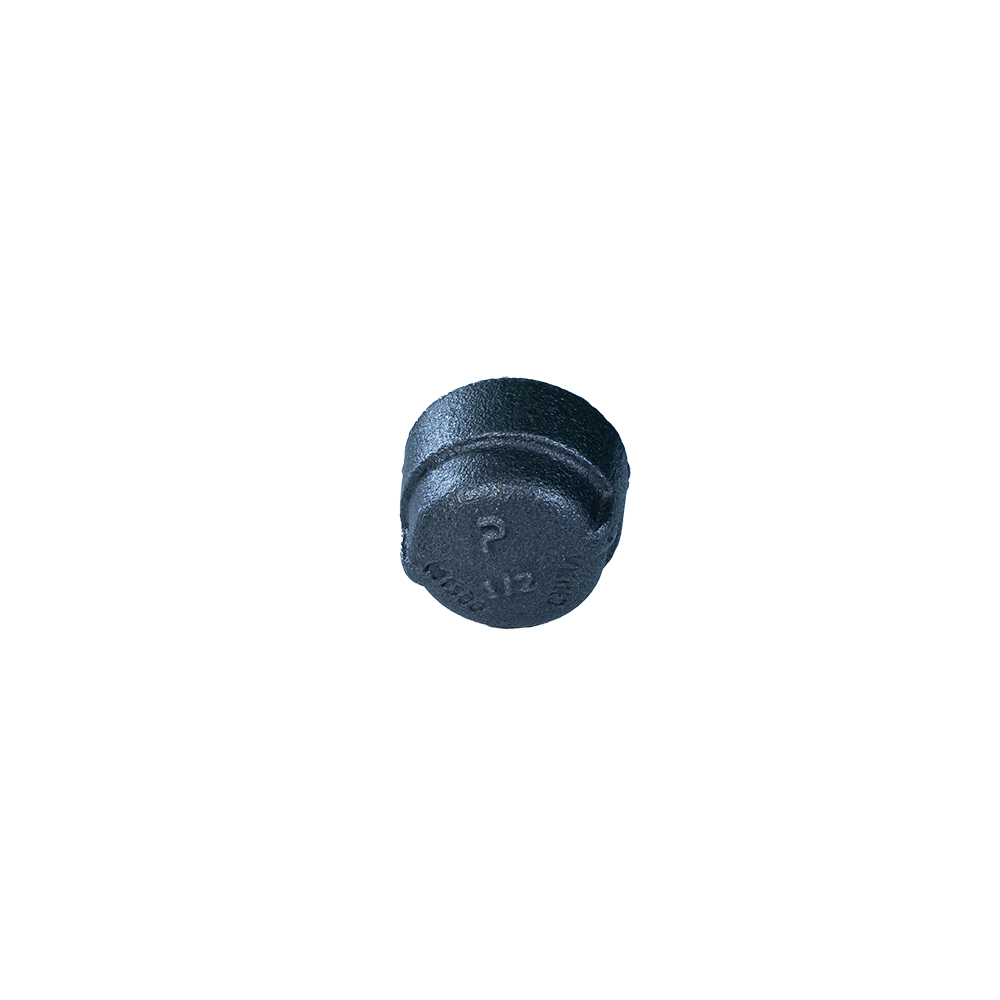
| Common Types | Elbows, tees, couplings, reducers, caps |
Comparing Top Vendors of Galv Pipe Fittings
| Vendor | Material Quality | Certifications | Price Range | Lead Time |
|---|---|---|---|---|
| GlobalFit Co. | Grade A galvanized steel | ISO 9001, ASTM A153 | $$$ | 4 weeks |
| PanNext Fittings | High corrosion resistance zinc coating | ISO 14001, CE | $$ | 3 weeks |
| SteelPro Supply | Standard galvanized steel | ASTM A123 | $ | 2–5 weeks |
Future Trends and Innovations in Galv Pipe Fittings
Galvanized fittings aren’t standing still. The industry is exploring more eco-friendly zinc alloy coatings to reduce environmental impact. Digital tracking and IoT-enabled smart fittings are also emerging, allowing real-time corrosion monitoring—a tiny sensor could one day tell you before trouble starts, which feels futuristic but is gaining momentum.
Moreover, the sustainable infrastructure movement pushes manufacturers to balance cost with increasingly strict environmental regulations. So expect to see lighter, stronger materials with reduced zinc consumption and enhanced recyclability in coming years.
Challenges & Smart Solutions
Of course, galv pipe fittings aren’t perfect. They can develop white rust if stored poorly, and zinc coatings wear off under extreme abrasion or chemical exposure.
To counteract this, manufacturers are improving surface preparation and exploring duplex coating systems (zinc plus paint or epoxy). On-site best practices emphasize dry storage, handling with care, and timely installation.
These subtle but important adjustments often get overlooked, yet they spell the difference between five and fifty years of dependable service.
FAQ: Your Top Questions on Galv Pipe Fittings
- How long do galvanized pipe fittings usually last?
- Typically, they last between 20 to 50 years depending on environmental conditions like humidity, soil acidity, and usage. Regular maintenance and proper installation extend their lifespan considerably.
- Are galvanized fittings suitable for drinking water systems?
- Yes, but standards vary regionally. Properly made galv fittings meet NSF/ANSI certifications for potable water. However, some prefer plastic or stainless steel for specific applications to avoid any metallic taste.
- Can galv pipe fittings be used outdoors?
- Absolutely. Their corrosion resistance makes them ideal for outdoor environments, especially in industrial or marine settings. Still, precautions against mechanical damage and white rust are advised.
- How do I choose the right fitting type for my project?
- Identify pipe sizes, flow direction, and pressure requirements. Common fittings include elbows for turns, tees for branch lines, and reducers for diameter changes. Consulting with a supplier or engineer is wise.
- Is it possible to customize galvanized fittings?
- Yes, many manufacturers offer custom sizes, coatings, and drilling options to meet specialized project needs. Lead time and cost vary accordingly.
Wrapping It Up: Why Galv Pipe Fittings Are Worth Your Attention
In some ways, galv pipe fittings quietly sweat the small stuff so the bigger water, gas, and industrial systems don’t fall apart. Their mix of resilience, cost savings, and environmental friendliness makes them a global favorite—from sprawling cities to flash flood recovery efforts.
If you want to dive deeper into the specifications or source quality parts, check out PanNext Fittings. They balance quality, certification, and competitive pricing nicely.
So next time you sip from your tap or feel steady heat from your gas stove, remember the humble galvanized fitting that helped make it possible—steel wrapped in zinc, quietly doing its job.
Post time: Nov-29-2025