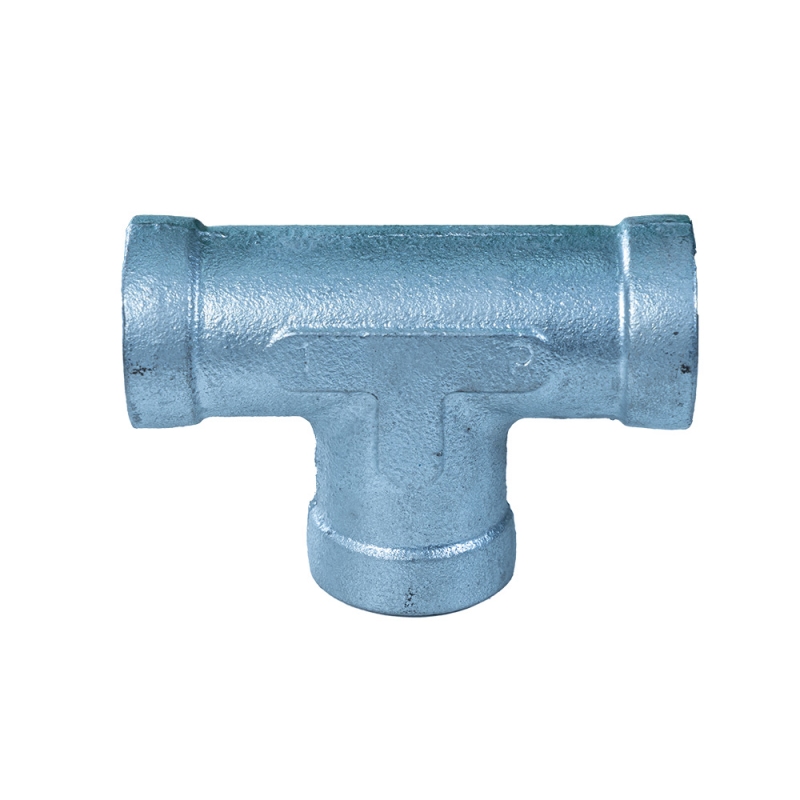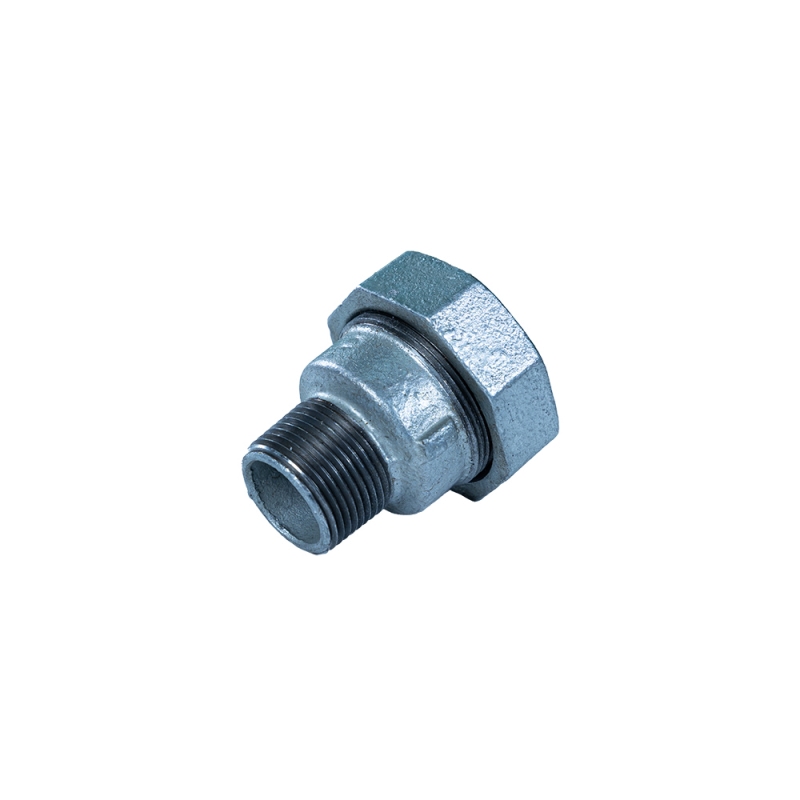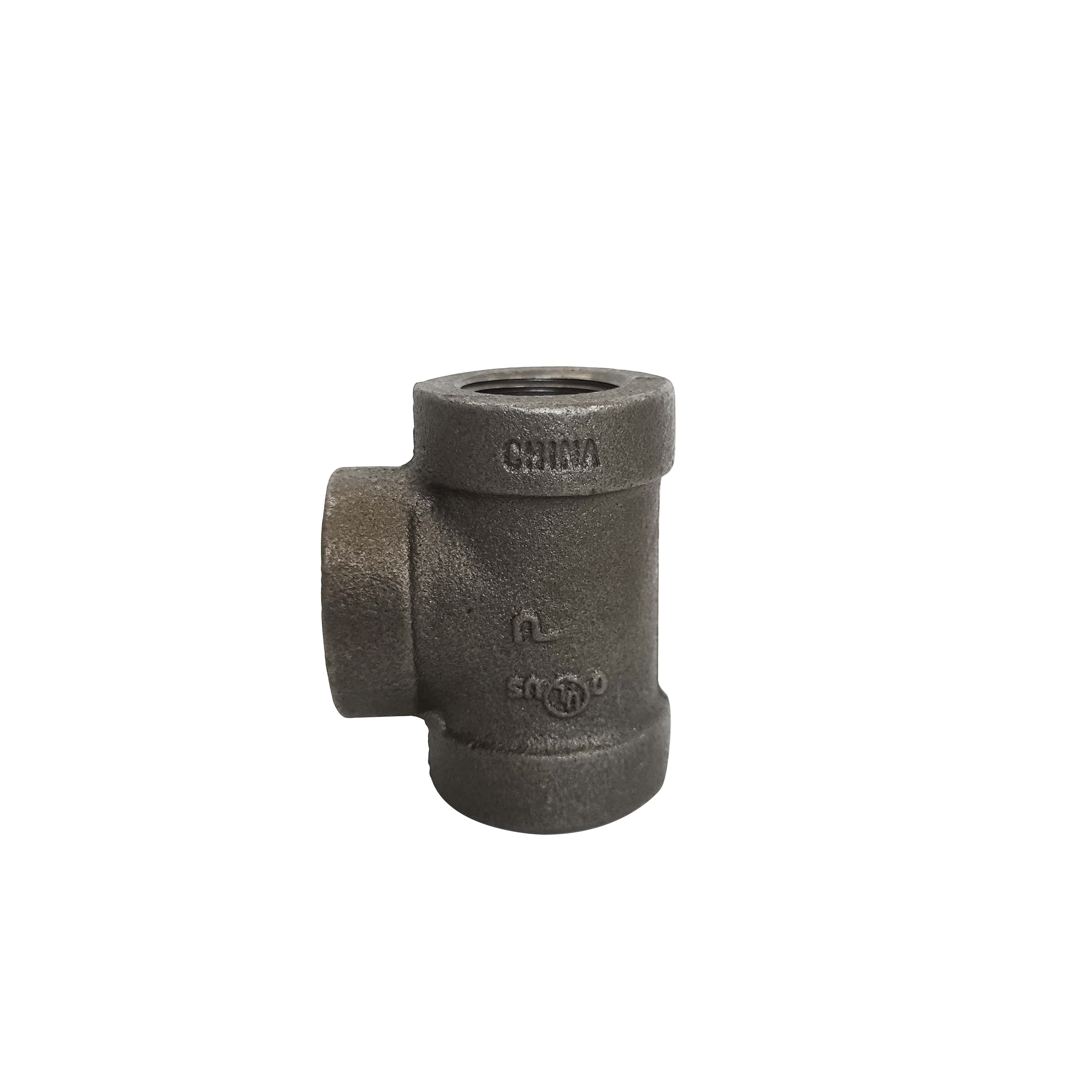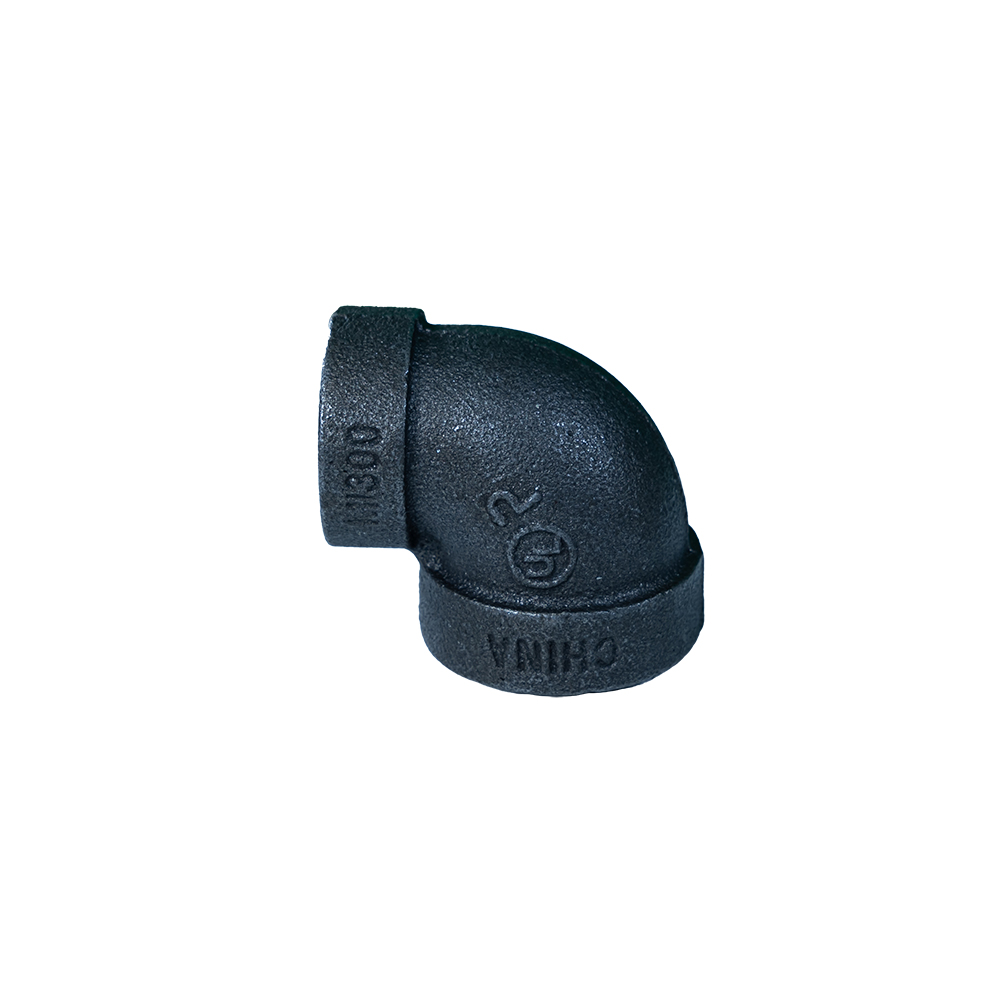

Unlocking the World of Push to Connect Fittings for Galvanized Pipe: Why It Matters
You might not think about galvanized pipes and their fittings every day, but these humble components quietly support countless water, gas, and industrial systems worldwide. Push to connect fittings for galvanized pipe have become a sort of quiet revolution in plumbing and pipework, making installation faster, cleaner, and far less stressful. Whether it’s infrastructure in a booming city or a relief camp in a disaster zone, understanding these fittings goes beyond mere technical curiosity — it has global importance in sustainability, safety, and efficiency.
Why? Because traditional threaded galvanized pipes require skill, time, and quite frankly, hassle to join. Push to connect fittings are changing the game with simplicity and durability, cutting down labor costs and mistakes, and ensuring long-term reliability. In real terms, it's about saving resources and safeguarding essential services, especially in places where access to expertise is limited.
The Bigger Picture: Global Relevance of Push to Connect Fittings for Galvanized Pipe
According to the International Organization for Standardization (ISO), galvanized pipes remain popular due to their corrosion resistance and strength. In emerging economies, up to 35% of water and gas distribution systems still rely heavily on galvanized pipes. But these systems often suffer from long downtimes due to complicated pipe joints and maintenance.
Here’s the rub: The global demand for infrastructure upgrades is booming — the World Bank estimated trillions of dollars needed over the coming decades for water and sanitation systems alone. The challenge? Skilled labor is scarce, and threaded fittings can turn a straightforward repair into an all-day ordeal. Push to connect fittings answer this by facilitating rapid, secure connections without specialized tools or sealants.
Oddly enough, this innovation also supports humanitarian efforts like disaster relief. Organizations use these fittings to set up temporary water supplies faster, enhancing hygiene and safety at critical moments.
What Are Push to Connect Fittings for Galvanized Pipe?
Simply put, push to connect fittings are coupling devices that let you join galvanized pipes without threading, welding, or gluing. Think of it like snapping LEGO blocks together; you push the pipe into the fitting until it locks, making a watertight seal immediately.
These fittings typically consist of:
- Metallic gripping teeth that hold the pipe firmly.
- An O-ring seal that ensures no leaks.
- A durable outer body, usually brass or stainless steel.
This technology was initially popularized in residential plumbing but quickly proved invaluable in industrial and humanitarian settings where speed and reliability are key.
Core Factors to Consider When Choosing Push to Connect Fittings for Galvanized Pipe
Durability
Galvanized pipes are designed to resist corrosion, and your fittings must match that endurance. High-quality push to connect fittings use materials like stainless steel or brass, ensuring they don’t degrade prematurely in harsh environments.
Ease of Installation
The main attraction, frankly, is how fast and tool-free these fittings are to install. This reduces the chances of human error and makes repairs or modifications much quicker.
Compatibility
Not all fittings are universal. Make sure the push to connect fitting matches the diameter and threading (if any) of your galvanized pipe. Thankfully, many vendors now produce tailored fittings for standard galvanized sizes.
Pressure Rating
Pipes under high pressure need fittings that can handle it safely. Check manufacturer specifications carefully to avoid leaks or failures in critical systems.
Cost Efficiency
While push to connect fittings are often pricier per unit than traditional fittings, savings on labor, tools, and downtime usually more than compensate.
Reusability
Many push to connect fittings can be disconnected and reused, an eco-friendly attribute that traditional fixtures can’t boast.
A Quick Look at Product Specifications
| Specification | Typical Value | Notes |
|---|---|---|
| Material | Brass / Stainless Steel Body | Corrosion-resistant |
| Pipe Size Compatibility | 1/2" to 2" | Most common galvanized sizes |
| Max Pressure Rating | 200 psi (approx.) | Suitable for residential/commercial water |
| Temperature Range | -20°C to 65°C (-4°F to 150°F) | Limits for hot water applications |
| Installation Time | Under 2 minutes per joint | Without special tools |
How Top Vendors Stack Up: A Quick Comparative Snapshot
| Vendor | Material Quality | Price Range | Pressure Rating | Warranty |
|---|---|---|---|---|
| PanNext Fittings | Brass w/ stainless steel teeth | $$$ | Up to 200 psi | 5 years |
| QuickPipe Solutions | Brass w/ reinforced polymer seals | $$ | 150 psi | 3 years |
| FlexFit Corp | Stainless Steel | $$$$ | 250 psi | 7 years |
Worldwide Applications: Where Push to Connect Fittings Really Shine
From bustling urban developments in Asia to isolated rural villages in Africa, push to connect fittings for galvanized pipe have found a truly global footprint. Water utilities in Latin America have sped up pipeline repairs using these fittings, drastically cutting water loss from leaks.
In post-disaster zones — Haiti and Southeast Asia come to mind — NGOs use these fittings to set up emergency water lines fast. No threading means no waiting for skilled plumbers, which is huge when time equals lives.
Industrial zones also benefit, particularly where downtime costs are sky-high. For example, in oil refineries or food processing plants, quick pipe repairs and modular system upgrades reduce production disruptions.
Industries like HVAC, irrigation, and fire safety have increasingly integrated push to connect technology, further validating its broad usage.
Why Stick with Push to Connect? The Long-Term Benefits
- Cost Savings: Fewer tools, less labor, minimal leak repairs.
- Reliability: Seals maintain integrity over years, reducing failures.
- Safety: No open flames or threading tools needed — safer environments.
- Sustainability: Reusability and reduced material waste.
- Trust & Innovation: Building confidence in systems that modernize aging infrastructure.
Many engineers I've chatted with note that the emotional value of faster deployment and less stress can’t be overstated. When your job depends on speed and precision, these fittings feel like a breath of fresh air.
Looking Ahead: Trends in Push to Connect Fittings for Galvanized Pipe
Our industry is steadily moving toward greener materials — imagine bio-based polymers and recycled metals. Digital technologies like smart sensors integrated into fittings to detect leaks or pressure drops are no longer sci-fi.
Automation in manufacturing and installation tools, perhaps robotic-assisted setups, could soon make push to connect fittings even more foolproof. Coupled with rising global standards on water safety (think new ISO certifications), it feels like we're just scratching the surface.
Common Challenges and How Experts Solve Them
Of course, no tech is perfect. Sometimes fittings might struggle with slightly corroded pipe ends, or with inconsistent wall thickness on old galvanized pipes, affecting grip strength.
Experts recommend thorough pipe surface prep and using fittings with adjustable grip ranges. Some vendors now offer hybrid products that combine push to connect with threaded adapters for versatile use.
Continuous field testing and user feedback loops help manufacturers refine materials and designs, overcoming these practical snags.
FAQ: Real Questions from Real Customers
- How do push to connect fittings compare to traditional threaded galvanized pipe fittings in terms of longevity?
- Push to connect fittings generally offer comparable lifespan when installed correctly, thanks to corrosion-resistant materials and secure sealing. However, routine inspections remain important, especially in high-pressure or outdoor settings.
- Can I use push to connect fittings on existing galvanized pipes without modifications?
- Yes, provided the pipe ends are clean, free of rust, and cut squarely. For heavily corroded pipes, prepping or replacement may be needed for a secure seal.
- Are push to connect fittings suitable for high-temperature hot water systems?
- Most standard push to connect fittings handle up to about 65°C (150°F). For higher temperatures, specialized heat-resistant versions are available — always check manufacturer specs.
- Is it possible to disconnect and reuse these fittings during renovations?
- Many push to connect fittings include release collars that allow safe disconnection without damaging the pipe, permitting reuse where appropriate.
- Where can I find reliable suppliers for push to connect fittings for galvanized pipe?
- Leading vendors like PanNext Fittings offer a broad range of high-quality products with certification and warranty, suitable for diverse applications.
Wrapping Up: Why Push to Connect Fittings Deserve a Spot in Your Projects
Looking at cost, convenience, and global applicability, push to connect fittings for galvanized pipe aren't just a passing fad. They embody a smart, durable, and safe solution, especially in today’s push for faster infrastructure deployment and sustainable practices.
If you’re considering upgrading a system or seeking faster turnaround on installations, these fittings could be a game-changer. Don’t just take my word for it — explore options from experienced vendors like push to connect fittings for galvanized pipe, and see why this innovation is steadily becoming an industry staple.
Thanks for reading — here’s hoping your next pipe connection is just a simple push away!
References:
Post time: Nov-29-2025