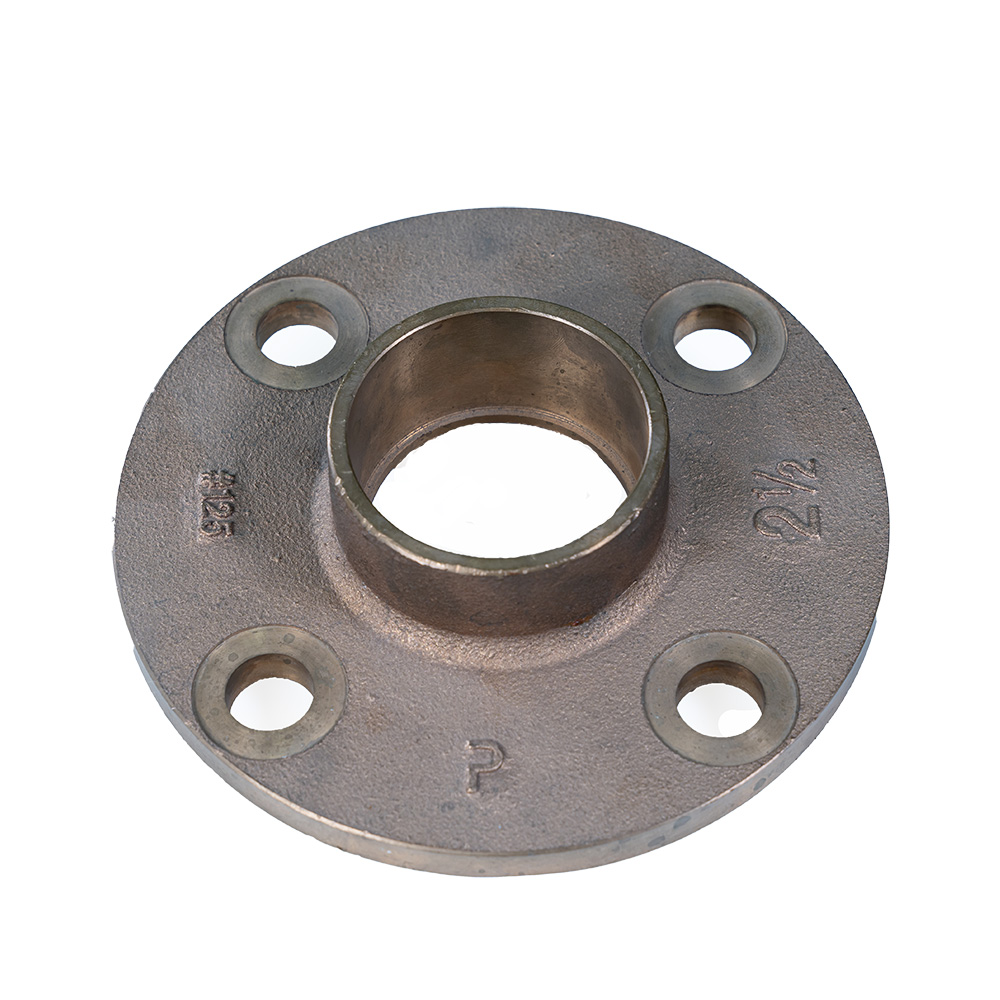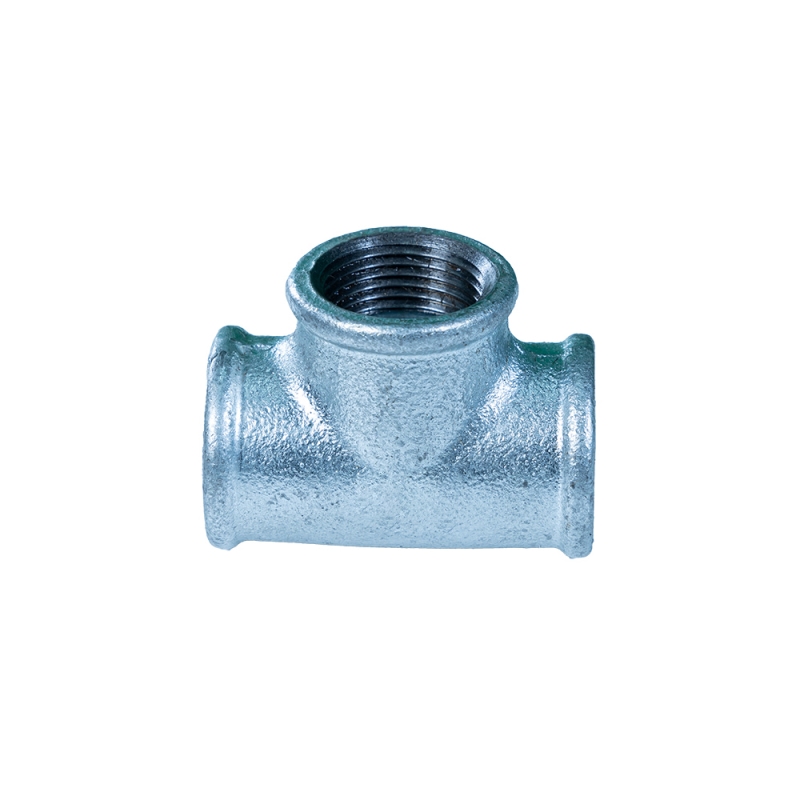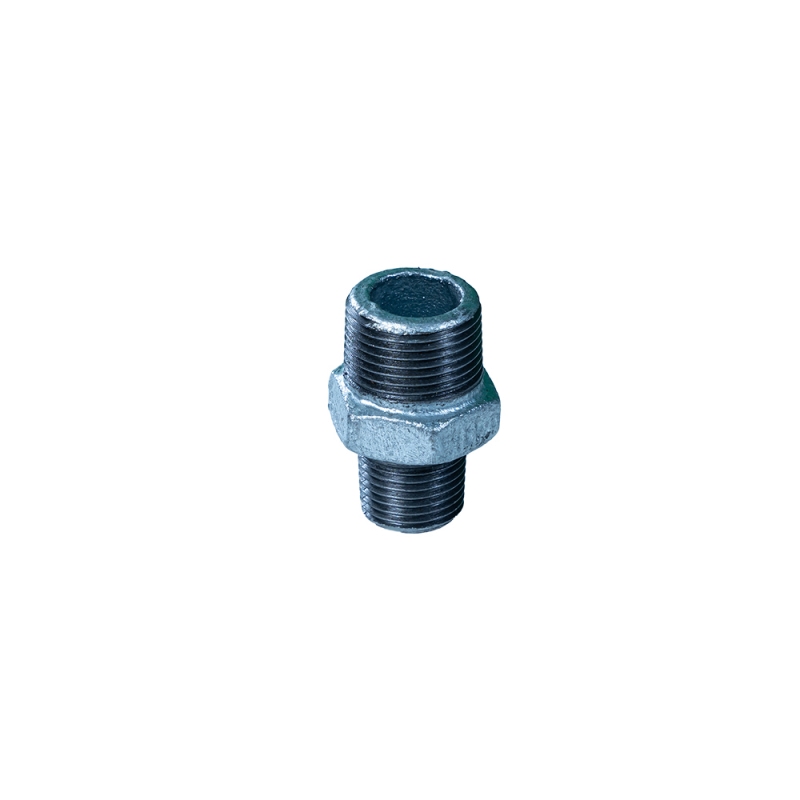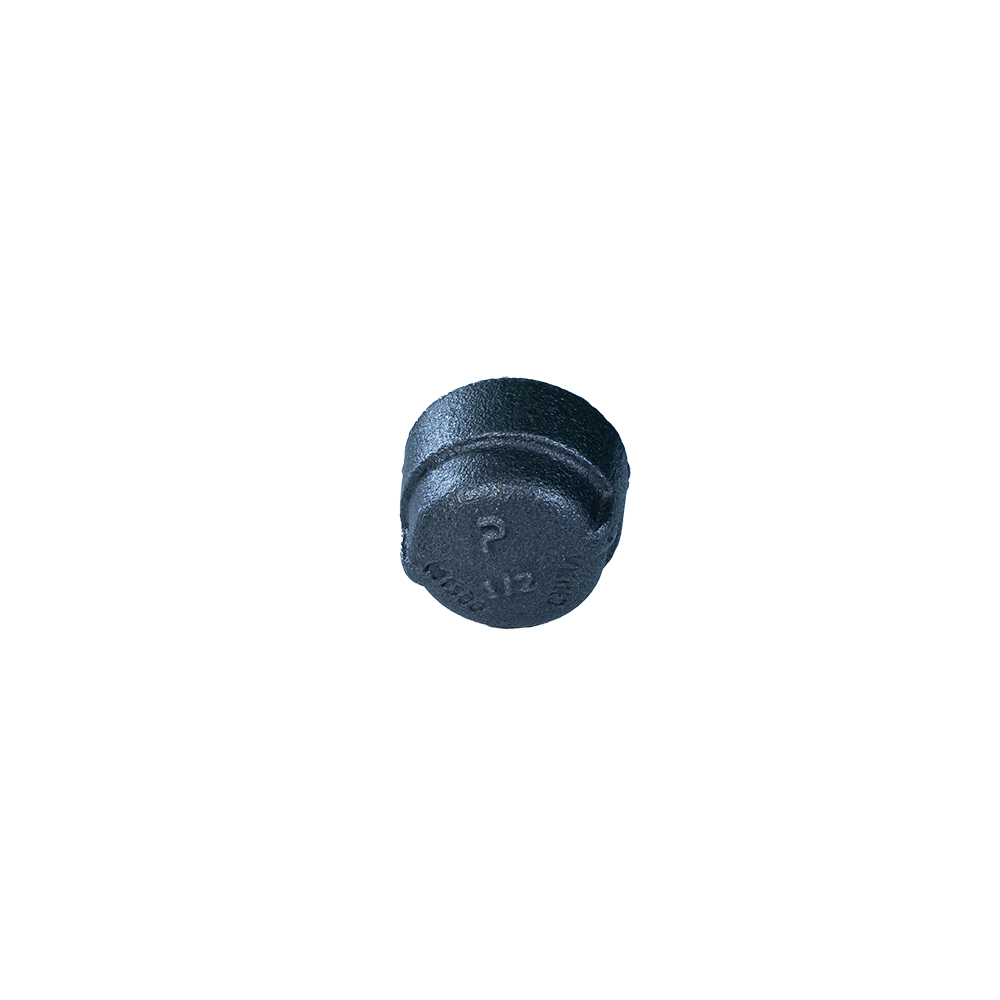

Galvanized Conduit Fittings: The Unsung Heroes of Modern Infrastructure
If you've ever wondered how electrical wiring stays safe and sound through storms, wear, or time, chances are you’re dealing with galvanized conduit fittings. These little metal connectors quietly protect cables in everything from skyscrapers to remote industrial plants. Understanding what they are and why they matter globally can save projects millions and keep lives safe — it’s not just nuts and bolts, but a critical link in the world's power and data chains.
Why do galvanized conduit fittings matter globally?
Think about it: According to the International Energy Agency (IEA), global electricity demand grew about 2.1% annually pre-pandemic, with massive infrastructure expansion ongoing in Asia, Africa, and South America. But with that growth comes exposure — wires and cables need protection from corrosion, moisture, and mechanical damage. That's where galvanized conduit fittings come in, especially in harsh environments.
Corrosion, as the World Bank points out, costs infrastructure-intensive countries billions annually and risks operational downtime. So galvanized conduit fittings offer a practical, affordable solution to keep electrical conduits watertight and secure — vital for everything from residential to industrial use.
What Exactly Are Galvanized Conduit Fittings?
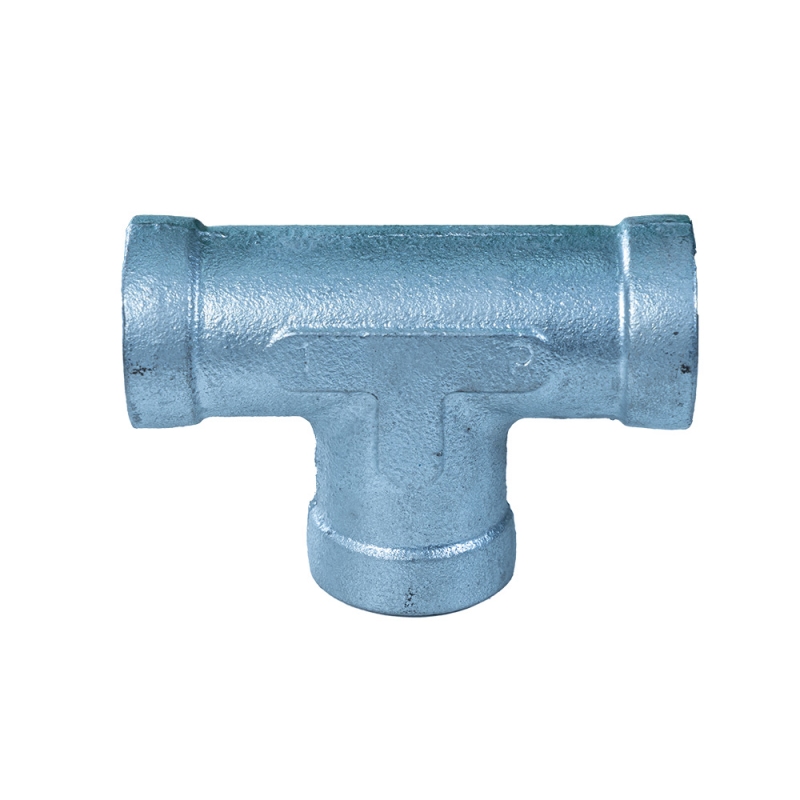
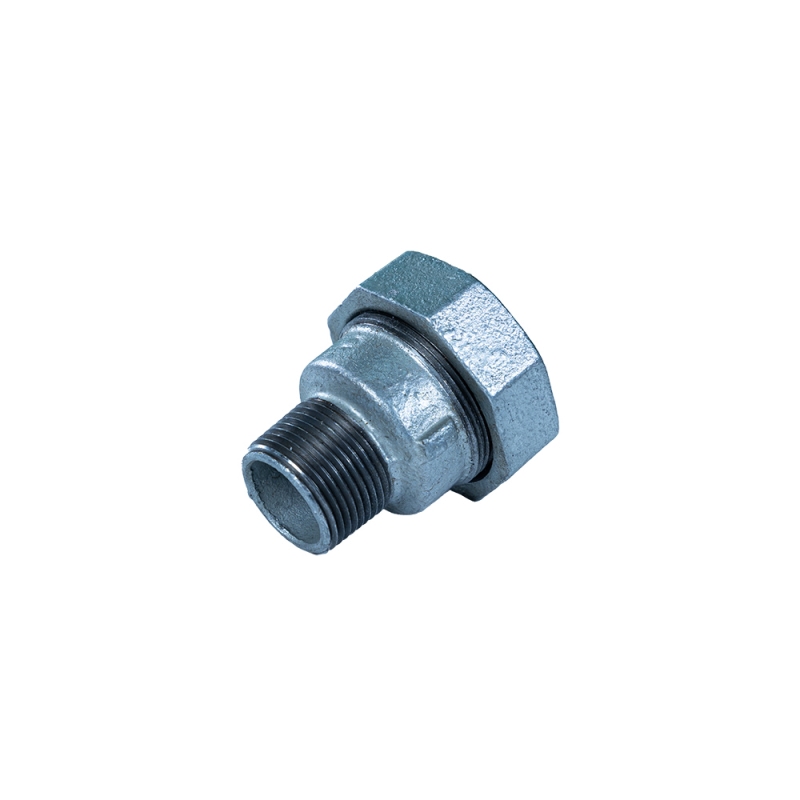
In simple terms, these fittings are metallic connectors coated with zinc (galvanizing) that join or terminate electrical conduit pipes, protecting wiring systems from external damage and corrosion. Think of them as the clasp on a necklace, but for electrical conduits — ensuring cables stay organized, protected, and functional.
This zinc coating is not just cosmetic; it’s a shield that prolongs lifespan compared to plain steel. In humanitarian aid setups, like refugee camps or disaster zones, galvanized fittings help provide safe, rapid electrical installations under challenging conditions — no messy, delicate procedures, just tough, reliable gear that works.
Key Features to Consider in Galvanized Conduit Fittings
1. Durability and Corrosion Resistance
Galvanizing ensures fittings last longer by fighting rust. Many engineers say this can extend fixture life well beyond a decade, even in coastal or industrial zones where salt and acid rain would quickly eat through bare metals.
2. Ease of Installation and Maintenance
Unlike plastic or painted fittings, these steel connectors often feature threaded ends, making them simple to assemble and replace on-site without special tools—pretty important for quick job turnovers or urgent repair work.
3. Compatibility and Scalability
Available in various sizes and threading standards, galvanized conduit fittings fit diverse conduit types — steel, aluminum, EMT — scaling from small residential setups to massive industrial facilities.
4. Cost Efficiency
At first glance, galvanized fittings might cost slightly more than uncoated metal, but the long-term savings on maintenance, replacements, and downtime usually justify the investment.
5. Environmental and Safety Compliance
They meet industry standards like ASTM B633 and ISO 1461, ensuring compliance for international projects—a must for construction firms bidding on global contracts.
Mini Takeaway:
- Galvanized conduit fittings are tough, versatile, and globally compliant connectors that protect wiring in demanding environments.
- Their zinc coating prevents corrosion, saves money long-term, and they fit almost every conduit size used worldwide.
Major Applications of Galvanized Conduit Fittings Around the World
Oddly enough, these fittings pop up everywhere from the icy reaches of Scandinavia to the humid tropics of Southeast Asia.
- Industrial Plants: Factories heavily rely on galvanized conduit fittings to protect electrical wiring from chemical exposure and vibrations.
- Construction: Skyscrapers and residential buildings use millions of these connectors during electrical wiring, making sure cables don’t get compromised during construction or later years.
- Disaster Relief: In post-disaster setups, NGOs value them for quick deployment of safe electrical grids in temporary settlements where corrosion resistance is vital.
- Remote Infrastructure: Mining sites or oil rigs in harsh environments turn to galvanized fittings for their reliability, preventing costly failures.
Galvanized Conduit Fittings: An Overview of Typical Specifications
| Specification | Details |
|---|---|
| Material | Steel with Zinc Coating (Hot-Dip Galvanized) |
| Size Range | ½” to 4” nominal pipe sizes |
| Standards | ASTM B633, ISO 1461, UL Listed |
| Thread Type | NPT (National Pipe Thread) |
| Corrosion Resistance | Over 1,000 hours salt spray test |
| Operating Temperature | -40°C to +80°C (-40°F to +176°F) |
Vendor Comparison: Finding Your Perfect Fit
| Vendor | Coating Method | Product Range | Compliance | Warranties/Certifications |
|---|---|---|---|---|
| PanNext Fittings | Hot-Dip Galvanizing | ½”–4”, EMT, RMC, IMC | UL Listed, ASTM B633 | 5-year corrosion warranty |
| GlobalMetal Connectors | Electro-Galvanized | ½”–3”, EMT only | ISO 1461 | 3-year corrosion warranty |
| SteelSafe Industries | Hot-Dip Galvanizing | ½”–5”, RMC, IMC | UL Listed | 7-year warranty on coating |
Advantages and Long-Term Value of Using Galvanized Conduit Fittings
There’s a certain peace of mind when you know the wiring infrastructure isn’t just protected today, but against decades of wear and tear. Galvanized conduit fittings combine financial sense with environmental responsibility:
- Cost Savings: Lower maintenance, fewer replacements.
- Safety: Reduced risk of electrical shorts or failures.
- Sustainability: Longer product lifespan means less waste.
- Social Impact: Durable setups in public infrastructure boost trust and reliability.
It feels reassuring that innovation, no matter how small, can spell the difference between downtime and reliability — especially in hospitals, schools, or disaster zones.
Emerging Trends and Innovations
Interestingly, the future of galvanized conduit fittings isn’t stuck in old steel traditions. There’s growing interest in hybrid coatings that combine galvanizing with powder coatings or nano-technology for even better corrosion resistance.
Automation in manufacturing ensures tighter tolerances, which means easier installs and fewer leaks. Then there’s the green push: suppliers are starting to use low-impact zinc recovery methods and recycle scrap steel to meet carbon footprint goals.
Challenges with Galvanized Conduit Fittings and Practical Solutions
Even durable products have their quirks. For example:
- Galvanized coatings can wear if scratched harshly during installation. Solution: Use careful handling protocols, or consider combined powder coating for extra protection.
- Thread corrosion over many years can create difficult disassembly. Solution: Apply anti-seize compounds during fitting or switch to compatible alloys.
- In some very acidic or salty environments, even galvanizing can degrade quicker than expected. Solution: Consider higher-grade stainless steel fittings or add protective barriers.
Frequently Asked Questions About Galvanized Conduit Fittings
- What’s the difference between galvanized and electro-galvanized fittings?
- Galvanized fittings use a hot-dip process that creates a thicker, more durable zinc coating compared to electro-galvanizing, which deposits a thinner zinc layer via electroplating. Hot-dip is preferred for harsher environments.
- How long do galvanized conduit fittings last in outdoor use?
- Generally, they last 15–20 years or more, depending on exposure. In industrial or coastal environments, lifespan may be less but can be extended with proper maintenance.
- Can galvanized conduit fittings be used in explosion-proof installations?
- Yes, many galvanized fittings comply with explosion-proof ratings when manufactured to specific UL or IEC standards, but always check product certifications.
- Are galvanized fittings recyclable?
- Absolutely. Steel and zinc coatings can be recycled, making galvanized fittings an eco-friendlier choice compared to plastics.
- Where can I buy high-quality galvanized conduit fittings?
- You’ll find reliable options from certified vendors like PanNext Fittings, a trusted name known for rigorous quality controls and global distribution.
Wrapping Up: Why Galvanized Conduit Fittings Deserve Your Attention
Galvanized conduit fittings might not be glamorous, but they’re essential — a real backbone behind safe, lasting electrical systems around the globe. They represent a blend of affordability, durability, and compliance that fits modern needs perfectly.
If you’re working on any electrical installation project, whether a remote mine or a high-rise, choosing proper galvanized conduit fittings will save headache and money down the road.
Curious to explore quality options? Head over to PanNext Fittings for a broad catalog and expert advice tailored for your needs.
Mini Takeaway:
- Investing in galvanized conduit fittings is investing in peace of mind for decades of reliable electrical infrastructure.
- They’re cost-effective, environmentally sound, and backed by decades of proven performance worldwide.
References
Post time: Nov-30-2025