
What Is a Joint Type Elbow and Why Should We Care?
Maybe you’ve come across the term joint type elbow in pipe fittings, infrastructure projects, or mechanical systems, but haven’t really given it much thought. It’s one of those unassuming components that quietly keep industries moving—from water treatment plants to oil rigs, and even disaster relief infrastructure. Globally, the way these joints are designed and implemented affects not just efficiency but also safety, sustainability, and long-term viability of critical systems.
Understanding the benefits of a reliable joint type elbow means smarter maintenance, reduced downtime, and often, enabling projects in regions where complexity and resources are limited. This isn’t just about nuts and bolts; think of it as a vital connector in the lifelines of modern industry and humanitarian efforts alike.
Why Joint Type Elbows Matter on a Global Scale
Globally, over 60% of industrial pipelines rely on flexible, durable pipe joints to withstand stress, temperature changes, and pressure variance (ISO). This is huge. Whether you’re in the deserts of the Middle East or the flood-prone zones of Southeast Asia, the reliability of a pipe joint can literally make or break your operation or relief effort.
According to the World Bank, infrastructure failures due to joint malfunction cause billions in losses annually, from water contamination to shutdowns in critical energy production. It’s a pervasive challenge — and one you need the best solutions for. The joint type elbow is one key player.
What Exactly Is a Joint Type Elbow?
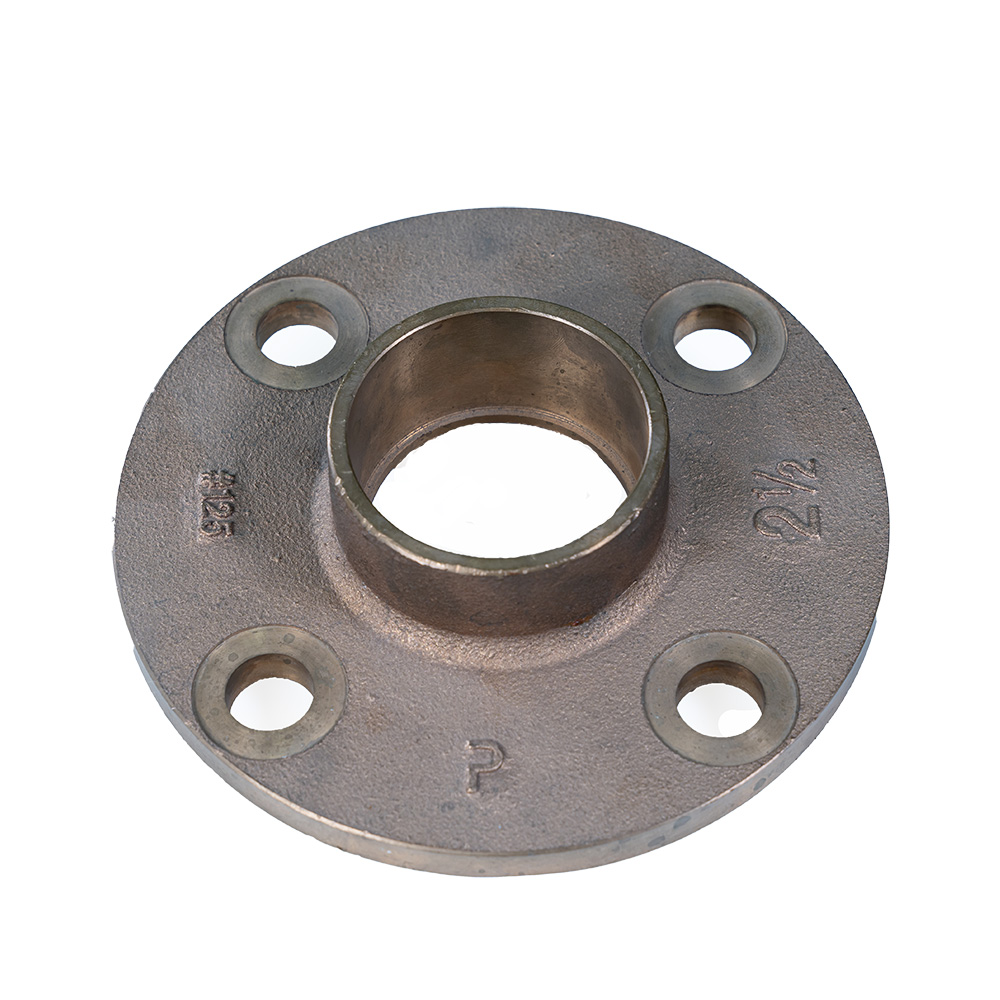
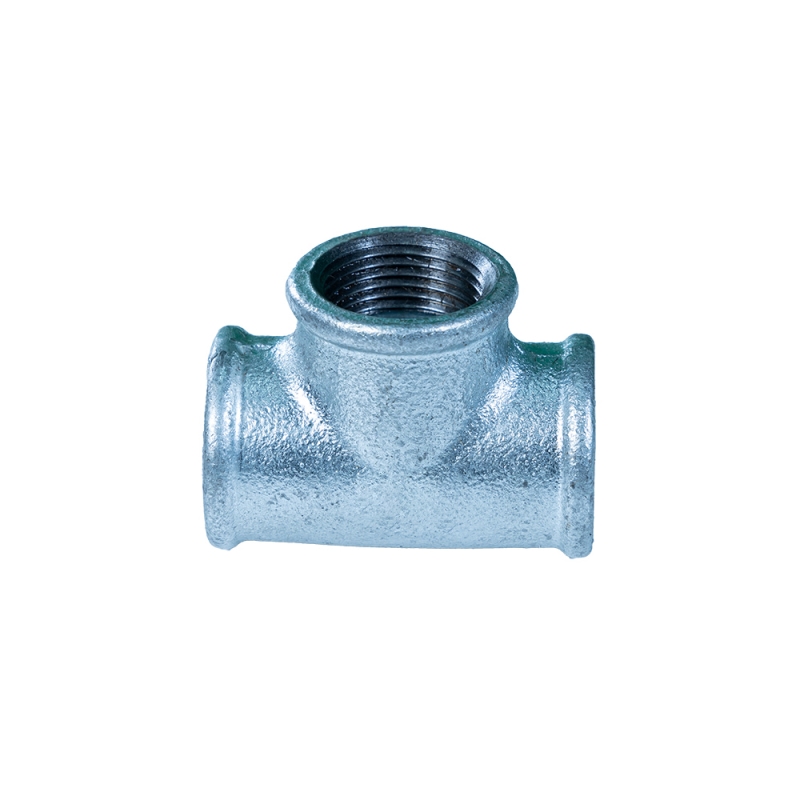
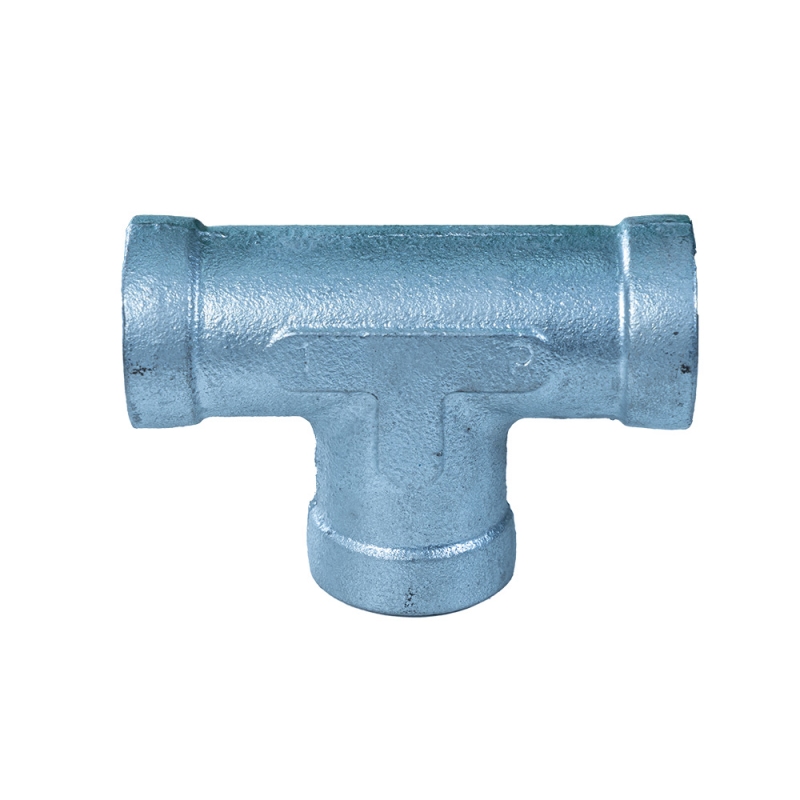
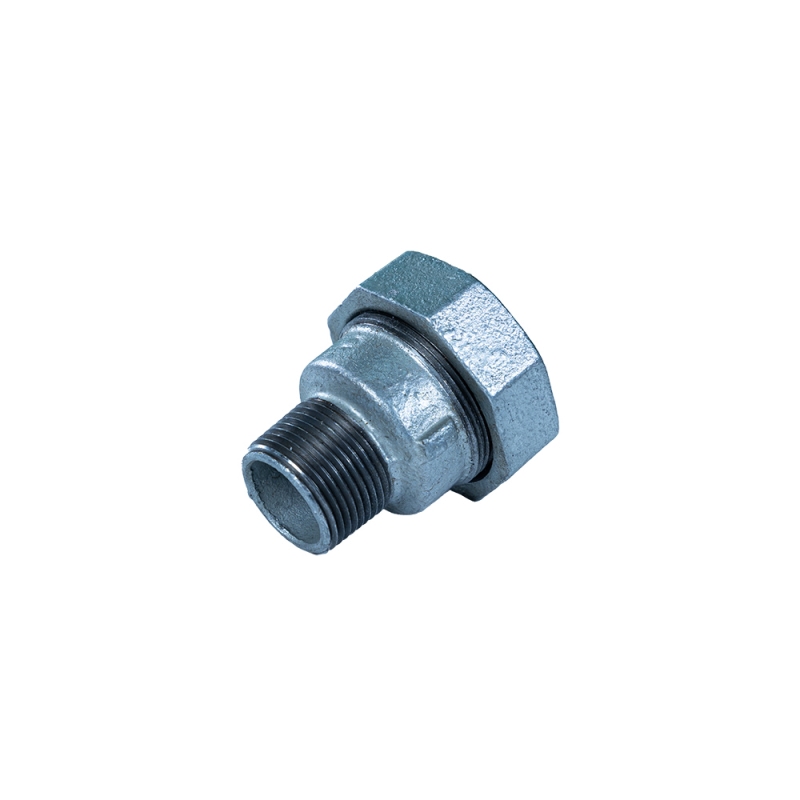
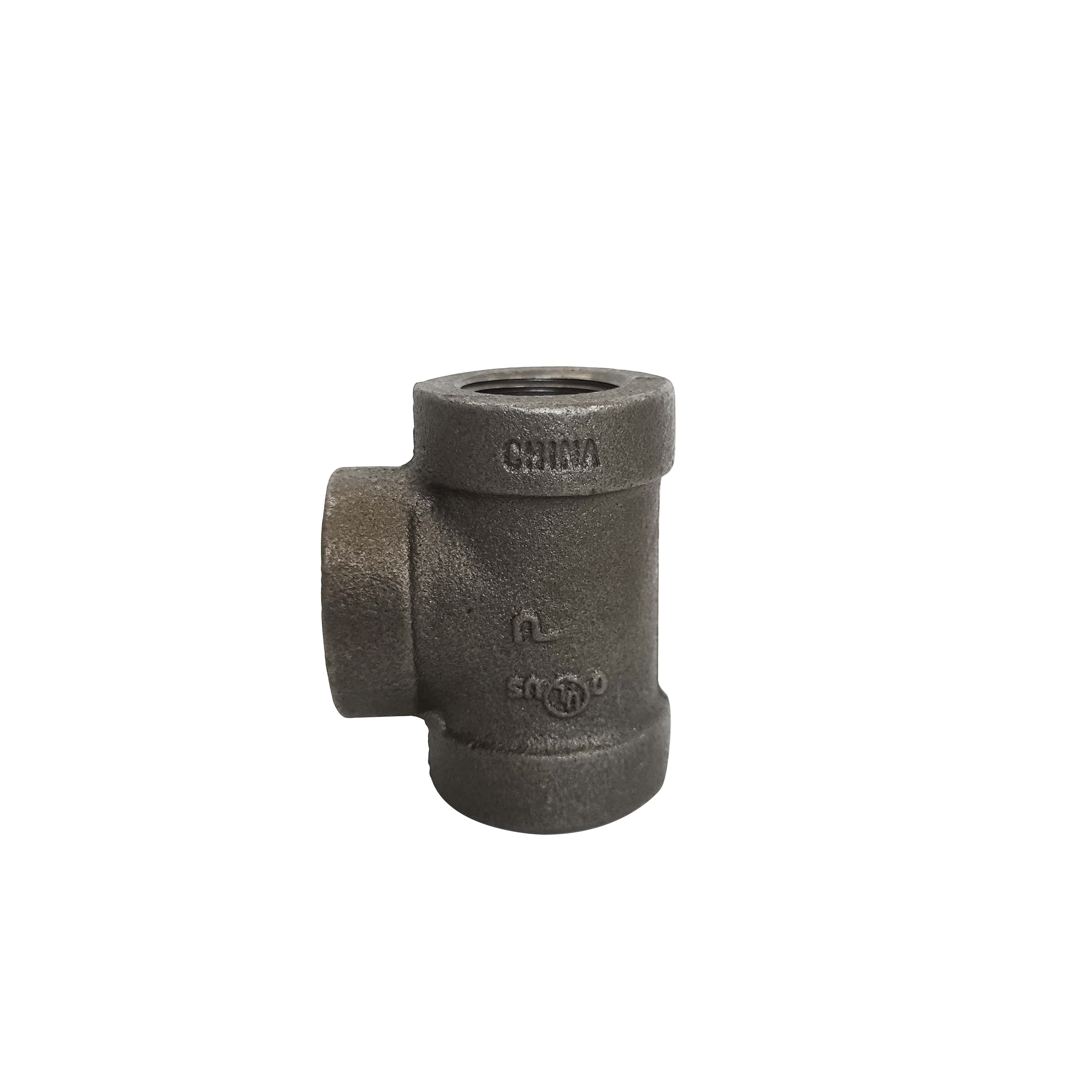
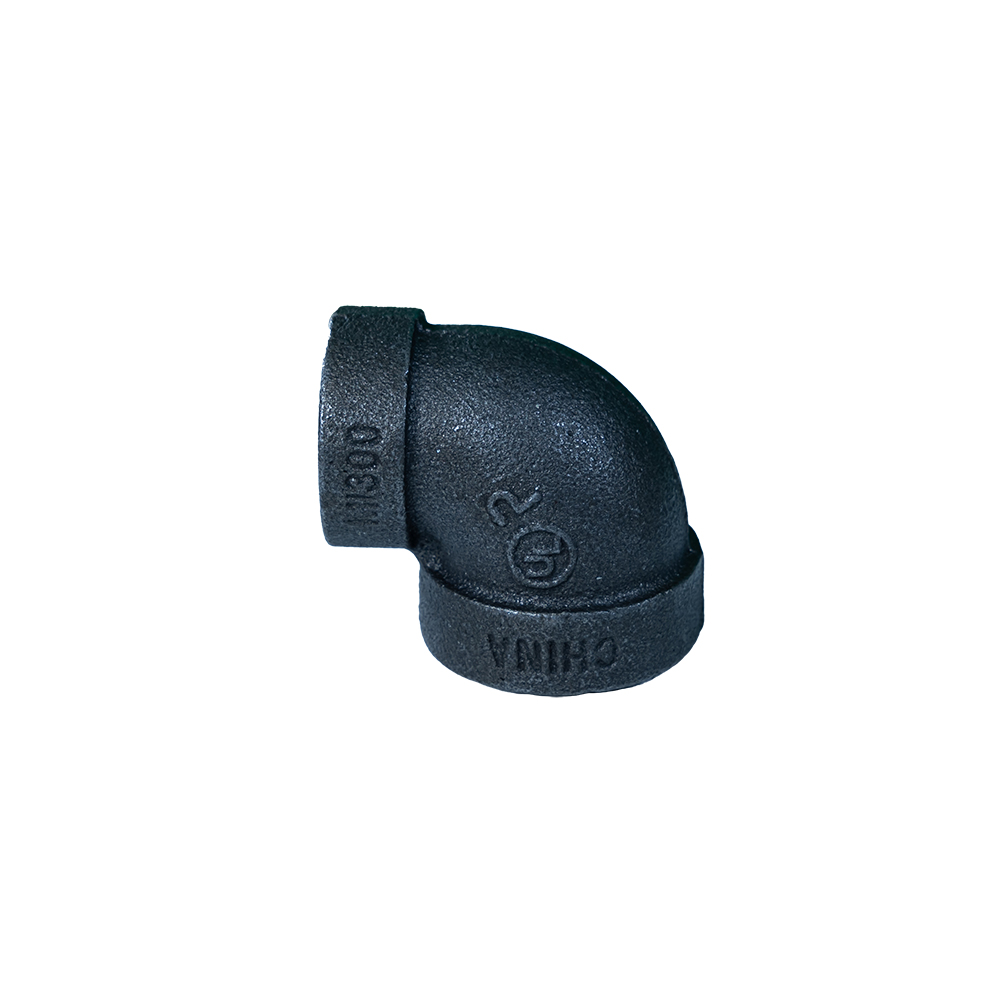
In simplest terms, a joint type elbow is a pipe fitting designed to change the direction of pipe runs—typically at angles like 45° or 90°. But here’s the twist: it’s more than a static piece. These elbows often feature a joint mechanism that allows for flexibility, alignment ease, or quick assembly/disassembly.
In emergency setups, such as temporary water supply systems or modular industrial units, these joints provide fast deployment, reducing downtime. So, not just industry, but humanitarian agencies on the ground find them indispensable.
Core Components of Joint Type Elbows
1. Durability
Materials like stainless steel, ductile iron, and high-density polyethylene (HDPE) dominate, offering resistance to corrosion and mechanical wear. The joint mechanism must maintain strength under repetitive motion or stress — a non-negotiable for long-term projects.
2. Flexibility
Some joint type elbows incorporate swivel or ball joints allowing slight angular adjustments beyond the fixed elbow angle. This adaptability reduces the risk of leaks caused by misalignment.
3. Seal Integrity
Gaskets or O-rings made from materials like EPDM or Viton ensure water or gas tightness. Seal quality often dictates longevity and safety — in industrial zones or remote locations where maintenance visits are costly, this is vital.
4. Ease of Installation
Modular construction with quick-fit clamps or flange connections saves time and labor. This matters when skilled labor isn’t around and projects are on tight schedules — think rapid repairs after a disaster.
5. Cost Efficiency
Balancing initial investment with lifespan is an art. Advanced materials might be pricier upfront but can save tens of thousands in the long run by preventing leaks or corrosion-related failures.
Mini takeaway: The best joint type elbow isn’t just about angles and materials—it’s about matching durability, flexibility, seal integrity, and cost efficiency to your project needs. Sounds obvious, but it’s surprisingly overlooked.
How Joint Type Elbows Are Used Around the World
Oddly enough, these elbows pop up everywhere — from the massive fuel pipelines in Russia’s Arctic to irrigation networks in sub-Saharan Africa. In post-tsunami Japan, they’ve been central to quickly reconstructing water delivery systems. NGOs use joint type elbows for potable water systems in refugee camps where conditions demand fast installs and reliable performance.
Industrial zones along the Gulf Coast often specify elbows certified to stringent ISO standards to handle chemical exposures and hurricane-level storms.
Example: Disaster Relief in Southeast Asia
After floods, engineers deploy modular pipelines with joint type elbows allowing water filtration and distribution in days, not months. Local teams report a 30% faster setup with flexible joints, making water access safer and more immediate.
Advantages and Long-Term Value of Choosing Quality Joint Type Elbows
- Cost Savings: Reduced maintenance, fewer shutdowns.
- Sustainability: Longer lifespan means less waste.
- Safety: Leak-resistant joints reduce hazards.
- Trust: Confidence for engineers and operators.
- Social Impact: Supports reliable access to water, energy, and sanitation.
Emotionally, knowing your infrastructure isn’t the weakest link brings peace of mind, especially in critical settings. These are not just technical choices — they’re investments in dignity and resilience.
Future Trends in Joint Type Elbows
Materials science is moving towards smart polymers and corrosion-resistant composites, cutting weight without sacrificing strength. Sensors embedded in elbows can monitor leaks or stress in real-time, feeding data to centralized systems—ideal for digital twins and automated predictive maintenance.
Regulations push for greener production methods, and manufacturers are responding with more recyclable components and eco-friendly sealants, supporting global sustainability goals.
Challenges and How Experts Are Tackling Them
Common hurdles include improper installation, insufficient testing under real-world pressures, and varying standards globally. Experts recommend extensive training, stringent quality control certifications, and partner collaborations across borders.
I recently read how companies integrate augmented reality during installations to visualize exact pipe alignments, reducing errors dramatically. These innovations are slowly becoming the new normal.
Product Specification Table
| Specification | Value |
|---|---|
| Material | Stainless Steel 316 / HDPE / Ductile Iron |
| Angle | 45°, 90°, 60° Custom |
| Joint Type | Swivel / Flanged / Quick-Fit Clamp |
| Pressure Rating | Up to 150 PSI |
| Operating Temp. | -40° to 120°C |
| Seal Material | EPDM / Viton / NBR |
Vendor Comparison Table
| Vendor | Material Options | Customization | Lead Time | ISO Certification |
|---|---|---|---|---|
| PanNext Fittings | Stainless Steel, Ductile Iron | Full Custom Angles & Joint Types | 2–3 weeks | ISO 9001 |
| GlobalPipe Inc. | HDPE, PVC | Standard Angles Only | 4–6 weeks | ISO 14001 |
| FlexiJoint Solutions | Composite Materials | Semi-Custom | 3–4 weeks | ISO 9001 & 45001 |
FAQs About Joint Type Elbows
Q1: How do joint type elbows improve pipeline longevity?
A1: By allowing slight movements and adjusting alignment, joint type elbows reduce stress points that commonly cause cracks or leaks. Their materials and seal designs also resist corrosion, which collectively lengthens pipeline life.
Q2: Can joint type elbows handle extreme temperatures?
A2: Yes, depending on materials used. Stainless steel and certain polymers enable operation in harsh conditions ranging from subzero cold to high temperatures above 100°C, making them versatile across climates.
Q3: Are joint type elbows suitable for temporary emergency setups?
A3: Absolutely. Their quick-install joint mechanisms and modular designs are ideal for fast deployments during disaster relief, allowing critical services like clean water or fuel delivery with minimal downtime.
Q4: How customizable are these fittings for unique projects?
A4: Vendors like PanNext Fittings offer extensive customization — from joint types to angles and materials — to align precisely with project demands, whether industrial or humanitarian.
Q5: What standards ensure the quality of joint type elbows?
A5: International standards like ISO 9001 for manufacturing quality and ISO 14001 for environmental management help guarantee reliability and sustainability of these components in critical infrastructures.
Wrapping Up: Why Joint Type Elbows Should Be on Your Radar
It’s easy to overlook the humble joint type elbow in the grand scheme of infrastructure, but these connectors are fundamental for durability, flexibility, and safety. They impact everything from cost-efficiency to social welfare by ensuring systems keep flowing smoothly, especially where it counts the most.
If you’re looking for joint type elbow solutions that blend quality, customization, and real-world reliability, explore your options with reliable vendors who understand your mission.
Here’s to smarter connections — both in pipes and projects.
References
Post time: Nov-30-2025