
Understanding Pipe Screw Fittings: Why They Matter Globally
Pipe screw fittings might not be the flashiest topic at your dinner table, but they quietly keep the wheels of industry, infrastructure, and even humanitarian aid turning worldwide. In simple terms, these components connect pipes through screwing mechanisms, allowing easy assembly and disassembly of piping systems. Their significance can't be overstated: from water supply networks to oil pipelines, the right fittings ensure safety, efficiency, and adaptability.
Grasping how pipe screw fittings work, and why their design and quality are crucial, gives engineers and project planners enormous leverage in delivering on schedules and budgets while minimizing risks. It’s also a nod to sustainability since high-quality fittings reduce leakages and costly maintenance.
Mini takeaway: Pipe screw fittings are vital connectors that uphold safe, flexible, and reliable piping across sectors worldwide.
The Global Context Behind Pipe Screw Fittings
Industries rely heavily on piping systems — which carry liquids, gases, and uncommon fluids — and fittings are their unsung heroes. Backing this up, the ISO standards on piping and components serve as a global baseline ensuring compatibility and reliability.
According to the World Bank’s infrastructure reports, many developing regions face challenges installing efficient water and energy systems. That’s where robust, easy-to-install pipe screw fittings come in handy — no need for bulky welding equipment, just secure metal threads ensuring tight joints, even in remote or disaster-hit zones.
Challenges like climate change and expanding urban populations put pressure on infrastructure to be flexible and quick to fix. Pipe screw fittings sift into that narrative as crucial problem solvers.
Mini takeaway: Pipe screw fittings offer globally standardized, agile solutions that address modern infrastructure challenges.
What Exactly Are Pipe Screw Fittings?
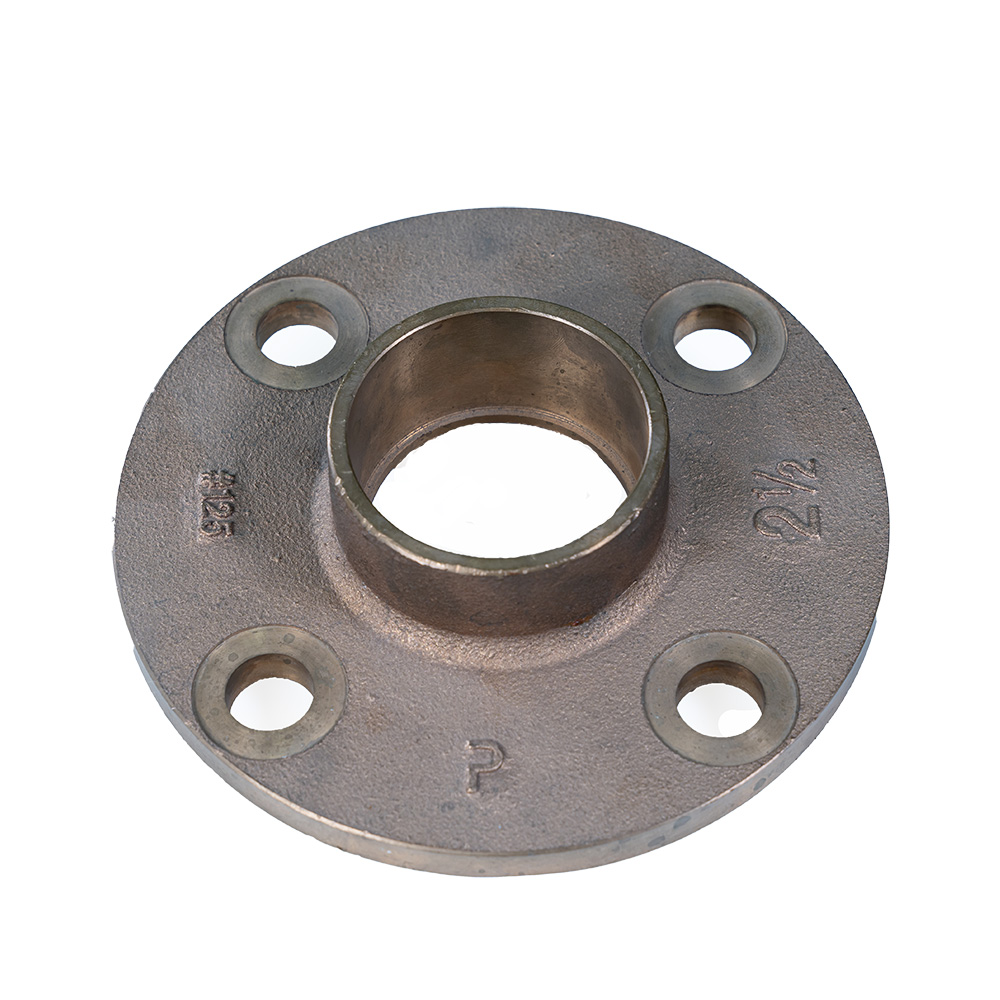
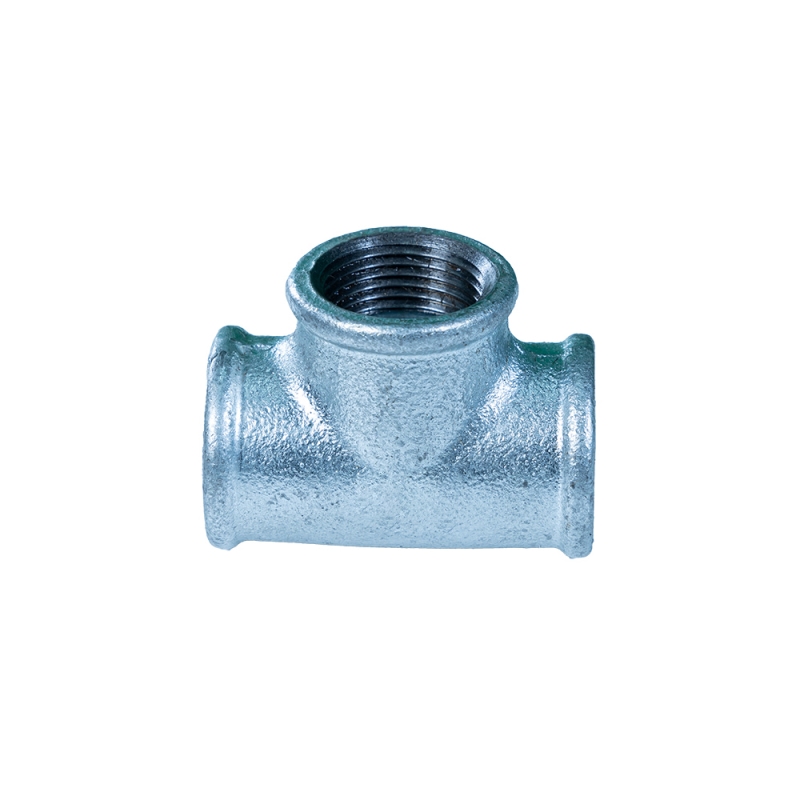
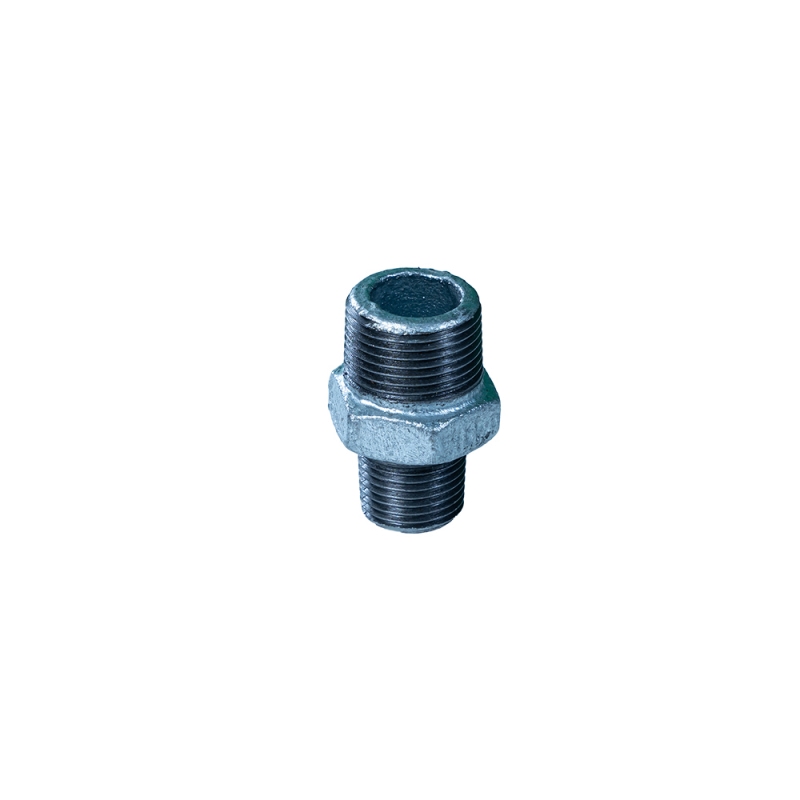
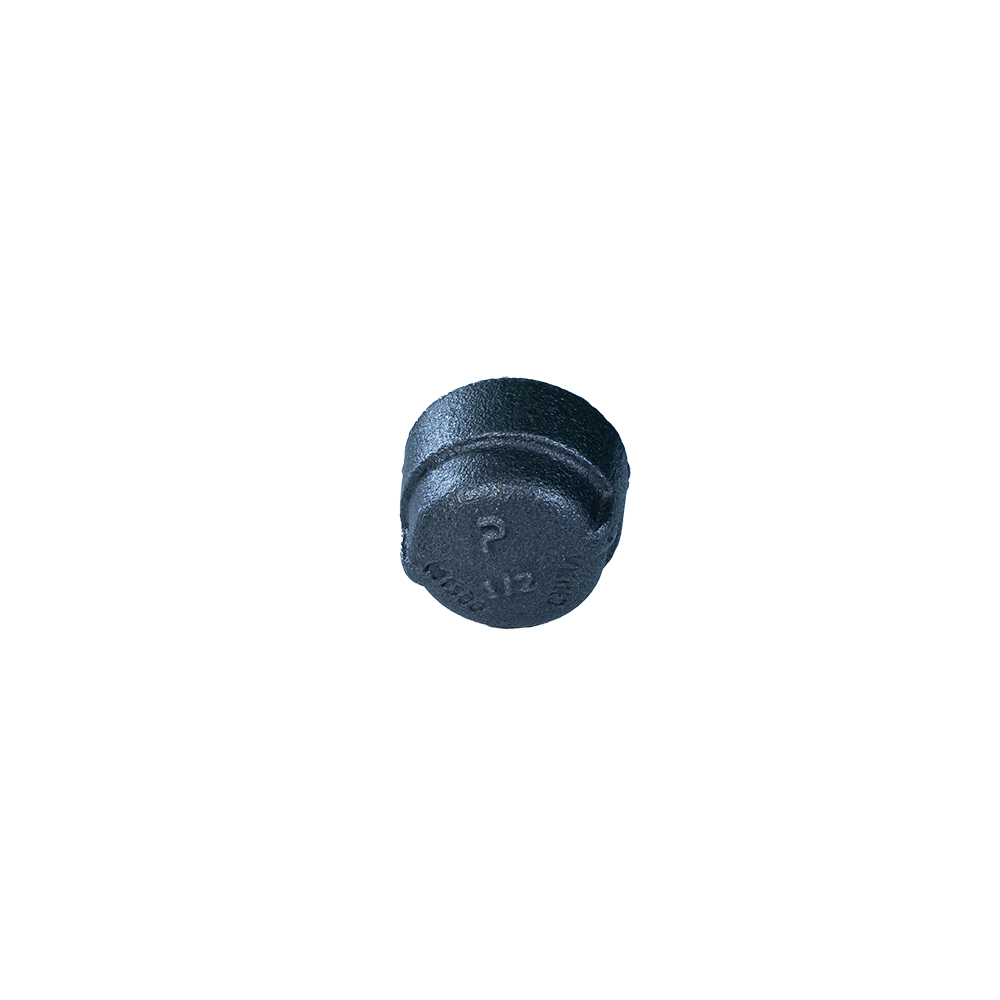
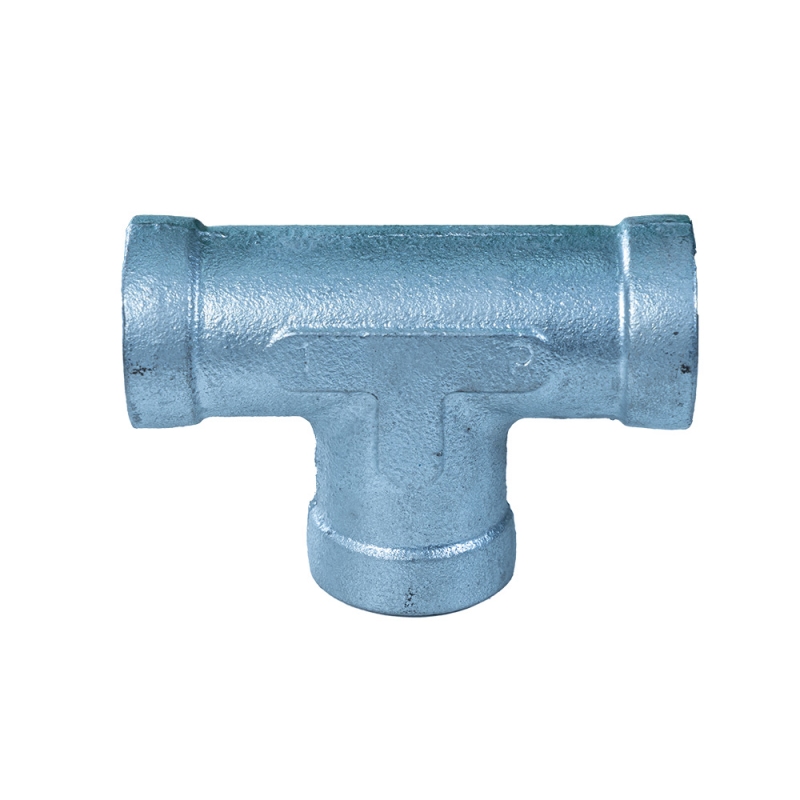
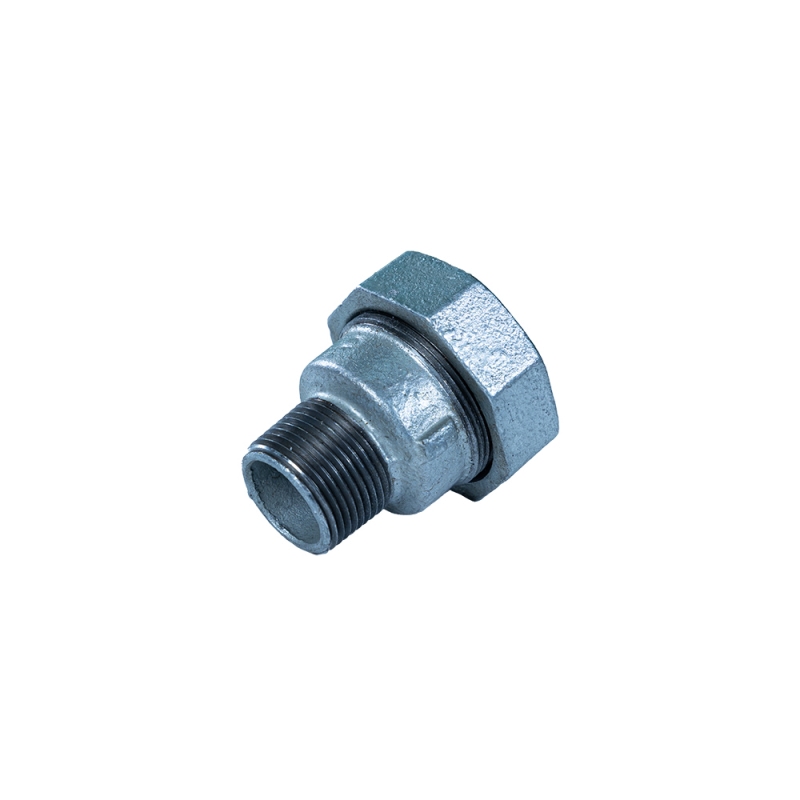
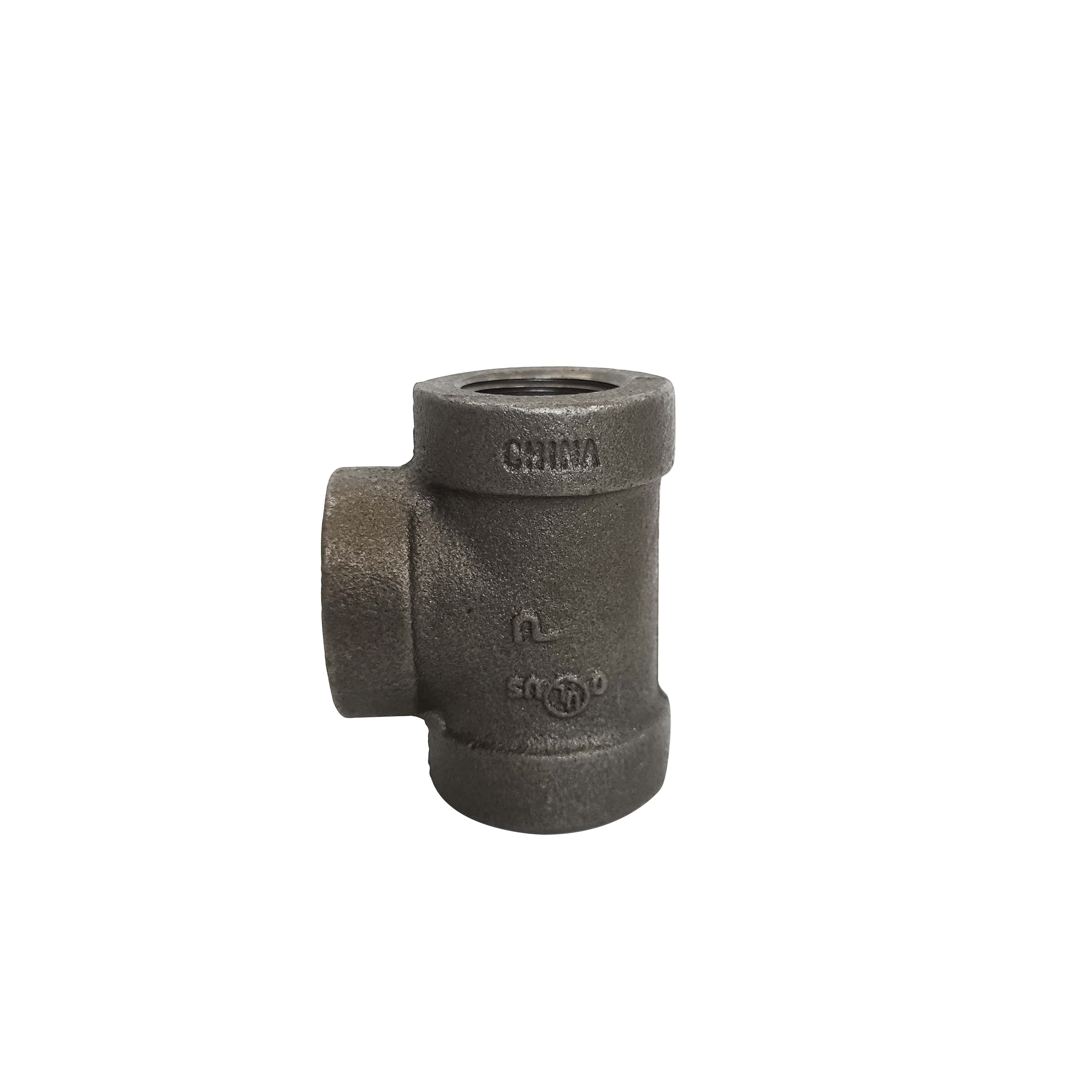
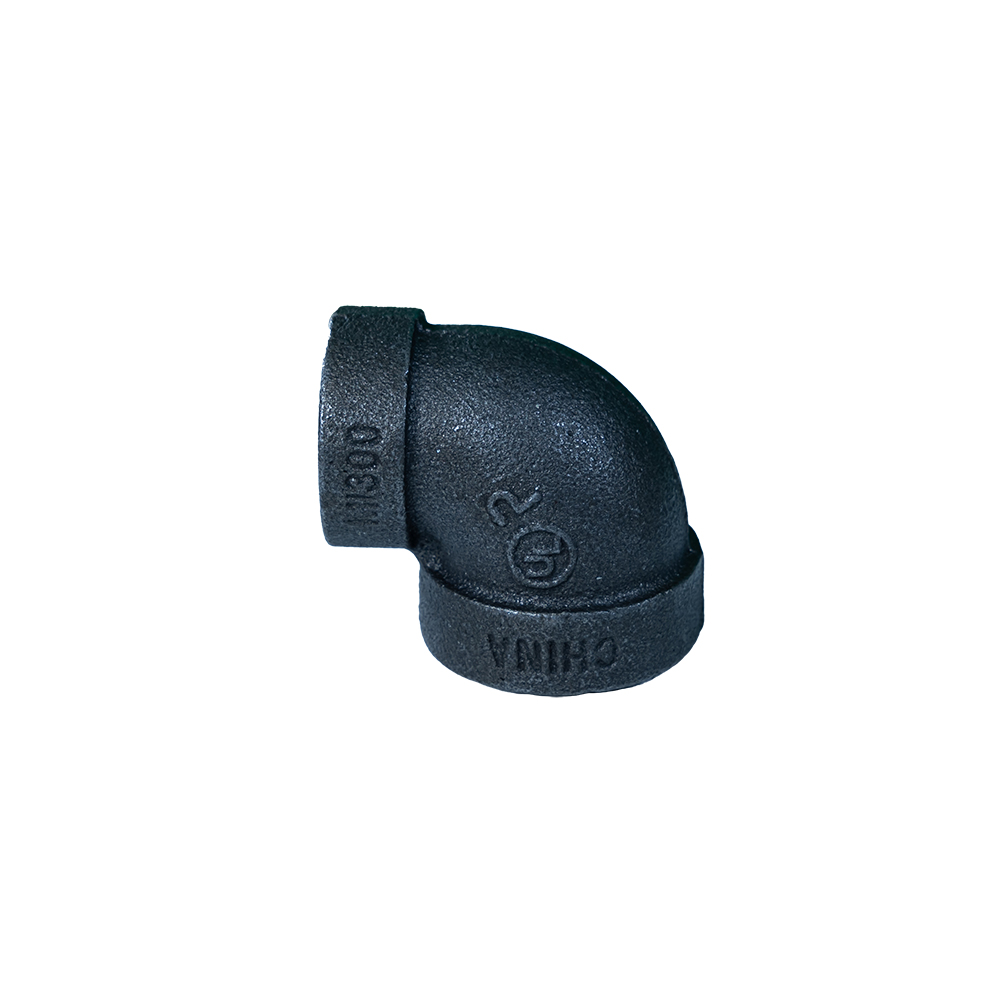
At the core, a pipe screw fitting is a mechanical connector screwed onto pipes' threaded ends to join two sections. Think of it as the plumbing equivalent of a bolt and nut, but designed to withstand pressure, corrosion, and often harsh environments. These fittings come in varieties such as couplings, elbows, tees, and plugs, all with internal or external threads matched to pipe sizes.
Why do they matter beyond simple plumbing? Well, in industrial sectors—like oil & gas, chemical plants, and waterworks—quick maintenance or reconfiguration can save time and money. Screw-type fittings enable disassembly without cutting pipes, unlike welded joints. In humanitarian contexts, such as refugee settlements, water points assembled with screw fittings facilitate rapid deployment and easy upgrades.
Mini takeaway: Pipe screw fittings are threaded connectors essential for easy assembly, reconfiguration, and maintenance of piping systems worldwide.
Key Factors in Pipe Screw Fittings
1. Durability
Most fittings are forged from carbon steel, stainless steel, or brass — each offering different corrosion resistances and mechanical strengths. In salty seaside industries or chemical environments, stainless steel or special alloys ensure longevity. Durability means less downtime, lower costs, and fewer leaks (which, frankly, no one wants).
2. Scalability
Whether you’re building a small workshop or a sprawling refinery, screw fittings come in a range of sizes and pressure ratings. This flexibility allows systems to be designed and built incrementally, a boon for projects growing in phases.
3. Cost Efficiency
Screw fittings often save money through simpler installation and reduced labor needs. No fancy welding gear. Plus, in remote sites, shipping lighter, modular components is cheaper and quicker.
4. Compatibility and Standardization
Global standards (such as ANSI/ASME B1.20.1) govern thread sizes and pitches to ensure fittings from different manufacturers “play well” together. This reduces headaches buying parts or performing repairs, especially for multinational projects.
5. Ease of Installation & Maintenance
One favorite of many field engineers is how easily pipe screw fittings can be installed with basic tools — a simple wrench often suffices. And around the world, where skilled welders are scarce, they make practical sense.
How Pipe Screw Fittings Are Used Around the World
Across Asia’s bustling cities, Europe’s industrial hubs, and Africa’s developing infrastructure, these fittings show up everywhere.
- Oil & Gas Industry: In offshore platforms and pipelines, high-grade screw fittings withstand pressure and corrosion.
- Water & Sanitation: NGOs in post-disaster relief rely on screw fittings to rapidly restore safe water supplies.
- Manufacturing Plants: Automated factories use easily adjustable screw fittings to reroute fluids as production lines change.
- Remote Mining Operations: Sites with harsh conditions benefit from corrosion-resistant fittings that can be quickly replaced to reduce downtime.
Oddly enough, I also came across a story where screw fittings helped assemble modular greenhouses in a rural village — proof that even agriculture benefits.
Mini takeaway: Versatility means pipe screw fittings serve critical roles from global industries to grassroots development projects.
Advantages and Long-Term Value
So what’s the bottom line? Pipe screw fittings bring clear benefits:
- Reliability: Properly selected fittings minimize leaks and failures, critical for safety and cost control.
- Environmental Impact: Durable materials reduce waste and leaks, supporting sustainable infrastructure goals.
- Social Benefits: Safe, maintainable water and energy systems uphold health and dignity in communities.
- Innovation: Modular, screw-based systems lend themselves to future upgrades and smart monitoring.
It really feels like when you pick the right fitting, you’re picking peace of mind for decades.
Product Specifications Snapshot
| Specification | Typical Values |
|---|---|
| Material | Carbon Steel, Stainless Steel, Brass |
| Thread Standard | NPT (ANSI/ASME B1.20.1), BSP |
| Pressure Rating | 150 psi to 3000 psi (varies by size and material) |
| Temperature Range | -40°C to +200°C |
| Sizes Available | 1/8" to 4" nominal diameter |
Leading Vendors Comparison
| Vendor | Material Options | Price Range | Lead Times | Region Served |
|---|---|---|---|---|
| Pannext Fittings | Carbon Steel, Stainless Steel | $$ | 2-4 weeks | Global |
| MetalConnec Inc. | Brass, Stainless Steel | $$$ | 3-5 weeks | North America & Europe |
| ThreadPro Ltd. | Carbon Steel, Alloy Steel | $ | 1-3 weeks | Asia-Pacific |
Emerging Trends and Innovations
Innovation doesn’t just mean shiny new gadgets. For pipe screw fittings, that often means improvements in materials like advanced stainless alloys with enhanced corrosion resistance. Smart fittings with embedded sensors to monitor pressure and detect leaks are gaining ground — useful for preventive maintenance.
Digitization of supply chains also speeds up procurement and logistics. Plus, greener manufacturing processes align with global climate goals. In fact, some companies now offer fittings made from recycled metals, cutting down the carbon footprint.
Mini takeaway: Future pipe screw fittings will be smarter, stronger, and friendlier to the planet.
Common Challenges and How to Overcome Them
Sure, no product is perfect. Common issues include thread wear due to improper installation, corrosion in aggressive environments, and compatibility mishaps if threads aren’t matched correctly.
Experts recommend strict adherence to standards and training installers to use thread sealants and torque wrenches properly. Also, alternatives like coating threads or using anti-corrosive lubricants extend fitting life. When budgets allow, upgrading to corrosion-resistant alloys pays dividends.
FAQ: Common Questions About Pipe Screw Fittings
Q: How do I know which pipe screw fitting material suits my project?
A: Consider your fluid type, temperature, and pressure. For corrosive fluids, stainless steel or brass may suit best. For general water or air services, carbon steel is often enough. Consulting material datasheets and project specs helps pick the right one.
Q: Can pipe screw fittings be reused after disassembly?
A: Often yes, but it depends on wear and thread condition. It’s best to inspect for damage and test for leaks upon reinstallation. Over-tightening or damage may require replacement for safety.
Q: Why aren’t pipe screw fittings used universally for large diameter pipes?
A: For very large pipes, welding or flange connections are typically stronger and leak-proof. Screw fittings mainly suit smaller to medium diameters due to practical manufacturing and threading limits.
Q: Are pipe screw fittings compatible internationally?
A: Mostly yes — standardized thread specs promote global compatibility. But always check the exact standard and sizes used in your region.
Q: Where can I find high-quality pipe screw fittings with quick delivery?
A: Vendors like Pannext Fittings offer reliable stock, global shipping, and technical support to help match your specs and schedules.
Conclusion and Next Steps
Pipe screw fittings might seem small and simple, but their impact is enormous — connecting critical systems in safe, reliable, and cost-effective ways. From industries powering economies to NGOs restoring essential services, they enable flexibility and innovation worldwide.
If your projects need dependable pipe connections, exploring offerings like those from Pannext Fittings could be the smart next step.
Here’s to piping solutions that hold tight, last long, and support the world’s infrastructure quietly but surely.
References
Post time: Nov-27-2025