
Understanding Black Pipe Tee Fittings: Why They Matter Globally and in Industry
If you’ve ever dipped your toes into plumbing, infrastructure, or industrial piping, you’ve likely stumbled upon black pipe tee fittings – those humble-looking but absolutely crucial components that enable countless systems to function seamlessly. These fittings are everywhere, from sprawling urban waterworks to remote industrial plants, quietly helping direct fluids and gases with precision.
But why does this topic matter on a global scale? Well, with the constant push for sustainable infrastructure and efficient resource management, understanding black pipe tee fittings becomes essential for engineers, contractors, and even humanitarian organizations facing water and energy challenges. They represent a small but mighty piece in the puzzle of modern engineering—balancing durability, cost, and scalability worldwide.
Global Context: The Widespread Role of Black Pipe Tee Fittings
According to ISO standards on piping (see ISO.org), black pipe fittings are categorized as essential components in many pressure and non-pressure systems globally. The World Bank estimates that infrastructure investments related to water and energy are set to rise by 30% in emerging markets over the next decade — and a huge chunk of that investment drives demand for reliable pipe fittings, including black pipe tee fittings.
One of the key challenges these fittings help solve is maintaining system integrity across various applications — from gas distribution networks in dense urban hubs to irrigation projects in rural communities. Failure here isn't just an inconvenience; it can cause costly downtime, leaks, or worse — safety hazards. So, black pipe tee fittings aren't just “things in a pipe.” They’re vital to building secure, resilient systems that keep things moving.
Defining Black Pipe Tee Fittings: What Are They, Really?
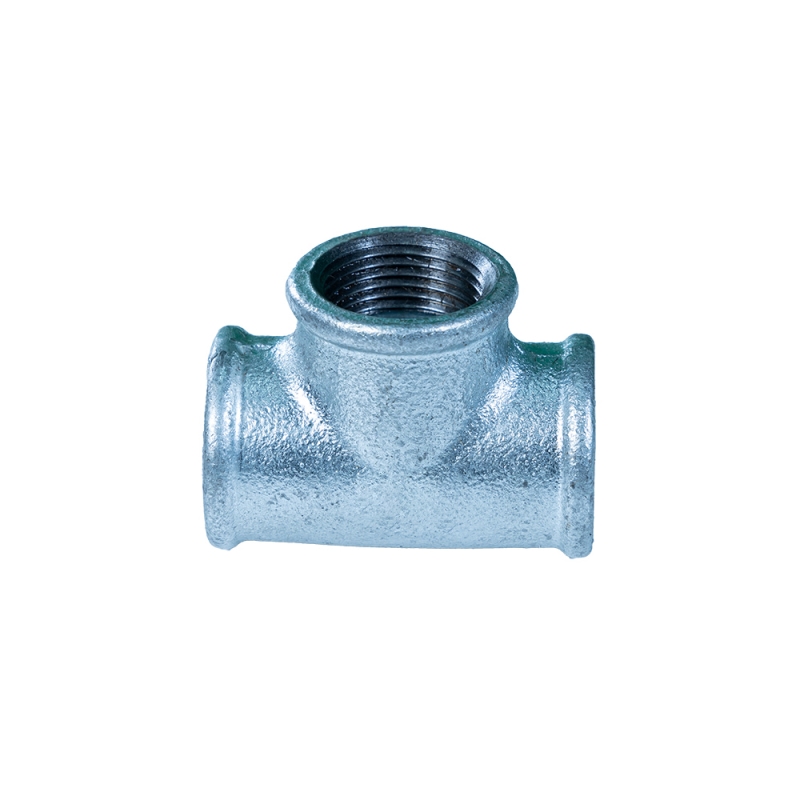
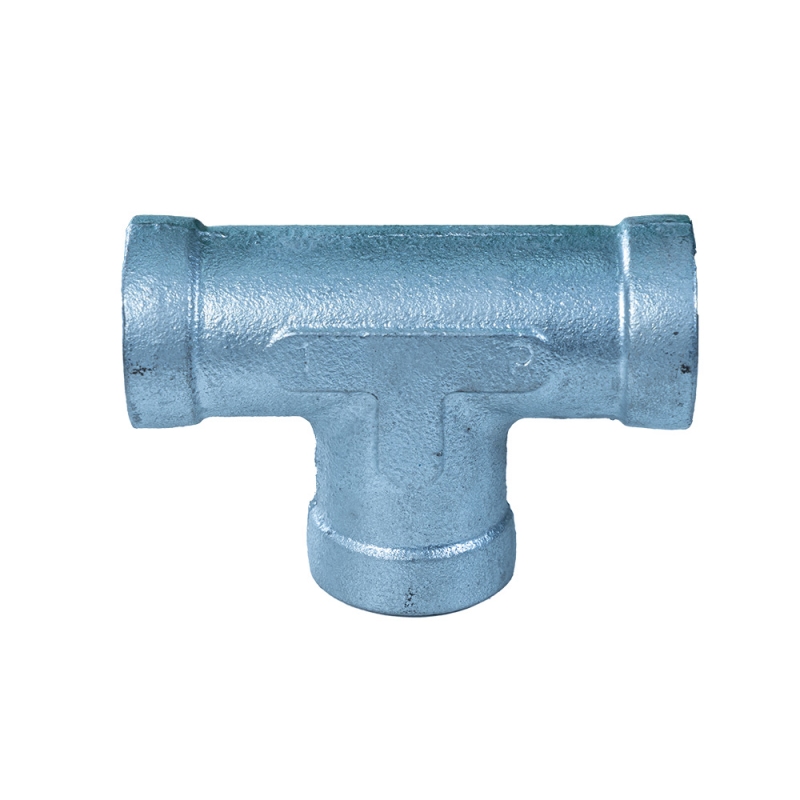
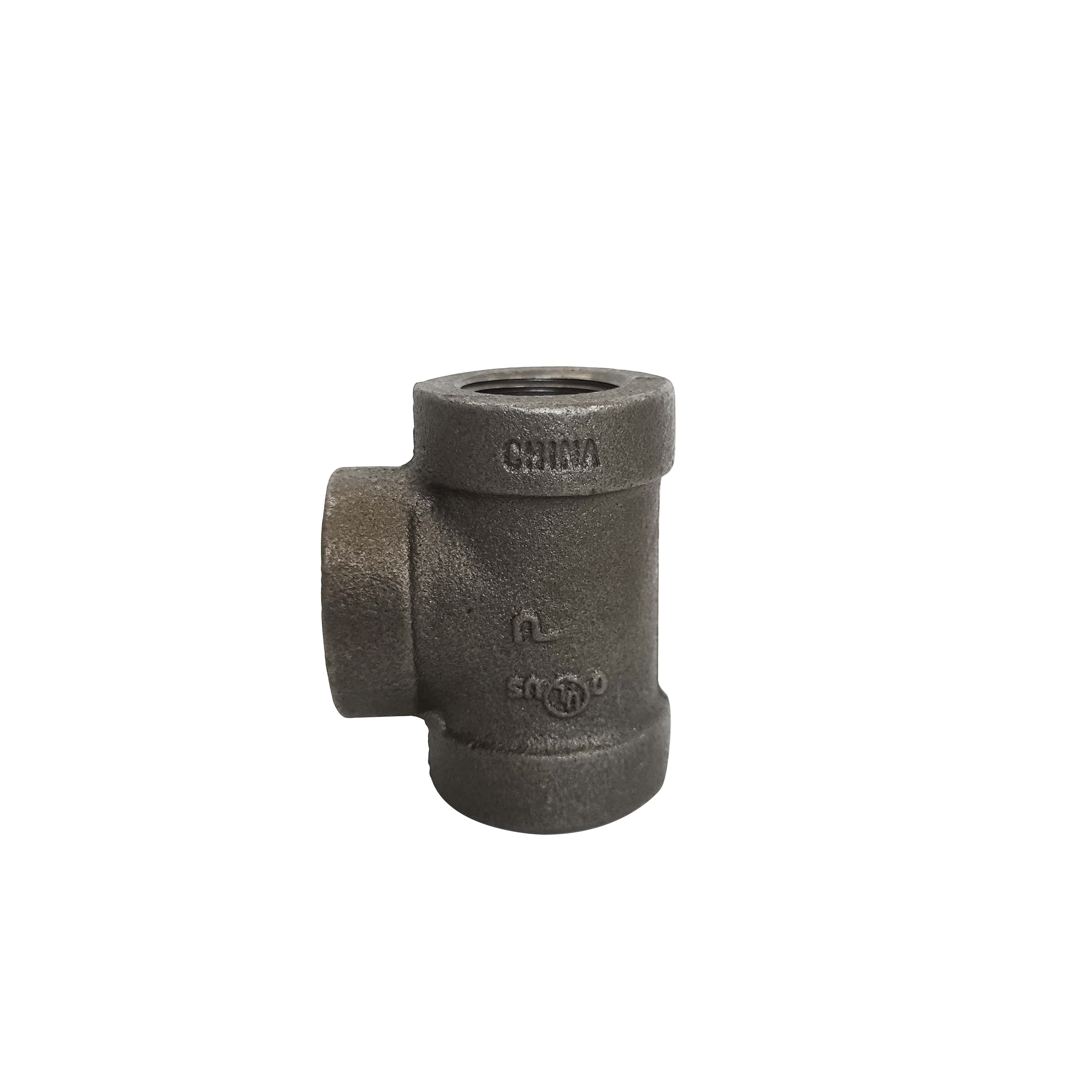
At its core, a black pipe tee fitting is a type of pipe connector shaped like the letter “T.” It allows a pipe to split into two or join flows from two inlets into one outlet, typically at a 90-degree angle. They’re made from black steel pipe — that is, uncoated carbon steel that gets its name from its dark surface covered by mill scale.
This simplicity masks a deeper significance. Black pipe tee fittings find use in gas distribution, oil refineries, fire sprinkler systems, and even in some potable water setups (though usually with special coatings). Their unadorned, rugged nature links them to heavy-duty industries and applications demanding strength and durability above all else.
Mini Takeaway:
- Black pipe tee fittings connect and re-route flows reliably.
- They're made from carbon steel, known for strength but requiring protection from corrosion when used outdoors or with water.
- Global industry demand stems from their essential role in large infrastructure and tough environments.
Key Characteristics That Make Black Pipe Tee Fittings Stand Out
Durability
Engineers often praise black pipe tee fittings for their toughness—they resist high pressure and temperature variations. In practical terms, this means fewer leaks and breakdowns in pipelines transporting gas, oil, or water, especially in industrial zones with rough handling.
Cost Efficiency
Compared to stainless steel or copper fittings, black pipe tees are usually far easier on the budget. They strike a balance between performance and cost, making them favored where budgets are tight but reliability can’t be sacrificed.
Corrosion Resistance (with Caveats)
While black steel itself isn’t inherently corrosion-proof, proper treatment such as painting or galvanizing extends lifespan. Many users apply coatings or use them in dry or indoor environments to avoid rust — a crucial consideration to prevent failure.
Scalability & Versatility
From household plumbing to massive industrial installations, these fittings come in sizes ranging from a half-inch to several inches in diameter. This versatility allows for tailored solutions, from small water lines in homes to complex oil pipeline systems.
Ease of Installation
Due to their standardized threading (commonly NPT - National Pipe Thread in the US) and industry-wide specs, black pipe tee fittings enable quicker, more consistent setups. This reduces downtime during maintenance and encourages modular system designs.
Mini Takeaway:
- They combine strength and cost savings effectively.
- Protection against rust is essential for longevity.
- Their standardized design means easier installations and system scalability.
Global Applications & Where They Shine
Black pipe tee fittings aren't just the plumbing equivalent of a Swiss Army knife — they're field-tested workhorses across continents.
- Energy Sector: From natural gas pipelines in North America to oil refineries in the Middle East, they connect and direct high-pressure flows reliably.
- Water Conveyance: Irrigation networks in Asia and fire sprinkler fittings in Europe often depend on black pipe tees for strength.
- Disaster Relief: Post-hurricane or earthquake zones utilize modular water and fuel systems featuring black pipe tee fittings because they’re easy to ship, install, and maintain.
- Manufacturing Plants: In places like Germany and Japan, carbon steel fittings form the backbone of compressed air and steam pipelines.
Oddly enough, while these fittings might seem low-tech, many NGOs and contractors rely on them heavily in disaster-prone areas because of their robustness and availability — which can't be overstated in unpredictable environments.
Advantages and Long-Term Value of Black Pipe Tee Fittings
When rounded up, the benefits cover tangible, emotional, and operational layers:
- Cost-Effectiveness: They keep costs down without compromising essential performance, ideal for tight project budgets.
- Reliability: The fittings ensure safety and integrity for critical infrastructure, reducing shutdowns and repairs.
- Social Impact: Stable water and energy delivery supports community wellbeing worldwide.
- Longevity: With appropriate care, black pipe tees last decades, giving operators peace of mind.
Many technicians note the almost tangible trust that comes with using a proven, solid material — you don't have to guess if something will hold up. It just does, quietly, year after year.
Black Pipe Tee Fittings: Product Specifications Table
| Specification | Details |
|---|---|
| Material | Carbon Steel (Black Steel) |
| Sizes Available | 1/2" to 6" Diameter |
| Thread Type | NPT (National Pipe Thread) |
| Pressure Rating | Up to 3000 psi (varies by size) |
| Coating Options | Mill scale (black surface), Optional galvanizing or painting |
| Applications | Gas, water, oil, fire sprinkler, compressed air systems |
Vendor Comparison: Black Pipe Tee Fittings Providers
| Vendor | Quality Certs | Price Range | Global Shipping | Customization Options |
|---|---|---|---|---|
| PanNext Fittings | ISO 9001, ASTM | $$ | Worldwide | Thread size, coating |
| Global Steel Connectors | ISO 14001 | $$$ | North America, Europe | Material grade, custom threading |
| RapidPipe Supplies | API Certified | $ | Asia-Pacific | Standard sizes only |
Emerging Trends and Innovations in Black Pipe Tee Fittings
As infrastructure demands evolve, so do manufacturers of black pipe tee fittings. Green energy projects, especially hydrogen transport and carbon capture pipelines, are pushing for materials that can handle more demanding service conditions. Some manufacturers experiment with advanced coatings that resist hydrogen embrittlement and corrosion better.
Additionally, digital transformation means we’re seeing more intelligent inventory management and automated fitting fabrication — which means deliveries are faster, and custom specs more precise. It all adds up to systems that feel not just durable but smarter.
Challenges and The Road Ahead
No product is perfect, and black pipe tee fittings have their quirks. Corrosion remains a persistent enemy, requiring careful material handling and protective coatings. Another challenge is ensuring proper thread compatibility globally, as mismatched threads lead to leaks or failures.
Innovative approaches to these issues include improved surface treatments, non-destructive testing techniques during installation, and harmonization of international standards. Many engineers also advocate for greater training in proper installation to avoid human errors that cause premature failure.
Frequently Asked Questions About Black Pipe Tee Fittings
1. What factors determine the right size of black pipe tee fitting for a system?
The size depends primarily on the pipe diameters involved and the flow rates required. Engineers consider pressure levels, material compatibility, and the application's operational conditions. Getting the right size prevents pressure drops and leaks. For guidance, always consult relevant standards or a trained professional.
2. Are black pipe tee fittings suitable for drinking water systems?
Generally, black steel pipes and fittings are not preferred for potable water due to corrosion risks and potential contamination. However, with proper internal coatings or when used in non-potable water systems, they can be used safely. Copper or stainless steel fittings are better choices for drinking water.
3. How can I prevent corrosion on black pipe tee fittings used outdoors?
Applying galvanization, paint coatings, or using weather-resistant coverings helps protect against rust. Routine maintenance inspections and cleaning off surface rust early also extend lifespan. Environment conditions like humidity and chemical exposure also factor in, so consider location carefully.
4. Can black pipe tee fittings be customized for specialized industrial uses?
Yes. Vendors often offer customized thread sizes, materials, and protective coatings for extreme conditions such as high temperature, pressure, or chemical exposure. Communicating your exact needs to the supplier ensures you get a fitting designed to match your system requirements.
Wrapping it Up: Why Black Pipe Tee Fittings Are Still a Smart Choice
Despite seeming like a basic piece of hardware, black pipe tee fittings embody reliability, cost efficiency, and versatility that few alternatives match — qualities essential to modern piping infrastructures worldwide. From global energy networks to humble irrigation projects, their impact quietly resonates through every well-functioning pipeline.
If you want to explore the latest in black pipe tee fittings and find options that fit your project’s unique needs, consider checking out trusted suppliers like black pipe tee fittings vendors who uphold strict quality and customization standards.
After all, investing in the right fitting today is one less leak, one less failure, and one more lasting connection tomorrow.
References
Post time: Nov-27-2025