
Why Cast Pipe Fittings Matter More Than You Might Think
Cast pipe fittings, though often overlooked, form the backbone of countless infrastructure projects around the world. From ensuring safe water distribution in bustling cities to safeguarding oil and gas pipelines in harsh environments, understanding their role is crucial. Beyond the nuts and bolts, grasping the nuances of cast pipe fittings helps engineers, planners, and industries create resilient and sustainable systems that support global development and human well-being.
The Global Context: Why Cast Pipe Fittings Are Indispensable Today
Let’s set the stage. According to the World Bank, over 2 billion people lack access to safely managed drinking water services globally. Infrastructure investments are surging, especially in developing economies, to bridge this gap. Cast pipe fittings — those durable connectors between pipes — play a pivotal role in building these lifelines.
Furthermore, the oil and gas sector, which comprises nearly 4% of the global GDP (as per the International Energy Agency), depends heavily on reliable cast pipe fittings to maintain operational safety and efficiency. Yet, many plants and utilities face leakage and maintenance challenges. This sparks bigger questions: How do cast pipe fittings address scalability? Can they withstand evolving environmental demands?
Defining Cast Pipe Fittings: The Unsung Heroes of Piping Systems
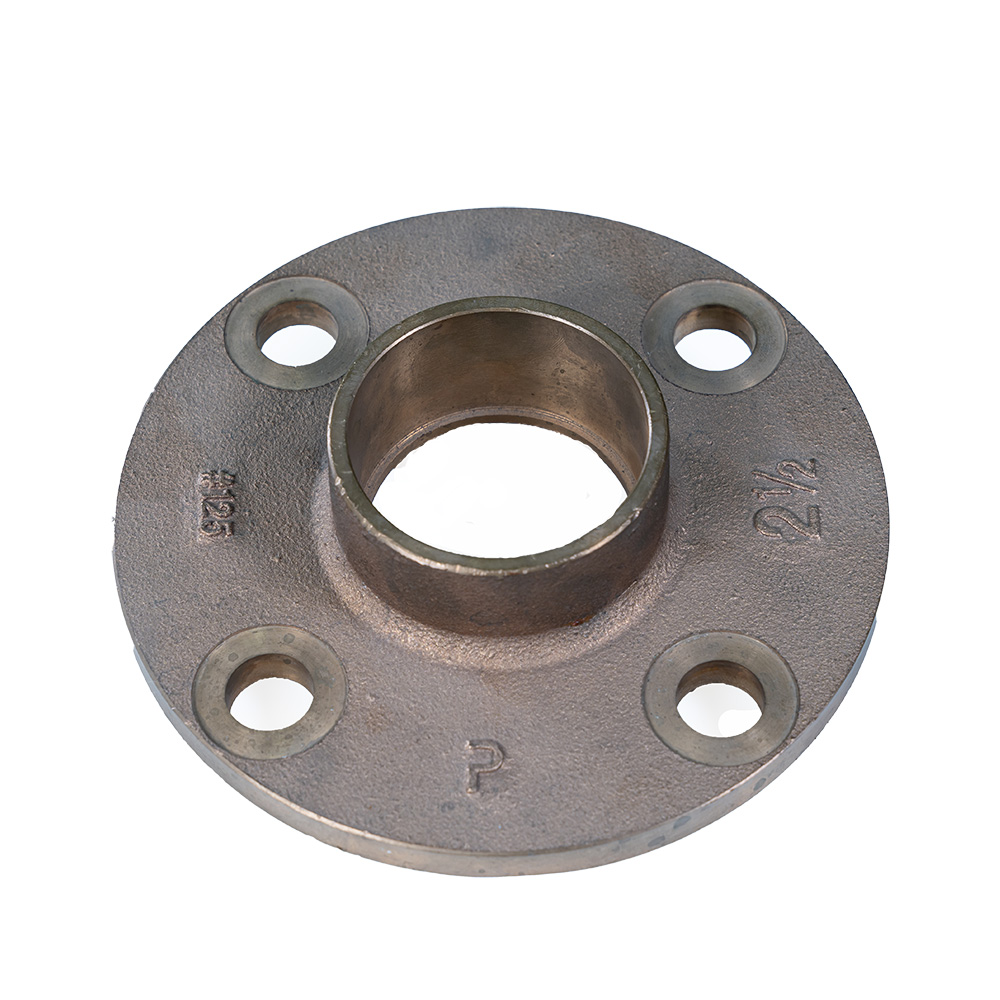
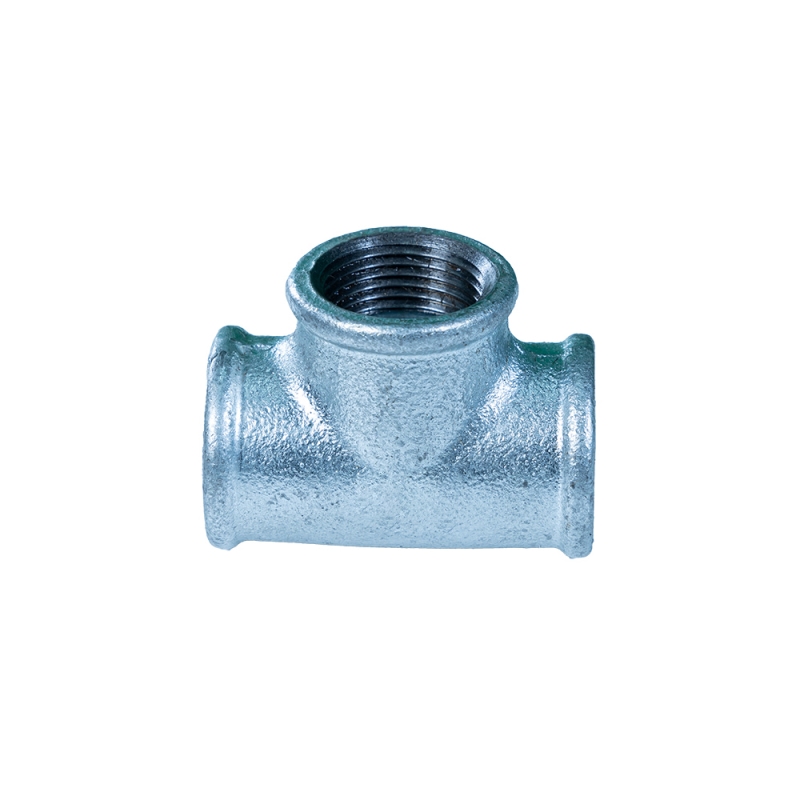
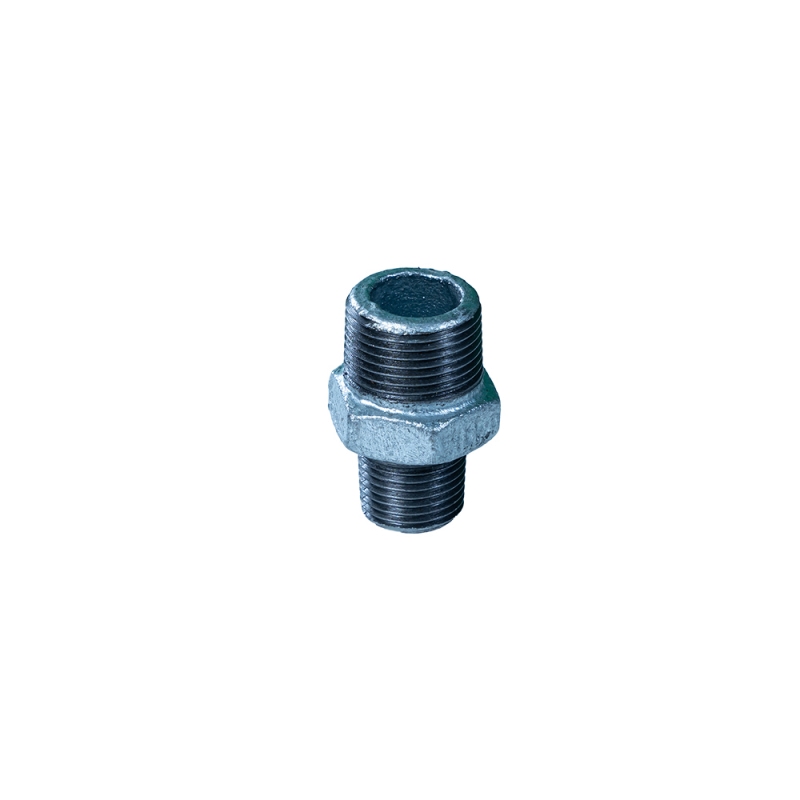
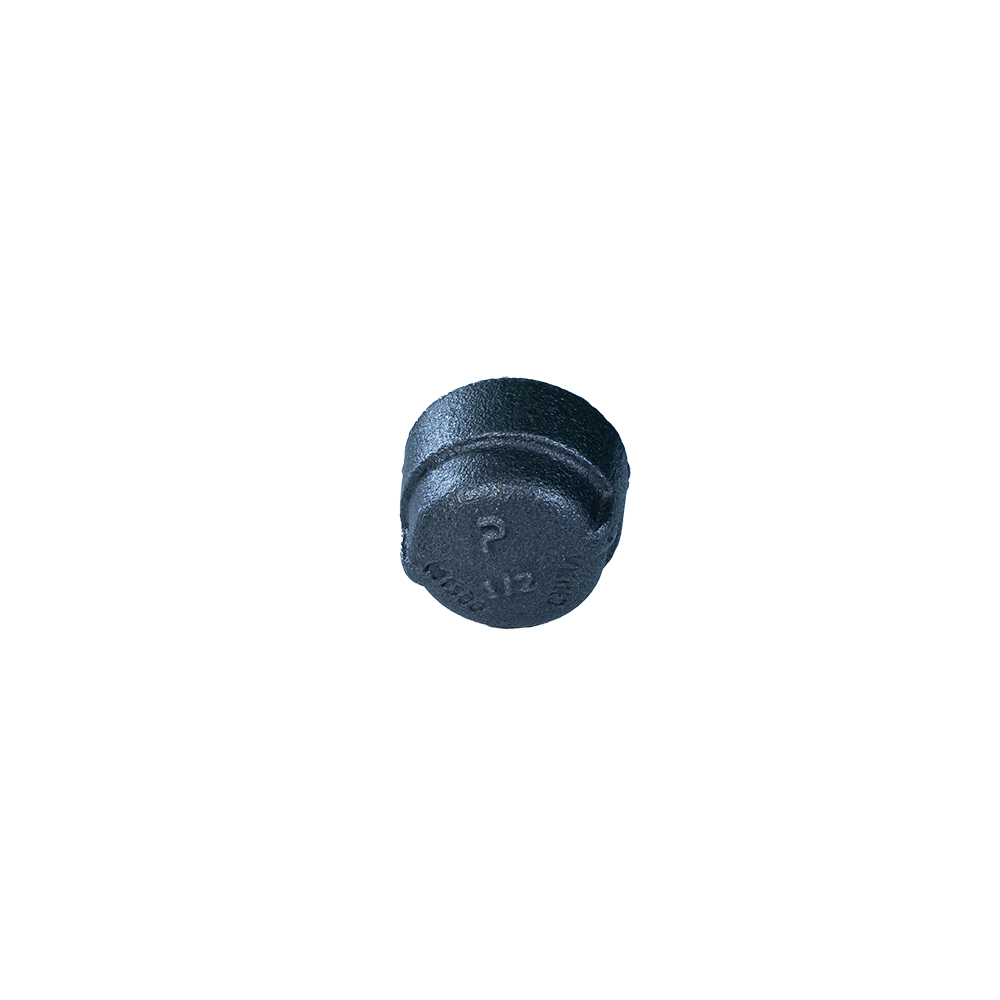
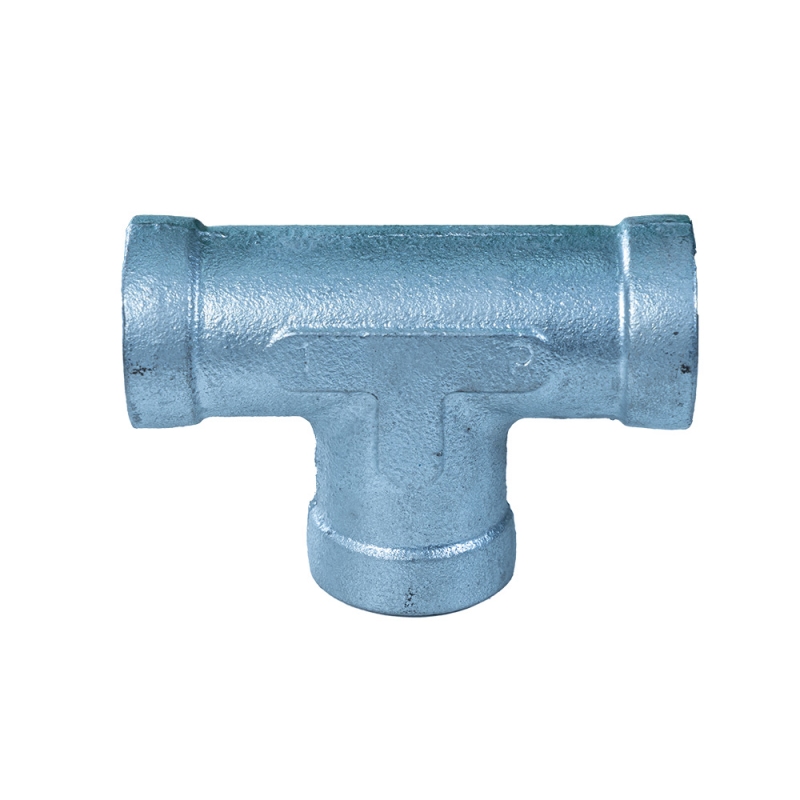
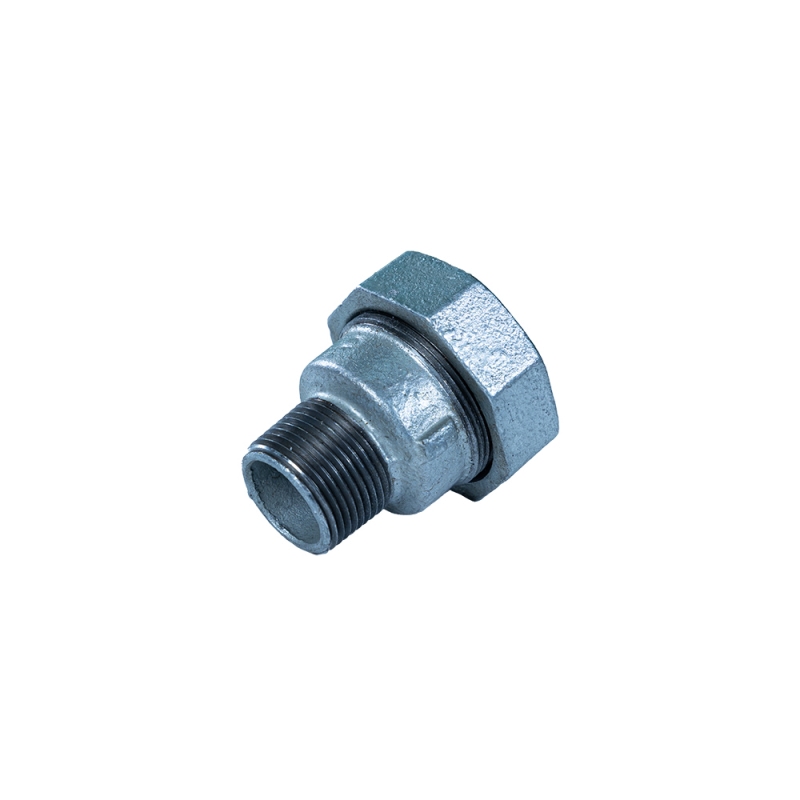
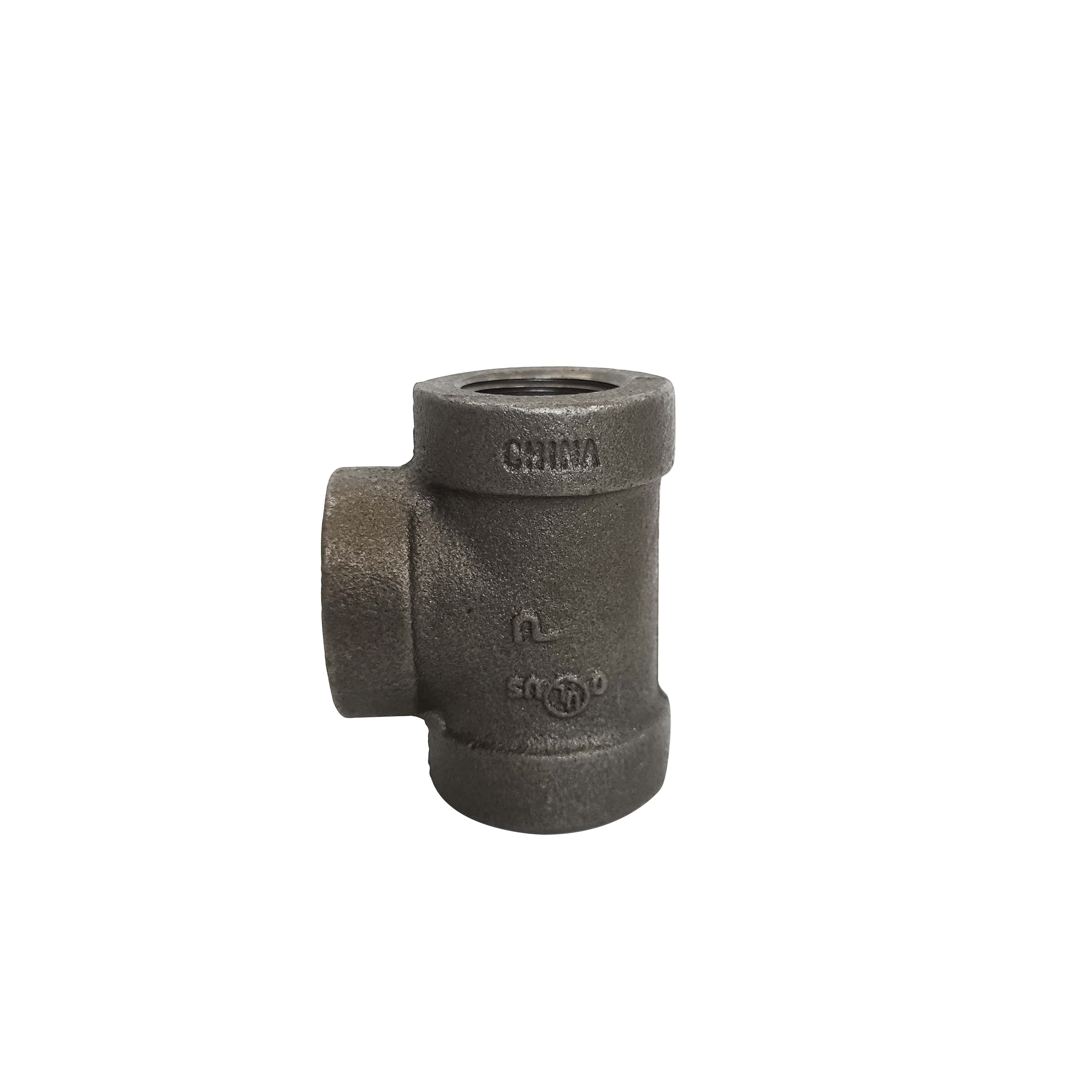
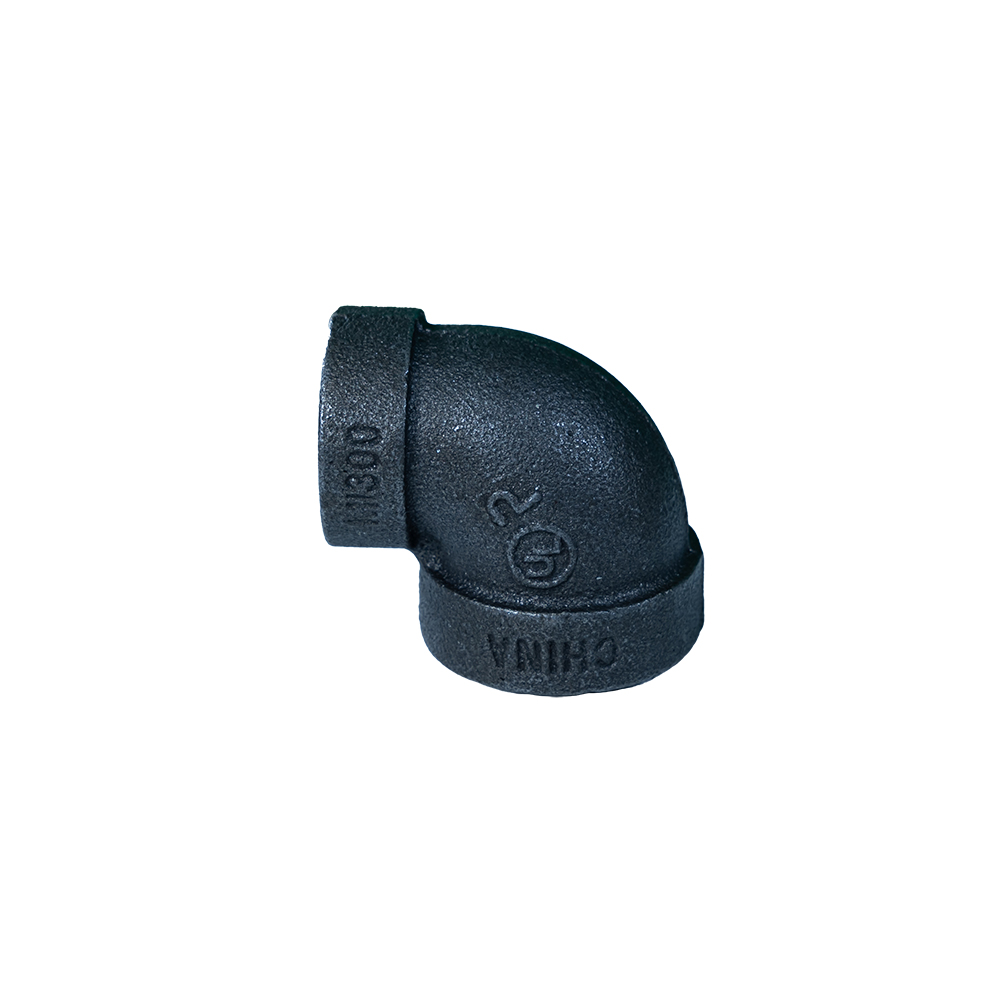
Simply put, cast pipe fittings are components made by pouring molten metal into molds to create shapes that join pipe sections, change direction, or regulate flow. They’re usually crafted from materials like cast iron, ductile iron, or steel. Unlike forged or fabricated fittings, cast variants provide a cost-effective solution for mass production, while still meeting the strength and durability requirements of various industries.
In humanitarian contexts, for example, quickly deployed water systems in refugee camps often rely on standardized cast pipe fittings for ease of replacement and long-term reliability.
Mini takeaway: At its core, cast pipe fittings connect the dots — literally and figuratively — between water, oil, gas, and industrial pipelines worldwide.
Core Characteristics You Can’t Ignore
Durability and Strength
Cast pipe fittings are prized for their robustness. Thanks to their solid structure and the properties of cast metals, they withstand high pressure, corrosion, and mechanical stress. In fact, ductile iron cast fittings offer tensile strengths often exceeding 60,000 psi, making them highly reliable under extreme conditions.
Cost Efficiency
Mass production through casting makes these fittings cost-friendly, especially for large-scale projects. They strike a balance between performance and budget — a vital factor for municipalities and industries alike.
Versatility in Design and Size
From small diameter tees to large bends and reducers, cast pipe fittings come in myriad shapes and standardized sizes adhering to ISO and ANSI guidelines. This versatility means fewer custom parts and faster installation.
Corrosion Resistance
Many cast fittings are coated or lined to enhance their lifespan, particularly in aggressive environments like wastewater treatment plants or coastal oil rigs.
Ease of Maintenance and Replacement
Modular designs paired with standardized fittings simplify field repairs—critical when downtime means lost revenue or service interruptions.
Mini takeaway: These features make cast pipe fittings a pragmatic choice balancing strength, adaptability, and cost — essential in diverse industrial settings.
On the Ground: Real-World Applications of Cast Pipe Fittings
Let’s talk about where cast pipe fittings actually come alive.
- Urban Water Distribution: Cities like Mumbai and Lagos rely heavily on ductile iron cast fittings to expand and maintain vast water networks.
- Oil & Gas Pipelines: In remote zones like the North Sea or Alberta's oil sands, cast steel fittings ensure pipelines resist pressure surges and external corrosion.
- Wastewater Treatment Plants: These facilities depend on corrosion-resistant cast fittings to route treated and untreated flows safely.
- Disaster Relief Installations: Post-earthquake, temporary water systems often incorporate cast pipe fittings due to rapid deployability and standardized parts.
For example, after the 2015 Nepal earthquake, humanitarian agencies quickly assembled modular water distribution networks using cast fittings from local suppliers, cutting lead times dramatically.
Advantages That Go Beyond the Technical Specs
We often get caught up in numbers and forget the human side. Beyond longevity and compliance, cast pipe fittings contribute to societal resilience:
- Safety: Reliable connections reduce leakage, contamination risks, and accidents.
- Environmental Sustainability: Long-lasting parts mean less frequent replacements and minimized waste.
- Economic Trust: When water flows uninterrupted, businesses operate smoothly, schools run, hospitals function, and livelihoods are secured.
- Innovation Friendly: New materials and coatings can be integrated into cast fittings to improve performance continually.
So, when you think about cast pipe fittings, think of them not just as components but as silent champions of everyday infrastructure we all depend on.
Innovations and Future Prospects in Cast Pipe Fittings
The industry's evolving toward greener, smarter solutions:
- Advanced Materials: Introduction of composite linings and eco-friendly coatings to enhance corrosion resistance and reduce environmental impact.
- 3D Casting and Additive Manufacturing: Enabling more complex geometries and custom fittings for specialized applications.
- Digital Integration: Smart sensors embedded in fittings for real-time monitoring and predictive maintenance.
- Sustainability Policies: Regulations encouraging recyclable materials and lower carbon footprints are reshaping production methods.
Industries embracing these trends will likely see cost savings and reliability gains — which honestly, feels like a win-win.
Common Challenges and How Experts Are Addressing Them
Despite their benefits, cast pipe fittings face hurdles:
- Weight: Cast fittings can be heavy, complicating transport and installation in tight spaces.
- Corrosion in Extreme Conditions: Even with coatings, harsh environments challenge longevity.
- Standardization vs. Custom Needs: Some projects require bespoke fittings not always easily cast.
Solutions? Lighter alloy blends, better coating technologies, and hybrid manufacturing techniques combining casting with machining help tackle these issues. Many engineers advocate for increased field-testing to ensure quality and performance before deployment.
FAQ: What You’re Really Curious About Cast Pipe Fittings
- What are the main differences between cast and forged pipe fittings?
- Cast fittings are produced by pouring molten metal into molds, allowing complex shapes at lower costs. Forged fittings are shaped by deformation under high pressure, usually offering superior strength but at a higher price point. Cast fittings are preferred for large-scale, cost-sensitive projects where standard shapes suffice.
- How long do cast pipe fittings typically last under normal service conditions?
- With proper material selection and maintenance, cast pipe fittings can last 50 years or more. Factors like environment, pressure, and coating quality greatly affect lifespan.
- Can cast pipe fittings be used in potable water systems?
- Yes, especially those lined with cement mortar or epoxy coatings that prevent corrosion and contamination, making them safe for drinking water distribution.
- Are cast pipe fittings customizable for unique industrial applications?
- Absolutely. Manufacturers often tailor cast fittings to specific sizes, shapes, and materials based on project requirements, although lead times may be longer than for standard products.
- What certifications should I look for when purchasing cast pipe fittings?
- Look for compliance with standards like ISO 2531, ANSI A21.10, and relevant ASTM specifications. Certifications ensure material quality, dimensional accuracy, and performance.
Specification Table: Typical Cast Pipe Fitting Materials & Properties
| Material | Tensile Strength (MPa) | Corrosion Resistance | Typical Uses | Weight (kg/m³) |
|---|---|---|---|---|
| Gray Cast Iron | 170-250 | Moderate (requires coatings) | Water, Sewer | 6800 |
| Ductile Iron | 400-600 | Good (with coatings) | Water, Gas, Oil | 7500 |
| Cast Steel | 500-700 | Excellent (with modern coatings) | Oil, Gas, Industrial | 7850 |
Vendor Comparison: Leading Suppliers of Cast Pipe Fittings
| Vendor | Material Range | Lead Time | Compliance Certifications | Customization |
|---|---|---|---|---|
| PanNext Fittings | Gray/Ductile Iron, Cast Steel | 4–6 weeks | ISO 2531, ASTM A536 | High – tailored to specs |
| Global Cast Pipes Inc. | Ductile Iron only | 3–5 weeks | ANSI A21.10, ISO 9001 | Medium – limited sizes |
| SteelCast Supplies | Cast Steel only | 5–7 weeks | ASTM A352, API 5L | Custom heavy industrial |
Conclusion: Why Investing in Quality Cast Pipe Fittings Pays Off
All things considered, cast pipe fittings are more than just metal parts — they’re enablers of safe, efficient infrastructure networks that millions depend on daily. Their blend of durability, cost efficiency, and adaptability makes them ideal for tackling global challenges, from urban expansion to disaster relief logistics.
Ready to explore the finest selections? Visit cast pipe fittings provider PanNext Fittings for reliable solutions tailored to your projects.
Final takeaway
In a world moving fast toward sustainability and resilience, choosing robust components like cast pipe fittings isn’t just smart engineering — it’s a vote for lasting impact.
References
Post time: Nov-27-2025