
Unlocking the Mystery: What Exactly Is NPT Meaning Fitting and Why It Matters
When you hear "NPT meaning fitting," it’s not just plumbing jargon—it’s a tiny but essential component connecting countless industries worldwide. The National Pipe Thread (NPT) fitting standard plays a pivotal role in everything from oil rigs off California’s coast to humanitarian aid water supply systems in drought-stricken regions. So why should you care? Understanding NPT meaning fitting helps engineers, technicians, and buyers ensure safe, reliable, and leak-proof pipe joints, supporting infrastructure that billions rely on every day.
Frankly, the global economy—and many critical operations—run on consistent, standardized threads that connect liquids, gases, and even hazardous materials safely. We’ll unpack the nuts and bolts of NPT fittings and explore why they remain indispensable in an ever-changing industrial and humanitarian environment.
The Global Context: Why NPT Meaning Fitting Holds Worldwide Relevance
Standardization in piping and fittings isn’t a casual matter. According to the International Organization for Standardization (ISO), inefficient or incompatible fittings contribute to significant operational downtime and costly accidents, in sectors ranging from petrochemical to water sanitation (ISO Standards).
Consider this: the UN reports nearly 2 billion people globally lack access to safely managed drinking water (WHO/UNICEF Joint Monitoring Program), highlighting a massive infrastructure challenge that requires dependable pipe fittings.
Enter NPT meaning fitting, a globally recognized standard for tapered screw threads ensuring tight seals in piping systems under pressure—even in harsh environments.
The challenge: Many regions and industries rely on interoperable fittings to avoid leaks, maintain pressure, and ensure safety—yet confusion about standards persists. That’s exactly why grasping “NPT meaning fitting” bridges a critical knowledge gap.
Breaking It Down: What Is NPT Meaning Fitting?
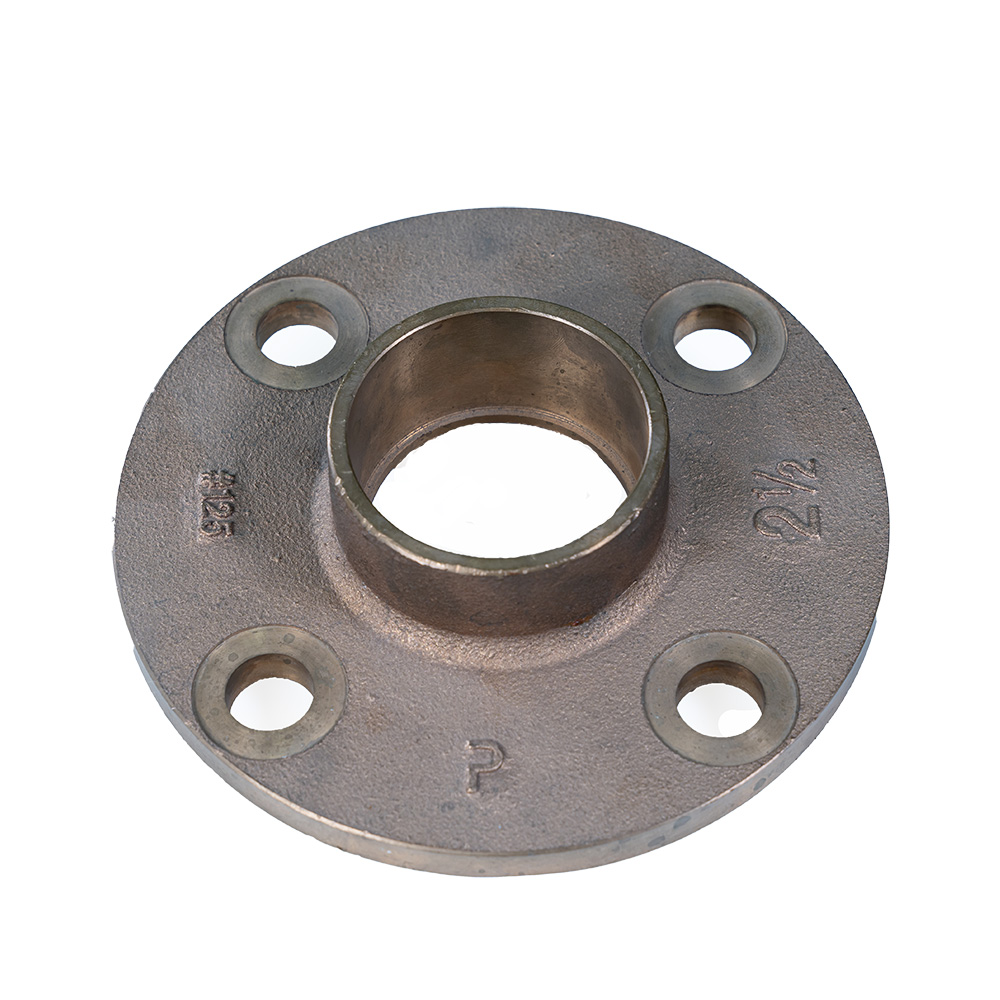
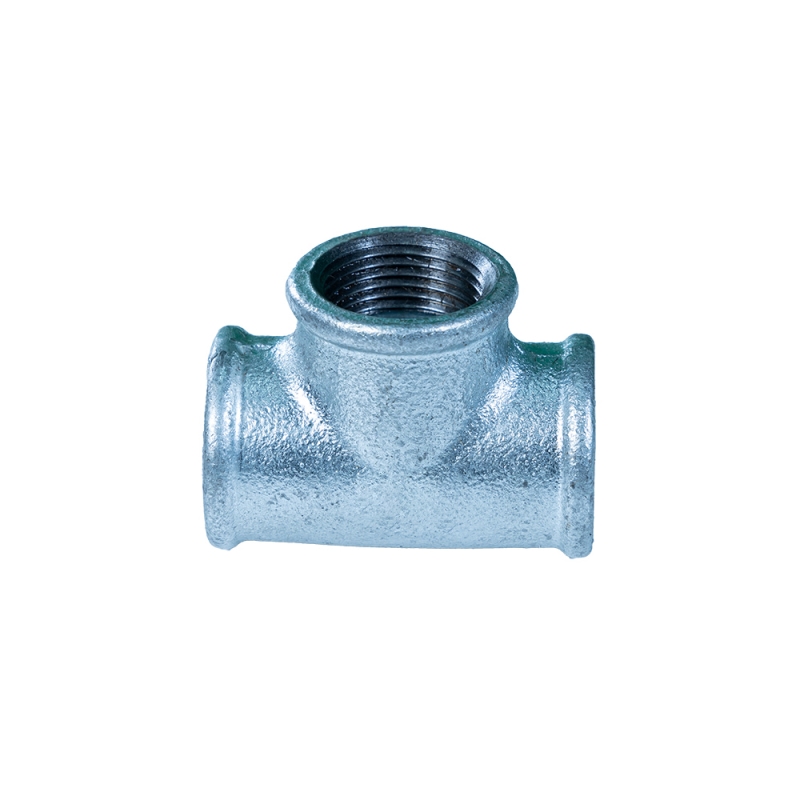
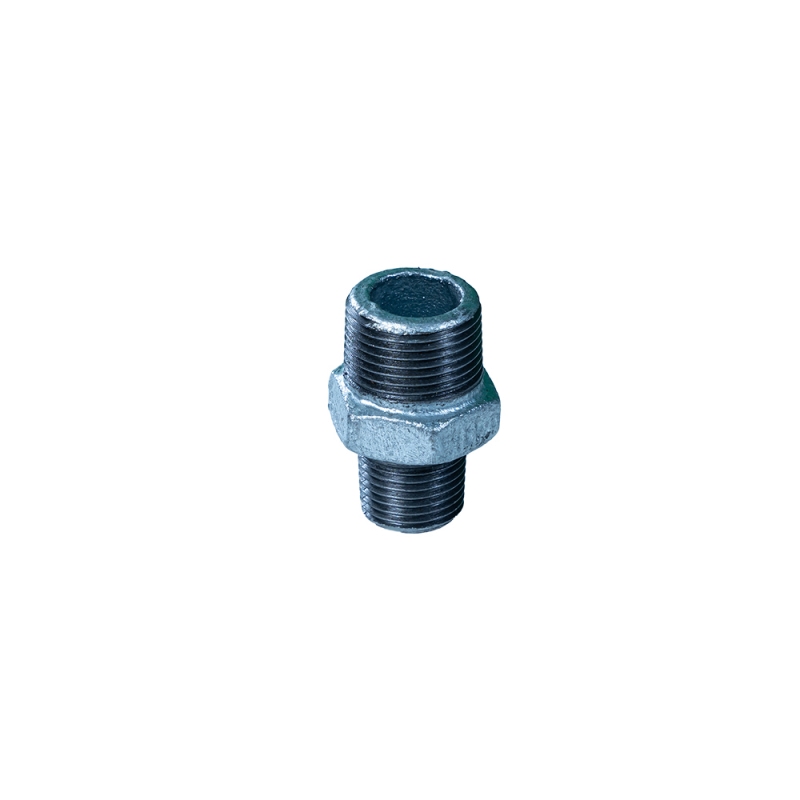
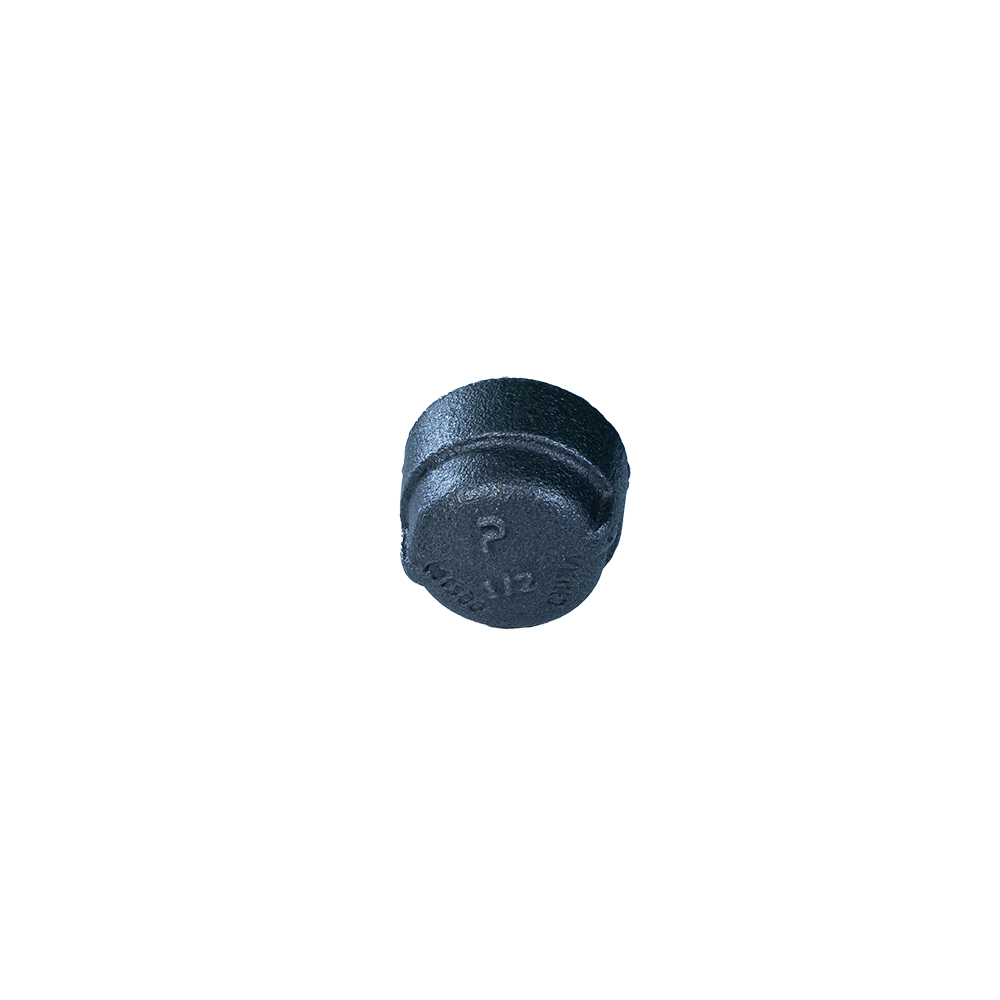
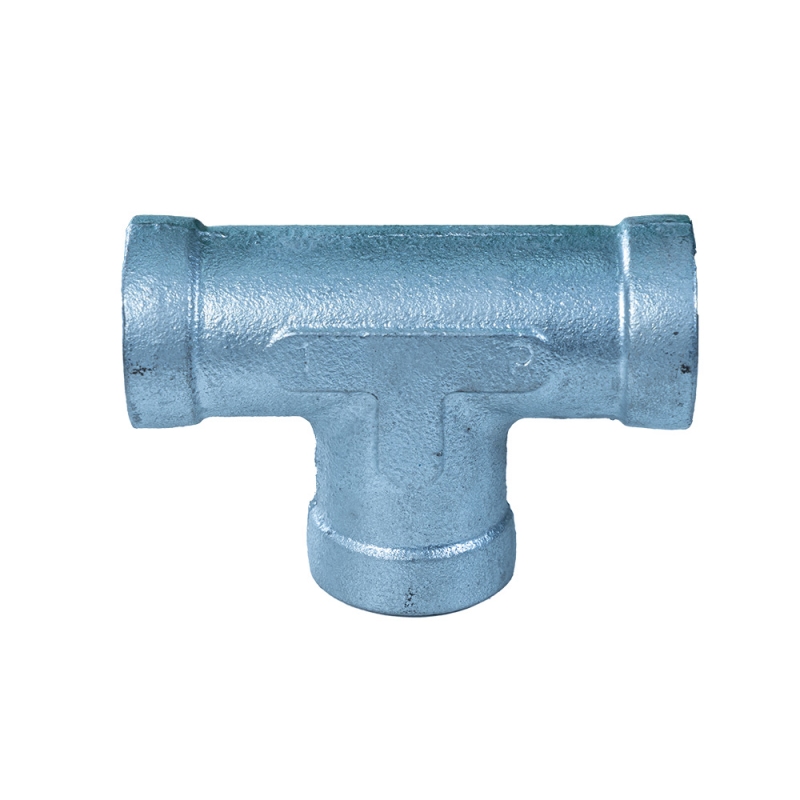
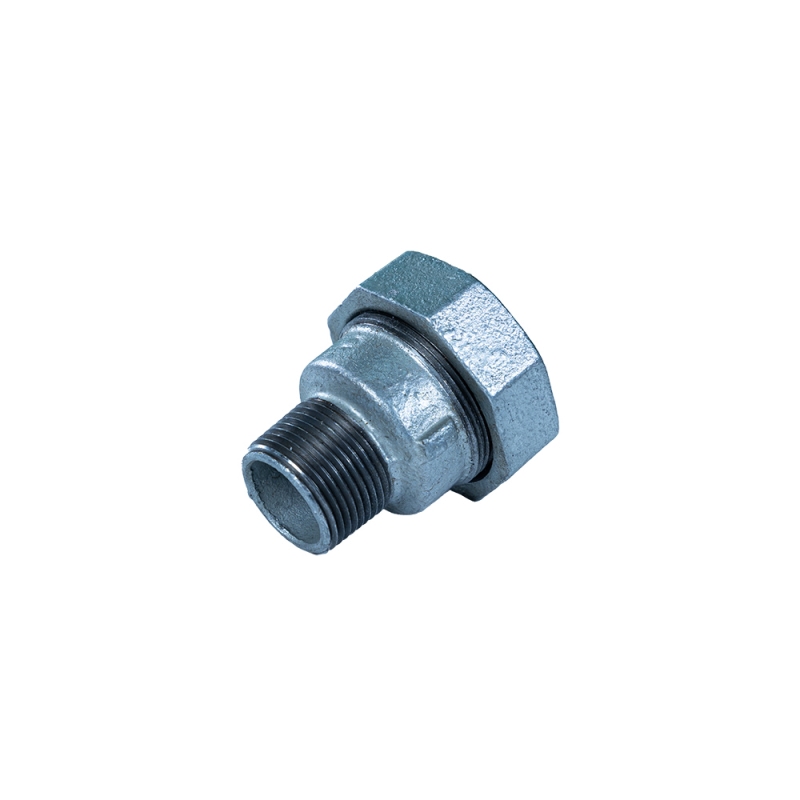
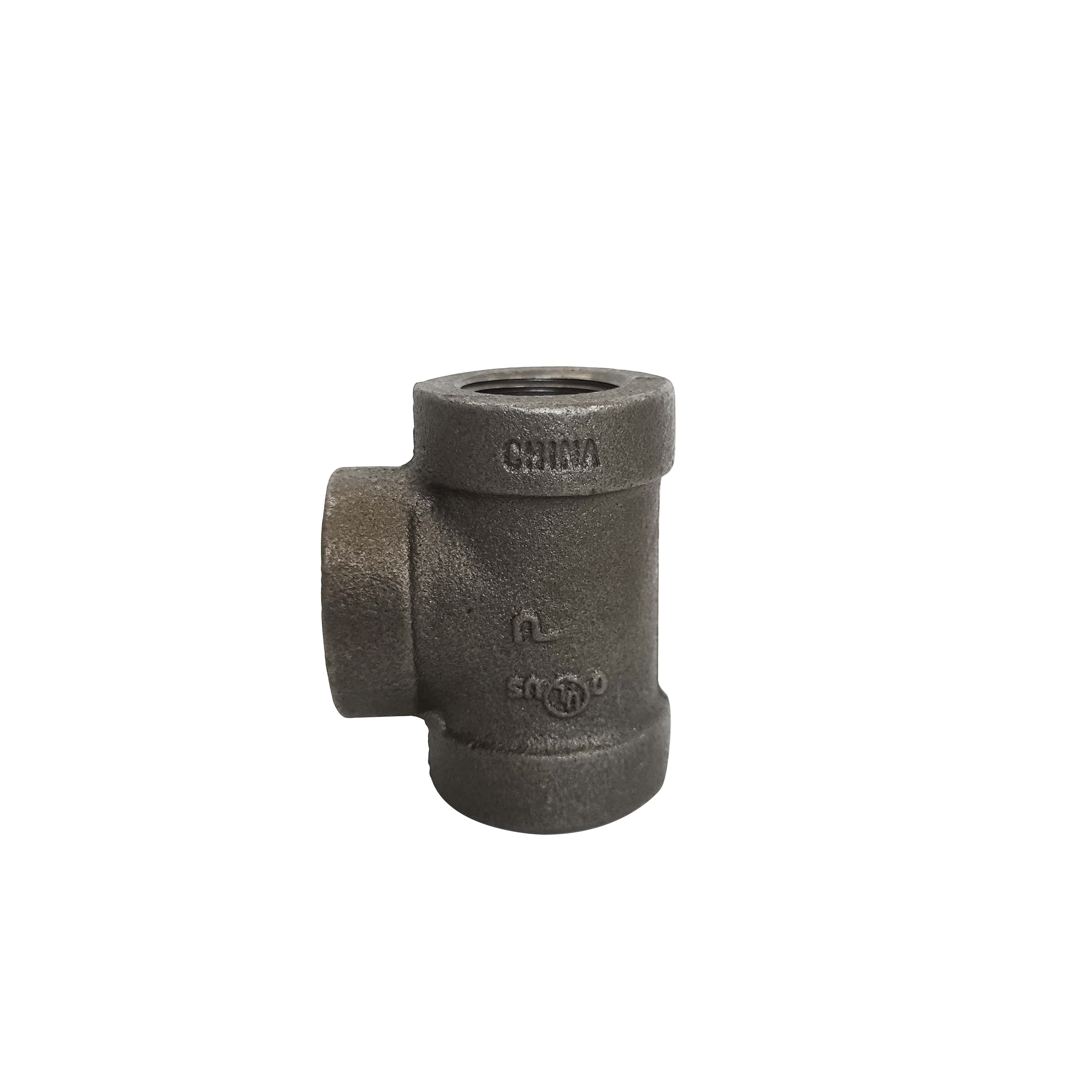
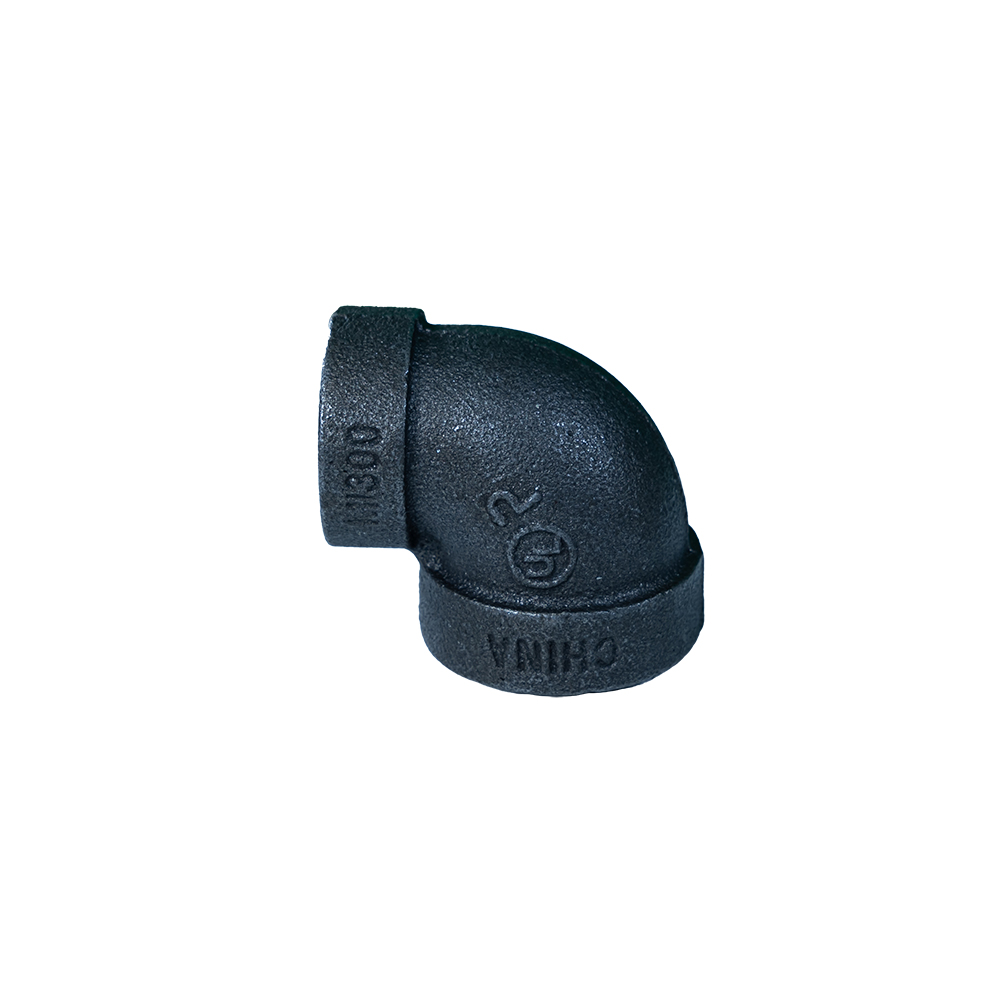
Simply put, an NPT fitting is a mechanical joint component using tapered threads conforming to the National Pipe Thread standard, primarily used to connect tubes and pipes. The tapering ensures a seal is achieved by wedging the threads together under torque, reducing leaks without the need for additional sealants (although thread tape is commonly applied).
This standard, established by the American National Standards Institute (ANSI), effectively balances reliability with simplicity and cost-efficiency. In modern industrial contexts—whether it’s an offshore drilling rig or a relief camp water distribution setup—NPT fittings provide a trustworthy connection method.
Mini summary:
- NPT fittings use tapered screw threads for sealing.
- They enable leak-resistant pipe connections under pressure.
- ANSI regulates the standards ensuring global consistency.
Core Features Behind NPT Meaning Fitting — What Makes Them Tick?
1. Durability and Strength
Most NPT fittings are made from robust metals like brass, stainless steel, or galvanized steel, providing superior strength to withstand high pressures and mechanical stresses. Whether underwater or deep underground, their ability to maintain integrity is crucial.
2. Seal Integrity Without Complex Tools
The tapered threads inherently compress to form a seal, reducing dependency on gaskets or complex tools. In fact, many field engineers praise this simplicity, especially when working in resource-constrained environments.
3. Cost Efficiency and Ease of Installation
NPT fittings are relatively inexpensive and widely available globally. The ease of threading pipes together on-site reduces labor costs and downtime—a boon for large projects or emergency responses.
4. Compatibility and Standardization
One of its strongest appeals is its international compatibility. Even when systems originate from different suppliers or countries, NPT fitting’s defined standards make parts interchangeable — an often underestimated advantage.
NPT Meaning Fitting In Action: Global Applications You May Not Have Considered
At this point, you might be thinking, "okay, but where exactly?" The range is striking:
- Oil & Gas: Pipelines transporting crude oil rely heavily on NPT fittings to prevent leaks that could cause environmental disasters.
- Water Sanitation: Humanitarian organizations depend on them to build quick-install water supply lines in disaster zones.
- HVAC Systems: Heating and air conditioning units worldwide use NPT fittings for coolant lines and valves.
- Chemical Processing Plants: These require chemically resistant fittings that meet NPT standards for secure transport of hazardous fluids.
For example, in recent cyclone relief operations in Southeast Asia, emergency teams used NPT fittings extensively to establish safe drinking water networks in flooded zones quickly.
Mini takeaway:
NPT fittings quietly enable critical functions from energy extraction to saving lives with safe water access—kind of the unsung heroes of piping.
The Long-Term Value: Why Choose NPT Meaning Fittings?
- Cost-Effective Reliability: Long-term, their durability reduces replacement cycles and maintenance costs.
- Environmental Safety: Secure seals minimize leaks of dangerous fluids, protecting ecosystems.
- User Trust & Safety: Widely trusted standards mean fewer accidents and higher workplace safety.
- Social Impact: Reliable infrastructure fosters dignity by ensuring steady access to water, energy, and sanitation.
Believe it or not, relying on a perfectly threaded fitting has ripple effects, instilling confidence in entire supply chains and communities.
Looking Ahead: Future Trends Shaping the NPT Fittings Landscape
Oddly enough, even these humble fittings aren't immune to innovation:
- Advanced Materials: New alloys and composite coatings are enhancing corrosion resistance, especially in marine or acidic environments.
- Automation Integration: Smart sensors embedded in fittings monitor pressure and leak detection remotely—hugely beneficial in remote oil fields.
- Green Manufacturing: Efforts to produce fittings with lower carbon footprints are gaining momentum, reflecting global sustainability targets.
These trends suggest NPT fittings won’t just remain static hardware but evolve with the digital, green revolution.
Challenges & How Experts Are Tackling Them
Despite stability, there are sticking points:
- Training Gaps: Improper threading or over-tightening can cause failure. Many installers still learn on the job.
- Material Limitations: Some harsh chemicals corrode traditional fittings, requiring specialized variants.
- Global Supply Chain Differences: Variances in manufacturing tolerances occasionally cause fit issues.
Creative solutions are emerging, like virtual training modules and new high-performance materials. Plus, suppliers are tightening quality control to meet exacting specs.
Product Specification Table: Typical NPT Fitting Characteristics
| Characteristic | Value | Notes |
|---|---|---|
| Thread Type | Tapered (NPT) | Ensures pressure-tight seal. |
| Common Materials | Brass, Stainless Steel, Galvanized Steel, Plastic | Choice depends on environment. |
| Pressure Rating | Up to 3000 psi (varies) | Check specs for use case. |
| Sizes Available | 1/8” to 6” Diameter | Wide range for different pipes. |
| Installation | Threaded by hand + wrench | Thread sealant recommended. |
Vendor Comparison: Choosing the Right NPT Fitting Supplier
| Vendor | Quality Certification | Product Range | Lead Time | Customer Support |
|---|---|---|---|---|
| PanNext Fittings | ISO 9001, API Certified | Wide, including custom options | 2-3 Weeks | 24/7 technical support |
| GlobalPipe Supplies | ISO 9001 | Standard range only | 3-4 Weeks | Business hours only |
| CleanFlow Components | API Certified | Focus on chemical resistant fittings | 1-2 Weeks | Technical consulting available |
Frequently Asked Questions About NPT Meaning Fitting
Q1: What does “NPT” stand for in pipe fittings?
A: NPT means National Pipe Thread—a U.S. standard for tapered threads that create a pressure-tight seal between pipes and connectors. It’s widely used in industrial and plumbing applications.
Q2: Can I use NPT fittings with different materials like plastic and metal pipes?
A: Yes, NPT fittings are compatible with both metal and some plastic pipes, but proper thread sealant and compatibility with the pipe’s operating conditions must be considered for optimal performance.
Q3: Why do NPT fittings require thread sealant if the threads already seal tightly?
A: Although NPT threads taper and wedge together, thread sealants or tapes help fill microscopic gaps and improve leak resistance, especially in gas or high-pressure applications.
Q4: Are NPT fittings used internationally or only in the USA?
A: While NPT originated in the United States, its prevalence is global due to wide adoption in oil, gas, and water industries. However, some countries may use parallel thread standards like BSP, so compatibility must be checked.
Q5: How do I ensure I am buying quality NPT fittings?
A: Choose suppliers certified to recognized standards like ISO 9001 or API, read reviews, and check material specifications. Suppliers such as PanNext Fittings are known for stringent quality controls.
Wrapping It Up: The Last Word on NPT Meaning Fitting
NPT fittings may seem small and simple, but mastering their meaning and application unlocks a world of industrial reliability and safety. They stand as a foundation beneath massive infrastructure projects and life-saving humanitarian efforts alike. If you want dependable pipe connections that blend durability, cost-efficiency, and global compatibility, these fittings are a safe bet.
Curious to learn more about npt meaning fitting solutions or ready to upgrade your project’s piping standards? Visit our website today and discover options tailored for your needs.
References
Post time: Nov-27-2025