
Fire Sprinkler Pipe Fittings: Keeping Our Worlds Safer, One Joint at a Time
Globally, fire sprinkler systems have evolved from mere pipe-and-spray mechanisms into complex lifesaving networks. At the heart of these systems are the fire sprinkler pipe fittings — small, often overlooked components that play an outsized role in preventing disaster and ensuring rapid response to emergencies. They’re the unsung heroes that keep water flowing exactly where it’s needed, whether in bustling industrial centers, high-rise offices, or remote shelters.
Understanding the nuances of fire sprinkler pipe fittings is no trivial matter. From improving safety standards to lowering installation costs globally, their design and deployment touch billions of lives every day. So, why does a tiny fitting matter so much? Let’s dive in.
The Global Relevance of Fire Sprinkler Pipe Fittings
Fire safety is a universal concern. According to the World Bank, fire-related accidents cause over 180,000 deaths annually worldwide, with many more injured or displaced. Around 40% of these incidents occur in urban centers where densely packed buildings rely heavily on automated fire suppression systems. This means the reliability of each component — including pipe fittings — can directly impact human safety and asset preservation.
ISO’s fire safety standards emphasize consistent material strength, corrosion resistance, and seamless flow control, making top-quality fittings a prerequisite for compliance. Unfortunately, in developing regions, challenges like supply chain gaps and substandard parts can turn fire suppression efforts into ticking time bombs.
For industries ranging from manufacturing to healthcare, defying fire risks isn't just compliance, but a matter of trust — trust in the technology, the installation, and ultimately, the components like pipe fittings that bring the system alive.
Mini Takeaway:
Fire sprinkler pipe fittings serve as vital links in a global safety network — their quality impacts everything from regulatory compliance to real-world rescue outcomes.
What Exactly Are Fire Sprinkler Pipe Fittings?
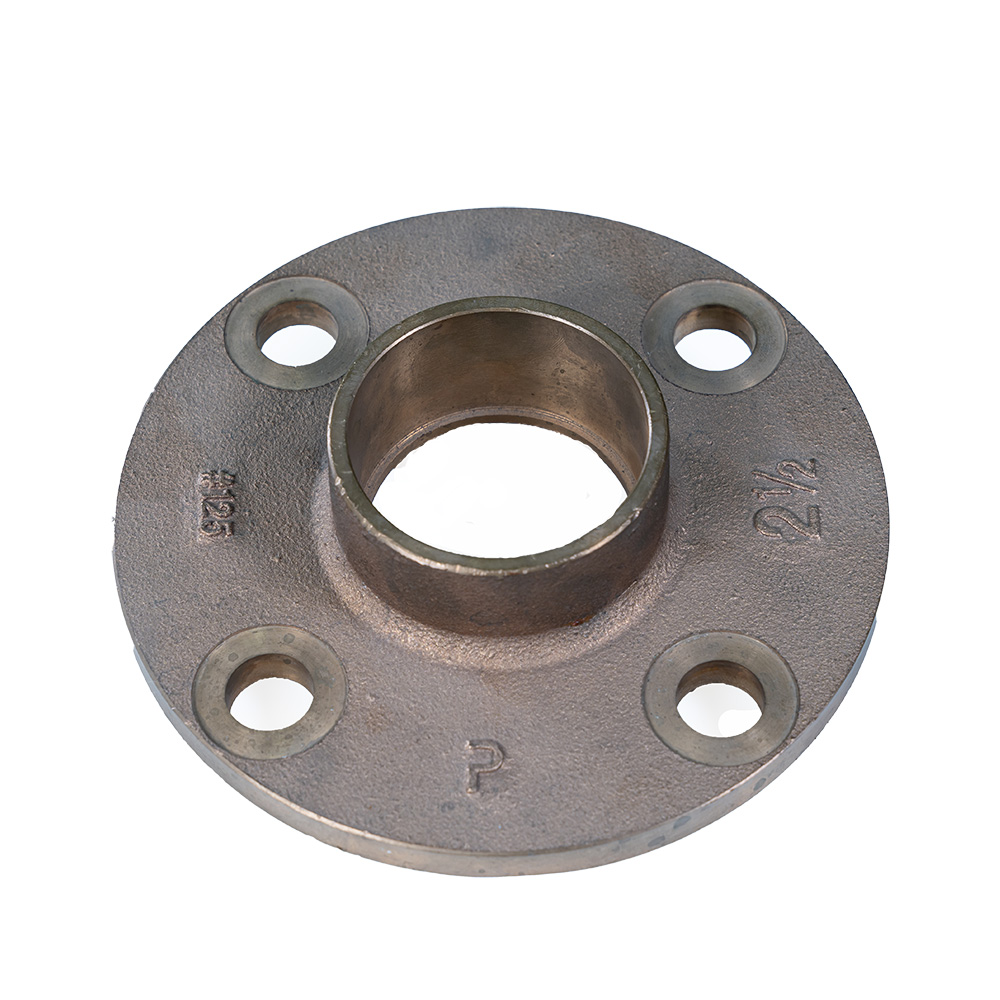
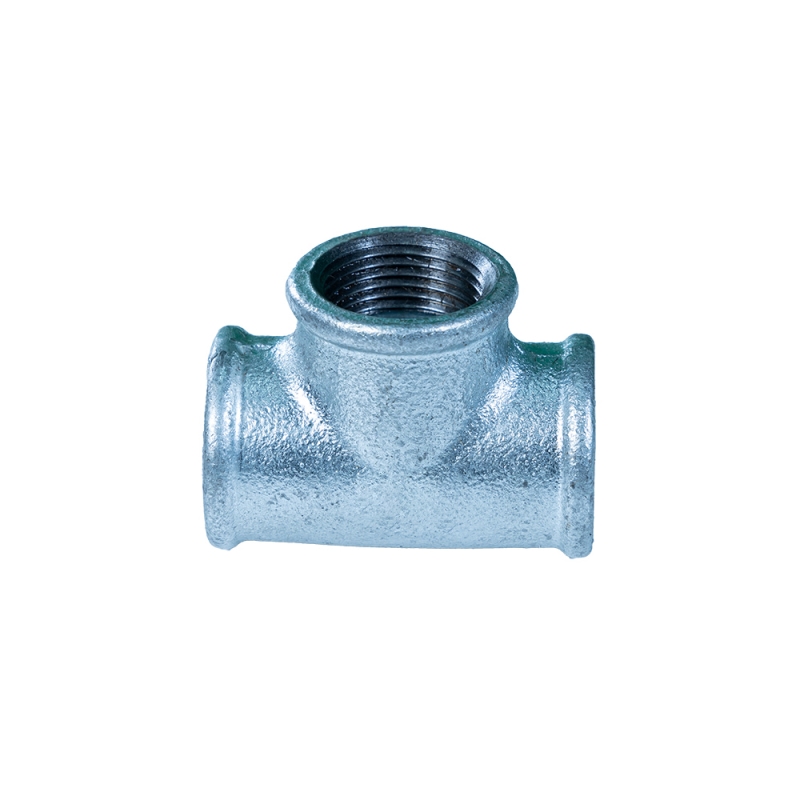
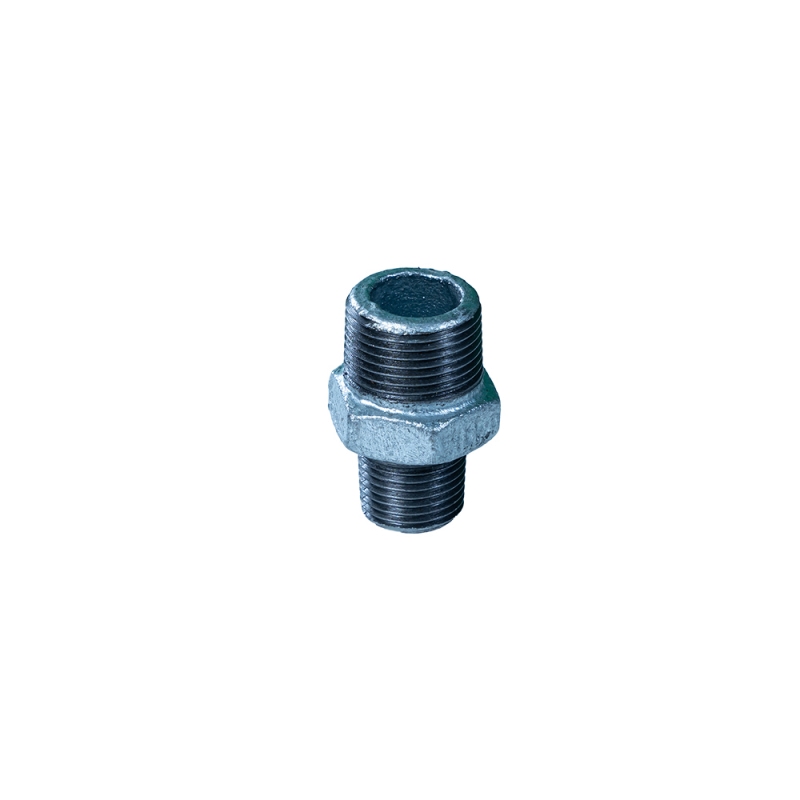
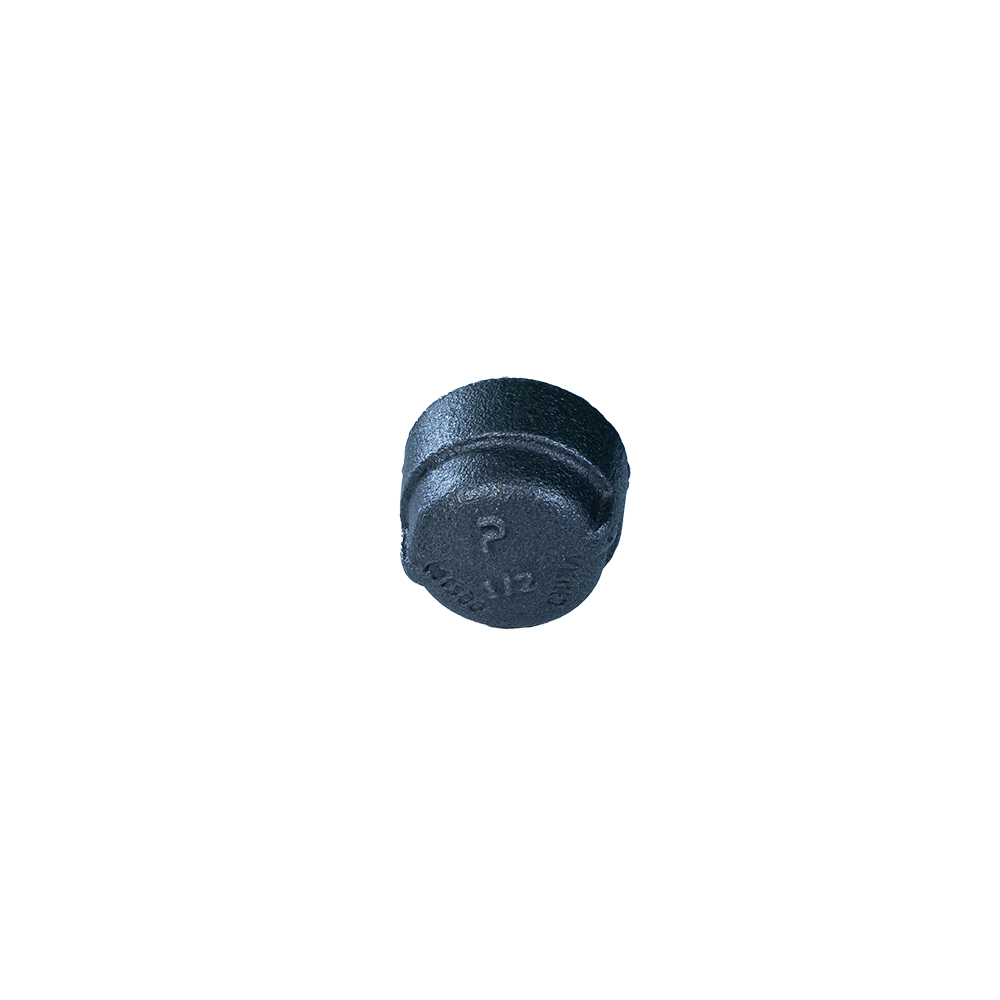
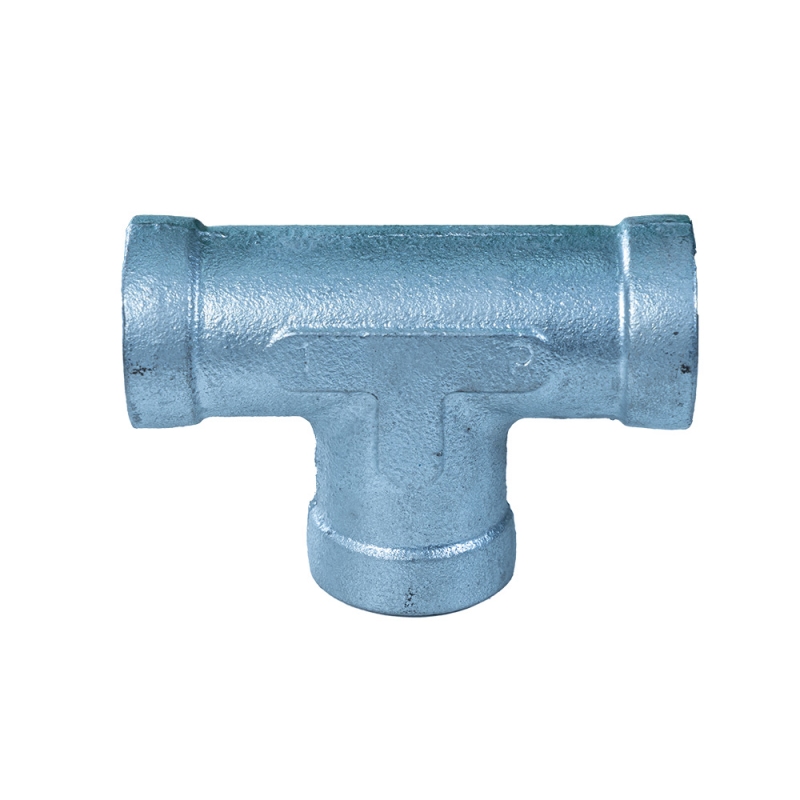
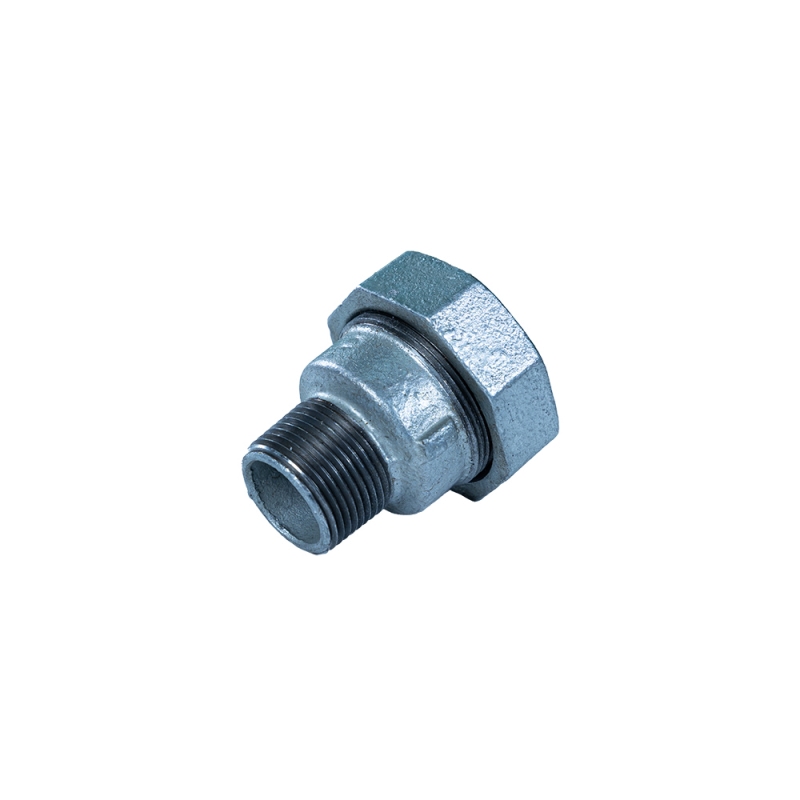
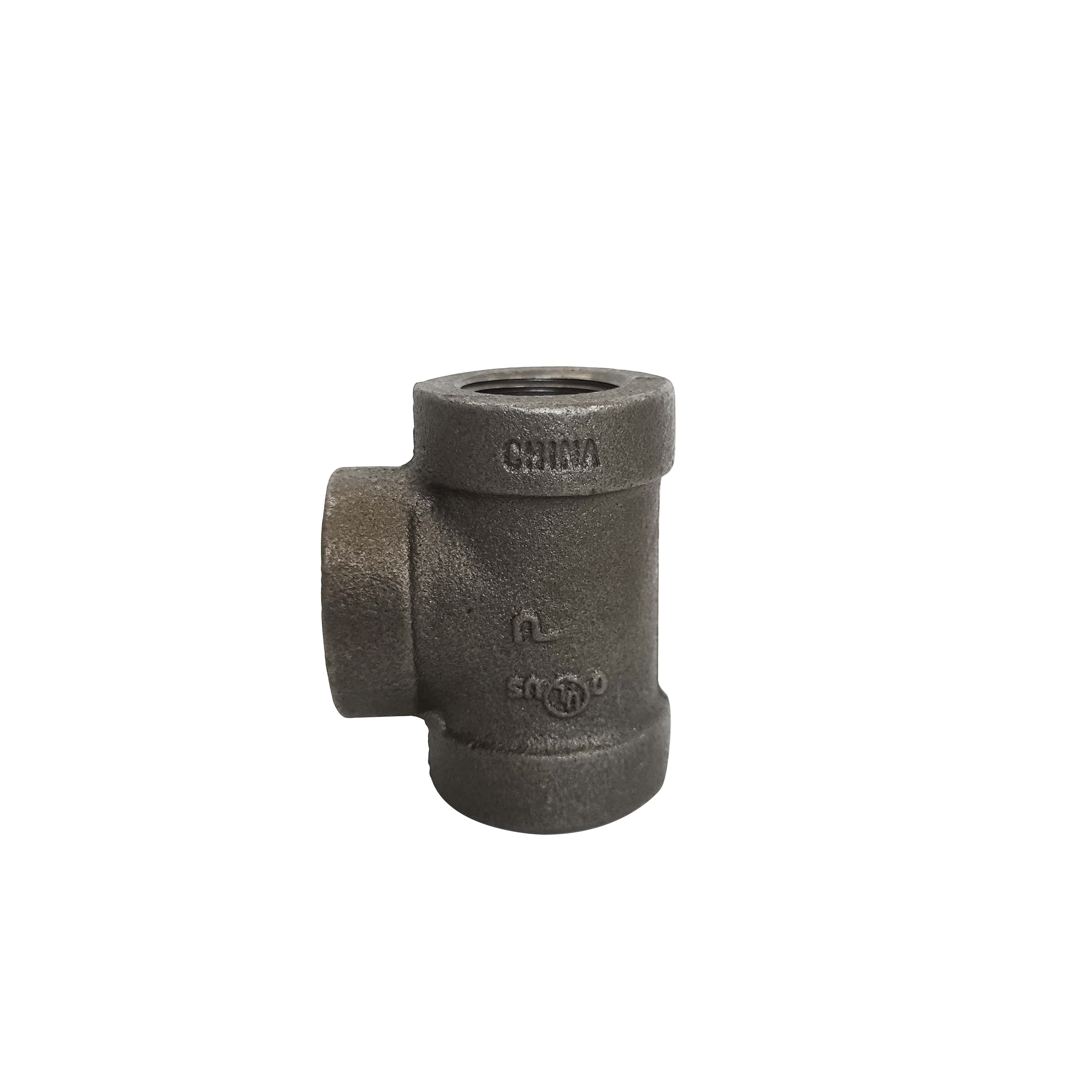
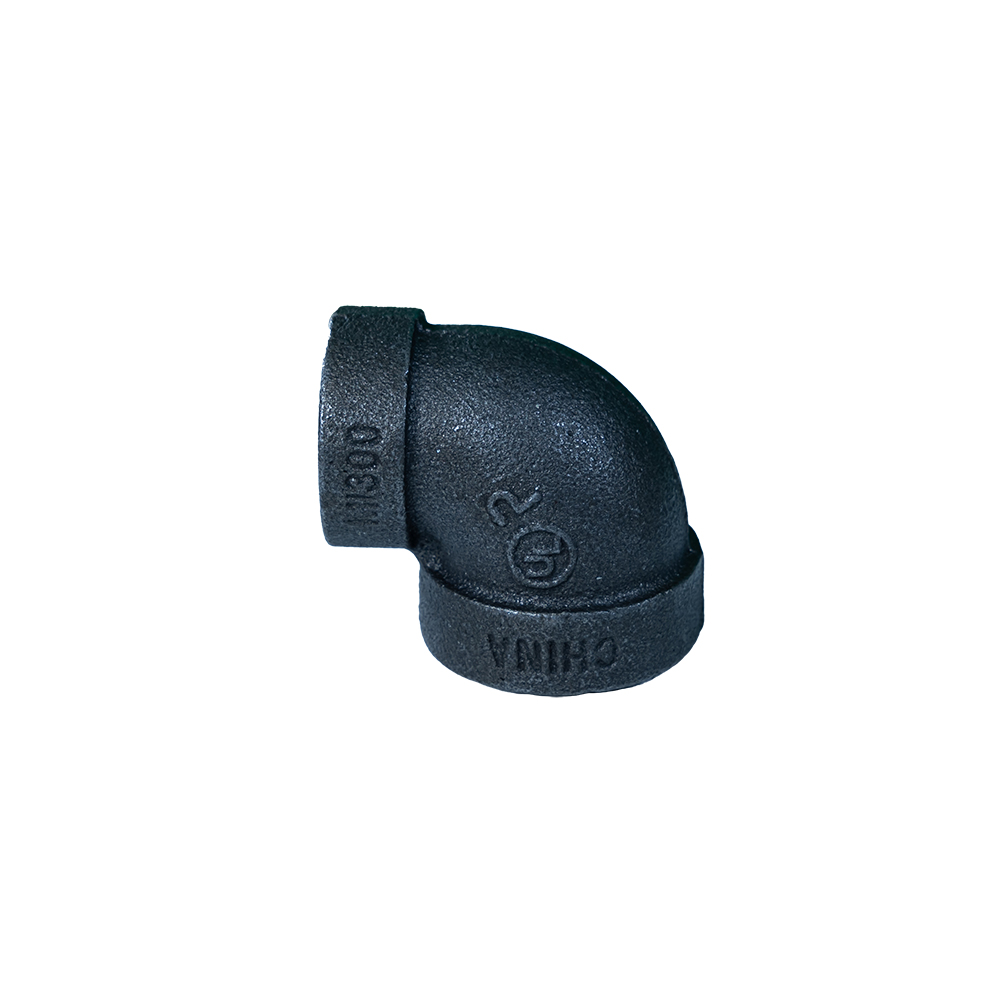
At first glance, pipe fittings might sound like mundane plumbing hardware. In the context of fire sprinkler systems, however, they’re specialized connectors designed to join pipes, shapes, and valves — forming a continuous, reliable pathway for water or fire suppressants.
These fittings manage flow direction changes, branch off water lines safely, and ensure pressure integrity across the system. Think of them like traffic intersections, but for water under pressure — if they fail or leak, the entire sprinkler grid can be compromised.
With growing urbanization and humanitarian changes (think: rapid deployment of shelters and emergency infrastructure), the role of robust, easy-to-install, corrosion-resistant fittings can’t be overstated. They bridge engineering with practical safety.
Mini Takeaway:
Fire sprinkler pipe fittings are more than connectors; they are the backbone of water delivery during emergencies.
Core Components that Make Fire Sprinkler Pipe Fittings Stand Out
1. Durability
Engineers often say “a fitting is only as good as its material.” Many fittings are made from galvanized steel, brass, or stainless steel to resist corrosion and mechanical stress. Durability ensures long-term reliability — which is crucial in places prone to moisture, heat fluctuations, or chemical exposure.
2. Compatibility & Scalability
The fittings must fit seamlessly within diverse pipe sizes and configurations. As fire safety systems expand or adapt — for new buildings or retrofits — scalable fittings that can be easily connected without custom tools save valuable labor costs and time.
3. Cost Efficiency
Without skimping on quality, manufacturers aim to optimize costs. This includes choices in raw materials, surface treatments, and production methods. For communities or companies working under budget constraints, affordable yet reliable fittings are game-changers.
4. Easy Installation
Tools, labor skill levels, and speed of assembly matter. Some fittings come with push-to-connect or press-fit designs that decrease installation errors and time on site.
5. Regulatory Compliance
Meetings standards like UL/FM or EN certifications reassures stakeholders and insurance companies that the fittings won’t underperform when really needed.
Mini Takeaway:
- Durability sustains safety over time
- Compatibility eases system upgrades
- Cost matters but can't sacrifice reliability
- Ease cuts down risky installation errors
Product Specification Table
| Specification | Typical Values | Remarks |
|---|---|---|
| Material | Galvanized Steel / Brass / Stainless Steel | Depends on application environment |
| Operating Pressure | Up to 300 psi (20.7 bar) | Suitable for most fire sprinkler systems |
| Connection Types | Threaded, Socket Weld, Press-Fit | Varies by installation needs |
| Corrosion Resistance | High (galvanized or treated) | Critical for humid or industrial areas |
| Certifications | UL/FM Listed, EN 10242 | Ensures safety & compliance |
Global Applications: From High-Rise Towers to Emergency Shelters
Fire sprinkler pipe fittings are everywhere, even if you don’t see them. In urban hubs like New York, Tokyo, or Dubai, these fittings sustain massive fire suppression networks inside skyscrapers where precision and quality are non-negotiable. They manage complicated pipe runs with multiple offsets and branches.
Conversely, in post-disaster relief zones — think earthquake zones in Nepal or flood-hit areas in Southeast Asia — quick assembly and robustness are paramount. Modular fittings designed for rapid deployment help NGOs erect safe temporary shelters faster, ensuring fire risks don’t compound other hazards.
Also, in remote industrial operations such as mining or oil extraction sites, rugged and corrosion-proof fittings help maintain safety despite harsh environments.
Mini Takeaway:
- Urban centers demand precision and compliance.
- Relief efforts need speed and adaptability.
- Industrial zones require rugged resilience.
Comparing Top Fire Sprinkler Pipe Fittings Vendors
| Vendor | Materials | Certifications | Pricing | Global Reach |
|---|---|---|---|---|
| PanNext Fittings | Galvanized Steel, Brass | UL/FM, EN | Competitive, Bulk Discounts | Asia, Americas, Europe |
| SecureFlow Corp | Stainless Steel | UL/FM Listed | Premium Pricing | North America, Europe |
| EcoSpray Technologies | Brass, Composite Materials | EN 10242, Green Certifications | Mid-range | Europe, Asia |
Advantages That Make Fire Sprinkler Pipe Fittings a Long-Term Investment
There’s something quietly reassuring about an invisible safety net. Fire sprinkler pipe fittings ensure you never have to doubt the flow of life-saving water crisscrossing a building in an emergency. That reliability translates into fewer fires turning catastrophic, saving property and, more importantly, lives.
Cost-wise, investing in quality fittings reduces maintenance and replacement, creating a durable system foundation. Socially, reliable fire safety fosters community trust and dignity — no one wants to live or work where safety feels shaky.
Also, as green building becomes more than a buzzword, materials that support sustainable production and recyclability add value not only to projects but also to corporate responsibility.
Trends Shaping the Future of Fire Sprinkler Pipe Fittings
- Smart Materials: Corrosion-resistant alloys and composites continue to improve longevity while reducing weight.
- Automation & IoT: Sensors integrated with fittings help monitor pressure and detect leaks before calamities strike.
- Rapid Assembly: Push-to-connect fittings reduce installation time, supporting faster infrastructure rollouts.
- Sustainability: Recyclable materials and eco-friendly coatings lower environmental footprints.
Oddly enough, as we race towards “smart cities,” these little metal or plastic joints become nodes in critical infrastructure — quietly intelligent and essential.
Challenges & Innovative Solutions
Challenges persist in ensuring uniform quality across global supply chains. Especially in developing regions, counterfeit or substandard fittings can jeopardize entire systems. Also, installation errors often stem from non-standard fittings requiring special tooling.
To overcome this, experts advocate for better vetting of suppliers, standardized training programs for installers, and adoption of modular fittings that simplify connections. Additionally, blockchain and traceability technology promise heightened transparency.
FAQs About Fire Sprinkler Pipe Fittings
- What materials are best for fire sprinkler pipe fittings in coastal areas?
- Corrosion resistance is key, so stainless steel or specially galvanized steel fittings are preferred to withstand salty, humid conditions without degrading.
- How do push-to-connect fittings improve installation?
- They allow quicker assembly without welding or threading, minimizing errors and downtime, especially valuable in urgent builds or retrofits.
- Can fire sprinkler pipe fittings be customized for unusual building layouts?
- Yes, many vendors offer bespoke fittings or adjustable angles to fit complex pipe routes, though this can increase lead times and cost.
- How often should fire sprinkler pipe fittings be inspected?
- Industry standards recommend annual visual inspections, with more thorough checks every 3-5 years to detect corrosion or wear before failure.
- Are older buildings at risk with outdated fittings?
- Definitely. Older fittings may corrode or leak, compromising system integrity. Upgrading to modern standards is critical during renovations.
Wrapping Up: Why Fire Sprinkler Pipe Fittings Matter More Than You Think
These small, somewhat unsung components are at the core of reliable fire safety infrastructure worldwide. They ensure water gets precisely where it’s meant to go, unchanged by time, illness, or chaos. Investing in quality fire sprinkler pipe fittings means investing in peace of mind — for building owners, occupants, and entire communities.
If you want to explore superior options crafted with expertise and reliability in mind, visit our website today.
References
Post time: Nov-28-2025