
Understanding What Is a NPT Fitting and Why It Matters
At some point, if you work with piping, plumbing, or industrial systems, you’ll likely hear about a “NPT fitting”. But what exactly is a NPT fitting, and why should you care globally? Well, in a nutshell, it's a type of threaded coupling essential for connecting pipes reliably, safely, and efficiently. With industries expanding and infrastructure developing worldwide, reliable connections like NPT fittings ensure safety and functionality whether in manufacturing plants, water treatment, or oil and gas pipelines.
Grasping what NPT fittings are isn't just a niche curiosity — it’s a gateway to understanding how critical infrastructure holds together around the world, helping preserve safety, reduce leaks, and promote sustainability.
Global Context: Why the World Relies on NPT Fittings
Threaded fittings are everywhere, and the National Pipe Thread (NPT) standard is arguably the most widely adopted thread system in piping. According to the International Organization for Standardization (ISO), over 60% of piping connections globally use threaded systems compliant with standards like NPT.1
The World Bank reports that expanding water infrastructure to underserved regions faces huge challenges, partly related to poor pipe connections which lead to leaks, contamination, and wasted resources.2 That’s where understanding and correctly applying what is a npt fitting becomes essential. Correct use prevents failures, reduces maintenance, and indirectly supports access to clean water, critical for health and human dignity.
The problem? Not all fittings are created equal, and improper threads or unsuitable materials can lead to disaster—sometimes literally. So, mastering npt fittings is a must for engineers, contractors, and procurement specialists.
What Is a NPT Fitting? The Basics Made Simple
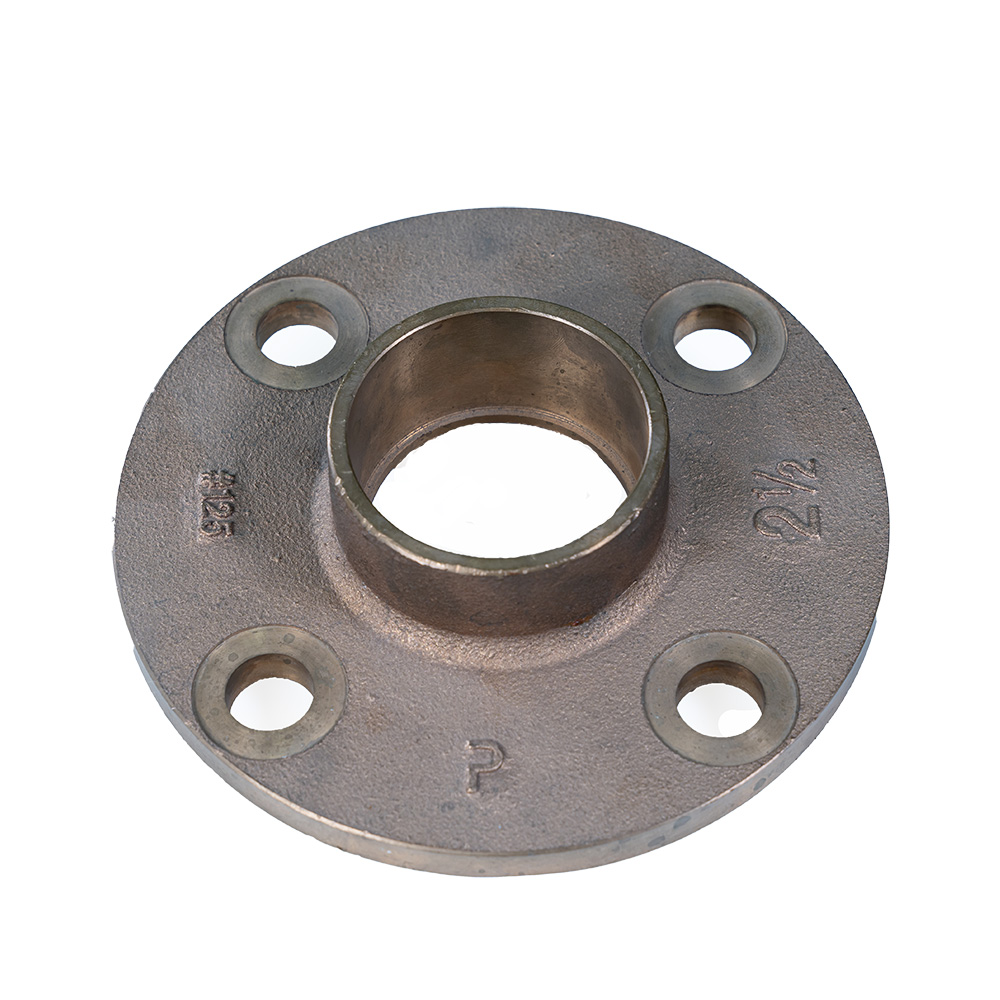
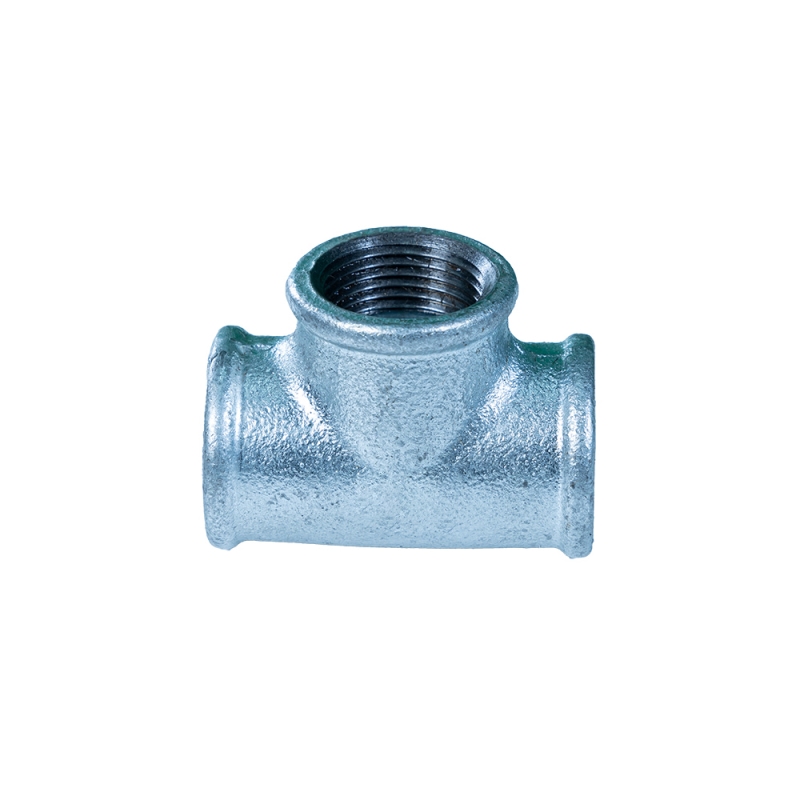
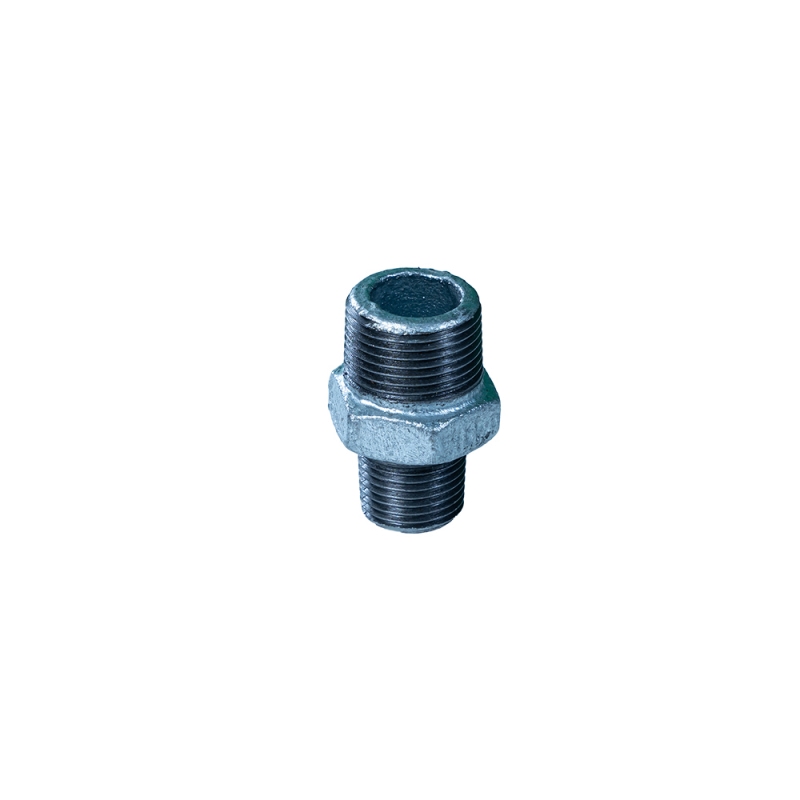
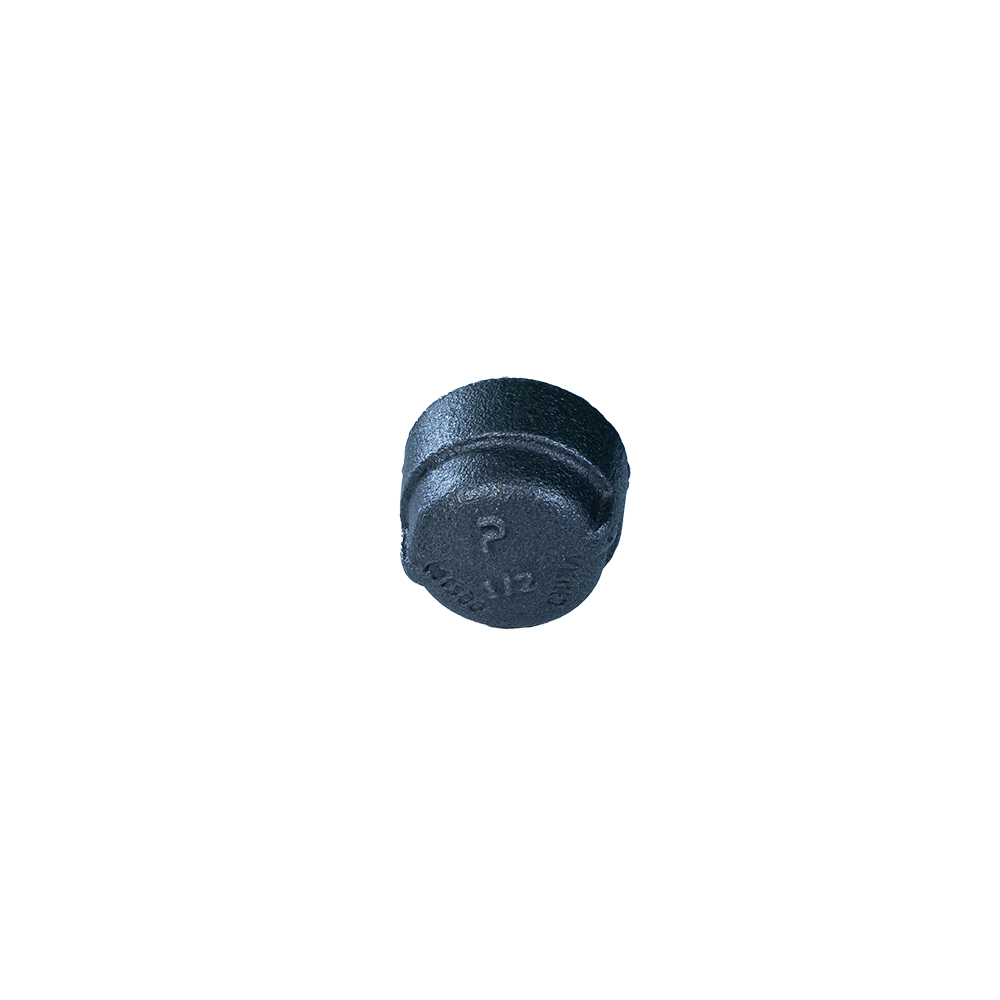
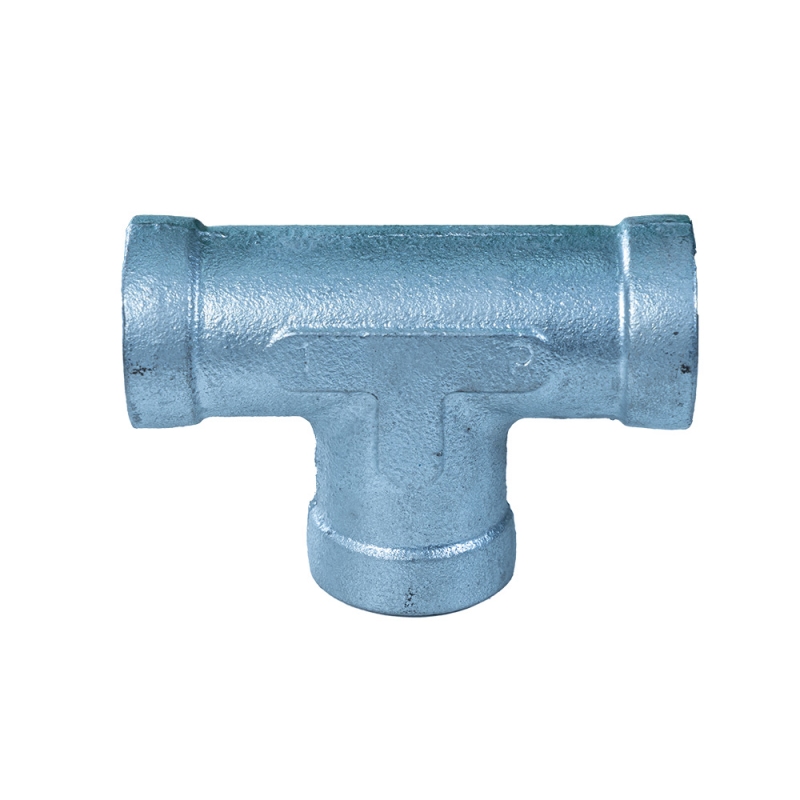
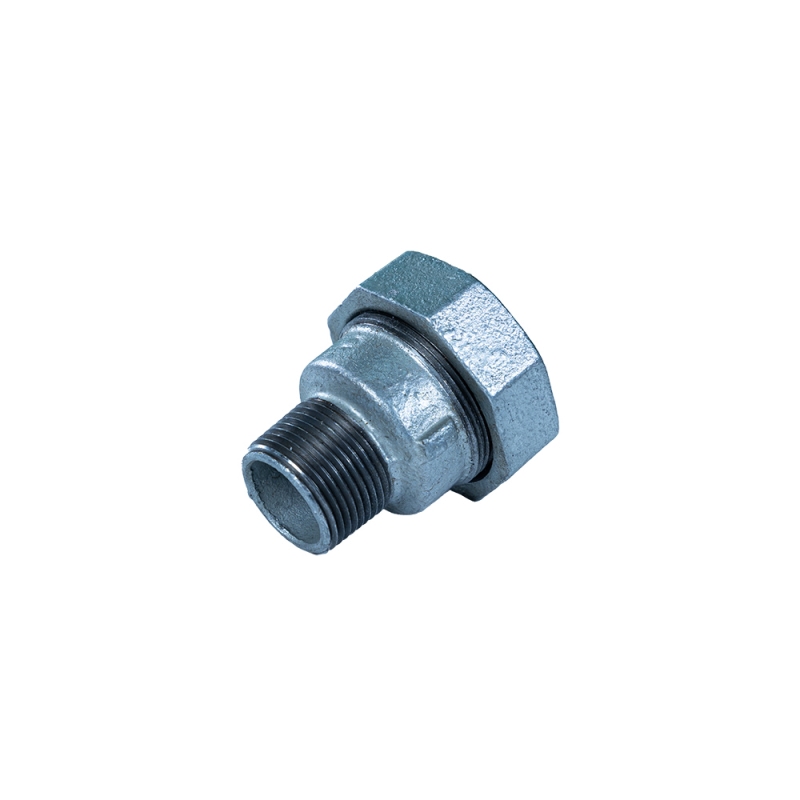
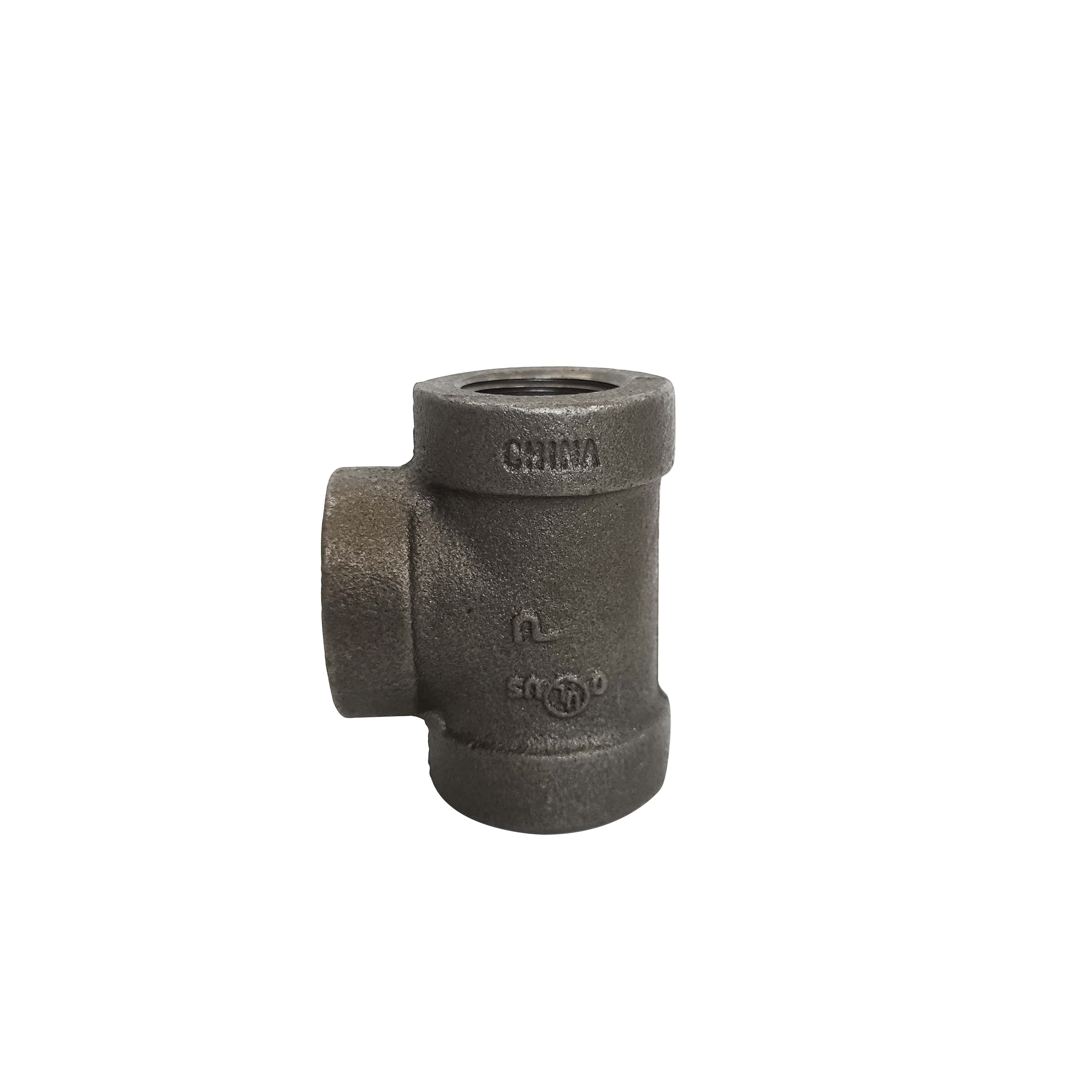
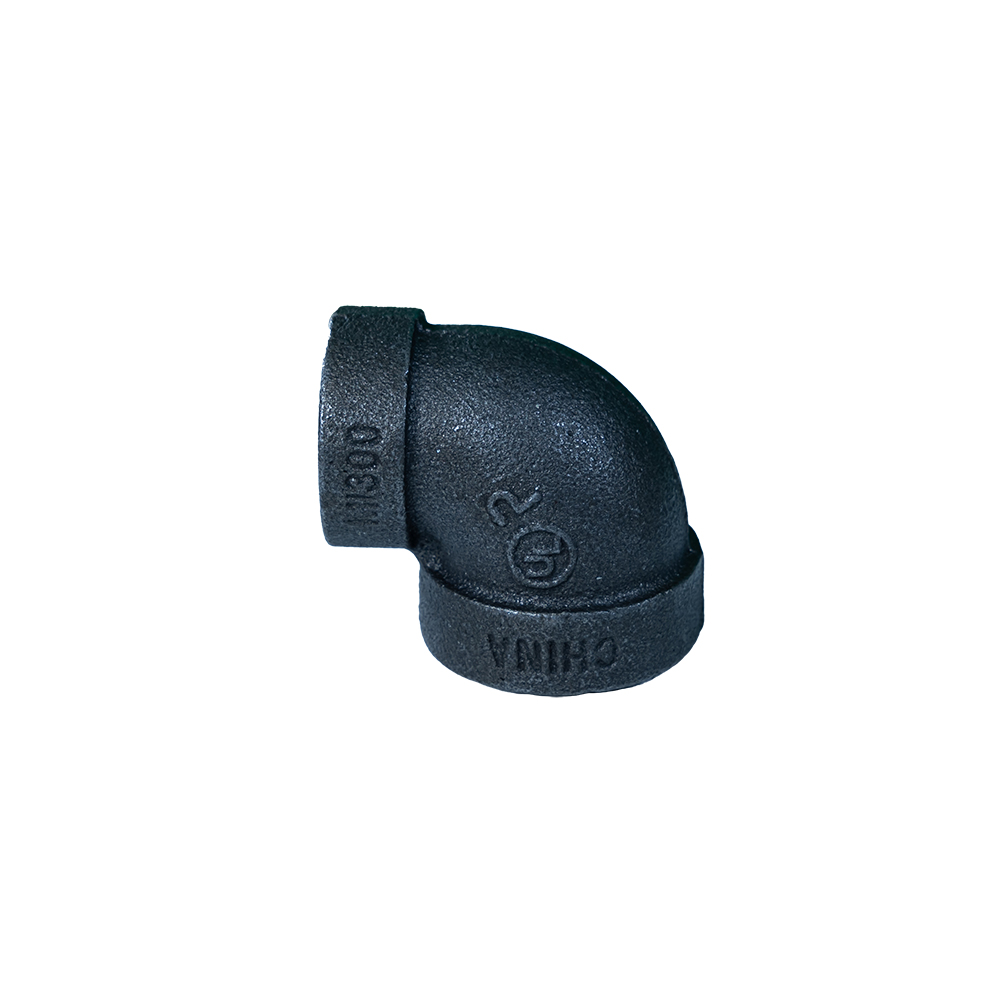
So, what’s a NPT fitting, really? NPT stands for National Pipe Thread, a U.S.-based standard developed decades ago to unify connection threads of pipes and fittings. These fittings, characterized by tapered (conical) external and internal threads, form a tight seal when twisted together — think of it as a mechanical lock that also compresses to prevent leaks.
They’re mainly used to connect plumbing pipes carrying liquids or gases under pressure. In modern industries, NPT fittings serve humanitarian needs too — from delivering clean water in remote villages to fueling emergency medical systems. Their simplicity and reliability can be the difference between steady supply and catastrophic failure.
Mini takeaway:
Think of an NPT fitting as the unsung hero of piping connections: simple, standardized, and vital for so many applications today.
Core Components & Key Factors of NPT Fittings
1. Durability
NPT fittings are typically made from metals like brass, stainless steel, or galvanized steel, ensuring resistance against corrosion and physical stress. In industrial environments, this longevity translates to fewer replacements and safer installations.
2. Tapered Thread Design
The slightly conical shape of the threads allows them to wedge tightly as you turn the fitting, creating a seal without needing extra sealing compounds. It's a clever geometric trick that balances ease of assembly with tightness.
3. Compatibility & Standardization
Being a national standard, NPT threads ensure components made by different manufacturers fit together flawlessly. This compatibility reduces lead times and headaches—especially when sourcing parts globally.
4. Cost Efficiency
Because the design is so widely used and standardized, mass production keeps costs low. Plus, installation requires minimal specialized tools, which cuts labour expenses.
5. Pressure & Temperature Tolerances
Depending on materials, NPT fittings can withstand high pressures (often up to 3000 psi) and wide temperature ranges, making them suitable for diverse industrial applications—yes, from the Arctic cold to tropical heat.
Mini takeaway:
NPT fittings mix smart design and proven materials to deliver reliability, flexibility, and affordability in one neat package.
Key Product Specifications of Common NPT Fittings
| Specification | Value/Description |
|---|---|
| Thread Angle | 60° Thread Angle, tapered profile |
| Thread Pitch | Varies by pipe size (e.g., 11.5 TPI for 1/8” NPT) |
| Material Options | Brass, Stainless Steel, Carbon Steel, PVC |
| Working Pressure | Up to 3000 psi (depends on material) |
| Temperature Range | -65°F to +400°F (depending on material) |
| Seal Type | Mechanical, often used with PTFE tape or pipe dope |
Global Applications & Who Relies on NPT Fittings
Whether it’s the sprawling oil fields of the Middle East, water delivery systems in rural Africa, or high-precision laboratories in Europe, NPT fittings are quietly indispensable. In post-disaster relief scenarios, for example, NGOs rely on NPT fittings to quickly restore clean water pipes or medical oxygen lines. The standardization makes it easier to ship parts internationally and maintain local systems without confusion.
Industrial zones in Asia and South America use these fittings to build robust manufacturing pipelines capable of handling chemicals or steam. Some parts can be found even in the aerospace sector where tight seals and dependable connections are absolutely vital.
It’s fascinating how such a modest component plays roles in highly diverse fields, joining the dots of global development in a small but critical way.
Mini takeaway:
NPT fittings are the quiet backstage crew in global logistics and infrastructure, supporting industries and humanitarian efforts alike.
Comparing Leading NPT Fitting Vendors
| Vendor | Material Range | Global Reach | Price Range | Specialty |
|---|---|---|---|---|
| PanNext Fittings | Brass, Stainless Steel, PVC | Worldwide (30+ countries) | Competitive, Bulk Discounts | Custom sizes, quick delivery |
| GlobalPipe Co. | Carbon Steel, Stainless Steel | North America, Europe | Mid-range | Heavy industry, oil & gas focus |
| EcoThread Inc. | Recycled Steel, Brass | Asia-Pacific | Higher-end | Sustainable materials, low carbon footprint |
Advantages and Long-Term Value of NPT Fittings
Tangibly, NPT fittings are cost-effective. Manufacturers have perfected the design so that even novices can install them with a basic wrench. This not only reduces training costs but increases safety—tight, leak-free connections lower the risk of spills or hazardous releases.
Sustainability is another big win: reducing leaks means saving water, energy, or expensive fluids, with a positive effect on the environment. Emotionally, it affords engineers peace of mind — knowing their networks won’t fail under pressure. And for communities, especially in developing regions, that means cleaner, safer water or reliable fuel delivery.
Future Trends & Innovations Shaping NPT Fittings
Oddly enough, while the basic design of NPT hasn’t changed much, technology around it is buzzing. Advanced materials like composites scented with anti-corrosive polymers are popping up, promising longer life and less maintenance. Digital tools now enable precise torque calibration to avoid overtightening or damaging threads.
Sustainability trends push vendors toward recyclable metals and non-toxic sealants. Automation in assembly lines means higher quality and more consistent products—something manufacturers say dramatically reduces failure rates.
Common Challenges & How to Overcome Them
Despite their many advantages, NPT fittings aren't without hiccups. Thread galling (wear from friction) or applying incorrect torque can lead to leaks. Also, in very high-vibration environments, threaded joints alone might loosen.
Engineers recommend lubricants and carefully matched materials to combat thread wear. For vibration-prone setups, combining NPT fittings with locking compounds or mechanical retainers adds necessary security.
FAQs: Practical Questions About What Is a NPT Fitting
- What differentiates NPT fittings from other threaded pipe systems?
- NPT fittings use a tapered thread design that forms a seal as it tightens, unlike straight threads which typically rely on gaskets or O-rings. This makes NPT ideal for leak prevention in plumbing and industrial piping.
- Can I use pipe tape with NPT fittings?
- Yes, PTFE (Teflon) tape is often recommended to improve sealing and ease assembly. However, too much tape can cause cross-threading, so a few wraps are sufficient.
- Are NPT fittings suitable for high-pressure applications?
- Depending on their material, NPT fittings can handle pressures up to 3000 psi. Always check manufacturer specs and ensure proper installation for safety.
- How do I know what size NPT fitting I need?
- NPT sizing relates to nominal pipe size rather than actual thread diameter. Check your piping specs or consult technical charts to match fittings accurately.
Wrapping It Up: The Last Word on NPT Fittings
So yes, understanding what is a npt fitting goes beyond mere tech talk. It’s about ensuring that the veins of our industries and communities stay robust and leak-proof. With benefits spanning cost, durability, and global compatibility, NPT fittings remain a foundational component in our modern world.
Curious to get the right fittings for your project? Visit PanNext Fittings for quality options, expert guidance, and worldwide delivery—because a good connection is everything.
References
Post time: Nov-28-2025