
Understanding Angled Pipe Fittings: Small Components with a Global Impact
At first glance, angled pipe fittings might seem like just minor parts in the sprawling world of piping systems — but their role is surprisingly profound. These components are the bendy connectors that allow fluid transport systems to change direction without leaks or flow disruption. Globally, as infrastructure networks grow and industries demand more efficiency and flexibility, understanding angled pipe fittings becomes not just helpful but essential. After all, these fittings underpin everything from municipal water lines to international oil and gas pipelines, and even humanitarian water supply projects in disaster-hit zones.
Their benefits? Improved flow control, robust durability under stress, and crucially, the ability to tailor complex piping layouts without excessive welding or custom work. For industries craving reliability and cost-effectiveness, these fittings are quietly game-changing.
The Big Picture: Why Angled Pipe Fittings Matter Worldwide
Consider some numbers: according to the International Organization for Standardization (ISO), over 400 million kilometers of water and gas pipelines are estimated globally, with continuous network expansions. Virtually every piping system needs angled fittings to navigate terrains, buildings, or complex machinery.
However, a common challenge is ensuring leak-proof joints where pipes change direction—especially under pressure variances and fluctuating temperatures. Failures here can cascade into emergencies, environmental hazards, or costly downtime. So, the humble angled pipe fitting plays a critical role in maintaining system integrity.
Moreover, global trends toward urbanization, renewable infrastructure, and industrial automation are pushing demand for more resilient and versatile pipe components.
Defining Angled Pipe Fittings
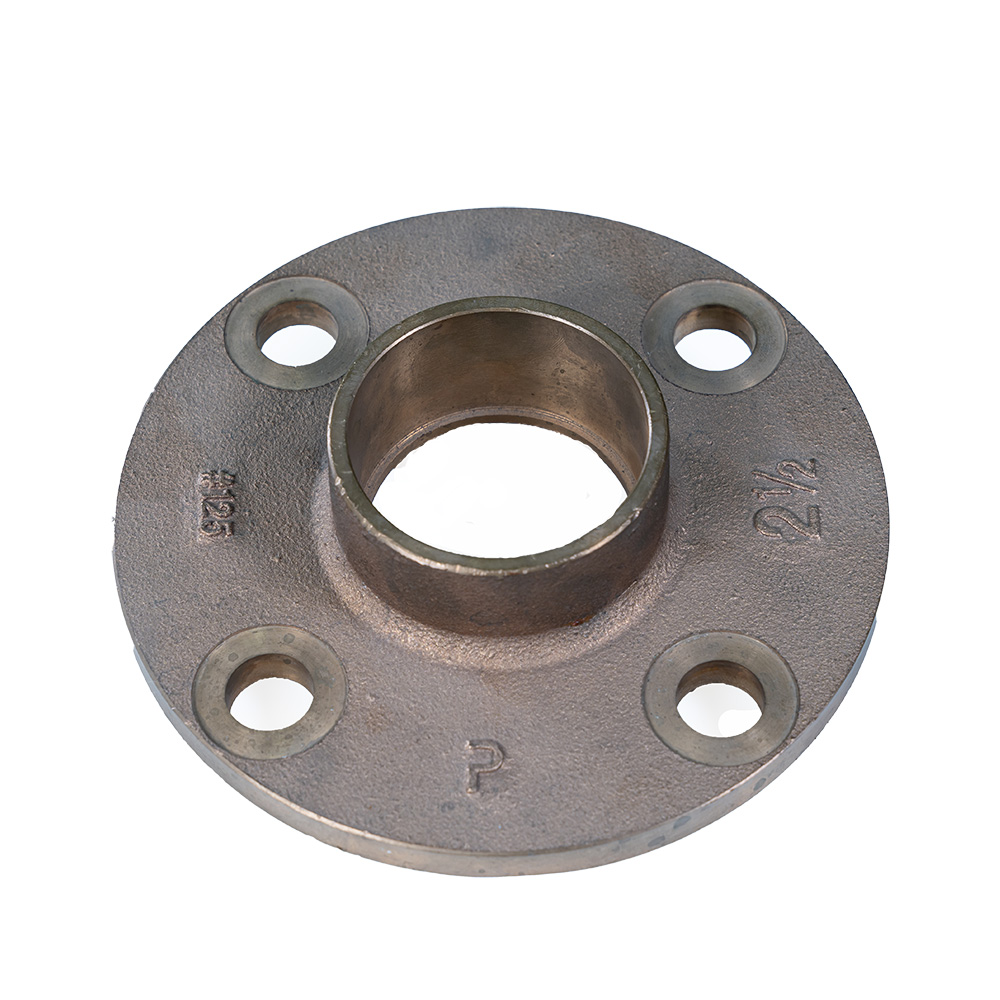
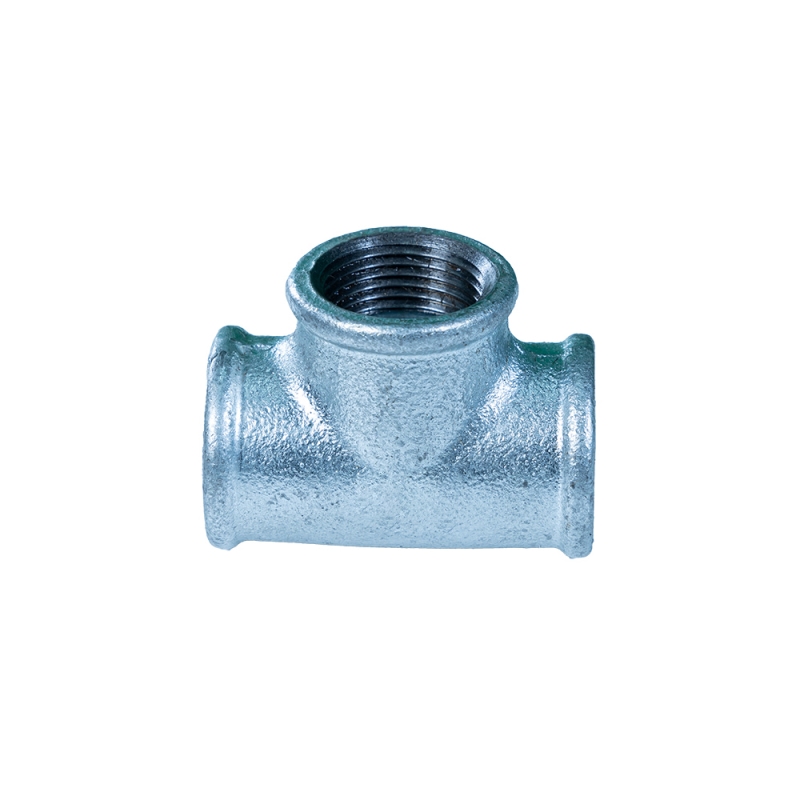
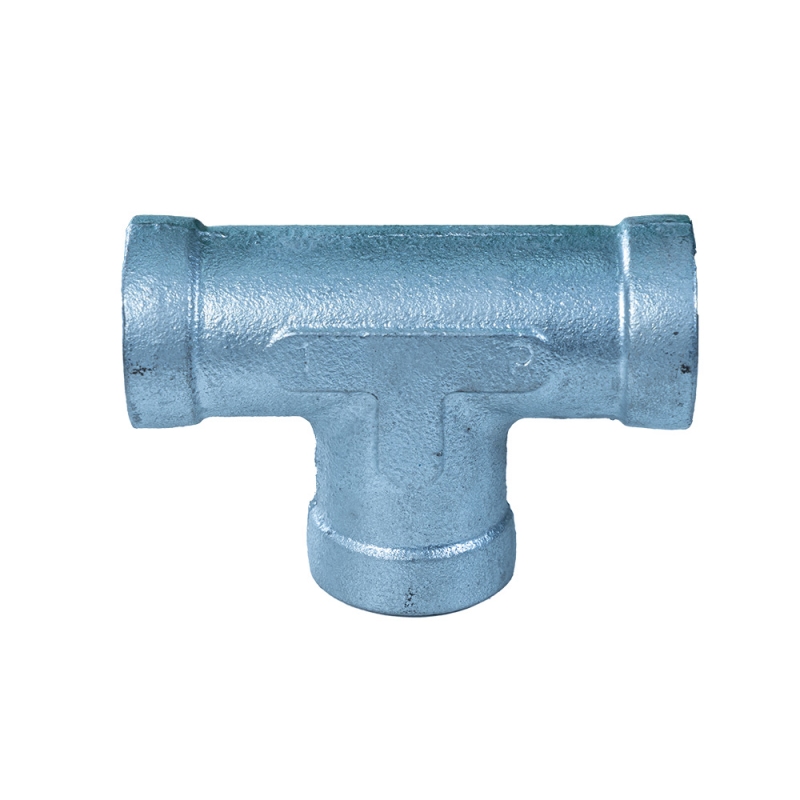
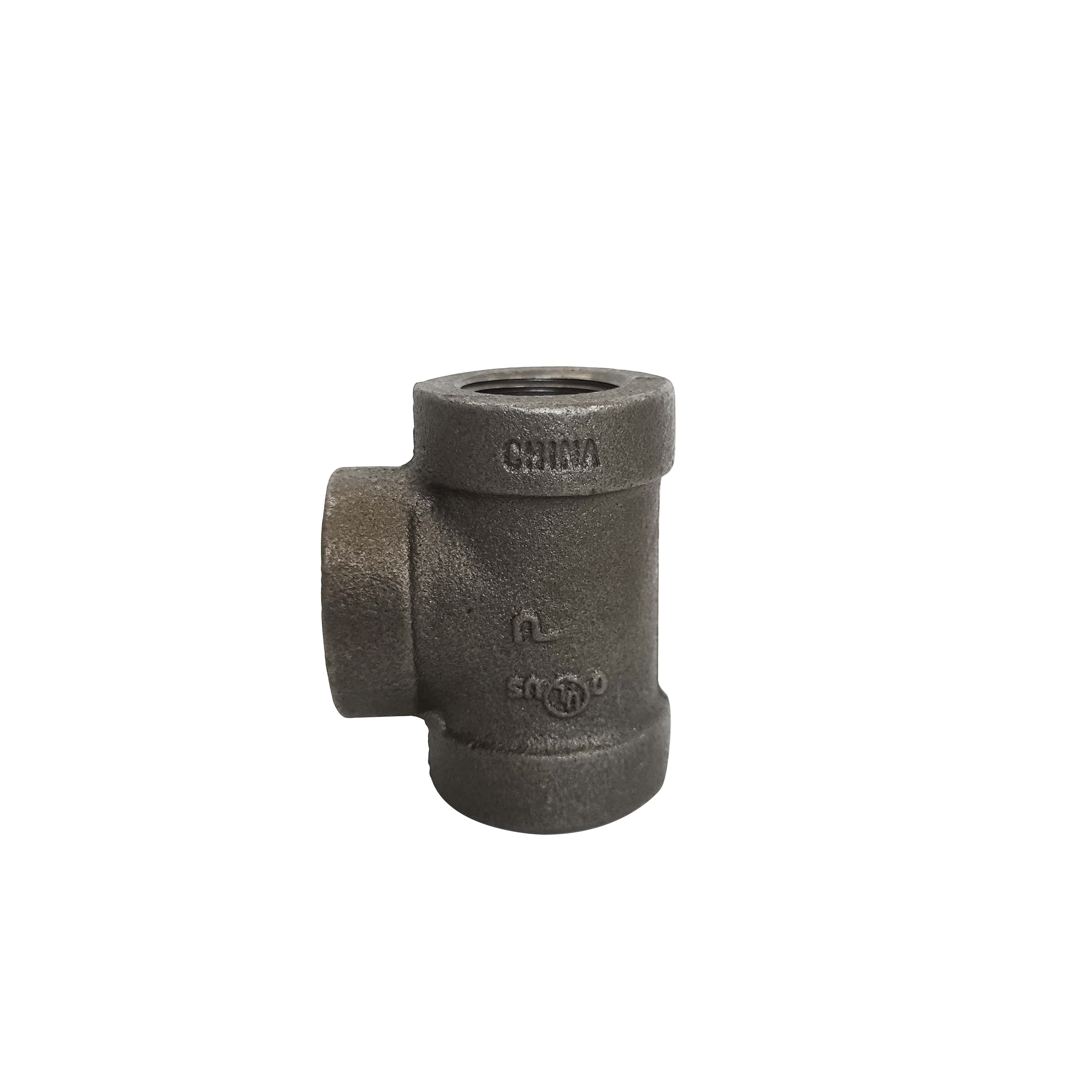
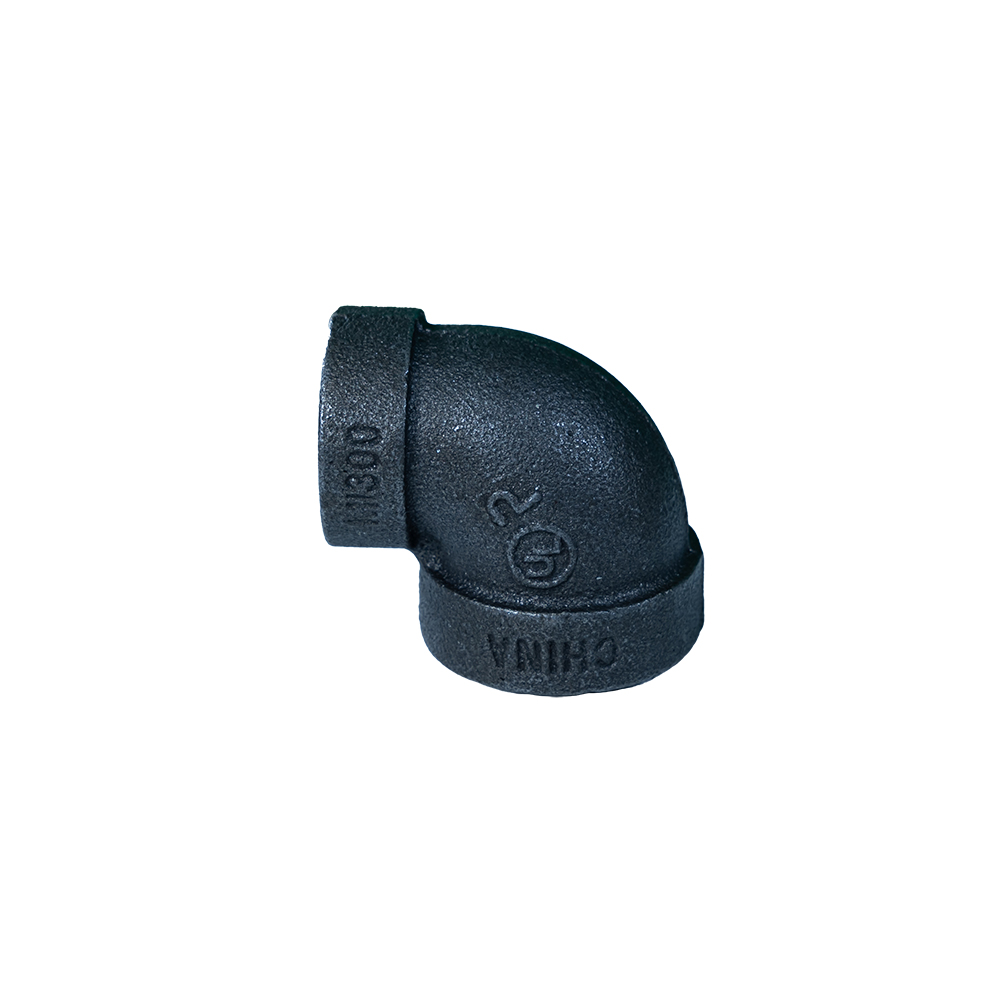
In essence, angled pipe fittings are pipe connectors engineered to join two pipe sections at a defined angle—often 45°, 60°, or 90° are standard, but custom angles exist too. These fittings redirect flow channels seamlessly and maintain system continuity.
They’re vital in numerous sectors: water treatment, oil and gas, HVAC systems, chemical manufacturing, and even humanitarian relief when rapid piping deployment is needed for sanitation or potable water.
Mini takeaway:
Angled pipe fittings are small but pivotal parts ensuring pipelines can bend without compromising strength or flow, helping industries function safely and efficiently.
Core Components That Make Angled Pipe Fittings Work
1. Durability & Material Quality
Most angled fittings are made from stainless steel, carbon steel, PVC, or brass—each suited for different pressure ratings and chemical compatibilities. Durability is non-negotiable, especially in harsh environments like arctic pipelines or corrosive chemical plants.
2. Compatibility & Standards
Ensuring fittings comply with international standards (like ASME, ASTM) is crucial for safety and interchangeability. Many engineers swear by choosing suppliers who stick to ISO-certified manufacturing processes.
3. Pressure & Temperature Ratings
These must align with system parameters to prevent failures. For example, oil pipelines demand fittings that withstand high pressures and thermal cycling.
4. Design Flexibility & Customization
While off-the-shelf 45° or 90° fittings are common, many projects require bespoke angles or integrated flanges for easier installation and maintenance.
5. Ease of Installation
Quick-connect or welded types exist. The right choice impacts project timelines and labor costs.
Mini takeaway:
- Material choice, compliance with standards, and custom fit define the reliability and usefulness of angled pipe fittings in any application.
Global Applications & Real-World Use Cases
Angled pipe fittings aren’t just in fancy factories—they’re everywhere. For instance, in Southeast Asia’s rapidly growing urban centers, municipal water systems use these fittings extensively to navigate underground obstacles.
In the oil-rich Middle East, angled fittings are part of massive pipeline complexes that transport crude across vast deserts, where leaks can spell disaster.
Angled pipe fittings play an unsung role in disaster relief too. After the 2015 Nepal earthquake, emergency water pipelines were laid rapidly using durable fittings to ensure clean water access before permanent infrastructure could be rebuilt.
Oddly enough, environmental engineering benefits too—biogas plants and wastewater treatment facilities rely heavily on angled fittings to pipe gases and liquids through their multi-stage processes efficiently.
Advantages & The Long-Term Value of Angled Pipe Fittings
- Cost Efficiency: Reduces the need for complex pipe bending or on-site welding, cutting labor and material costs.
- Reliability & Safety: Properly designed fittings reduce leak risks, enhancing system safety and protecting environmental resources.
- Sustainability: Many manufacturers now make fittings from recyclable materials and focus on corrosion-resistant designs to extend lifespan.
- Social Impact: In humanitarian projects, the ability to quickly deploy efficient piping networks protects health and dignity by providing safe water.
Emotionally, it’s reassuring for engineers and operators alike to know their systems hinge on components that won’t give out unexpectedly. There’s an undeniable trust factor in choosing quality angled pipe fittings.
Future Trends: What’s Next for Angled Pipe Fittings?
Technology keeps surprising us: expect more use of composite materials that combine high strength with low weight. Digital sensors embedded in fittings to monitor pressure or detect leaks early are also emerging.
Green energy projects, like hydrogen transport lines, require fittings with ultra-high corrosion resistance and safety features. Thus, new alloys and coatings are being researched.
Automation in suppliers' manufacturing—like robotics and 3D printing—allows for custom designs on demand, transforming supply chains.
Challenges & Innovative Solutions
Despite their advantages, angled pipe fittings face challenges like:
- Supply chain delays for specialized materials.
- Installation skill gaps in remote regions.
- Compatibility issues between international standards.
Experts suggest closer partnerships between manufacturers and end-users, plus increased training programs, can close these gaps. Modular, plug-and-play designs also help mitigate on-site errors.
Product Specification Table for Typical Angled Pipe Fittings
| Specification | Description |
|---|---|
| Material | Stainless Steel 304/316, Carbon Steel, PVC |
| Angle Options | 45°, 60°, 90°, custom angles available |
| Pressure Rating | Up to 1500 psi (varies by material) |
| Temperature Range | -40°C to 400°C (material dependent) |
| Installation Methods | Welded, Threaded, Flanged, Quick-connect |
Vendor Comparison Table: Leading Suppliers of Angled Pipe Fittings
| Feature | PanNext Fittings | GlobalPipe Inc. | FlexiConnect Ltd. |
|---|---|---|---|
| Material Options | Stainless & Carbon Steel, PVC | Carbon Steel & Brass | Composite & Stainless Steel |
| Customization | High (custom angles & finishes) | Medium (standard angles only) | High (3D-printed options) |
| Lead Time | 2-3 weeks | 4-6 weeks | 3-5 weeks |
| ISO Standards Certified | Yes | No | Yes |
| Warranty | 5 years | 3 years | 4 years |
Frequently Asked Questions About Angled Pipe Fittings
- Q: How do I determine the correct angle for pipe fittings in my system?
- A: Start by assessing your pipeline layout and the directional changes required. Most systems use standard angles like 45° or 90°, but if your project has unique constraints, custom angled fittings are available. Consulting with a piping engineer is recommended to ensure flow efficiency and avoid turbulence.
- Q: Can angled pipe fittings handle high-pressure industrial applications?
- Yes, many angled fittings are rated to withstand pressures up to 1500 psi or higher, depending on the material. For high-pressure environments like oil & gas, stainless steel or carbon steel fittings designed to relevant certifications are preferred.
- Q: Are there eco-friendly or recyclable options for angled pipe fittings?
- Definitely. Manufacturers are increasingly using recyclable metals and developing composite materials that reduce weight and resource consumption. Always check supplier specifications for sustainability credentials if this is a priority for your project.
- Q: How quickly can angled pipe fittings be delivered for emergency projects?
- Delivery times depend on customization but typical stock fittings can be shipped within 2–3 weeks. Some suppliers offer expedited options or pre-positioned inventory for disaster relief or urgent industrial needs.
- Q: What installation method is best for angled pipe fittings?
- It depends on system requirements. Welded fittings provide strong, permanent joints, ideal for high-pressure lines, while quick-connect or flanged fittings allow easier maintenance and faster installation. Engineers often balance safety, cost, and convenience.
In Conclusion: A Small Part Making a Big Difference
So, angled pipe fittings might be modest in size, but their reach is quite massive—from industrial giants to humanitarian projects. They offer flexibility, safety, and economic wisdom for any fluid transport system. The future looks bright with more sustainable materials and smart tech integration.
Curious to learn more or find the right angled pipe fittings for your project? Visit our website at https://www.pannextfittings.com and explore a world of precision components made ready for modern challenges.
Quick Takeaway:
Mastering the art and science of angled pipe fittings helps engineers, builders, and relief planners deliver safer, smarter, and sustainable piping solutions that stand the test of time.
References:
Post time: Nov-28-2025