
Dated on Nov-28-2025
Why Galvanized Pipe Couplings Matter in Global Infrastructure
I remember the first time I really appreciated how something as simple as a galvanized pipe coupling could make a huge difference. Pipes and couplings are the arteries of so many systems—from water supply networks in bustling cities to complex industrial plants far removed from urban centers. Globally, these tiny yet mighty connectors ensure stability, longevity, and safety across countless applications. Given the UN reports estimating that over 2 billion people lack access to safe drinking water worldwide (1), reinforced and reliable piping infrastructure is not just a convenience—it's essential. That's where galvanized pipe coupling comes in. Understanding what they do and why they’re crucial can impact planning in industries from construction to humanitarian building projects, and even agriculture. ---The Big Picture: Global Context for Galvanized Pipe Couplings
Worldwide, infrastructure investment is growing steadily (World Bank data suggests global infrastructure spending may reach $94 trillion by 2040 (2)). Within this expansion, the durability and corrosion resistance of materials used is a constant concern. Traditional steel pipes rust and fail prematurely in many environments, especially humid or salty ones. Galvanized pipe couplings—steel components coated with zinc—help extend service life, reducing maintenance headaches and replacement costs. In places from South America to Southeast Asia, these couplings help solve the challenge of providing clean water, reliable gas delivery, or sturdy industrial lines by resisting corrosion. Yet, we still see failures due to improper coupling selection or installation. Understanding their technical specs and the industries they serve can help planners and engineers avoid these pitfalls. ---What Exactly Is a Galvanized Pipe Coupling?
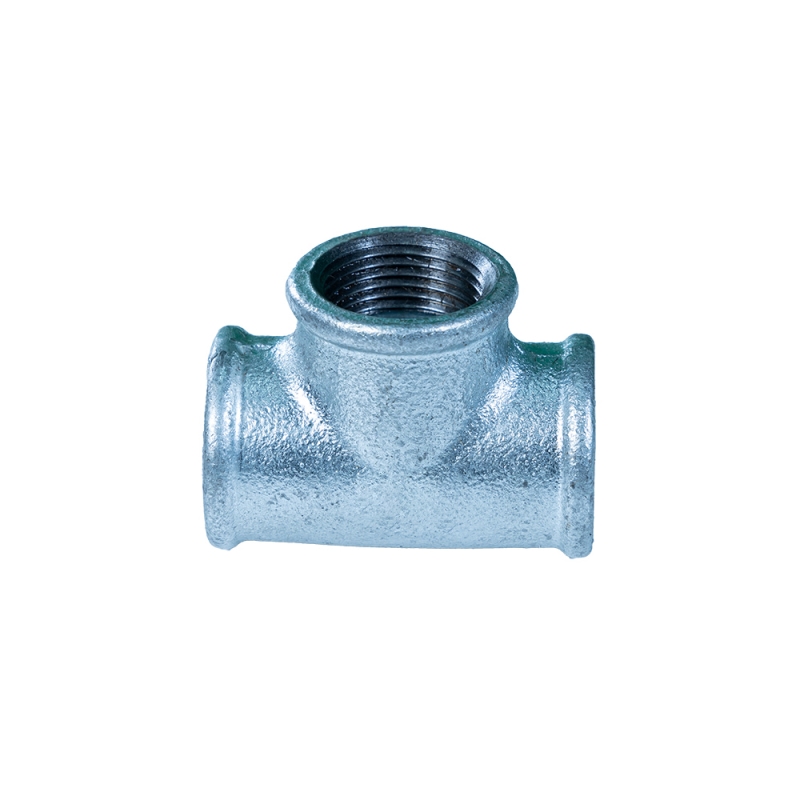
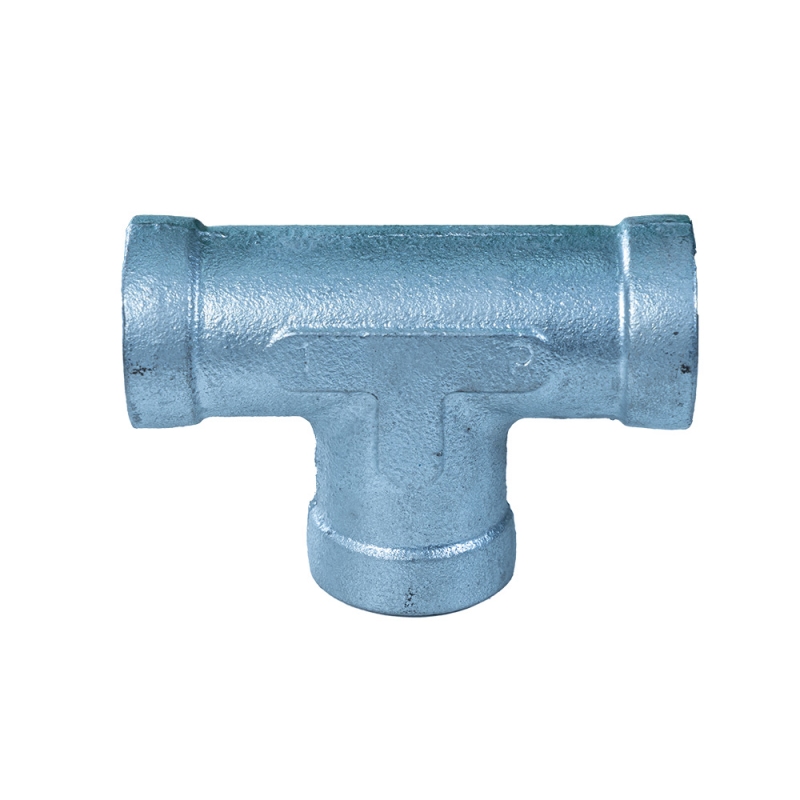
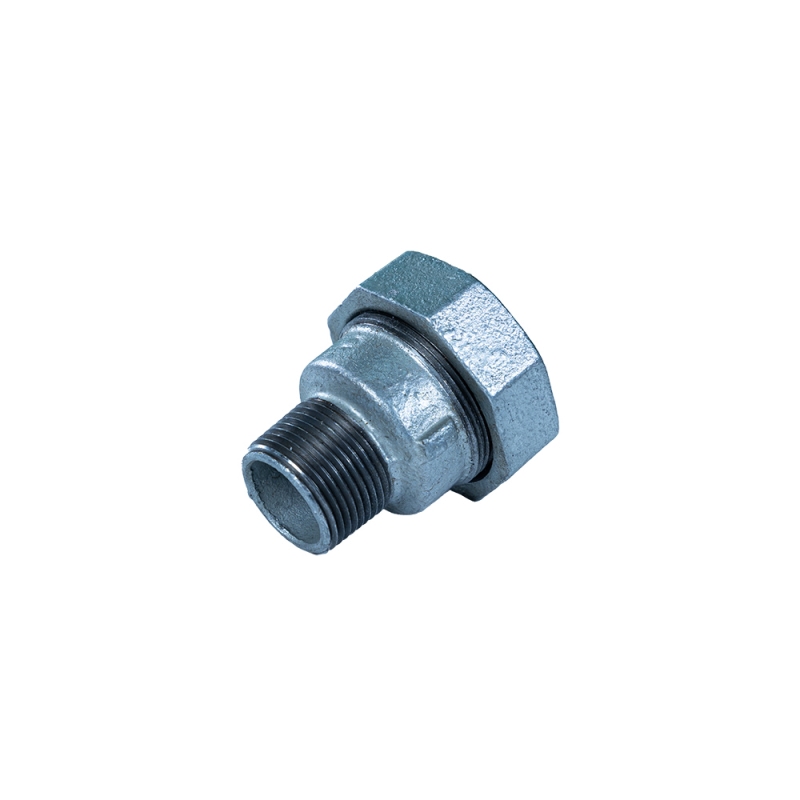
So what is this galvanized pipe coupling everyone talks about? Simply put, it’s a short fitting used to join two sections of pipe, usually threaded, with a protective zinc coating to prevent rust. Think of it as a kind of sleeve that securely links pipes and shields the connection from environmental wear. The zinc galvanization process involves dipping the steel in molten zinc or using electroplating—both create a protective barrier that’s key for longevity. Industrially, these couplings support everything from municipal water lines to machinery in factories, while in humanitarian contexts they enable rapid deployment of water and sanitation systems in disaster zones. ---Key Features of Galvanized Pipe Couplings
1. Durability
Corrosion resistance is the headline act here. The zinc coating not only shields steel from rust but also offers sacrificial protection—meaning it corrodes first, sparing the steel beneath for years.2. Compatibility
Galvanized couplings come in a range of sizes and threads, making them easy to integrate across different piping systems. That flexibility means less time sourcing parts or improvising in the field.3. Cost Efficiency
While stainless steel fittings may boast higher corrosion resistance, galvanized couplings are often an economical choice, offering a nice balance of affordability and long-term reliability.4. Ease of Installation
Threaded connections allow quick assembly and disassembly. Many field engineers I’ve spoken with appreciate how these fittings cut down repair times during maintenance.5. Environmental Resistance
Whether in salty coastal areas or humid tropics, these couplings perform well where bare steel would be a nightmare — a must for infrastructure in challenging climates. ---Mini takeaway: Galvanized pipe couplings are practical, robust, and cost-effective connectors that address real-world risks of corrosion and maintenance costs—that's why they remain industry favorites globally.
---How Galvanized Pipe Couplings Are Used Around the World
Across continents, galvanized pipe couplings usher reliability into diverse projects:- Urban water utilities: Cities from Nairobi to São Paulo rely on galvanized couplings in their aged pipe networks to reduce leaks and contamination.
- Industrial plants: Manufacturing hubs in Europe use them to quickly connect pneumatic and hydraulic lines, ensuring non-negotiable uptime.
- Remote mining camps: In Canada or Australia, durable couplings resist harsh weather where frequent maintenance isn't an option.
- Post-disaster relief: NGOs deploy galvanized pipe fittings to build temporary water supply systems swiftly in earthquake or flood zones.
- Agriculture: Irrigation networks in arid regions depend on galvanized couplings for their sturdiness against sediment and water wear.
Advantages & Long-Term Value of Galvanized Pipe Couplings
In real terms, galvanized couplings offer: - Cost Savings: Fewer replacements, reduced repairs, and less downtime. - Environmental Benefits: Zinc coatings extend life spans, meaning less waste and resource use. - Safety Assurance: Water supply contamination risk lowers thanks to corrosion resistance. - Trust & Reliability: Users feel confident infrastructure will last, which – frankly – is priceless in critical systems. Emotionally, I find that knowing the pipework won’t let you down when you need water or gas is a huge relief. It makes engineers sleep better at night, honestly. ---Here's a Quick Look at Typical Specifications
| Specification | Detail |
|---|---|
| Material | Steel with Zinc Galvanized Coating |
| Sizes | 1/2" to 6" Diameter (NPT threads common) |
| Pressure Rating | Up to 300 PSI (varies by size) |
| Temperature Range | -20°C to 120°C |
| Typical Applications | Water & Gas Lines, Industrial Piping, Irrigation |
Vendor Comparison: Choosing the Right Supplier
| Vendor | Quality Standards | Pricing | Lead Time | Range of Sizes |
|---|---|---|---|---|
| PanNext Fittings | ISO 9001 Certified | Competitive | 2-3 weeks | Full Range (1/2" to 6") |
| GlobalPipe Supplies | ASTM A153 Compliant | Mid-Range | 4 Weeks | Limited Sizes |
| EcoFittings Ltd. | Green Manufacturing Certified | Premium | 3 Weeks | Wide, Custom Options |
Looking Ahead: Future Trends in Galvanized Pipe Couplings
We’re seeing some neat innovations starting to shape the coupling world: - Advanced Coatings: New zinc-alloy blends improve resistance further. - Eco-Friendly Manufacturing: Lower energy processes and recycling galvanized scraps. - Smart Components: Embedded sensors for monitoring corrosion or pressure leaks. - Automation-Friendly Designs: Pre-fabricated modules for plug-and-play industrial systems. Interestingly, while stainless steel and polymer alternatives gain ground, galvanized pipe couplings remain favored for their balance of cost and durability. ---Common Challenges & How Experts Overcome Them
Challenges often come from improper installation causing leaks or premature corrosion where coating is scratched. The zinc layer isn’t indestructible. The solution? Using proper sealants, torque specs, and selecting the right size coupling for system pressures. Some vendors now offer couplings with thicker zinc layers or additional epoxy coatings, which engineers say pay off in tough environments. ---FAQ: Practical Questions About Galvanized Pipe Couplings
- Q: How long do galvanized pipe couplings typically last?
- A: Under normal conditions, galvanized couplings can last 20 to 50 years, depending on the environment and maintenance.
- Q: Are galvanized pipe couplings suitable for potable water systems?
- A: Yes, they are commonly approved for potable water, but it’s important to check local regulations as galvanized coating can sometimes affect water taste.
- Q: Can galvanized pipe couplings be used outdoors without additional protection?
- A: Generally yes, zinc galvanization protects against outdoor corrosion, but extreme environments might require supplementary coatings.
- Q: What thread standards do galvanized couplings usually follow?
- A: Most use NPT (National Pipe Thread) or BSP (British Standard Pipe) threading, based on regional norms.
Wrapping Up & Next Steps
So, galvanized pipe couplings are quietly powerful protagonists in our global infrastructure story. From cost savings to corrosion resistance, their role in assuring safe, lasting pipe networks is undeniable. If you want to explore superior options or need advice for your next project, visit PanNext Fittings. They offer a solid range backed by strong quality standards and decades of expertise. ---References & Further Reading
- United Nations (2023) — Water Access Statistics, https://www.unwater.org
- World Bank (2021) — Infrastructure Spending Outlook, https://www.worldbank.org
- ISO Standards for Pipe Couplings, https://www.iso.org/standards.html
Post time: Nov-28-2025
Related PRODUCTS