
What Is a 4 Way Pipe Fitting and Why Should We Care?
At first glance, a 4 way pipe fitting might sound a bit technical and niche — and, honestly, it kind of is! But it's one of those small, unsung heroes in global infrastructure, plumbing, and industrial systems. Essentially, it's a connector allowing four pipes to join at a single point, making complex networks possible and flexible. Understanding this little piece can unlock smoother designs, better efficiency, and even substantial cost savings in industries ranging from water treatment to manufacturing.
Globally, whether it’s clean water distribution, oil and gas pipelines, or emergency relief supply lines, these fittings keep things flowing. They might just seem like bits of metal or plastic, but they matter—especially when you think of reliable infrastructure supporting millions.
4 Way Pipe Fitting: A Global Perspective
The global industrial piping market is booming. According to a recent ISO report, pipelines and their associated fittings represent over 40% of fluid transportation infrastructure worldwide. The United Nations' water goals highlight the importance of efficient water distribution, where fittings like these play a crucial role.
But challenges abound: aging systems, harsh environments, and the need for rapid assembly in disaster zones. A fitting that lets you connect pipes in four directions without complex additional parts? That’s an elegant solution for modular, scalable systems.
Mini Takeaway:
4 way pipe fittings are fundamental in global infrastructure, helping industries address challenges of complexity, durability, and rapid deployment in critical systems.
Defining the 4 Way Pipe Fitting: How Does It Work?
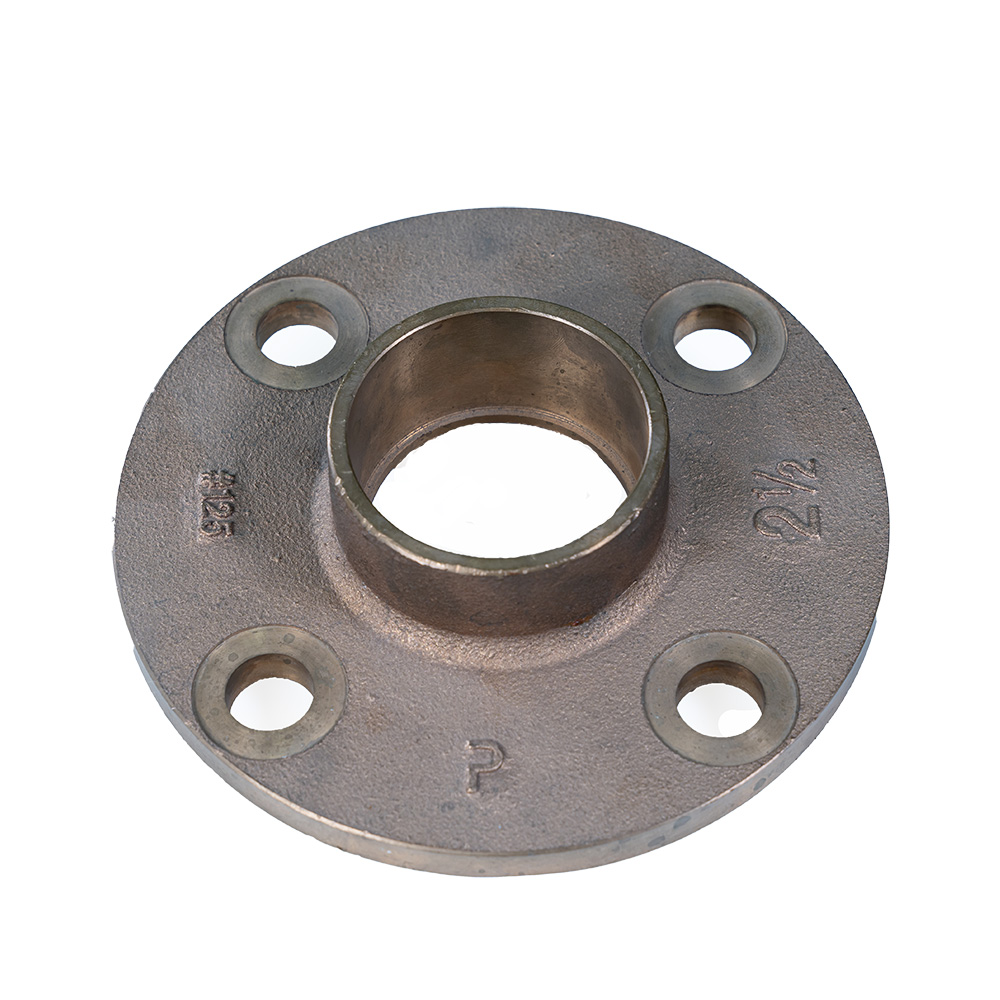
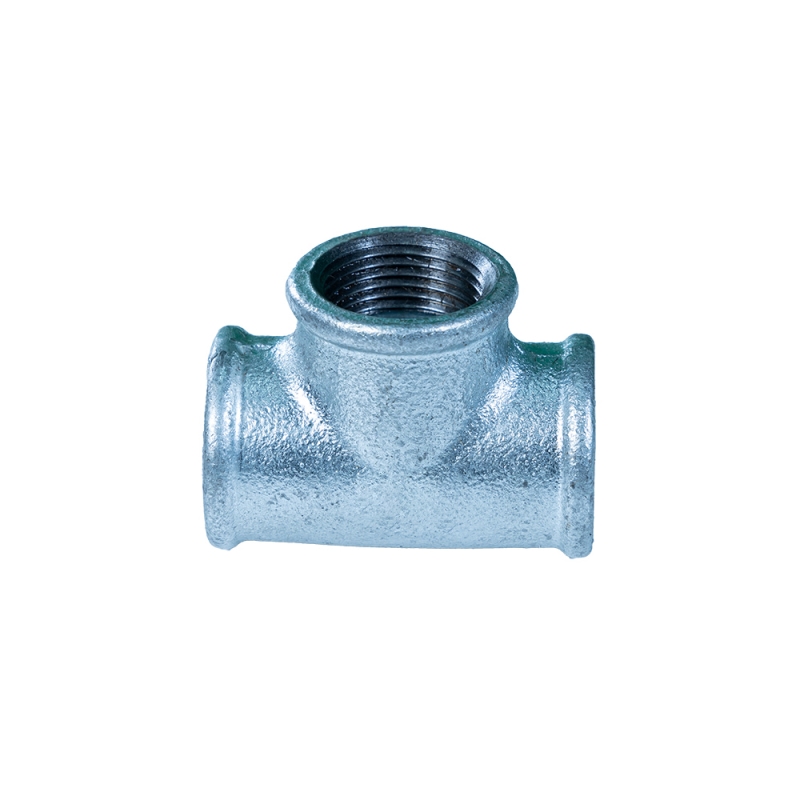
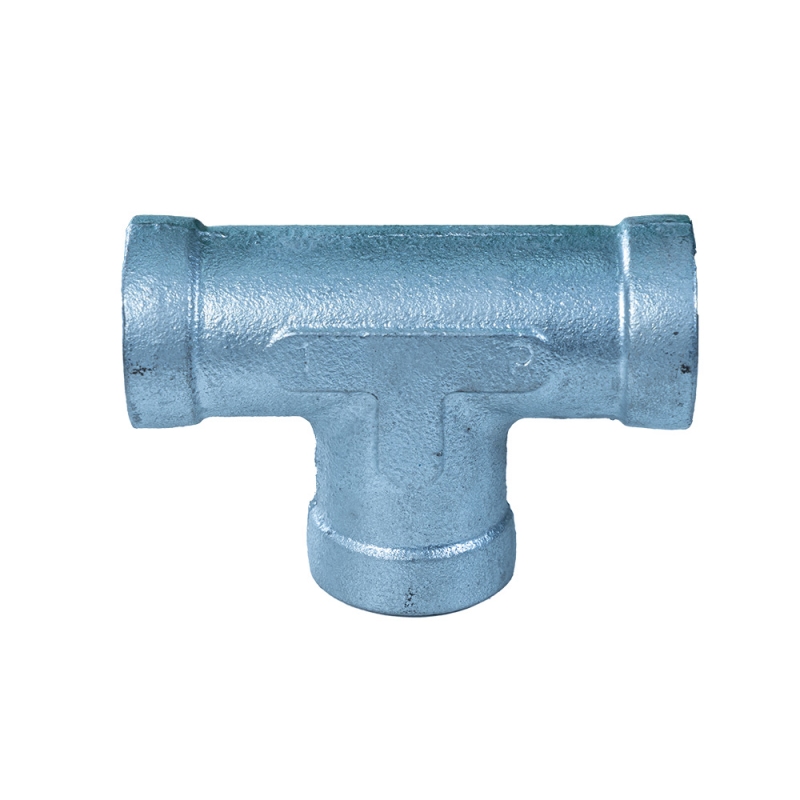
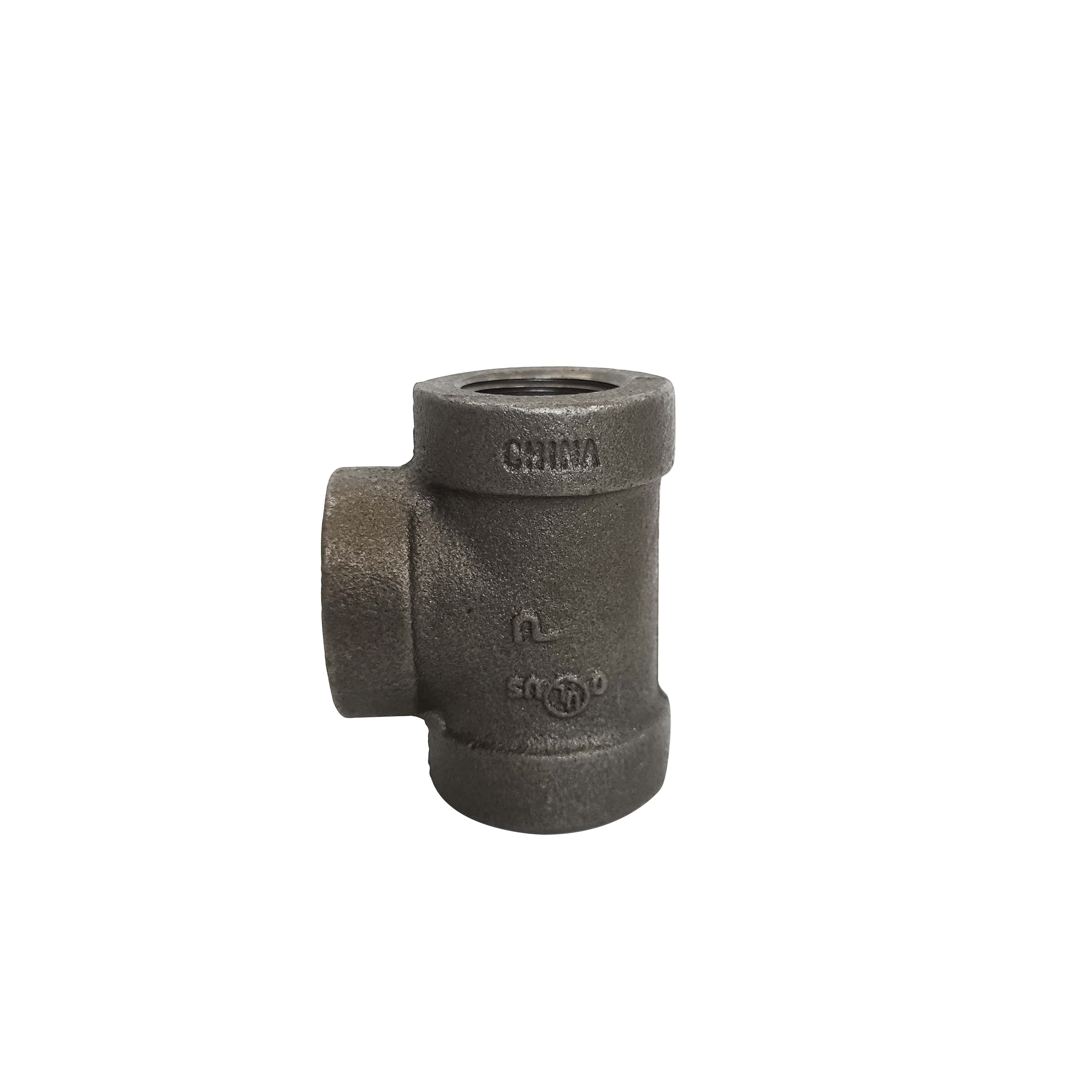
Simply put, a 4 way pipe fitting (sometimes called a cross or quadruple fitting) is a device designed to connect four separate pipes at one point, typically arranged perpendicularly to each other. Think of it as an intersection where four roads meet—not always a scramble, though. In piping, it ensures flow can split or combine smoothly.
This is more than plumbing. It’s industrial bloodline architecture. Modern sectors like petrochemicals, irrigation, or even emergency water supply networks rely heavily on such fittings. Without them, creating complex piping loops or grids would be a logistical nightmare.
Key Factors When Choosing a 4 Way Pipe Fitting
Durability and Material Strength
Given the varying pressures and corrosive environments where these fittings get deployed, material choice is make-or-break. Stainless steel, PVC, cast iron—each offers trade-offs in strength, weight, and chemical resistance.
Design Versatility
A fitting that fits most pipe diameters without custom fabrication is gold. This adaptability not only cuts costs but speeds up installation drastically.
Cost Efficiency
While cheaper materials might tempt, long-term costs from maintenance and replacements often outweigh the initial savings.
Ease of Installation
Modular designs with standardized threads or quick connect features help engineers save time and reduce errors on site.
Compliance and Standards
Look for fittings meeting ISO, ASTM, or DIN standards to ensure safety and interoperability across regions and systems.
Scalability
Industries that require expansion benefit from fittings designed to easily integrate into existing networks without major overhauls.
Mini Takeaway:
Choosing the right 4 way pipe fitting boils down to material durability, smart design, and adherence to global standards that bode well for scalability in complex systems.
Global Applications & Real-World Use Cases
Everywhere from sprawling water desalination plants in the Middle East to remote mining camps in Australia, these fittings keep fluid infrastructure alive. In disaster relief zones, for example, NGOs use modular water distribution units with 4 way pipe fittings to quickly restore potable water supplies after floods or earthquakes.
Industrial parks in Europe rely on these fittings to build multi-directional coolant loops, improving safety and maintenance access. Oddly enough, even urban vertical farming setups have started employing them for irrigation distribution to optimize space.
Advantages & Long-Term Value of 4 Way Pipe Fittings
- Cost Savings: Reducing the need for multiple connectors means less material waste and lower labor costs.
- Reliability: Robust connections minimize leak risks which could lead to expensive system failures.
- Environmental Impact: Longer-lasting fittings equate to fewer replacements and lower carbon footprint.
- Social Equity: In humanitarian settings, ensuring safe water flow via reliable connectors upholds community health and dignity.
- Innovation & Trust: Manufacturers focused on these fittings push the envelope with design improvements, fostering trust in critical infrastructure.
Product Specification Table
| Feature | Specification |
|---|---|
| Material | Stainless steel 304 / PVC (options) |
| Pipe Size Compatibility | 1/2" to 4" diameter |
| Pressure Rating | Up to 150 PSI |
| Operating Temperature | -10°C to 120°C |
| Certification | ISO 9001, ASTM compliant |
| Connection Type | Threaded / Socket Weld / Quick-connect |
Comparing Leading 4 Way Pipe Fitting Vendors
| Vendor | Material Options | Price Range | Industry Focus | Delivery Time |
|---|---|---|---|---|
| PipeMaster Inc. | Stainless Steel, PVC | $$$ | Industrial, Waterworks | 2-3 weeks |
| QuickFit Solutions | Aluminum, PVC | $$ | Construction, HVAC | 1-2 weeks |
| GlobalFittings | Carbon Steel, Brass | $$$$ | Oil & Gas, Chemicals | 3-4 weeks |
Emerging Trends and Technologies in 4 Way Pipe Fittings
Manufacturers are increasingly looking at advanced composites, like fiber-reinforced polymers, to improve strength without weight penalty. Smart fittings with embedded sensors that detect leaks or pressure changes are slowly moving from labs to the field, promising to cut downtime and prevent disasters.
On the sustainability front, greener materials and less wasteful manufacturing techniques align with global environmental commitments — making these fittings not just practical, but ethical choices.
Challenges in the Field and How We Overcome Them
Fitting failures still happen due to mismatched sizes, chemical incompatibility, or installation errors. Training and better design guides help significantly. Customizable fittings, alongside modular systems, reduce the guesswork engineers face out in the wild.
Ongoing R&D into corrosion-resistant coatings and more precise manufacturing tolerances is setting the stage for fewer headaches.
FAQ: Your Burning Questions on 4 Way Pipe Fittings
Q: What types of pipes can I connect with a 4 way pipe fitting?
A: Most 4 way fittings accommodate metal pipes like stainless steel or carbon steel, as well as plastics like PVC or CPVC, depending on the fitting material. Always check compatibility to avoid leaks or pressure loss.
Q: How do I choose the right fitting size for my system?
A: Matching pipe diameter is essential. Measure your pipes accurately, consider flow rates, and consult supplier datasheets to find a fitting that fits snugly without forcing pipes together.
Q: Are 4 way pipe fittings easy to install on-site?
A: Many modern fittings feature threaded or quick-connect options that simplify installation. However, proper training and tools remain crucial to avoid cross-thread damage or poor seals.
Q: Can these fittings be used in high-pressure industrial applications?
A: Yes, provided the fitting is rated for the pressure in question. Stainless steel or carbon steel variants often serve high-pressure environments with pressure ratings of up to 150 PSI or more.
Q: Where can I find reliable 4 way pipe fittings suppliers?
A: Look for certified vendors who comply with international standards such as ISO and ASTM. Online marketplaces and specialized sites like 4 way pipe fitting vendors are a good starting point.
In Closing: Why 4 Way Pipe Fittings Matter Long-Term
When viewed from the big picture, these little parts keep massive systems — from cities’ water to critical industrial complexes — working well. Reliable 4 way pipe fittings reduce failures, speed up projects, and improve safety and sustainability. If you’re planning a project or upgrading infrastructure, consider looking deeply into the options available. It might feel like just a connector, but I’ve noticed it often defines the smoothness of the whole pipeline.
Learn more and explore your options by visiting our website: 4 way pipe fitting.
References:
Post time: Nov-28-2025