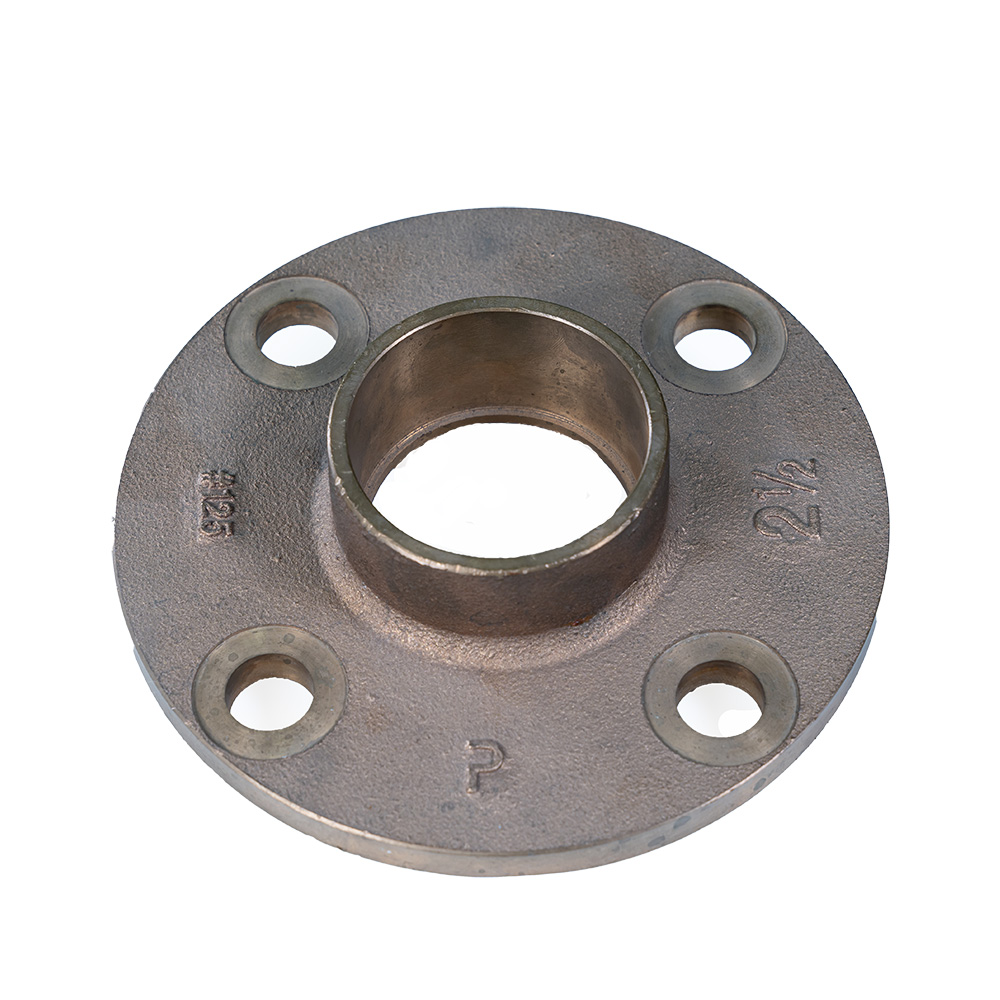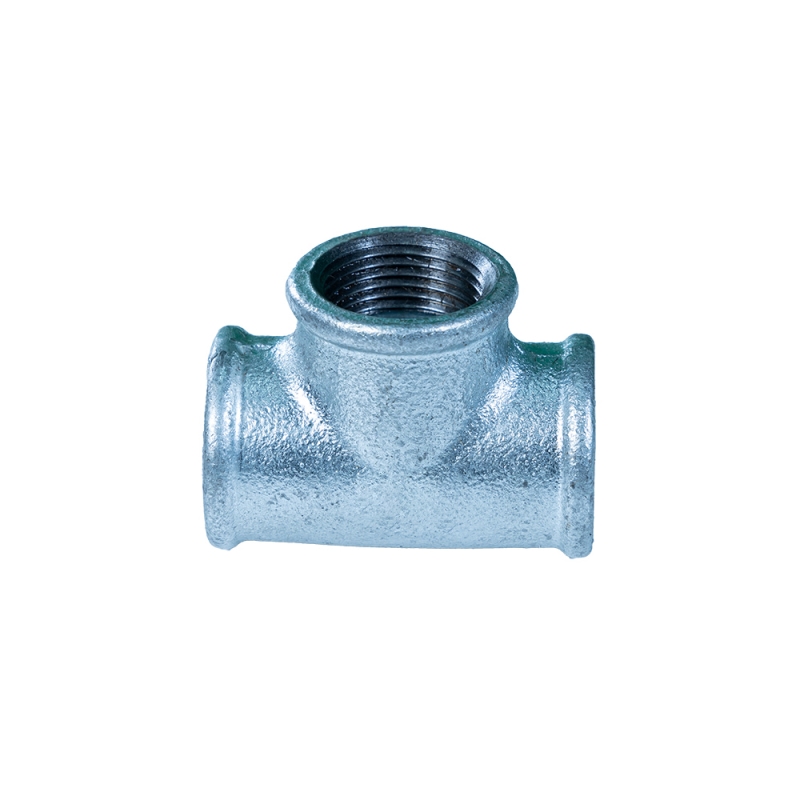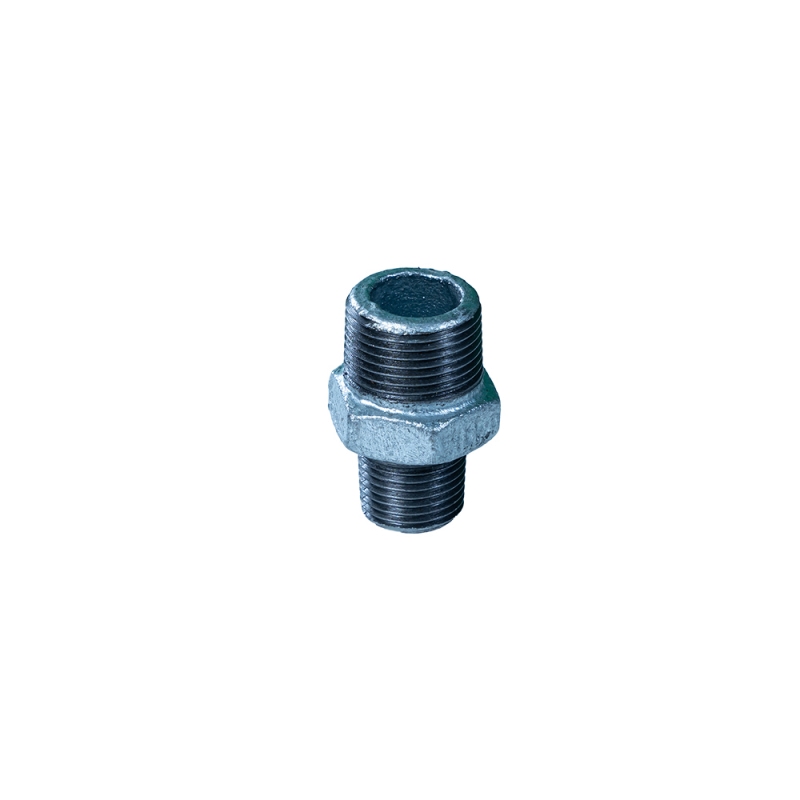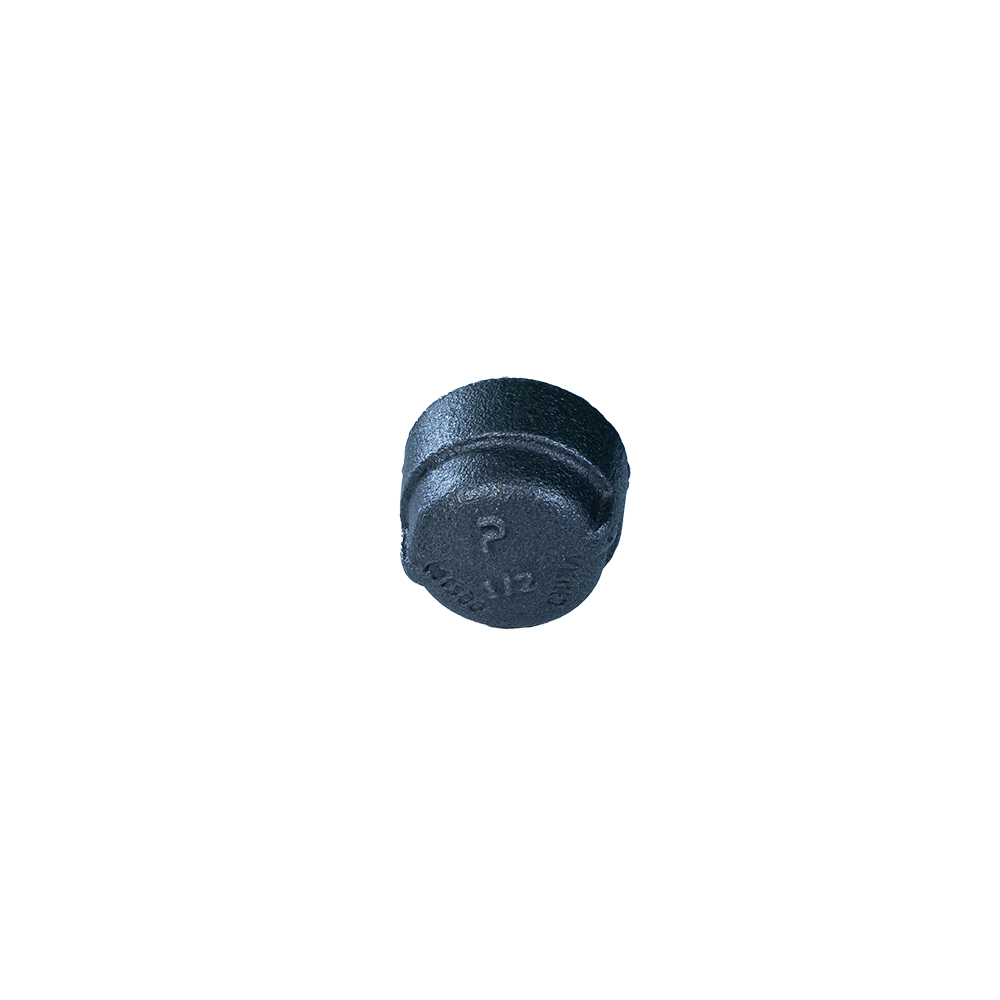

Union Fittings: The Unsung Heroes of Modern Piping and Plumbing
From water supply systems to industrial pipelines, union fittings quietly keep things connected. But, why should anyone outside engineering circles care about these small, usually metal parts? Well, thinking globally, union fittings play a surprisingly big role in ensuring infrastructure reliability, safety, and flexibility — crucial for industries ranging from oil and gas to humanitarian aid projects.
Understanding union fittings sheds light on how our complex systems come together seamlessly. They help reduce downtime, simplify maintenance, and enable sustainable solutions in places as varied as bustling cities and remote disaster zones.
Why Union Fittings Matter Worldwide
Globally, the demand for robust piping infrastructure is booming, especially in developing countries and industrial centers. According to the International Organization for Standardization (ISO), efficient pipeline systems reduce risks of leaks and contamination — critical for clean water delivery and energy distribution.[1]
However, one common challenge across sectors is maintaining these pipelines without shutting down entire systems — a costly ordeal. Union fittings address this exact problem by allowing quick disassembly and reconnection, minimizing operational hiccups.
In fact, the World Bank estimates that improving water supply infrastructure with reliable piping components could reduce waterborne diseases by up to 30% in underdeveloped regions.[2] Imagine how a simple, well-designed union fitting can indirectly boost public health!
What Exactly Are Union Fittings?
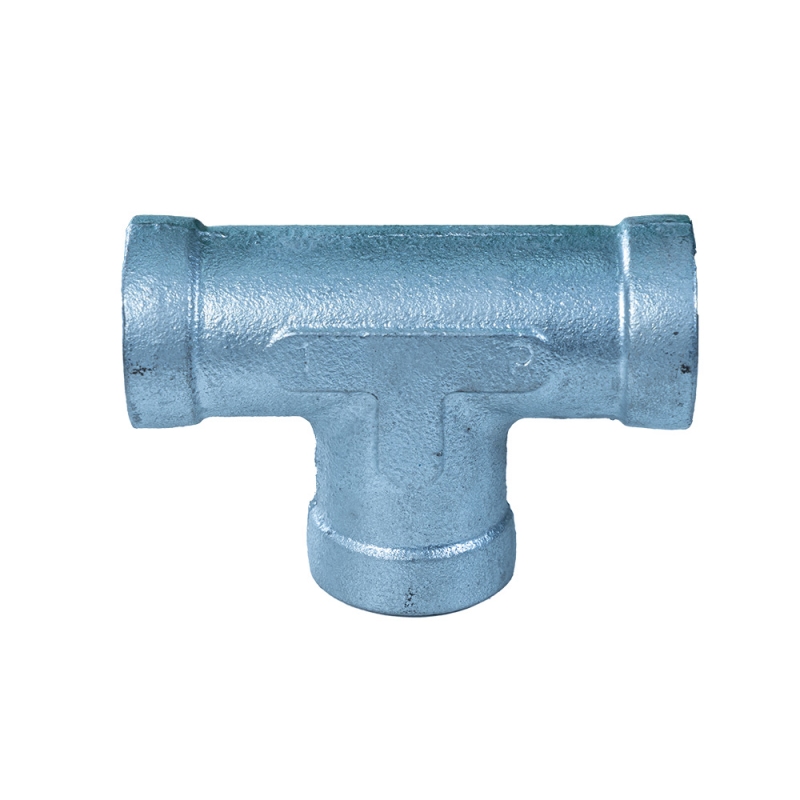
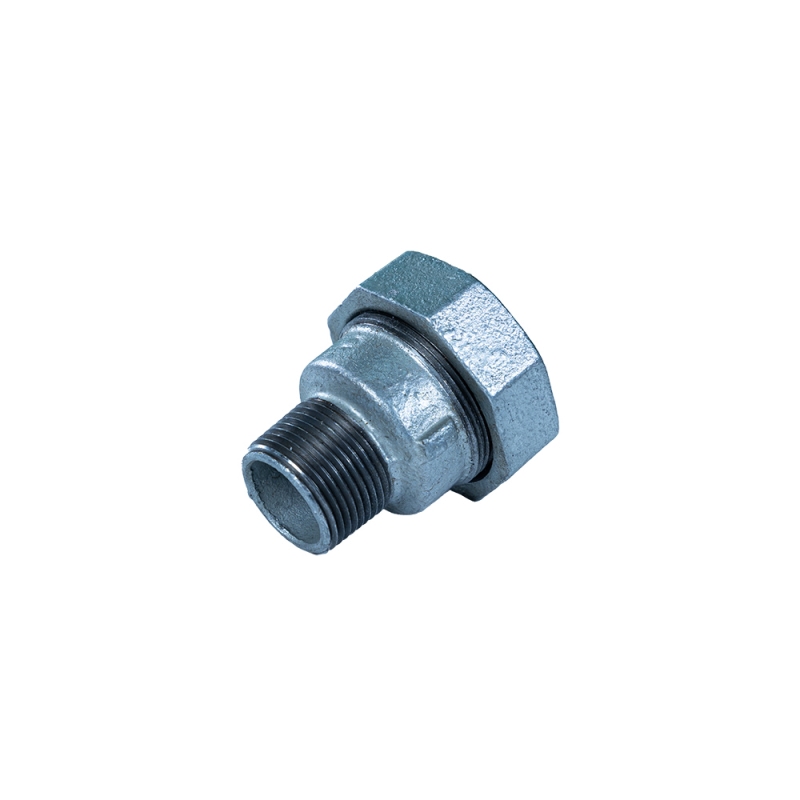
Simply put, union fittings are a type of pipe connector that joins two pipes securely but can also be easily detached without cutting the pipes themselves. Unlike permanent welds or glue, they use threaded or mechanical seals, providing both solidity and versatility.
They’re common in both household plumbing and expansive industrial setups. In humanitarian aid, for example, quick assembly of water purification units often depends on trusty union fittings.
Why This Matters Now
As industries push for faster deployment and easier maintenance, union fittings bridge the gap between durability and modular convenience — a combination that’s essential for rapid response and long-term infrastructure health.
Key Components of Union Fittings
1. Durability and Material Quality
Most union fittings are made from brass, stainless steel, or reinforced plastics. This matters because they resist corrosion, handle high pressures, and can survive varied climates. In harsh offshore oil rigs or remote, humid villages, durability really counts.
2. Ease of Installation & Maintenance
One of the biggest advantages professionals mention is how union fittings allow quick disassembly without specialized tools. That saves hours, even days, especially when replacing or repairing sections of piping.
3. Versatility Across Pipe Sizes and Systems
Union fittings come in a range of sizes and designs to accommodate different pipe diameters and materials — from copper household pipes to massive industrial conduits.
4. Cost Efficiency
They reduce labor and downtime costs. Plus, their reusability means fewer replacements over time, which adds up to saving budgets in large projects.
5. Scalability
Need to expand a system? Union fittings allow incremental upgrades without tearing everything apart — crucial in rapidly growing urban centers or evolving industrial plants.
Mini takeaway:
Union fittings combine strength, adaptability, and ease of use — qualities that make them essential for reliable piping systems worldwide.
Where Union Fittings Are Changing the Game
Across continents and industries, the union fitting shines:
- In South Asia: Rapid urbanization demands quick water pipeline fixes and extensions, where union fittings are a plumber’s best friend.
- Oil & Gas Facilities: Constant safety checks and component replacements depend heavily on union fittings that enable fast maintenance without shutting multibillion-dollar operations.
- Post-Disaster Relief: In Haiti’s 2010 earthquake aftermath, NGOs swiftly deployed water purification systems using prepped piping with union fittings for easy setup and tear-down.
- Remote Mining Camps: Where infrastructure is partly modular and must adjust to shifting sites, union fittings provide that needed flexible connection.
Real-world insight:
One engineer I spoke to mentioned how union fittings make their job simpler — “You don’t waste hours cutting and welding just to replace a corroded valve, you just unscrew, swap, and move on.” Sounds almost poetic for a metal part, right?
The Real Benefits: Beyond Just Connecting Pipes
Union fittings bring:
- Long-term cost savings through lower maintenance complexity.
- Sustainability impact by avoiding wasteful pipe cuts and fostering reusability.
- Safety and reliability which is pivotal where leaks could cause environmental or human harm.
- Innovation enabler allowing quick integration of new technologies or materials without massive system overhauls.
On another level, their design inspires trust and confidence — essential when engineers and operators feel their work’s durability is backed up by quality components.
Future Trends: What’s Next in Union Fittings?
Emerging innovations focus on smarter materials and sustainability. Consider bioplastics or coatings that resist biofouling in water systems. There’s also increasing use of 3D printing to quickly customize unions for niche industrial needs.
Digitization touches unions through embedded sensors that monitor pressure and integrity — true Industry 4.0 applications that aim to preempt failures before they happen.
On the regulatory front, ISO standards are evolving to incorporate environmental and safety benchmarks, pushing manufacturers to raise the bar on quality and eco-friendliness.
Challenges and How Experts Tackle Them
Of course, nothing is perfect. Common challenges include:
- Compatibility issues: Not all union fittings fit every pipe type perfectly, leading to leaks if mismatched.
- Corrosion in extreme environments: Leading to degradation over time.
- Initial cost perception: Some see union fittings as more expensive upfront versus simple welded joints.
Solutions? Vendors now offer customizable fittings tailored to specific industry must-haves, with corrosion-resistant alloys or protective layers. Training technicians on proper installation also drastically reduces leak risks — a small step with huge returns.
Product Specification Table: Typical Union Fittings
| Attribute | Specification |
|---|---|
| Material | Brass, Stainless Steel, PVC |
| Pressure Rating | Up to 3000 psi (varies by material) |
| Connection Type | Threaded, Compression, Flanged |
| Temperature Range | -40°C to 200°C (typical) |
| Pipe Diameter Compatibility | 1/4 inch to 4 inches |
Vendor Comparison: Choosing the Right Union Fitting Supplier
| Vendor | Materials Offered | Customization | Lead Time | Price Range |
|---|---|---|---|---|
| PanNext Fittings | Brass, Stainless Steel, PVC | High | 2-4 weeks | $$$ (mid to premium) |
| Global Pipe Solutions | Brass, Carbon Steel | Medium | 4-6 weeks | $$ (budget-friendly) |
| EcoPipe Tech | Recycled PVC, Bioplastics | Limited | 3-5 weeks | $$ (affordable) |
FAQs About Union Fittings
- What are the main benefits of union fittings over welded joints?
- Union fittings offer fast disassembly and reassembly without damaging pipes, reducing maintenance time and cost. They are suitable where frequent access is needed, unlike welded joints which are permanent and require cutting to modify.
- Can union fittings be used in high-pressure industrial settings?
- Yes, many union fittings are rated for pressures up to several thousand psi, especially those made from stainless steel or brass. Always check specific product specs to match your system requirements.
- Are union fittings compatible with all pipe materials?
- Not always. They come with different connection types to fit copper, steel, PVC, or plastic pipes. Proper selection and sometimes adapters ensure a tight, leak-proof fit.
- How do I ensure leak-proof installation with union fittings?
- Proper tightening, use of thread sealants or PTFE tape, and choosing the right fitting size/material combination are key. Training your technicians on best practices minimizes leaks significantly.
- Can union fittings contribute to sustainability goals?
- Absolutely. Because they enable reusability, reduce waste from cut pipes, and support modular system upgrades, they align well with sustainability-focused engineering approaches.
In Conclusion: Why Union Fittings Deserve Your Attention
Union fittings might seem like small, unglamorous components, but they hold immense value in the world of piping and infrastructure. Their blend of reliability, cost-effectiveness, and ease of maintenance makes them indispensable across industries and regions.
If you’re looking to enhance your piping systems with highly adaptable, durable, and smart connectors, start by exploring quality options like those from PanNext Fittings. Trust me, good plumbing isn’t just about pipes — it’s about the connections that hold them together.
Want to learn more or discuss custom solutions? Visit us at https://www.pannextfittings.com.
Quick reflections:
Union fittings are a small window into how thoughtful design changes can ripple out to save money, time, and even lives. Next time you twist a valve or fix a leak, maybe take a moment to appreciate that unassuming metal union that made it so simple.
- ISO Standards for Piping and Pipeline Systems: ISO 23.040
- World Bank – Water & Sanitation Data: Water Supply and Sanitation
- UN Sustainable Development Goal 6: Clean Water and Sanitation: UN SDG 6
Post time: Nov-27-2025