The global infrastructure landscape relies heavily on the integrity of fluid transport systems, where the choice of connection components can determine the longevity and safety of an entire project. High-quality metal plumbing fittings serve as the critical junctions that ensure leak-proof performance and structural stability across residential, commercial, and industrial piping networks. By utilizing advanced metallurgy and precise engineering, these components mitigate the risks of system failure and operational downtime.
In the modern industrial era, the demand for precision-engineered components has surged, driving the industry toward stricter standardization and higher material grades. The transition toward materials that can withstand extreme pressures and corrosive environments is no longer optional but a necessity for safety compliance. As global urbanization accelerates, the reliance on durable piping solutions becomes paramount to maintaining public health and industrial productivity.
Understanding the technical nuances of metal plumbing fittings allows engineers and procurement specialists to optimize their system designs for both cost-efficiency and reliability. By focusing on certified standards such as ISO and EN, industries can ensure that every joint and connection in their network is capable of handling the required working pressures without compromise.
Technical Standards of Malleable Cast Iron Fittings
The manufacturing of professional-grade fittings requires strict adherence to international benchmarks to ensure interoperability and safety. For beaded malleable cast iron fittings, the ISO 49 and EN 10242 (Symbol C) standards provide the blueprint for dimensional accuracy and structural integrity, ensuring that every piece fits perfectly within a global supply chain.
Certification is the cornerstone of trust in the piping industry; therefore, having components that are UL Listed and FM Approved is essential for high-risk environments. These certifications validate that the metal plumbing fittings have undergone rigorous testing for fire safety and pressure endurance, making them suitable for critical infrastructure.
Material Composition and Mechanical Properties
The core strength of these fittings lies in the specific grade of material used, specifically BS EN 1562, EN-GJMB-350-10. This malleable cast iron alloy is engineered to provide a balance between the rigidity of cast iron and the ductility required to prevent brittle fractures under stress, which is a common failure point in lower-grade materials.
Mechanical performance is quantified through tensile strength and elongation. With a minimum tensile strength of 300 MPA and a minimum elongation of 6%, these components can absorb significant mechanical shocks and thermal expansion without compromising the seal. This ensures that the system remains airtight and watertight even under fluctuating environmental conditions.
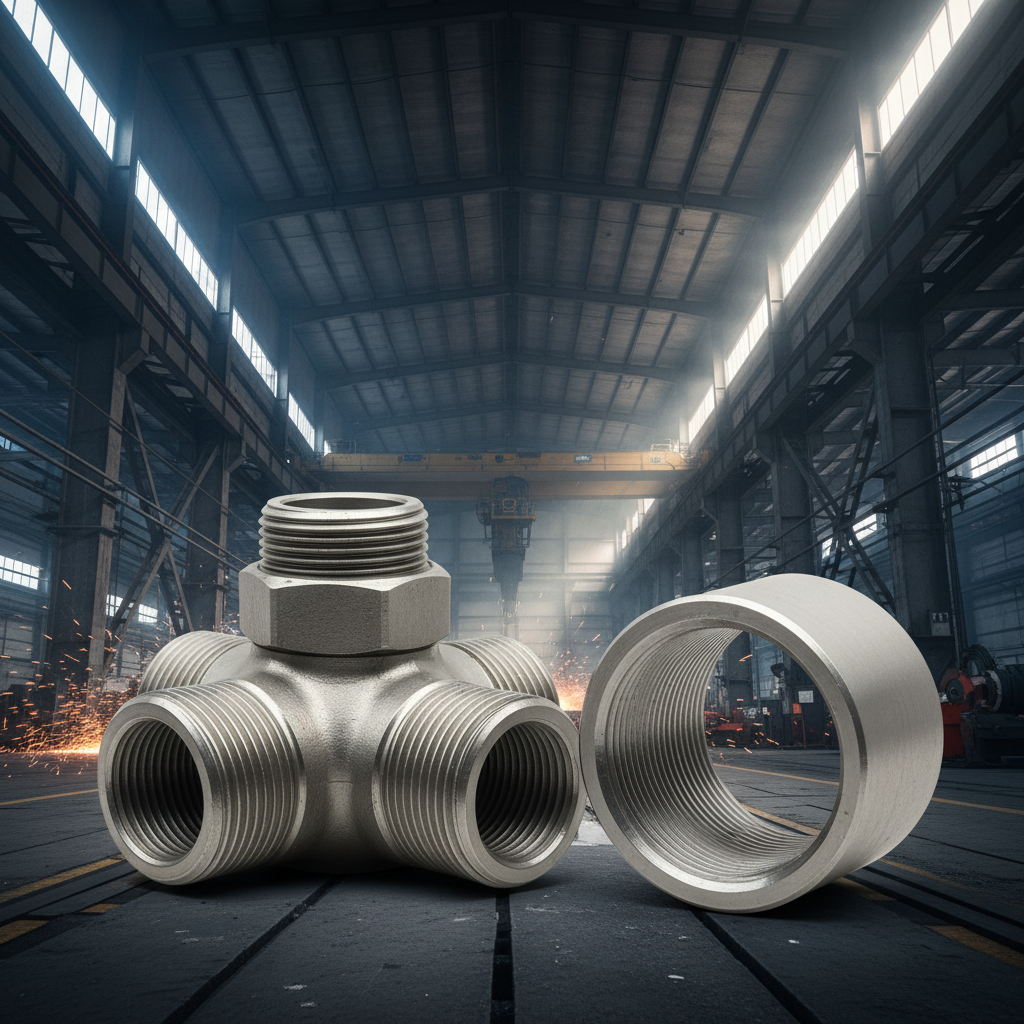
The "beaded" end design further enhances the mechanical connection, providing a more secure seat for the pipe and reducing the likelihood of leaks at the joint. This combination of material science and geometry allows these components to outperform standard cast options in demanding industrial settings.
Surface Protection and Corrosion Resistance
Corrosion is the primary enemy of any piping system, especially those exposed to humidity or chemical vapors. To combat this, high-quality metal plumbing fittings are treated with specialized surface finishes, including black iron and hot-dip galvanization, to create a barrier between the base metal and the environment.
Hot-dip galvanizing is particularly effective, providing an average zinc coating thickness of 70 um, with each individual fitting guaranteed to be at least 63 um. This thick layer of zinc acts as a sacrificial anode, preventing the underlying iron from oxidizing and extending the service life of the installation by decades.
The selection between a black iron finish and a galvanized finish depends on the medium being transported and the ambient environment. While galvanized options are superior for water and outdoor use, black iron is often preferred for gas or oil lines where zinc fumes could potentially cause issues, ensuring that metal plumbing fittings are tailored to the specific application.
Performance Metrics and Pressure Ratings
Pressure capacity is the most critical metric for any plumbing component. These beaded malleable fittings are designed for a working pressure range of 20 to 25 bar, with a maximum rating of ≤PN25. This capacity allows them to be utilized in medium-pressure systems without the risk of bursting or deformation.
To maintain this pressure rating, the threading—available in both BSPT and NPT—must be cut with extreme precision. Proper threading ensures a tight, tapered seal that distributes pressure evenly across the joint, preventing the common "point-load" failures seen in substandard manufacturing.
Comparison of Fitting Durability Metrics
Global Application Scenarios and Use Cases
These components are deployed across a wide array of industries worldwide, from oil and gas refineries in the Middle East to high-rise commercial complexes in Asia. Their ability to handle a working pressure of up to 25 bar makes them ideal for HVAC systems, fire sprinkler networks, and industrial compressed air lines.
In remote industrial zones where maintenance is difficult and costly, the longevity provided by hot-dip galvanization is invaluable. By reducing the frequency of replacement cycles, these metal plumbing fittings lower the total cost of ownership and minimize operational risks in critical infrastructure.
Installation Compatibility and Threading Standards
The versatility of these fittings is highlighted by their compatibility with both BSPT (British Standard Pipe Tapered) and NPT (National Pipe Tapered) threading. This ensures that they can be integrated into both European and American standard piping systems without the need for expensive adapters or custom modifications.
Installation efficiency is further improved by the availability of a wide range of sizes, from 1/2 inch to 1.5 inches. Whether the application requires a lightweight 0.113 KG fitting for a small-scale project or a more robust 0.747 KG unit for heavy-duty use, the consistent quality ensures a seamless assembly process.
When installing metal plumbing fittings, the precision of the bead and thread allows for a faster "wrench-to-seal" time. This reduces labor costs during the construction phase and ensures that the final assembly meets the strict safety requirements of the project.
Comparison of Industry Pipe Fitting Standards
Navigating the world of piping standards can be complex, as different regions prioritize different specifications. For instance, the ANSI (American National Standards Institute) focuses heavily on "schedule numbers" to classify wall thickness, which is crucial for calculating the pressure capacity of a system.
In contrast, the European BS/EN standards emphasize material composition and specific symbol classifications (like Symbol C for malleable iron). Understanding these differences is key to avoiding catastrophic failures that occur when incompatible standards are mixed within a single piping network.
By choosing metal plumbing fittings that adhere to these globally recognized standards, operators can guarantee a level of safety and durability that is independently verified by third-party agencies like UL and FM.
Comparative Analysis of Global Piping Standards
| Standard Body |
Primary Focus |
Metric Priority |
Regional Adoption |
| ANSI |
Wall Thickness |
Schedule Numbers |
North America |
| ISO 49 |
Dimensional Accuracy |
Global Interop |
International |
| EN 10242 |
Material Grade |
Symbol C Class |
Europe |
| BS EN 1562 |
Metallurgy |
Tensile Strength |
UK / Europe |
| UL/FM |
Safety/Fire |
Pressure Testing |
Global Insurance |
| NPT/BSPT |
Thread Geometry |
Seal Tightness |
Regional Taper |
FAQS
We are a professional factory with over 30 years of history in the casting field, specializing in the production of high-quality malleable iron and bronze pipe fittings. This allows us to control the entire production process from raw material selection to final quality inspection.
We support T/T and L/C payment methods. Our standard terms are a 30% advance payment to initiate production, with the remaining 70% balance paid prior to shipment. This ensures a secure transaction for both the supplier and the client.
Our standard delivery time is 35 days upon receipt of the advanced payment. Depending on the order volume and specific customizations, we strive to optimize our production schedule to ensure timely delivery to your project site.
Yes, we provide free samples to our clients. This allows you to verify the material quality, thread precision, and surface finish of our metal plumbing fittings to ensure they meet your specific technical requirements before committing to a larger purchase.
We provide a minimum guarantee of 1 year for our products. However, given our adherence to ISO and EN standards and the use of high-grade BS EN 1562 material, our fittings typically far exceed this lifespan in standard operating conditions.
BSPT (British Standard Pipe Tapered) and NPT (National Pipe Tapered) differ in their thread angle and pitch. BSPT has a 55-degree thread angle, while NPT has a 60-degree angle. Using the wrong thread can lead to leaks, which is why we offer both options to ensure compatibility with regional standards.
Conclusion
Selecting the right metal plumbing fittings is a critical decision that impacts the safety, efficiency, and longevity of any piping installation. By prioritizing certified materials like BS EN 1562 and adhering to strict standards such as ISO 49 and EN 10242, industries can build systems that withstand high pressures and resist corrosion for decades.
As the industry moves toward smarter and more sustainable infrastructure, the importance of precision-engineered components only grows. We recommend that procurement managers always verify UL and FM certifications to ensure maximum safety. For high-quality, factory-direct solutions, visit our website: www.pannextfittings.com.