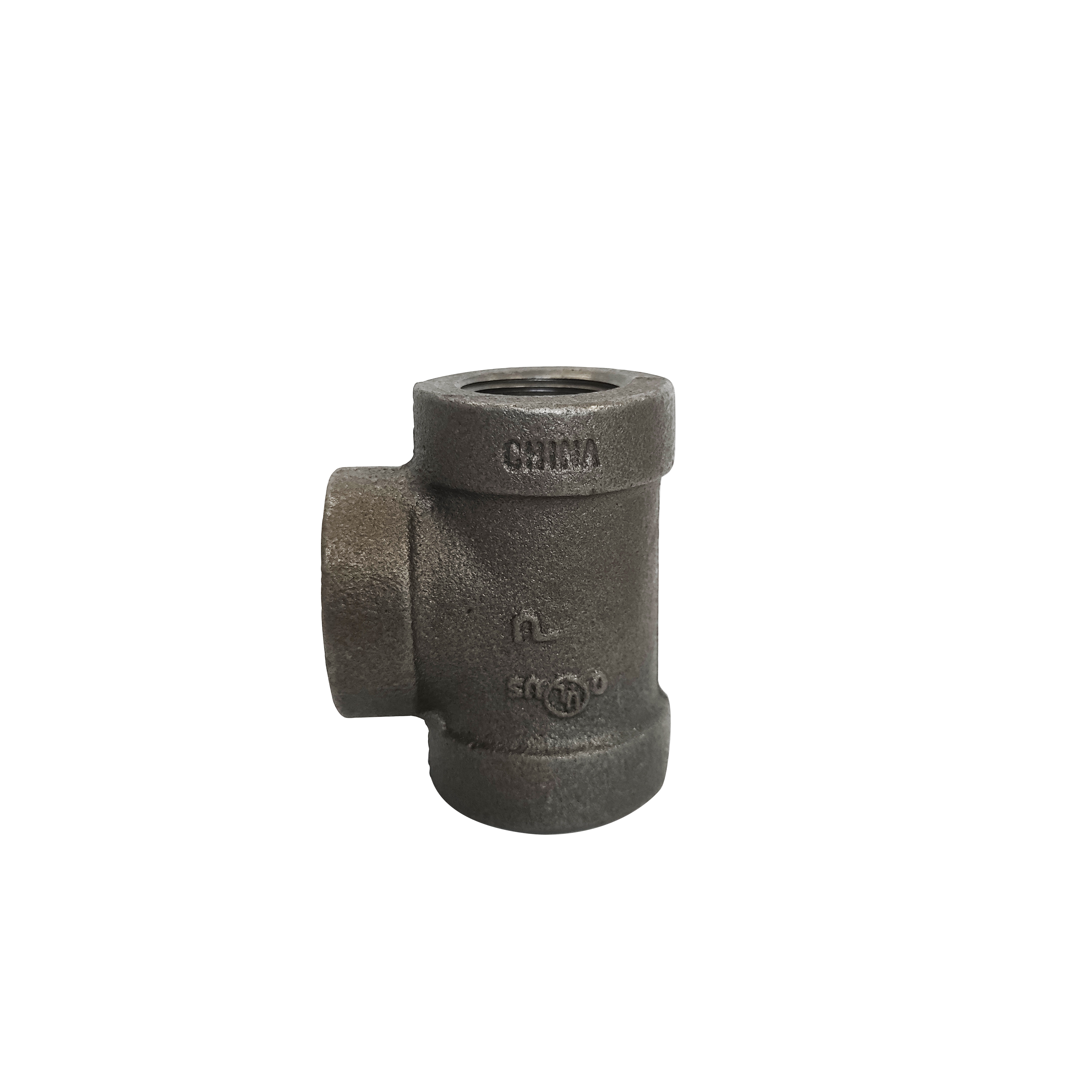
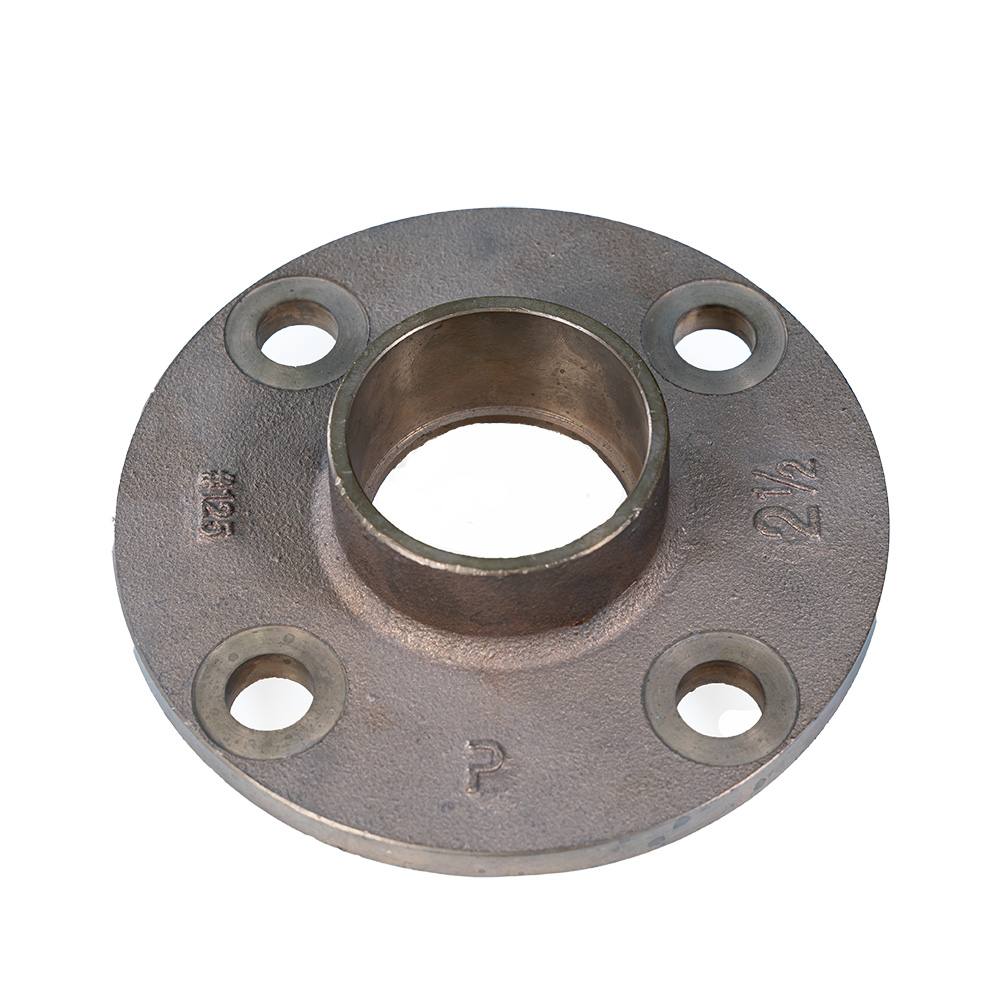
Industrial Piping Solutions for Libya: High-Performance class 300 pipe fittings

Engineered for the demanding environments of North Africa, providing unmatched durability for oil, gas, and infrastructure projects across Libya.

Industrial Piping Solutions for Libya: High-Performance class 300 pipe fittings

Our specialized range of piping components is designed to withstand extreme pressure and corrosive coastal environments, ensuring the integrity of Libyan industrial networks.

The Current State of Pipe Fitting Infrastructure in Libya

Navigating the challenges of salinity and thermal expansion in North African pipelines.

Libya's industrial landscape is heavily dominated by the oil and gas sector, where the harsh desert climate and high salinity of coastal regions like Benghazi and Tripoli accelerate metal corrosion. There is an urgent demand for coated pipe fittings to prevent oxidation and prolong the service life of critical transmission lines.

The reliance on aging infrastructure has led to a shift toward higher pressure ratings. Engineers are increasingly specifying class 300 pipe fittings to ensure safety margins during the extraction and transport of hydrocarbons, where pressure spikes are common in deep-well operations.

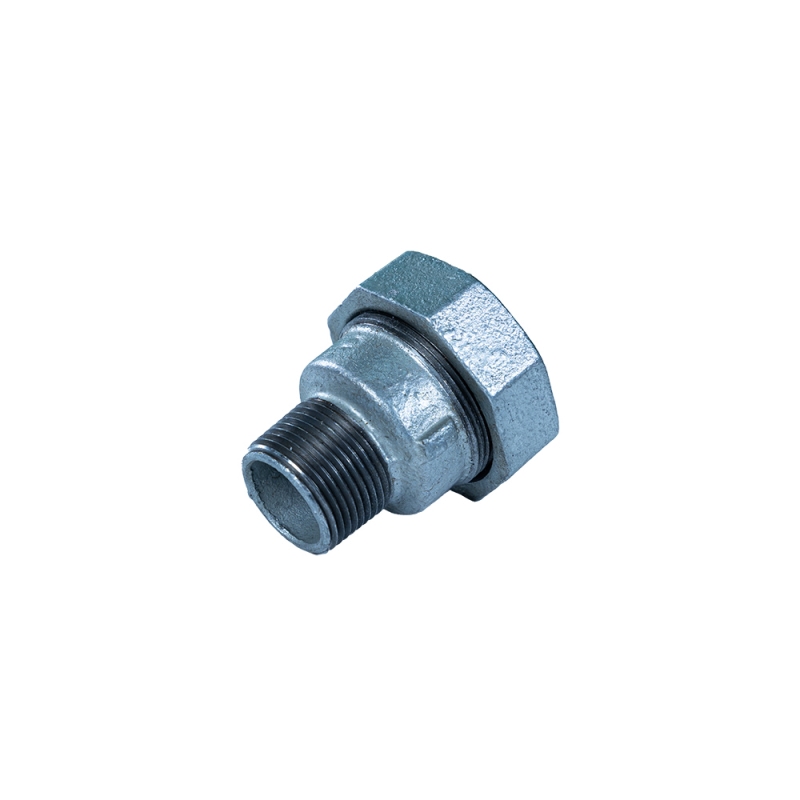
Furthermore, the need for rapid deployment in reconstruction projects has popularized the use of compression union fitting systems, which allow for efficient installation without the need for extensive welding in remote desert sites.
Evolution and Technical Trajectory of Fittings in Libya

From basic cast iron to advanced malleable and coated alloys.

Market Development History

During the early industrialization phase (1960s-1980s), the Libyan market relied heavily on standard cast iron. However, the brittleness of these materials under thermal stress led to frequent failures in the searing heat of the Sahara.

By the 1990s, the industry transitioned toward galvanised malleable iron pipe components. The introduction of hot-dip galvanization provided the necessary zinc layer to combat the aggressive moisture and salt air of the Mediterranean coast.

From 2010 to the present, the focus has shifted toward high-precision manufacturing and global standards. The adoption of crane malleable fittings marked a move toward standardized, leak-proof connections compatible with international oilfield specifications.

Future Development Trends

Smart Coating Integration

Expect a move toward nano-ceramic coatings that provide superior chemical resistance compared to traditional epoxy, specifically for the Libyan petrochemical sector.

High-Pressure Standardization

Increased migration from Class 150 to Class 300 and Class 600 ratings as Libya upgrades its refinery capacities to meet global export demands.

Modular Connection Systems

A surge in demand for tool-less compression systems to reduce manpower costs and installation time in expansive rural pipeline networks.

Industry Trends and Future Outlook for Libya

Strategic forecasts for the Libyan metal products and pipe fitting sector.

Corrosion-Resistant Shift
Growing preference for advanced galvanization and specialized coatings to combat the Libyan salt-mist environment.
Pressure Rating Upgrade
Shift toward Class 300 and higher as oil field exploration moves to more challenging deep-reservoir sites.
Fast-Track Installation
Increased adoption of compression systems to accelerate the reconstruction of national water and gas grids.
Sustainability Standards
Integration of low-emission manufacturing processes to align with new African environmental regulations.

Industry Outlook

Google search trends indicate a rising interest in "high-pressure piping" and "anti-corrosive fittings" within the North African region. This suggests a market pivot toward quality over cost, as the long-term cost of pipeline failure outweighs the initial investment in premium materials.

In the next 3-5 years, the Libyan market will likely see a consolidation of supply chains, favoring manufacturers who can provide certified, traceable, and standardized components that meet both ASTM and DIN specifications.

Localized Application Scenarios in Libya

Practical implementations of our metal fittings in diverse Libyan industrial sectors.

1. Oil Refinery Pipelines (Sirte Basin)

Utilizing class 300 pipe fittings to handle high-pressure crude oil transport, ensuring zero-leakage performance under extreme thermal fluctuations.

2. Coastal Desalination Plants (Tripoli/Benghazi)

Implementing coated pipe fittings to protect critical saltwater intake systems from the corrosive effects of high-salinity Mediterranean air.

3. Agricultural Irrigation Networks (Green Mountain Region)

Deployment of galvanised malleable iron pipe components to build durable, rust-resistant water distribution systems for large-scale farming.

4. Remote Gas Station Infrastructure (Sahara Region)

Using compression union fitting solutions for rapid installation and easy maintenance of fuel lines in isolated desert environments.

5. Industrial Steam Systems (Manufacturing Zones)

Integrating crane malleable fittings in steam distribution for textile and food processing plants, ensuring mechanical strength and tight seals.

Brand Story

Global Development Journey of Langfang Pannext Fittings Co., Ltd.

Foundational Excellence

Established as a dedicated manufacturer of high-precision pipe fittings, focusing on solving the core problem of leakage and corrosion in industrial piping.

Technical Diversification

Expanded production lines to include malleable iron and high-pressure carbon steel, integrating advanced hot-dip galvanizing technologies.

Global Standardization

Achieved international certifications, allowing our products to enter the most stringent markets in Europe and North America.

African Market Expansion

Tailored solutions specifically for the African continent, focusing on high-durability coatings for extreme climates like that of Libya.

Innovation Leadership

Continuing to pioneer smart manufacturing and low-emission metal forging to lead the industry toward a sustainable future.

Complete Piping Portfolio for the Libyan Market

A comprehensive selection of fittings designed for high-pressure and high-corrosion environments.

Common Questions Regarding Pipe Fittings in Libya

Expert answers to the most frequent technical queries from our Libyan partners.

What are the benefits of using coated pipe fittings in coastal Libya?

Coated fittings provide an essential barrier against saline moisture and atmospheric chlorides, which otherwise cause rapid pitting and failure in standard steel pipes.

When should I specify class 300 pipe fittings over Class 150?

Class 300 fittings should be used in higher pressure applications, such as oil extraction lines or high-pressure steam systems, where operating pressures exceed the safety limits of Class 150.

Is galvanised malleable iron pipe suitable for agricultural use in Libya?

Yes, the zinc coating protects the iron from rust caused by irrigation water and soil contact, making it an ideal choice for durable farming infrastructure.

How does a compression union fitting simplify desert installation?

These fittings allow for secure, leak-proof connections without the need for heavy welding equipment, which is critical in remote Libyan desert regions where power is limited.

Are crane malleable fittings compatible with international piping standards?

Yes, they are manufactured to meet global standards (such as ANSI/ASME), ensuring they integrate seamlessly with other high-quality components in industrial plants.

How do I prevent thermal expansion failure in Libyan piping?

Using high-quality malleable fittings combined with proper expansion loops and the correct pressure rating (like Class 300) helps manage the stress caused by extreme desert temperature swings.

Ready to Optimize Your Piping Infrastructure?

Contact our engineering team today for specialized piping solutions tailored for Libya.

Contact Us Now

If you are interested in our products, you can choose to leave your information here, and we will be in touch with you shortly.