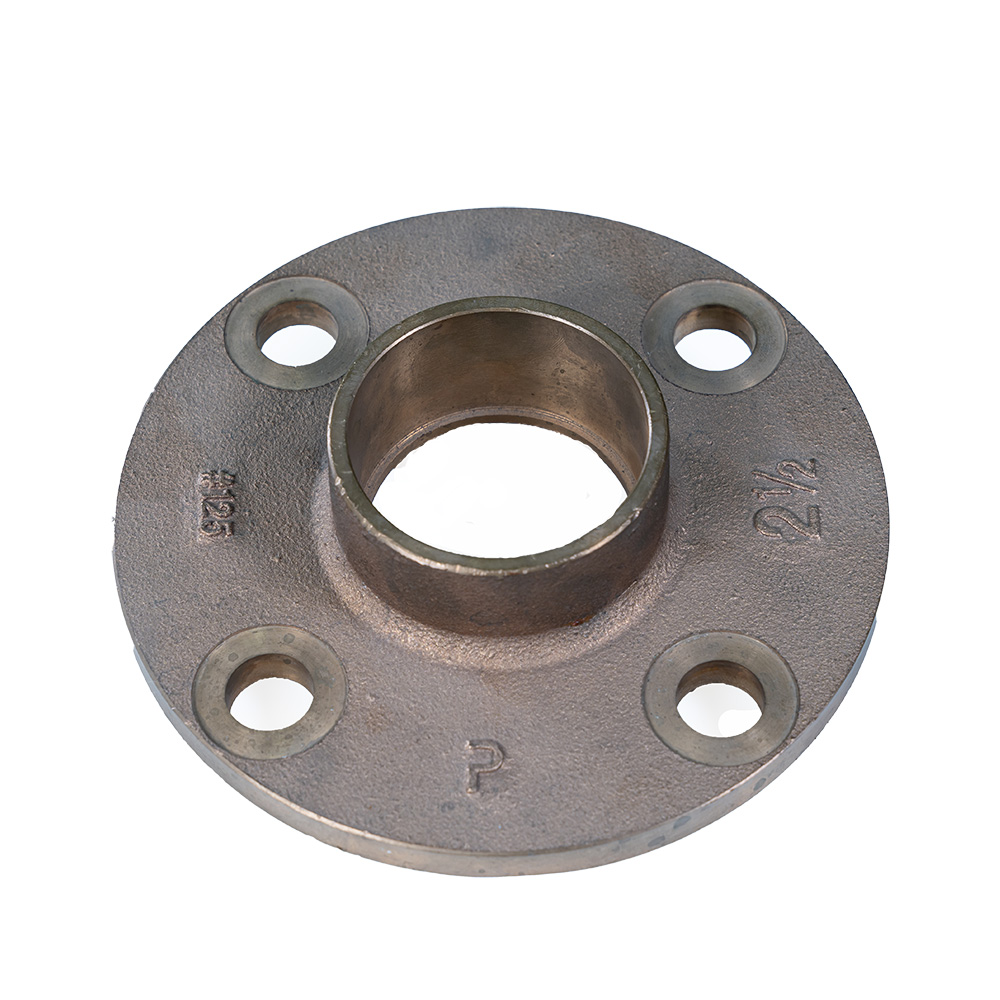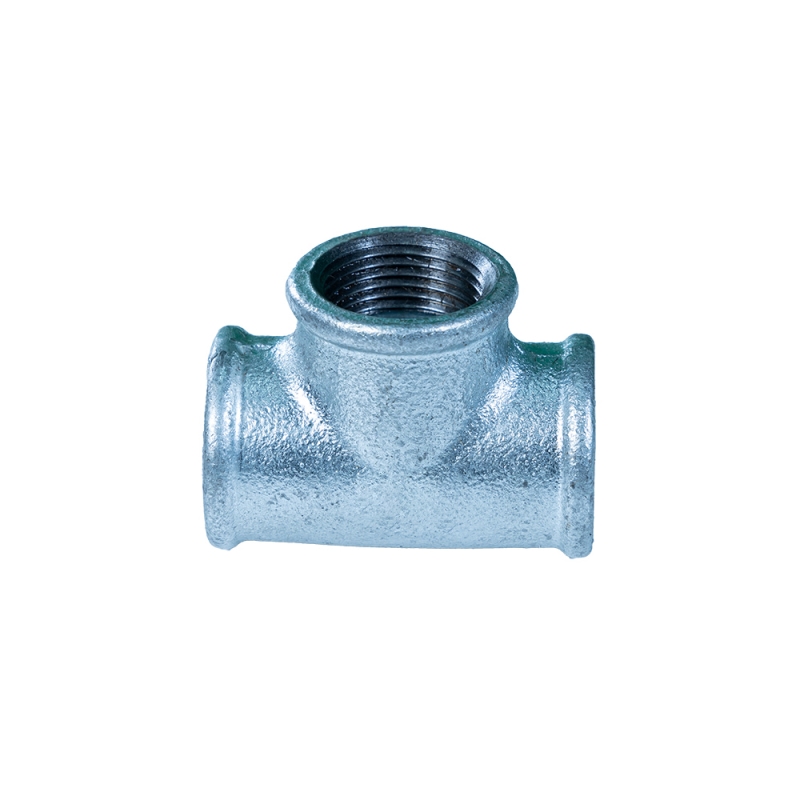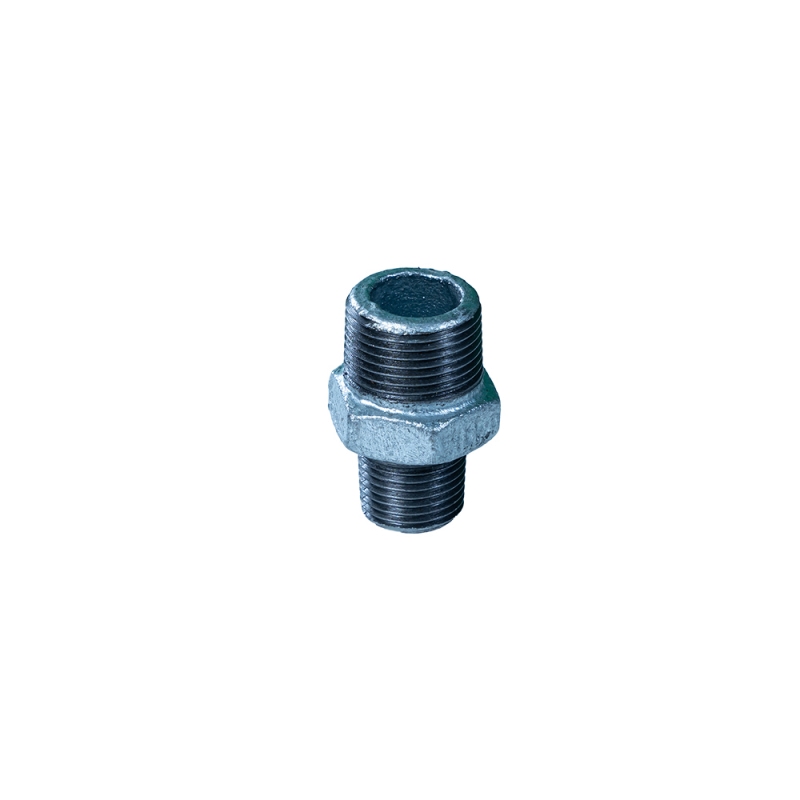

NPT Quick Connect Fittings: A Comprehensive Guide
In the world of fluid transfer systems, efficiency and reliability are paramount. NPT quick connect fittings offer a solution that streamlines connections, reduces downtime, and enhances overall system performance. This article delves into the world of NPT quick connect fittings, exploring their benefits, applications, types, and crucial considerations when choosing the right fitting for your needs. Whether you're involved in industrial automation, pneumatic systems, or hydraulic applications, understanding these fittings is essential for optimizing your operations.
Understanding NPT Threads and Quick Connect Technology
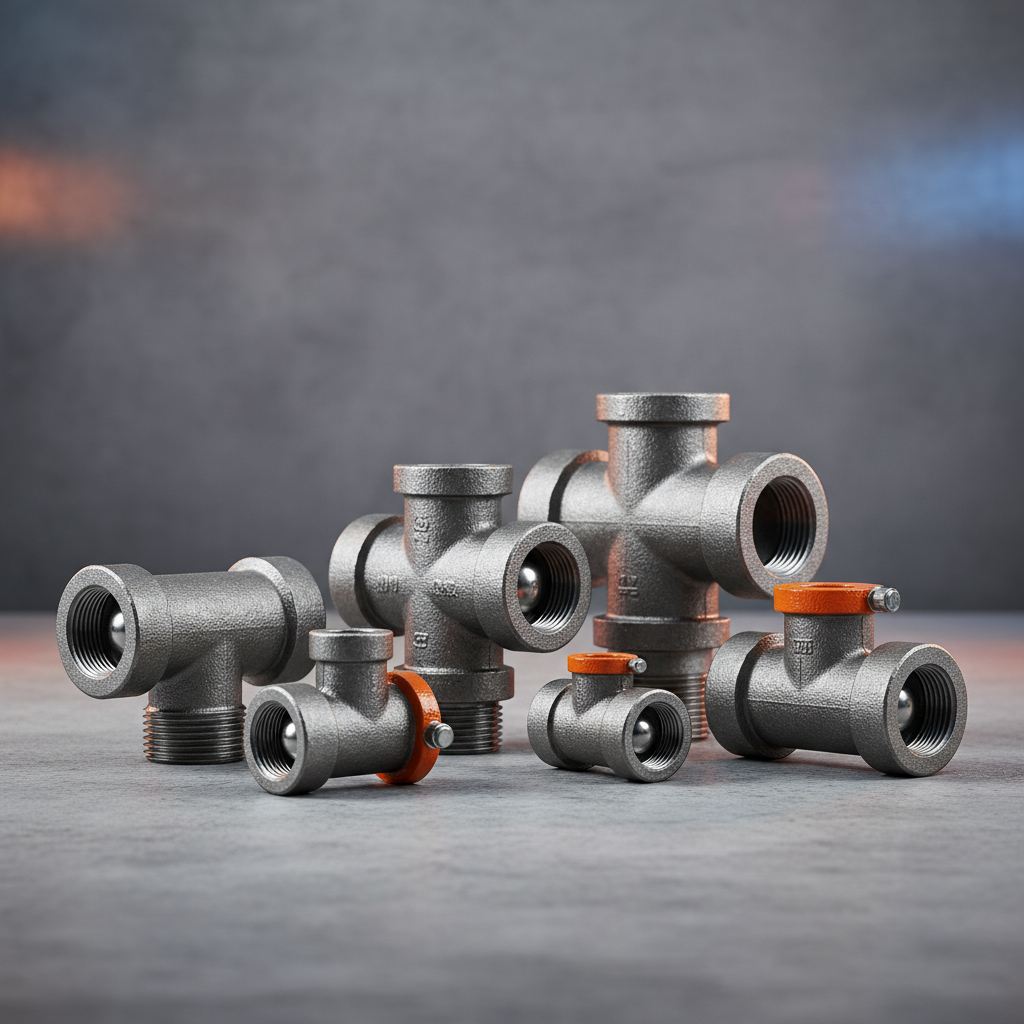
NPT (National Pipe Thread) is a common tapered thread standard used in North America for sealing pipe connections. Its tapered design allows for a tight, leak-proof seal when combined with thread sealant. Quick connect fittings build upon this foundation by adding a mechanism for rapid, tool-less connections and disconnections. This is achieved through various locking mechanisms, such as ball detents, sleeves, or bayonet mounts. The combination of NPT threads for a secure base and quick connect functionality creates a versatile and efficient solution for numerous applications. This type of fittings enables faster changeovers, reduced risk of leaks during connections, and improved workflow.
Key Benefits: Reduced downtime, easy installation, secure connections, enhanced system flexibility, and minimized leakage.
Common Applications of NPT Quick Connect Fittings
NPT quick connect fittings find widespread use across diverse industries. In pneumatic systems, they facilitate rapid connection of air lines to tools and equipment. Hydraulic applications utilize them for quick hose connections to pumps, actuators, and other components. Industrial automation relies on these fittings for fast and reliable connections in robotic systems and assembly lines. Other applications include fluid transfer in chemical processing, laboratory equipment, and irrigation systems. They are crucial in any scenario requiring frequent connection and disconnection of fluid lines.
Application Examples:
• Pneumatic Tools & Air Compressors
• Hydraulic Machinery & Equipment
• Robotic Systems & Automation
• Chemical Processing & Fluid Transfer
NPT Quick Connect Fittings: Types and Locking Mechanisms
Several types of NPT quick connect fittings exist, each employing a different locking mechanism. Ball detent fittings utilize spring-loaded balls to secure the connection, providing a quick and positive lock. Sleeve-lock fittings require a sleeve to be retracted, allowing for connection and then automatically locking into place. Bayonet-mount fittings employ a twisting motion to engage and disengage. The choice of locking mechanism depends on the specific application requirements, such as pressure rating, frequency of connection/disconnection, and the need for accidental disconnection prevention. Choosing the proper type of fittings for a specific environment is vital to maintain the safe operation of equipment.
Key Considerations When Selecting NPT Quick Connect Fittings
Choosing the right NPT quick connect fitting requires careful consideration of several factors. First, determine the fluid type being transferred and ensure the fitting material is compatible. Consider the operating pressure and temperature, selecting a fitting with an appropriate pressure rating and temperature range. The size of the tubing or pipe being connected is also crucial for ensuring a proper fit. Finally, evaluate the frequency of connection/disconnection and the potential for accidental disconnection, choosing a locking mechanism that provides the necessary security. Pannext Fittings offers a wide range of options and expert guidance to help you select the best fitting for your application.
Ensuring Longevity and Safety: Maintenance and Best Practices
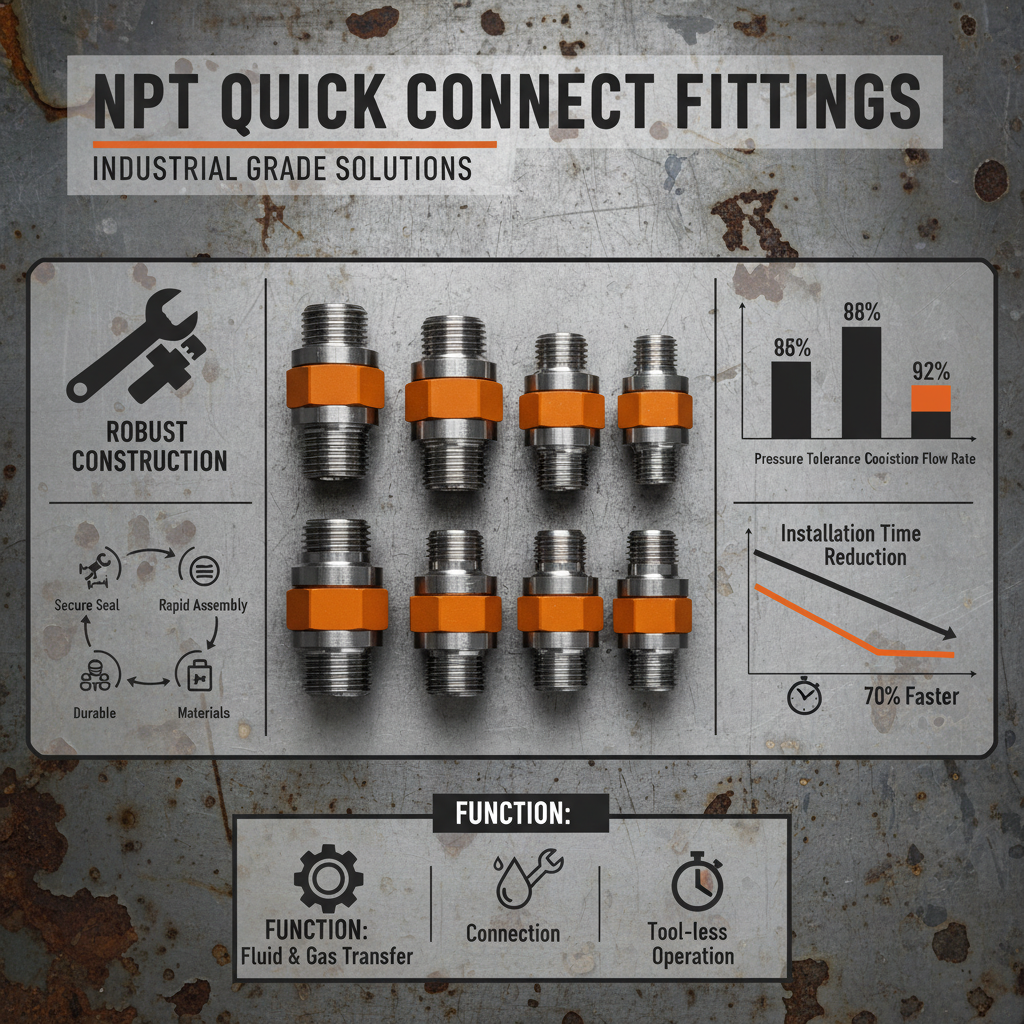
Proper maintenance is essential for ensuring the longevity and safety of NPT quick connect fittings. Regularly inspect fittings for signs of wear, corrosion, or damage. Clean fittings thoroughly before use to remove any debris that could compromise the seal. Apply thread sealant appropriately to NPT threads to prevent leaks. Avoid over-tightening fittings, as this can damage the threads. Follow the manufacturer's recommendations for lubrication and maintenance. By adhering to these best practices, you can maximize the performance and reliability of your NPT quick connect fittings.
Conclusion: Optimizing Fluid Systems with NPT Quick Connect Fittings
NPT quick connect fittings offer a valuable solution for streamlining fluid transfer systems, enhancing efficiency, and reducing downtime. By understanding the different types, locking mechanisms, and key considerations for selection, you can optimize your operations and ensure reliable performance. Pannext Fittings is your trusted partner for high-quality NPT quick connect fittings and expert support.
Frequently Asked Questions (FAQs)
What materials are NPT quick connect fittings typically made from?
NPT quick connect fittings are commonly manufactured from brass, stainless steel, and plastic (such as polypropylene or nylon). Brass is a popular choice for general-purpose applications due to its good corrosion resistance and cost-effectiveness. Stainless steel offers superior corrosion resistance and is ideal for harsh environments or applications involving aggressive fluids. Plastic fittings are lightweight and suitable for low-pressure applications where chemical compatibility is a concern. The best material choice depends on the specific fluid being handled, the operating pressure and temperature, and the environmental conditions.
Are NPT quick connect fittings interchangeable between different manufacturers?
While NPT threads themselves are standardized, there can be variations in the locking mechanisms and overall dimensions between different manufacturers of quick connect fittings. Therefore, it's generally not recommended to interchange fittings from different manufacturers without verifying compatibility. Using incompatible fittings could lead to leaks, improper connections, or even damage to the system. It's best to stick with fittings from a single, reputable manufacturer like Pannext Fittings to ensure optimal performance and reliability.
How do I properly seal NPT threads?
Proper sealing of NPT threads is crucial to prevent leaks. Use a thread sealant specifically designed for the fluid being transferred. Common options include PTFE tape (Teflon tape) and liquid thread sealant. When using PTFE tape, wrap it clockwise around the male threads, overlapping each wrap slightly. Apply 2-3 layers of tape. For liquid thread sealant, apply a thin, even coat to the male threads. Avoid over-tightening the fitting, as this can damage the threads and compromise the seal. Tighten the fitting until snug, but not excessively.
What is the difference between NPT and NPS threads?
NPT (National Pipe Thread) and NPS (National Pipe Straight) are both tapered thread standards, but they differ in their design. NPT threads are tapered, creating a wedge-like seal when tightened. NPS threads are straight but still require a sealing material (like a gasket) to prevent leaks. While they may look similar, NPT and NPS fittings are not interchangeable. Using the wrong type of fitting can result in leaks or damage to the system. Always ensure you are using the correct thread type for your application.
Post time: Mar-26-2026