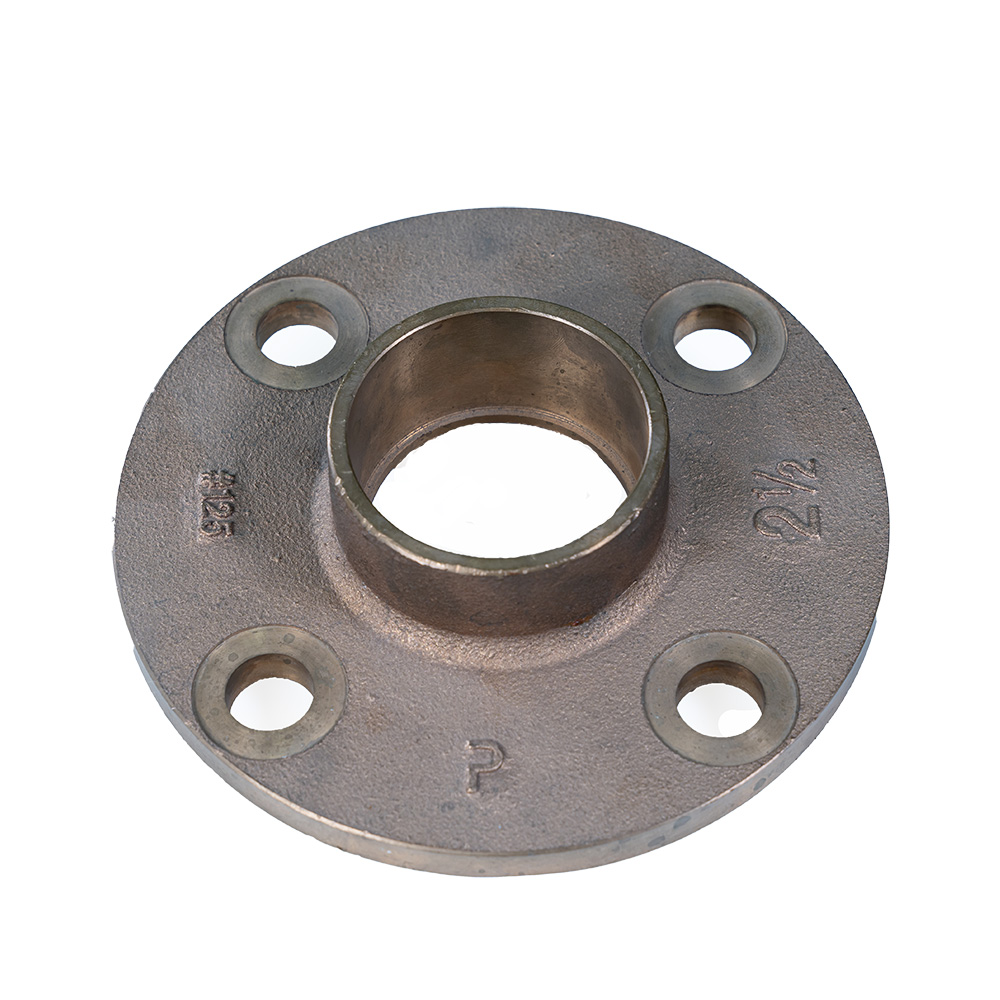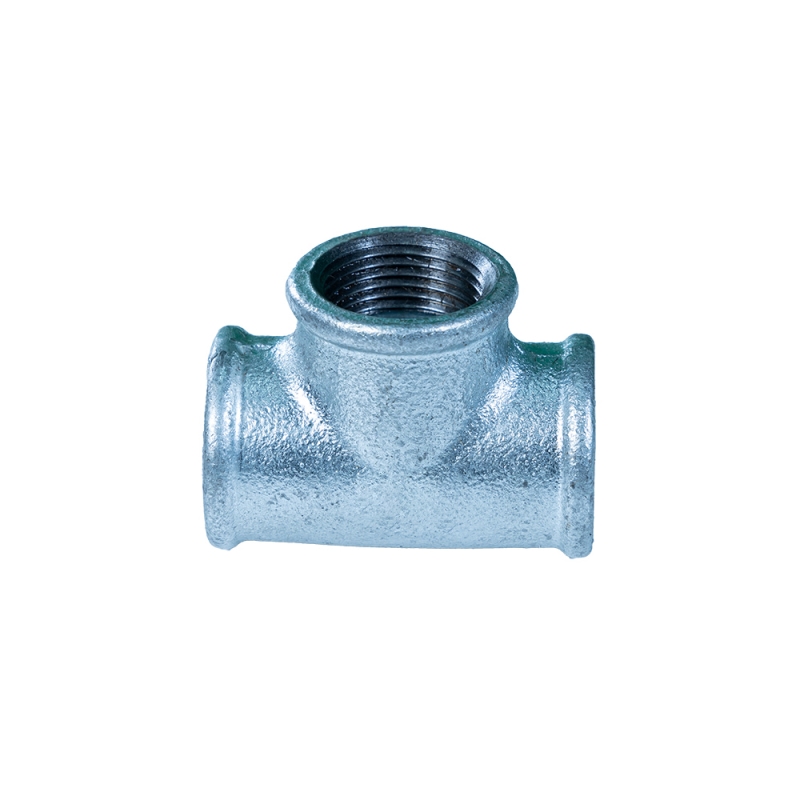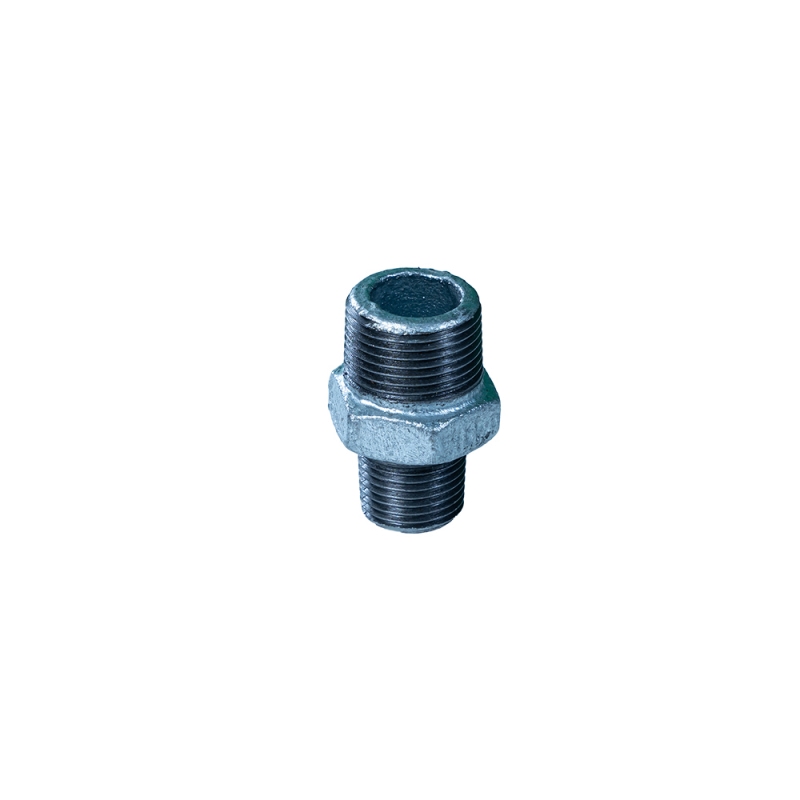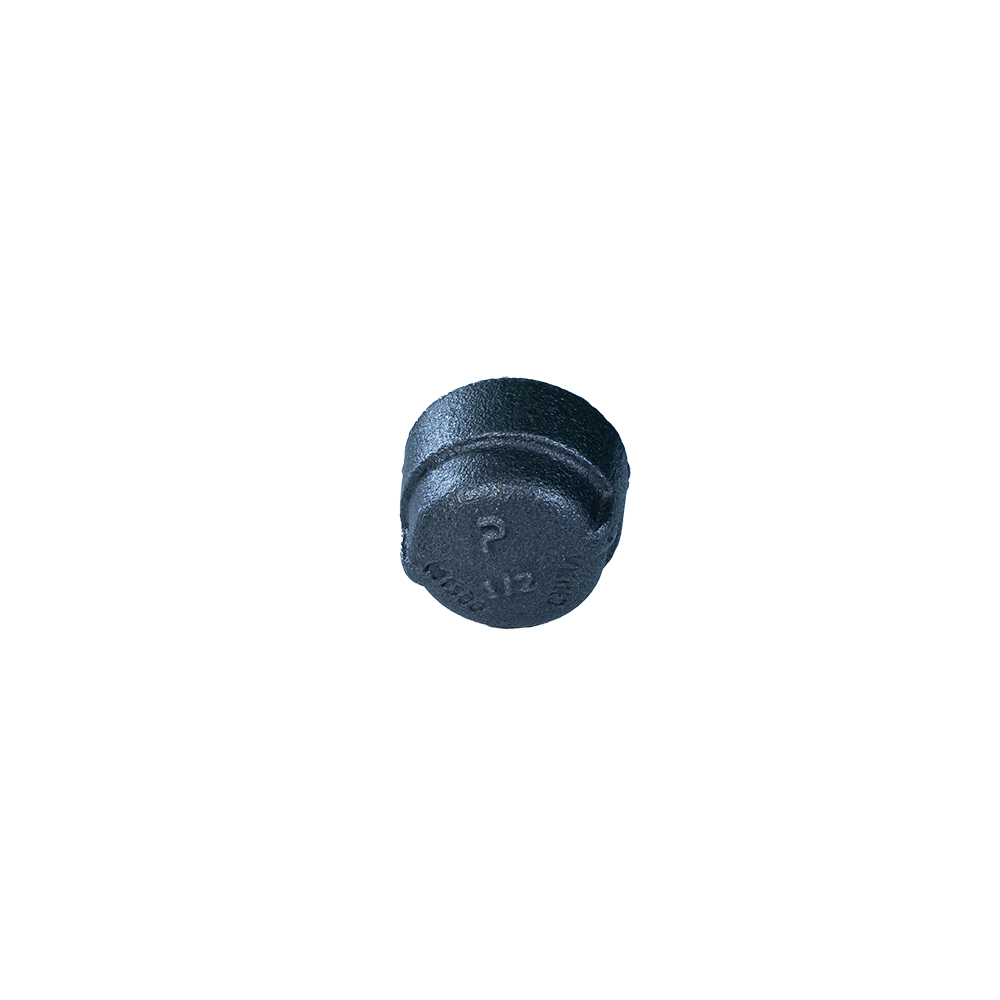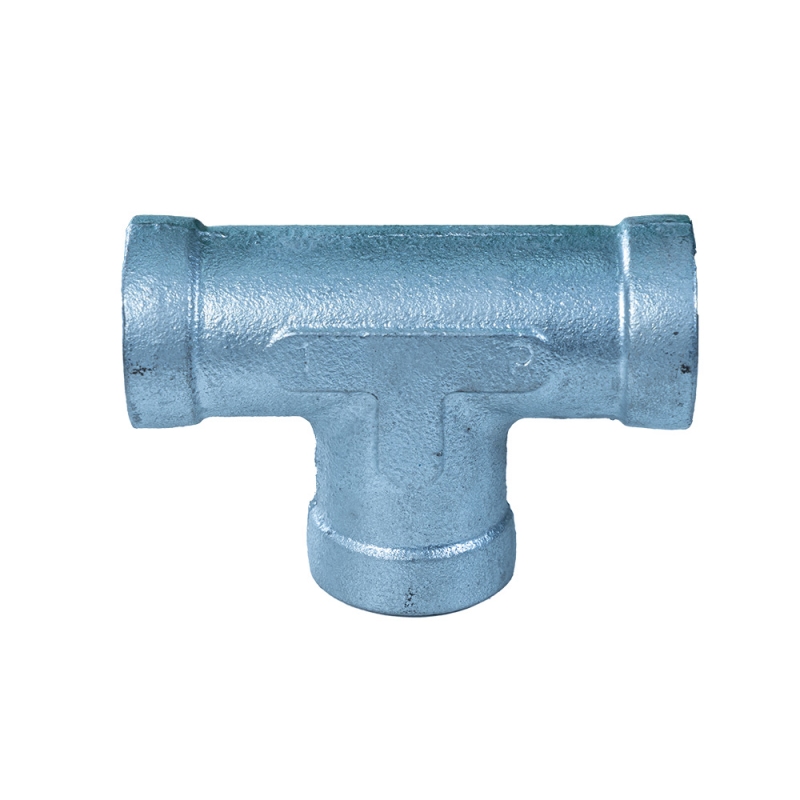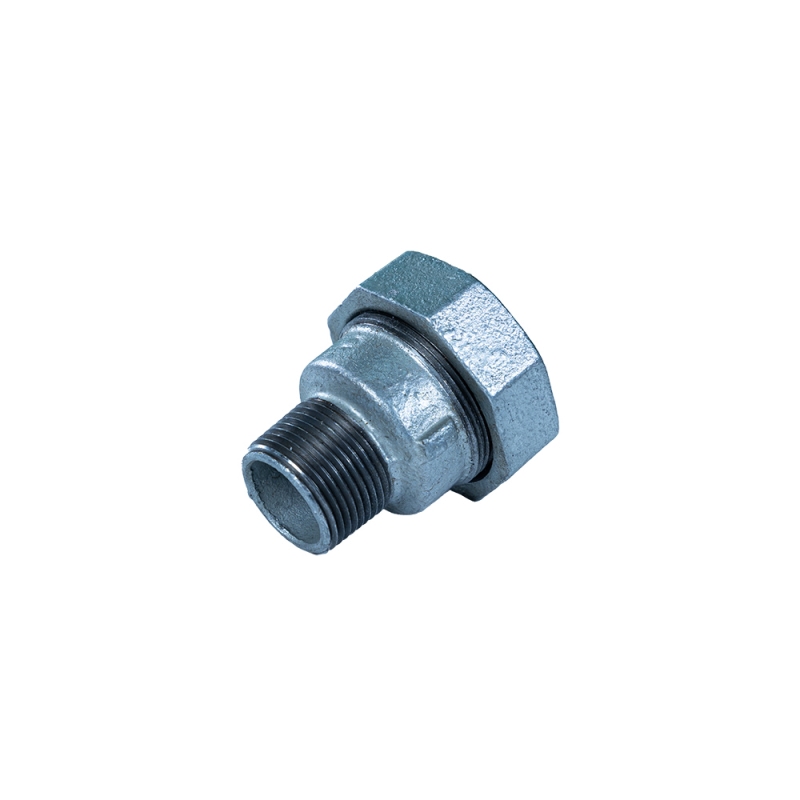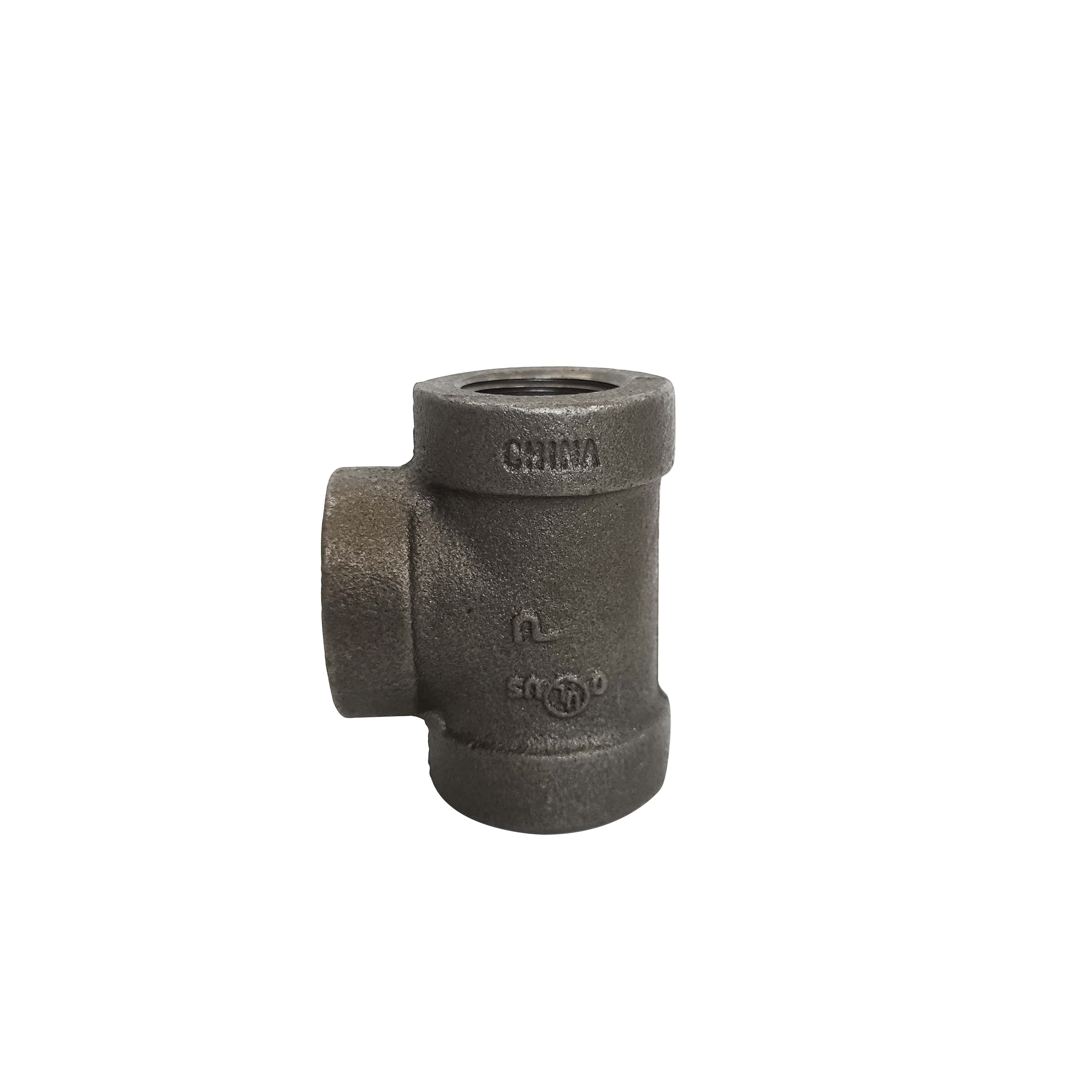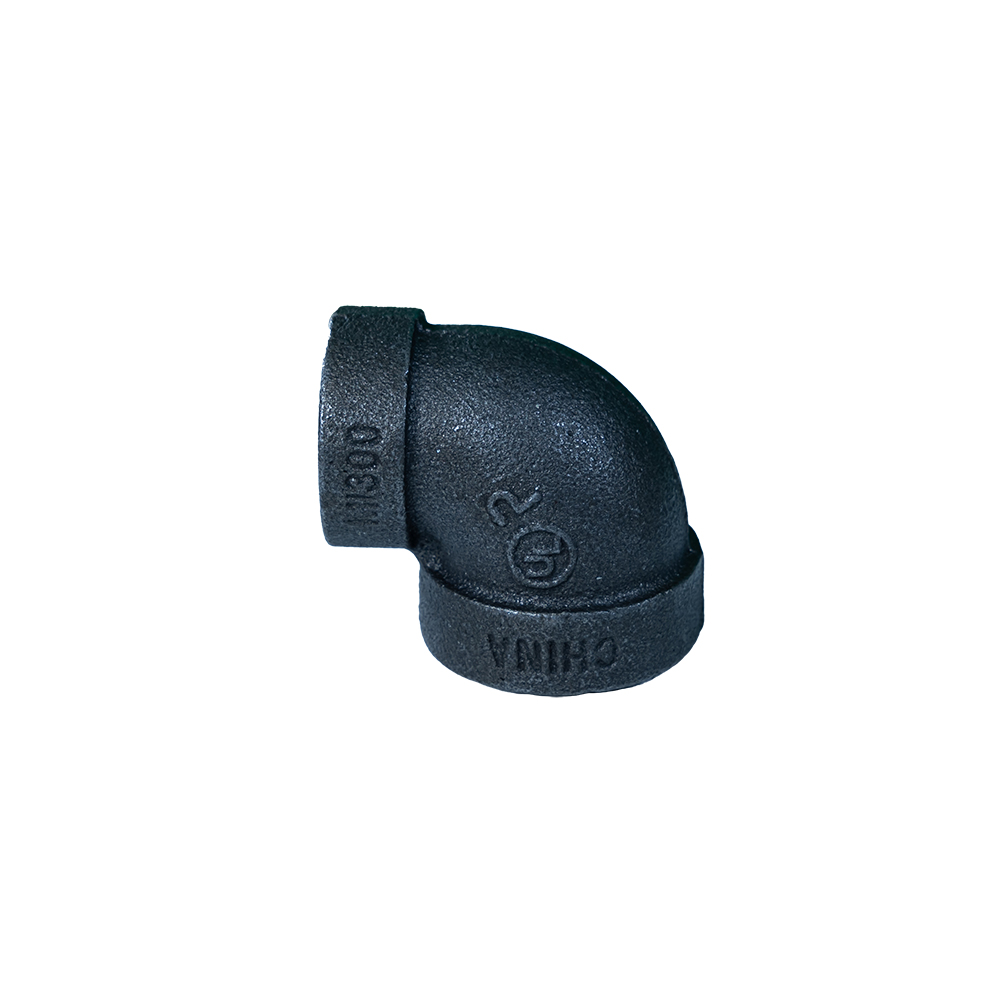

The Cornerstone of Robust Connections: Understanding Compression Union Fittings
In the intricate landscape of industrial fluid and gas transfer systems, the reliability of connections is paramount. Leak-free integrity, ease of installation, and long-term durability are non-negotiable requirements across sectors ranging from petrochemicals to precision instrumentation. Among the myriad connection technologies available, the compression union fitting stands out as a critically engineered component that addresses these demands with exceptional efficacy.
A compression union fitting facilitates a secure, mechanical joint between two tubes or pipes without the need for soldering, welding, or threading. Its design typically involves three key components: the fitting body, a compression nut, and a ferrule (or olive). As the nut is tightened, it compresses the ferrule onto the tube, creating a watertight and gas-tight seal. This mechanism is particularly valued for its simplicity, speed of assembly, and the ability to disassemble and reassemble connections without damaging the tubing, offering significant operational flexibility and cost savings.
Current industry trends highlight an increasing demand for fittings that offer enhanced performance under extreme conditions, including high pressures, corrosive environments, and wide temperature fluctuations. Moreover, the push towards greater automation and modularity in industrial systems necessitates connection solutions that are not only reliable but also quick to install and maintain. The evolution of materials science and precision manufacturing techniques has allowed modern compression union fitting designs to meet these stringent requirements, contributing to safer, more efficient, and sustainable industrial operations.
Related components like the compressor coupling, compressor hose connector, and compressor hose coupler also underscore the critical need for robust, reliable connections in pneumatic and hydraulic systems. For applications involving copper tubing, the copper compression coupling offers specific advantages, leveraging the ductility and corrosion resistance of copper.
The Manufacturing Process: Engineering Precision into Every Compression Union Fitting
The production of a high-quality compression union fitting is a testament to advanced material science and precision engineering. The process ensures that each component can withstand the rigorous demands of industrial service. Below is a detailed breakdown of the manufacturing flow:
Process Flow:
- 1. Material Selection & Sourcing: High-grade raw materials are crucial. For galvanized quick fittings, this typically involves carbon steel or ductile iron, selected for their mechanical strength and cost-effectiveness. For other compression fittings, materials like 316 stainless steel (for superior corrosion resistance), brass (for general purpose and plumbing), or specialized alloys are chosen based on application requirements. All materials conform to international standards such as ASTM A105 for forged carbon steel or ASTM A276 for stainless steel.
-
2. Forging or Casting:
- Casting: For larger or more complex fitting bodies, sand casting or investment casting is employed. This allows for intricate geometries and ensures material homogeneity. Controlled cooling prevents internal stresses.
- Forging: Smaller, high-pressure fittings often benefit from hot or cold forging. This process refines the grain structure of the metal, significantly enhancing its strength, fatigue resistance, and impact toughness, making the fitting more resilient against pressure surges and mechanical stress.
- 3. CNC Machining: Precision is paramount. Advanced Computer Numerical Control (CNC) machines are used to machine the forged or cast blanks into their final dimensions. This includes creating precise threads (e.g., NPT, BSPT, Metric), O-ring grooves, and the critical ferrule seating surfaces. Tolerances are held to within microns to ensure a perfect seal.
- 4. Deburring & Cleaning: After machining, all components undergo thorough deburring to remove sharp edges and metal chips that could compromise the seal or create stress points. This is followed by a multi-stage cleaning process, often involving ultrasonic baths and specialized degreasers, to ensure surfaces are free of contaminants.
- 5. Surface Treatment (e.g., Galvanization): For galvanized quick fittings, the clean steel components are hot-dip galvanized. This process involves immersing the steel in molten zinc, creating a metallurgically bonded coating that provides superior corrosion resistance, particularly important for fittings exposed to harsh external environments. Other surface treatments may include nickel plating or specialized coatings for specific chemical resistances.
- 6. Assembly & Quality Control: Components (body, nut, ferrule) are assembled. Each batch undergoes rigorous testing to ensure compliance with industry standards such as ISO 9001 for quality management systems, ANSI B16.11 for forged fittings, and API 6A for wellhead and Christmas tree equipment. Key tests include hydrostatic pressure testing (up to 1.5 times the rated pressure), pneumatic leak testing, visual inspection, dimensional checks, and material composition analysis.
- 7. Packaging: Finished fittings are carefully packaged to prevent damage during transit and storage, ensuring they arrive at the customer's site in pristine condition.
The stringent adherence to these processes ensures a service life often exceeding 20-30 years for properly installed compression union fitting in typical environments. Target industries benefiting immensely from these products include petrochemical, oil & gas, metallurgy, power generation, water supply & drainage, and HVAC. Advantages include significant energy savings due to leak prevention, superior corrosion resistance (especially with galvanized or stainless steel options), and reduced maintenance downtime.
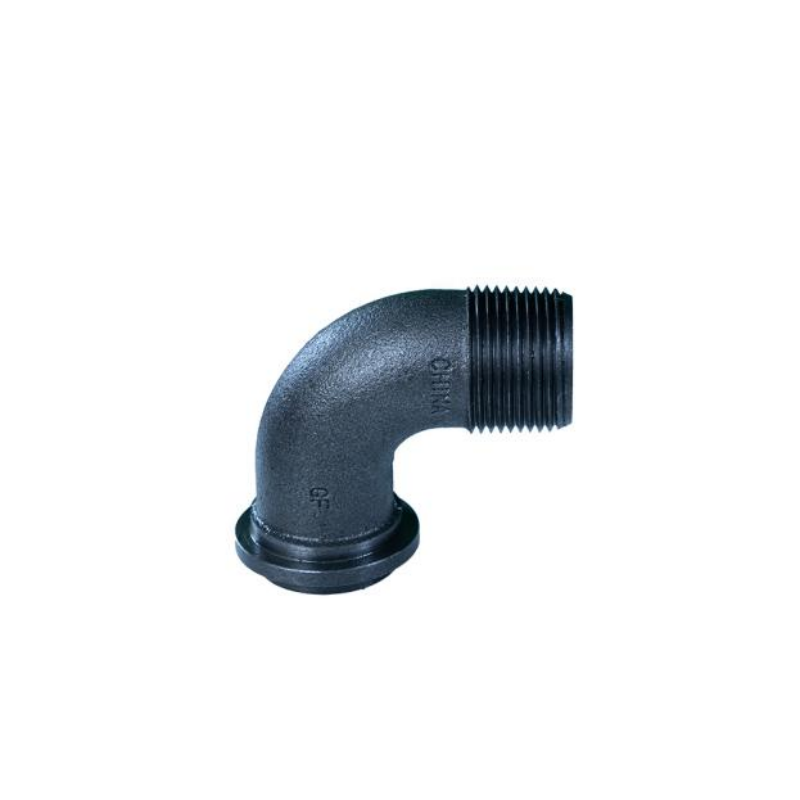
Precision engineering for robust compression union fittings.
Technical Specifications and Performance Parameters
Understanding the technical specifications of a compression union fitting is crucial for ensuring optimal system performance and safety. Key parameters include material composition, pressure ratings, temperature capabilities, and dimensional standards.
Product Specification Table: Galvanized Quick Compression Union Fitting
| Parameter | Specification | Notes |
|---|---|---|
| Material (Body) | Ductile Iron (ASTM A536) / Carbon Steel (ASTM A105) | High strength, corrosion resistant after galvanization. |
| Surface Treatment | Hot-Dip Galvanization (ASTM A153) | Enhanced corrosion protection for harsh environments. |
| Nominal Size Range | DN15 - DN100 (1/2" - 4") | Available in various pipe diameters. |
| Working Pressure | Up to 1.6 MPa (232 psi) | Suitable for medium-pressure applications. |
| Temperature Range | -20°C to +120°C (-4°F to +248°F) | Depends on seal material (e.g., EPDM, NBR). |
| Seal Material | EPDM (Standard), NBR, FKM (Optional) | Selected based on fluid compatibility and temperature. |
| Connection Type | Compression for smooth-end pipes | No welding or threading required. |
| Applicable Standards | ISO 9001, ANSI, DIN, BS | Ensuring global compatibility and quality. |
The choice of sealing material, such as EPDM for water-based applications or FKM for chemical resistance and higher temperatures, directly impacts the fitting's operational envelope. Precision in machining the ferrule and its seating surface within the fitting body is crucial for creating a durable, gas-tight seal that can resist vibration and thermal cycling.
Key Technical Advantages of Compression Union Fittings
The widespread adoption of compression union fitting in diverse industrial contexts stems from a compelling array of technical advantages over traditional joining methods:
- Leak-Proof Performance: The fundamental design, relying on the mechanical compression of a ferrule onto the tubing, creates an incredibly robust and leak-tight seal. This is critical in applications where fluid or gas leakage can lead to environmental hazards, production losses, or safety risks. Independent testing consistently shows superior leak integrity compared to many threaded connections, especially under vibration.
- Ease and Speed of Installation: Unlike welding or soldering, which require specialized equipment, skilled labor, and often hot work permits, compression fittings can be installed quickly with basic hand tools. This significantly reduces installation time and labor costs, particularly in large-scale projects or remote locations.
- Vibration Resistance: The tight mechanical grip of the ferrule, combined with the robust body design, allows these fittings to maintain integrity even in environments subject to significant vibration, a common challenge in industrial machinery and mobile equipment.
- Reusability and Maintainability: Many compression fittings, especially those designed with a two-ferrule system, allow for disassembly and reassembly without compromising the seal, provided the ferrules are not over-tightened initially. This facilitates easy maintenance, component replacement, and system modifications, extending the overall lifecycle of the piping system.
- Corrosion Resistance & Material Versatility: Available in a wide range of materials including galvanized steel, stainless steel, brass, and exotic alloys, compression fittings can be selected to match the specific chemical and environmental conditions of the application, ensuring long-term resistance to corrosion and degradation. Galvanized fittings, for instance, offer excellent protection against rust in outdoor or humid conditions.
- Energy Efficiency & Reduced Downtime: By eliminating leaks, these fittings directly contribute to energy savings by preventing the loss of costly fluids or pressurized gases. Their reliable nature also reduces unscheduled downtime associated with system failures and repairs.
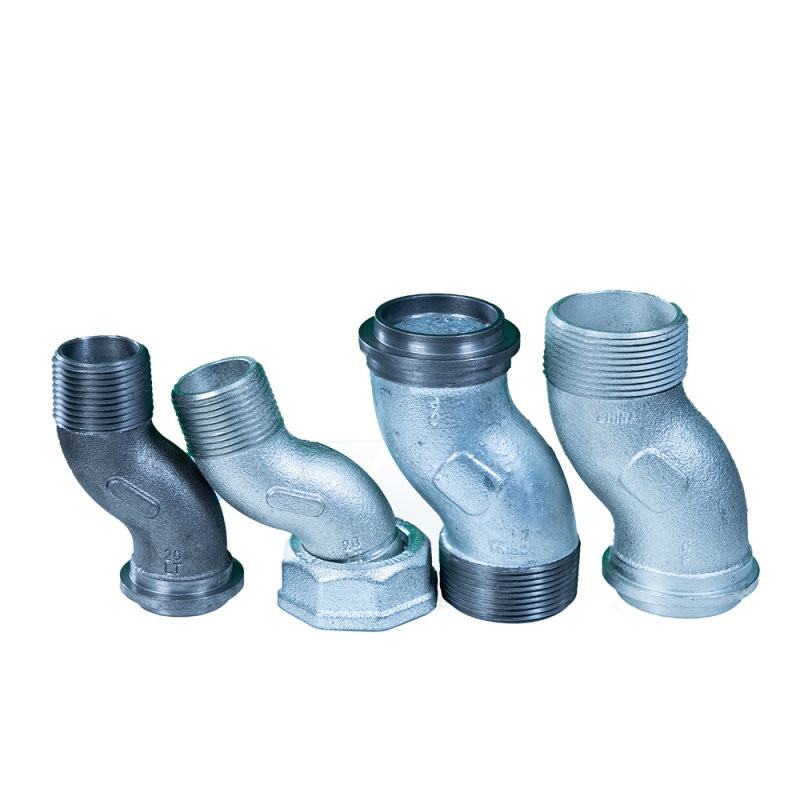
A robust connection ensuring system integrity and longevity.
Diverse Application Scenarios Across Key Industries
The versatility and reliability of the compression union fitting make it an indispensable component across a multitude of industries and specific application scenarios. Its ability to form robust, leak-free connections quickly and efficiently is valued in critical infrastructure and high-performance systems:
- Petrochemical and Oil & Gas: In these demanding environments, fittings must withstand corrosive fluids, high pressures, and extreme temperatures. Stainless steel compression fittings are used for instrument lines, hydraulic control systems, and chemical injection lines where integrity is paramount to prevent leaks of hazardous materials.
- Water Supply & Drainage: Galvanized and brass compression fittings are widely used in potable water systems, wastewater treatment plants, and irrigation networks. Their ease of installation is particularly beneficial for repairs and system expansions.
- HVAC and Refrigeration: Precision copper compression coupling and similar fittings are critical for connecting refrigerant lines and air conditioning units. They ensure tight seals to prevent refrigerant leakage, which is crucial for system efficiency and environmental compliance.
- Pneumatic and Hydraulic Systems: For air compressors, industrial machinery, and automation equipment, robust connections are vital. Components such as the compressor coupling, compressor hose connector, and compressor hose coupler rely on similar compression principles to ensure efficient power transmission and prevent pressure loss.
- Metallurgy and Heavy Industry: In steel mills and metal processing plants, high-temperature and abrasive conditions are common. Specialized alloy compression fittings are employed in cooling systems and hydraulic lines for heavy machinery, where durability under harsh conditions is non-negotiable.
- Pharmaceutical and Food & Beverage: While often using sanitary welded connections, compression fittings find use in non-process utility lines, laboratory setups, and temporary connections where cleanliness and easy maintenance are important. Stainless steel variants are preferred for their hygiene properties.
The adaptability of these fittings to different tubing materials and system pressures underscores their role as a universal solution for fluid and gas transport challenges.
Vendor Comparison and Customized Solutions
Selecting the right vendor for compression union fitting requires a thorough evaluation beyond just price. Factors like manufacturing expertise, material quality, certification, and customization capabilities are critical for long-term operational success.
Key Considerations for Vendor Selection:
- Certifications: ISO 9001, CE, API, ANSI compliance indicates a commitment to quality and adherence to international standards.
- Material Traceability: Assurance that raw materials are sourced ethically and meet specified metallurgical compositions.
- Testing Protocols: Evidence of rigorous in-house testing, including hydrostatic, pneumatic, and fatigue testing.
- Reputation & Experience: Years in service, client testimonials, and established partnerships with major industrial players.
- Customization Capabilities: Ability to provide fittings with specific dimensions, materials, coatings, or configurations.
Product Feature Comparison: Compression Fittings vs. Other Connection Types
| Feature | Compression Union Fitting | Welded Connection | Threaded Connection |
|---|---|---|---|
| Installation Time | Fast | Slow (requires skilled labor) | Moderate |
| Disassembly/Reusability | Excellent (often reusable) | Not possible without cutting | Good (reusable with care) |
| Leak Integrity | High (excellent) | Highest (if properly welded) | Moderate (requires sealant) |
| Vibration Resistance | High | High | Low to Moderate |
| Cost (Installation) | Low | High | Low |
| Tooling Required | Basic hand tools | Specialized welding equipment | Pipe wrenches |
Customized solutions are becoming increasingly important for complex industrial projects. Leading manufacturers often provide bespoke compression union fitting designs, including specific material grades for extreme chemical compatibility, specialized coatings for enhanced erosion resistance, or non-standard dimensions to integrate with existing infrastructure. This flexibility is a significant advantage, ensuring that even the most unique application requirements can be met without compromising system integrity.
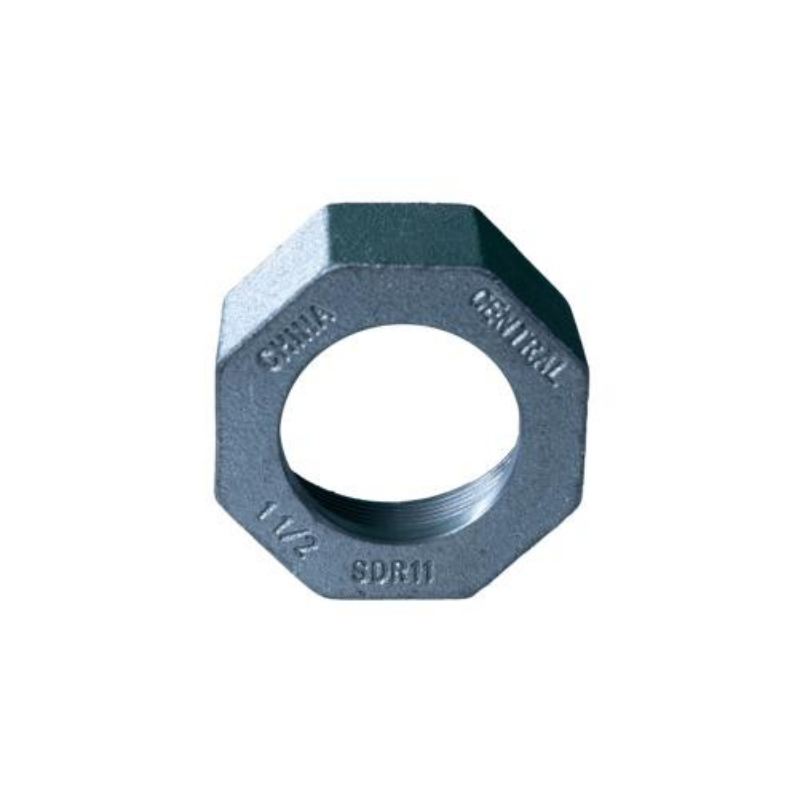
Customized fittings designed for specific industrial challenges.
Real-World Application Case Studies
The practical application of compression union fitting consistently demonstrates tangible benefits for industrial clients:
Case Study 1: Remote Oil & Gas Field Instrumentation
Challenge: A major energy company operating in a remote desert environment faced frequent failures of traditional threaded connections in their process instrumentation lines due to severe vibration from nearby compressors and extreme temperature swings. Repair crews had to travel long distances, incurring significant downtime and operational costs.
Solution: The company transitioned to using high-grade 316 stainless steel compression union fitting for all instrument impulse lines (e.g., pressure transmitters, flow meters). These fittings provided superior vibration resistance and maintained integrity even with daily temperature variations from 5°C to 50°C. They also integrated specialized compressor coupling solutions for their pneumatic systems.
Results: Over a 12-month period post-implementation, the incidence of instrument line leaks reduced by 95%, leading to a 30% reduction in maintenance man-hours. Overall operational efficiency improved by 8%, and significant cost savings were realized from reduced material losses and travel expenses. Customer feedback highlighted the "unparalleled reliability" and "ease of field replacement."
Case Study 2: Municipal Water Treatment Plant Expansion
Challenge: A municipal water authority needed to rapidly expand its treatment capacity. The project involved connecting numerous large-diameter PVC and galvanized steel pipes for chemical dosing lines and filtration units. Traditional welding was too slow and required extensive hot work permits, delaying the project timeline. They also needed reliable compressor hose connector for air blowers.
Solution: The engineering team opted for large-diameter galvanized quick copper compression coupling and compression union fittings for connecting both the galvanized steel and, with appropriate adapters, the PVC piping. The simple mechanical connection dramatically accelerated the pipe installation phase. Special consideration was given to EPDM seals for chlorine compatibility.
Results: The project completed 3 weeks ahead of schedule, representing a 15% time saving on the piping phase. Labor costs were reduced by approximately 20% due to the simplified installation. The system passed all pressure tests with zero leaks, and the robust galvanized finish ensured long-term corrosion resistance in the damp plant environment. The compressor hose coupler also contributed to efficient pneumatic operations.
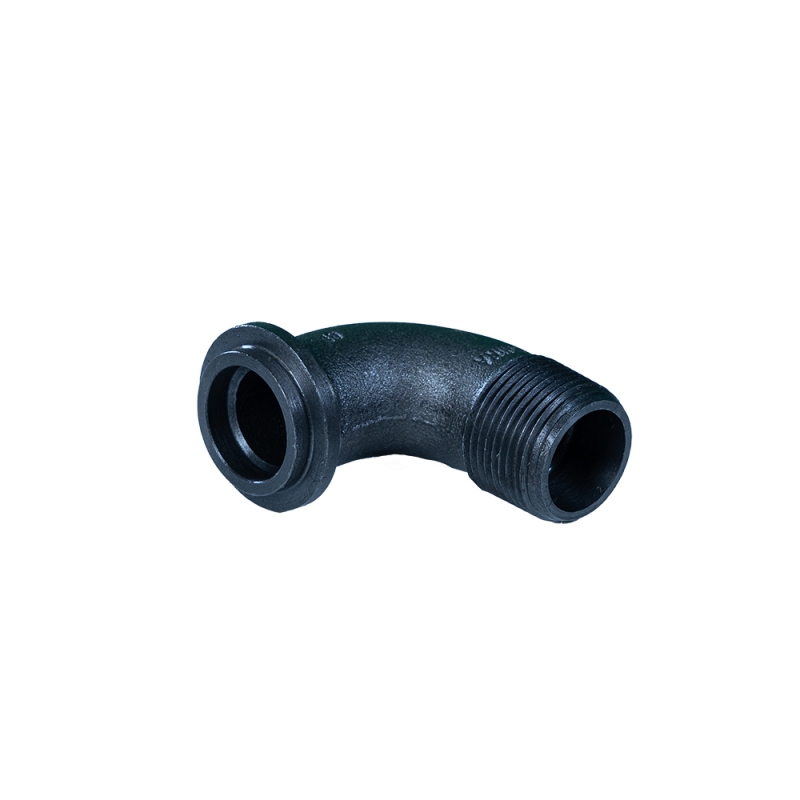
Ensuring robust connections in diverse industrial settings.
Trust and Reliability: FAQs, Lead Times, Warranty, and Support
Establishing trust with B2B clients goes beyond product quality; it encompasses transparency in operations, clear commitments, and robust support infrastructure. We strive to provide complete confidence in our compression union fitting solutions.
Frequently Asked Questions (FAQs):
A: Our standard galvanized quick fittings are rated up to 1.6 MPa (232 psi). Specific ratings can vary by size and material, so please consult the product datasheet for detailed information or contact our technical sales team for higher pressure applications.
A: Yes, our galvanized compression union fittings, particularly with EPDM seals, are suitable for potable water systems, meeting relevant industry standards for material safety and performance. We recommend verifying local regulations and specific product certifications for your region.
A: Generally, the body and nut of a compression fitting are reusable. However, the ferrule (or olive) is deformed during the initial tightening to create the seal and should ideally be replaced upon reassembly to ensure a leak-tight connection. For critical applications, replacing all sealing components is recommended.
Lead Time and Fulfillment:
We maintain a robust inventory for standard sizes of our compression union fitting products, ensuring rapid fulfillment for common orders. Typical lead times for in-stock items range from 3-5 business days for domestic shipping. For large-volume orders or custom-engineered solutions, lead times may vary from 4-8 weeks, depending on material availability and manufacturing complexity. Our logistics team works diligently to ensure timely delivery and provides transparent tracking information.
Warranty Commitments:
All our products, including the galvanized quick compression union fitting, are backed by a comprehensive 2-year manufacturer's warranty from the date of purchase. This warranty covers defects in material and workmanship under normal use and service. Our commitment to quality ensures that our fittings meet or exceed industry standards, providing our clients with peace of mind.
Customer Support Information:
Our dedicated customer support team is available to assist with product selection, technical inquiries, installation guidance, and after-sales service. Please reach out to us via:
- Email: support@pannextfittings.com
- Phone: +1 (555) 123-4567 (Mon-Fri, 9 AM - 5 PM EST)
- Website: www.pannextfittings.com (for live chat and detailed product resources)
We are committed to building long-term partnerships through exceptional product quality and responsive service.
Conclusion
The compression union fitting remains a foundational component in modern industrial piping and tubing systems, delivering unparalleled advantages in terms of reliability, ease of installation, and operational flexibility. Its consistent performance across diverse and demanding applications, from sensitive instrumentation to robust hydraulic systems, solidifies its position as a preferred choice for engineers and procurement specialists. As industries continue to evolve towards greater efficiency and sustainability, the demand for high-performance, leak-proof connections will only intensify, further underscoring the critical role of expertly manufactured compression fittings.
Our commitment to precision engineering, stringent quality control, and comprehensive customer support ensures that our compression union fittings provide the secure, long-lasting connections essential for the integrity and success of your industrial operations.
Authoritative References
- American Society of Mechanical Engineers (ASME). (2018). ASME B16.11: Forged Fittings, Socket-Welding and Threaded. ASME International.
- International Organization for Standardization (ISO). (2015). ISO 9001:2015: Quality management systems – Requirements. ISO.
- ASTM International. (2018). ASTM A105/A105M - 14: Standard Specification for Forgings, Carbon Steel, for Piping Components. ASTM.
- Fluid Power Journal. (2023). Innovations in Fluid Connector Technology for High-Pressure Applications. Official Publication of the International Fluid Power Society.
- Oil & Gas Journal. (2022). Pipeline Integrity Management: Addressing Leak Prevention in Critical Systems. PennWell Corporation.
Post time: Sep-14-2025