Durable Malleable Cast Iron Fittings for Reliable Pipe Systems
Dated on Sep-13-2025
In the demanding landscape of industrial fluid conveyance, the reliability and performance of piping components are paramount. Among the most trusted and versatile solutions are malleable cast iron fittings, renowned for their exceptional strength, ductility, and corrosion resistance. These fittings play a critical role across a myriad of sectors, from high-pressure steam lines to complex water distribution networks, ensuring secure and leak-free connections under stringent operational conditions. This comprehensive overview delves into the intricate world of these essential components, covering their manufacturing excellence, technical prowess, diverse applications, and strategic advantages for B2B decision-makers and engineering professionals.
Manufacturing Process Flow of Malleable Cast Iron Fittings
The production of high-quality malleable cast iron fittings is a sophisticated process that transforms white cast iron into a ductile material through controlled heat treatment. This metallurgical transformation is crucial, imparting the material with superior impact resistance and machinability while retaining the excellent casting properties of iron.
Key Process Steps:
Material Selection and Melting: The process begins with carefully selected raw materials, primarily pig iron, steel scrap, and ferroalloys. These are melted in induction or cupola furnaces at temperatures exceeding 1500°C to achieve a precise chemical composition that results in white cast iron, characterized by its high carbon content and hard, brittle cementite microstructure.
Casting: Molten iron is poured into meticulously designed molds, typically made from green sand or shell, to form the desired shape of the pipe fitting. This step requires precise temperature control and pouring techniques to prevent defects such as porosity or cold shuts. Initial castings are hard and brittle due to the presence of cementite.
Annealing (Malleabilizing): This is the most critical stage. The white cast iron castings undergo a prolonged heat treatment process in annealing ovens. Over several hours or days, at temperatures between 850°C and 970°C, the cementite decomposes into graphite nodules (temper carbon) and ferrite. This transformation changes the material's crystalline structure, imparting ductility and toughness. There are two primary types of annealing:
Blackheart Malleable Iron: Produced by heating in a neutral atmosphere, resulting in a ferritic matrix with dispersed graphite.
Whiteheart Malleable Iron: Annealed in an oxidizing atmosphere, leading to decarburization and a ferritic skin.
Cleaning and Finishing: After annealing, the fittings are shot-blasted to remove residual sand, scale, and surface imperfections. This step ensures a clean surface for subsequent operations.
Machining (CNC Precision): Threads (e.g., NPT – National Pipe Taper) are precisely machined onto the fittings using advanced CNC (Computer Numerical Control) equipment. This guarantees accurate dimensions, consistent thread profiles, and tight tolerances essential for leak-proof connections.
Illustration: Precision casting stage for malleable cast iron components.
Coating (Optional): For enhanced corrosion resistance, fittings may undergo hot-dip galvanization, where they are immersed in molten zinc. This creates a durable, protective layer, extending service life significantly, especially in harsh environments.
Testing and Quality Control: Every batch undergoes rigorous testing. This includes dimensional checks, hydrostatic pressure testing to verify leak integrity, hardness tests, and material composition analysis (e.g., spectrometer). Fittings must adhere to international standards such as ISO 49, ANSI/ASME B16.3, and BS EN 10242.
Packaging and Dispatch: Finished fittings are packed securely to prevent damage during transit, ready for distribution to target industries such as petrochemical, metallurgy, water supply & drainage, and fire protection.
The extensive service life of malleable cast iron pipe fittings, often exceeding 50 years under normal operating conditions, is a testament to this meticulous manufacturing process, offering advantages like superior corrosion resistance (especially galvanized variants) and energy saving through reduced leakage in fluid systems.
Industry Trends and Market Dynamics
The market for malleable cast iron fittings continues to evolve, driven by a confluence of global infrastructure development, increasing demand for robust and long-lasting piping solutions, and heightened regulatory standards. Key trends include a growing emphasis on sustainability, where the recyclability of cast iron offers a significant advantage over single-use plastic alternatives. Innovations in galvanization techniques are enhancing corrosion resistance further, extending the applicability of these fittings in aggressive environments.
Furthermore, the demand for precise threading, often achieved through sophisticated CNC machining, is paramount to ensure leak-proof installations and reduce costly downtime. While newer materials like ductile iron and various plastics emerge, malleable cast iron pipe retains its competitive edge due to its proven performance, excellent tensile strength, and cost-effectiveness for moderate to high-pressure applications. The expansion of smart cities and industrial automation also drives demand for reliable infrastructure components, positioning these fittings as foundational elements.
Technical Specifications and Performance Parameters
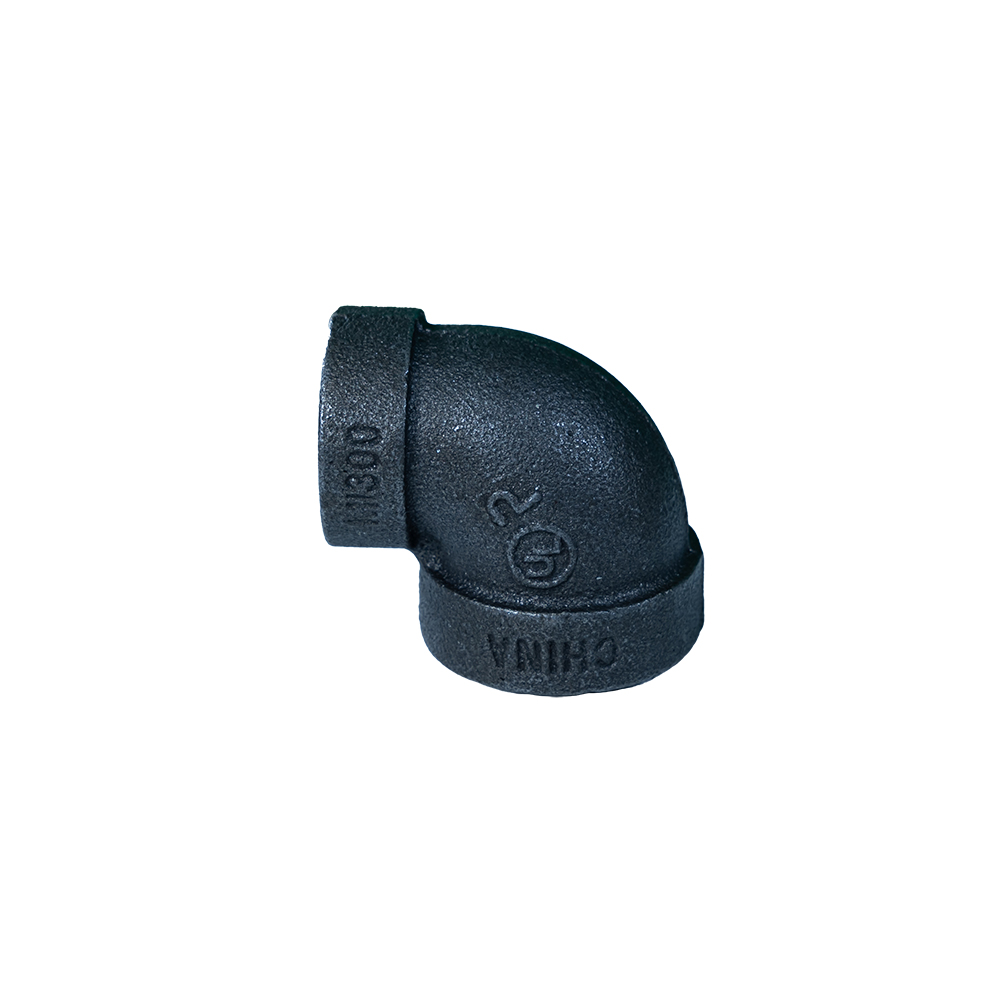
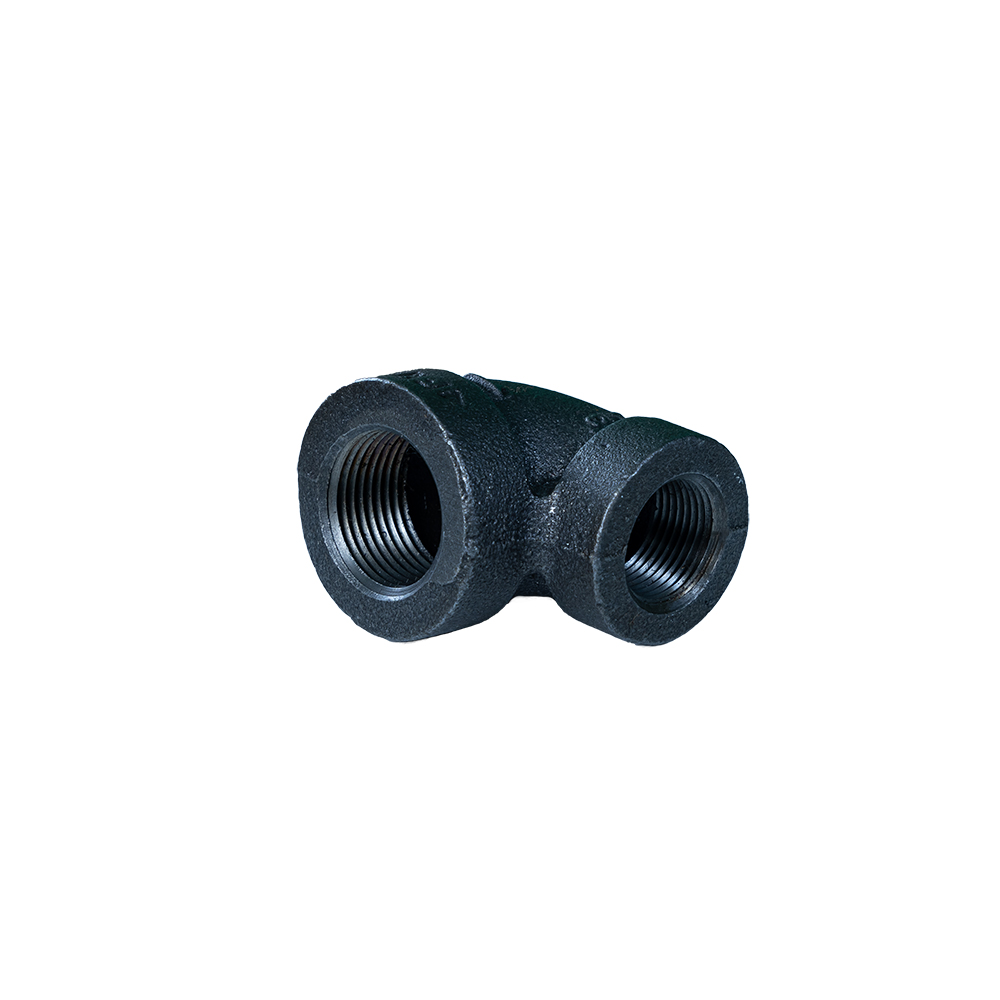
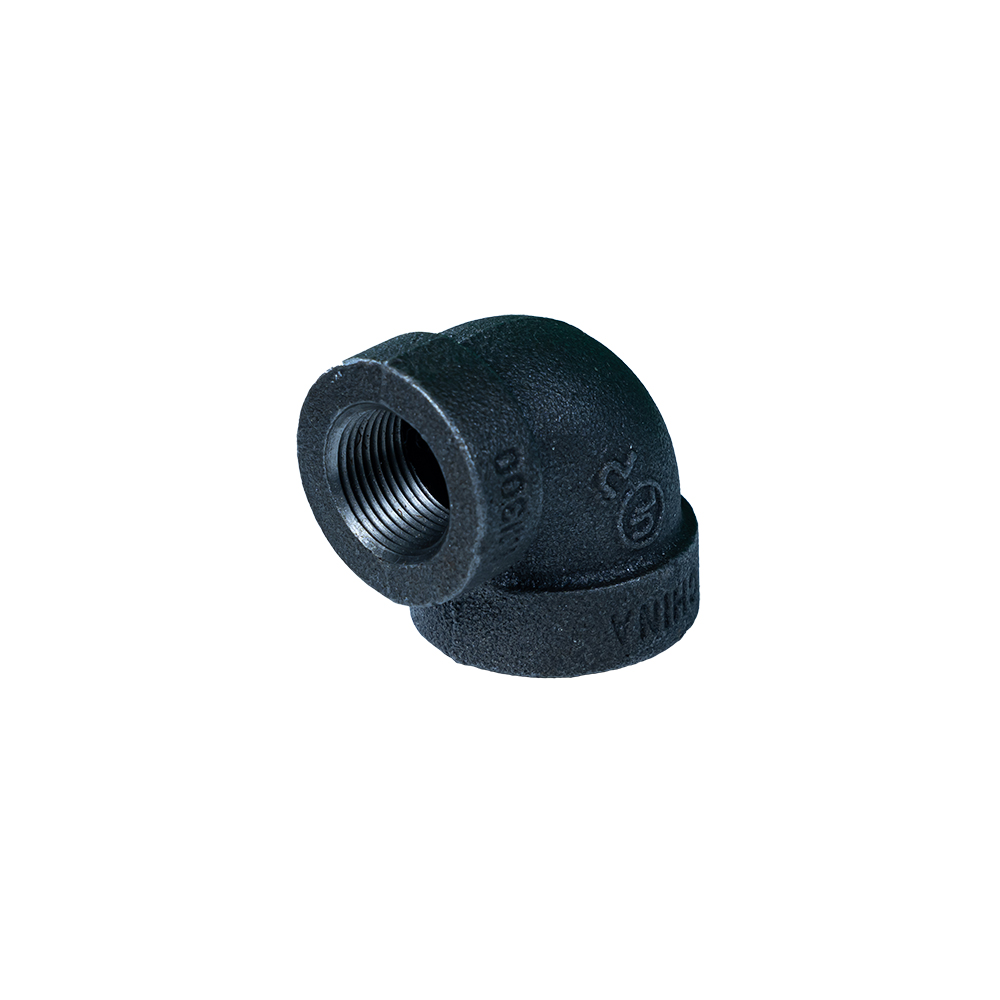
Understanding the technical specifications of malleable cast iron pipe fittings is crucial for engineers and procurement specialists to ensure optimal system design and performance. Our 90° Reducing Elbow NPT 300 Class exemplifies the high standards achieved in this category, offering robust connectivity for demanding applications.
Typical Product Specification: 90° Reducing Elbow NPT 300 Class
Parameter
Specification
Product Type
90° Reducing Elbow
Material
Malleable Cast Iron (ASTM A197)
Class Rating
Class 300 (Pressure Rating)
Thread Standard
NPT (ANSI/ASME B1.20.1)
Working Pressure (Max)
Up to 2000 psi (water, oil, gas) @ 150°F (65°C)
Temperature Range
-20°F to 366°F (-29°C to 186°C)
Tensile Strength (Min)
45,000 psi (310 MPa)
Yield Strength (Min)
32,000 psi (220 MPa)
Elongation (Min)
10%
Surface Finish
Black or Hot-dip Galvanized
Applicable Standards
ANSI/ASME B16.3, ISO 49, EN 10242, UL Listed, FM Approved
The Class 300 rating denotes the pressure-temperature capabilities of the fitting, indicating its suitability for higher pressure applications compared to lower classes. NPT threads ensure a tapered connection that tightens upon assembly, creating a fluid-tight seal without the need for additional sealants in many cases. The high tensile and yield strength, coupled with significant elongation, underscore the material's ability to withstand considerable stress and resist brittle fracture, a key advantage over grey cast iron.
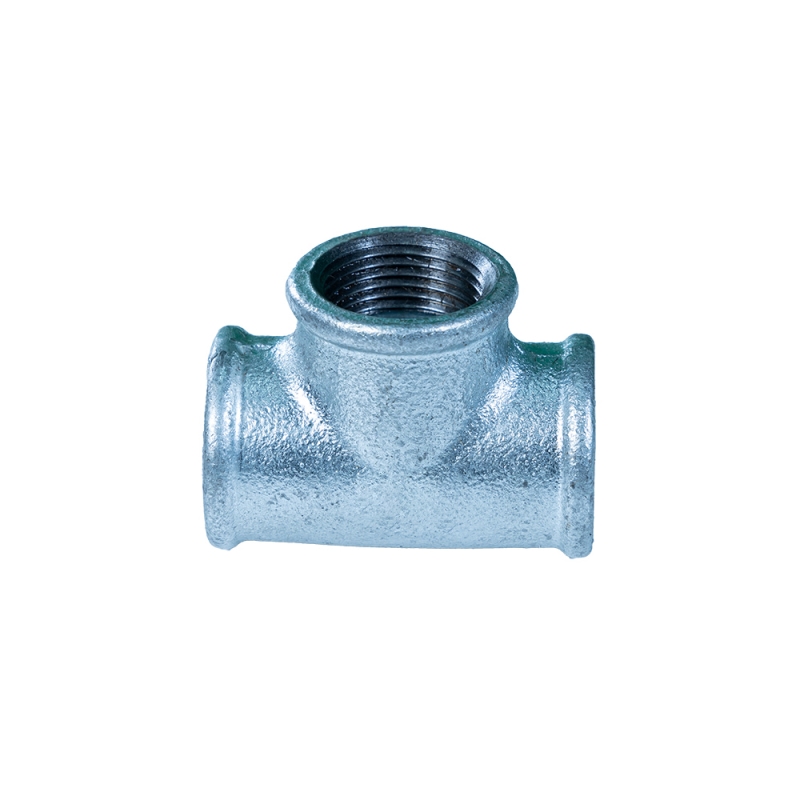
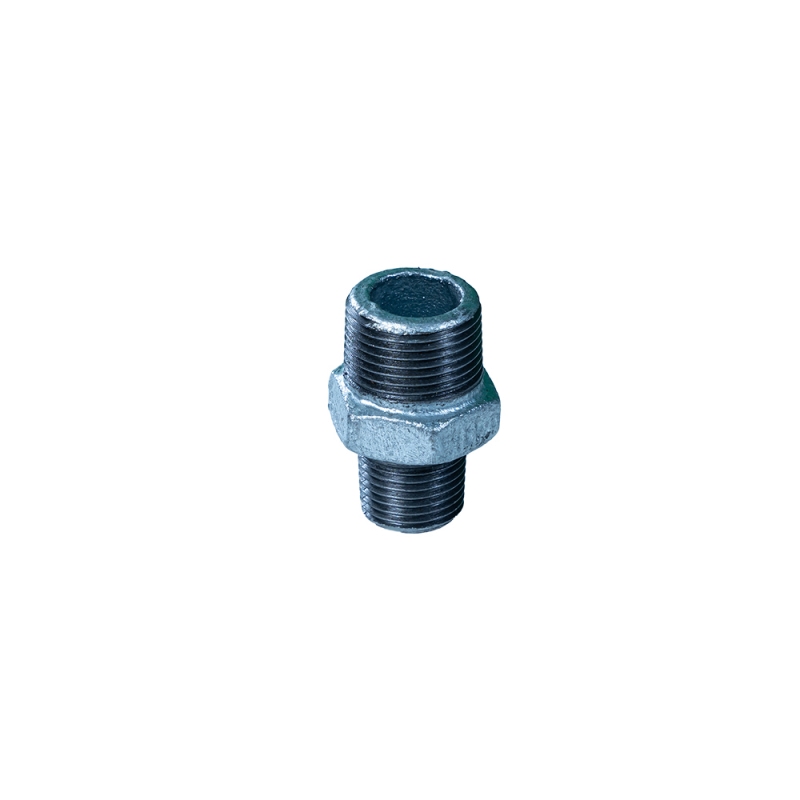
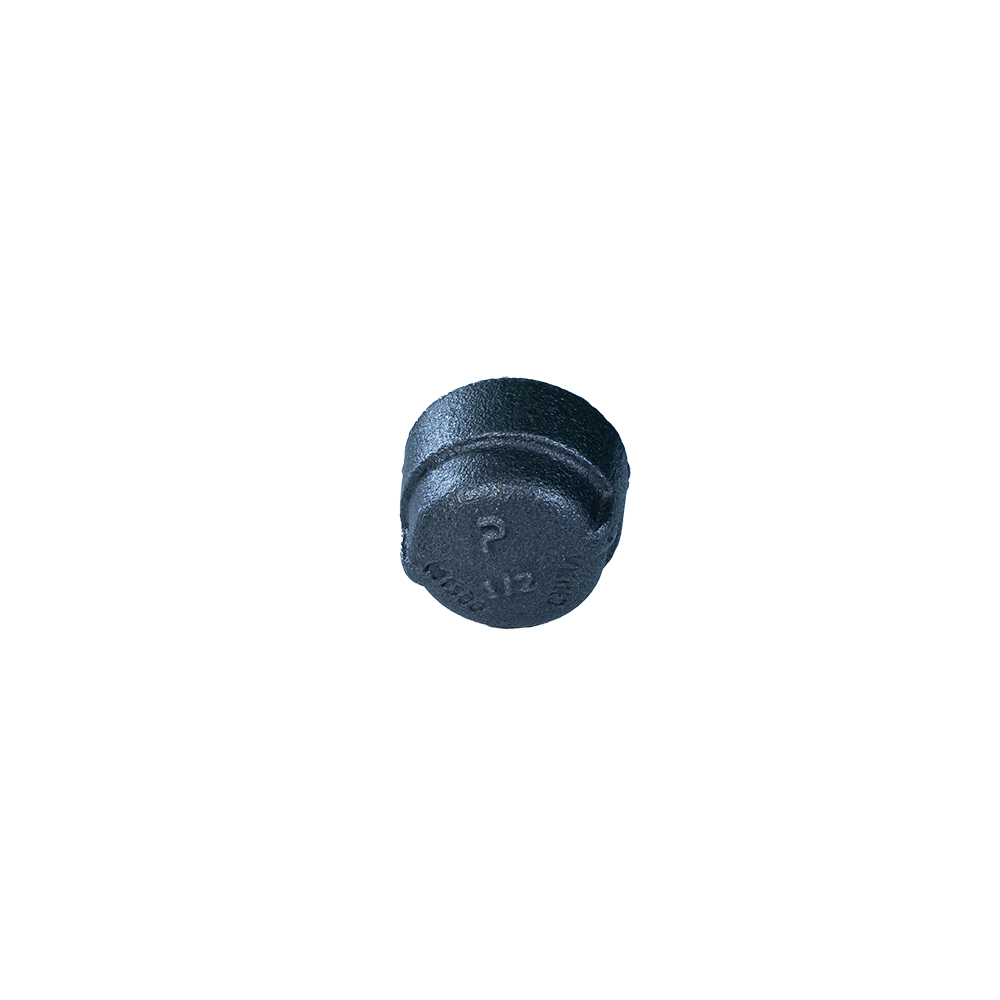
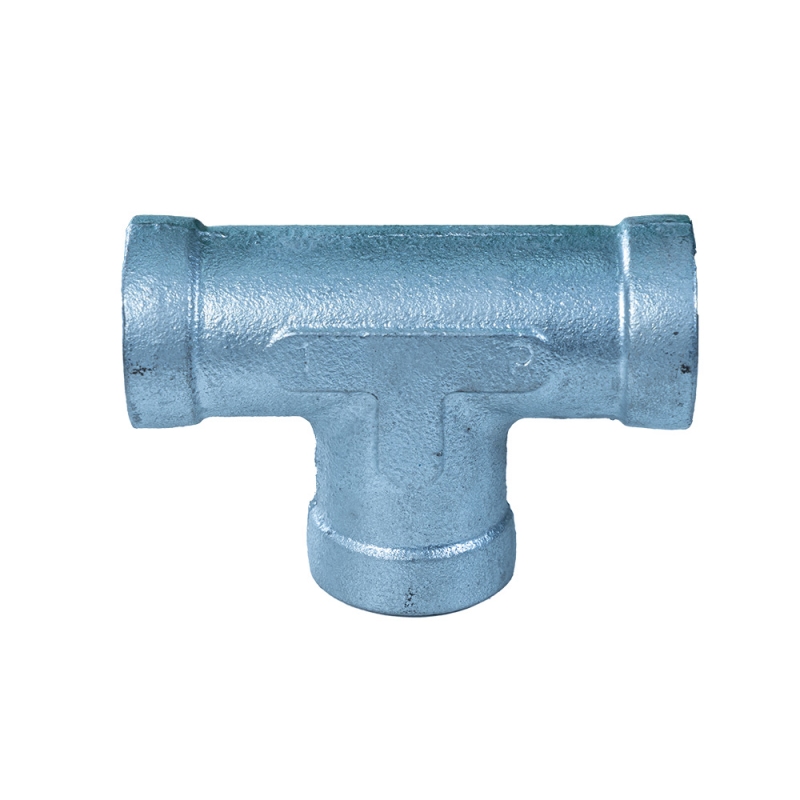
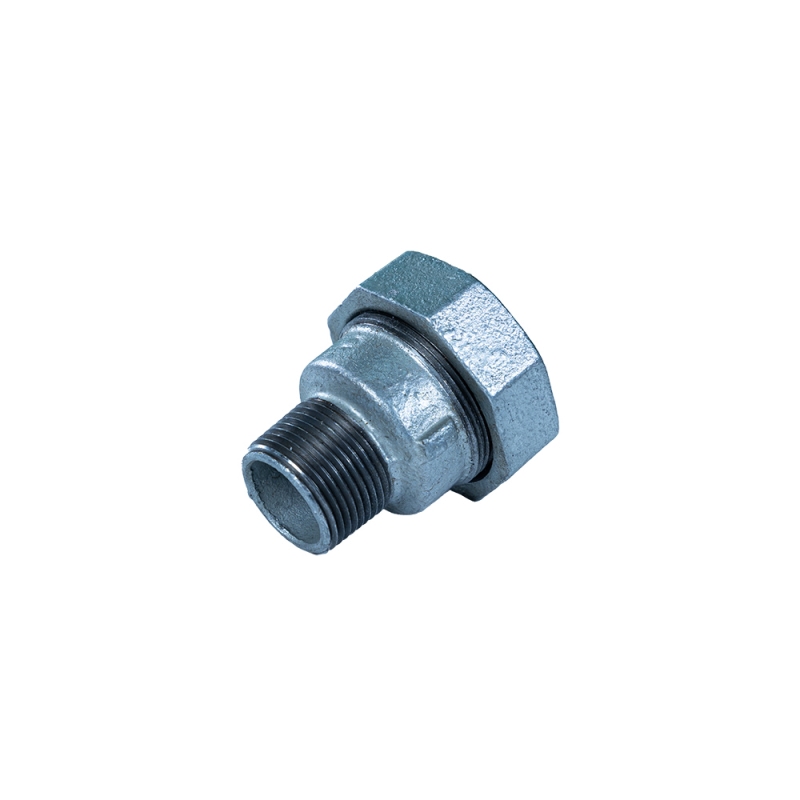
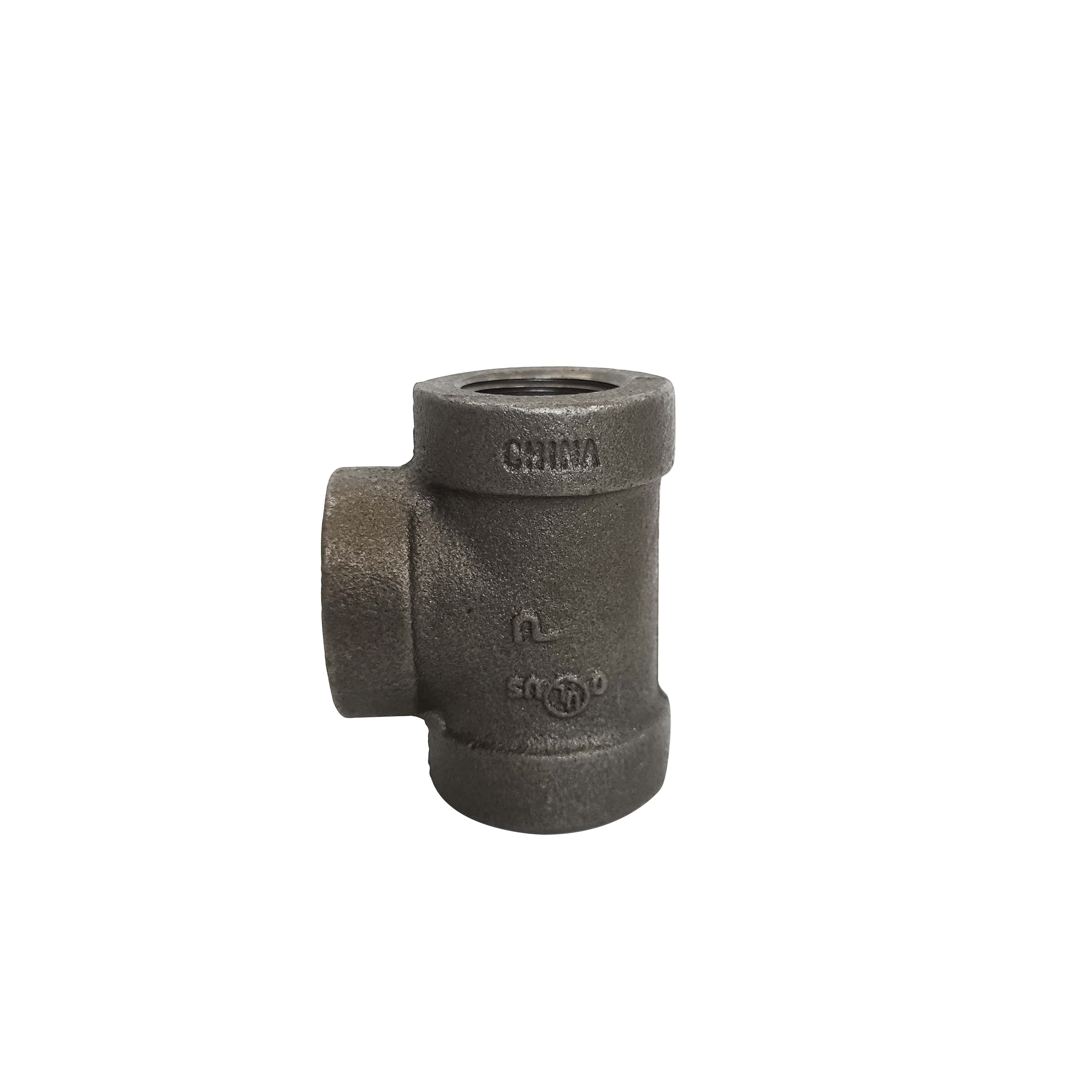
Illustration: A collection of high-precision malleable cast iron pipe fittings.
Application Scenarios and Industry Use
The versatility and robust nature of malleable cast iron fittings make them indispensable across a wide spectrum of industrial and commercial applications. Their ability to handle various media under different pressure and temperature conditions ensures their continued relevance.
Petrochemical Industry: For conveying oil, gas, and various chemical fluids. Galvanized fittings offer enhanced resistance against corrosive substances, crucial for the long-term integrity of complex pipeline systems.
Water Supply and Drainage: Essential for municipal water distribution networks, irrigation systems, and wastewater treatment plants. The reliability of malleable coupling options ensures minimal leakage and efficient fluid transport.
Fire Protection Systems: Widely used in sprinkler systems and standpipes where consistent performance and adherence to safety standards (e.g., FM Approved, UL Listed) are non-negotiable.
HVAC and Plumbing: For heating, ventilation, and air conditioning systems, as well as general industrial and commercial plumbing, ensuring durable and secure connections for hot and cold water lines.
Compressed Air Systems: The robust pressure rating makes them suitable for compressed air lines in manufacturing and industrial facilities, reducing the risk of burst pipes.
Mining and Metallurgy: In harsh environments, their durability and resistance to wear and tear contribute to the longevity of processing and transport lines.
Technical Advantages and Value Proposition
The inherent properties of malleable cast iron, combined with precision engineering, offer distinct advantages that translate into significant value for industrial applications:
Superior Ductility and Toughness: Unlike brittle grey cast iron, the annealing process transforms the microstructure, providing significant ductility. This allows the fittings to absorb shock and resist fracture under stress or minor pipe movement, critical for system integrity and safety.
High Tensile and Yield Strength: Capable of withstanding high internal pressures and external mechanical loads, ensuring long-term reliability in demanding environments.
Excellent Machinability: The material's structure allows for precise threading and machining, leading to accurate NPT threads that ensure tight, leak-proof connections.
Corrosion Resistance: Especially when hot-dip galvanized, malleable cast iron fittings exhibit superior resistance to rust and corrosion in various atmospheric and chemical exposures, extending service life and reducing maintenance costs. This is a key differentiator when compared to ungalvanized steel or some grades of malleable copper pipe which may suffer from galvanic corrosion in specific setups.
Cost-Effectiveness: Offering a robust solution at a competitive price point, these fittings provide an excellent return on investment through their longevity and reduced need for replacement or repair.
Broad Temperature Range: Suitable for operations across a wide spectrum of temperatures, from sub-zero to high-heat applications, without significant degradation of mechanical properties.
Compliance with Industry Standards: Adherence to global standards like ANSI, ISO, UL, and FM ensures compatibility, safety, and performance consistency across international projects.
Vendor Comparison and Selection Criteria
Choosing the right supplier for malleable cast iron fittings is critical for project success and long-term operational integrity. B2B decision-makers should evaluate vendors based on several key criteria:
Criterion
Importance for B2B Buyers
Quality Certifications
ISO 9001, UL, FM, CE. These validate manufacturing process consistency and product reliability. Authoritative references ensure adherence to global safety and performance benchmarks.
Material Traceability
Ability to trace raw materials and production batches, crucial for quality assurance and compliance in regulated industries.
Technical Support
Access to engineering expertise for technical queries, application guidance, and troubleshooting, demonstrating vendor's experience.
Customization Capabilities
Capacity to produce specialized fittings or modify existing designs to meet unique project requirements.
Lead Times and Logistics
Reliable delivery schedules and efficient global logistics network to minimize project delays.
Warranty and After-Sales Service
Clear warranty commitments and responsive customer support for long-term product satisfaction and trustworthiness.
Customized Solutions
While standard malleable cast iron fittings cater to a wide range of applications, complex industrial projects often require bespoke solutions. Leading manufacturers offer comprehensive customization services, adapting to specific client needs:
Non-Standard Sizes and Configurations: Production of fittings with unique dimensions, angles, or port arrangements not available off-the-shelf.
Specialized Coatings: Application of advanced protective coatings beyond standard galvanization for extreme chemical resistance or specific aesthetic requirements.
Material Modifications: Adjustments to the alloy composition for enhanced performance characteristics, such as increased temperature resistance or specific mechanical properties.
Private Labeling and Branding: Custom marking of fittings with client logos or project-specific identification for supply chain management and brand consistency.
Our expertise extends to collaborating with clients from design conceptualization through to prototype development and final production, ensuring that even the most specialized requirements for malleable cast iron pipe networks are met with precision and efficiency. This commitment to tailored solutions underscores our experience and dedication to client success.
Application Case Studies
Real-world applications demonstrate the tangible benefits of high-quality malleable cast iron fittings in diverse industrial settings.
Case Study 1: Large-Scale Industrial Water Treatment Plant
A major municipal water treatment plant required a robust and corrosion-resistant piping infrastructure for its new expansion project. The system involved handling treated water under moderate pressure and exposure to various environmental elements. They opted for galvanized malleable cast iron fittings due to their proven longevity and cost-effectiveness. Our 90° Reducing Elbow NPT 300 Class, along with various couplings and tees, were extensively used to create a durable, leak-proof system. Installation teams reported ease of assembly, and post-installation pressure tests confirmed excellent joint integrity. After 5 years in operation, the client reports zero fitting failures and minimal maintenance, exceeding initial service life expectations.
Case Study 2: High-Pressure Steam Distribution in a Manufacturing Facility
A large automotive manufacturing plant sought to upgrade its steam distribution lines to improve energy efficiency and reduce maintenance. The existing system suffered from frequent leaks and component failures due to the high temperature and pressure fluctuations. We supplied Class 300 malleable cast iron fittings, specifically chosen for their superior pressure ratings and temperature tolerance. The project involved replacing hundreds of fittings. Our technical team provided on-site support and training. The robust nature of these fittings significantly reduced system downtime and heat loss, contributing to notable energy savings and a safer working environment. The facility has seen a 15% reduction in steam-related maintenance costs year-over-year since the upgrade.
Illustration: Industrial application of robust malleable cast iron components.
Frequently Asked Questions (FAQ)
Q: What makes malleable cast iron superior to grey cast iron for pipe fittings?
A: Malleable cast iron undergoes a special annealing process that transforms its microstructure from brittle cementite to ductile graphite nodules (temper carbon) in a ferrite matrix. This gives it significantly higher tensile strength, ductility, and impact resistance compared to grey cast iron, which is brittle and prone to fracture. It is ideal for applications requiring resilience and leak-proof connections.
Q: Are malleable cast iron fittings suitable for potable water applications?
A: Yes, especially galvanized malleable cast iron fittings. The hot-dip galvanization process applies a protective zinc coating that meets various international standards for drinking water safety, preventing corrosion and leaching into the water supply. Always ensure fittings comply with relevant local and national health and safety standards (e.g., NSF/ANSI 61 if applicable).
Q: What is the typical service life of these fittings?
A: With proper installation and in environments consistent with their specifications, malleable cast iron fittings can have a service life exceeding 50 years. Galvanized options extend this significantly in corrosive or outdoor environments.
Q: How do NPT threads ensure a leak-proof connection?
A: NPT (National Pipe Taper) threads are tapered, meaning the diameter changes along the thread length. As the male and female threads are tightened, they wedge together, creating a mechanical seal. When combined with appropriate thread sealant or PTFE tape, this design forms a highly effective, leak-proof joint capable of withstanding significant pressure.
Lead Time, Warranty, and Customer Support
We understand that reliable logistics and robust post-sales support are paramount for B2B operations. Our commitment to trustworthiness extends beyond product quality.
Lead Time and Fulfillment: Our optimized manufacturing processes and extensive inventory management enable us to offer competitive lead times. Standard orders are typically fulfilled within 2-4 weeks, with expedited options available for urgent projects. We maintain strong relationships with global logistics partners to ensure timely and secure delivery worldwide.
Warranty Commitments: All our malleable cast iron fittings come with a comprehensive 10-year warranty against manufacturing defects, underscoring our confidence in their durability and performance. This warranty covers material and workmanship under normal operating conditions.
Customer Support: Our dedicated technical support team is available to assist with product selection, installation guidance, and any post-purchase inquiries. With decades of industry experience, our engineers provide expert advice to ensure your projects run smoothly. We offer multiple contact channels including phone, email, and online support portals for prompt assistance.
Conclusion
Malleable cast iron fittings represent a cornerstone of industrial piping, offering an unparalleled blend of strength, ductility, corrosion resistance, and cost-effectiveness. From their precise manufacturing process to their diverse applications across critical sectors, these fittings deliver reliable performance and long-term value. By adhering to stringent quality standards and focusing on continuous innovation, we provide solutions that not only meet but exceed the demanding expectations of modern industrial infrastructure. Partner with us for robust, certified, and expertly supported malleable cast iron solutions that ensure the integrity and efficiency of your fluid conveyance systems.
References
ASTM International. "ASTM A197/A197M-00(2018) Standard Specification for Cupola Malleable Iron."
American Society of Mechanical Engineers (ASME). "ASME B16.3-2021 Malleable Iron Threaded Fittings."
International Organization for Standardization (ISO). "ISO 49:1994 Malleable cast iron fittings with taper thread for pipelines -- Part 1: Threaded fittings."
Fire Protection Research Foundation. "Reliability of Fire Protection Systems." (relevant for FM/UL approvals)
National Pipe Taper (NPT) Thread Information and Standards. Engineering Toolbox.