
The Enduring Strength of Galvanized Steel Pipe: Trends and Technical Excellence
In the realm of industrial infrastructure and modern construction, the demand for robust, corrosion-resistant piping solutions is paramount. Among the leading choices, the galvanized steel pipe stands out for its exceptional durability and longevity. This article delves into the critical aspects of galvanized steel piping, from its manufacturing intricacies and technical specifications to its wide-ranging applications and strategic advantages in various industries.
Current industry trends highlight an increasing focus on sustainable and long-life cycle materials, which directly benefits the adoption of galvanized steel pipe. With rising infrastructure investments globally, particularly in water supply & drainage, petrochemicals, and general construction, the market for corrosion-protected piping solutions is experiencing significant growth. Furthermore, advancements in galvanization techniques are leading to even more uniform and tenacious zinc coatings, enhancing the material's performance in challenging environments. This is particularly relevant for applications like galvanized steel pipe for water, where resistance to internal corrosion and external environmental factors is crucial for maintaining water quality and system integrity.
Innovations in pipe jointing technologies, such as advanced mechanical couplings and high-precision threading, further streamline the installation process and ensure robust, leak-free connections for galvanized steel plumbing systems. The ability to integrate seamlessly with various jointing pipes adapters makes galvanized solutions highly versatile for complex network designs.
Manufacturing Process Flow of Galvanized Steel Pipe
The production of high-quality galvanized steel pipe involves a meticulously controlled multi-stage process, ensuring the steel substrate is thoroughly protected by a durable zinc coating. This process imparts superior corrosion resistance and extends the service life of the pipe, making it ideal for demanding applications such as galvanized steel pipe water distribution.
Schematic Steps:
- 1. Raw Material Sourcing: High-grade steel coils or seamless/welded steel pipes (e.g., ASTM A53, EN 10255) are selected based on the required mechanical properties and dimensions. The base material quality is critical for the final product's integrity.
-
2. Cleaning and Surface Preparation:
- Degreasing: Pipes are immersed in an alkaline solution to remove oil, grease, and dirt.
- Acid Pickling: Subsequent immersion in hydrochloric or sulfuric acid removes mill scale, rust, and other inorganic contaminants, exposing a clean, reactive steel surface.
- Rinsing: Thorough rinsing removes residual acid and dissolved salts.
- Fluxing: The pipes are dipped in a flux solution (typically zinc ammonium chloride) which cleans the surface further and prevents oxidation before galvanizing, promoting a uniform bond between steel and zinc.
- 3. Hot-Dip Galvanizing: This is the core process. The prepared steel pipes are fully submerged in a molten zinc bath (typically maintained at 450-460°C). The zinc metallurgically bonds with the iron in the steel, forming a series of highly durable zinc-iron alloy layers, topped by a layer of pure zinc. This provides both barrier and cathodic protection.
- 4. Cooling and Quenching: After removal from the zinc bath, the pipes are cooled in air or water. This solidifies the zinc coating and can affect its crystal structure and appearance.
-
5. Finishing Operations:
- Trimming/Deburring: Excess zinc is removed from pipe ends and threads.
- Thread Cutting/End Finishing: Pipes are threaded (for screwed connections) or prepared for other jointing pipes methods like grooving. For fittings, processes like casting or CNC machining ensure precise dimensions.
- Passivation (Optional): A chromate or non-chromate passivation treatment can be applied to prevent "wet storage stain" (white rust) during storage and transit.
-
6. Inspection and Testing: Each galvanized steel pipe undergoes rigorous testing to meet international standards such as ISO 1461, ASTM A123, and ANSI/AWWA C104/A21.4.
- Coating Thickness Measurement: Non-destructive methods (magnetic or eddy current gauges) verify zinc coating thickness.
- Adhesion Test: Hammer tests or knife tests assess the bond between zinc and steel.
- Visual Inspection: Checks for coating uniformity, presence of defects, and surface finish.
- Dimensional Checks: Verification of pipe length, diameter, wall thickness, and straightness.
- Hydrostatic Testing: To ensure leak integrity, especially crucial for galvanized steel pipe for water applications.
The typical service life of a hot-dip galvanized steel pipe can exceed 50 years in many atmospheric conditions, significantly outperforming ungalvanized steel. Target industries include petrochemical, metallurgy, public utilities (water supply & drainage), construction, agriculture, and general industrial fabrication. Advantages in typical application scenarios include superior corrosion resistance, reduced maintenance costs, and exceptional mechanical strength.
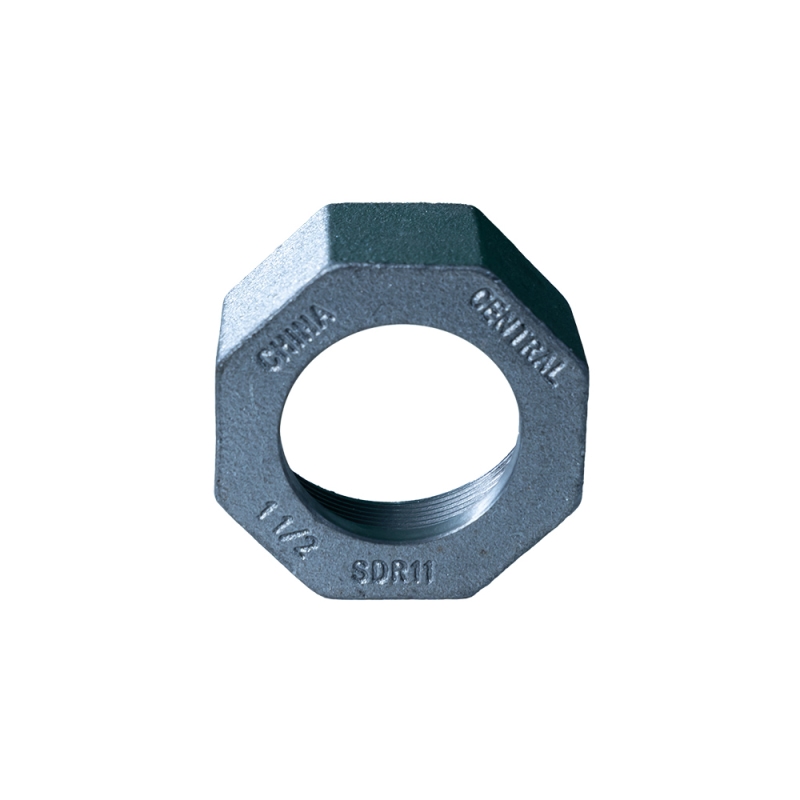
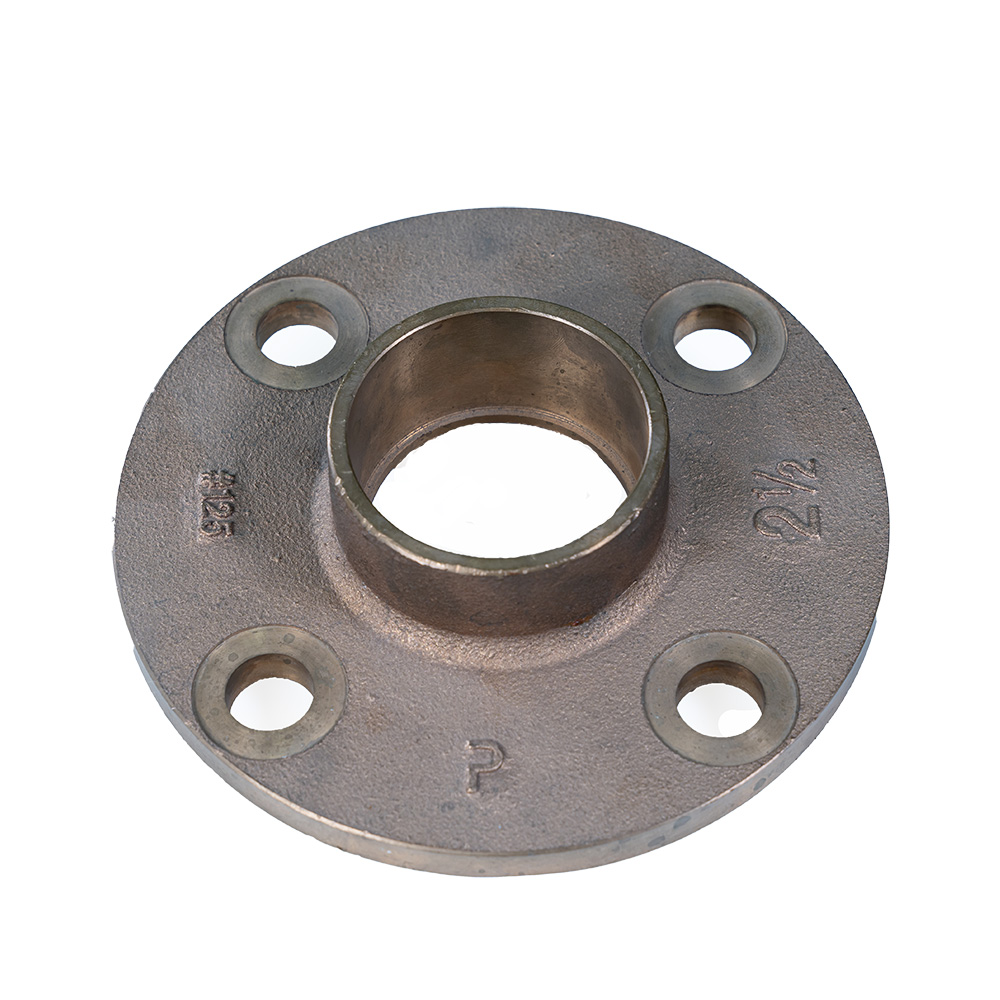
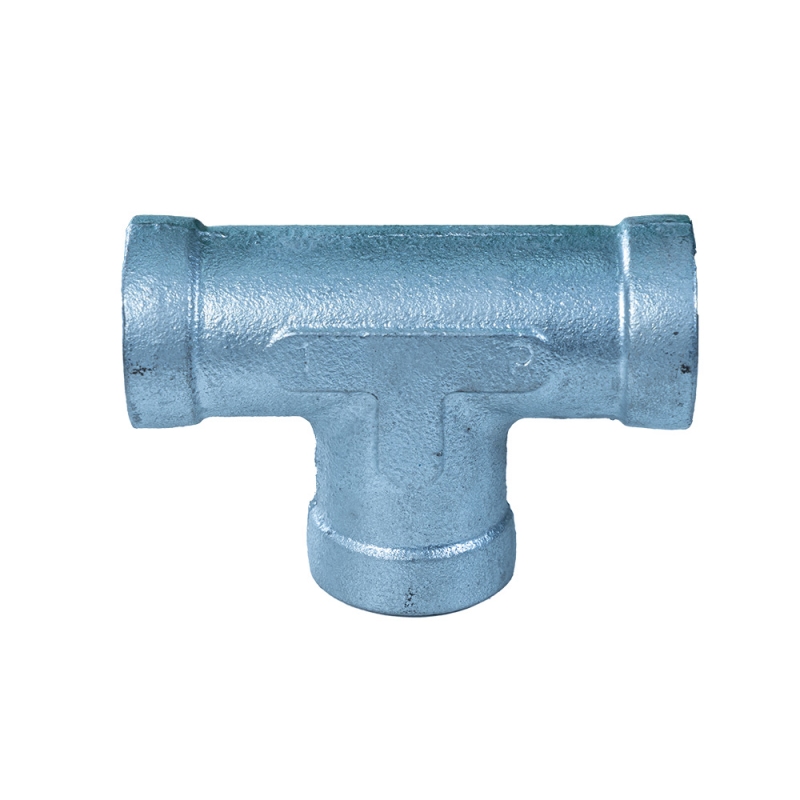
Figure 1: Advanced casting process for galvanized components, illustrating precision in manufacturing.
Technical Specifications and Parameters for Galvanized Steel Pipe
Understanding the technical specifications of galvanized steel pipe is crucial for engineers and procurement specialists to ensure optimal performance and compliance with project requirements. Key parameters include material grade, dimensions, zinc coating thickness, and applicable international standards.
Typical Product Specification Table for Galvanized Steel Pipe
| Parameter | Details / Range | Relevant Standards |
|---|---|---|
| Base Material | Carbon Steel (e.g., Q195, Q235, Q345, S235JR, S355JR) | ASTM A53, EN 10219, EN 10255, JIS G3452 |
| Outer Diameter (OD) | DN15 - DN2000 (1/2 inch to 80 inch), customized larger sizes available | ASTM B36.10M, ISO 4200 |
| Wall Thickness | 1.8 mm - 25 mm (Sch 10, Sch 40, Sch 80, STD, XS) | ASTM A53, EN 10255 |
| Length | Typically 5.8m, 6m, 11.8m, 12m; custom lengths upon request | Manufacturer Specific, Project Specific |
| Zinc Coating Thickness | Average 45 µm - 100 µm (300-700 g/m²) | ISO 1461, ASTM A123/A123M |
| End Finish | Plain ends, threaded (with coupling), grooved, beveled | ANSI B1.20.1, ASTM A53 |
| Pressure Rating | Varies significantly with OD, WT, and material grade. Refer to specific pipe schedules. | ASME B31.1, ASME B31.3 |
These specifications ensure that galvanized steel pipe can be confidently integrated into diverse systems, including critical galvanized steel pipe for water and other fluid transfer applications, providing both structural integrity and long-term corrosion protection.
Application Scenarios and Technical Advantages
The versatility and inherent advantages of galvanized steel pipe make it a preferred choice across a multitude of industries. Its robust nature and corrosion resistance are critical for ensuring the longevity and reliability of various systems.
Primary Application Scenarios:
- Water Supply and Drainage Systems: Widely used for potable galvanized steel pipe water distribution and wastewater management in municipal and industrial settings. The zinc coating prevents rust formation, maintaining water purity and flow efficiency.
- Fire Protection Systems: Due to its strength and ability to withstand high pressures, galvanized steel pipe is a common material for sprinkler systems and fire hydrants.
- Oil & Gas (Non-Corrosive): While not suitable for highly corrosive crude oil or gas, it is used for utility lines, instrument air lines, and non-critical process lines in refineries and petrochemical plants, where external corrosion is a concern.
- HVAC & Refrigeration: For condensate lines, chilled water lines, and general utility piping where strength and moderate corrosion resistance are required.
- Construction and Structural Applications: As structural supports, handrails, fencing, and conduits where exposure to outdoor elements necessitates corrosion protection.
- Agriculture: For irrigation systems and water transfer in agricultural settings, enduring outdoor exposure.
- General Industrial Utilities: Compressed air, low-pressure steam, and other non-aggressive fluid transfer lines in factories and industrial facilities.
Key Technical Advantages:
- Superior Corrosion Resistance: The primary advantage is the robust zinc coating, which acts as a physical barrier and offers cathodic (sacrificial) protection. This means even if the coating is scratched, the surrounding zinc will corrode preferentially, protecting the underlying steel. This extends the lifespan significantly compared to bare steel, especially in environments prone to rust.
- Enhanced Durability and Longevity: With a typical service life of 50 years or more in standard atmospheric conditions, galvanized steel plumbing reduces the need for frequent replacement and maintenance, leading to substantial long-term cost savings.
- High Mechanical Strength: Retains the inherent strength of steel, providing excellent resistance to physical damage, pressure, and high temperatures, ensuring structural integrity in demanding applications.
- Cost-Effectiveness: While initial costs might be slightly higher than ungalvanized steel, the extended service life and reduced maintenance expenses result in a lower total cost of ownership over the project's lifetime.
- Ease of Inspection: The integrity of the zinc coating can be visually inspected and easily measured using non-destructive methods, simplifying quality assurance.
- Environmental Benefits: Zinc is a natural element that is recyclable, contributing to sustainable construction practices.
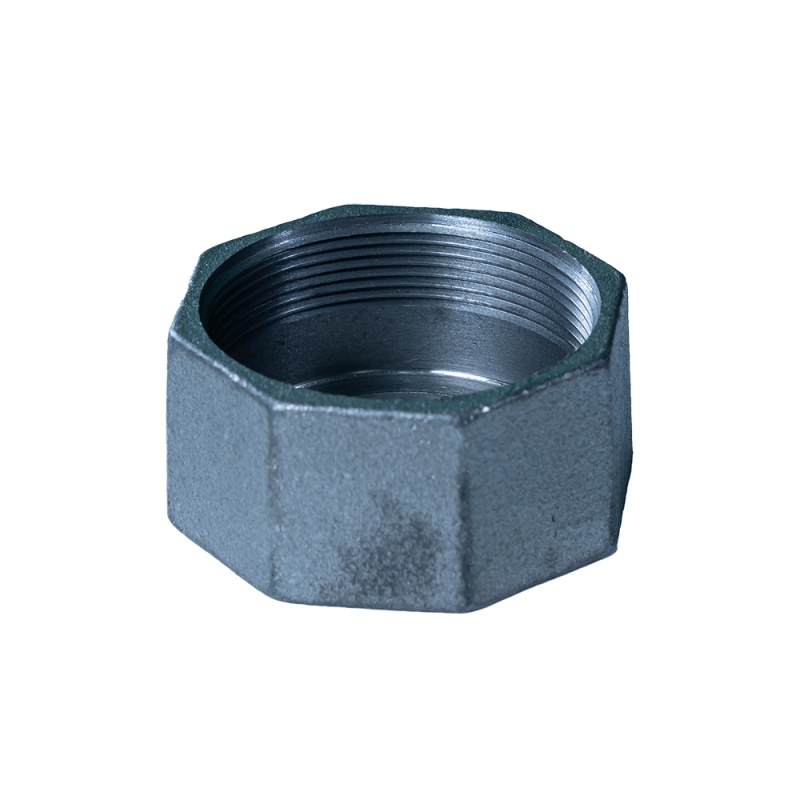
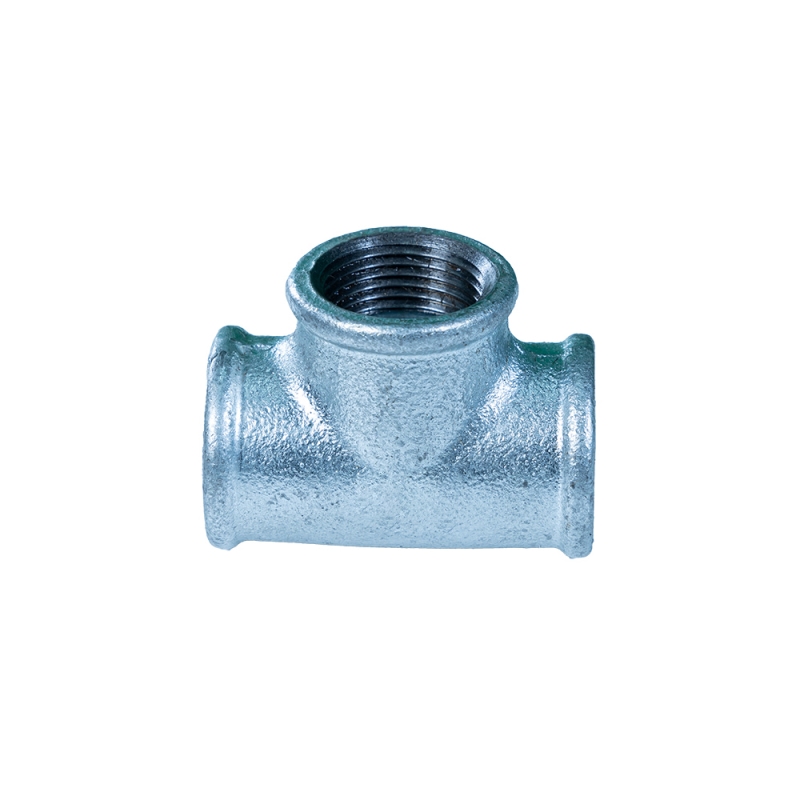
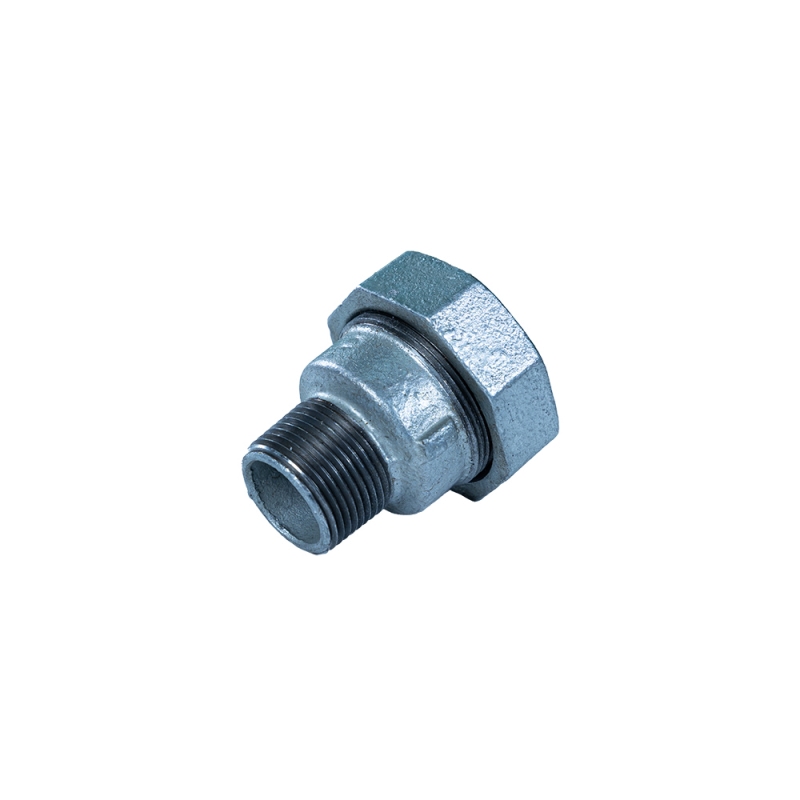
Figure 2: Quality control in manufacturing, critical for ensuring the reliability of galvanized steel plumbing components.
Vendor Comparison and Customized Solutions
Selecting the right supplier for galvanized steel pipe and related components like jointing pipes adapters is a critical decision that impacts project timelines, budget, and long-term system performance. A comprehensive vendor comparison should go beyond mere pricing.
Key Factors for Vendor Comparison:
- Quality Assurance & Certifications: Look for vendors who adhere to international standards (ISO 9001, CE, UL/FM for fire protection components, etc.) and provide verifiable test reports for their galvanized steel pipe products.
- Product Range & Customization: A reputable vendor offers a wide array of sizes, wall thicknesses, and end finishes, along with capabilities for customized solutions (e.g., pre-fabricated sections, specific coatings, or unique jointing pipes designs).
- Technical Support & Expertise: Access to engineering support, installation guidance, and troubleshooting assistance can be invaluable, especially for complex projects involving galvanized steel plumbing.
- Lead Time & Logistics: Efficient manufacturing processes, robust inventory management, and reliable global logistics ensure timely delivery, minimizing project delays.
- Reputation & References: Check for client testimonials, case studies, and industry reputation. A strong track record indicates reliability and customer satisfaction.
- Pricing & Value: While price is a factor, prioritize value over the lowest cost, considering product quality, service life, and support.
Customized Solutions:
Many projects require more than off-the-shelf products. Leading manufacturers often provide tailored solutions for galvanized steel pipe, including:
- Specific Lengths & Bends: Pre-cut lengths and custom bends reduce on-site fabrication, saving time and labor.
- Specialized Coatings: While hot-dip galvanization is standard, additional coatings (e.g., epoxy lining for enhanced internal protection in galvanized steel pipe for water applications) can be applied for extremely aggressive environments.
- Integrated Fittings & Adapters: Custom-designed or pre-assembled jointing pipes, flanges, and adapters ensure perfect compatibility and ease of installation.
- Pre-fabricated Modules: For large-scale industrial projects, complete pipe spools or modules can be factory-assembled and delivered, significantly shortening construction schedules.
Application Case Studies
Real-world applications demonstrate the practical advantages and reliability of galvanized steel pipe in diverse and demanding environments.
Case Study 1: Municipal Water Distribution Network Upgrade
A major metropolitan area undertook a significant upgrade of its aging water distribution infrastructure. The primary challenge was replacing corroded cast iron pipes with a durable, long-lasting solution that could handle high pressures and ensure the delivery of clean potable water. After extensive evaluation, galvanized steel pipe for water was chosen for its proven corrosion resistance, mechanical strength, and cost-effectiveness over a 50-year service life. The project utilized large-diameter galvanized steel pipe (DN300-DN600) with internal epoxy lining for added protection against tuberculation and external hot-dip galvanization. The adoption of specialized jointing pipes with flexible couplings facilitated quicker installation and accommodated minor ground shifts, reducing future maintenance. The project resulted in a 30% reduction in water leakage rates and significantly improved water quality metrics within two years of completion.
Case Study 2: Industrial Cooling Water System for a Power Plant
A thermal power plant needed to replace its cooling water intake and discharge lines, which were suffering from severe external corrosion due to proximity to a coastal environment. The previous carbon steel pipes required frequent painting and repair. The engineering team opted for heavy-duty galvanized steel plumbing, specifically hot-dip galvanized pipes with a minimum zinc coating thickness of 85 µm. The strength of the galvanized steel pipe allowed for fewer support structures, simplifying the installation. Pre-fabricated sections with customized flanges and bends were supplied, leading to a 20% reduction in on-site welding and fabrication time. Regular inspections over five years have shown no signs of significant corrosion, demonstrating the superior performance and reduced operational expenditure compared to the previous system.
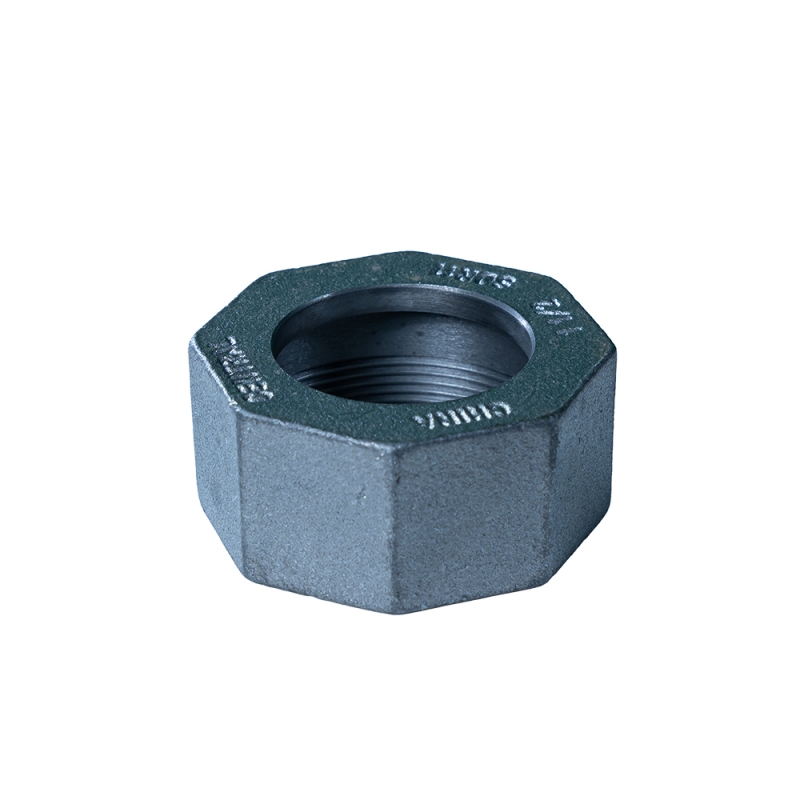
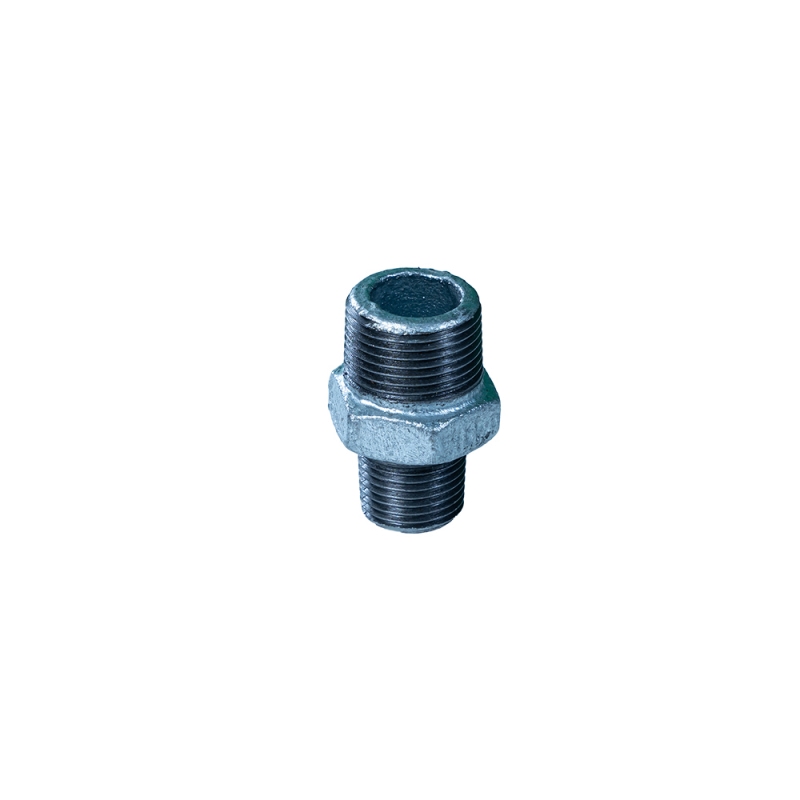
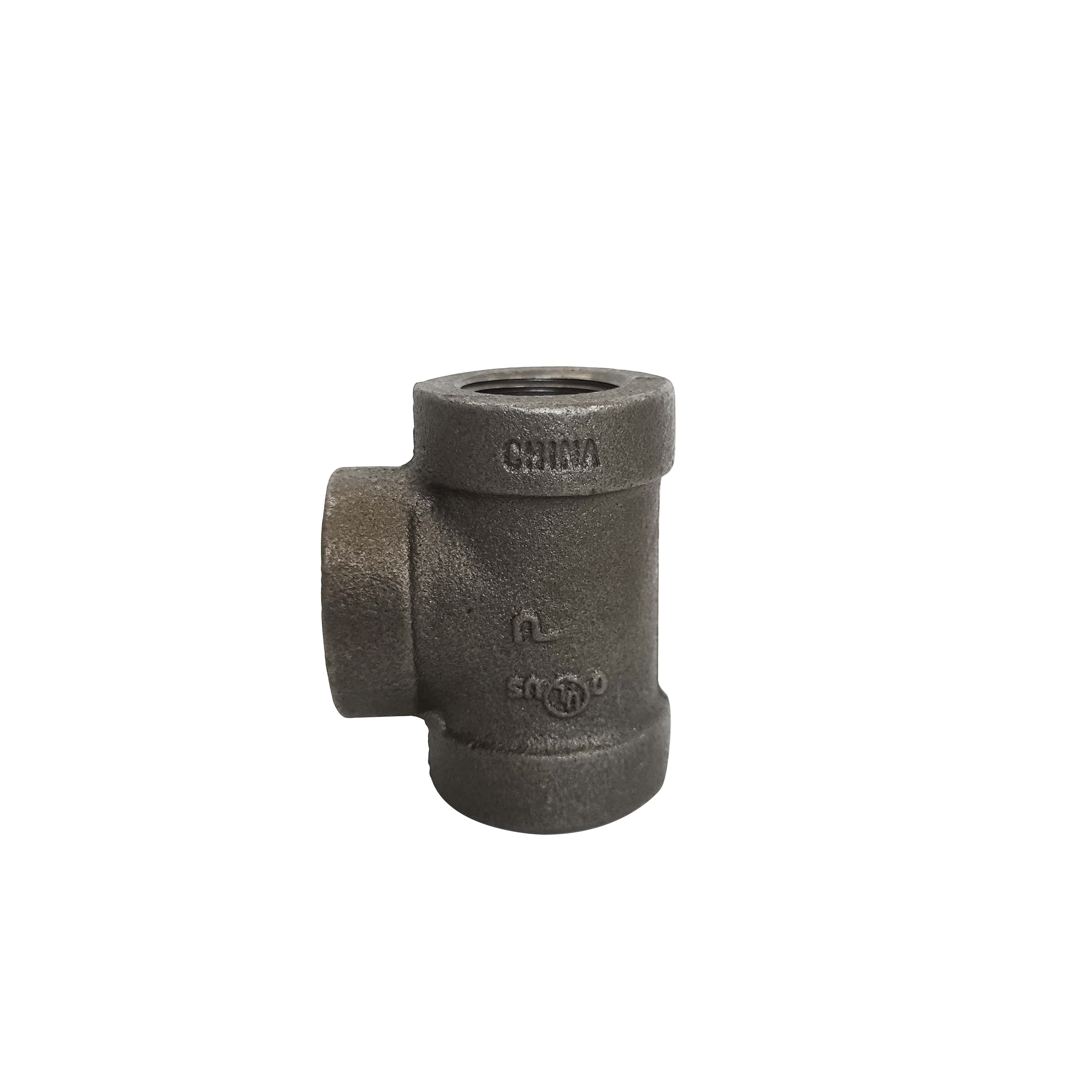
Figure 3: Advanced manufacturing techniques ensuring the high-quality output of pipe fittings for galvanized systems.
Ensuring Trustworthiness: FAQ, Lead Time, Warranty & Support
Frequently Asked Questions (FAQ) about Galvanized Steel Pipe:
Q1: Is galvanized steel pipe safe for potable water?
A1: Yes, when manufactured to relevant standards like ASTM A53 and certified by bodies such as NSF International for potable water applications, galvanized steel pipe for water is safe. Modern galvanizing processes ensure minimal zinc leaching and high water quality. However, local plumbing codes should always be consulted.
Q2: What is the typical service life of galvanized steel pipe?
A2: The service life of hot-dip galvanized steel pipe can range from 25 to over 70 years, depending on environmental conditions (e.g., pH of water, atmospheric corrosivity, abrasion). In benign conditions, it often exceeds 50 years.
Q3: Can galvanized pipes be welded?
A3: Welding galvanized steel pipe is possible but requires specific precautions due to the zinc coating. The heat of welding vaporizes the zinc, producing zinc oxide fumes, which are hazardous if inhaled. Proper ventilation and personal protective equipment are mandatory. Post-weld, the exposed area must be re-coated (e.g., with zinc-rich paint) to restore corrosion protection.
Q4: What are the best jointing methods for galvanized steel plumbing?
A4: Common methods for galvanized steel plumbing include threaded connections (using couplings and sealants), grooved mechanical couplings, flanged connections, and specialized compression fittings for smaller diameters. The choice depends on pressure rating, application, and ease of installation/disassembly.
Lead Time & Fulfillment:
Our standard lead times for galvanized steel pipe products typically range from 2-4 weeks for common sizes and specifications, with expedited options available for urgent projects. Custom orders or large volumes may require 6-8 weeks, depending on complexity and production schedules. We maintain a robust inventory of raw materials and popular finished products to ensure efficient order fulfillment and prompt delivery through our established logistics network, capable of handling global shipments.
Warranty Commitments:
We stand behind the quality of our galvanized steel pipe and related products. All products are covered by a comprehensive warranty against manufacturing defects and material failures under normal operating conditions. The typical warranty period is 12-24 months from the date of delivery, subject to our standard terms and conditions. Specific warranty details are provided with each quotation and order confirmation.
Customer Support Information:
Our dedicated customer support team is available to assist with technical inquiries, order tracking, and after-sales service. For immediate assistance, please contact us via the details provided on our website. We offer expert technical consultations to ensure optimal product selection and application for your specific project requirements, ensuring seamless integration of our galvanized steel pipe solutions.
Authoritativeness, Expertise, and Certifications
Our commitment to excellence in manufacturing and supply of galvanized steel pipe is underscored by adherence to stringent international standards, robust quality management systems, and a track record of successful partnerships.
Certifications and Quality Management:
- ISO 9001:2015 Certified: Our manufacturing facilities operate under a certified Quality Management System, ensuring consistent product quality from raw material inspection to final delivery of galvanized steel pipe.
- CE Marking: Products conform to the essential health and safety requirements of European directives, allowing free movement within the European Economic Area.
- ASTM and EN Compliance: All galvanized steel pipe products are manufactured and tested in strict accordance with relevant ASTM (e.g., A53, A123) and EN (e.g., EN 10255, EN 10219, EN 10240) standards, ensuring performance reliability and interchangeability.
- UL/FM Approval (for Fire Protection): Specific products for fire protection systems carry UL Listing and FM Approvals, signifying rigorous testing for safety and performance.
Industry Experience and Partner Clients:
With over two decades of dedicated service in the industrial piping sector, we have supplied high-quality galvanized steel pipe solutions to a global clientele. Our partners include leading engineering firms, major construction contractors, and prominent industrial operators in petrochemical, energy, water treatment, and infrastructure development. This extensive experience has equipped us with profound expertise in addressing complex project requirements and delivering tailored solutions that exceed client expectations.
Comparative Data: Zinc Coating Standards
The performance of galvanized steel pipe largely depends on the quality and thickness of its zinc coating. Different international standards specify varying minimum coating weights and thicknesses, which directly correlate to corrosion protection and service life. Below is a comparison of key hot-dip galvanizing standards:
| Standard | Application | Minimum Average Coating Thickness (µm) | Minimum Average Coating Weight (g/m²) |
|---|---|---|---|
| ISO 1461 | Fabricated steel articles (General) | 45-85 (depending on steel thickness) | 320-610 |
| ASTM A123/A123M | Iron and Steel Products (General) | 61-100 (depending on steel thickness) | 430-700 |
| EN 10240 | Steel tubes for galvanized coatings | 55 (type A.1 - external, internal); 70 (type A.2 - external, internal for specified applications) | 390; 500 |
| ASTM A53 (Type F, E, S) | Pipe, Steel, Black and Hot-Dipped, Zinc-Coated, Welded and Seamless | Minimum 45 (for NPS 1/2 to NPS 2) - 61 (for NPS 2-1/2 and larger) | Minimum 320 (for NPS 1/2 to NPS 2) - 430 (for NPS 2-1/2 and larger) |
These standards highlight the varying levels of protection offered and are critical for selecting the appropriate galvanized steel pipe for specific environmental and application demands.
Conclusion
The strategic application of galvanized steel pipe continues to be a cornerstone for reliable, long-term infrastructure projects across diverse industries. Its inherent strength, combined with the unparalleled corrosion protection offered by hot-dip galvanization, ensures a cost-effective and durable solution for fluid conveyance, structural support, and fire protection systems. By understanding the intricate manufacturing processes, adhering to rigorous technical specifications, and partnering with reputable suppliers, businesses can leverage the full potential of galvanized steel pipe to build robust, sustainable, and high-performance systems for the future.
References:
- American Society for Testing and Materials (ASTM). ASTM A53/A53M - 20a: Standard Specification for Pipe, Steel, Black and Hot-Dipped, Zinc-Coated, Welded and Seamless. ASTM International.
- International Organization for Standardization (ISO). ISO 1461:2022: Hot-dip galvanized coatings on fabricated iron and steel articles — Specifications and test methods. ISO.
- European Committee for Standardization (CEN). EN 10255:2004: Non-alloy steel tubes suitable for welding and threading — Technical delivery conditions. BSI.
- American Galvanizers Association. The Durability of Hot-Dip Galvanizing in the United States and Canada. AGA.
Post time: Sep-12-2025