
Understanding the Critical Role of Equal Tee Fittings in Modern Infrastructure
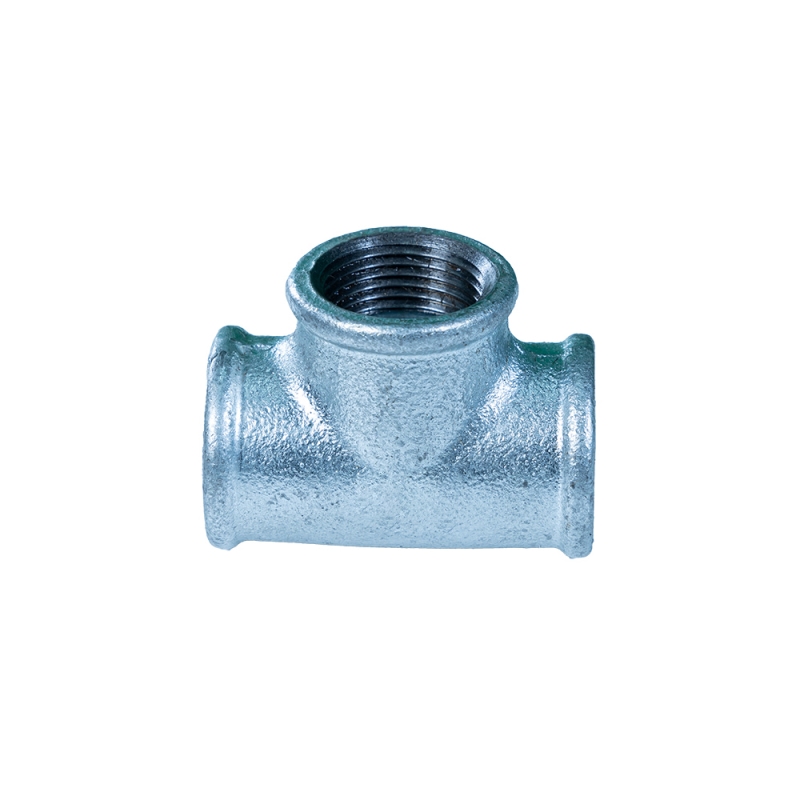
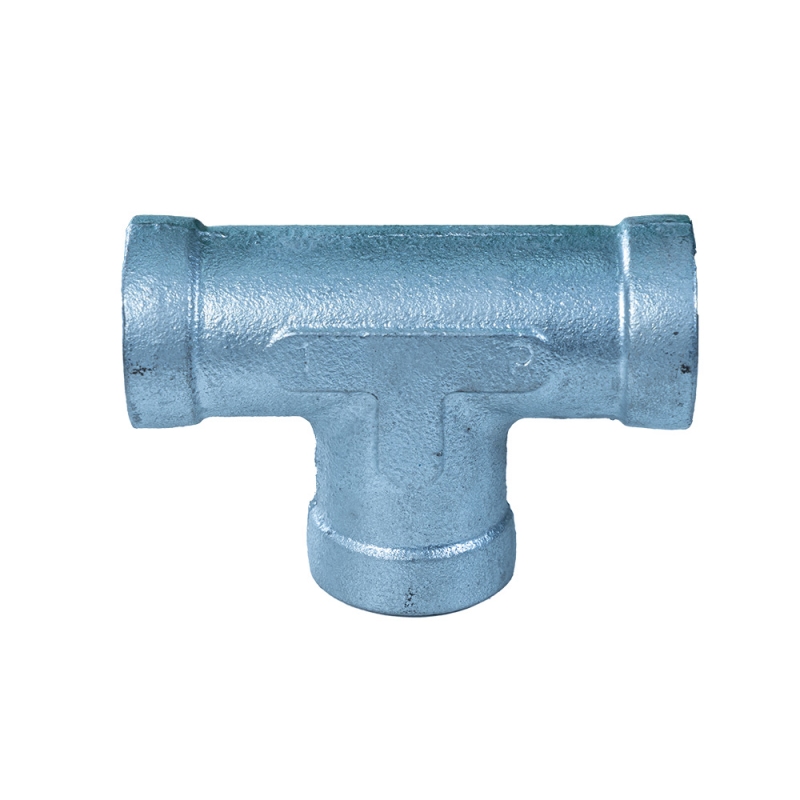
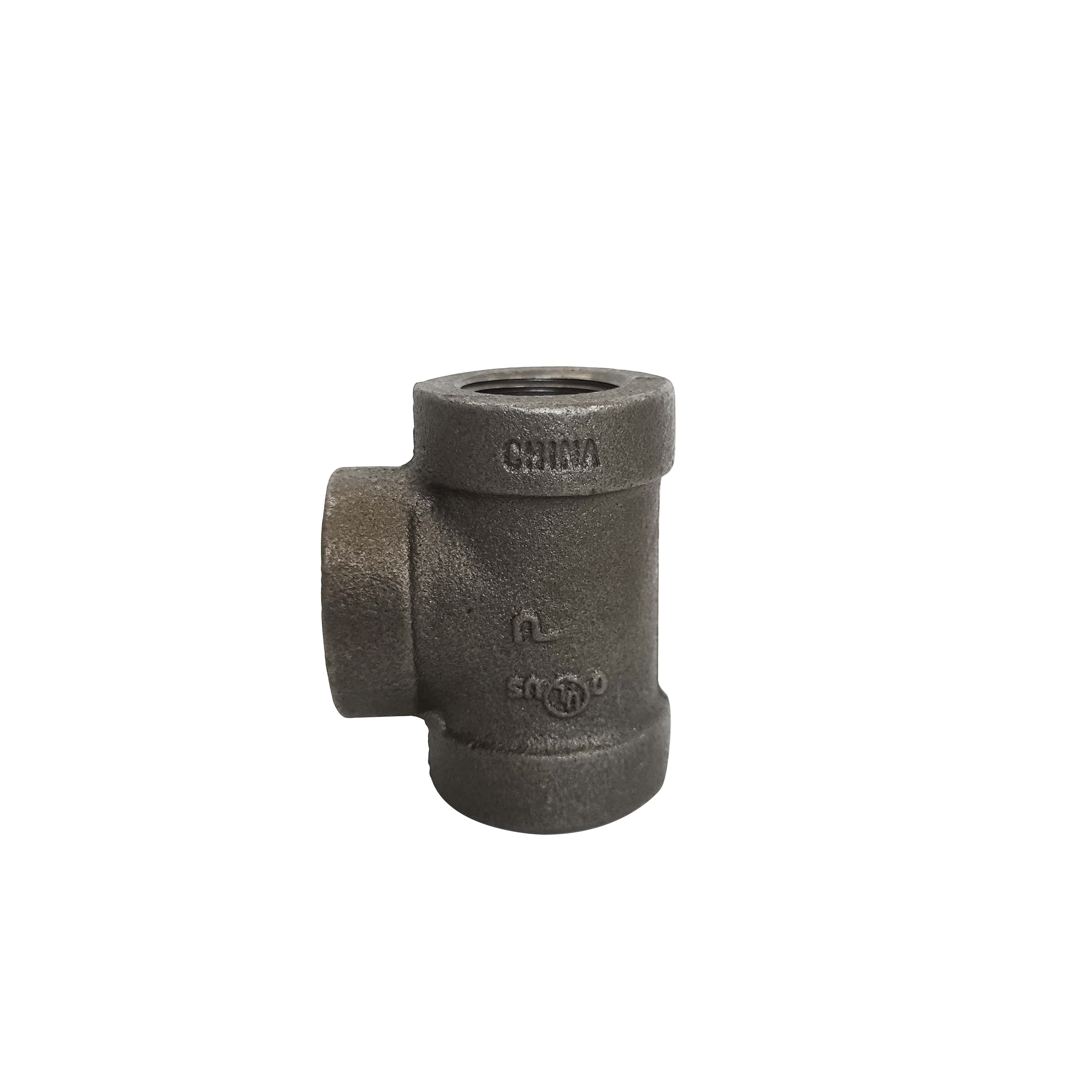
In the vast landscape of industrial piping systems, the integrity and efficiency of fluid transport rely heavily on robust, high-performance components. Among these, the equal tee fitting stands out as a foundational element. This crucial pipe fitting is designed to split or combine fluid flow in a piping system, creating a branch line that is equal in diameter to the main run. Its symmetrical design ensures balanced flow distribution, minimizing turbulence and pressure drops, which is vital for maintaining system efficiency and longevity. The importance of selecting a superior-quality equal tee cannot be overstated, as it directly impacts system safety, operational costs, and environmental compliance across diverse sectors, from complex petrochemical plants to essential water distribution networks.
The demand for reliable pipe fittings, including the equal tee, is driven by continuous expansion and modernization of infrastructure globally. Industry trends point towards a growing emphasis on materials like ductile iron for their superior strength and corrosion resistance, coupled with advanced manufacturing processes that ensure precision and consistency. The market is also witnessing a shift towards fittings that offer enhanced installation speed, such as grooved systems, which significantly reduce labor costs and downtime. This evolution underscores a commitment to not just functional, but also highly efficient and sustainable fluid management solutions.
Craftsmanship Explained: The Manufacturing Process of a Superior Equal Tee
Producing a high-quality equal tee pipe fitting involves a meticulous multi-stage manufacturing process, ensuring each piece meets stringent performance and durability standards. The journey begins with the careful selection of raw materials, typically high-grade ductile iron for its excellent strength-to-weight ratio, impact resistance, and machinability. Ductile iron's unique microstructure, characterized by spherical graphite nodules, gives it superior ductility and fatigue resistance compared to grey cast iron. This material choice is crucial for fittings expected to withstand high pressures and varying environmental conditions in demanding applications like fire protection systems or industrial fluid transfer.
The core manufacturing steps usually involve precision casting or forging, followed by advanced machining. For ductile iron fittings, lost foam casting or sand casting processes are common. In casting, molten metal is poured into a mold cavity shaped like the equal tee fitting. After solidification, the casting undergoes a series of crucial post-processing steps. This includes heat treatment to optimize mechanical properties, deburring, and surface preparation. Modern CNC machining is then employed to achieve precise dimensions, especially for critical features like grooved ends or threaded connections, ensuring perfect fit and leak-proof seals.
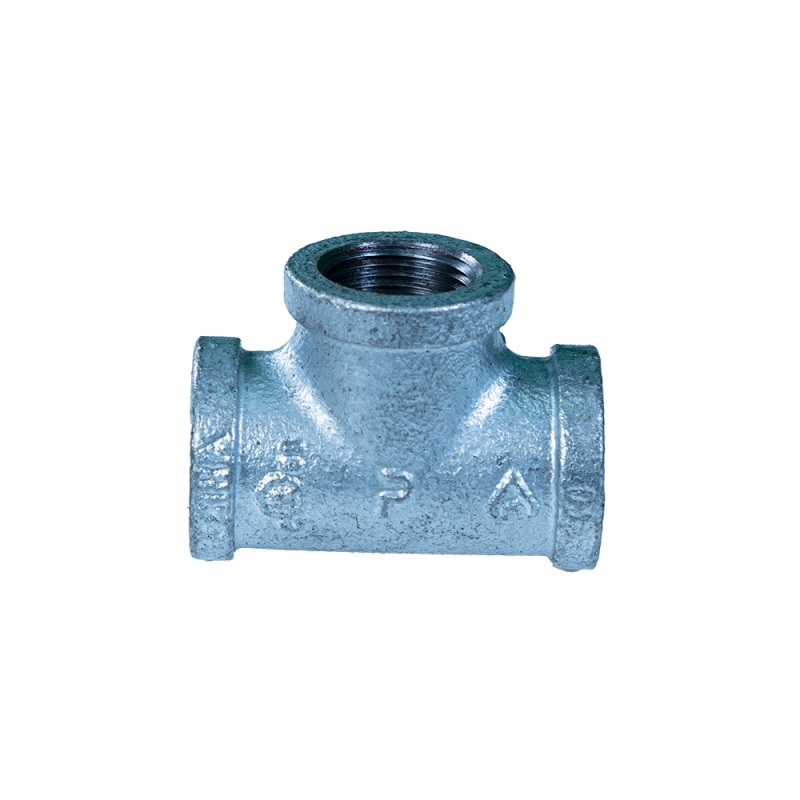
Quality control is integrated at every stage. Products are subjected to rigorous testing, including hydrostatic pressure tests to verify structural integrity and leak resistance, dimensional checks using precision gauges, and material composition analysis. Adherence to international standards such as ISO 9001 for quality management systems, ANSI/AWWA C606 for grooved pipe joining systems, and specific product standards like UL 213 and FM 1630 for fire protection fittings, ensures reliability. A well-manufactured equal tee boasts an extended service life, often exceeding 50 years, significantly reducing maintenance frequency and operational costs in sectors like petrochemical, metallurgy, mining, water supply, and drainage systems, contributing to energy saving and superior corrosion resistance.
Technical Specifications and Parameters of Equal Tee Fittings
Understanding the technical parameters of an equal tee is essential for proper system design and selection. These fittings are specified by several key attributes, including nominal pipe size (NPS), pressure rating, material grade, and end connection type (e.g., grooved, threaded, or flanged). For example, a 22mm equal tee or a 15mm equal tee indicates the nominal diameter for all three openings, ensuring compatibility with corresponding pipe sizes. Pressure ratings, often denoted in PSI (pounds per square inch) or bar, dictate the maximum internal pressure the fitting can safely withstand. For grooved fittings, common pressure ratings can extend up to 300 PSI or even 1000 PSI for specific applications.
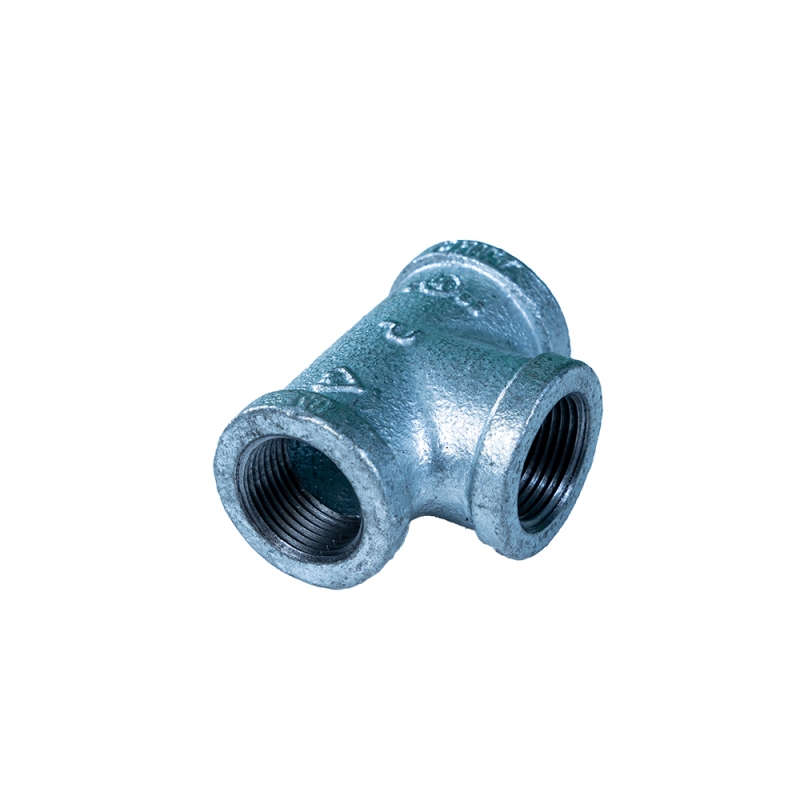
The table below provides a typical overview of common parameters for ductile iron equal tee fittings, offering a general guide for technical professionals. These values can vary slightly between manufacturers and specific product lines, particularly when considering specialized applications or adherence to specific regional standards. Always consult manufacturer datasheets for precise specifications relevant to a particular product.
Applications and Technical Advantages of UL and FM Certificated Equal Tee
The UL and FM certificated Equal Tee from Pannext Fittings exemplifies the pinnacle of reliability required in critical infrastructure. These certifications are not merely stamps of approval; they represent rigorous testing and adherence to the highest safety and performance standards established by Underwriters Laboratories (UL) and FM Approvals, particularly vital for fire protection systems. Their use ensures that the fitting will perform as expected under extreme conditions, including high pressure and thermal stress, which is paramount in safeguarding lives and property.
The primary application for these robust equal tee fittings is in commercial and industrial fire sprinkler systems. Here, reliable, leak-proof connections are non-negotiable. Beyond fire protection, their versatility extends to HVAC systems, industrial process piping for water and non-corrosive fluids, and mining applications where high-pressure fluid transfer is common. The grooved end design, in particular, offers significant installation advantages, enabling rapid assembly without the need for welding, thereby reducing labor costs and eliminating the risks associated with hot work. This leads to substantial project time savings and enhanced worker safety on site.
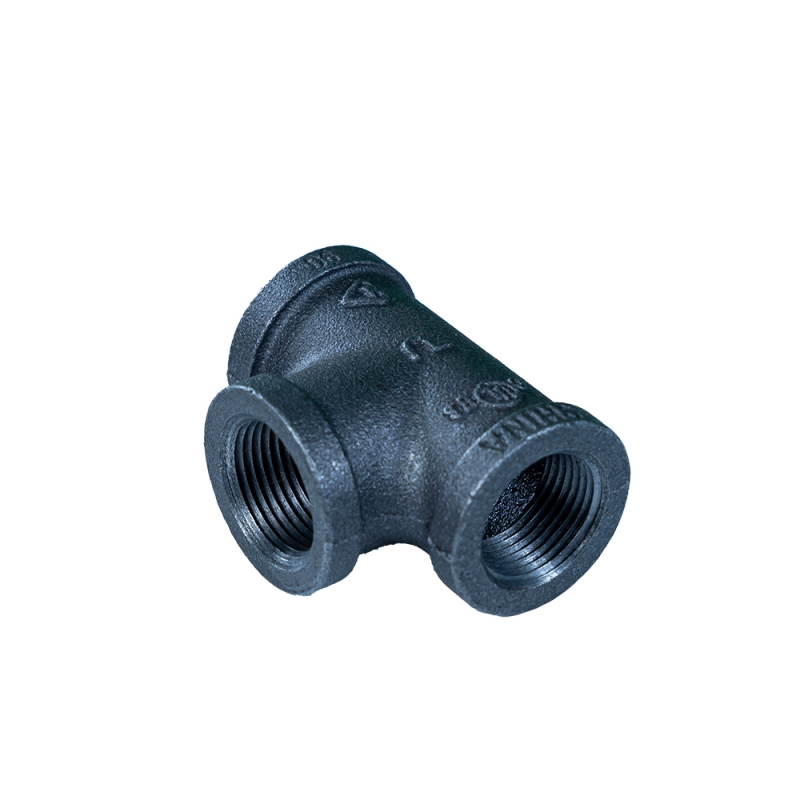
Key technical advantages include their superior mechanical properties derived from ductile iron construction, which provides excellent tensile strength and resistance to impact. The precision-machined grooves ensure a perfect fit with standard grooved couplings, facilitating a flexible yet secure joint that can absorb vibration and accommodate thermal expansion and contraction. Furthermore, the internal and external coatings, such as electroplated zinc or epoxy, provide enhanced corrosion resistance, extending the fitting's operational lifespan in various environments and reducing the likelihood of galvanic corrosion when connected to different pipe materials. This comprehensive design and certified quality contribute to long-term system integrity and operational efficiency.
Manufacturer Comparison and Customized Solutions
When sourcing equal tee pipe fittings, B2B decision-makers must consider not just product specifications but also manufacturer capabilities. Key differentiators include the extent of industry certifications (UL, FM, ISO, CE), the breadth of product lines offered, commitment to R&D, and the ability to provide customized solutions. A reputable manufacturer, like Pannext Fittings, distinguishes itself by transparently providing detailed technical data, offering comprehensive post-sales support, and demonstrating a long-standing track record of reliability and customer satisfaction. Their adherence to international quality standards for their UL and FM certificated equal tee ensures that every product leaving their facility meets the highest benchmarks for performance and safety.
Customized solutions are increasingly important for projects with unique spatial constraints, pressure requirements, or material compatibility needs. This might involve designing a non-standard equal tee 22mm or a larger diameter fitting with specific coating requirements. Manufacturers capable of advanced engineering, such as 3D modeling and finite element analysis (FEA), can develop bespoke fittings that integrate seamlessly into complex systems. This collaborative approach allows clients to achieve optimal system performance and cost-efficiency, moving beyond off-the-shelf components to tailored solutions that address precise project demands. Always inquire about a manufacturer's design and prototyping capabilities, as this reflects their dedication to comprehensive client service.
Real-World Application Cases and Client Trust
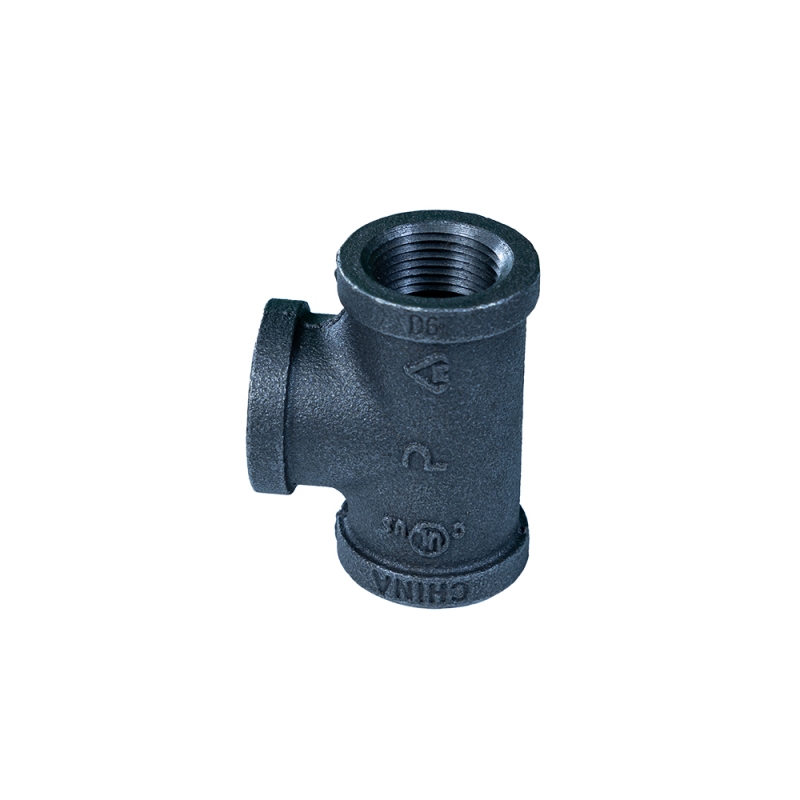
The practical application of a reliable equal tee can be seen across various critical infrastructure projects. For instance, in a large-scale data center complex in Singapore, the fire suppression system utilized thousands of UL and FM certificated grooved fittings, including numerous equal tees. The speed of installation afforded by the grooved technology significantly reduced the overall construction timeline, while the certifications provided the assurance required for such a high-value asset. Feedback from the lead contractor highlighted the ease of assembly and the consistent quality of the fittings, which contributed to a smooth project delivery and successful system commissioning.
Another compelling example is a municipal water treatment plant expansion in Europe, where the demand for a durable and corrosion-resistant equal tee fitting was paramount for the new pipeline sections. Here, ductile iron fittings with specialized epoxy coatings were chosen due to their proven resistance to aggressive water chemistries and long service life, minimizing maintenance needs. The project manager noted that the consistent dimensional accuracy of the fittings facilitated seamless integration with existing infrastructure, preventing costly delays. These scenarios underscore how certified, high-quality fittings are not just components but critical enablers for successful, long-term operational integrity and cost-effectiveness in demanding environments.
Frequently Asked Questions (FAQ)
Addressing common inquiries helps establish trust and clarity for B2B partners.
Q1: What does UL and FM certification mean for an equal tee?
A1: UL (Underwriters Laboratories) and FM (FM Approvals) certifications signify that the equal tee has undergone rigorous testing by independent, accredited organizations and meets their stringent safety and performance standards, especially for fire protection systems. This ensures reliability, durability, and compliance with industry codes, providing critical assurance for engineers and installers.
Q2: What are the typical lead times for large orders of equal tee fittings?
A2: For standard equal tee fittings, lead times typically range from 3-6 weeks, depending on order volume and current production schedules. For customized or highly specialized fittings, lead times may extend to 8-12 weeks due to design, prototyping, and tooling requirements. We recommend contacting our sales team for precise lead time estimates tailored to your project needs.
Q3: What kind of warranty is offered on your UL and FM certificated equal tee?
A3: Our UL and FM certificated equal tee fittings come with a comprehensive 10-year limited warranty against manufacturing defects and material failures under normal operating conditions. This commitment reflects our confidence in the quality and longevity of our products. Detailed warranty terms are available upon request.
Q4: Can these equal tees be used in corrosive environments?
A4: Yes, our ductile iron equal tee fittings are designed for durability. For highly corrosive environments, we offer fittings with specialized protective coatings such as epoxy powder coating or hot-dip galvanization. These coatings provide an additional barrier against chemical degradation and galvanic corrosion, significantly extending the product's lifespan. Please consult our technical team to determine the most suitable coating for your specific application.
Conclusion and Future Outlook
The equal tee, particularly those with UL and FM certifications, is a cornerstone component for reliable fluid handling systems across various industries. Its role in ensuring efficient flow distribution and maintaining system integrity cannot be overstated. As global infrastructure continues to evolve, the demand for pipe fittings that offer enhanced performance, easier installation, and superior longevity will only grow. Innovations in material science, manufacturing automation, and protective coatings will continue to refine these essential components, pushing the boundaries of what is possible in fluid conveyance.
Choosing a manufacturer with a proven track record of quality, certifications, and comprehensive customer support is paramount for B2B buyers. The emphasis on robust testing, transparent data, and the ability to deliver customized solutions ensures that the equal tee fittings integrated into your projects will not only meet but exceed expectations, contributing to safer, more efficient, and sustainable operations for decades to come.
References
- Underwriters Laboratories (UL) Standards for Safety.
- FM Global Data Sheets and Approval Standards.
- ASTM International Standards for Ductile Iron Castings.
- American Water Works Association (AWWA) Standards.
- International Organization for Standardization (ISO) documents on quality management.
Post time: Aug-11-2025