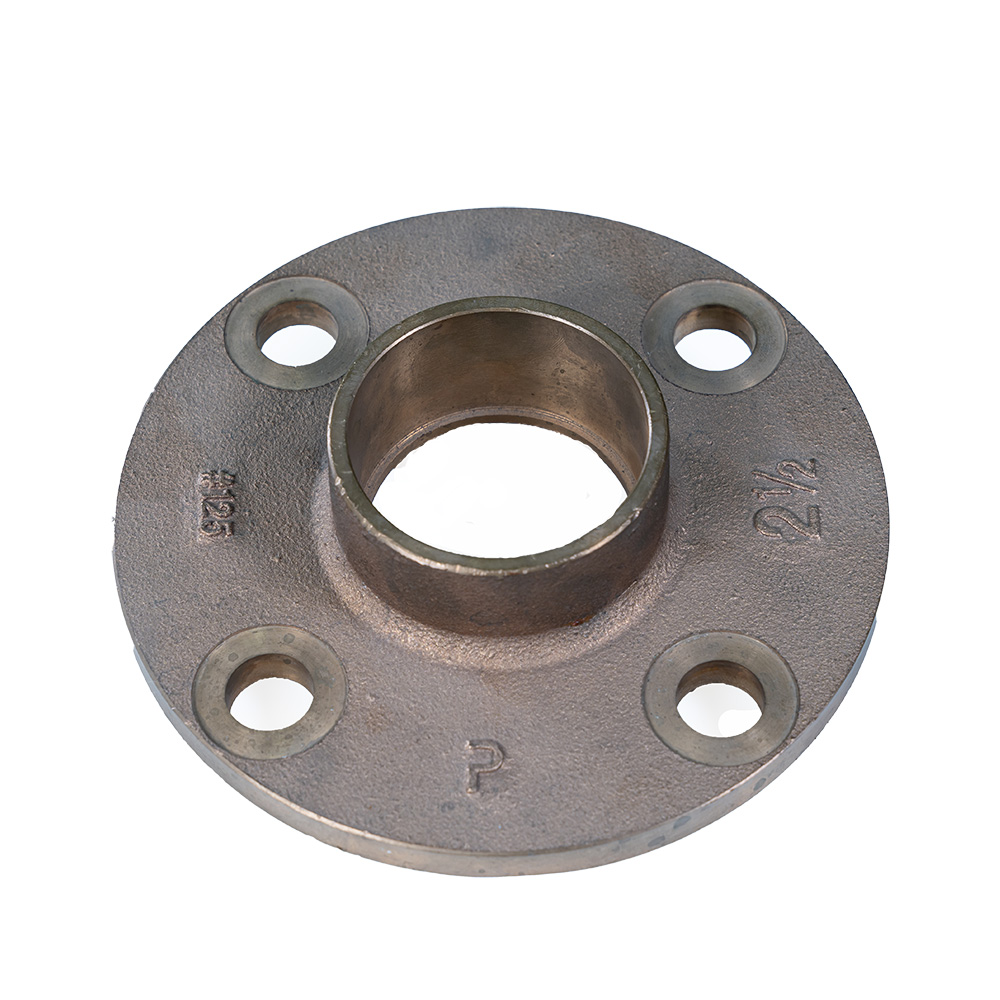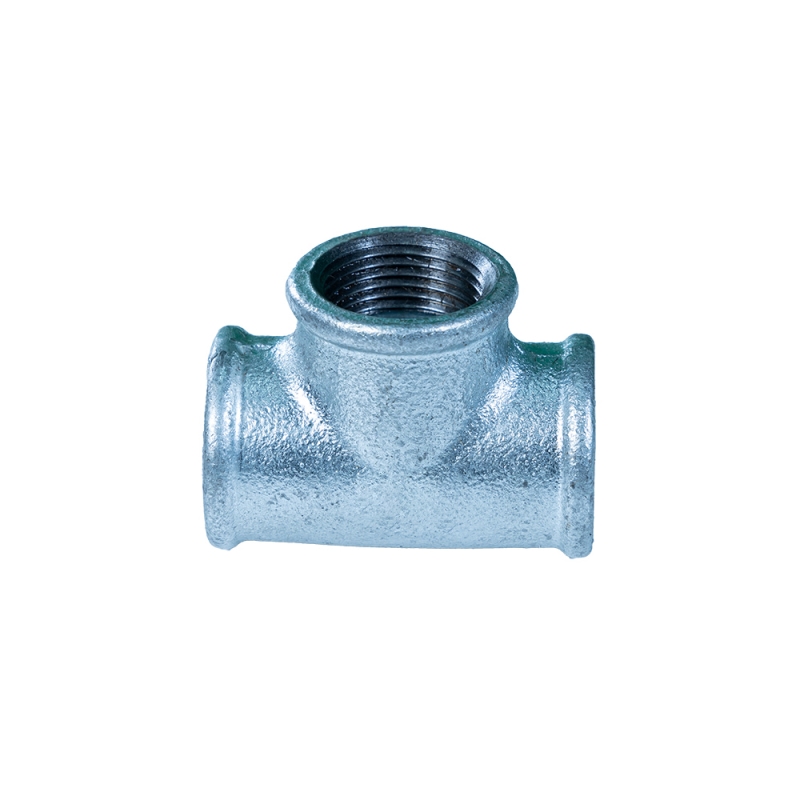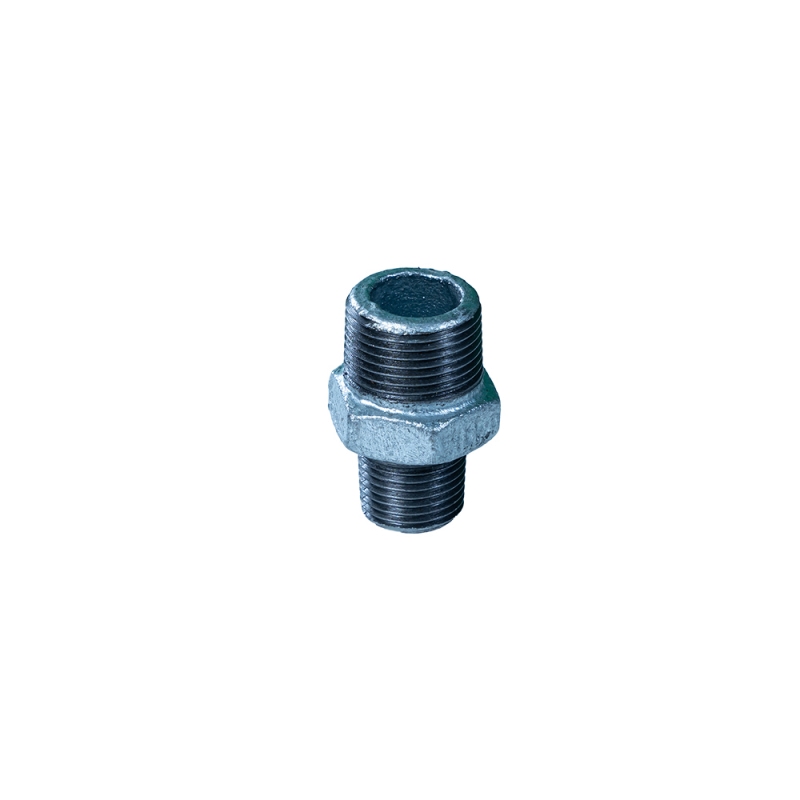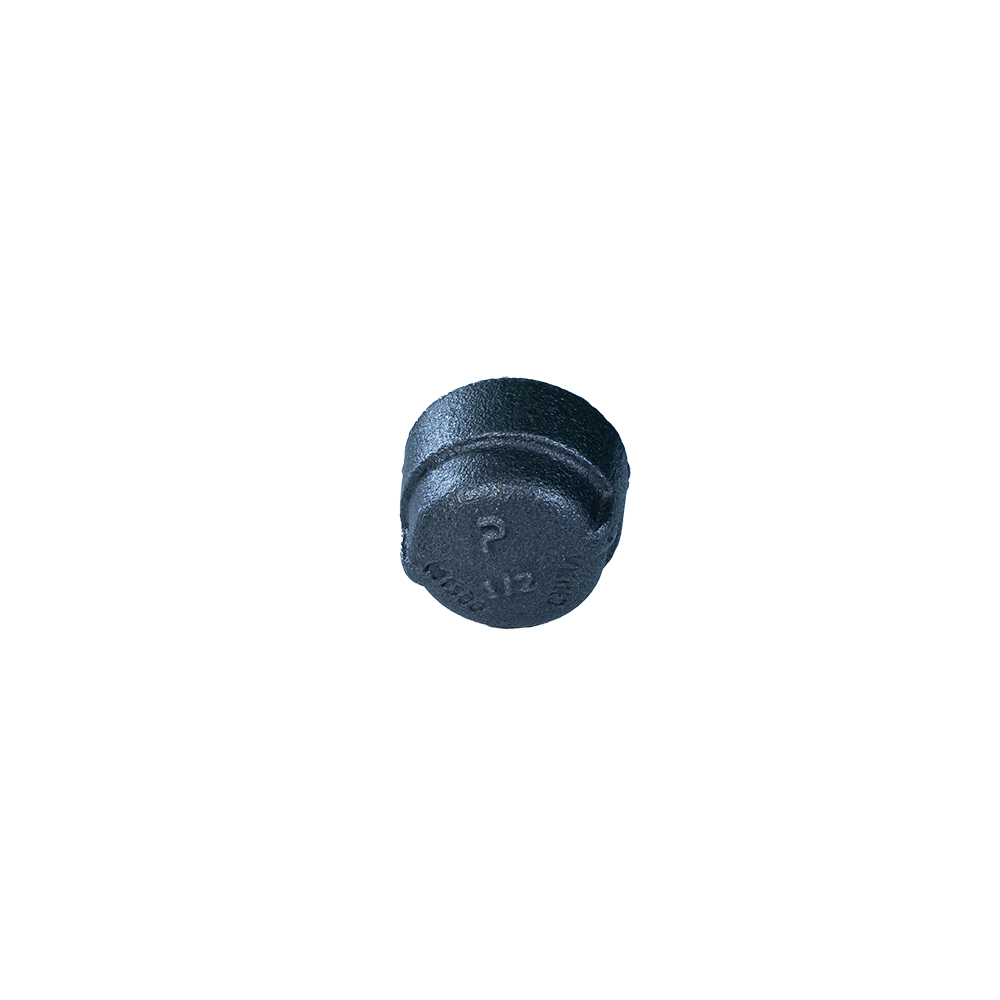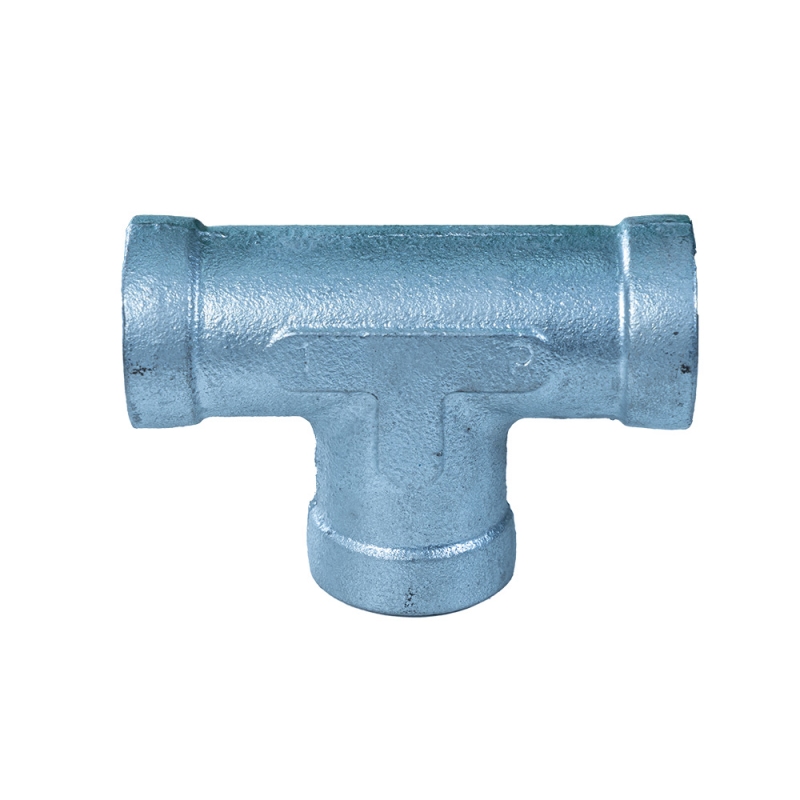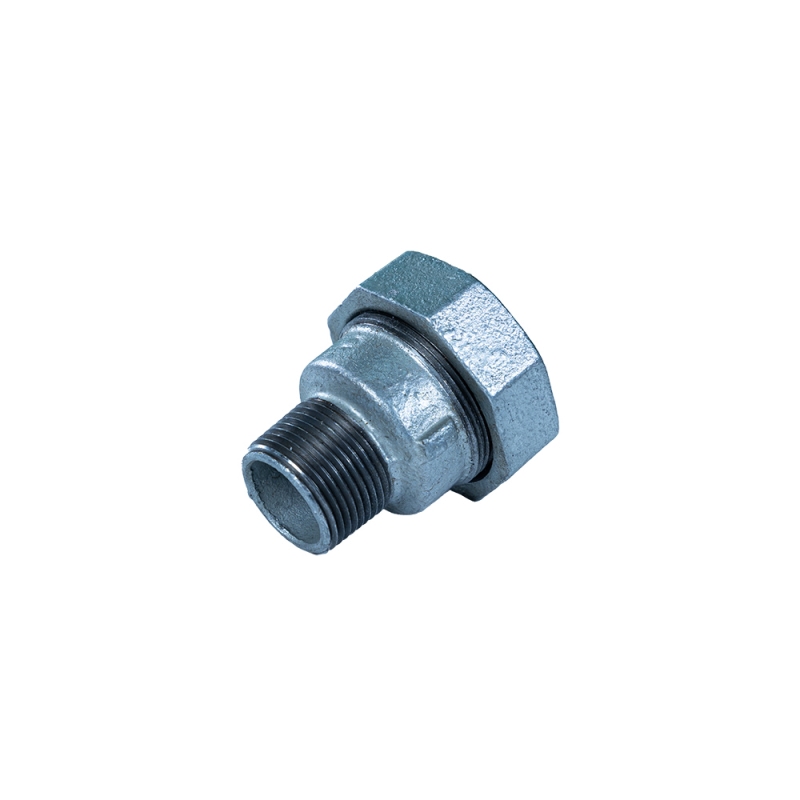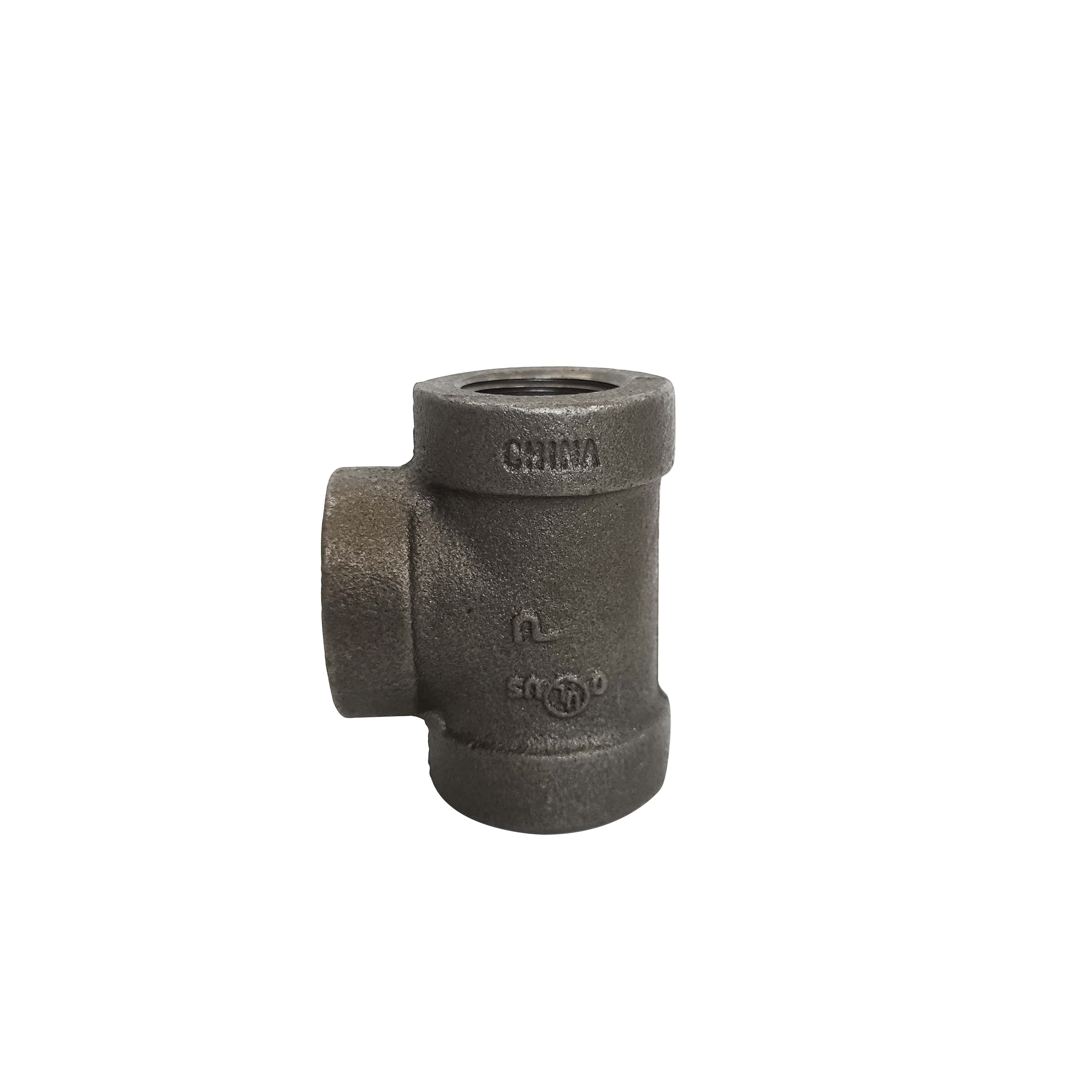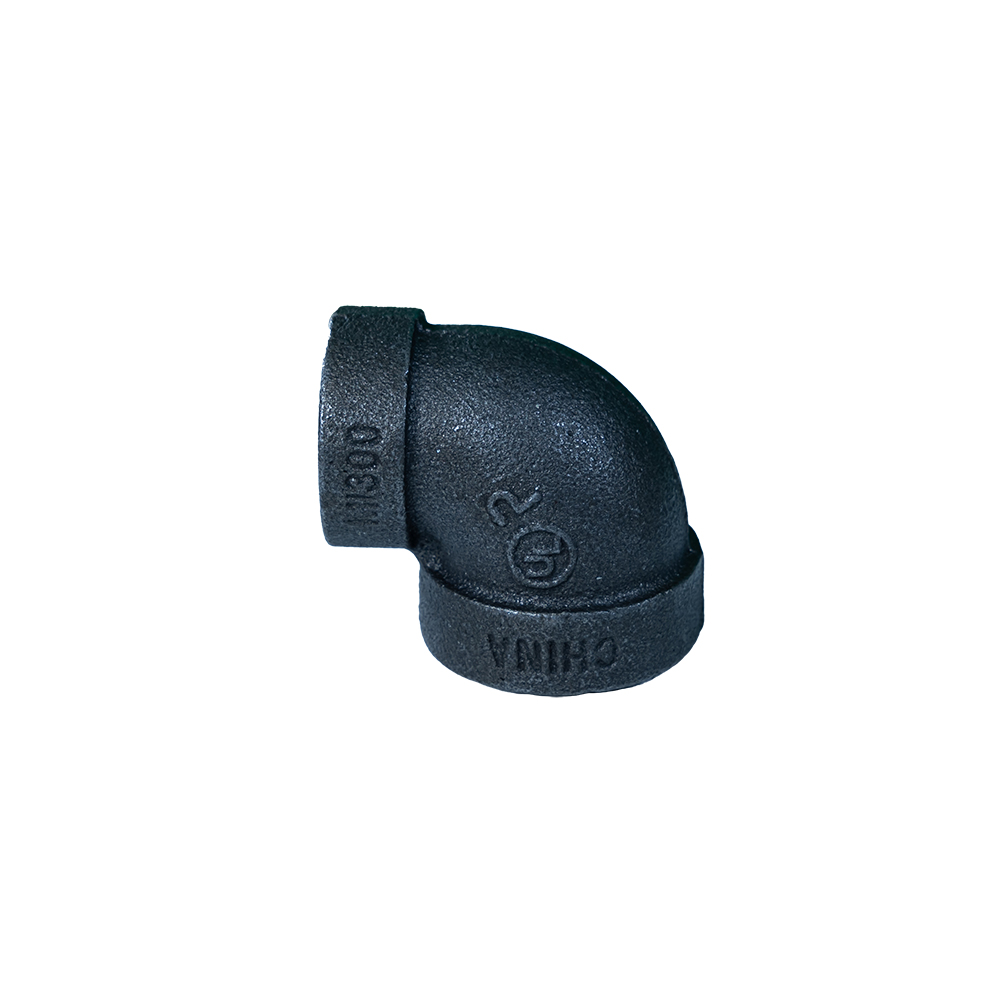

Understanding Threaded Union Fittings: The Small Part with a Big Impact
Threaded union fittings might sound niche, but they’re absolutely key players in industries worldwide — from plumbing and manufacturing to disaster relief and energy infrastructure. Knowing what they are and how they work offers more than just technical know-how; it connects us to the heart of efficient, reliable, and scalable systems that countless communities and businesses depend upon every day.
Global Context: Why Threaded Union Fittings Matter
Worldwide, infrastructure development continues at breakneck speed. The World Bank reports that trillions of dollars are needed globally over the next decades to upgrade water systems, industrial facilities, and energy networks. Threaded union fittings, tiny as they are, solve a big challenge: connecting pipes and components rapidly and securely, so systems run safely and can be maintained without shutdowns.
Take water supply systems in emerging markets, for instance. Leaks and corrosion cause huge losses and service disruptions. Using quality threaded union fittings offers a practical fix, providing sealed, durable joints that help conserve water and improve reliability. That’s not just a mechanical issue — it’s a human one.
Mini takeaway: Threaded union fittings help keep infrastructure safe and efficient in a world speeding toward modernization and sustainability goals.What Exactly Is a Threaded Union Fitting?
In simple terms, a threaded union fitting is a pipe connector that joins two pipes but can be disconnected easily without twisting the pipes themselves. Think of it like a quick-release coupling with internal screw threads. Unlike welded fittings, unions allow for quick maintenance, repair, or reconfiguration, which is invaluable in complex piping systems.
They play an essential role in manufacturing lines, chemical plants, and even humanitarian emergency setups where rapid deployment and sturdiness are critical. So, the meaning of a “threaded union fitting” extends beyond a mere part: it’s a practical solution to flexibility and durability in pipework.
Core Components and Key Factors
Durability
Most threaded union fittings are made from stainless steel, brass, or high-grade plastics. This ensures resistance to corrosion, high pressure, and temperature changes. For example, in offshore oil rigs, stainless steel variants hold up against seawater and rough conditions.
Ease of Installation
Threaded unions save time because you don’t need welders or special equipment. Whether in a remote industrial zone or a rapidly constructed flood relief camp, they get systems up quickly.
Sealing Efficiency
Using the right thread sealant or PTFE tape, unions create leak-tight joints which prevent costly loss of fluids or gases. This sealing performance can be critical in medical gas lines or hazardous chemical transport.
Cost Efficiency
While not the cheapest option outright, the savings on maintenance, reduced downtime, and flexibility often lead to lower whole-life costs.
Compatibility & Versatility
They come in numerous sizes and materials, adaptable to almost any pipe standard or industry requirement—from HVAC to petrochemicals.
| Parameter | Value/Spec |
|---|---|
| Material | Stainless Steel 304 / Brass / Nylon |
| Pressure Rating | Up to 6000 psi (varies by size) |
| Temperature Range | -40°C to 200°C |
| Sizes Available | 1/8 inch to 4 inches |
| Thread Type | NPT, BSP, Metric (varies) |
Global Applications & Use Cases
- Water infrastructure in developing countries: For example, NGOs retrofitting water lines after natural disasters often use threaded unions for quick fixes in field conditions.
- Oil and Gas Industry: In the North Sea or Gulf of Mexico, these fittings connect pipe sections that carry oil, gas, or steam, where safety and quick disassembly are crucial.
- Manufacturing plants: Assembly lines with complex fluid transport use unions so sections can be replaced with minimal downtime.
- HVAC and refrigeration: Cooling systems rely heavily on unions for servicing compressors and valves without major disassembly.
Oddly enough, even in remote mining operations, they’re the unsung heroes, making equipment maintenance manageable in harsh environments.
Vendor Comparison for Threaded Union Fittings
| Vendor | Material Options | Price Range (USD) | Typical Applications | Lead Time |
|---|---|---|---|---|
| PanNext Fittings | Stainless Steel, Brass, Plastic | $5 - $50 per piece | Industrial, Plumbing, HVAC | 2-4 Weeks |
| GlobalPipe Co. | Steel, Brass only | $4 - $40 | Oil & Gas, Manufacturing | 3-6 Weeks |
| EcoFit Solutions | Plastic (Recycled), Brass | $3 - $35 | Water Systems, Environmental | 1-3 Weeks |
Advantages & Long-Term Value
Frankly, the appeal of threaded union fittings isn’t just technical. There’s a certain peace of mind knowing that a connection can be tightened or released without hassle — reducing outage risks and enabling fast fixes. For operators, that means trust in their infrastructure. For users, it means consistent service — clean water, stable heat, reliable energy.
- Cost saving: Less equipment downtime translates directly to saved operational costs.
- Environmental benefits: Leak prevention reduces wastage and pollution.
- Social impact: In humanitarian projects, they enable quick assembly of safe water and sanitation systems, enhancing dignity and health.
Emerging Trends & Innovations
The future looks bright with innovations like smart threaded unions embedded with sensors for leak detection or remote monitoring. Materials science is pushing toward lighter, stronger alloys and more sustainable polymers. Digital transformation even enables better ordering, specification, and lifecycle tracking, all of which improve efficiency and reduce waste.
Green energy projects, such as hydrogen pipelines, require next-level sealing reliability—where advanced union fittings will be indispensable. Oddly enough, even 3D-printed custom fittings are beginning to appear, which challenges our preconceptions about mass production.
Common Challenges & Solutions
Of course, no solution is perfect. Threaded unions can sometimes loosen under vibration or thermal cycling if not installed correctly. Some materials may face chemical degradation in aggressive environments. But techniques like using locking compounds, improved thread designs, and superior sealants largely overcome these issues.
Expert advice also points to proper training for installers and routine inspection regimes as simple but effective ways to extend service life.
FAQ: Frequently Asked Questions About Threaded Union Fittings
- What sizes of threaded union fittings are typically available?
- Sizes usually range from 1/8 inch up to 4 inches, covering most industrial and plumbing needs. Custom sizes can often be ordered for specialized systems.
- Are threaded union fittings suitable for high-pressure applications?
- Yes, many stainless steel unions are rated for pressures up to 6000 psi, but it’s important to check the specifications for your exact model and application.
- Can I reuse threaded union fittings after disassembly?
- Generally, yes. They are designed for repeated assembly and disassembly, provided the threads and sealants remain in good condition.
- What’s the difference between a threaded union and a threaded coupling?
- A union allows for easy disconnection without rotating the pipes, whereas a coupling is permanent and threaded directly onto the pipe ends.
- How do I select the correct material for my threaded union fitting?
- Consider factors like the fluid type, pressure, temperature, and environment. Stainless steel is versatile and corrosion-resistant, brass works well for water, and plastic varieties are suitable for less demanding or chemically sensitive contexts.
Conclusion: More Than Just a Pipe Connector
Threaded union fittings are a fantastic example of engineering meeting practical needs — small parts that keep immense systems running smoothly and reliably across the globe. By facilitating easier maintenance, reducing waste, and enhancing system flexibility, they hold long-term value for industries and humanitarian projects alike.
Whether you’re an engineer specifying new infrastructure or a project manager overseeing installation, investing in the right threaded union fitting can save money, time, and stress. To explore reliable options and learn more, visit our website: threaded union fitting.
Oddly enough, often the smallest parts make the biggest difference.
References
Post time: Dec-02-2025