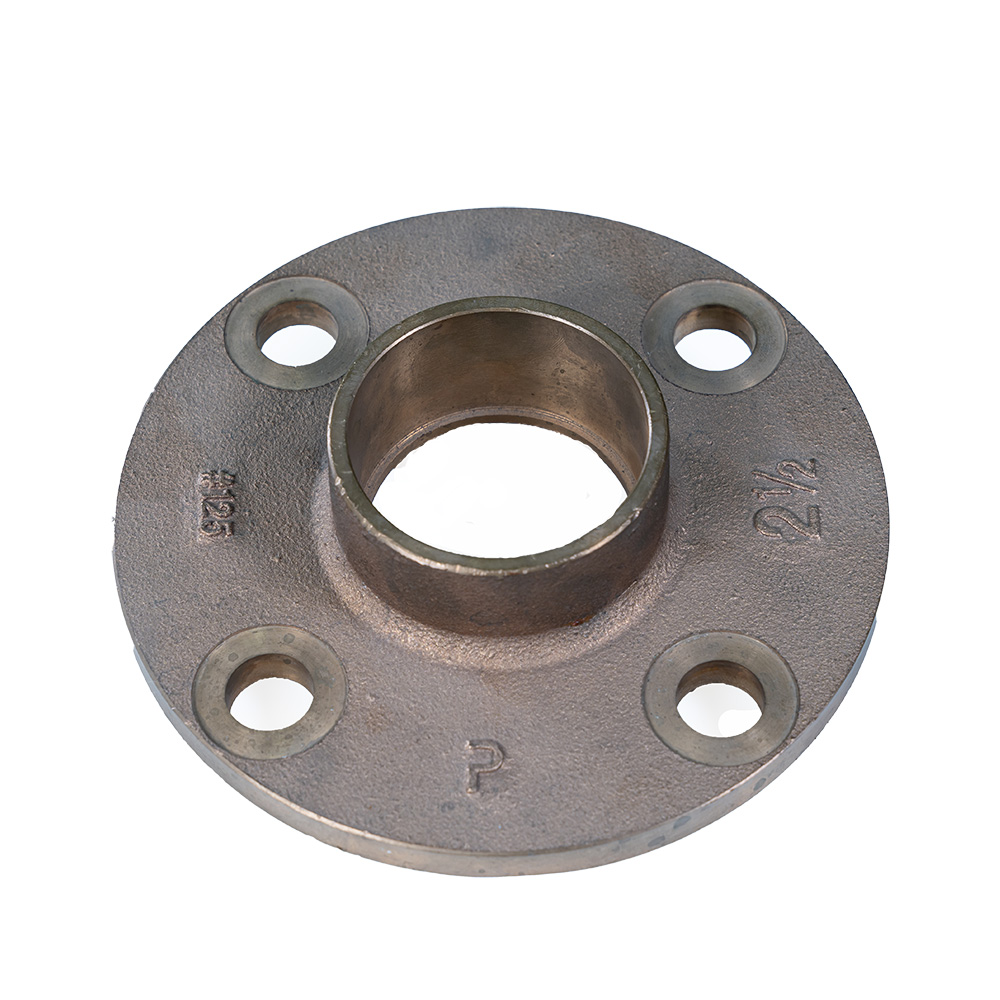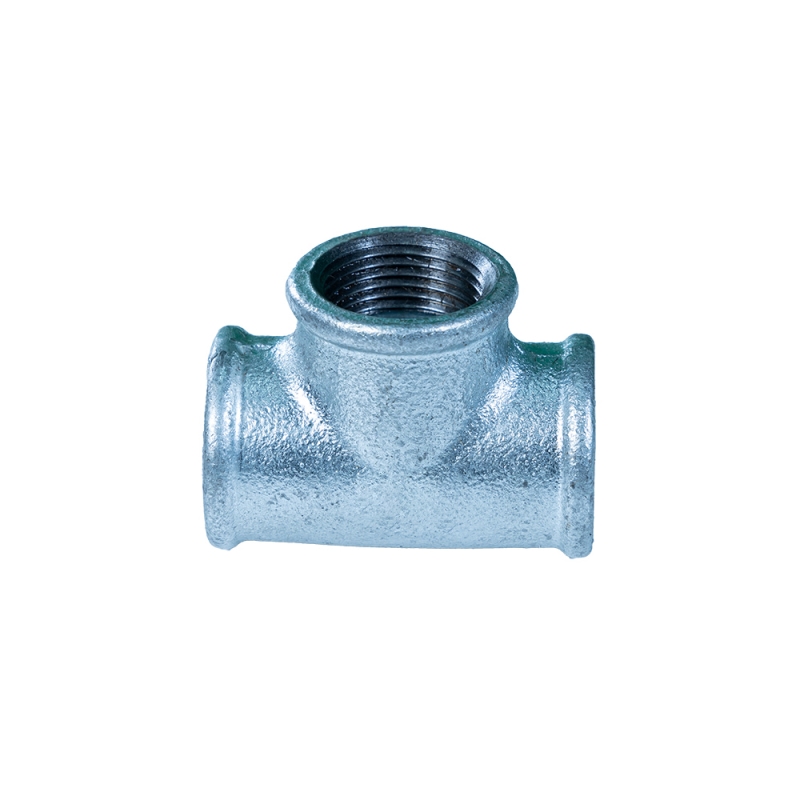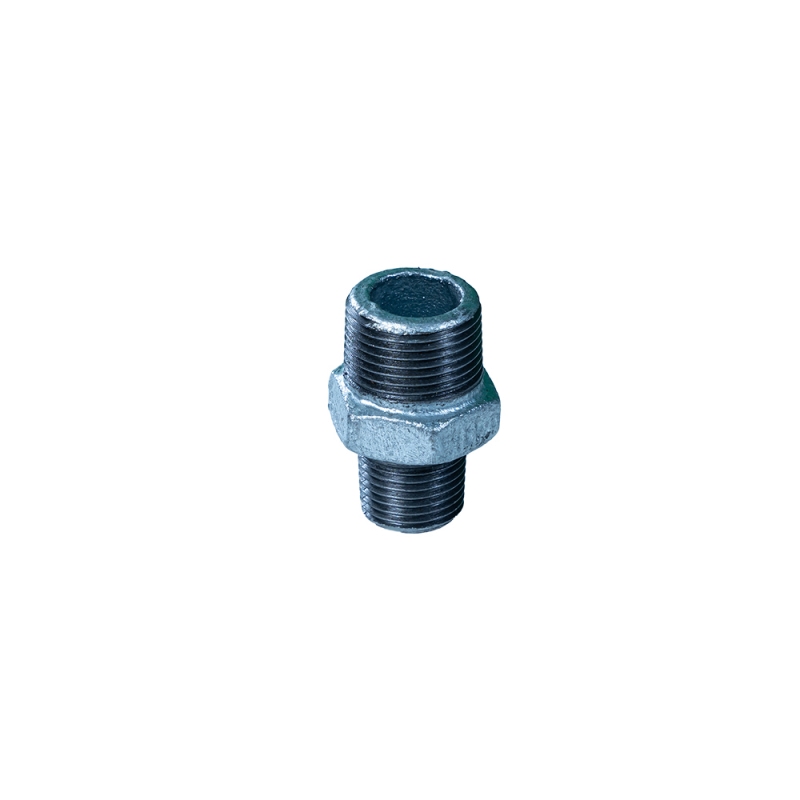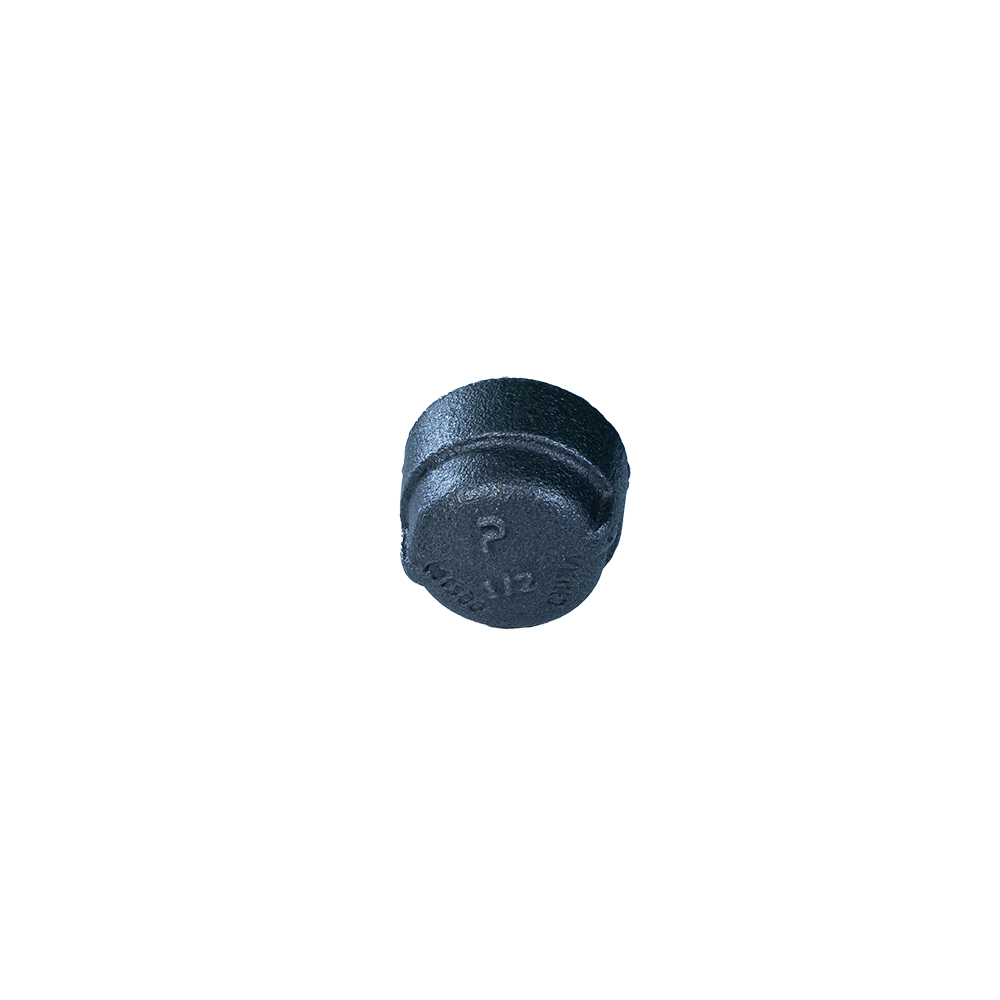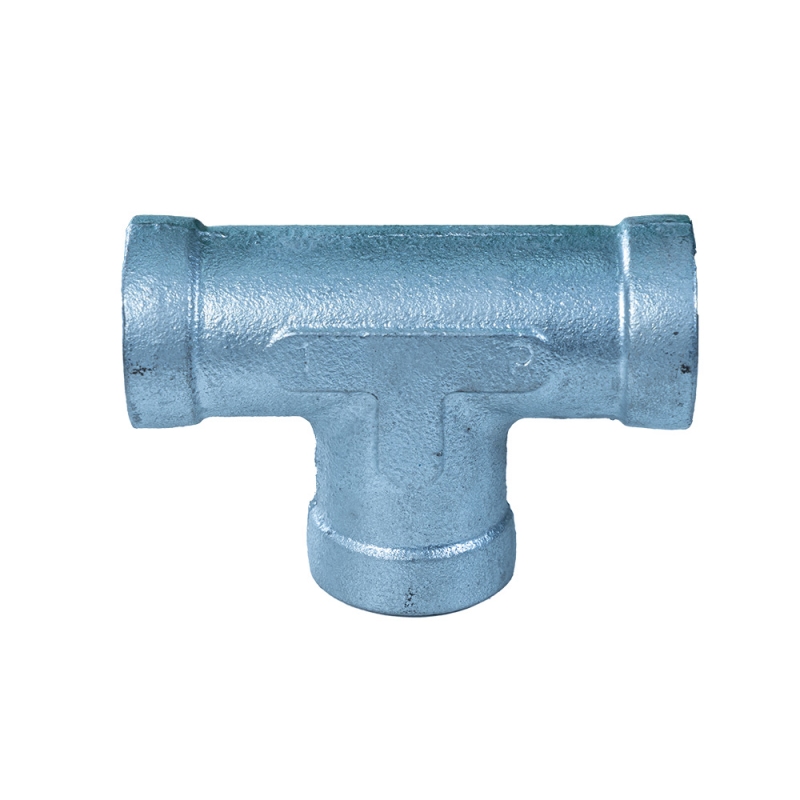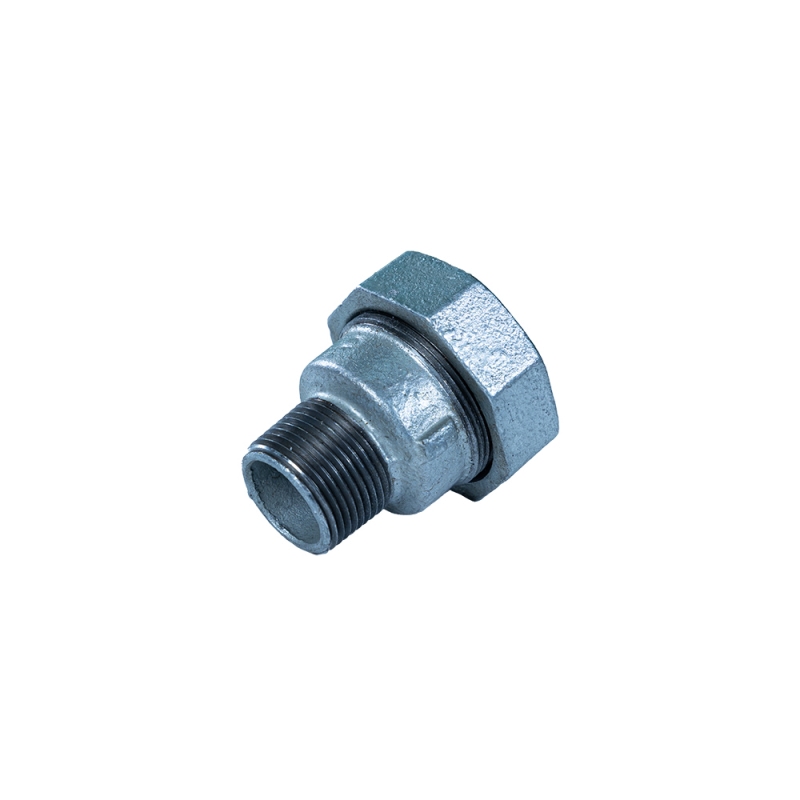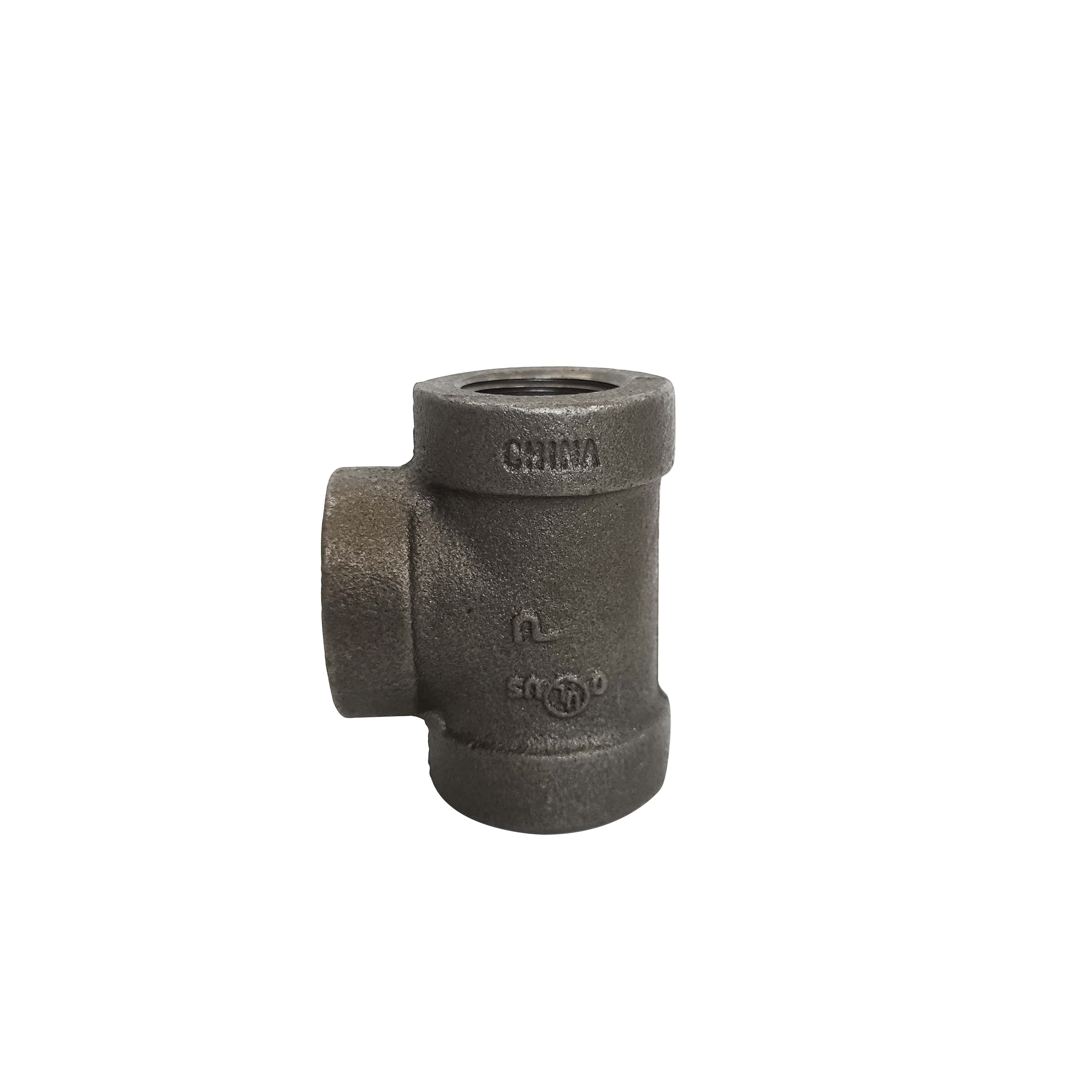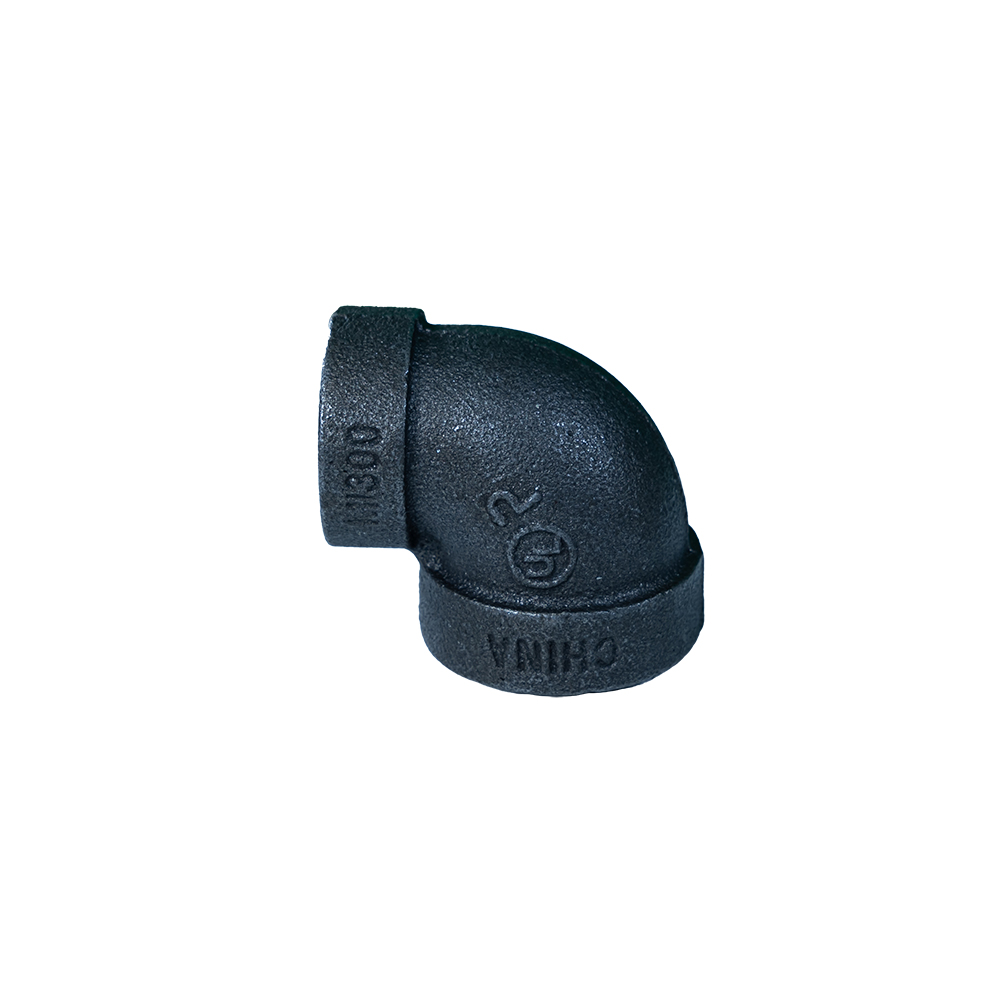

Understanding Pipe Reducer Fittings: Essentials in Modern Industry
Pipe reducer fittings, though seldom a headline item, are quietly crucial in countless industries worldwide. They’re the unsung heroes bridging different pipe sizes, ensuring seamless flow in everything from city water supplies to complex manufacturing plants. Grasping why these components matter globally—and what benefits they bring—helps engineers, procurement teams, and project managers make smarter choices that boost efficiency, safety, and cost savings.
Global and Industry Context
Globally, over 70% of industrial processes and municipal services depend on proper piping systems, according to ISO standards on piping components. The correct use of pipe reducer fittings addresses a surprisingly big challenge—how to connect pipes of varying diameters without pressure loss, leaks, or failure. Imagine a water treatment plant where large intake pipes must feed into smaller distribution lines without disruption; that's where these fittings shine.
Oddly enough, the demand for efficient pipe connections rises as infrastructure ages and urban populations swell. The World Bank notes urban populations will add 2.5 billion people by 2050, already straining existing water and gas systems. Consequently, upgrading with reliable fittings—including reducers—is more than smart; it’s vital.
What Are Pipe Reducer Fittings?
Simply put, pipe reducer fittings connect two pipes of different diameters in a fluid system. Their role is more than just “joining.” They maintain appropriate pressure and flow rates while preventing turbulence and potential damage. In humanitarian contexts, for example, streamlined water distribution through flexible reducer designs can supply clean water faster after disasters, ensuring safety and dignity for affected populations.
Key Components & Factors in Pipe Reducer Fittings
1. Durability
Pipe reducers often face harsh conditions — from corrosive chemicals in a refinery to sub-zero temperatures in arctic pipelines. Materials like stainless steel, carbon steel, or high-grade plastics resist corrosion and mechanical fatigue. Selecting the right material boosts lifespan and reduces maintenance downtime.
2. Scalability
Industries evolve, and sometimes pipe systems require upgrades or expansions. Reducer fittings come in standardized sizes and custom variants, allowing seamless interoperability as projects scale up or down. This flexibility matters a lot in modular plants or temporary setups in disaster zones.
3. Cost Efficiency
Though a small piece physically, the impact of pipe reducer fittings on operational costs is significant. Properly chosen fittings reduce energy losses from pressure drops and minimize leak risks, saving money in the long run. This is crucial in energy-intensive industries like oil and gas, where every psi saved counts.
4. Compliance and Standards
Industry standards like ASME B16.9 or ISO 9001 certified manufacturing ensure fittings meet safety and quality benchmarks — a non-negotiable requirement for critical infrastructure projects worldwide.
5. Ease of Installation
Quick, secure installability can make or break large projects, especially when working in remote or hazardous environments. Pre-fabricated reducers with standard ends (butt-weld, threaded, or flanged) speed up deployment and reduce labor hazards.
Product Specifications at a Glance
| Specification | Typical Range | Notes |
|---|---|---|
| Material | Carbon Steel, Stainless Steel, PVC | Depends on application environment |
| Size Range | 1/2” to 48” diameter | Custom sizes available |
| Pressure Rating | 150 to 2500 psi | Varies by material and design |
| End Connections | Butt-weld, Threaded, Flanged | Choice affects installation ease |
| Standards | ASME B16.9, ISO 9001 | Ensures uniform quality |
Where Are Pipe Reducer Fittings Used Globally?
You’ll find pipe reducer fittings in almost every infrastructure or industrial project worldwide. In North America, they’re essential in natural gas pipeline expansions; in Europe, they support renewable energy plants adjusting pipe flows between turbines and power grids. Asia’s booming megacities rely heavily on durable reducers in water and sewage systems.
Humanitarian organizations also use them in relief operations — for example, installing temporary water distribution networks after floods in Southeast Asia, provisioned by prefabricated reducer fittings that adapt quickly to uneven pipe systems. Oddly enough, even private brewing companies use specialized reducers for the perfect flow between tanks during fermentation.
Vendor Comparison: Popular Pipe Reducer Fittings Suppliers
| Vendor | Material Range | Lead Time | Customization Options | Certifications |
|---|---|---|---|---|
| PanNext | Carbon and Stainless Steel, PVC, HDPE | 2–4 weeks | Extensive, including custom diameters | ISO 9001, ISO 14001 |
| FitPro | Stainless Steel, PVC | 3–5 weeks | Standard sizes only | ASME B16.9 |
| GlobalPipe | Carbon Steel, Alloy Steel | 4–6 weeks | Custom and standard | ISO 9001, API |
Advantages & Long-Term Value of Using Quality Pipe Reducer Fittings
- Cost Savings: Lower turbulence and pressure drops reduce energy consumption over time — great for budget-conscious operations.
- Improved Safety: Proper fittings minimize leak risks, protecting people and environments from dangerous chemicals or gases.
- Sustainability: Durable materials reduce waste and replacement frequency, aligning with global sustainability goals like the UN’s Sustainable Development Goals (SDG 6 – Clean Water and Sanitation).
- Operational Trust: Consistent, reliable flow promotes confidence among engineers and plant operators, especially when downtime can cost millions.
It feels like the small decision to invest in quality reducer fittings secures not just pipes, but also project success and social responsibility.
Future Trends & Innovations
We’re on the cusp of smarter piping systems integrating IoT sensors embedded in reducer units to monitor pressure, temperature, and wear in real time. New materials such as composite alloys and bio-based plastics promise superior corrosion resistance while reducing carbon footprints. Plus, automation in fabrication means tighter quality control and faster deliveries. As green infrastructure expands, pipe reducer fittings will be no exception in evolving for sustainability and digital transformation.
Challenges & Solutions in Using Pipe Reducer Fittings
Common challenges persist—mismatched materials causing galvanic corrosion, delays in custom fittings, and installation errors. Yet experts suggest thorough upfront design reviews, choosing vendors with proven certification (like ISO and ASME), and integrating training for field technicians as practical solutions. Frankly, many issues arise from overlooking these basics rather than inherent flaws in the fittings themselves.
Frequently Asked Questions About Pipe Reducer Fittings
- What materials are best for pipe reducer fittings?
- Material choice depends on the application: stainless steel for corrosion resistance; carbon steel for high strength and cost-effectiveness; PVC for lightweight and chemical resistance in low-pressure systems.
- How do pipe reducer fittings affect system pressure?
- Properly designed reducers minimize pressure drops by facilitating smooth transition between pipe sizes, hence preserving system efficiency and preventing operational issues.
- Can custom pipe reducer fittings be made for unusual sizes?
- Yes. Most reputable manufacturers offer customization, although lead times and prices will vary based on complexity and volume.
- Are pipe reducer fittings reusable after removal?
- It depends on the material and end connection type. Some fittings can be reused if undamaged, but welding connections often require replacement for safety.
- Where can I find reliable pipe reducer fittings suppliers?
- Manufacturers like PanNext (pipe reducer fittings) are known for quality, certification, and customization options supporting diverse industries.
Conclusion
Pipe reducer fittings might be small, but their impact on industrial and infrastructure systems is anything but. These components ensure smoother, safer, and more efficient flow across countless applications worldwide. Whether upgrading an urban water line or ensuring disaster relief distribution, high-quality pipe reducers offer lasting value that transcends cost. For engineers and project managers looking to robustly optimize piping systems, exploring trusted suppliers such as pipe reducer fittings is a smart next step.
If you want to know more or source premium fittings, visit our website: https://www.pannextfittings.com.
A little seemingly insignificant part with a big role — I suppose that sums up pipe reducer fittings quite well.
Post time: Dec-02-2025