
What Are Black Water Pipe Fittings and Why They Matter Globally
If you’ve ever thought about the plumbing infrastructure that keeps our world hygienic and functioning, black water pipe fittings might not be the first thing that springs to mind. Yet, these humble components are fundamental to safely transporting wastewater — that is, black water — away from homes, factories, and public spaces. Understanding black water pipe fittings isn’t just technical jargon; it’s key to tackling water contamination, public health, and sustainable city planning worldwide.
Globally, as urban populations swell and industries expand, the demand for durable and cost-effective black water pipe fittings has skyrocketed. The black water pipe fittings market, for instance, supports crucial sanitation infrastructure that prevents disease outbreaks — something the World Health Organization frequently highlights is a top priority. Plus, in regions coping with disasters or rapid urbanization, these fittings keep sewage away from drinking water, protecting millions.
Mini takeaway: Grasping what black water pipe fittings are and how they function helps us appreciate the intersection of engineering, public health, and globalization.
Defining Black Water Pipe Fittings
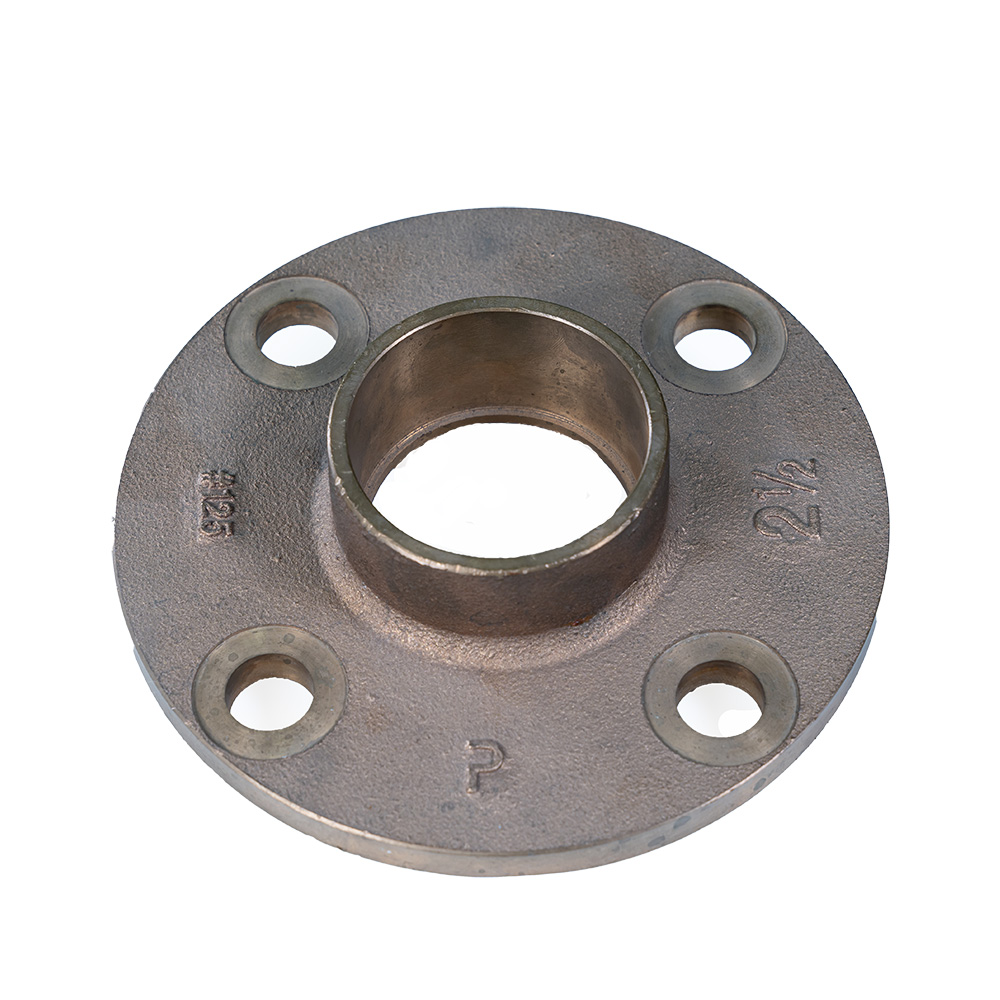
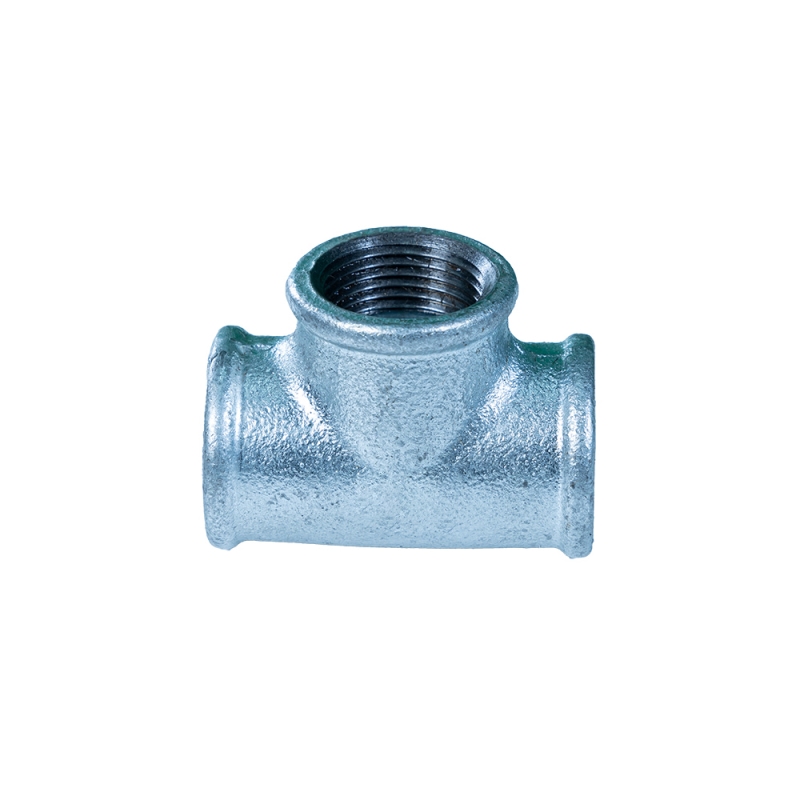
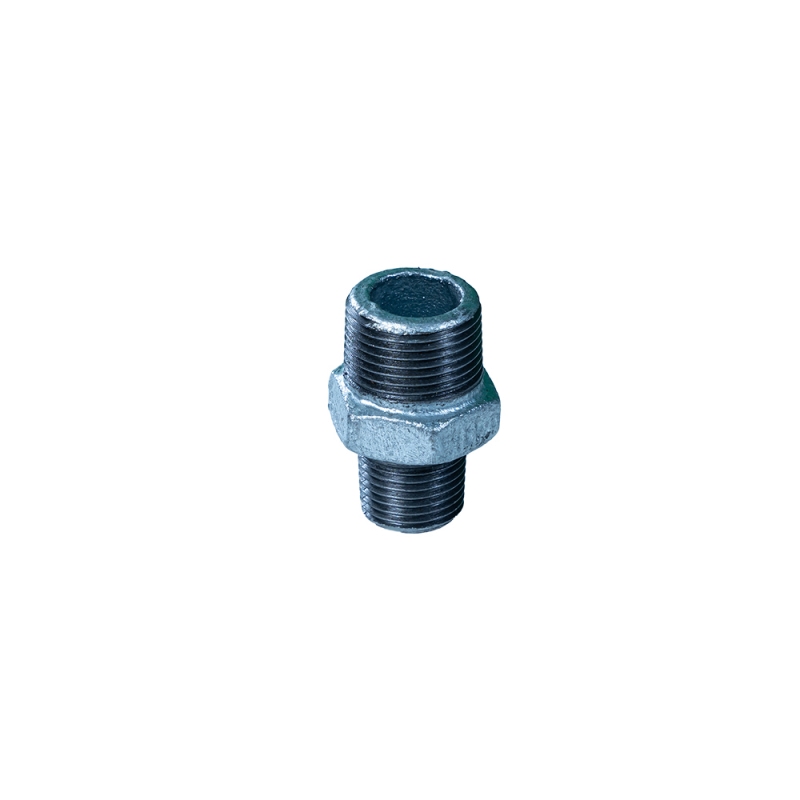
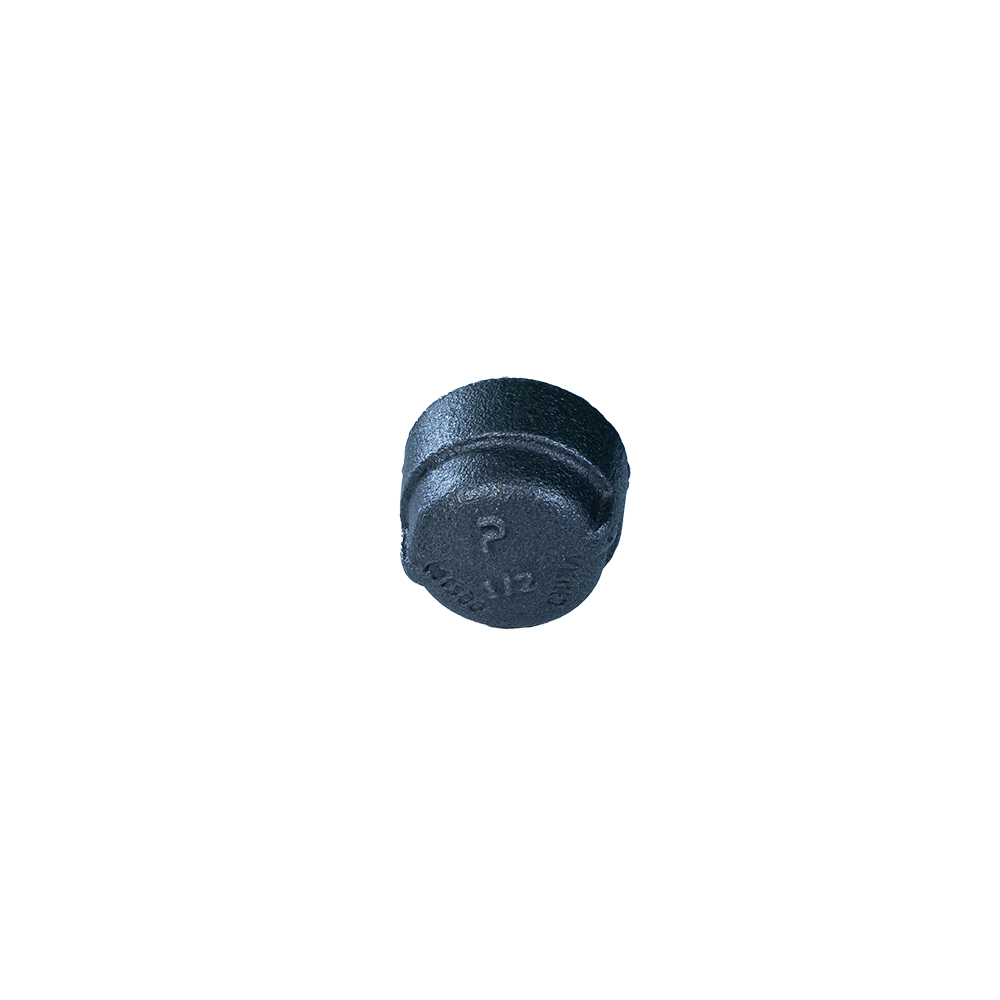
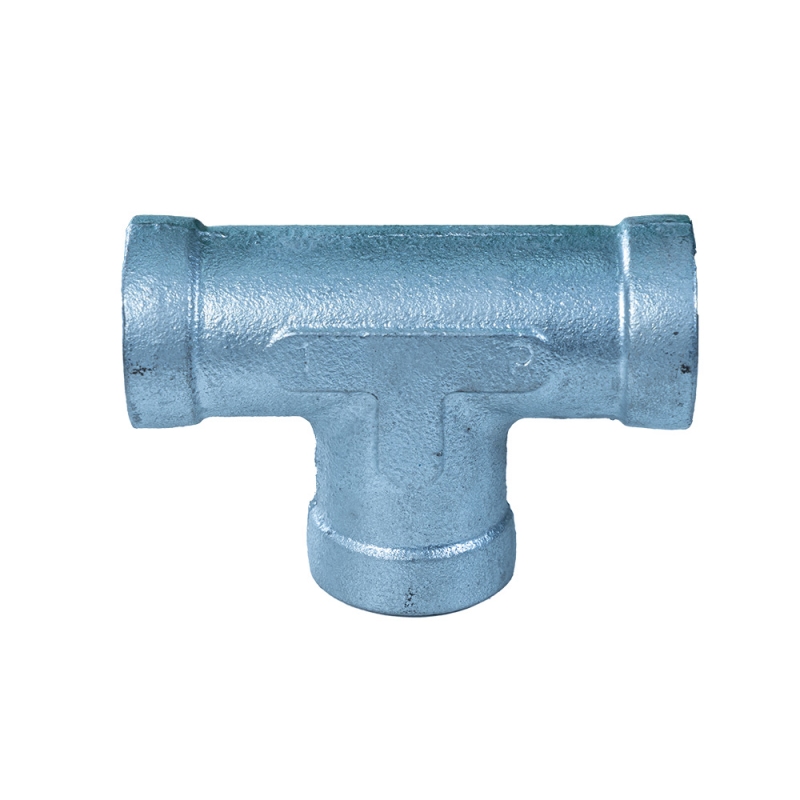
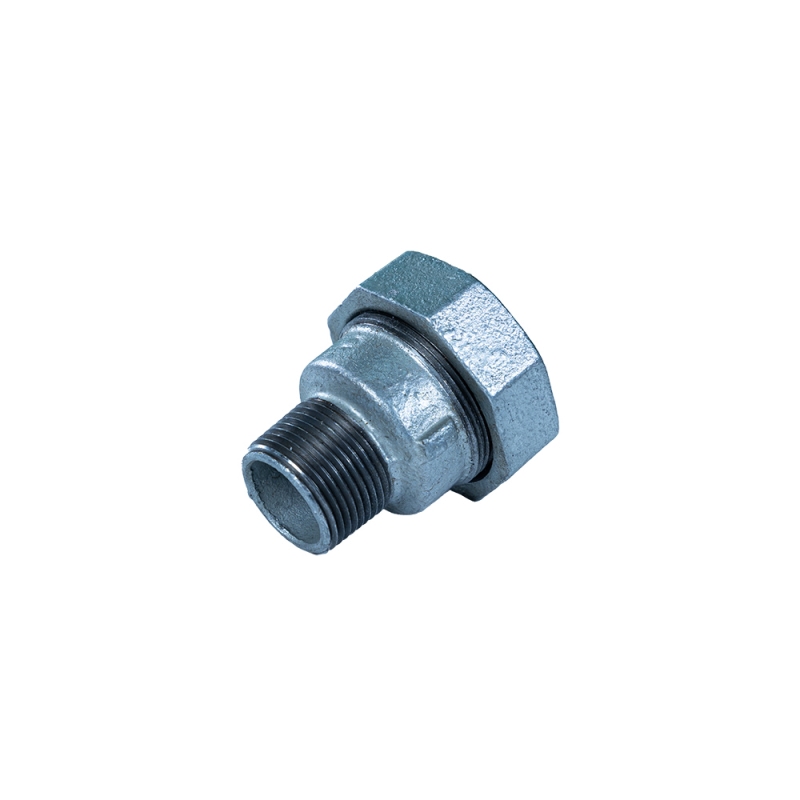
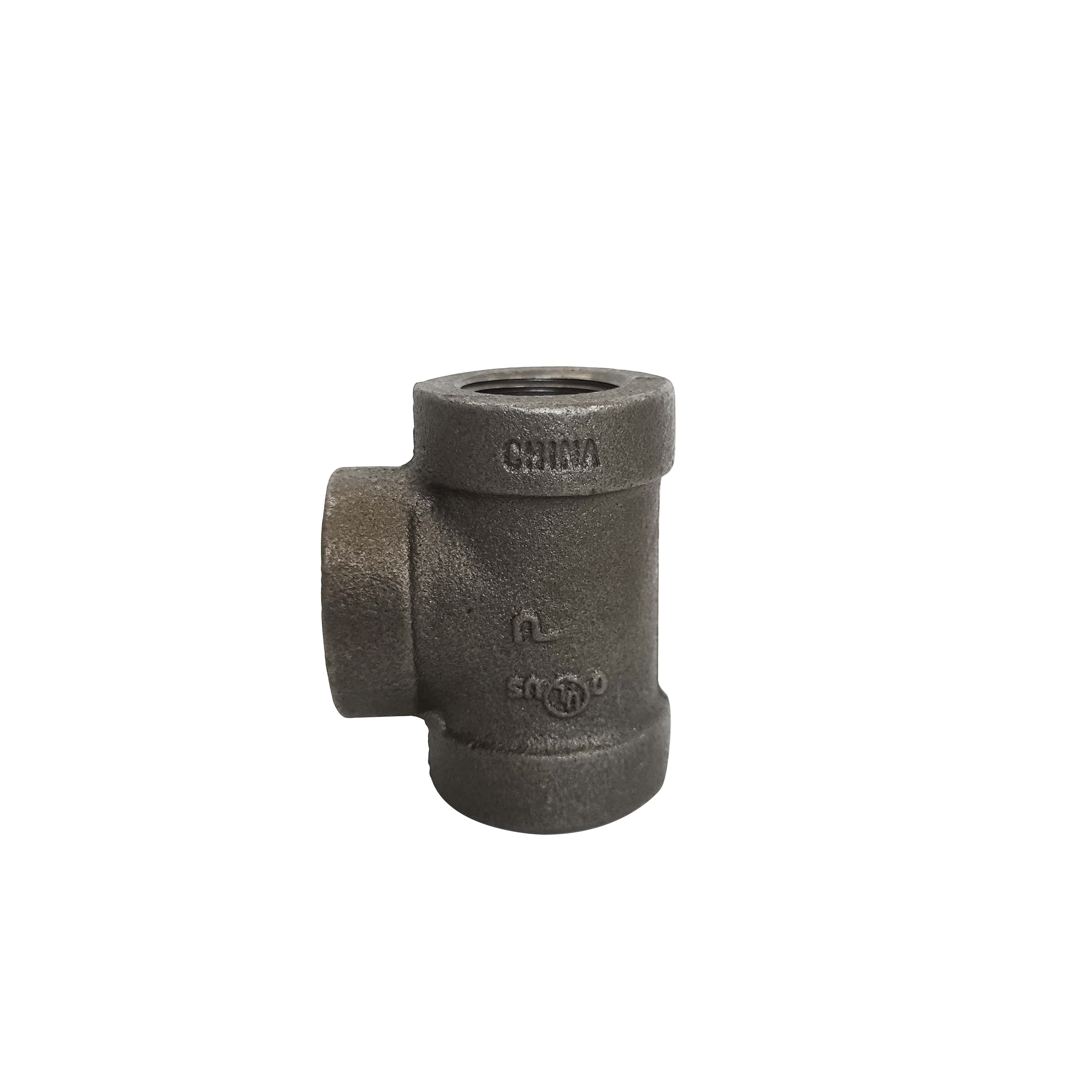
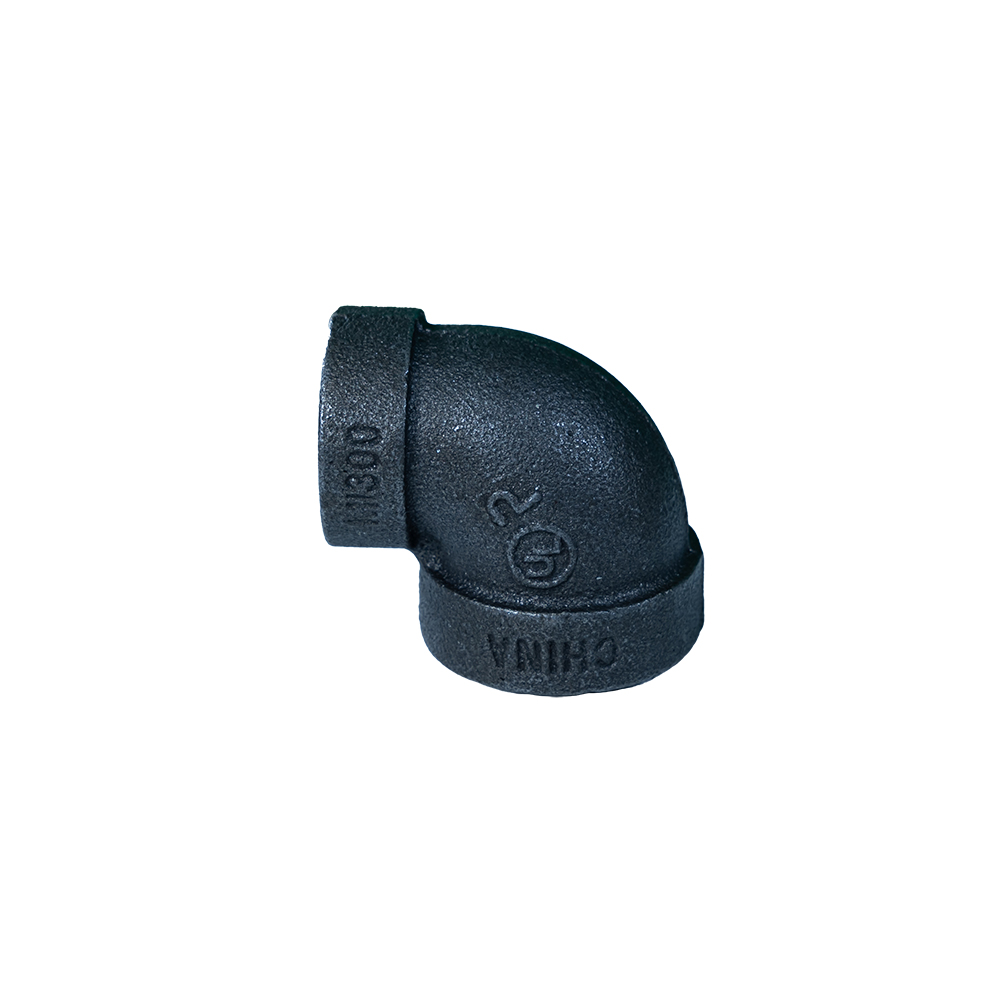
So, what exactly are black water pipe fittings? In simple terms, they are the connectors, elbows, couplings, and tees used in piping systems that manage black water — wastewater that comes from toilets, kitchens, and other waste sources that contain organic matter and pathogens.
The fittings must be robust enough to prevent leaks and withstand corrosive waste, high pressure, and sometimes extreme temperatures. This places their design and material choice at the heart of modern sanitation, water treatment plants, and even humanitarian water and sanitation (WASH) initiatives where sanitation infrastructure is urgently needed.
Oddly enough, they aren’t just industrial items but guardians of public health, enabling communities to safely and efficiently remove harmful waste from daily life.
Core Components That Define Quality in Black Water Pipe Fittings
Durability
The lifespan of fittings is often dictated by material — think PVC, HDPE, cast iron, or ductile iron. Each has merits; for example, HDPE offers chemical resistance and flexibility while cast iron boasts strength. Durable fittings mean fewer replacements, which matter for budgeting and environmental impact.
Leak Prevention and Seal Integrity
No one wants sewage leaks. Proper gasket systems and precision manufacturing keep waste sealed within pipes, preserving hygiene and preventing infrastructure damage.
Compatibility and Scalability
Pipes and fittings need to match diameters and pressure ratings precisely, or the whole system risks failure. Scalable fittings help engineers adapt sanitation networks as cities grow.
Cost Efficiency
Obviously, budgets matter. Black water pipe fittings range widely in prices and maintenance costs. Striking a balance between upfront costs and long-term durability is key.
Resistance to Corrosion and Chemical Attack
Wastewater often carries compounds that erode metal or degrade plastics, so fittings must resist these conditions or be treated to last.
Mini takeaway: The best black water pipe fittings harmonize these aspects, powering dependable sewer systems worldwide.
Global Applications and Use Cases for Black Water Pipe Fittings
From the sprawling megacities of Southeast Asia to remote mining camps in Australia, black water pipe fittings quietly serve some of the globe’s most critical sanitation needs.
- Urban Infrastructure: Cities like Mumbai and Lagos rely on extensive black water piping networks to handle millions of liters of sewage daily.
- Post-Disaster Reconstruction: After hurricanes or earthquakes, quick deployment of black water pipe fittings is vital for temporary sanitation systems that prevent disease outbreaks.
- Industrial Complexes: Factories and chemical plants employ specialized fittings to safely handle black water often contaminated with oils or solvents.
- Humanitarian Efforts: NGOs install modular black water piping systems in refugee camps to maintain dignity and health standards under challenging conditions.
A concrete example: In the aftermath of the 2010 Haiti earthquake, relief agencies rapidly installed black water pipe fittings within portable sanitation units, safeguarding water sources from contamination — a critical step in stabilizing public health.
Advantages and Long-Term Value of Using Quality Black Water Pipe Fittings
Quality black water pipe fittings provide tangible benefits:
- Cost Savings: Durable materials reduce repair needs, saving municipalities millions over decades.
- Environmental Sustainability: Maintaining secure sewage flow prevents soil and water pollution.
- Social Impact: Safe wastewater management promotes health and dignity in communities.
- Reliability: Trusted fittings inspire confidence among engineers and users alike.
- Innovative Design: Emerging materials and smart leak detection enhance safety and maintenance.
Frankly, users find peace of mind knowing that basic sanitation needs won’t suddenly fail, especially when infrastructure investments are rigidly planned.
Product Specification Table: Typical Black Water Pipe Fittings
| Parameter | PVC | HDPE | Cast Iron |
|---|---|---|---|
| Max Pressure | 150 psi | 200 psi | 250 psi |
| Temperature Range | -20°C to 60°C | -40°C to 80°C | -20°C to 120°C |
| Corrosion Resistance | High | Very High | Low to Medium |
| Average Lifespan | 50 years | 70+ years | 75 years |
Vendor Comparison: Leading Suppliers of Black Water Pipe Fittings
| Feature | PanNext Fittings | GlobalPipe Corp. | EcoSeal Industries |
|---|---|---|---|
| Product Range | Extensive (PVC, HDPE, Cast Iron) | Moderate (mainly PVC) | Growing (Focus on sustainability) |
| Innovative Solutions | Smart leak detection fittings | Standard models | Bio-based materials R&D |
| Customer Support | 24/7 technical assistance | Business hours | Limited |
| Sustainability Practices | Inclusive, ISO 14001 certified | Basic compliance | Industry leader in eco-packaging |
Future Trends & Innovations in Black Water Pipe Fittings
The plumbing world isn’t stuck in the past. Developers are working on pipe fittings that integrate sensors for real-time leak detection, so infrastructure managers can respond before small faults become costly disasters. Additionally, bio-based composite materials promise to cut plastic waste, making black water pipe fittings greener.
Prescriptive analytics and AI-led predictive maintenance are just starting to ripple through the wastewater industry, allowing for smarter, less invasive upkeep. Digitally connected smart fittings might soon be standard — at least, many engineers I chat with are optimistic.
Challenges & Expert Solutions
Despite their importance, black water pipe fittings face common challenges: corrosion, installation complexity, and regulatory compliance. Corrosive sewage environments shorten the life of some fittings. However, expert manufacturers are evolving coatings and composite blends to combat degradation.
Often, poorly trained labor leads to leaks and failures. So education and certification programs supplement the hardware with knowledge — improving systems holistically. Finally, navigating international standards is tricky but necessary for global projects; adherence to ISO 15875 and ASTM F606, for example, helps ensure quality and safety.
FAQ: Your Top Questions on Black Water Pipe Fittings
- What materials are best for black water pipe fittings in coastal regions?
- HDPE and specially coated cast iron are preferred due to their strong corrosion resistance against salty, humid environments common near coasts.
- How do black water pipe fittings differ from grey water ones?
- Black water fittings handle highly contaminated sewage with pathogens, requiring tighter seals and more durable materials compared to fittings for grey water, which is less contaminated.
- Can black water pipe fittings be used in cold climates?
- Yes, but material selection is key. HDPE fittings are preferred since they remain flexible and resistant to cracking at low temperatures.
- Are there eco-friendly black water pipe fittings currently available?
- Manufacturers are introducing fittings made from recycled materials or bio-based plastics that offer similar durability while reducing environmental footprint.
- How quickly can black water pipe fittings be deployed in emergency sanitation setups?
- Modular, easy-to-install fittings can be deployed within hours to days, critical for emergency relief settings demanding fast action.
Conclusion: Why Investing in Black Water Pipe Fittings Pays Off
Throughout the world, black water pipe fittings form an unseen but vital backbone of sanitation infrastructure. They ensure wastewater flows securely away from communities, safeguarding health and the environment — in cities, industries, or disaster zones alike. With emerging technologies and sustainability pushing the market forward, quality fittings not only solve today’s problems but prepare us for tomorrow’s challenges.
If you’re interested in exploring reliable options and modern innovations in this space, you can learn more or get in touch via our website. An investment in superior black water pipe fittings truly is an investment in long-term safety, resilience, and wellbeing.
Mini takeaway: While easily overlooked, black water pipe fittings are essential infrastructure heroes, critical to global sanitation and health stability.
References:
Post time: Dec-02-2025