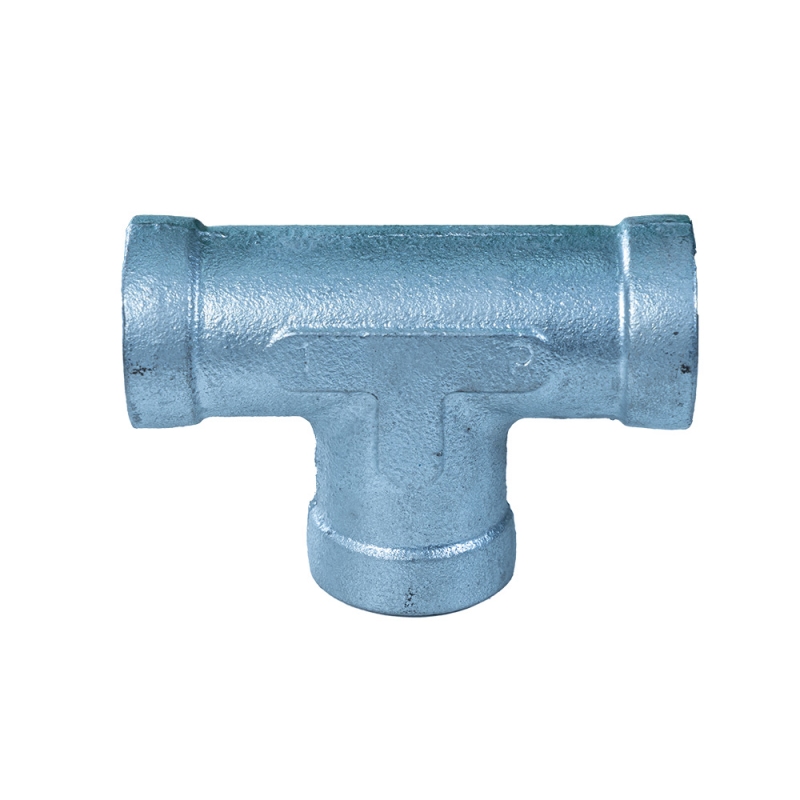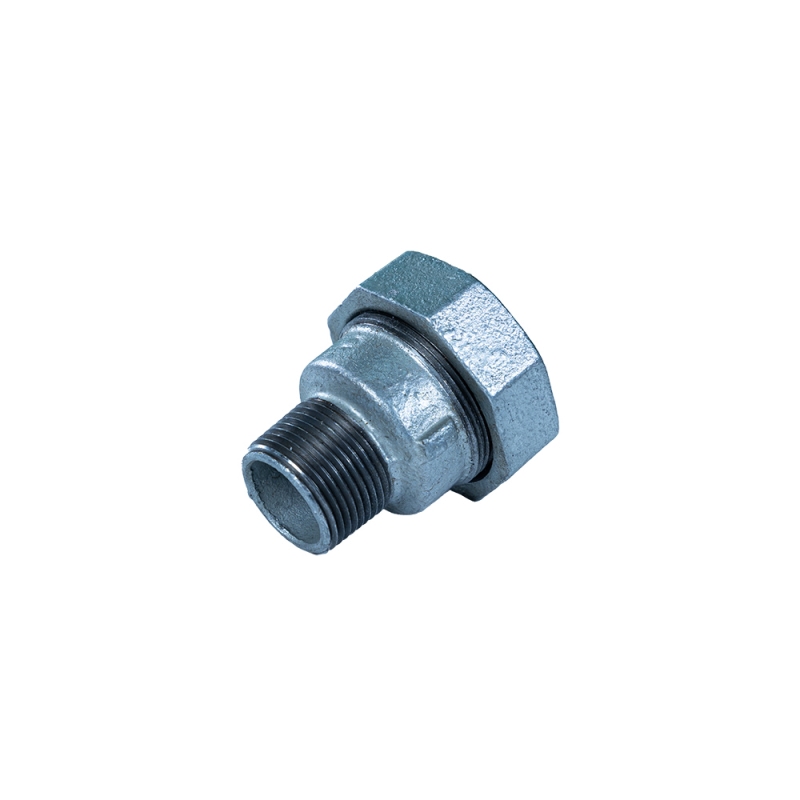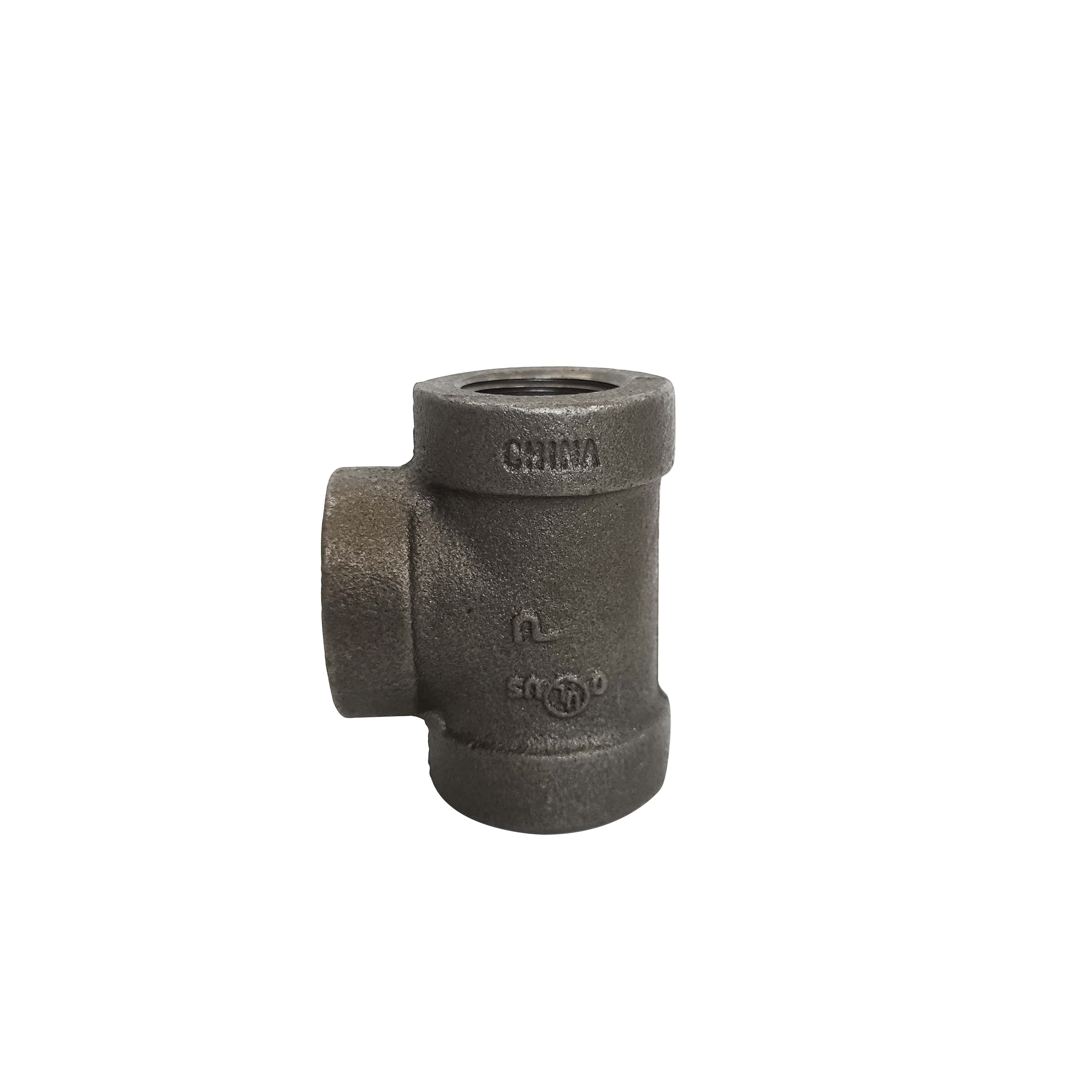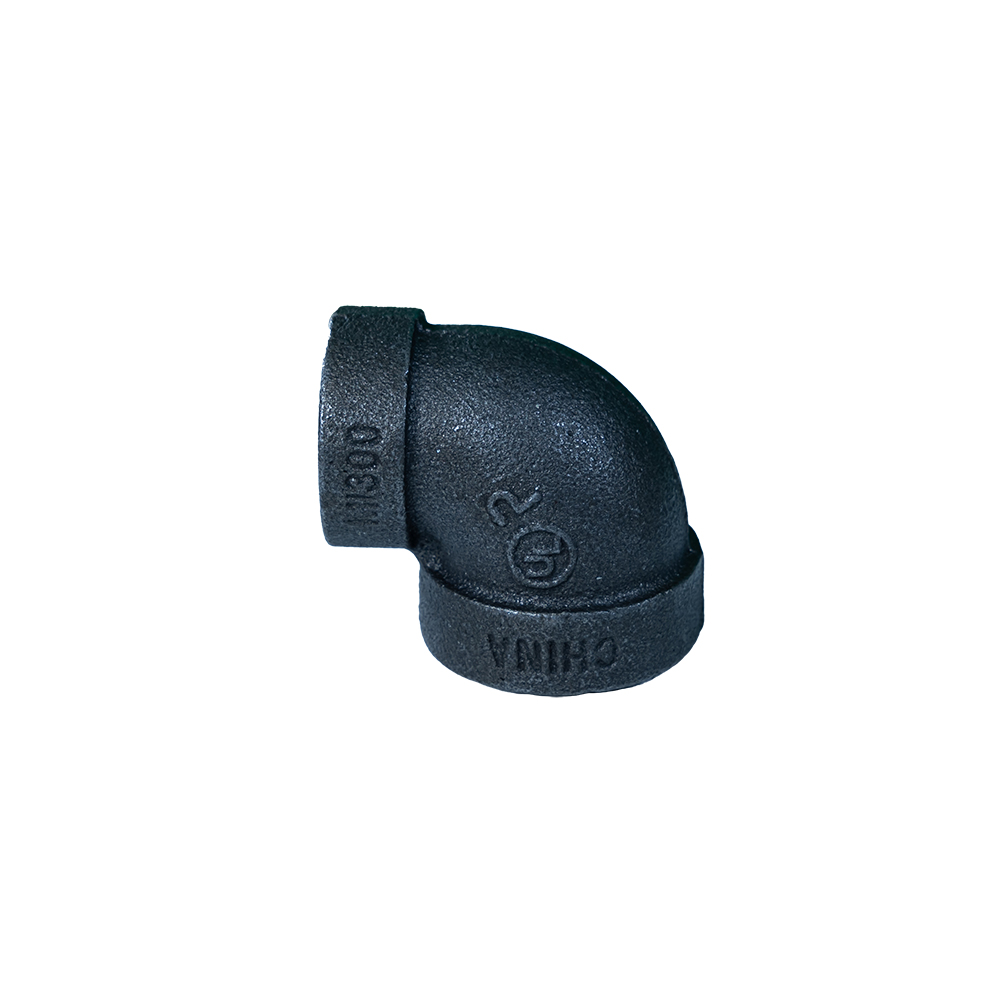

Flexible Pipe Coupling: A Vital Component in Modern Infrastructure
Flexible pipe coupling — sounds a bit technical, right? Yet, this simple-sounding product plays a hugely important role in infrastructure projects globally. It’s one of those unsung heroes that quietly connects pipelines while allowing movement and flexibility. Its significance arises because fluid transport and pipeline resilience are foundational to industries ranging from water supply to energy and disaster relief efforts. Understanding flexible pipe couplings is not just for engineers; it touches on sustainability, safety, and cost-efficiency worldwide.
Introduction: Why Flexible Pipe Coupling Matters Globally
Globally, the water and energy sectors are under pressure to upgrade aging infrastructure in ways that are affordable yet durable. According to the World Bank, over 30% of water supplied globally is lost through leaks—many caused by rigid and poorly connected pipes. The ISO also emphasizes standards for flexible connections to address seismic risk, ground shifts, and other disruptions.
Flexible pipe couplings mitigate many common problems by allowing pipes to accommodate movement without breaking seals. This feature is critical in areas prone to earthquakes or landslides, and in dynamic industrial environments where thermal expansion rapidly changes pipeline dimensions.
What Is a Flexible Pipe Coupling?
In simple terms, a flexible pipe coupling is a mechanical device used to connect two sections of pipe together while permitting limited movement in angles, length, or rotation. Unlike rigid couplings, it compensates for misalignment, vibration, and thermal expansion.
This adaptability ties directly into modern industry demands—where infrastructure must be both resilient and quick to install or repair. It’s also crucial in humanitarian contexts, for example, enabling water distribution in disaster zones where ground conditions shift.
Core Components and Key Factors
Durability
Flexible pipe couplings are built to withstand high pressure, weather exposure, and chemical corrosion. Materials like stainless steel and EPDM rubber gaskets ensure longevity, minimizing maintenance costs and unexpected failures — key for remote installations.
Scalability
These couplings come in various sizes to fit everything from small municipal lines to massive industrial pipes, offering scalability to complex projects.
Ease of Installation
Many are designed for quick, tool-light installation, reducing labor costs and deployment time significantly — handy in urgent repair situations.
Cost Efficiency
Though initial upfront costs may be higher than rigid couplings, the long-term cost savings due to fewer failures and repairs often justify the investment. Plus, their reusability in some designs adds to lifecycle value.
Flexibility
Allowing movement in multiple directions helps pipelines absorb shocks from external forces like earthquakes or ground settling — a huge advantage in disaster-prone zones.
Product Specifications at a Glance
| Specification | Typical Value |
|---|---|
| Material | Stainless Steel (housing), EPDM Rubber (gasket) |
| Pressure Rating | Up to 250 psi |
| Temperature Range | -20°C to 120°C (-4°F to 248°F) |
| Angle Movement | ±7° per coupling |
| Pipe Size Range | 1 inch to 24 inches diameter |
Global Applications and Real-World Use Cases
Flexible pipe couplings are everywhere you might not think. In water utilities from Asia to the Americas, they allow upgrades without shutting down entire systems. Many engineers I’ve spoken to value them in urban water networks to absorb vibration from traffic and prevent pipe fatigue.
In post-disaster relief efforts — such as after earthquakes in Japan or floods in Europe — these couplings enable rapid on-site repair, reestablishing water flow quickly and safely. Industrial zones, especially in the oil & gas sectors of the Middle East and Russia, rely on them to accommodate thermal expansion and ground shifts, preventing catastrophic failures.
Medical and food processing plants also use flexible couplings where hygiene and vibration absorption are equally critical — often specified per stringent international standards.
Vendor Comparison Table: Leading Flexible Pipe Coupling Suppliers
| Feature | Pannext Fittings | Competitor A | Competitor B |
|---|---|---|---|
| Material Quality | Premium stainless steel & EPDM | Galvanized steel, nitrile gasket | Carbon steel, rubber blend |
| Pressure Rating | Up to 250 psi | 175 psi | 200 psi |
| Temperature Range | -20°C to 120°C | 0°C to 100°C | -10°C to 90°C |
| Ease of Installation | Tool-light, quick fit | Moderate assembly | Requires specialized tools |
| Price Range | Mid-range | Low cost | High-end |
Advantages and Long-Term Value
Flexible pipe couplings don’t just protect pipes physically—they build trust that infrastructure won't fail unexpectedly. This fosters community safety, especially where water purity and fire suppression depend on fast flow.
From a sustainability perspective, their durability means less frequent replacement—cutting down on material waste and service disruptions. I noticed municipal engineers emphasize how this reliability boosts social dignity in less-developed regions by ensuring consistent utility access.
Future Trends & Innovations
Looking forward, the industry is exploring couplings with smart sensors embedded to monitor pressure and detect leaks real-time, integrating with automated pipeline management systems.
Material advances include eco-friendlier composites and coatings resisting biofilm or scale build-up—cutting maintenance frequency. The rise of green energy plants taps couplings tolerating extreme temperatures, while stricter ISO standards encourage interoperability and quicker approvals globally.
Challenges and Solutions
Let’s be frank: flexible pipe couplings can sometimes face limitations like gasket aging or compromised seals under extreme chemical exposure. That said, routine inspections and material upgrades help mitigate these risks.
Innovative designs now allow easy gasket replacement without full system disassembly, reducing downtime. Plus, modular coupling systems facilitate compatibility across different pipe materials—a real boon for retrofit projects.
FAQ: Common Questions About Flexible Pipe Coupling
- What types of pipes can flexible pipe couplings connect?
They typically connect steel, PVC, cast iron, and ductile iron pipes, accommodating varied materials used in water, gas, and industrial sectors. - How do flexible couplings improve earthquake resilience?
They absorb ground movement by allowing pipe sections to shift slightly without losing seal integrity, preventing leaks and ruptures during seismic events. - Can flexible couplings be reused after disassembly?
Some types with replaceable gaskets and corrosion-resistant housing are designed for reuse, though it depends on manufacturer specs and field conditions. - What maintenance is required for these couplings?
Routine inspections to check gasket condition and signs of corrosion are recommended. Proper installation also greatly extends service life.
Conclusion: Why Flexible Pipe Couplings Deserve Your Attention
Flexible pipe couplings are a modest but crucial technology that underpins safe, resilient, and cost-effective pipeline systems worldwide. Whether for urban utilities, industrial plants, or humanitarian projects, they provide unparalleled advantages with long-term value.
Looking to learn more or source high-quality products? Visit our website: flexible pipe coupling for expert insights and trusted solutions.
Oddly enough, thinking about these little connectors really opened my eyes to the unsung infrastructure heroes keeping things flowing every day.
References
Post time: Dec-02-2025